
Discover The Colorado Trout Stream With Crystal Clear Waters And Unforgettable Mountain Scenery
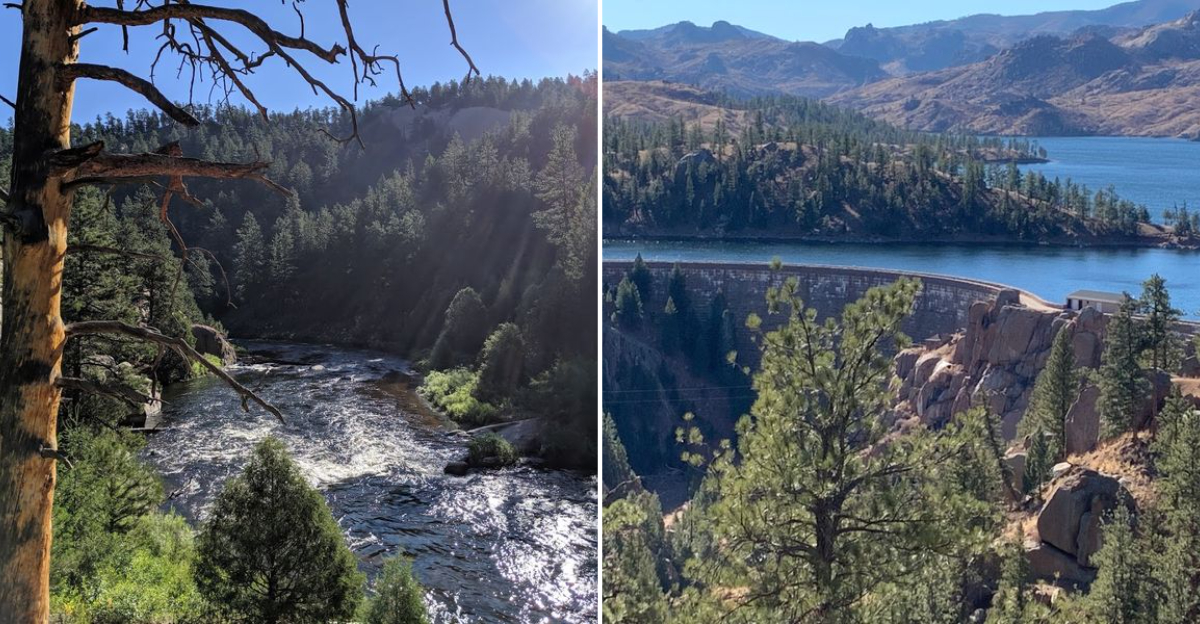
Snow-melt rushes over smooth river stones with a crisp, roaring clarity that cuts through the mountain silence. Sharp pine scent fills the cool air, drifting down from the massive peaks that frame this rushing alpine current.
Colorado provides a sanctuary here where wild trout navigate deep, turquoise pools beneath the limestone shelves. The water is so transparent that fishermen can spot individual pebbles six feet below the surface.
Casts must be precise because the native fish notice the slightest shadow on the bright water. Each drift of the fly brings the tense anticipation of a sudden, flashing strike.
Anglers stand waist-deep in the freezing current while the morning sun slowly warms the granite cliffs above them. A single morning on these banks ruins ordinary fishing spots forever.
Water Quality And Clarity In Mountain Streams
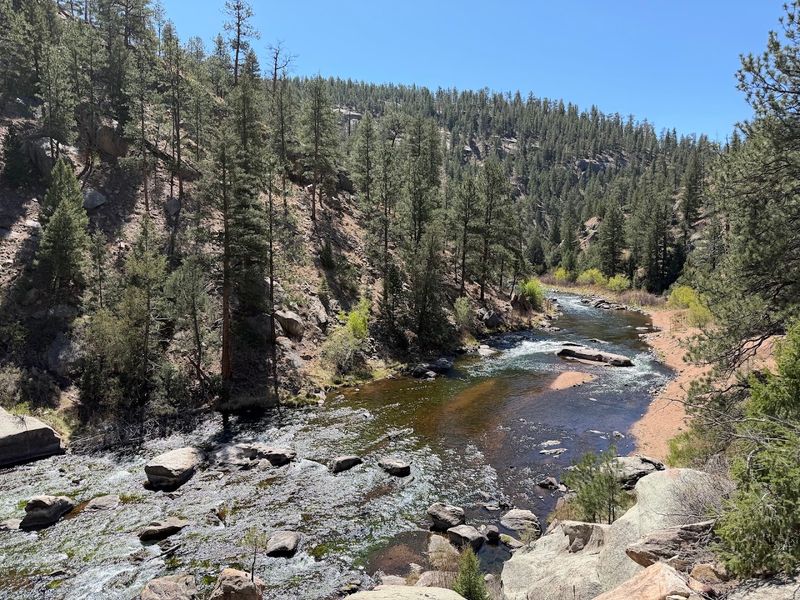
Few streams in Colorado can match the remarkable water clarity found at Cheesman Canyon. The South Platte River here is a tailwater fishery.
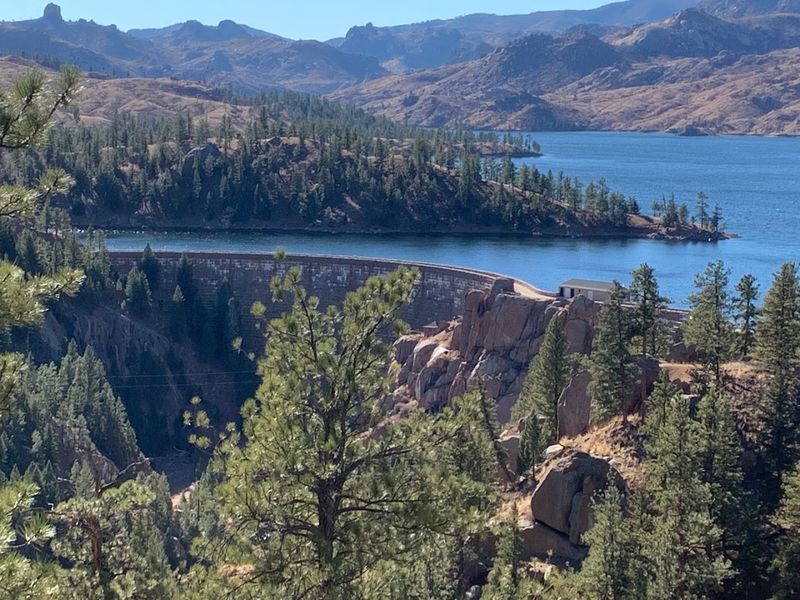
Flows are regulated by Cheesman Dam sitting just upstream.
Because of that dam, water temperatures stay consistently colder than most Colorado Rocky Mountain waterways. That cold, stable environment supports a thriving trout population year-round.
You can literally stand on a boulder and watch fish moving below the surface.
The clarity is not just beautiful. It actually makes fishing more technical and rewarding.
Fish can see your line, your leader, and your fly with sharp precision.
Anglers need to be stealthy and precise. Presentations have to be spot-on, or those trout will ignore you completely.
The water visibility forces you to become a better, more thoughtful angler with every visit.
High flows from seasonal runoff can temporarily reduce clarity, especially in late spring. But the canyon typically returns to its signature glass-like condition quickly.
Even on off days, the scenery alone makes the trip worth every step of the trail.
You can find the trailhead at 23785 Co Rd 126, Pine, CO 80470. Plan to arrive early, especially on weekends.
Parking fills up faster than you would expect for a spot this far off the main road.
Types Of Trout Found In Colorado Waters
Cheesman Canyon holds some of the most impressive wild trout populations in the entire state. Colorado Parks and Wildlife designated it Gold Medal Water, and that title is not handed out lightly.
Gold Medal status means a significant number of large, quality fish call this stretch home.
Wild brown trout and rainbow trout dominate the canyon. Many fish measure between 14 and 20 inches.
Some push past 20 inches, which is genuinely impressive for a wild stream fishery.
The rainbow trout here carry colors that seem almost too vivid to be real. Their pink lateral stripes practically glow in the sunlight.
Brown trout tend to hold in deeper pools and undercut banks along the river corridor.
Occasionally, cutthroat trout make an appearance as well. Spotting one feels like finding a rare treasure.
They are less common here but add a welcome bonus for lucky anglers working the canyon thoroughly.
Because the fishery is catch-and-release only, these fish have the chance to grow old and large. That regulation protects the overall quality of the population.
It also means you are releasing fish that another angler will have the pleasure of catching someday.
Watching an 18-inch rainbow leap clear of the water on a tight line is the kind of moment that keeps people coming back to Cheesman Canyon season after season without hesitation.
Seasonal Conditions Affecting Trout
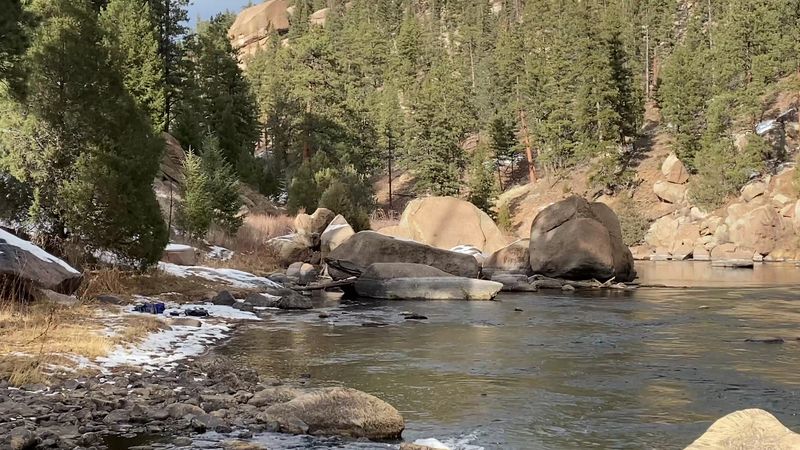
Cheesman Canyon fishes well in every season, but each one brings its own personality to the water. Winter runs from November through March.
Flows stay low and stable, midge hatches dominate, and the canyon feels like a quiet secret shared between dedicated anglers.
Spring arrives between March and May with rising flows and the emergence of Blue-winged Olives. Rainbow trout begin spawning during this period.
Wading becomes trickier as snowmelt pushes water levels higher through the canyon.
Summer is peak season from June through September. Trico, PMD, and Caddis hatches create exciting dry fly opportunities.
High runoff flows can make wading genuinely challenging during this stretch, so watch conditions carefully before heading out.
Fall earns serious praise from experienced anglers who know the canyon well. September through November brings fewer crowds, renewed Blue-winged Olive activity, and brown trout preparing for their spawning run.
The canyon lights up with warm tones that make every cast feel cinematic.
Matching your fly selection to the current hatch is critical here. Fish are selective and well-educated.
Presenting the wrong pattern at the wrong time often results in a lot of ignored drifts and zero strikes.
Checking current flow data before your visit is genuinely smart planning. Flows above 700 cubic feet per second make wading unsafe.
Timing your trip around manageable conditions dramatically improves both safety and success on the water.
Conservation Efforts For Colorado Trout Habitats
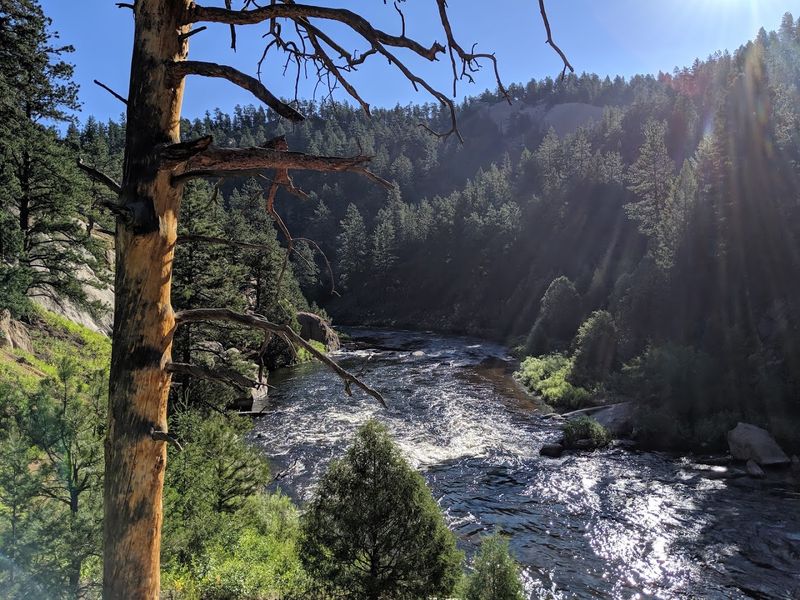
Protecting Cheesman Canyon required serious effort over many decades. The 2002 Hayman Fire scorched the surrounding landscape with devastating intensity.
Erosion and heavy sedimentation followed, threatening the river ecosystem that anglers and wildlife depend on.
Recovery came gradually through natural high-flow events that flushed sediment downstream. The canyon showed remarkable resilience over time.
Today the river corridor looks lush and healthy compared to the years immediately following the fire.
Catch-and-release regulations are strictly enforced throughout the canyon. No harvest is permitted in this Gold Medal stretch.
Those rules exist specifically to protect the large, wild trout population that makes this fishery so extraordinary.
Whirling disease impacted the self-sustaining rainbow trout fishery here years ago. The disease affects juvenile fish and can reduce recruitment in affected populations.
Ongoing monitoring helps managers track population health and respond when needed.
New Zealand mud snails were discovered upstream of Cheesman Reservoir back in 2005. This invasive species threatens native aquatic ecosystems wherever it establishes.
Anglers are strongly encouraged to clean, drain, and dry all gear between waterways to prevent further spread.
Maintaining the Gill Trail is another ongoing conservation priority. Keeping foot traffic on designated paths reduces bank erosion along the river.
Every angler who stays on the trail is actively contributing to the long-term health of this remarkable Colorado fishery.
Essential Gear For Successful Trout Angling
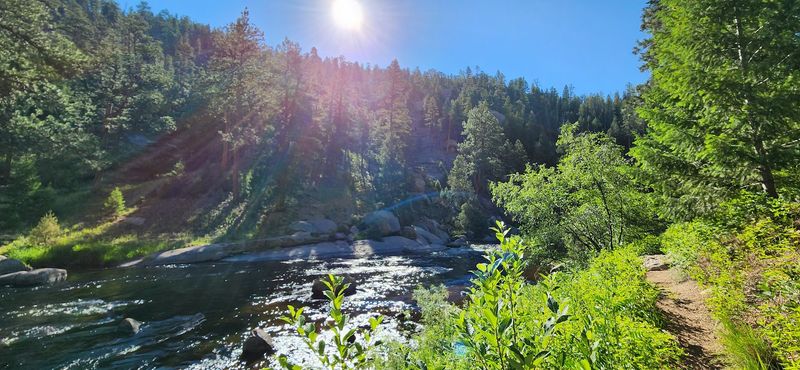
Cheesman Canyon has a well-earned reputation as a technical fishery. Fish here are selective, pressured, and experienced with fake flies.
Showing up with the wrong setup means a long, humbling day on the water.
A 9-foot, 4-weight or 5-weight rod is the standard recommendation for this canyon. Some anglers drop to a 3-weight when throwing dry flies in calm sections.
The lighter rod allows more delicate presentations that spooky fish are less likely to refuse.
Long leaders are non-negotiable in this clear water. Carry leaders ranging from 9 to 15 feet in length.
Fluorocarbon tippet in 5X, 6X, or 7X gives you the best chance of fooling wary fish holding in gin-clear pools.
Nymphing works reliably throughout the entire year. Small midge, mayfly, and caddis imitations in sizes 18 through 24 cover most situations effectively.
Matching the natural insects on the water dramatically increases your hook-up rate on any given day.
Waders are strongly advised because the water stays cold year-round. Cold water plus wet wading equals a miserable afternoon.
Quality wading boots with felt or rubber soles provide grip on the slippery granite riverbed throughout the canyon.
Pack a backpack with water, food, a rain jacket, and a first-aid kit. The trail covers roughly 1.5 miles each way.
There are zero facilities inside the canyon, so self-sufficiency is genuinely essential for a comfortable visit.
Safety Tips For Hiking Near Mountain Streams
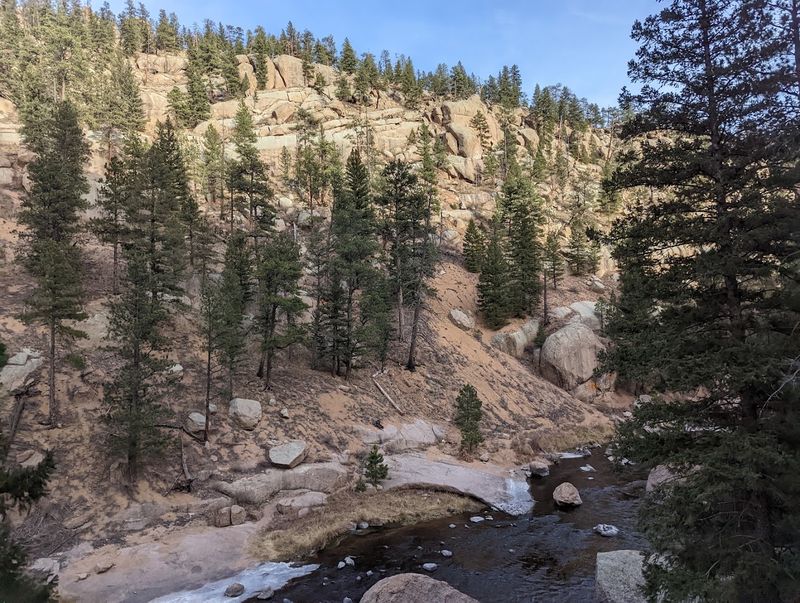
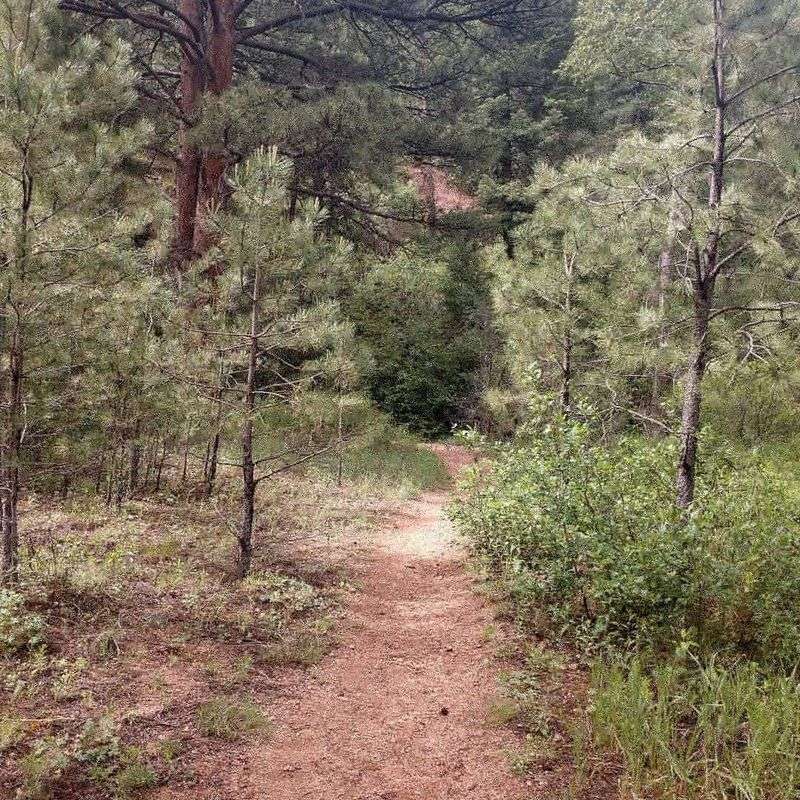
The trail into Cheesman Canyon is approximately 1.5 miles from the main parking area to the river. That might sound short, but the path includes steep sections and loose scree.
Proper footwear is not optional here.
Wearing sturdy hiking boots with ankle support makes a noticeable difference on the descent. Trail running shoes work in a pinch, but sandals or casual sneakers are asking for trouble.
The scree sections are genuinely slippery, especially when dry.
There are no facilities anywhere inside the canyon. No restrooms, no water sources you should drink from untreated, no ranger stations.
Plan your supplies before leaving the parking area, not after you arrive at the river.
Staying on marked trails protects both you and the canyon environment. Social trails branch off in multiple directions along the canyon rim.
Some of those unofficial paths drop steeply to the river and become dangerous when conditions are wet.
Wading presents its own set of challenges in Cheesman Canyon. Large granite boulders create unpredictable currents and deep pockets.
A wading staff provides stability and is worth carrying every single time you fish this stretch.
When flows exceed 700 cubic feet per second, wading becomes genuinely dangerous. Check the USGS stream gauge data before heading out.
Shade is limited along the exposed canyon rim, so sunscreen application needs to happen early and often throughout your visit.
Scenic Photography Opportunities Along The Stream
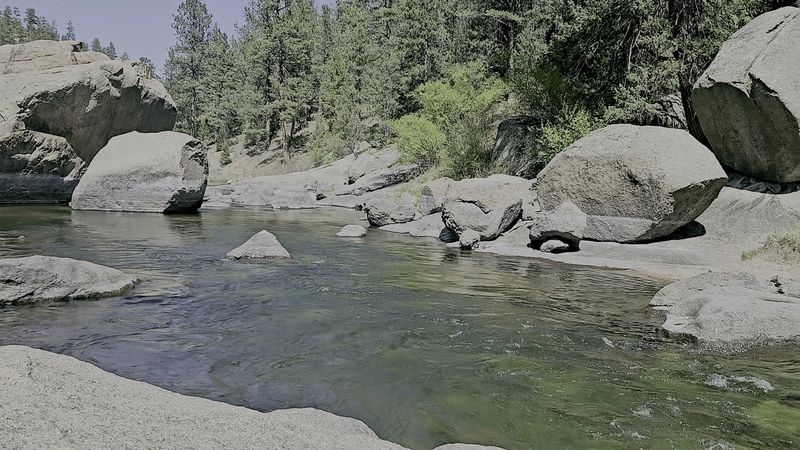
Cheesman Canyon is the kind of place that makes you wish you had brought a better camera. The granite canyon walls rise dramatically on both sides of the river.
Large boulders, some genuinely as big as cars, create striking natural compositions throughout the stream corridor.
Ponderosa pines, blue spruce, and willows line the riverbanks with layered texture. The contrast between the dark green canopy and the pale granite rock is visually stunning.
Golden afternoon light filtering through the canyon creates photography conditions that feel almost staged.
The canyon offers framed views of Pikes Peak to the south on clear days. The Rampart Range stretches across the northern horizon with impressive scale.
Positioning yourself on one of the higher canyon trail sections gives you sweeping vistas that capture the full scope of the landscape.
Stream-level shots are equally rewarding. Clear water flowing over colorful river rocks creates natural leading lines through your frame.
A polarizing filter cuts the surface glare and reveals the fish and submerged boulders below the waterline with remarkable detail.
Wildlife photography opportunities appear regularly along the trail. Bald eagles patrol the river corridor with impressive authority.
Mule deer often appear near the water at dawn and dusk, giving patient photographers memorable encounters without leaving the main trail.
Early morning light in the canyon is genuinely special. The soft golden tones before full sun hits the canyon floor are worth the early alarm.
Arriving at opening time rewards photographers with calm water, fewer people, and spectacular natural lighting.
Local Flora And Fauna Surrounding Trout Streams
Cheesman Canyon supports a genuinely diverse range of wildlife beyond the famous trout population. Mule deer move through the canyon regularly, especially during early morning and evening hours.
Black bear, mountain lion, and raccoon also inhabit the surrounding landscape, so staying aware of your environment matters.
Bald eagles patrol the South Platte River corridor with impressive frequency. Watching one fold its wings and drop toward the water is a sight that stops conversations immediately.
Spotting an eagle while you are mid-cast is one of those only-in-Colorado moments worth savoring.
The Pawnee montane skipper butterfly lives in this canyon and deserves special attention. This subspecies is globally rare and listed as a threatened species under federal protection.
Finding one nectaring on canyon flowers feels like discovering something genuinely precious.
Vegetation along the riverbanks includes ponderosa pine, blue spruce, and willow trees growing in dense clusters. Ground-level flora adds additional layers of texture and color throughout the hiking season.
Wildflowers begin appearing in late spring and continue blooming well into summer along the canyon walls.
Pollinators are abundant during warmer months. Bumblebees, honeybees, and various butterfly species work the canyon flowers with impressive dedication.
None of them will bother you if you leave them to their business along the trail.
The biological richness of Cheesman Canyon extends far beyond fishing. Every visit offers a new wildlife encounter or natural detail worth noticing.
The canyon rewards curious, observant visitors just as generously as it rewards skilled anglers.