
9 Vermont Factory Tours Worth Seeking Out On Your Next Road Trip
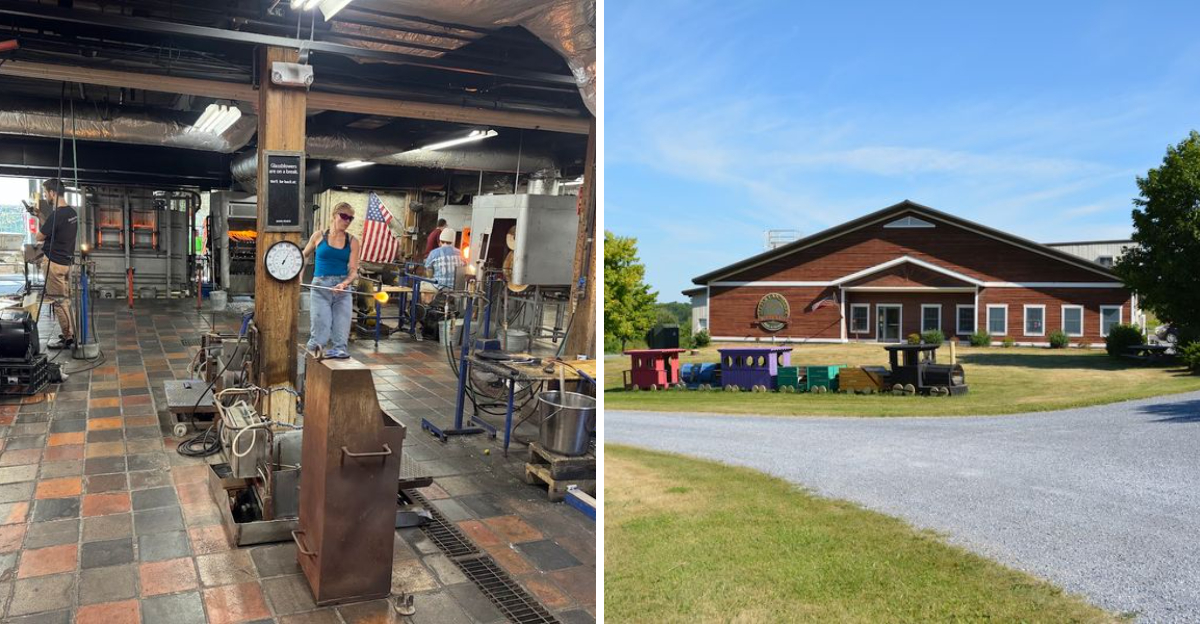
Most road trips are remembered for the views, but Vermont gives you another reason to pull over. Around the state, working factories invite curious travelers to watch familiar products come together right in front of them.
You might see skilled makers shaping, mixing, pouring, packaging, or testing items you have probably used for years without thinking about how they were made. That behind-the-scenes access makes each stop feel personal.
Suddenly, a snack, household item, or handmade product has a story attached to it. These tours also offer a refreshing break between scenic drives and small-town stops. Many include samples, demonstrations, gift shops, or chances to speak with the people doing the work.
You may even leave with a new appreciation for the craftsmanship that still thrives around the state. Vermont is famous for beautiful roads, but these factory tours prove the most memorable part of your trip may happen indoors.
1. Ben & Jerry’s Factory Tour, Waterbury, Vermont
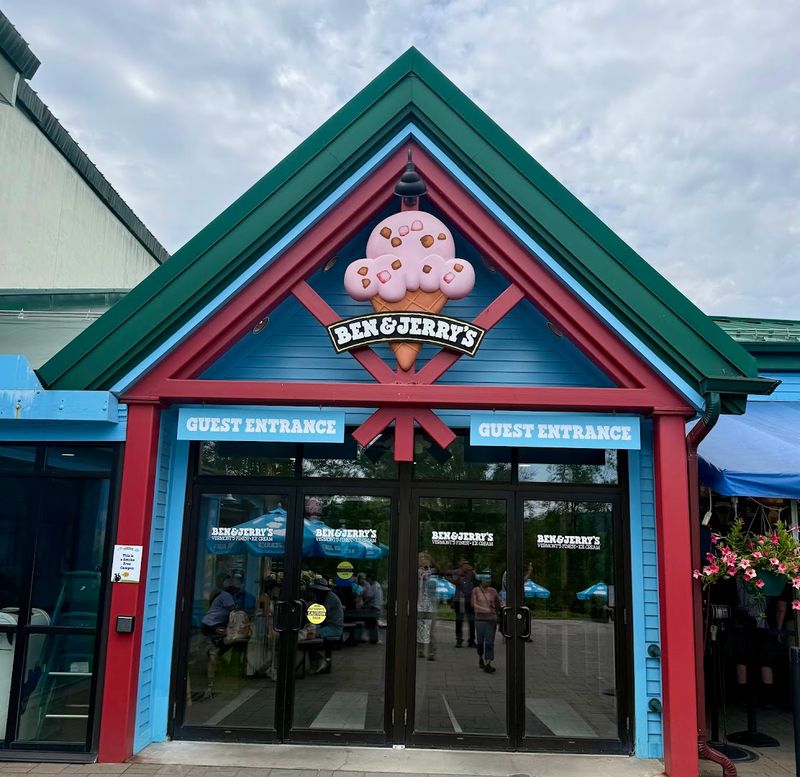
Ever wonder where Chunky Monkey gets its groove? This factory tour shows you exactly how those beloved pints come together in Waterbury, Vermont.
Production lines hum as cream, sugar, and pure imagination blend into frozen magic. Guides walk you through every stage of ice cream creation.
You’ll watch massive mixing vats churn batches that will soon stock freezers across the country.
The tour building sits along the scenic Waterbury-Stowe Road corridor. Large windows overlook the production floor below.
Colorful murals and quirky decorations reflect the brand’s playful spirit at every turn.
Sample stations await at the end of your journey. Fresh scoops let you taste flavors still cold from the line.
Some varieties you try might not have hit stores yet.
A graveyard out back honors discontinued flavors with tongue-in-cheek tombstones. Kids giggle reading epitaphs for flavors that didn’t make the cut.
The gift shop stocks exclusive merchandise you won’t find anywhere else.
Production schedules mean some visits show more action than others. Call ahead to check when machines will be running.
Tours run year-round regardless of season.
The factory welcomes visitors at 1281 Waterbury-Stowe Road in Waterbury, Vermont 05676.
2. Lake Champlain Chocolates, Burlington, Vermont
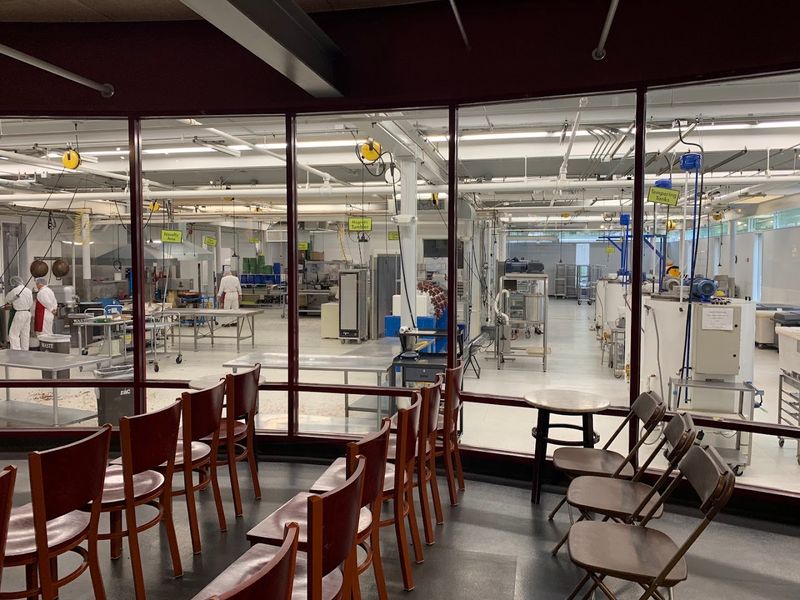
Can chocolate really taste better when you watch it being made? Walking into this Burlington factory proves the answer is absolutely yes.
Chocolatiers work behind glass walls, hand-dipping truffles and creating signature bars. Their movements follow practiced rhythms developed over years of training.
The rich aroma of melting chocolate fills the air before you even reach the production viewing area.
Large copper kettles hold liquid chocolate at precise temperatures. Workers pour, mold, and decorate treats that will soon be wrapped and boxed.
Every step happens right before your eyes.
The company sources ingredients carefully and takes pride in sustainable practices. You’ll learn how they select cocoa beans and craft recipes.
Many chocolates feature Vermont ingredients like local cream and maple syrup.
A retail shop connects to the factory floor. Glass cases display artistic creations too beautiful to resist.
Seasonal specialties rotate throughout the year.
Free samples appear at multiple stations during your visit. Staff members answer questions about flavors and production methods.
You might discover new favorites you never knew existed.
The factory sits in Burlington’s South End Arts District. Other galleries and studios cluster nearby.
Plan extra time to explore the creative neighborhood.
Find this chocolate paradise at 750 Pine Street in Burlington, Vermont 05401.
3. Vermont Teddy Bear Factory, Shelburne, Vermont
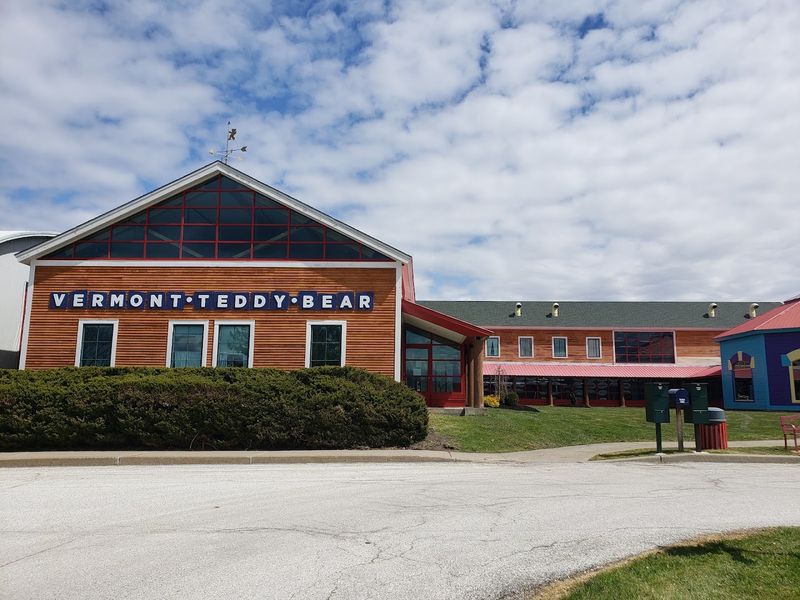
What happens when you combine Vermont craftsmanship with childhood nostalgia? This Shelburne factory stitches together memories one bear at a time.
Fabric pieces transform into cuddly companions as you watch the entire birth process. Cutting tables, sewing machines, and stuffing stations occupy different areas of the workshop floor.
Each bear receives individual attention from skilled makers.
Guides explain how patterns are designed and materials are selected. You’ll see bears get their signature filling through special machines.
Eyes get attached, noses get embroidered, and personalities emerge with each finishing touch.
The company has crafted bears in Vermont for decades. Their commitment to American manufacturing shows in every seam.
Workers take genuine pride in creating toys built to last generations.
Interactive elements make this tour especially fun for families. Kids can test stuffing firmness and feel fabric samples.
Some tours let visitors help with certain steps in the process.
A massive showroom displays hundreds of bear varieties and outfits. Seasonal costumes, professional uniforms, and custom options fill the shelves.
You can even design a personalized bear to take home.
The factory grounds include gardens and photo opportunities. Oversized bear statues welcome visitors at the entrance.
Gift wrapping services make it easy to send bears to loved ones.
Visit the factory at 6655 Shelburne Road in Shelburne, Vermont 05482.
4. Simon Pearce Glassblowing Workshop, Quechee, Vermont
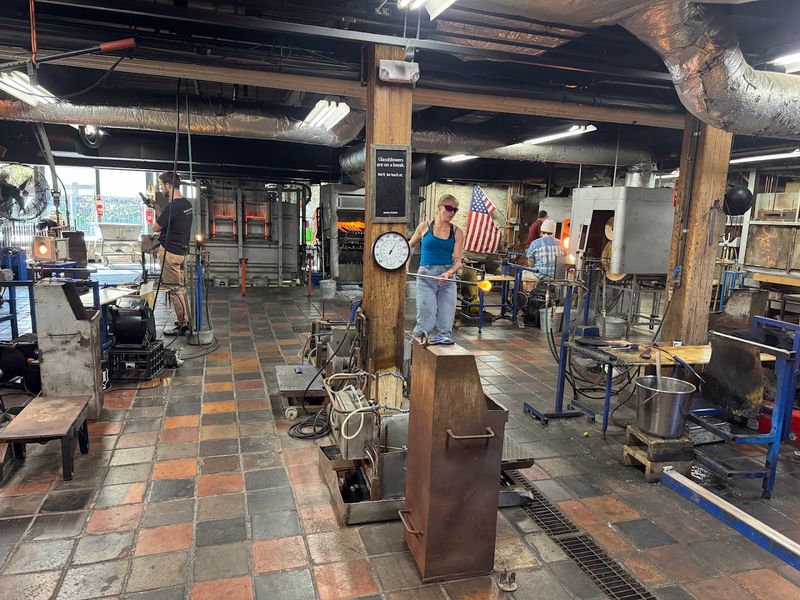
Molten glass glows orange in the furnace as artisans shape it with breath and skill. This Quechee workshop turns sand into art through ancient techniques refined over centuries.
Glassblowers gather material on long metal pipes and spin it constantly. They blow carefully to create bubbles that become bowls, vases, and stemware.
Heat radiates from the furnaces as each piece takes shape.
The workshop occupies a restored mill building beside a waterfall. Water once powered this structure during Vermont’s industrial era.
Now it houses one of the region’s most respected glassmaking operations.
Large windows let natural light pour across the production floor. Finished pieces cool on racks while new ones emerge from the fire.
Every item gets hand-finished and inspected before leaving the workshop.
You’ll learn about temperatures, tools, and timing during your visit. Guides explain how different techniques create various shapes and textures.
The process looks simple but requires years to master.
A retail space displays the full product line. Crystal-clear glass catches light from multiple angles.
Prices reflect the handcrafted nature and quality of each piece.
The adjacent restaurant overlooks Ottauquechee River falls. Many visitors combine their tour with a meal featuring local ingredients.
Reservations help during peak seasons.
The workshop welcomes guests at 1760 Quechee Main Street in Quechee, Vermont 05059.
5. Sugarbush Farm, Woodstock, Vermont
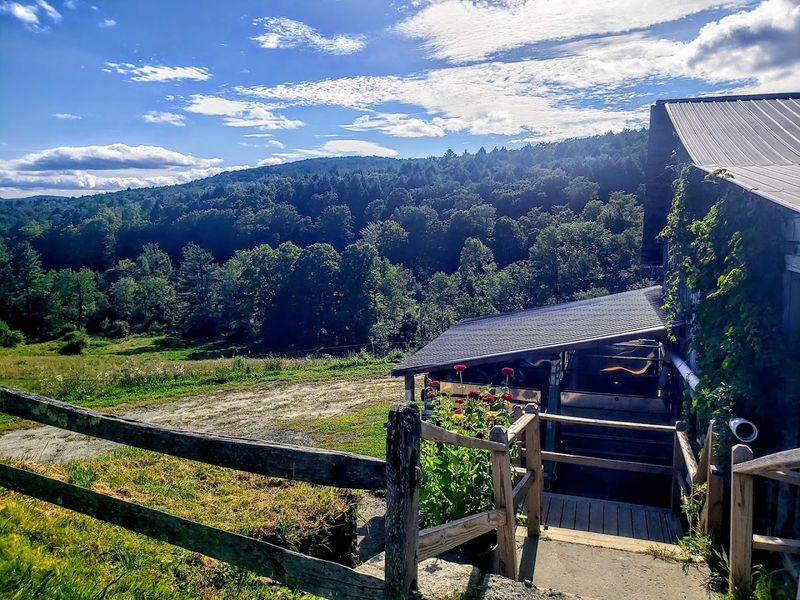
How does tree sap become the syrup that tops your pancakes? This working farm in Woodstock demonstrates the sweet transformation through traditional methods passed down through generations.
Sugar maples dot the hillside surrounding the farm buildings. Tubing systems collect sap during late winter and early spring.
The sugarhouse fills with steam as sap boils down to concentrate its natural sugars.
Wood fires heat massive evaporator pans. It takes roughly 40 gallons of sap to produce one gallon of finished syrup.
The process requires constant attention and careful temperature control.
But maple isn’t the only treasure here. The farm also produces artisan cheeses aged in climate-controlled caves.
Wheels rest on wooden shelves as flavors develop over weeks and months.
Sample stations let you taste different syrup grades and cheese varieties. Staff explain how weather affects sap flow and flavor profiles.
You’ll discover why Vermont maple syrup earns its premium reputation.
The farm sits on a hillside with panoramic views of surrounding valleys. Gravel roads wind through the property past grazing areas and production buildings.
Seasonal changes transform the landscape throughout the year.
A country store stocks farm products and Vermont-made goods. Gift baskets make popular souvenirs.
Many items ship nationwide for those who can’t carry everything home.
Find this sweet spot at 591 Sugarbush Farm Road in Woodstock, Vermont 05091.
6. Morse Farm Maple Sugarworks, Montpelier, Vermont
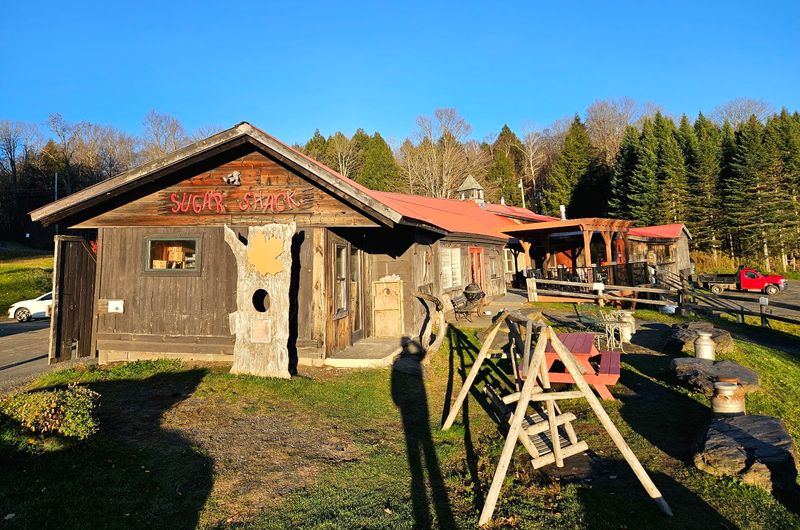
Steam billows from the sugarhouse as generations of maple knowledge bubble into action. This family operation near Montpelier has perfected the art of turning sap into liquid gold since the 1700s.
The farm maintains traditional methods while embracing helpful modern improvements. Vintage equipment sits alongside newer technology.
Guides explain how each era contributed to maple production evolution.
An outdoor museum features folk art and maple history displays. Whimsical wooden characters tell stories about Vermont life and farming traditions.
Kids especially enjoy the creative sculptures scattered across the grounds.
Inside the production area, you’ll see the entire sugaring process explained through exhibits and demonstrations. Sap flows from collection tanks into the evaporator.
Temperature gauges monitor the boiling process precisely.
The farm taps thousands of trees across their property. Tubing networks snake through the forest connecting taps to collection points.
Gravity and vacuum systems move sap efficiently to the sugarhouse.
Sampling opportunities abound throughout your visit. Taste syrup fresh from the evaporator while it’s still warm.
Compare different grades to understand how color and flavor vary.
A country store sells syrup, candy, and cream made on site. Maple creemees (Vermont’s term for soft serve) draw crowds during warmer months.
The shop also carries local crafts and specialty foods.
The farm sits at 1168 County Road in Montpelier, Vermont 05602.
7. Maple Grove Farms Museum & Factory, St. Johnsbury, Vermont
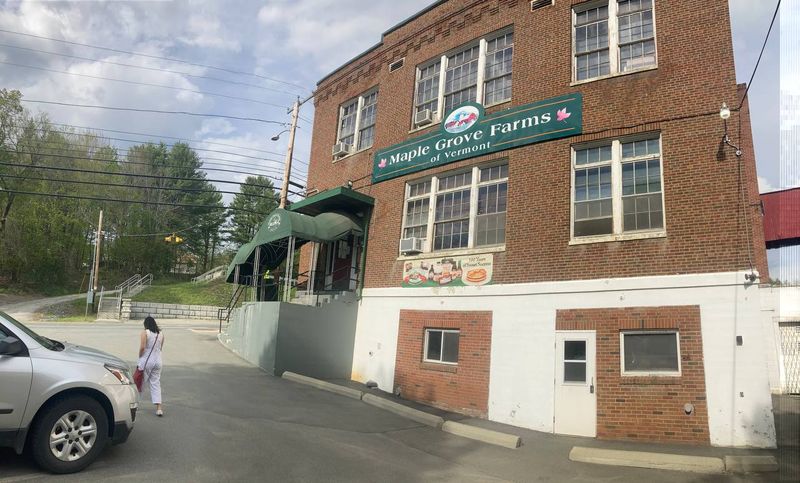
What started as a small farm operation grew into one of Vermont’s largest maple producers. This St. Johnsbury facility combines working production with fascinating historical exhibits.
The museum section preserves equipment and photographs from maple’s industrial past. Antique evaporators and collection tools show how much the industry has changed.
Old advertisements reveal how maple products were marketed decades ago.
Modern production happens in an adjacent building. Automated bottling lines fill containers at impressive speeds.
Quality control stations ensure every bottle meets strict standards before shipping.
You’ll learn about grading systems and how syrup gets classified. Light, medium, and dark varieties each have distinct flavors and uses.
Temperature and timing during boiling determine final color and taste.
The facility processes syrup from multiple farms across Vermont. Bulk shipments arrive in large containers and get filtered, tested, and bottled.
This centralized approach helps small producers reach wider markets.
A gift shop offers extensive maple product selection. Beyond syrup, you’ll find maple sugar, candy, cream, and specialty items.
Some products incorporate maple into unexpected applications.
The building architecture reflects New England industrial heritage. Brick construction and large windows create an authentic factory atmosphere.
Parking accommodates buses and makes this a popular group destination.
Educational displays explain maple’s nutritional properties and culinary uses. Recipe cards suggest creative ways to incorporate maple beyond breakfast.
The museum and factory operate at 1052 Portland Street in St. Johnsbury, Vermont 05819.
8. Robb Family Farm, Brattleboro, Vermont
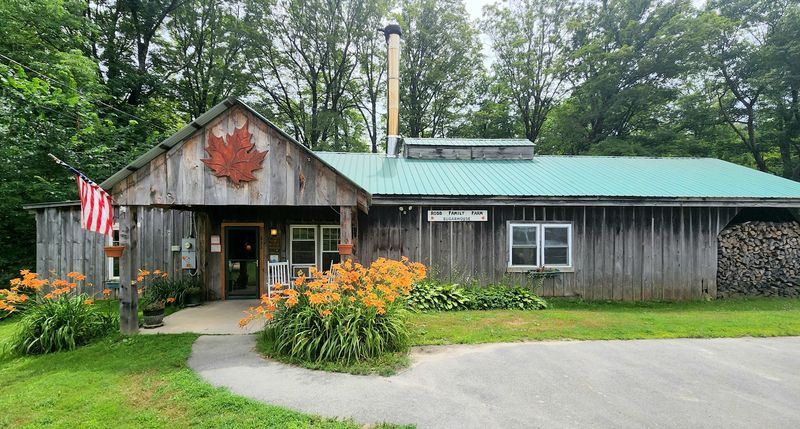
Who knew dirt could be this interesting? This Brattleboro farm proves that growing food organically creates stories worth sharing from seed to harvest.
Multiple greenhouses shelter plants year-round. Raised beds march across fields in organized rows.
The farm follows organic practices that build soil health naturally without synthetic chemicals.
Tours explain crop rotation, composting, and natural pest management. You’ll see how cover crops improve soil between growing seasons.
Beneficial insects patrol plants instead of chemical sprays.
The farm grows diverse vegetables, herbs, and flowers. Seasonal harvests determine what’s thriving during your visit.
Spring offers different sights than autumn as crops change with weather patterns.
Farmers answer questions about challenges and rewards of sustainable agriculture. They share honest perspectives about what works and what doesn’t.
Their passion for soil health and food quality shows in every explanation.
A farm stand sells fresh produce picked that morning. Bundles of herbs, bags of salad greens, and baskets of vegetables stack colorfully.
Everything travels mere feet from field to customer.
The property includes walking paths through growing areas. Signs identify plants and explain growing methods.
Chickens scratch in mobile coops moved regularly to fresh ground.
Educational programs and seasonal events bring the community together. The farm welcomes school groups and offers hands-on learning opportunities.
Connecting people with food sources drives their mission.
Experience farm life at 827 Ames Hill Road in Brattleboro, Vermont 05301.
9. Maple Landmark Woodcraft, Middlebury, Vermont
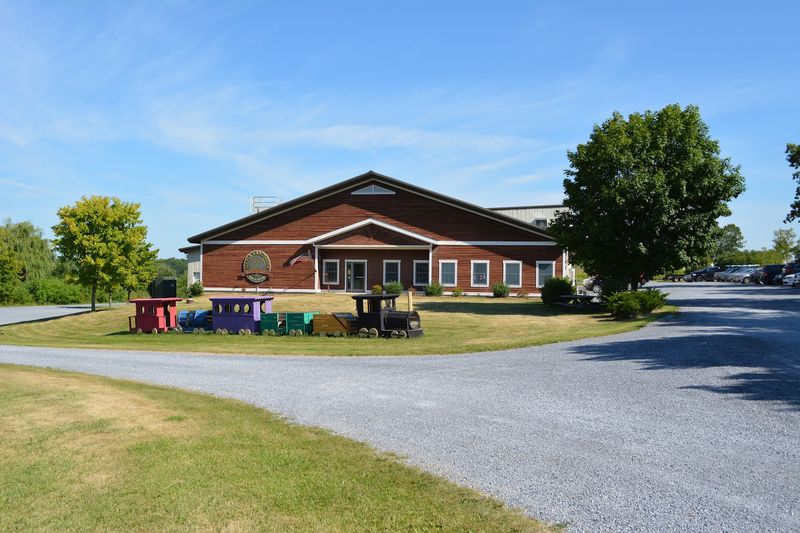
Sawdust fills the air as traditional woodworking meets modern toy design. This Middlebury workshop transforms Vermont hardwoods into playthings built to survive generations of childhood adventures.
Craftspeople cut, sand, and assemble toys using locally sourced maple and cherry. Band saws shape pieces while sanders smooth edges to perfect safety.
Non-toxic finishes protect wood while keeping natural beauty visible.
The company specializes in classic toy designs that never go out of style. Wooden trains, blocks, puzzles, and pull toys fill production areas.
Simple designs encourage imagination rather than dictating play patterns.
You’ll watch quality control processes that exceed safety standards. Every toy gets inspected multiple times before packaging.
Sharp edges don’t exist because careful craftsmanship prevents them from forming.
Environmental responsibility guides material choices and production methods. Scrap wood becomes fuel or mulch rather than waste.
Local sourcing reduces transportation impact while supporting regional forestry.
The factory also produces name puzzles and personalized items. Custom orders let customers choose colors, letters, and designs.
Laser engraving adds details impossible with traditional tools alone.
A retail area displays the complete product line. Toys range from infant rattles to complex marble runs.
Prices reflect quality materials and American manufacturing costs.
The building occupies a historic structure in downtown Middlebury. Large windows let you glimpse production from the street.
Free parking makes visiting convenient despite the central location.
The workshop operates at 1297 Exchange Street in Middlebury, Vermont 05753.