
Elvis Was Born In This $180 Tupelo House, And Families Now Spend Hours Exploring The Park Around It
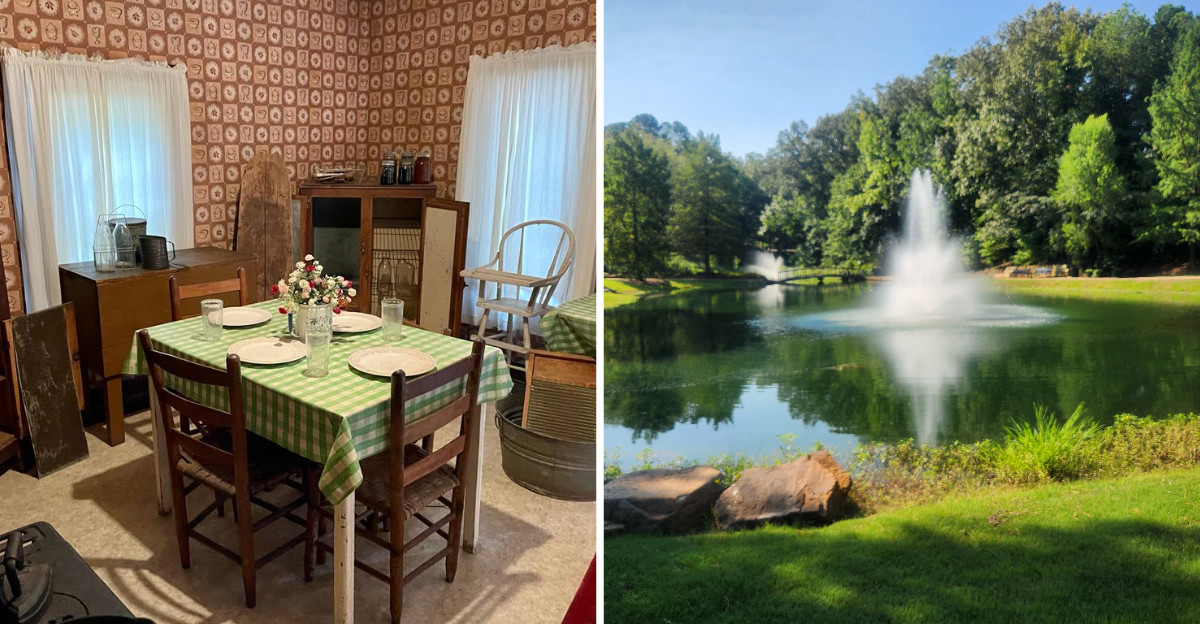
Some of the biggest stories in music start in the smallest rooms. In northeast Mississippi, there is a tiny wooden house where a baby boy was born in 1935, long before anyone knew his voice would change the world.
Families who stop by expecting a quick look often end up staying for hours, wandering a park filled with statues, a church, and a museum. For kids especially, it turns a famous name into a real person who once had very little and dreamed very big.
A Mississippi Park Built Around One Small Home
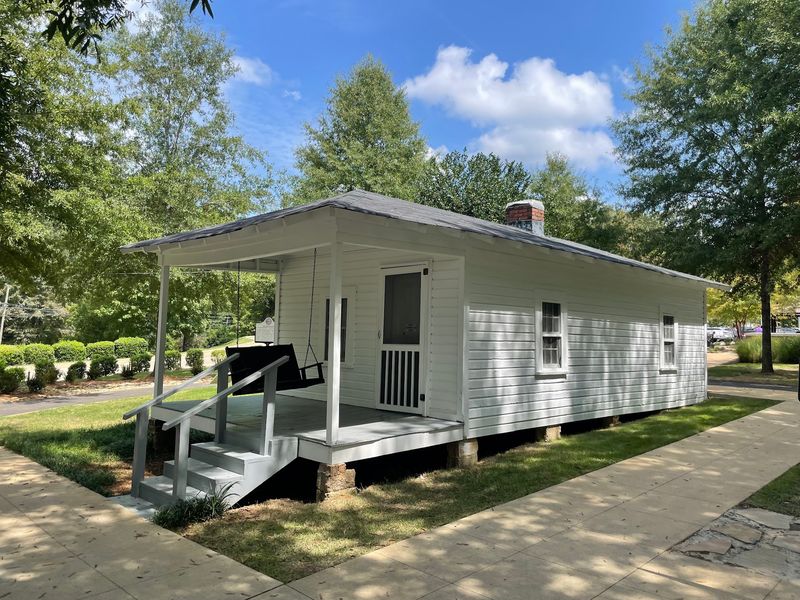
Picture fifteen green acres in northeast Mississippi, with walking paths, shade trees, and a little white house sitting quietly at the center. That small building is where Elvis Presley was born, and the whole park grew up around it.
The site is recognized as a historic museum and a Mississippi landmark. Today it works as a museum, event center, and theater, all wrapped around the first home the future King of Rock and Roll ever knew.
Visitors find much more than one house, though. A chapel, a restored church, a museum, statues, a fountain, and a timeline walk fill the grounds.
Many families arrive expecting a quick photo stop. Instead, they discover an entire campus packed with history, art, and quiet corners for thinking.
It feels part park, part classroom, and part time machine.
For kids, the setup makes learning easy. They can run along open lawns, read story panels, and then step inside the tiny rooms where a famous life began.
The mix of space to roam and history to explore keeps younger visitors curious instead of restless, which is a real win for parents planning a road trip through the South.
Finding The Way To Elvis Presley Drive
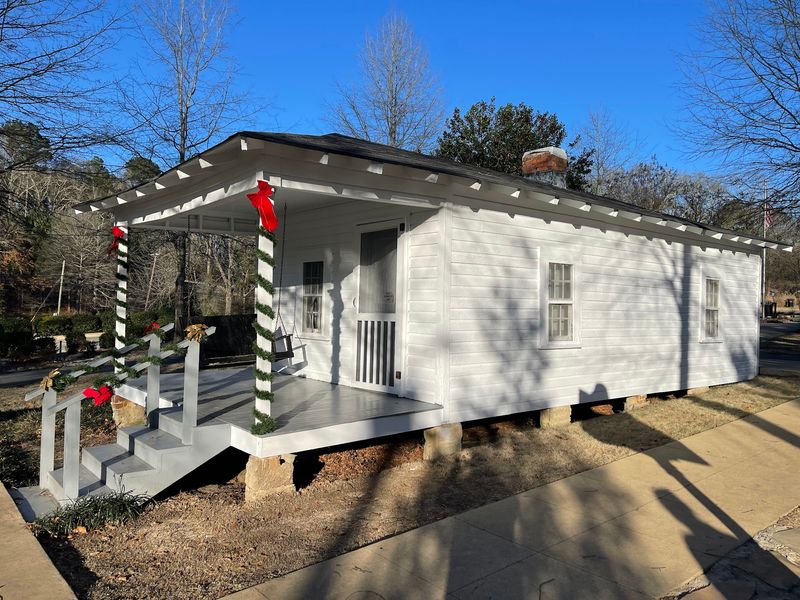
Getting here is refreshingly simple. The birthplace sits at 306 Elvis Presley Dr, Tupelo, MS 38801, on the east side of town, and the street name itself is a pretty good clue you have arrived.
Road trippers often treat it as a stretch-your-legs break between bigger cities. One family described pausing here while driving from Columbus, Mississippi, up toward Bowling Green, Kentucky, and calling it the perfect pause.
Parking is described as easy and plentiful, even on a busy Saturday, which matters a lot when you have restless kids in the back seat.
Clean, convenient restrooms are another detail travelers appreciate. After hours in the car, nobody wants to hunt for a bathroom.
Here, that part is handled.
Once you park, the layout makes sense quickly. The gift shop, museum, house, church, and outdoor features are connected by paths, so you can plan a loop without backtracking much.
Families with strollers or grandparents along for the trip will find the grounds well kept and easy to navigate.
Plan to arrive with some daylight left. The grounds look lovely in the afternoon sun, and you will want time for photos.
The Story Of A $180 House
How much does it cost to build a house? In 1934, Vernon Presley managed it with materials bought for $180, money he borrowed.
His father, Jessie, and his brother, Vester, helped him hammer it together.
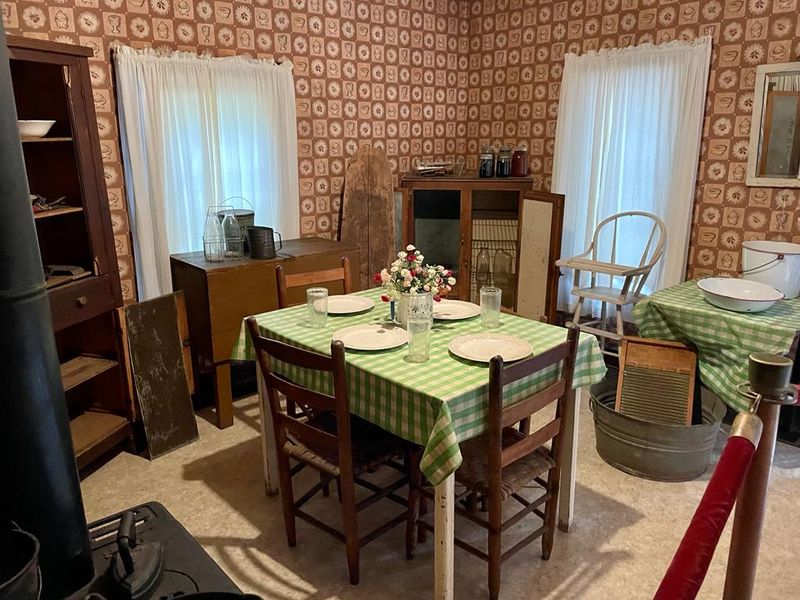
The result was a two-room shotgun house, a style common in the South. Rooms line up one behind the other, so you could look straight from the front door to the back.
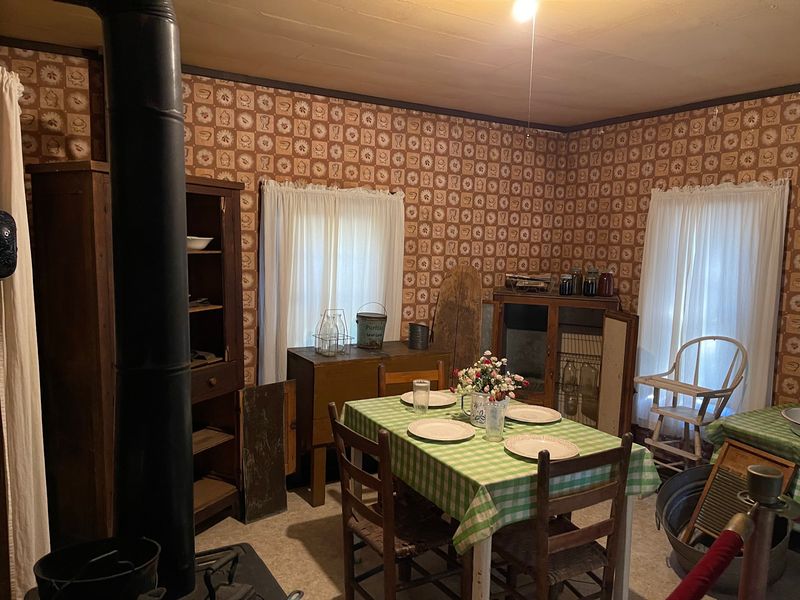
Each room had just one light bulb. That was it.
Elvis Aaron Presley was born in this house on January 8, 1935. His family lived here only about three years.
Vernon could not pay back the loan, and the house was taken back by the lender. Times were hard during the Great Depression, and the Presleys were far from alone in their struggles.
Kids often gasp at that price tag. A video game today can cost almost as much.
Talking through the numbers is a great way to help young visitors understand how different life was back then.
The house still stands on its original spot, which makes the story feel close and real.
Two Rooms, One Bed, And A Big Beginning
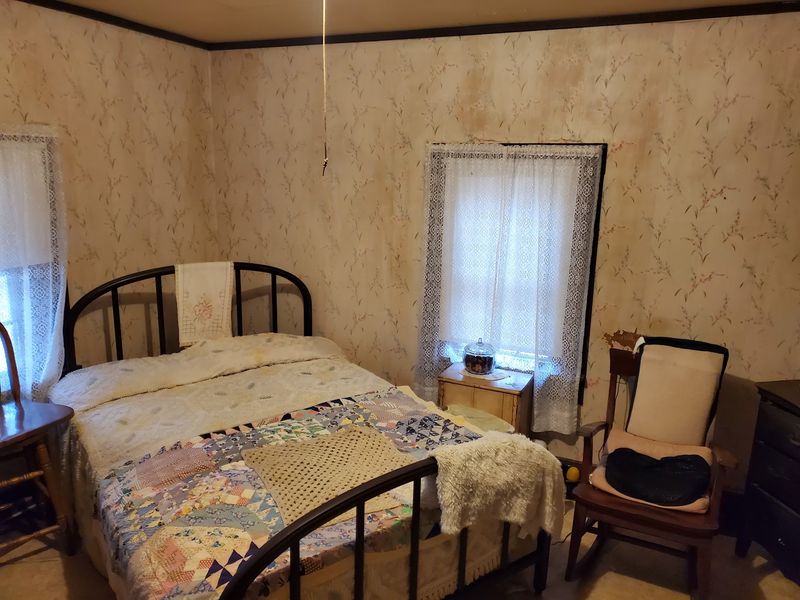
Step through the front door and the whole house practically fits in one glance. Two rooms, simple furniture, a single bulb overhead.
It takes only a moment to see it all, yet many people stand still for much longer.
The home has been restored to look the way it did when Elvis was born. Most furnishings are not the originals, but Vernon Presley himself helped arrange them in the 1970s to match the 1935 layout.
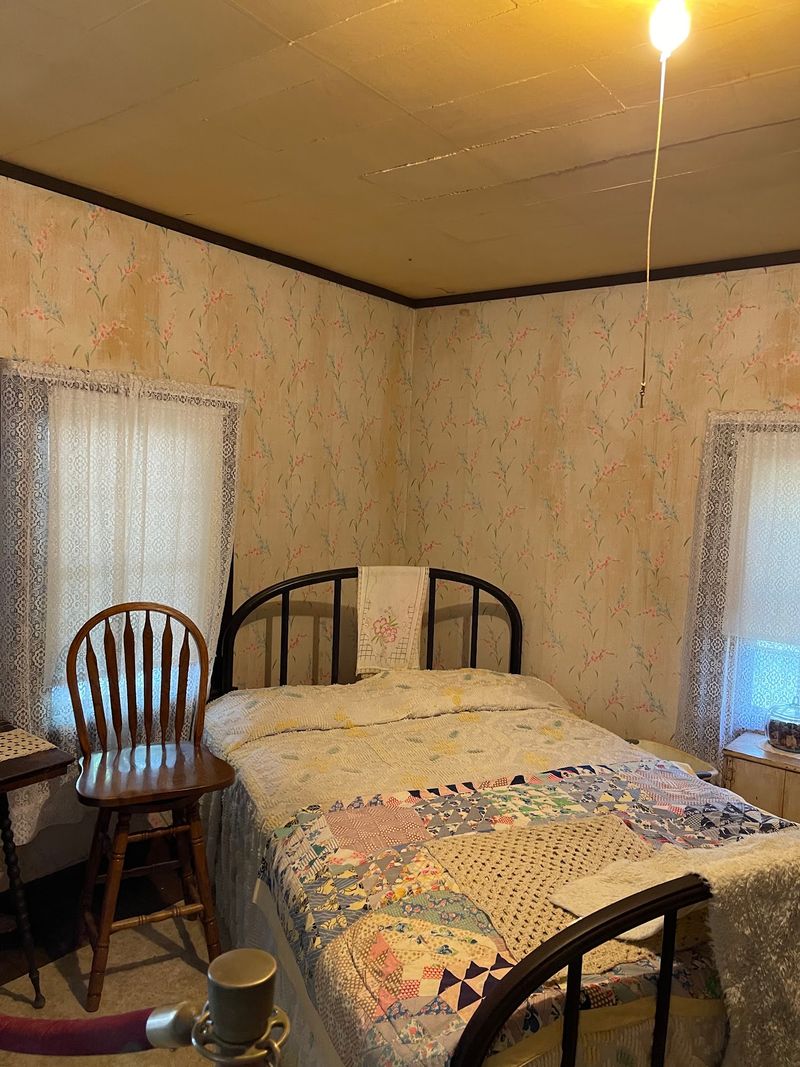
Even better, the bed sits in the exact spot where Elvis was born.
Visitors often say that standing in that bedroom gives them chills. Knowing that a worldwide star started life in a space smaller than many modern living rooms puts things in perspective.
It is modest and quiet, nothing flashy at all.
Guides inside the house are known for being warm and helpful, sharing details and answering questions. Kids can ask where the family cooked, how they stayed warm, or why there were so few lights.
Small spaces can spark big conversations. Ask your children to imagine a whole family living in these rooms, and watch them start comparing it to their own bedrooms back home.
Gospel Roots At The Assembly Of God Church
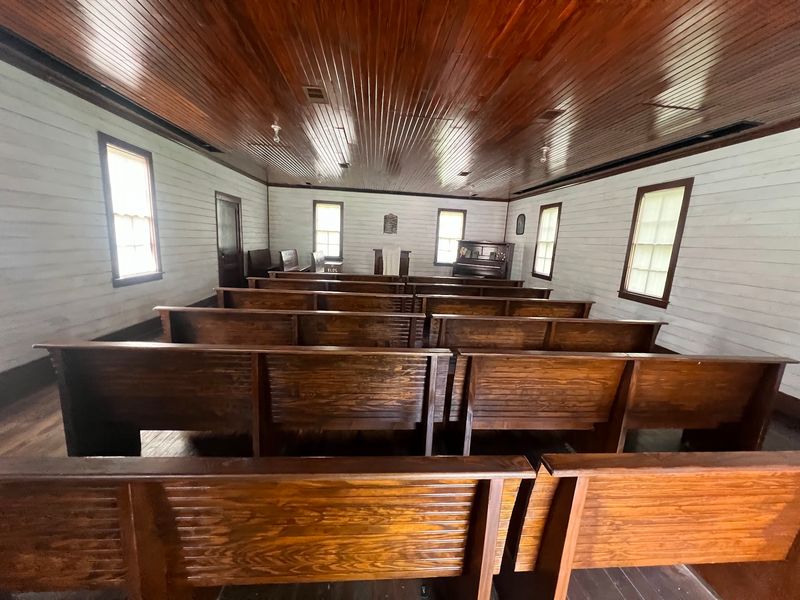
Long before screaming fans and gold records, a little boy sat in a small country church and soaked up gospel music. That church building now stands on the birthplace grounds.
The Assembly of God Church, where the Presley family worshipped, was moved to the site and carefully restored. Inside, visitors watch a film recreation showing the kind of lively service young Elvis would have attended.
Seats face the front, and the music fills the room.
Many visitors call this the moment everything clicks. Hearing that energetic gospel sound, you start to understand where some of his famous style came from.
The singing, the feeling, and the rhythm all shaped how he would perform years later.
For kids, the film is often a highlight. It is easier to understand history when you can see and hear it rather than just read about it.
The church helps explain how music in America changed during the 1900s, with one boy from Mississippi playing a big part.
Take a moment to notice how small the building is. Big sounds clearly came from humble places, and this simple sanctuary proves it.
Music That Shaped A Tupelo Childhood
Gospel was only one ingredient. Growing up in Tupelo, Elvis also heard blues music in the nearby Shake Rag community and listened to country music shows on the radio.
Mixing those sounds together became part of his magic. When kids learn this, they begin to see that musicians are built from everything they hear growing up, from church songs to radio hits.
At age ten, Elvis entered a youth talent contest at the Mississippi-Alabama Fair and Dairy Show. He sang a song called Old Shep on a live radio broadcast and won five dollars in fair ride tickets.
Not cash, just tickets for rides. That detail always gets a smile from young listeners.
A year later, when he was eleven, his mother, Gladys, bought him his first guitar for $7.95 at the Tupelo Hardware Store. Imagine that small purchase leading to a career that reached around the globe.
The museum and story panels on site help connect these dots. Families can talk about what music they love and where they first heard it.
It turns a history lesson into a personal one, which tends to stick much longer.
Museum Memorabilia And A Film About Early Years
Glass cases, old photographs, and personal items line the museum walls, each one adding a piece to the puzzle of who Elvis was before fame. The museum chronicles his life with artifacts and memorabilia that bring his story into focus.
Visitors often describe it as informative without being overwhelming. The exhibits explain Elvis as a person, not just a legend.
That balance works well for families, since kids can explore at their own pace without feeling buried in text.
A theater on site shows a film about his early years. Visitors mention it runs around half an hour, with one person noting it lasts about 26 minutes and describing it as very sweet.
It focuses on his childhood, so younger viewers can relate to the boy on screen.
Grab seats, rest tired feet, and let the movie fill in the background. Several visitors admit they learned things about Elvis they never knew before.
One fun approach is giving kids a mini mission. Ask them to find the oldest-looking item in the museum or a photo where Elvis looks closest to their age.
Little challenges like that keep attention sharp.
Bronze Statues Of Elvis At Different Ages
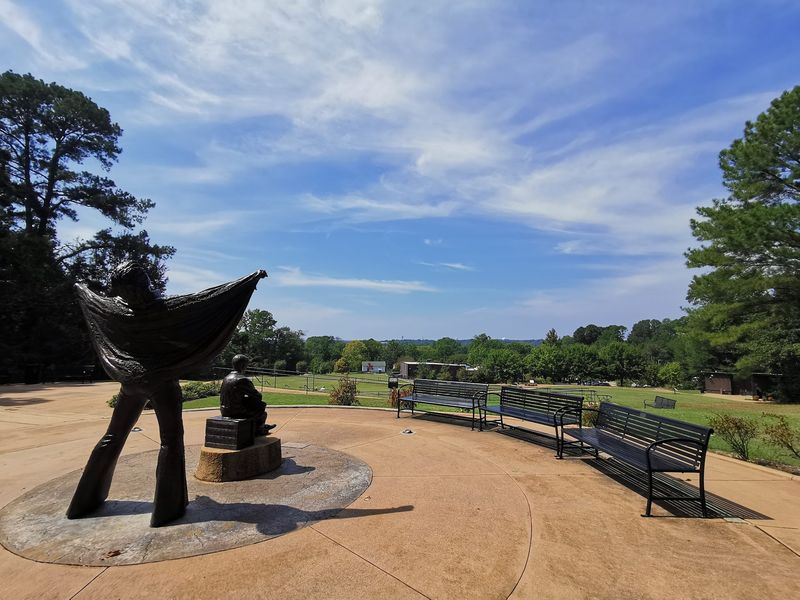
Kids love a statue they can pose beside, and this park has some great ones. The Elvis at 13 statue, a bronze likeness dedicated in 2002, shows him at about the age he was when the family moved to Memphis.
That one tends to connect with middle schoolers. Seeing a famous figure at their own age makes him feel less like a legend and more like a regular kid with a dream.
Nearby, the Becoming statues tell a story in bronze. One figure shows young Elvis holding a guitar, while the other shows Elvis the entertainer.
Placed together, they capture the journey from a hopeful boy to a world-famous performer.
Visitors often mention three beautiful bronze statues showing different phases of his life. They are frequent favorites for family photos, and the setting around them is calm and well tended.
Here is a quick activity idea. Have your kids strike the same pose as each statue, then compare the pictures later.
It is silly, memorable, and a fun way to remember how people grow and change. The statues make the idea of becoming something feel very real.
Walk Of Life, Story Wall, And Fountain Of Life
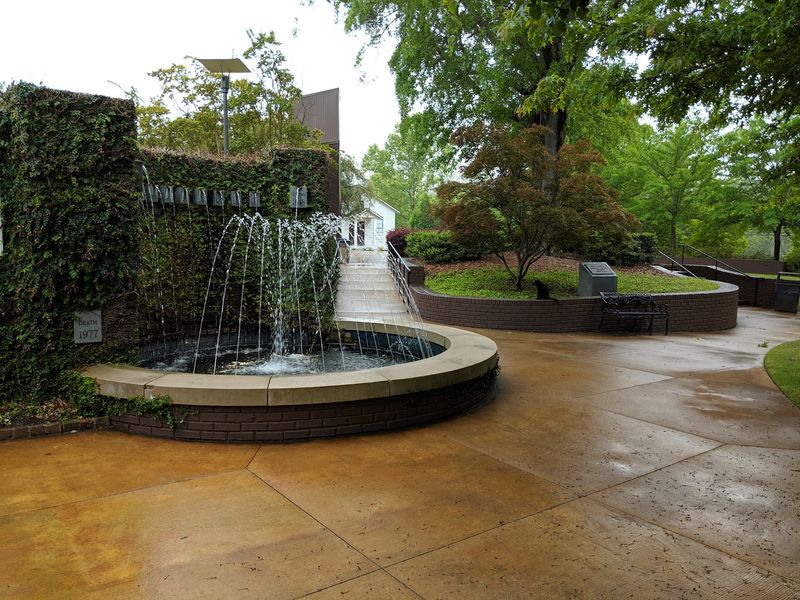
Footsteps can tell a story too. The Walk of Life is a timeline path that marks moments from Elvis’s years in Tupelo, so every few steps reveals a new chapter.
Walking it with kids feels a bit like reading a book with your feet. They can race ahead to find the next marker, then report back what happened.
It keeps the history moving, literally.
The Story Wall adds another layer, sharing memories and details about his early life in the area. Visitors also mention a nice mural on the grounds that makes a colorful backdrop for photos.
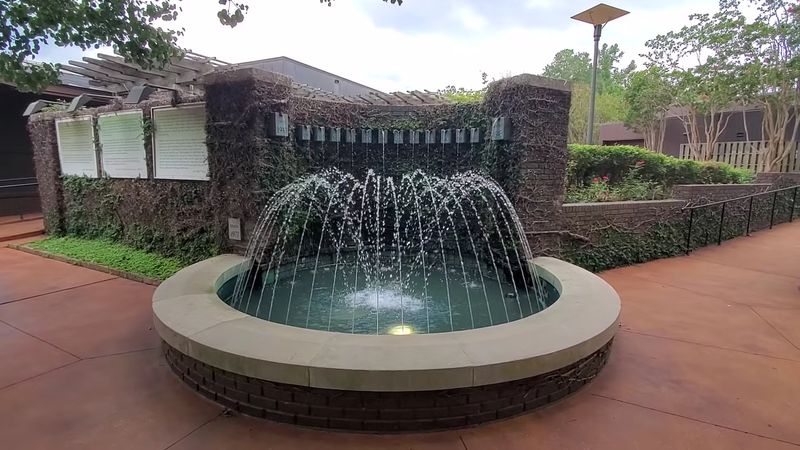
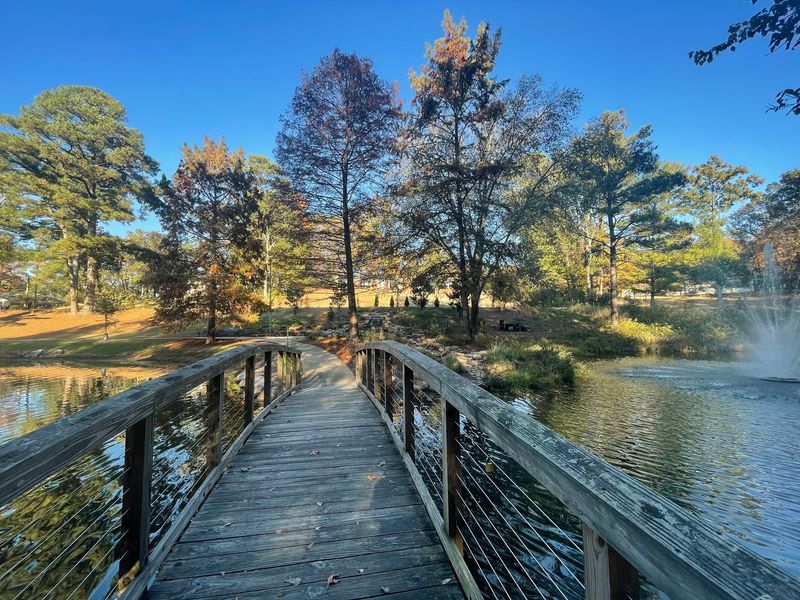
Then there is the Fountain of Life, a peaceful water feature where many people pause. The sound of splashing water gives the whole area a relaxing feel, and it is a natural spot for a short rest between exhibits.
Close by, the Reflections pond offers another quiet corner. Visitors often describe the grounds as reflective, and these water features are a big reason why.
Because the park grounds are free to explore, you can enjoy all of these outdoor pieces even if you skip the paid tours. That makes them perfect for a quick stop or an evening stroll.
The Memphis Bound Car And Old-Time Extras
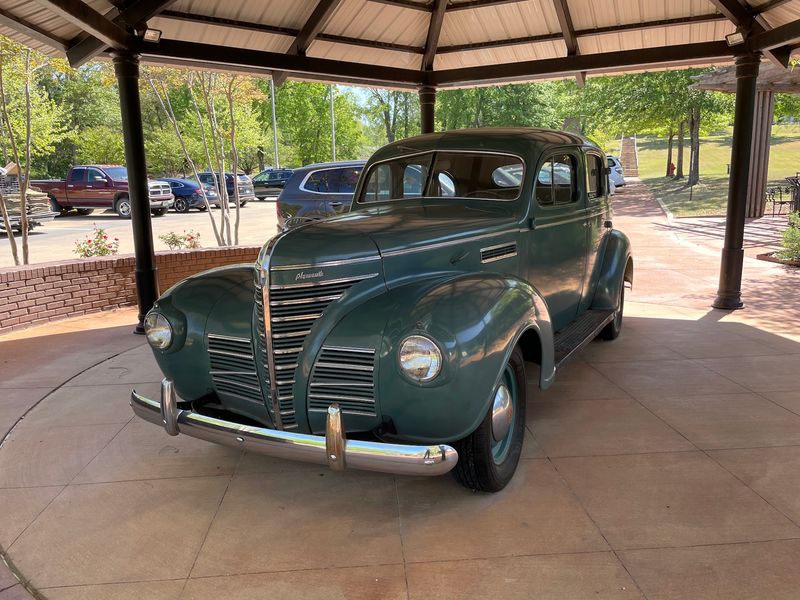
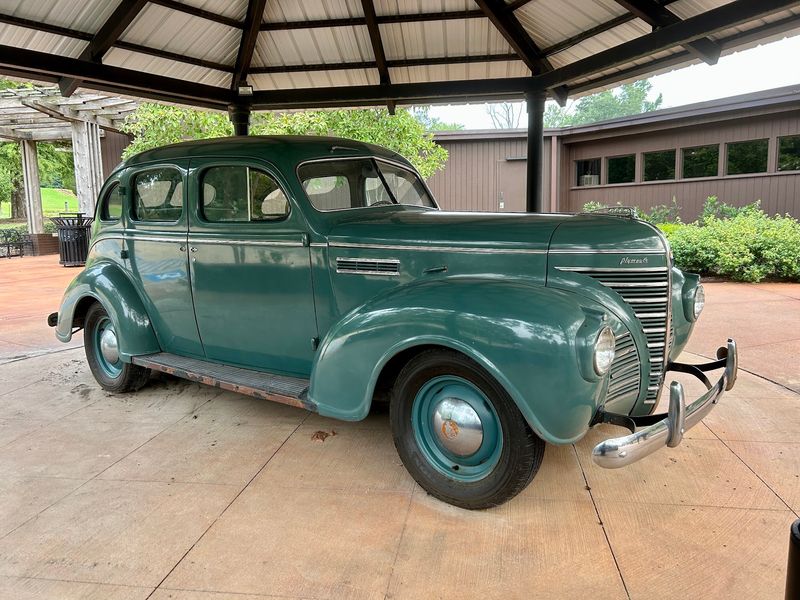
Parked on the grounds sits an old Plymouth that never fails to draw a crowd. Called the Memphis Bound feature, it is a replica of the kind of car the Presley family drove when they left Tupelo for Memphis.
Elvis was thirteen when that move happened. The family had already moved several times within Tupelo before heading north, where his music career would eventually take off.
The car marks that turning point.
Kids usually find the vintage design fascinating. Rounded fenders, big headlights, and no fancy screens give them plenty to point at.
It is a great chance to talk about how travel looked in the 1940s.
Visitors also mention a replica outhouse on the grounds, which is not functional, so no worries there. It shows how families managed without indoor bathrooms back then, and it often sparks laughter along with surprise.
A swing near the house is another detail people remember fondly. Little touches like these make the past feel touchable instead of distant.
Put together, the car, the outhouse, and the swing help kids imagine daily life in that era. Ordinary objects often teach more than any sign could.
How A 1957 Concert Gave Back To Neighborhood Kids
Here is a twist many visitors never expect. Elvis helped create the very park they are walking through.
In 1957, after becoming famous, he came back to Tupelo for a concert. He donated the proceeds to the city so it could build a park and youth center for children in his old neighborhood.
That gift led the city to buy the little house and the land around it.
Think about that for a moment. The boy who grew up with very little returned to make sure local kids had a place to play.
It is a lesson in gratitude that young visitors can easily understand.
Sharing this story while strolling the grounds adds meaning to every bench and path. The playground spirit he imagined lives on in the open lawns and family-friendly layout.
Many visitors leave talking about perseverance and faith, themes that run through the whole site. This chapter adds generosity to that list.
Ask your children what they would build for their hometown if they became famous. The answers can be funny, thoughtful, or surprisingly sweet, and they bring the history right into your own family conversation.
Peaceful Grounds, Chapel, And Gift Shop Treasures
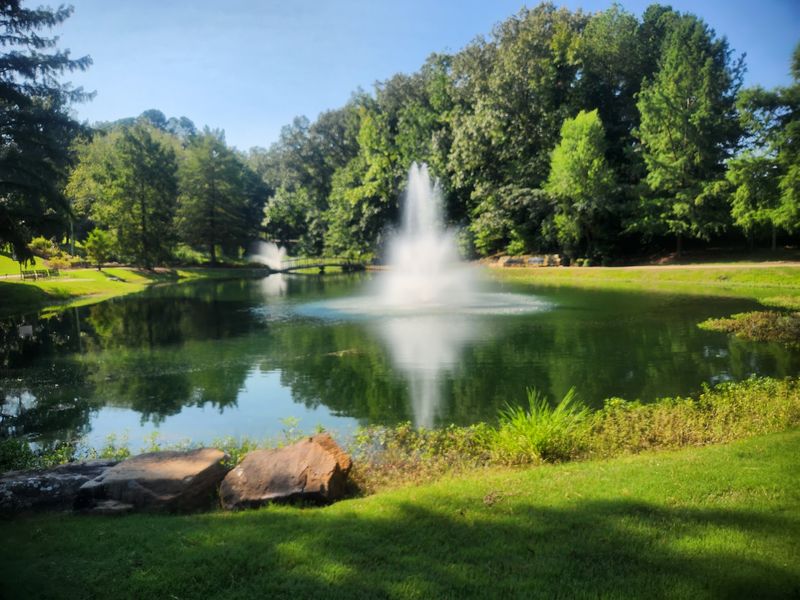
Quiet is not a word people usually connect with rock and roll. Yet visitors describe this place again and again as calm, peaceful, and respectful.
A chapel on the grounds offers a still spot to sit and reflect. Flower gardens invite slow walks, and the well-kept lawns make the whole property feel like a neighborhood park.
Some travelers spend about 30 minutes just wandering outside.
Then comes the gift shop, which ranks among the most talked-about parts of the visit. People call it huge and fun, with a strong selection of reasonably priced items.
There is also a picture box gallery worth a look. Kids can pick a small souvenir, maybe a postcard or something guitar-themed, to remember the trip.
Friendly staff come up often in visitor comments. Workers in the shop and the house are described as kind and genuinely helpful, which makes a big difference for families with lots of questions.
Not a huge Elvis fan? Many guests say it does not matter.
The setting, the stories, and the calm atmosphere make it enjoyable for anyone who appreciates music history or simply wants a pleasant break from the highway.
Hours, Tickets, And Planning Tips
Timing matters here, since doors close fairly early. From Monday through Saturday, the site is open 9 AM to 4 PM, and on Sunday it opens from 1 to 4 PM.
Visitors who arrive late sometimes miss the indoor tours but still enjoy the grounds. Good news: the park itself is open to the public at no charge, so an evening stroll is always possible.
Admission fees apply for tours of the house, museum, and church, and children’s tickets are available for all three.
One visitor mentioned paying around $20 per person at a senior rate, and another praised a discount for military members and first responders. Since prices can change, calling ahead at 662-841-1245 or checking elvispresleybirthplace.com is smart.
Plan for a few hours if you want the full experience. The film alone takes close to half an hour, and kids will want time at the statues and car.
Many travelers suggest visiting here first, then heading to Memphis to see Graceland. Starting with his childhood makes the later story feel even richer.
Families often find this the more relatable of the two stops, since it focuses on a boy and his family.
A Gentle Verdict For Families
Small house, giant lesson. That might be the simplest way to sum up a visit to Elvis Presley’s birthplace.
Kids walk away understanding that someone world famous started out with two rooms, one bulb per room, and a family working hard to get by. Few places teach that idea so clearly.
Standing beside the bed where he was born turns a name from old records into a real child with real struggles.
Parents tend to appreciate the balance. There is space to run, art to admire, a film to watch, and history to absorb, all in a calm setting that never feels rushed.
Grandparents who grew up with his songs often share memories, which can turn the day into a lovely multigenerational moment.
Whether you buy tickets for every tour or simply roam the free grounds, the trip leaves an impression. Visitors describe it as moving, heartfelt, and authentic.
For families crossing Mississippi, it fits neatly into a road trip and offers far more than a quick photo. Bring curiosity, comfy shoes, and a few questions.
The King’s first home has plenty of answers waiting.