
Explore The Rhode Island Fishing Village Where Tradition Has Remained Unchanged For Decades
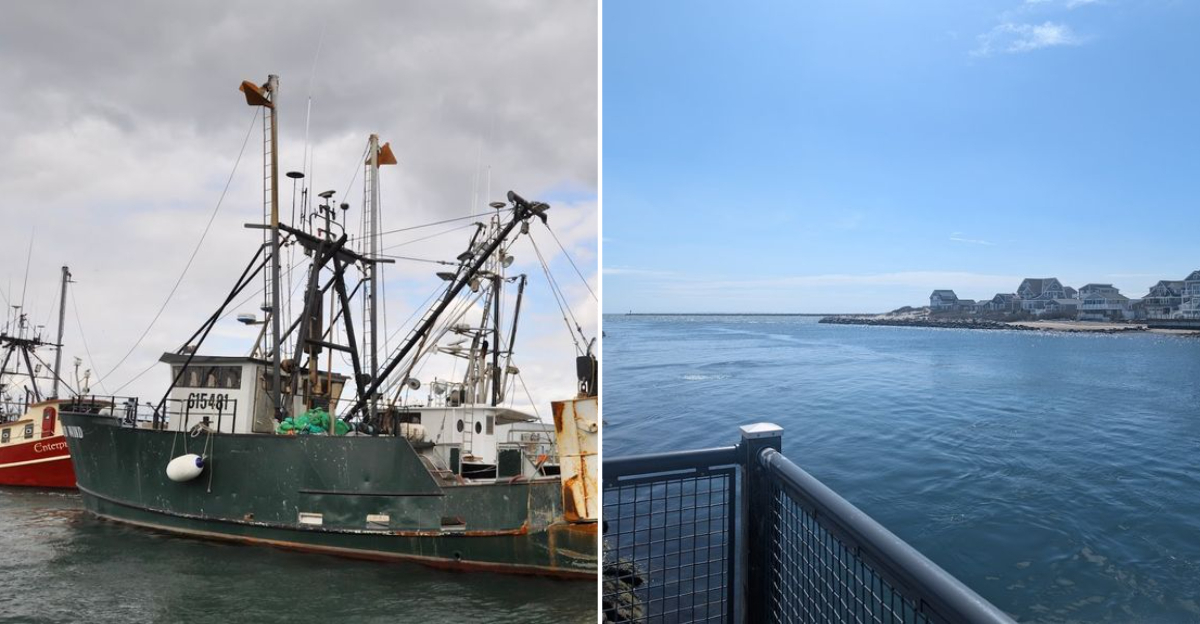
Fishing villages that resisted reinvention are increasingly rare. This Rhode Island community stands as one of the most convincing examples left on the Eastern Seaboard.
Boats go out early and return when the water decides, not when a schedule suggests. That rhythm has defined this village for decades and shows no signs of negotiating with modernity.
Weathered storefronts, familiar faces, and a pace that newcomers either adjust to quickly or find quietly overwhelming. The village does not accommodate impatience, and never has.
Tradition here is not preserved for visitors or maintained as a marketing strategy. It simply continued, uninterrupted, because nobody who lived it ever saw a reason to stop.
Traditional Fishing Techniques In Rhode Island
Hand-raking for clams is still a real thing here. Fishermen wade into shallow coastal waters and pull clams up by hand, just like their grandparents did.
It sounds simple, but it takes great skill and patience.
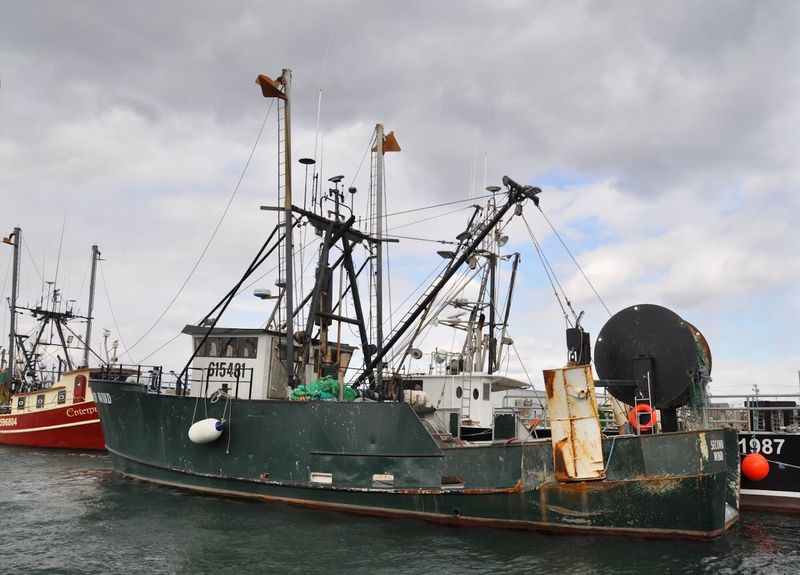
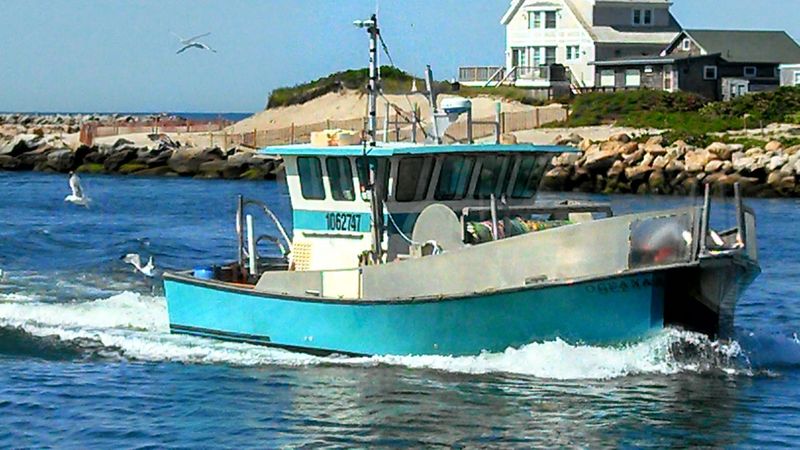
Galilee has been Rhode Island’s primary commercial fishing port for well over a century. The fishing fleet here is the largest in the entire state.
That is not a small deal for a village this size.
Modern dredging equipment exists alongside the old hand-raking method. Both approaches work together depending on the season and the target catch.
Watching both methods in action on the same morning is genuinely fascinating.
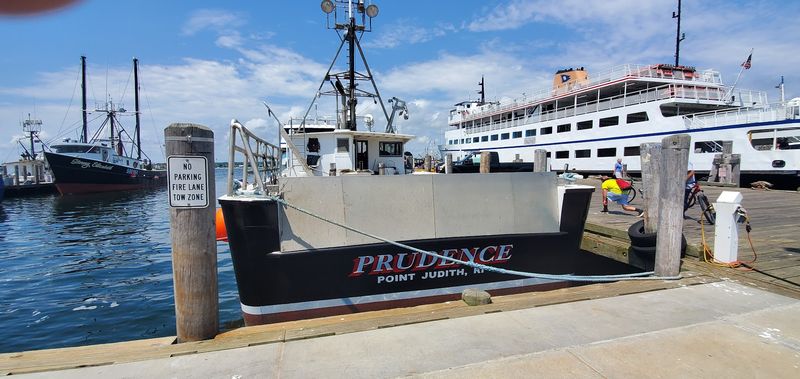
The docks at Galilee have a lived-in, well-worn look that tells you everything. These are not decorative piers built for tourists.
They are working structures used hard every single day.
You can actually buy fresh fish and lobsters directly from the boats tied up at the docks. That direct-from-the-boat sales tradition has been going on for decades.
No middleman, no grocery store markup, just fresh catch handed right to you.
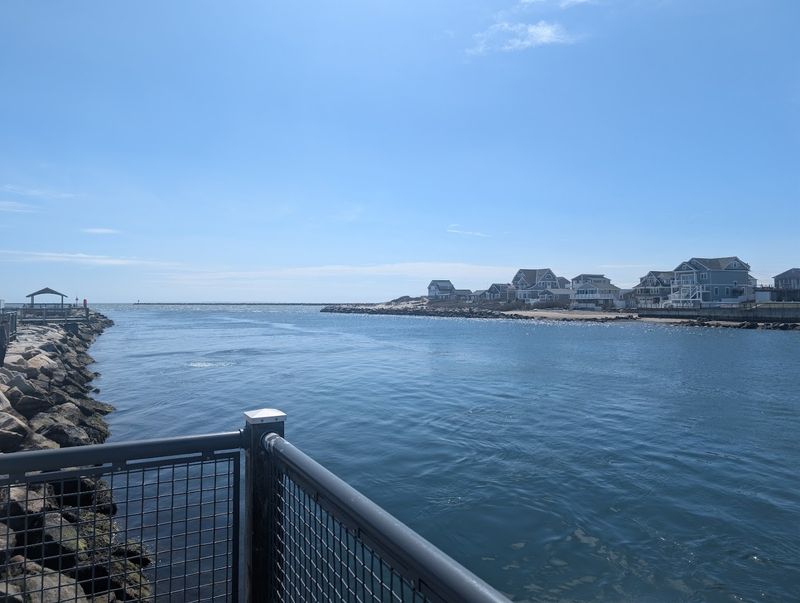
Galilee sits in Narragansett, Rhode Island, and it is easy to find it once you follow the smell of salt and fresh fish toward the water.
Seasonal Seafood Varieties And Harvest Times
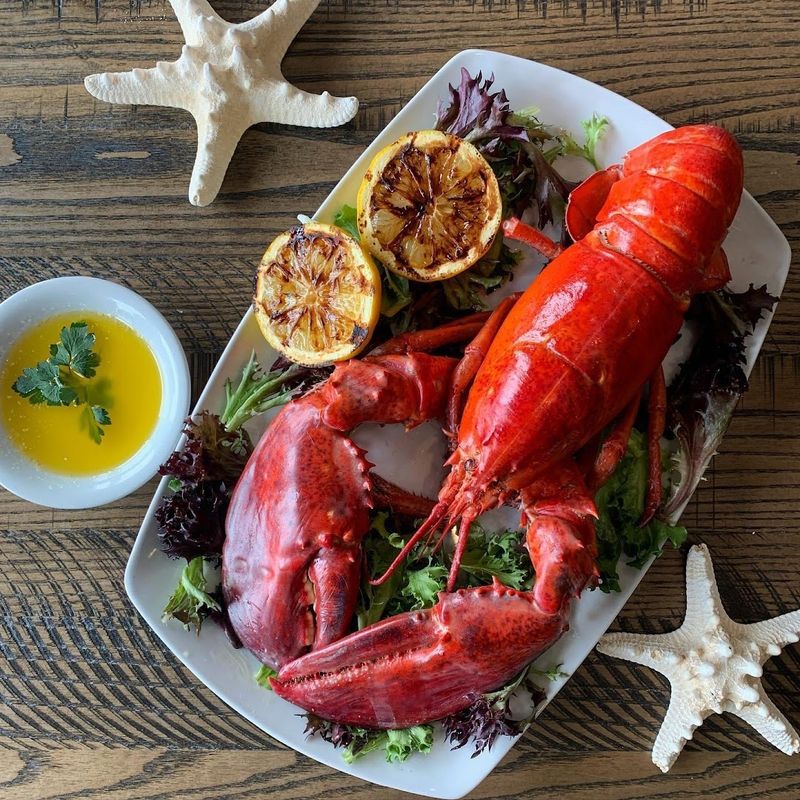
The seafood calendar in Galilee runs on its own schedule, and nature sets the clock. Lobster season brings the biggest buzz to the docks.
Traps go out, boats go early, and the haul comes back heavy.
Summer is peak time for striped bass and bluefish along Rhode Island’s coast. Fishing boats head out before sunrise to catch the best action.
By mid-morning, the dock market is already buzzing with fresh arrivals.
Fall shifts the focus toward flounder, tautog, and scup. These cold-water species thrive as temperatures drop.
Local fishermen know exactly when each species moves through and plan their trips accordingly.
Winter does not shut things down the way you might expect. Hard-core commercial fishermen keep working through cold months.
The catch may be smaller, but the commitment never wavers here.
Clam harvesting happens across multiple seasons depending on the species. Quahogs are a Rhode Island staple pulled year-round from local waters.
Soft-shell clams come in during warmer months when the mud flats are most productive.
Spring brings squid runs that draw serious attention from both commercial and recreational fishermen. The harbor fills up fast during peak squid season.
Buying directly from the boats during any season means you are getting seafood that was in the ocean just hours ago.
Boat Building And Maintenance Practices
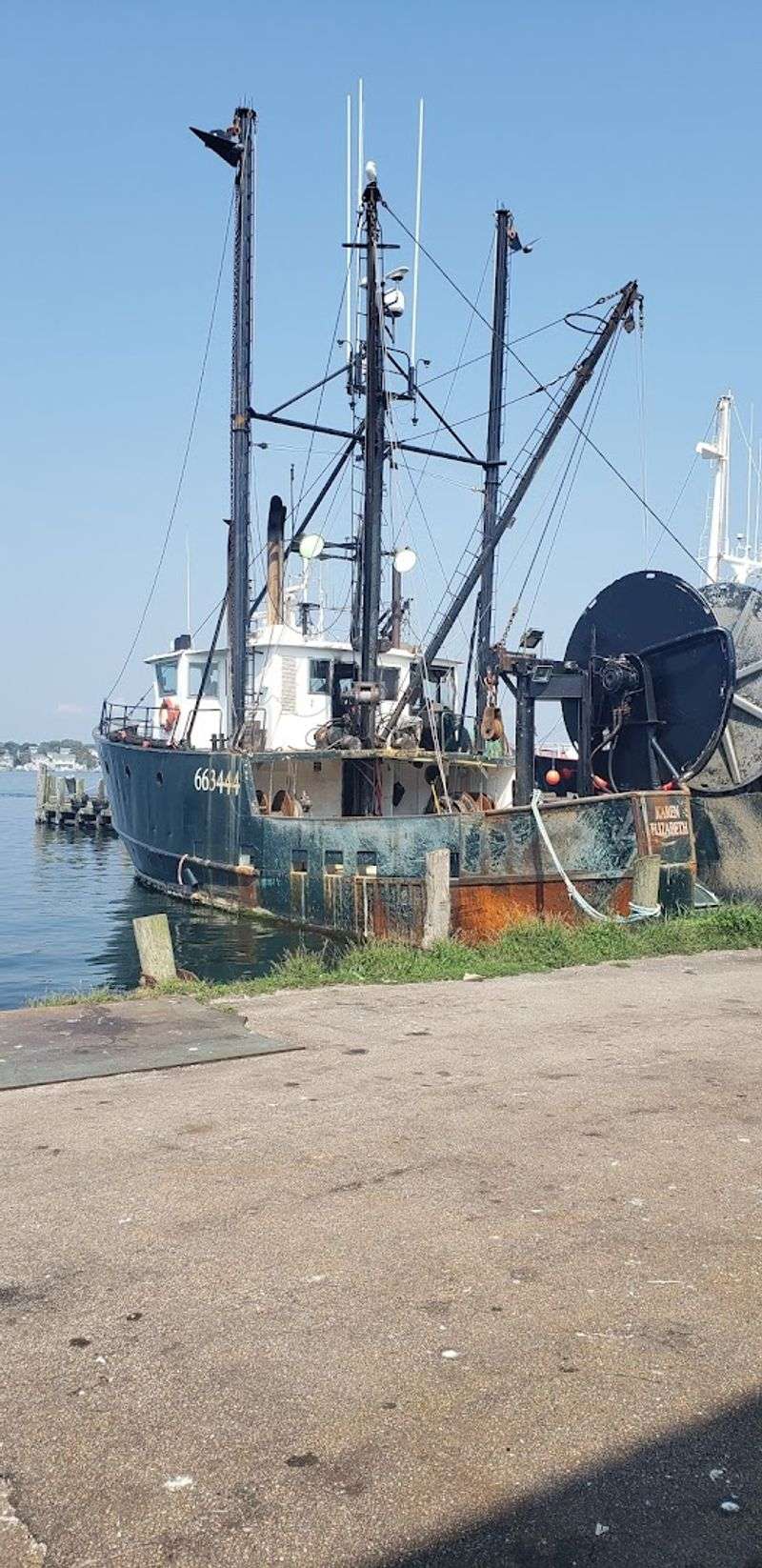
Boat maintenance in Galilee is not a hobby. It is a survival skill.
If your vessel is not seaworthy, you do not fish, and if you do not fish, you do not eat. That mindset creates serious craftsmen.
The boatyards near Galilee have been servicing the fleet for generations. Fiberglass repair, hull scraping, and engine overhauls happen on the regular.
Watching a skilled yard worker go at a hull with a grinder is oddly satisfying.
Traditional wooden boat construction has become rarer but has not disappeared completely. A handful of craftsmen still work with wood for smaller vessels and repairs.
The patience required for that work is remarkable.
Commercial fishing boats take an absolute beating from saltwater, heavy loads, and rough weather. Regular maintenance is not optional for these crews.
A well-kept boat is the difference between a profitable trip and a dangerous one.
Hauling a vessel out of the water for bottom painting is a routine sight around the harbor. Anti-fouling paint keeps barnacles and growth off the hull.
Without it, drag increases and fuel efficiency drops fast.
The fishing fleet in Galilee represents a serious investment for families who depend on it. Passing down knowledge about boat care from parent to child keeps those skills alive.
That transfer of knowledge is its own kind of tradition worth preserving.
Local Maritime Festivals And Celebrations
Galilee knows how to celebrate its fishing heritage without turning it into a theme park. The annual Blessing of the Fleet is the most meaningful tradition in the village.
Boats line up, clergy offer prayers for safe voyages, and the whole community shows up.
The Blessing of the Fleet has roots going back many decades in this harbor. It marks the start of the fishing season with genuine ceremony and community pride.
Fishermen take it seriously because the sea demands respect.
Rhode Island Seafood Festival draws visitors from across the region to celebrate local catch. Fresh seafood, local vendors, and live entertainment fill the waterfront area.
It is a big deal for a small village.
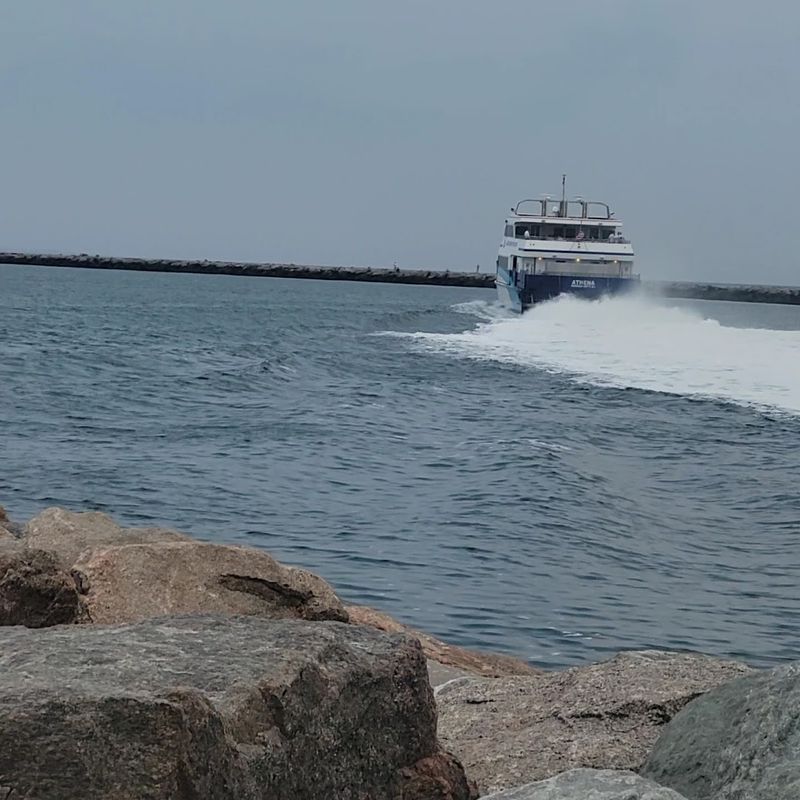
The Block Island Ferry operates right out of Galilee, adding a constant buzz of activity to the harbor. Ferry days bring extra foot traffic and energy to the docks.
That mix of working fishermen and day-trippers creates a lively atmosphere.
Local celebrations here are not polished or overly produced. They feel real because they are rooted in actual working-village culture.
Nobody is performing tradition for a camera. They are just living it.
Community gatherings around the docks happen informally too. Fishermen swap stories, families picnic near the water, and kids watch the boats come in.
Those small, everyday moments are their own kind of celebration worth showing up for.
Sustainable Practices And Environmental Stewardship
Fishing without thinking about the future is a fast way to run out of fish. Galilee’s fishing community understands that better than most.
Sustainable practices are not a trend here. They are a necessity built into the culture.
Size limits and catch quotas are enforced seriously in Rhode Island’s commercial fishing industry. Fishermen in Galilee comply because they know the science behind stock management.
Healthy fish populations today mean a viable business tomorrow.
The Point Judith Fishermen’s Cooperative Association, founded in 1948, has helped coordinate responsible fishing practices for decades. The cooperative model keeps individual fishermen connected to shared goals.
That collective approach has been studied and admired worldwide.
Gear modifications have reduced bycatch significantly over the years. Turtle excluder devices and modified net designs protect non-target species.
These adjustments take effort, but they make a measurable difference in ocean health.
Water quality monitoring around Narragansett Bay involves both state agencies and local stakeholders. Clean water is directly tied to healthy shellfish beds and fishing grounds.
Galilee fishermen have a personal stake in keeping those waters clean.
Restoration investments announced in July 2024 aim to modernize aging dock infrastructure while preserving the working character of the port. Upgrading without losing authenticity is the challenge.
Galilee seems committed to getting that balance right for the next generation of fishermen.
Community Roles And Family Fishing Legacies
Fishing in Galilee is rarely a solo operation. It is a family business passed down through generations with pride and hard-earned knowledge.
Some families here have been working these same waters for over a hundred years.
Grandparents teach grandchildren how to tie knots, read the weather, and respect the water. That mentorship happens naturally on the docks and on the boats.
No classroom can replicate that kind of hands-on education.
Women in Galilee’s fishing community have always played active roles beyond the shoreline. Running the books, managing cooperative business, and handling dockside sales are all critical jobs.
The fleet would not function without that behind-the-scenes work.
The Point Judith Fishermen’s Cooperative Association created a structure that supported whole families, not just individual boat captains. Members shared resources, marketing, insurance, and supplies.
That cooperative spirit built a stronger community than competition alone ever could.
Young people growing up in Galilee face a real choice about continuing the family trade. Regulations, economics, and changing fish stocks make that decision complicated.
But many still choose the water because it is in their blood.
The stories told on these docks carry real weight. Tales of record hauls, brutal storms, and close calls get passed from generation to generation.
Those stories are the unofficial history of Galilee, and they keep the community’s identity intact and alive.
Impact Of Weather And Tides On Daily Life
Weather is not background noise in Galilee. It is the main character in every fisherman’s daily story.
A clear forecast means work. A storm warning means everything stops.
Tides dictate when boats can safely leave and return to the harbor. Low tide can strand a vessel or make navigation tricky near shallow areas.
Every captain here reads tide charts the way other people check email.
Nor’easters are Rhode Island’s most notorious weather events. These powerful coastal storms can shut down the entire port for days at a time.
Fishermen board up, secure lines, and wait it out with a lot of coffee.
Summer fog rolls in off Narragansett Bay without much warning. Visibility can drop to near zero in minutes.
Radar and local knowledge become your best friends when the fog gets thick.
Wind direction matters as much as wind speed for offshore fishing. An east wind can kick up dangerous chop quickly.
Experienced captains know which wind patterns signal a good day and which ones signal a stay-home day.
The fishing schedule in Galilee bends to the sea, not the other way around. Plans change fast when conditions shift.
That unpredictability sounds stressful, but for people raised on it, the rhythm of weather and tides feels completely natural and grounding.
Rhode Island Coastal Flora And Fauna
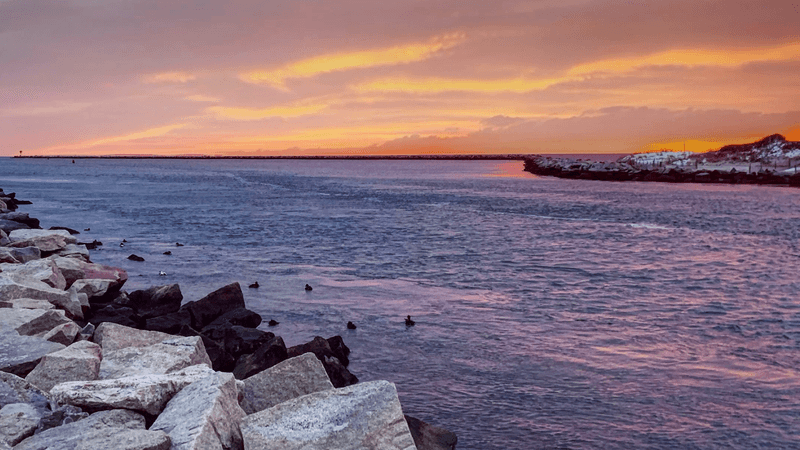
The coastline around Galilee is not just a backdrop for fishing. It is a living ecosystem packed with species that make this stretch of Rhode Island genuinely special.
Salt marshes, tidal flats, and open water create overlapping habitats.
Great blue herons are a common sight along the harbor edges. They stand perfectly still in the shallows and strike at fish with surprising speed.
Watching one hunt is better than any nature documentary.
Salt marsh cordgrass lines the edges of Narragansett Bay and plays a critical role in coastal health. It filters runoff, stabilizes shorelines, and provides nursery habitat for juvenile fish.
Without it, the whole ecosystem would shift dramatically.
Harbor seals show up in Rhode Island waters during the winter months. They haul out on rocks near Point Judith and are surprisingly unbothered by boat traffic.
Fishermen have mixed feelings about seals, since they compete for the same fish.
Osprey nests are visible on channel markers and tall structures around the harbor. These birds are expert divers and incredibly effective hunters.
Their comeback from near-extinction in the 20th century is one of conservation’s great success stories.
Eelgrass beds beneath the surface of Narragansett Bay support scallops, crabs, and young fish. These underwater meadows are fragile but vital.
Protecting them is directly connected to the health of Galilee’s fishing grounds for years to come.