
Explore The Wisconsin Ghost Town Where Time Seems To Have Stood Still
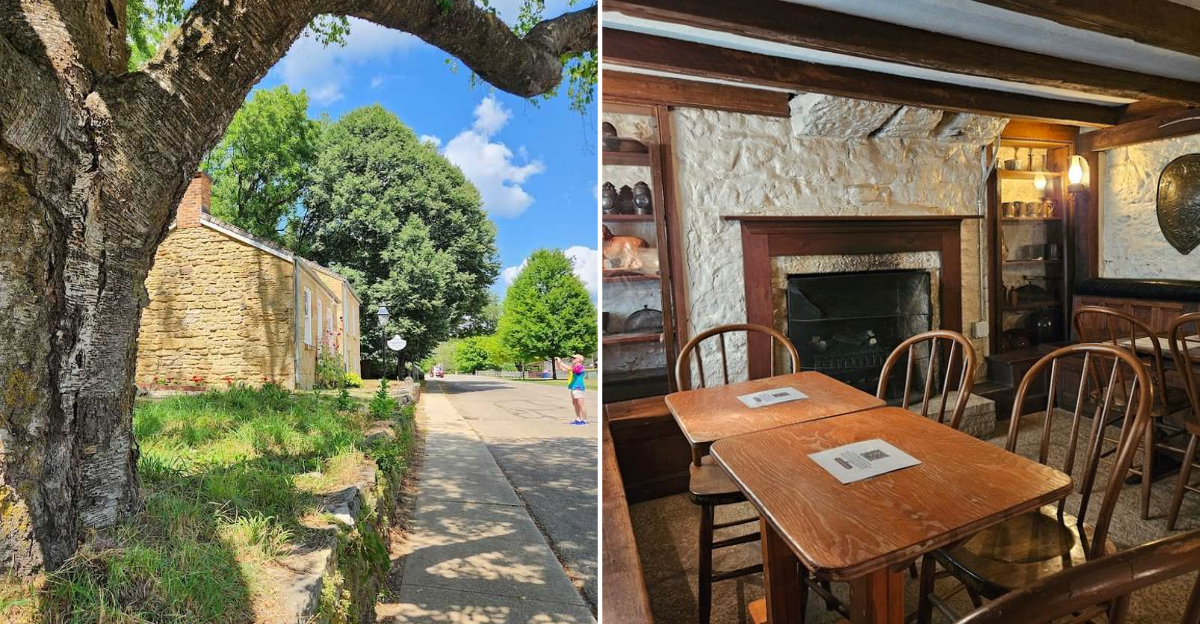
Wisconsin is full of surprises, but few places hit differently than Mineral Point. This small town in Iowa County looks like someone pressed pause on the 1800s and just never hit play again.
Pendarvis is the heart of it all, a collection of old stone and timber cabins built by Cornish miners who came here chasing lead and a better life. If you love history, weird stories, and buildings that somehow outlasted everything around them, this place is going to be your new favorite obsession.
History Of The Ghost Town And Its Origins
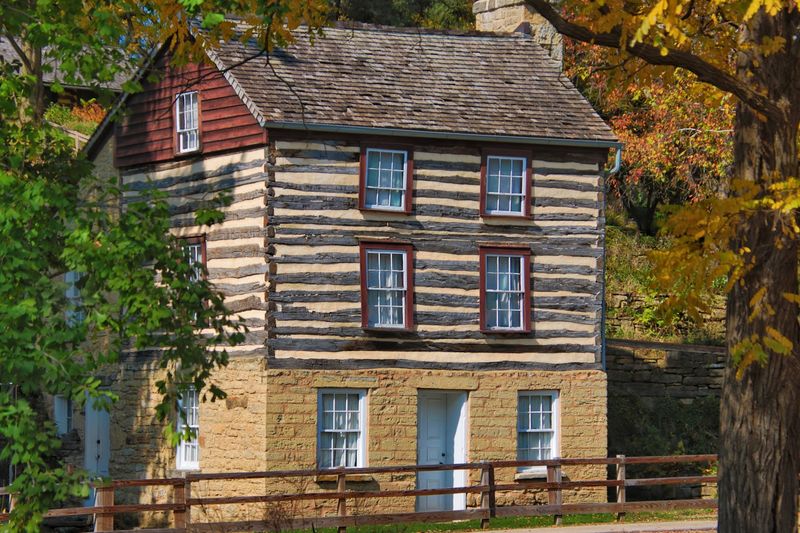
Mineral Point did not start as a ghost town. It started as a boomtown.
In the 1830s, Cornish miners poured into this corner of Wisconsin chasing lead ore buried beneath the hills.
At its peak, the town held over 4,000 people. That is a massive number for a frontier settlement.
Miners built stone cabins by hand, using skills they brought straight from Cornwall, England.
Then the lead ran out. Miners packed up and chased gold in California in 1848.
Zinc mining brought a short comeback, but those mines eventually closed too. The Merry Christmas Mine Hill zinc operation shut down in 1913.
After that, the population dropped hard. Buildings sat empty.
Many were torn down. What remained felt frozen, quiet, and honestly a little eerie.
That is exactly why publications like Thrillist called it one of Wisconsin’s creepiest and coolest ghost towns.
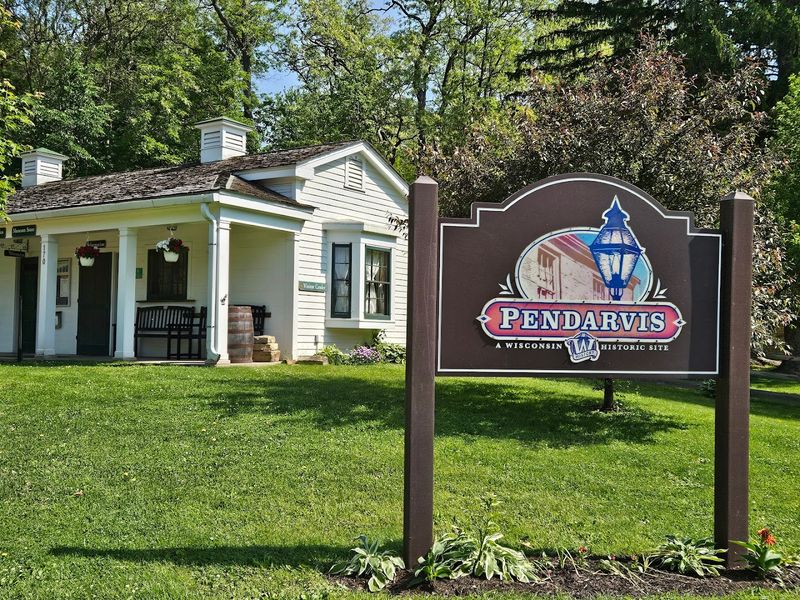
Pendarvis preserves what survived. The site sits at 114 Shakerag St, Mineral Point, WI 53565, United States.
Walking through it feels like reading a chapter of history that almost got erased.
Architectural Styles Preserved In The Town
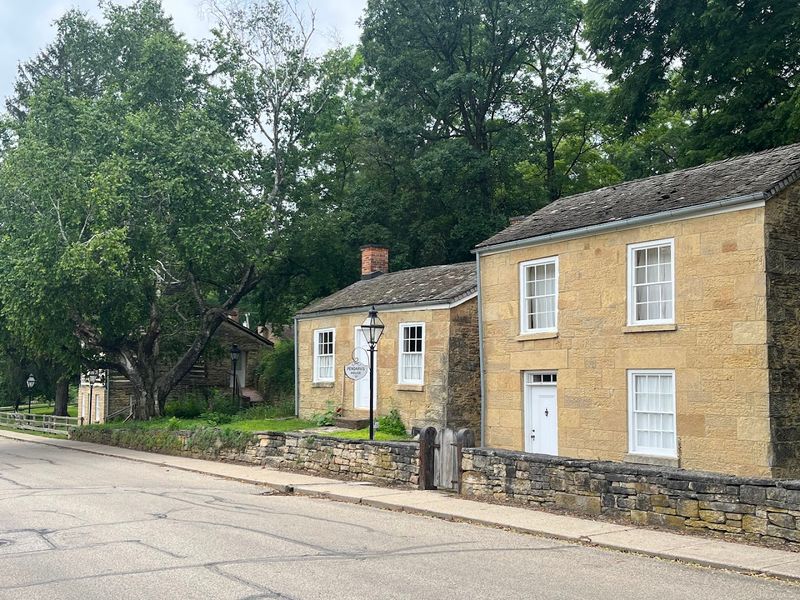
Cornish miners were not just laborers. They were skilled stonemasons.
Every cabin at Pendarvis proves that. These buildings were constructed using dry-stacked limestone pulled directly from local hillsides.
The walls are thick and low. The rooflines are steep.
Windows are small, which keeps heat inside during brutal Wisconsin winters. It is a practical design, born from necessity and old-world craftsmanship.
Structures like the Pendarvis House, Trelawny, Polperro, and the Rowhouse each have their own personality. Some feel cozy and compact.
Others have a rugged, almost fortress-like quality. All of them were built without modern tools or equipment.
What makes the architecture remarkable is how intact it remains. Robert Neal and Edgar Hellum began restoring these buildings in the 1920s and 1930s.
They worked carefully to preserve original materials and construction methods rather than modernizing anything.
Today, guided tours walk visitors through period-furnished rooms. Mining tools, household items, and original stonework fill each space.
You get a real sense of how these buildings functioned as actual homes, not just historical props.
Local Legends And Folklore Surrounding The Area
Every old mining town carries ghost stories. Mineral Point carries more than most.
The combination of abandoned mines, crumbling stonework, and a population that nearly vanished makes for fertile folklore ground.
Pendarvis has earned its reputation as Wisconsin’s creepiest ghost town, and locals lean into that. Stories about restless miners and strange sounds near the old mine hills have circulated for generations.
Nobody dismisses them entirely.
The Merry Christmas Mine Hill adds to the mystique. Old mining sites have a way of feeling haunted even in broad daylight.
Rusted equipment, overgrown trails, and deep silence create an atmosphere that is hard to shake off.
Cornish culture also brought its own superstitions. Miners traditionally believed in small underground spirits called Knockers.
These beings were said to warn miners of cave-ins by knocking on tunnel walls. Whether you believe it or not, the story adds texture to every tour.
The name Shakerag Street itself sparks curiosity. Local lore suggests the name comes from residents waving rags to signal when food was ready.
Small details like that keep the folklore alive and make Mineral Point feel genuinely storied.
Effects Of The Ghost Town On Regional Tourism
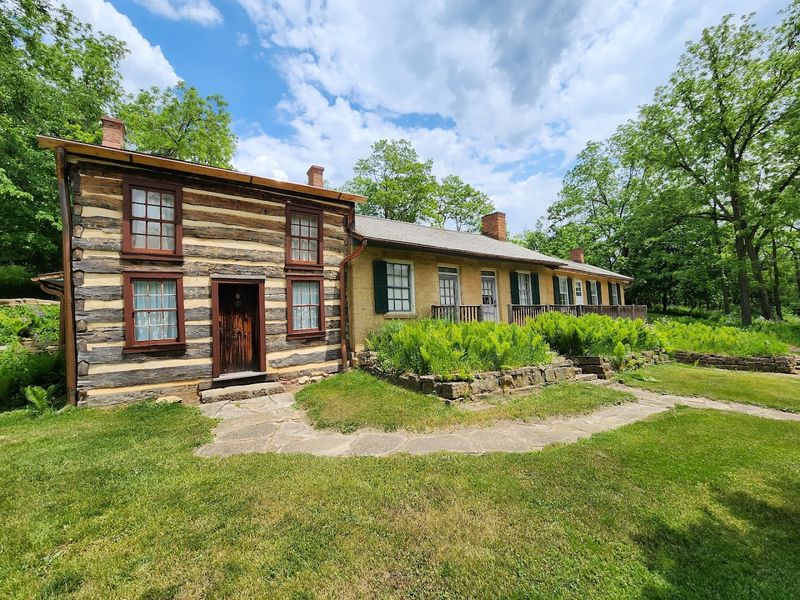
Mineral Point was not always on anyone’s travel radar. Pendarvis changed that.
When the Wisconsin Historical Society opened the site to the public after taking ownership around 1970, it gave the region a serious anchor attraction.
Tourism here is not flashy. There are no roller coasters or giant signs.
What draws people is authenticity. Visitors come specifically because the place feels real and unpolished in the best possible way.
The ripple effect on Mineral Point has been significant. The town has grown into a hub for arts, antiques, and heritage tourism.
Galleries, studios, and historic inns have followed the trail that Pendarvis helped blaze.
Guided tours run Thursday through Sunday from 10 AM to 4 PM. Groups of all sizes visit, from history buffs to curious road-trippers who spotted the site online.
The combination of guided tours and self-guided access to Merry Christmas Mine Hill gives visitors flexibility.
Admission is affordable, and Wisconsin Historical Society members get in free. That membership perk has helped bring repeat visitors back to the region.
Pendarvis essentially put Mineral Point on the map for heritage tourism across the upper Midwest.
Natural Surroundings And Wildlife Around The Site
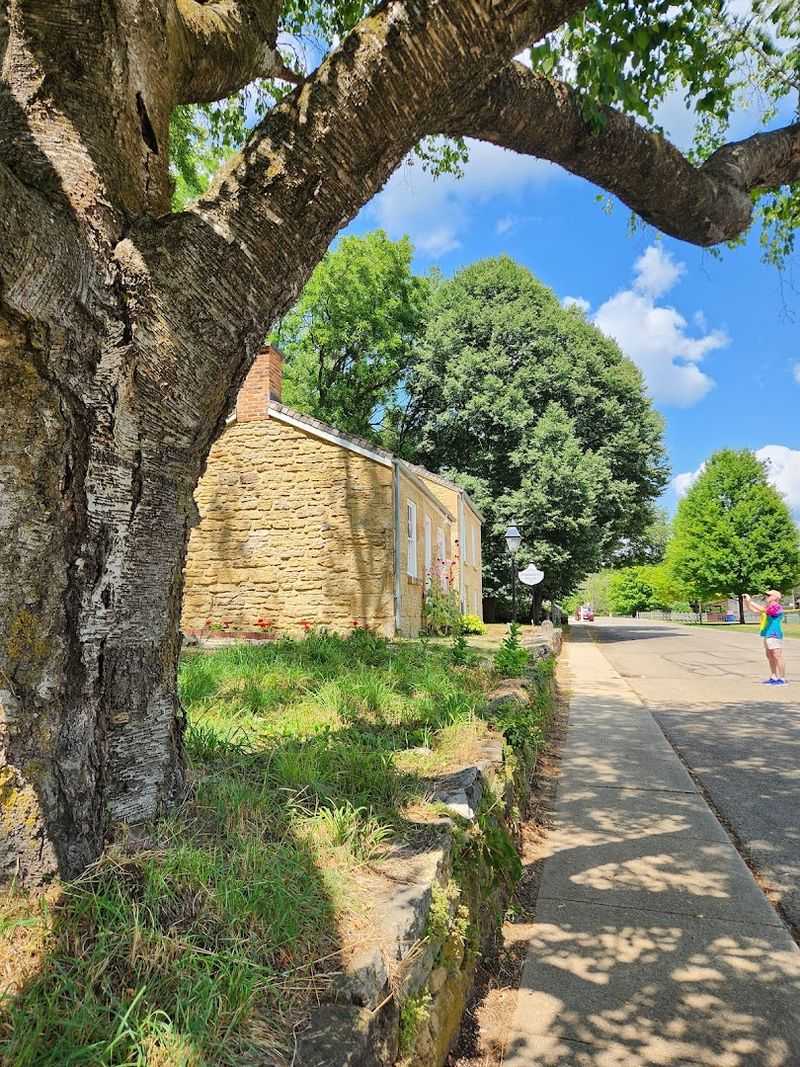
Pendarvis is not just about stone buildings. The natural landscape surrounding the site is genuinely worth your time.
Merry Christmas, Mine Hill sits directly across the street and offers hiking trails through open terrain.
The hill gives you a different perspective on the whole area. You can see the town below, the rolling Iowa County farmland stretching out, and remnants of old mining infrastructure scattered across the slope.
It is scenic and historically layered at the same time.
Wisconsin prairies and oak savannas historically dominated this region. Some of that native plant character still shows up along the trails.
Wildflowers push through rocky soil in spring and summer, adding unexpected color to an otherwise rugged landscape.
Wildlife around the site includes white-tailed deer, wild turkeys, and a solid variety of songbirds. The hillside habitat supports species that thrive in edge environments where forest meets open land.
Birdwatchers often bring binoculars along with their curiosity about mining history.
The combination of cultural history and natural scenery makes Pendarvis a layered experience. You can spend an hour on the tour, then extend your visit with a trail walk.
It adds up to a full half-day without any effort at all.
Preservation Efforts And Challenges Faced
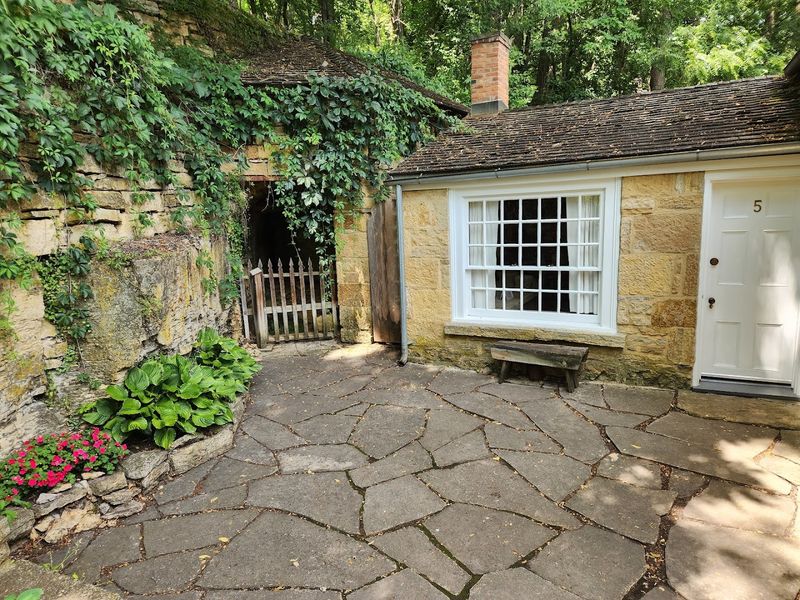
Saving old buildings is expensive, slow, and complicated. Robert Neal and Edgar Hellum figured that out fast when they started buying up Cornish cabins in the 1920s and 1930s.
These two men worked with limited resources and enormous determination.
They lived on the property while restoring it. That is commitment on a level most people cannot imagine.
To fund the work, they opened a restaurant serving traditional Cornish food. The restaurant income kept the preservation project alive for decades.
The Wisconsin Historical Society took over ownership around 1970 and 1971. That transition brought institutional support but also new challenges.
Maintaining 19th-century stone structures requires constant attention. Moisture, freeze-thaw cycles, and aging materials all work against preservation efforts year after year.
Each building at Pendarvis demands careful, material-specific care. Modern repair methods can actually damage historic stonework if applied incorrectly.
Trained conservators and knowledgeable staff make decisions that balance authenticity with structural safety.
Volunteers and employees both contribute to keeping the site functional and accessible. The effort is ongoing and never truly finished.
Every season brings new maintenance needs, and the commitment required to keep Pendarvis intact is something visitors rarely see but absolutely benefit from every single visit.
Cultural Traditions And Events Once Held
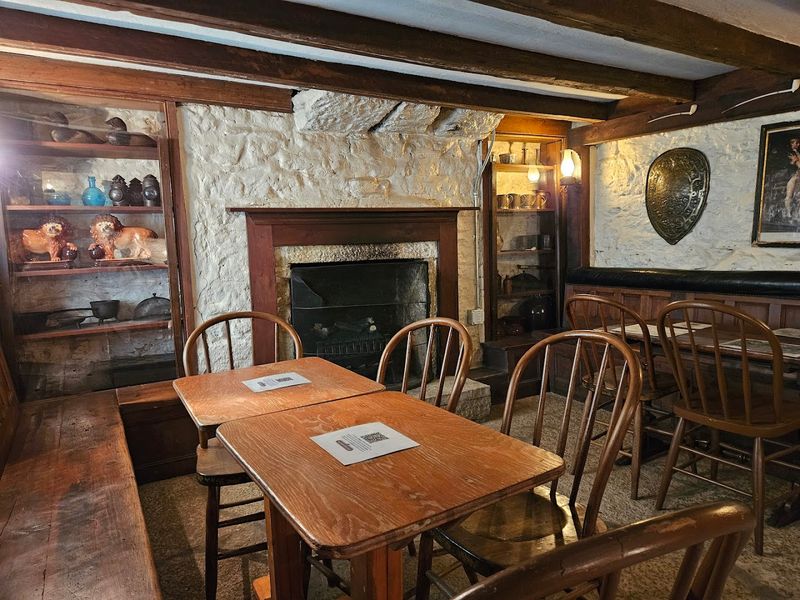
Cornish culture did not disappear when the miners arrived in Wisconsin. It traveled with them.
Food, language, customs, and community traditions all made the journey across the Atlantic and took root in Mineral Point.
The Cornish pasty is probably the most famous cultural export. This handheld meat and vegetable pie was a practical miner’s lunch.
It was sturdy enough to carry underground and filling enough to fuel a full shift of hard labor.
Neal and Hellum honored that food tradition by serving Cornish cuisine at their restaurant on the Pendarvis property. The restaurant was not just a fundraising strategy.
It was a deliberate act of cultural preservation, keeping a living tradition connected to the physical buildings around it.
Community gatherings in early Mineral Point reflected Cornish chapel culture. Methodist churches were central to social life.
Singing, communal meals, and seasonal celebrations gave the mining community structure beyond the workday.
Today, Pendarvis interpretive programs touch on these traditions during guided tours. Period-furnished rooms and displayed artifacts help visitors understand what daily cultural life looked like.
The site keeps those traditions visible even though the living community that practiced them is long gone.
Daily Life And Occupations Of Former Residents
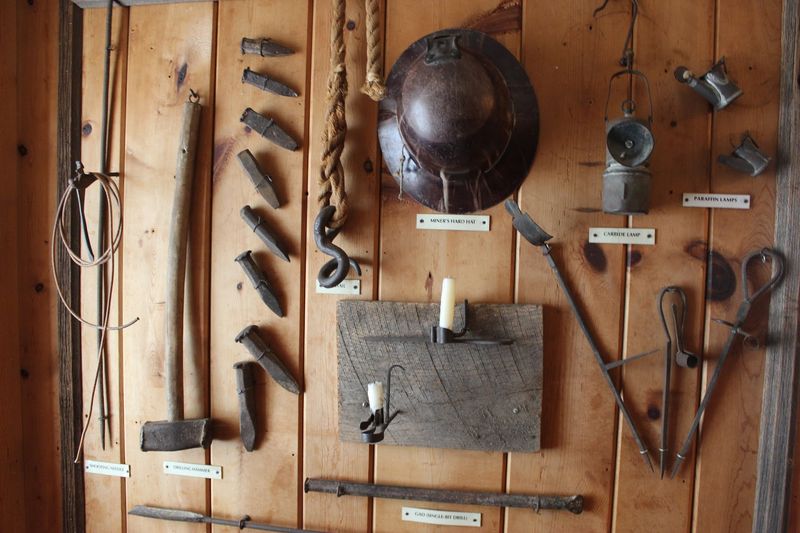
Life in 1830s Mineral Point was not easy or comfortable. Cornish miners worked underground in dangerous conditions, digging lead ore by hand with picks and shovels.
Injuries were common and medical care was minimal.
Above ground, daily life revolved around survival. Women managed households that had almost no modern conveniences.
Cooking happened over open fires in small stone kitchens. Water came from wells and streams.
Every task required physical effort.
Children worked alongside adults earlier than anyone today would consider acceptable. Boys often entered the mines as young teenagers.
Girls helped with domestic labor from a young age. Education was available but secondary to economic necessity for most families.
Beyond mining, some residents worked as blacksmiths, merchants, and tradespeople. The boomtown economy created demand for all kinds of services.
A growing population needs food, tools, clothing, and shelter, and entrepreneurs followed the miners to meet those needs.
Pendarvis tours bring these occupational realities into focus. Mining tools displayed inside the cabins are not decorative.
They are actual artifacts from working lives. Seeing a hand drill or ore basket up close makes the physical reality of 19th-century labor surprisingly immediate and hard to forget.