
Few Rivers In Ohio Feel As Peaceful As This Hidden Stretch Of Water
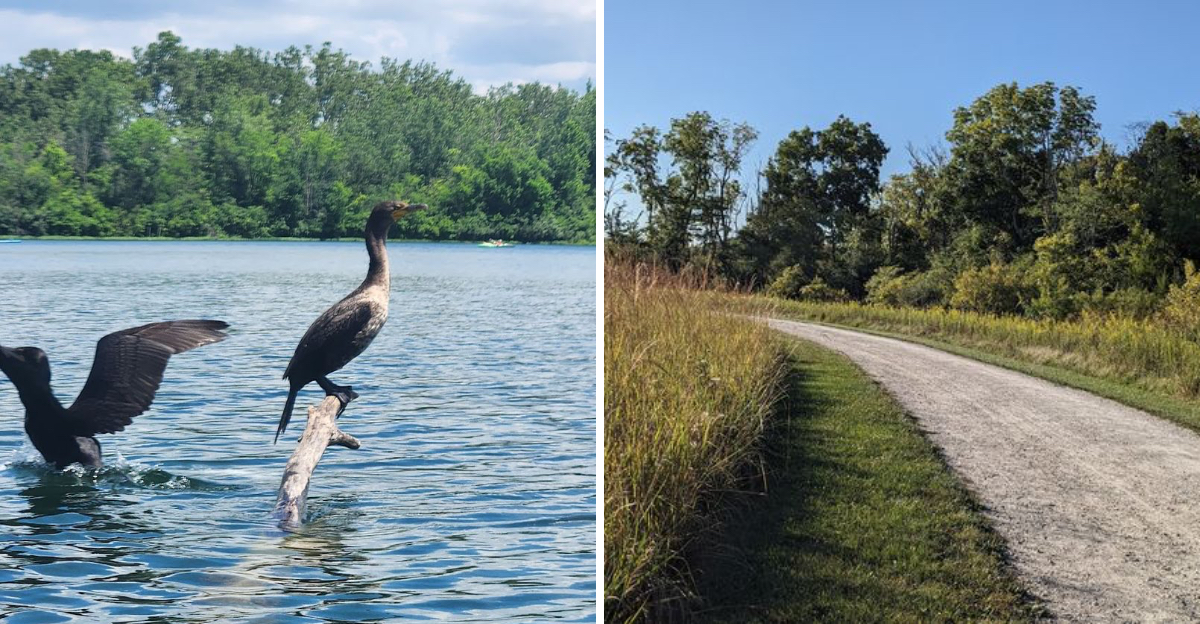
What if the calmest water in Ohio sits nowhere near where most people would think to look? Locals talk about a creek that quietly outperforms rivers twice its size, and once you learn why, it’s hard to stop thinking about it.
Limestone bluffs hold fossils from ancient coral reefs, prairie grasses sway past your shoulders, and the water runs so clear you can watch fish dart beneath the surface. Bald eagles drift overhead while deer step quietly along the banks, unaware anyone is watching.
Few spots in Ohio pack this much biodiversity, history, and quiet drama into one place, and the story behind how it survived might surprise you more than the scenery does. Curious what’s hiding just past the treeline?
The Creek That Earned Its Stripes
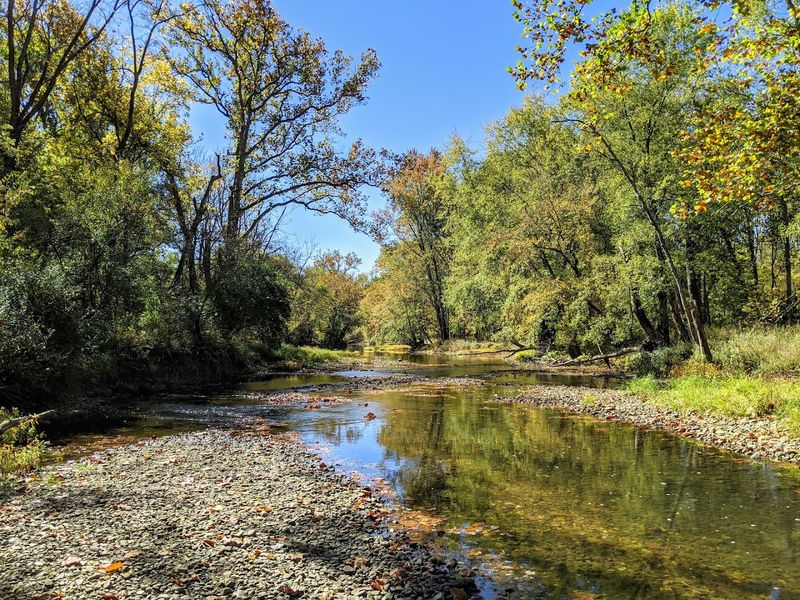
Big Darby Creek is not just pretty water moving through a pretty park. It carries one of the most impressive ecological resumes of any river in Ohio.
The creek stretches over 80 miles and holds a dual designation as both a State and National Scenic River, a status earned through outstanding water quality and exceptional biodiversity.
Ohio officially classifies its waters as “Exceptional Warmwater Habitat” and “Outstanding State Waters.” Those are not marketing terms. They reflect real, measurable standards backed by water quality testing and species surveys.
The creek supports over 100 species of fish, including four that are endangered within the state.
Freshwater mussels thrive here too, with 44 species documented, several of which appear on federal threatened and endangered lists. The northern riffleshell and clubshell mussels are among the most protected.
Flowing past limestone outcroppings embedded with fossils from ancient tropical reefs, this creek quietly tells a geological story millions of years in the making.
A Conservation Win Decades In The Making
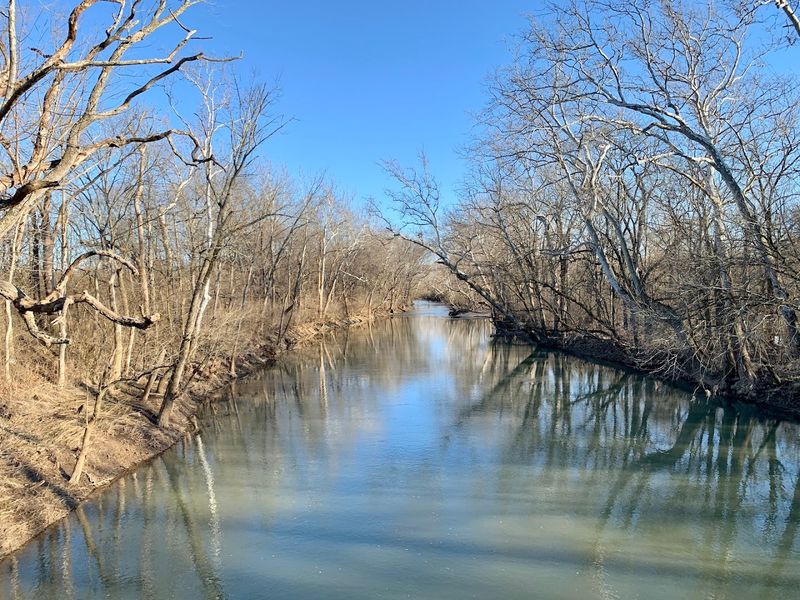
Prairie Oaks Metro Park did not appear overnight. Its existence is the result of a hard-fought, three-decade conservation battle that ended in a meaningful victory for Ohio’s natural landscape.
The park, located at 3225 NE Plain City-Georgesville Rd, West Jefferson, OH 43162, opened in the early 2000s after activists successfully stopped a proposed Columbus dam project that would have flooded the valley.
That fight protected nearly 1,300 acres of vital floodplain and valley edge along Big Darby Creek, land that has since grown into the park visitors enjoy today. Organizations including The Nature Conservancy stepped in to recognize the watershed’s value, declaring it a “Last Great Place.” That designation carries real weight in conservation circles.
Since opening, the park has continued growing through active restoration. Former agricultural fields have been converted into bottomland forests and native prairies seeded with plant species historically native to the Darby Plains.
Every trail walked and every bird spotted here is a small reminder that preservation efforts, even long and difficult ones, can produce something genuinely worth protecting.
Nearly 500 Acres Of Prairie That Actually Bloom
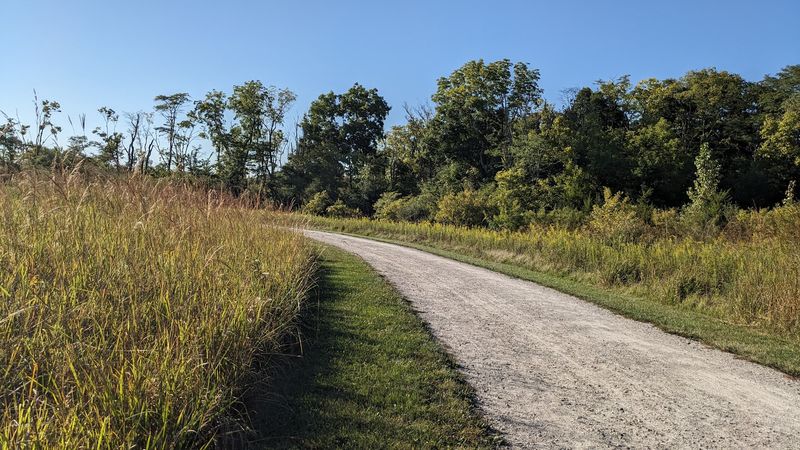
Most people picture forests when they think of Ohio parks. Prairie Oaks flips that expectation entirely.
Close to 500 acres of restored prairies and grasslands spread across the property, and in late summer, they put on a show that stops hikers mid-step.
These are not generic fields. The prairies were reseeded with species native to the Darby Plains, reflecting what this landscape looked like before agriculture reshaped it.
Historically, tallgrass prairies in this region could reach six to eight feet in height. Purple coneflower, prairie false indigo, and Indian paintbrush are among the species that now color the slopes and bluffs along the creek.
Park staff manage these prairies actively, conducting controlled burns each year to suppress invasive shrubs and allow native plants to hold their ground. The result is a living, breathing ecosystem rather than a static display.
Walking through it in late July or August, with grasses swaying and pollinators working every bloom, feels less like a park visit and more like stepping into a different century.
Trails For Every Kind Of Visitor
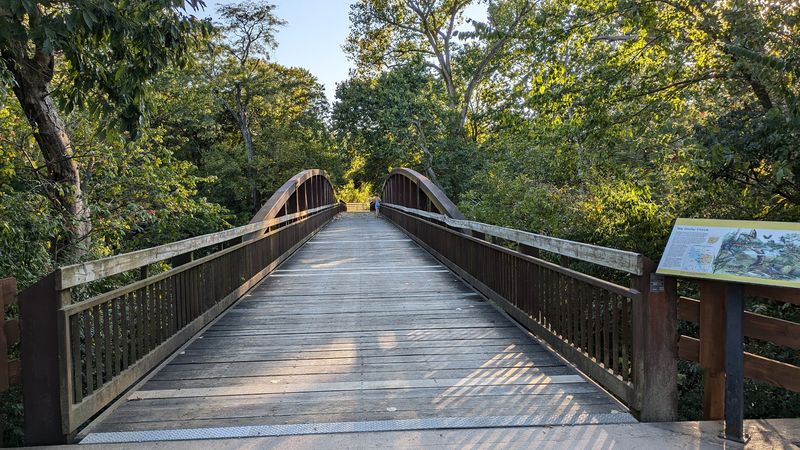
Prairie Oaks offers nearly 16 miles of trails, and the variety is one of its strongest qualities. Loops range from half a mile to over three miles, making it easy for visitors to customize their outing based on energy, time, or company.
Families with young kids, solo runners, and horseback riders all find something that fits.
The Darby Creek Greenway Trail runs 3.5 miles on crushed gravel and is ADA accessible, welcoming both hikers and cyclists. It passes alongside lakes and crosses Big Darby Creek at scenic points that tend to stop people in their tracks.
The Sycamore Plains Trails wind for 2.2 miles through the restored prairie heart of the park.
For those curious about the area’s human history, the Mound Trail leads to an ancient Native American burial mound associated with the Adena culture, a civilization that lived along these creeks over two thousand years ago. The trails are well-maintained and relatively flat, making them accessible without being boring.
Signage, however, can be inconsistent in some sections, so picking up a trail map at the entrance is a smart move.
Paddling The Creek At Its Best
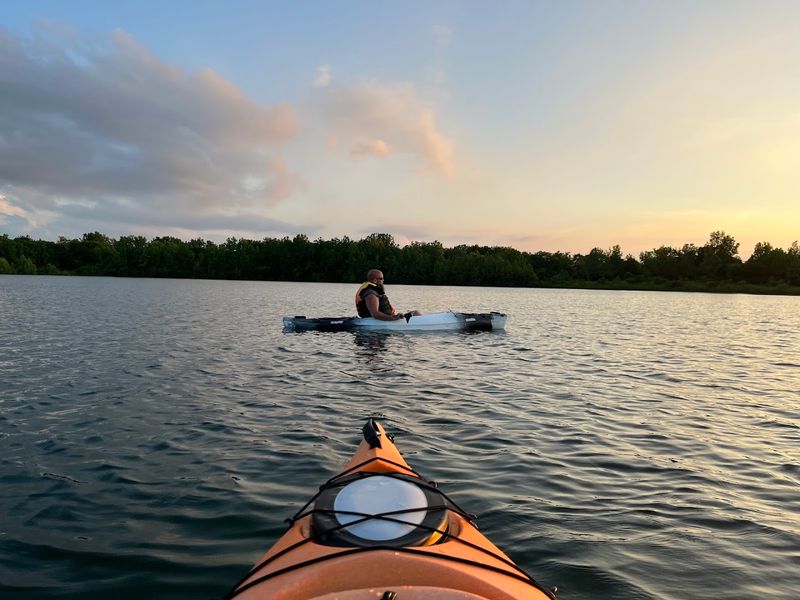
Big Darby Creek moves at a pace that feels almost generous. Its mostly flatwater character makes it one of the more welcoming paddling destinations in central Ohio, suitable for beginners and experienced kayakers alike.
The creek does not demand technical skill. It rewards patience and a willingness to look around.
A popular route runs from Plain City down to Prairie Oaks Metro Park, covering roughly eight to ten miles of some of the creek’s most scenic stretches. That kind of journey passes through wooded corridors, open meadow sections, and quiet bends where deer often appear on the bank without warning.
Beaver Lake and the Darby Bend Lakes within the park also offer calm paddling for those who prefer staying close to shore. An accessible canoe launch point to Big Darby Creek can be found at 4275 Amity Road in Hilliard.
The best paddling window typically runs from late May through mid-July, when water levels cooperate most reliably. Turtles sunning on logs and great blue herons lifting off the bank are regular sights along the way.
Fishing Spots That Reward Patience

The Darby Bend Lakes have a backstory that adds an unexpected layer to a fishing trip. These lakes are former quarry sites, and some plunge to depths exceeding 80 feet.
That depth keeps the water cool and clear year-round, creating conditions that hold fish well and make for some genuinely interesting angling.
The lakes are regularly stocked with largemouth and smallmouth bass, bluegill, channel catfish, crappie, and yellow perch. Shoreline access is generous, and the entry points work well for kayaks and other non-motorized watercraft.
On calm days, the clarity of the water allows anglers to spot large fish moving several feet below the surface, which is either thrilling or deeply humbling depending on the cast.
Big Darby Creek itself also draws anglers looking for rock bass, sunfish, and channel catfish in a more natural river setting. The combination of still-water lake fishing and flowing creek fishing within the same park is a rare convenience.
One of the lakes even features a small island that serves as a resting spot for ducks and Canada geese throughout the season.
Wildlife That Shows Up Uninvited And Unforgettable
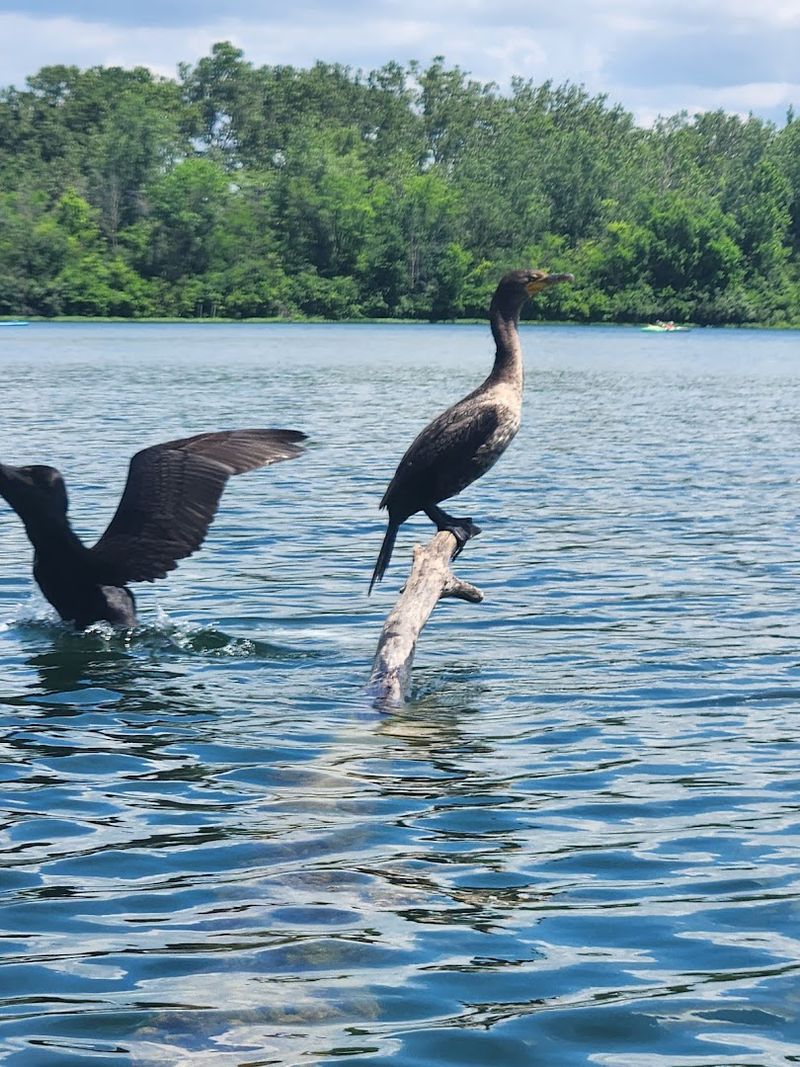
The biodiversity around Big Darby Creek is not subtle. It announces itself constantly, from the ripple of a fish breaking the surface to the shadow of a bald eagle passing overhead.
This creek corridor functions as a critical ecological pathway, and the wildlife reflects that status in every season.
Over 100 fish species use the creek, and the aquatic life extends to an impressive range of freshwater mussels that filter and clarify the water as they feed. Above the waterline, deer graze calmly along the banks in the early morning.
Beavers, turtles, and frogs are regular sightings near the park’s lakes and quieter creek edges.
Bird activity peaks during spring and fall migration, when the riparian zones fill with warblers, waterfowl, and shorebirds passing through central Ohio. Ospreys have been spotted hunting over the lakes, and bald eagles are not an uncommon sight for visitors willing to look up occasionally.
The park does not advertise these encounters, which is part of what makes stumbling into one feel so rewarding.
Family Fun, Dog Beaches, And Room To Breathe
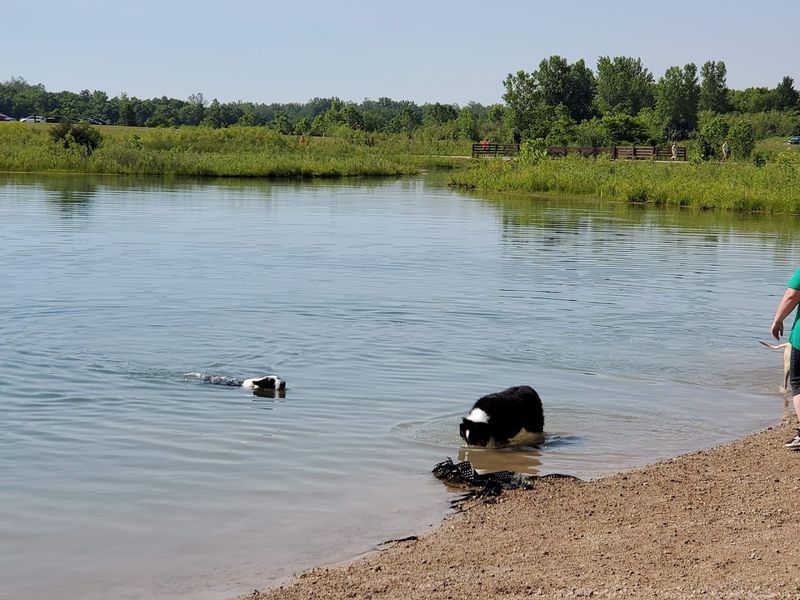
Prairie Oaks is one of those parks that manages to feel spacious no matter how many people show up. Picnic shelters at the Prairie View and Whispering Oaks areas provide shaded gathering spots with tables and grills, some paired with restroom facilities nearby.
Families can claim a shelter for an afternoon and hardly notice anyone else around them.
Younger visitors have access to a 25-acre natural play area surrounding Beaver Lake. Giant sycamore trees frame the space, and the setup encourages unstructured exploration rather than structured playground equipment.
Kids tend to disappear into it happily for hours.
The off-leash dog beach is one of the park’s most talked-about features. Dogs can splash freely without a leash, and the open, unfenced layout tends to attract well-socialized animals.
The rangers here have a reputation for being approachable and genuinely engaged, often stopping to greet both visitors and their dogs. For anyone looking for a full-day outing in Ohio that covers hiking, water access, picnicking, and pet-friendly spaces, this park checks every box without feeling crowded or commercialized.