
8 Forgotten Wisconsin Fishing Spots With Quiet Shores And Dreamy Campsites
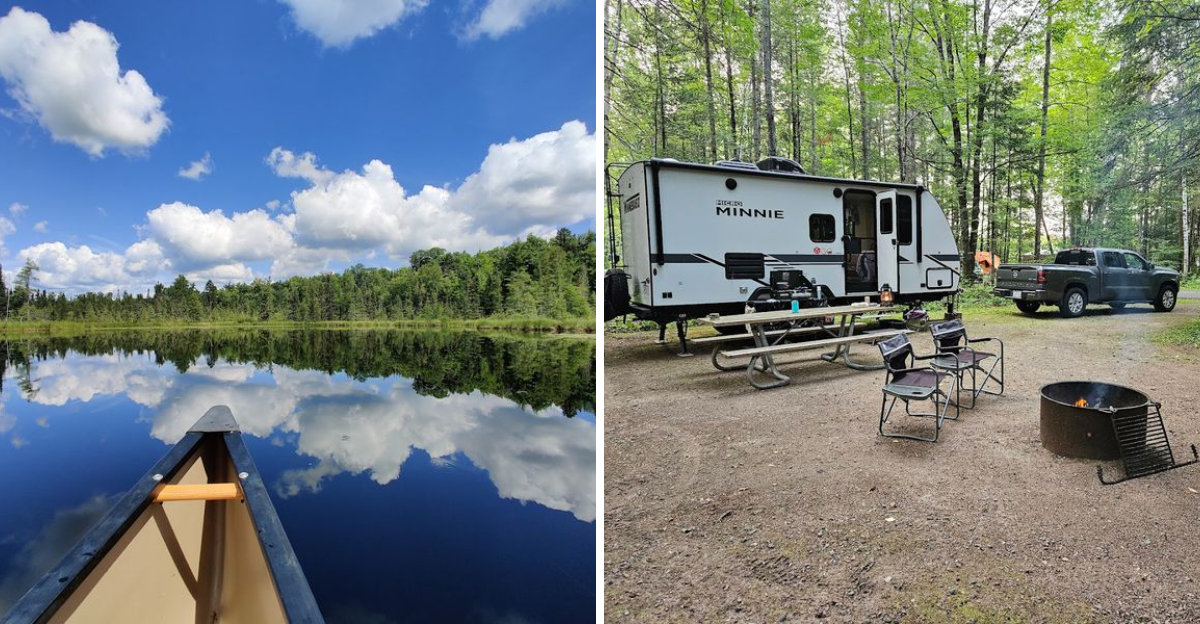
Wisconsin holds more than 15,000 lakes, but most people flock to the same crowded shorelines year after year. Hidden across the state are quiet fishing lakes where you can cast a line without dodging jet skis or competing for a campsite with a hundred other families.
These spots offer clear water, abundant fish, and peaceful campsites surrounded by towering pines and gentle waves lapping at the shore. If you’re ready to trade tourist traps for tranquil mornings and starlit nights, these eight forgotten gems will restore your faith in simple pleasures.
1. Starrett Lake (Northern Highland–American Legion State Forest)
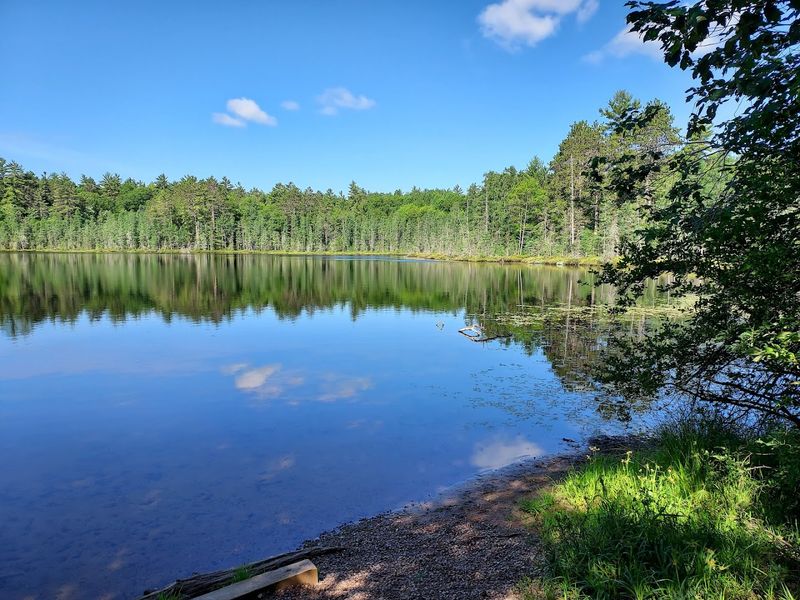
Starrett Lake rewards those who venture off the main roads. This 35-acre gem hides within the same state forest as Cunard, but it attracts even fewer visitors thanks to its tucked-away location.
The water stays remarkably clear, and you can often see fish darting below the surface as you paddle along the shore. Smallmouth bass thrive here, along with a healthy population of perch that bite eagerly on simple jigs.
The shoreline features a mix of sandy patches and rocky outcrops, giving you plenty of spots to explore. Casting near the rocks often produces strikes from bass looking for crayfish and minnows.
The lake’s modest size means you can fish the entire perimeter in a single afternoon without rushing, and you’ll likely have the whole place to yourself on weekdays.
A single walk-in campsite overlooks the water, offering one of the most peaceful camping experiences in Wisconsin. You’ll need to carry your gear about a quarter mile from the parking area, but the effort pays off with complete solitude.
The site includes a fire ring and a basic latrine, and the view from your tent door is worth every step of the hike. Mornings here start with coffee by the fire and the sound of fish jumping just offshore.
2. Cunard Lake (Northern Highland–American Legion State Forest)
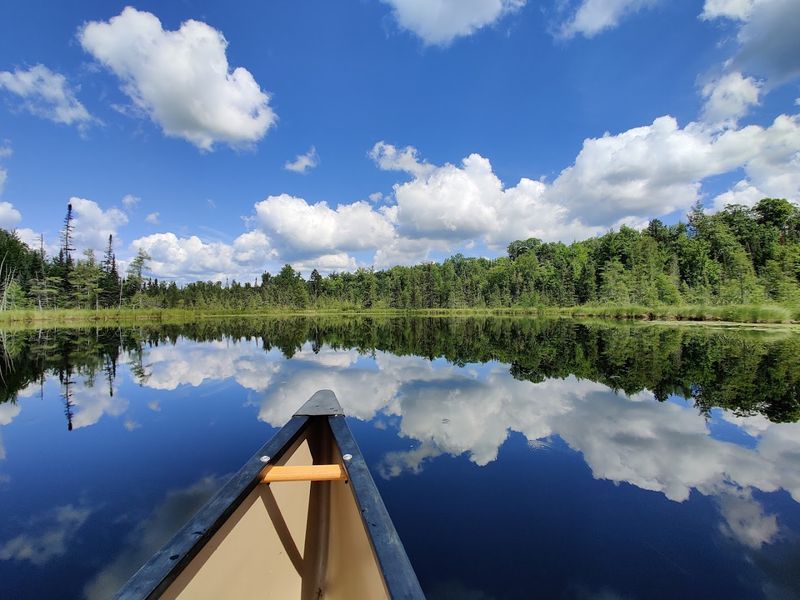
Cunard Lake sits quietly among hundreds of other lakes in the Northern Highland–American Legion State Forest, but it stands apart for one simple reason: hardly anyone knows about it. The 61-acre lake stays shallow enough for warm summer swimming yet deep enough in spots to hold decent populations of largemouth bass and panfish.
You won’t find a boat launch here, which keeps the motorboats away and the water glassy smooth most days.
Fishing from a canoe or kayak works best, especially around the weed beds where bluegills hide in summer. Early mornings bring out the bass, and if you’re patient, you might hook a northern pike cruising the shallows.
The lake bottom is sandy in places, making it easy to wade in for a cool dip after a hot afternoon of casting.
Two primitive campsites sit right on the shore, accessible only by paddling across the water or hiking a short trail. These sites come with fire rings and basic amenities, but no electricity or running water.
Pack everything you need, and you’ll have the lake almost entirely to yourself. Stargazing from your tent door feels magical here, with zero light pollution and nothing but pine-scented air and loon calls echoing across the water.
3. Big Lake (Northern Highland–American Legion State Forest)
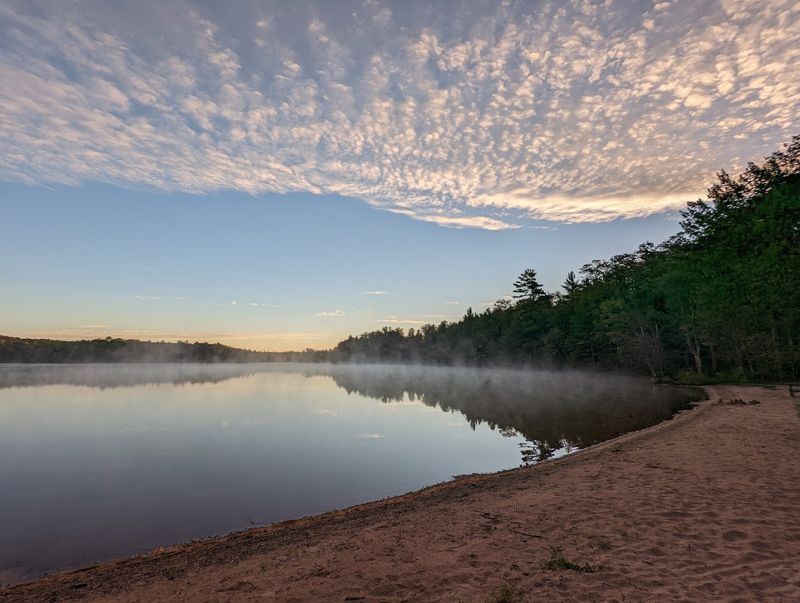
Big Lake lives up to its name with 1,100 acres of water to explore, yet it remains surprisingly quiet compared to nearby tourist favorites. The lake’s size creates variety: shallow bays warm up quickly for panfish action, while deeper sections hold walleye and northern pike.
You can spend days here discovering new fishing spots without covering the same water twice.
Several islands dot the lake, creating natural windbreaks and adding to the sense of adventure as you paddle from shore to shore. The fishing is consistently good, with muskellunge occasionally making appearances for those willing to put in the time.
Walleye fishing peaks during spring and fall, and the lake’s clear water means you can often sight-fish for bass around rocky points.
Developed campsites with vehicle access sit on the eastern shore, offering a good balance between comfort and wilderness. These sites include picnic tables, fire rings, and vault toilets, but they still feel remote and peaceful.
A boat landing allows you to bring in a small motorboat if you prefer, though many anglers stick to canoes and kayaks to keep the atmosphere tranquil. The sunsets over Big Lake are spectacular, painting the sky in shades of orange and pink that reflect perfectly on the still water.
4. Bear Lake (Chequamegon–Nicolet National Forest)
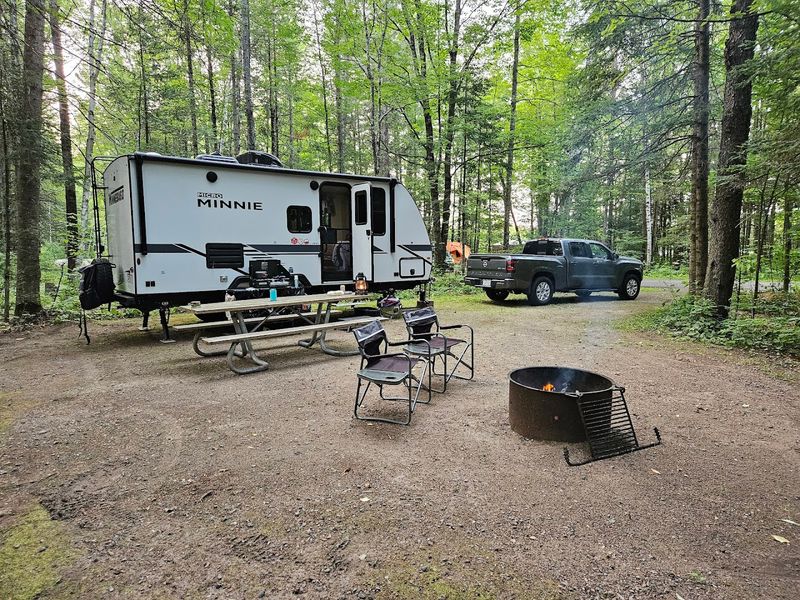
Bear Lake feels like stepping into a postcard from the past. Located deep within Chequamegon–Nicolet National Forest, this 135-acre lake offers the kind of fishing and camping experience your grandparents remember.
The water is clean and cold, fed by springs that keep trout happy year-round. Brook trout and rainbow trout cruise the deeper sections, while the shallows hold bass and panfish for easier action.
The surrounding forest is thick with spruce, pine, and birch, creating a sense of true wilderness. Wildlife sightings are common here: deer come to drink at dawn, loons nest along the shore, and you might spot a bald eagle soaring overhead.
The lake stays quiet because it requires a bit of effort to reach, with the last few miles on forest roads that keep casual visitors away.
Primitive campsites ring the lake, each one offering privacy and direct water access. These sites are rustic in the best way, with fire rings and cleared tent pads but nothing fancy.
You’ll need to bring your own water or filter from the lake, and the nearest store is miles away. This isolation is exactly what makes Bear Lake special.
Nights are dark enough to see the Milky Way, and the only sounds are crackling campfires and the occasional splash of a jumping fish.
5. Laura Lake (Chequamegon–Nicolet National Forest)
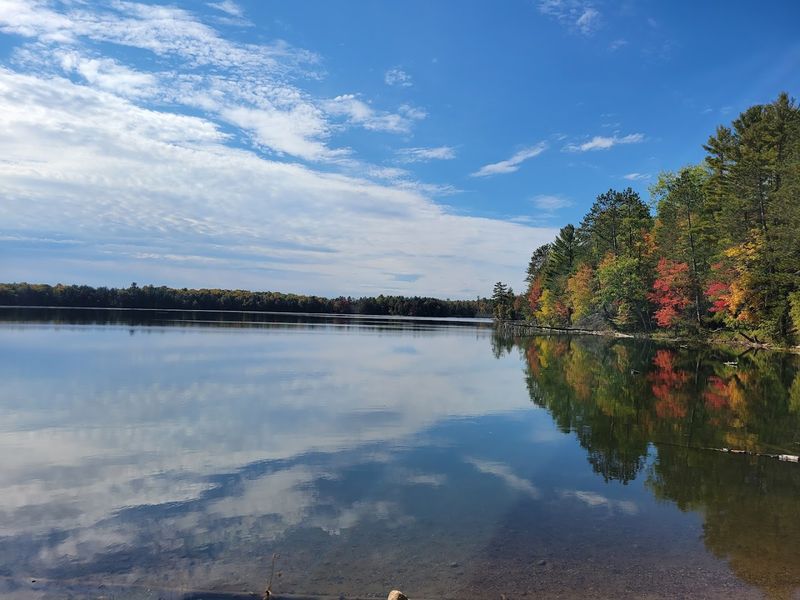
Laura Lake might be small at just 40 acres, but it packs more charm than lakes ten times its size. The intimate scale means you can easily fish the entire shoreline in a morning, and every cast feels purposeful.
Largemouth bass are the main attraction, with fish up to three pounds common if you work the weed edges and submerged logs. Panfish are abundant too, making this a great spot for beginners or kids learning to fish.
The water stays warm enough for comfortable swimming by mid-June, and a small sandy area on the north shore makes a perfect spot for a midday break. The clarity of the water is impressive, allowing you to watch bass follow your lure right up to the boat.
This visibility also makes Laura Lake ideal for snorkeling on hot afternoons, though the fish might be more interested in you than you are in them.
A handful of campsites sit within walking distance of the water, each spaced far enough apart to feel private. The sites are primitive but well-maintained, with fire rings and basic facilities.
Because Laura Lake doesn’t allow motorboats, the atmosphere stays peaceful from dawn to dusk. Paddling across the lake at sunset, with the forest reflected perfectly in the still water, is the kind of moment that reminds you why you came to Wisconsin in the first place.
6. Elk Lake (Phillips Chain–O–Lakes Park)
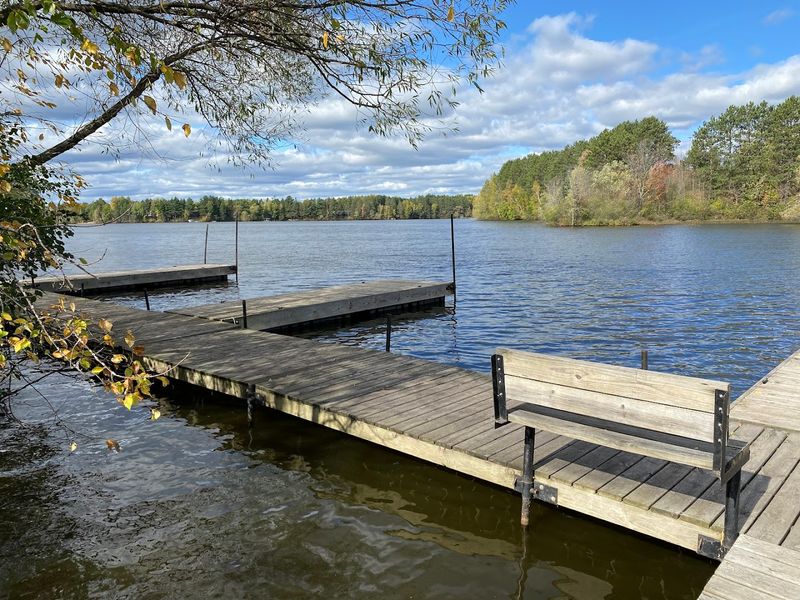
Elk Lake sits as the centerpiece of Phillips Chain–O–Lakes Park, offering 162 acres of quality fishing water without the crowds you’d expect from a park setting. The lake connects to several smaller lakes via narrow channels, creating a miniature chain of waterways to explore.
Bass fishing is excellent here, with both largemouth and smallmouth present, and walleye provide action for those who prefer trolling or jigging in deeper water.
The park maintains the area beautifully without overdeveloping it. A boat landing provides easy access, but strict no-wake rules on most of the lake keep the environment peaceful.
The channels between lakes are especially productive for fishing, as bass ambush prey moving between the two bodies of water. Northern pike also lurk in these transitions, occasionally striking with explosive surface attacks that get your heart racing.
Campsites here offer more amenities than primitive forest spots, with electrical hookups available at some sites along with modern restrooms and showers. This makes Elk Lake perfect for families or anyone wanting a bit more comfort without sacrificing the fishing experience.
The park also features a swimming beach, hiking trails, and a fishing pier for those camping without a boat. Despite these conveniences, the lake maintains a quiet, relaxed atmosphere that makes it feel far more remote than it actually is.
7. Ottawa Lake (Kettle Moraine State Forest – Southern Unit)
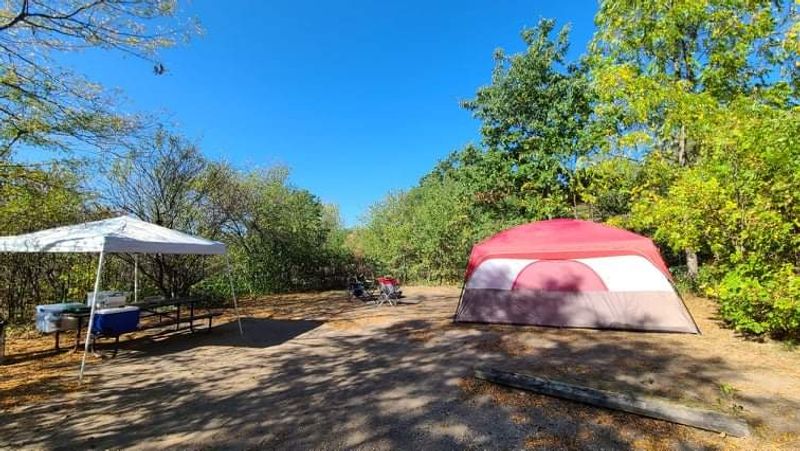
Ottawa Lake brings quality fishing and camping to southern Wisconsin, a region often overlooked by anglers heading north. This 186-acre lake sits within the Kettle Moraine State Forest, surrounded by the unique glacial landscape that gives the area its name.
The rolling hills and mixed hardwood forests create a different kind of beauty than the pine-covered north, and the fishing is just as good.
Largemouth bass dominate the lake, with some impressive specimens hiding in the weed beds and around fallen timber. Panfish are plentiful, and the lake also holds channel catfish that bite well on warm summer evenings.
The varied bottom structure keeps fishing interesting, with drop-offs, flats, and plenty of cover to explore. Spring and fall fishing are particularly productive when bass move shallow and feed aggressively.
The campground at Ottawa Lake is well-developed with electric sites, hot showers, and a dump station, making it ideal for RV campers or those wanting modern amenities. Despite these facilities, the lake itself remains peaceful and relatively uncrowded.
A swimming beach provides relief on hot days, and several hiking trails wind through the surrounding forest. The convenience of southern Wisconsin locations means you can escape for a weekend without driving hours north, yet still find the quiet shores and quality fishing you’re looking for.
Ottawa Lake proves you don’t need to travel far to find forgotten gems.
8. Mead Lake (Mead Lake County Park)
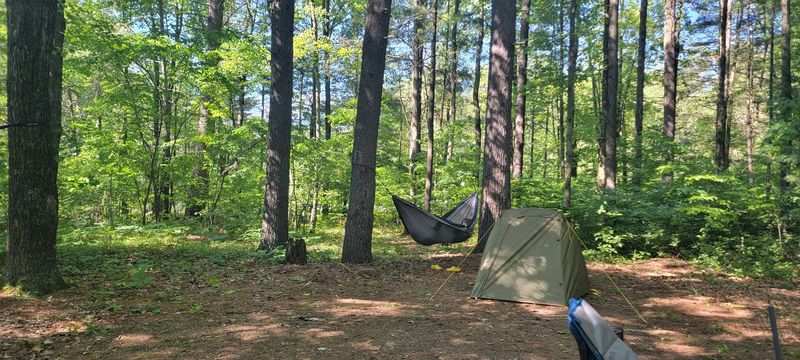
Mead Lake offers a hidden retreat in central Wisconsin that most anglers drive right past on their way to more famous destinations. This 189-acre county park lake maintains a low profile despite offering excellent fishing and well-kept campsites.
The lake holds a diverse fish population including largemouth bass, northern pike, walleye, and abundant panfish. The variety means you can switch tactics throughout the day and always find willing fish.
The lake’s structure includes both shallow weedy bays perfect for bass and deeper holes where walleye and pike hold during midday. Fishing pressure is light even on summer weekends, giving you plenty of room to spread out and find your own productive spots.
The clarity of the water varies by season, but it’s generally clear enough for sight fishing in spring and fall.
Mead Lake County Park maintains modern campsites with electrical hookups, clean restrooms with showers, and a boat launch that accommodates small motorboats. The park strikes a nice balance between providing amenities and preserving a natural atmosphere.
Tall oak and maple trees shade the camping area, and a small swimming beach gives kids a place to play between fishing sessions. The park rarely fills up, so you can often arrive without reservations and find a great site.
For those seeking a forgotten spot close to central Wisconsin cities, Mead Lake delivers quality fishing and peaceful camping without the long drive north.