
11 Hidden Attractions On Staten Island, New York Most People Don’t Know About
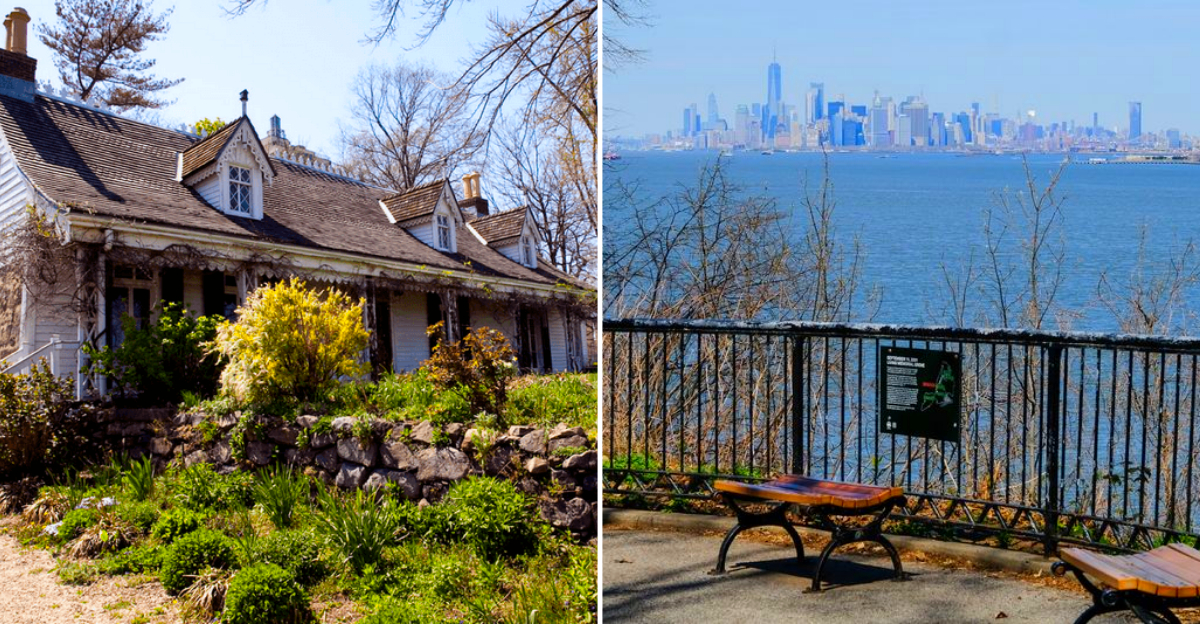
Staten Island has a strange advantage: people underestimate it.
While the rest of New York fights crowds at headline attractions, this borough keeps quieter stories waiting behind leafy roads, old houses, waterfront paths, and museum doors most visitors never notice.
You can spend one day moving between Tibetan art, colonial history, military sites, gardens, unusual architecture, and views that make Manhattan feel farther away than it is.
Even longtime New Yorkers can be surprised by how much sits here without the usual chaos. That is what makes these stops so satisfying. They feel personal, local, and just a little unexpected.
Skip the obvious itinerary for once, and Staten Island may end up being the part of New York that catches you off guard.
1. Jacques Marchais Museum Of Tibetan Art
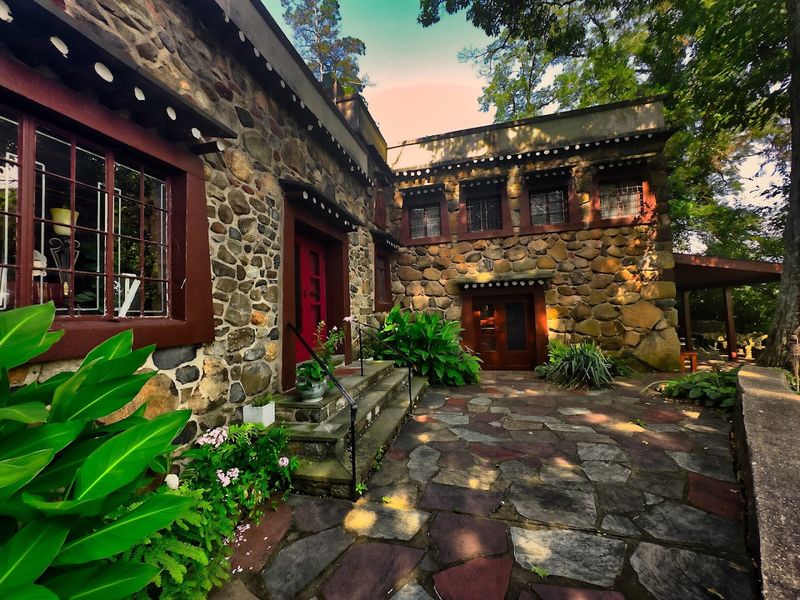
Few people expect to find a Himalayan monastery replica on a quiet residential hill in New York. Yet here it is, sitting boldly at 338 Lighthouse Ave, Staten Island, NY 10306, looking like it was airlifted straight from the mountains of Tibet.
The Jacques Marchais Museum of Tibetan Art holds one of the largest collections of Himalayan art and artifacts in the Western world.
Jacques Marchais was actually a woman named Edna Coblentz, who may have been given the name Jacques by her father or adopted it as a stage name during her days as a child Vaudeville performer.
The museum she built in the 1940s still reflects her deep love for the culture.
The terraced stone gardens surrounding the building are genuinely peaceful and well worth the visit alone. Seasonal festivals and cultural events are held here throughout the year.
If you want a travel experience without buying a plane ticket, this museum delivers something truly extraordinary.
2. Historic Richmond Town
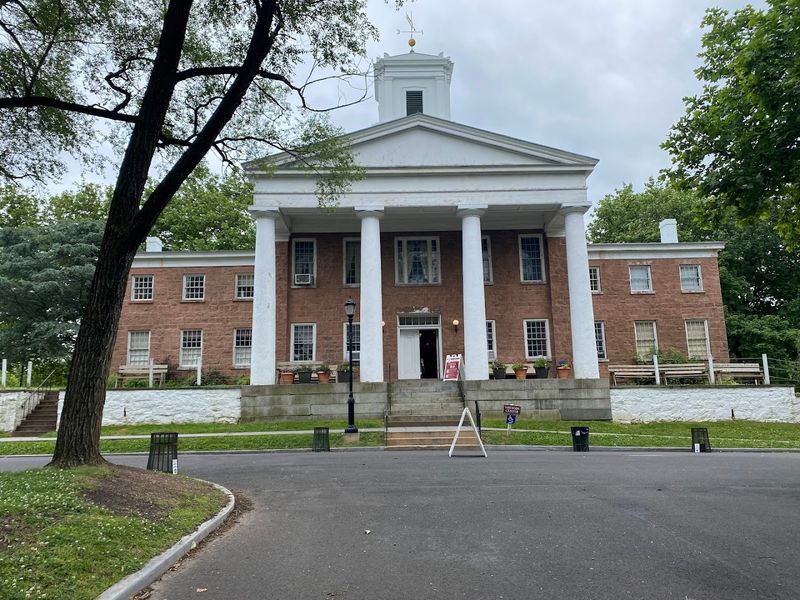
Forget the history textbooks because Historic Richmond Town makes the past feel genuinely alive.
Spread across 100 acres at 441 Clarke Ave, Staten Island, NY 10306, this living history village features more than 30 original historic structures spanning three centuries of New York life.
It is basically a time machine you can walk through.
The village includes a working courthouse, a general store, a tinsmith shop, and homes that date back to the 1600s. Costumed interpreters bring daily colonial life to vivid detail, showing visitors how people cooked, worked, and lived before electricity was even a concept.
Kids and adults both tend to lose track of time here.
Special events throughout the year include traditional craft demonstrations, seasonal festivals, and historical reenactments.
The site is managed by the Staten Island Historical Society and is one of the most well-preserved living history museums in the entire northeastern United States.
If you think history is boring, Richmond Town will very politely prove you wrong. Plan to spend at least half a day exploring everything properly.
3. Fort Wadsworth
For over 200 years, Fort Wadsworth stood guard over New York Harbor, making it one of the longest continuously manned military forts in American history.
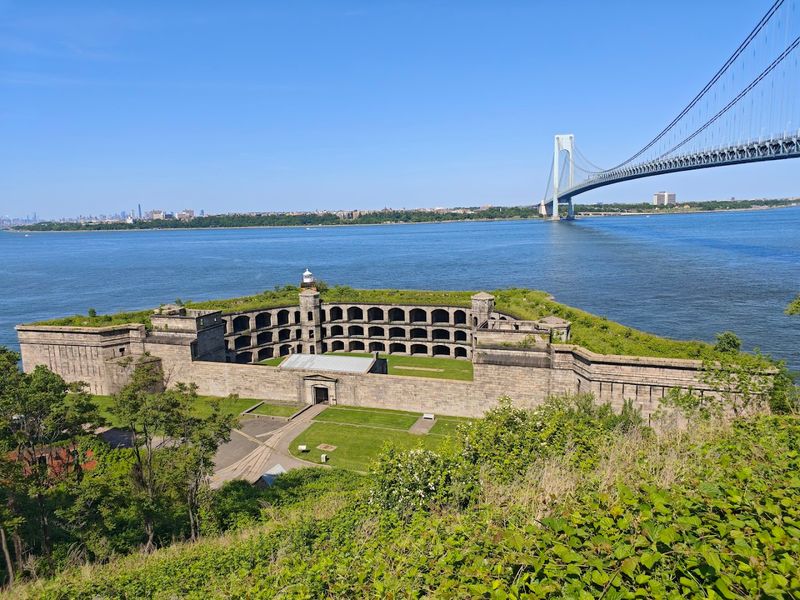
Now part of the Gateway National Recreation Area, the fort at Staten Island, NY 10305 is open to the public and offers some of the most breathtaking views of the Verrazano-Narrows Bridge you will ever see.
The site includes Battery Weed, a stunning mid-1800s stone fortification that looks like something straight out of a medieval castle.
Rangers lead free tours that explain the fort’s military history from the Revolutionary War era all the way through the Cold War. The tunnels and batteries are especially fascinating to explore.
Fishing piers, hiking trails, and open fields round out the experience for visitors who want more than just history. The whole area feels surprisingly uncrowded for a spot this close to New York City.
Parking is free, admission is free, and the views are absolutely priceless. Bring a camera and some good walking shoes because you will want to cover every inch of this place.
4. Mount Loretto Unique Area
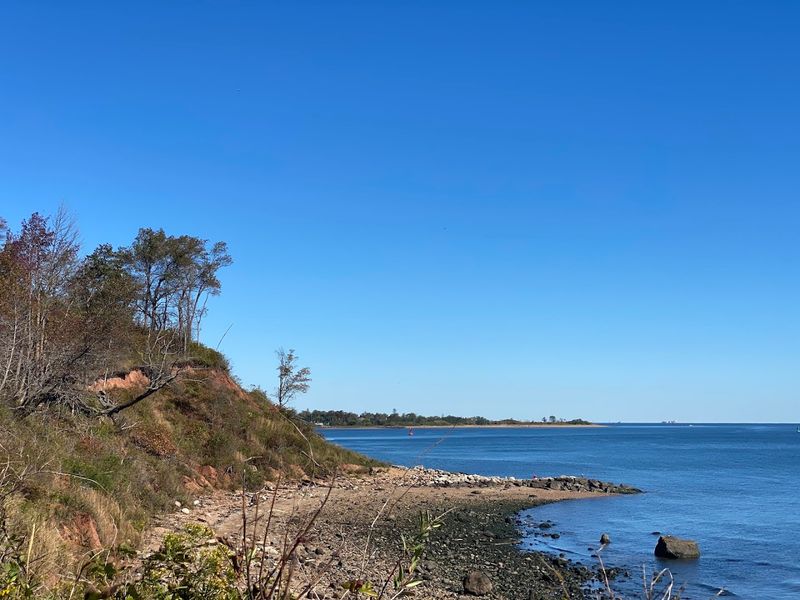
Not many people in New York City know that Staten Island has actual coastal bluffs with sweeping views of Raritan Bay.
Mount Loretto Unique Area, found at 20 Kenny Rd, Staten Island, NY 10309, is one of the state’s most ecologically significant natural preserves and one of its most underappreciated outdoor destinations.
The property spans over 194 acres of meadows, forests, freshwater wetlands, and shoreline. Birdwatchers have a field day here because the area attracts an impressive range of migratory and resident bird species throughout the seasons.
The grassland areas are especially rare in New York City and support wildlife that has vanished from most urban environments.
Trails wind through varied habitats and lead down to the water’s edge where the views open up dramatically. Photographers love the golden hour light over the bay.
The preserve is managed by New York State and entry is completely free. There are no food stands, no souvenir shops, and no crowds.
Just open sky, clean air, and the kind of quiet that reminds you nature is still very much alive and well in New York.
5. Alice Austen House
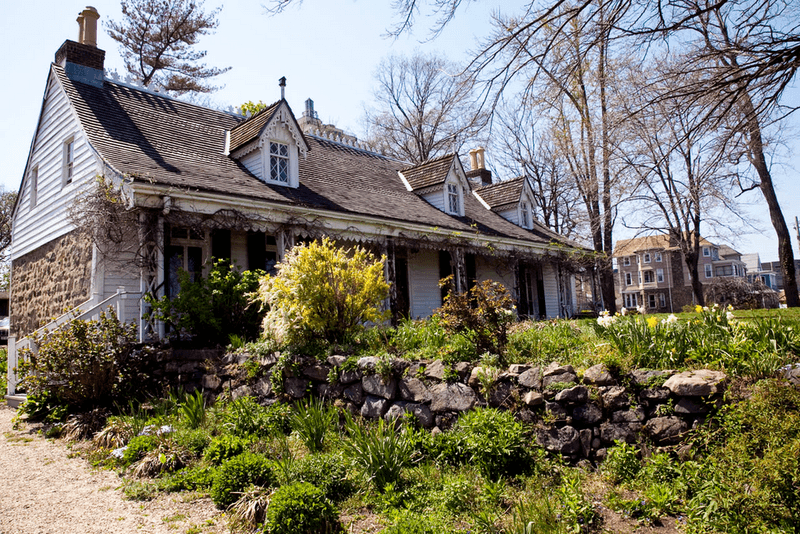
Right on the waterfront with a jaw-dropping view of the Verrazano-Narrows Bridge, the Alice Austen House is one of the most charming historic spots in all of New York.
The pretty little Dutch-influenced cottage at 2 Hylan Blvd, Staten Island, NY 10305 was home to Alice Austen, one of America’s most pioneering female photographers.
Alice picked up a camera at age ten and never really put it down. She documented everyday life on Staten Island and in New York City during the late 1800s and early 1900s with a sharp eye and a fearless spirit.
Her work is now considered a landmark in American photography history.
The museum inside the house displays her photographs alongside personal items and rotating exhibits. The lawn outside is perfect for a slow afternoon stroll with views of Lower Manhattan in the distance.
Admission is affordable and the staff genuinely love talking about Alice’s life. It is a small place with a very big story attached to it.
6. The Conference House
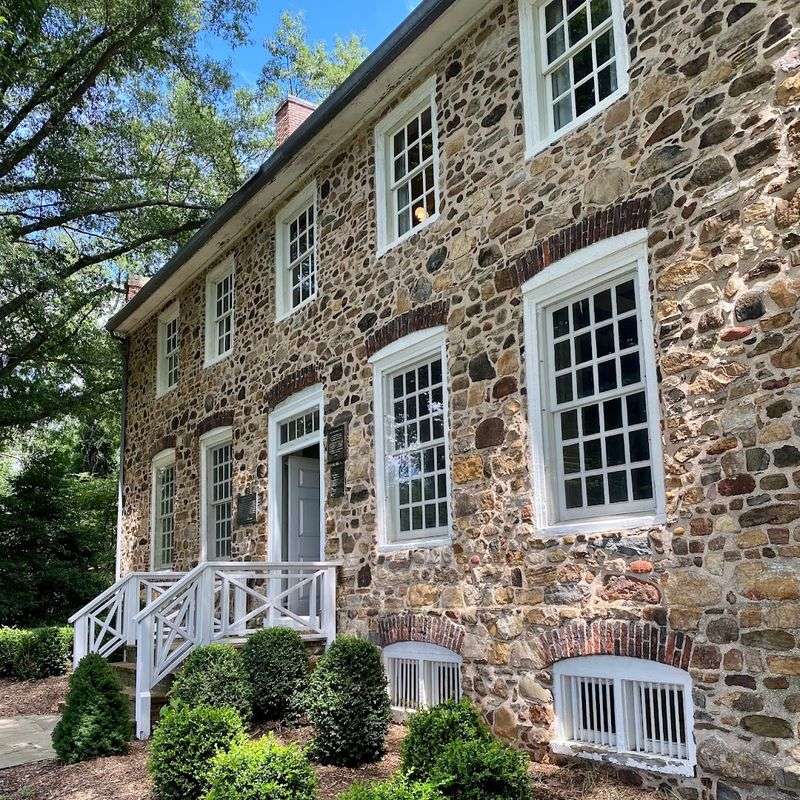
Only one peace conference took place during the entire American Revolution, and it happened right here on Staten Island. The Conference House at 7455 Hylan Blvd, Staten Island, NY 10307 is a stone manor built in 1680, making it one of the oldest surviving structures in New York State.
History does not get much heavier than this.
On September 11, 1776, British Admiral Lord Howe met with American delegates including Benjamin Franklin and John Adams in this very building.
The meeting failed to produce peace, and the war continued, but the house has stood as a monument to that pivotal moment ever since.
It is a genuinely goosebump-inducing place to stand inside.
The surrounding Conference House Park covers 265 acres of trails, waterfront access, and woodlands that make the visit feel like a full outdoor adventure.
Guided tours of the house are offered on weekends and provide rich storytelling about both the colonial era and the building’s long history.
Admission is very affordable. The combination of deep history and beautiful natural scenery makes this one of Staten Island’s most rewarding hidden stops.
7. Clay Pit Ponds State Park
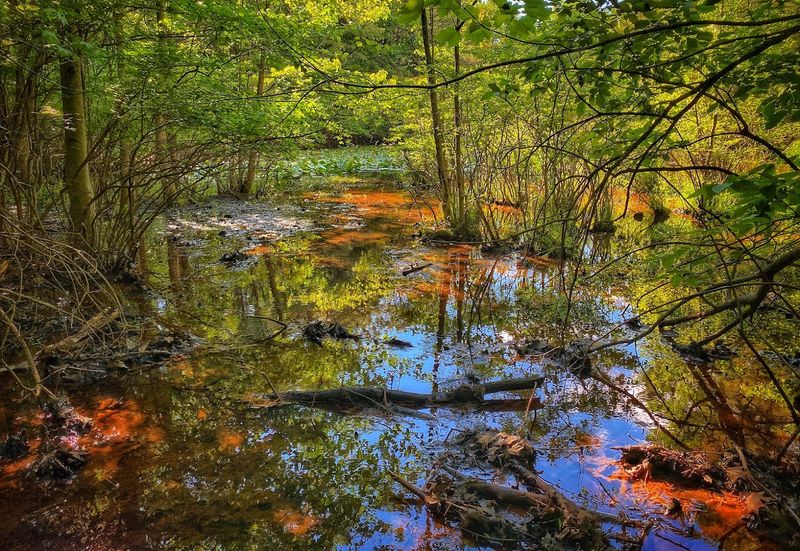
Clay Pit Ponds State Park Preserve holds the distinction of being New York City’s only natural spring-fed wetland preserve, which is already a remarkable fact on its own.
Spread across 260 acres at 83 Nielsen Ave, Staten Island, NY 10309, the park is a living record of both natural history and Native American heritage that most New Yorkers have never explored.
The Lenape people lived and thrived in this area long before European settlers arrived, and the park acknowledges that rich cultural history throughout its interpretive materials. Clay was mined here commercially during the 1800s, which shaped the unique landscape visitors see today.
The result is a terrain unlike anything else in New York City.
Spring-fed streams stay active year-round and create a cool, shaded microclimate that feels refreshing even in summer. Trails range from easy flat walks to more rugged paths through dense woodland.
Horses are welcome on some trails, which adds a fun unexpected element to the experience. The nature center offers educational programs and guided walks for all ages.
It is the kind of place that genuinely surprises people once they actually show up.
8. Von Briesen Park
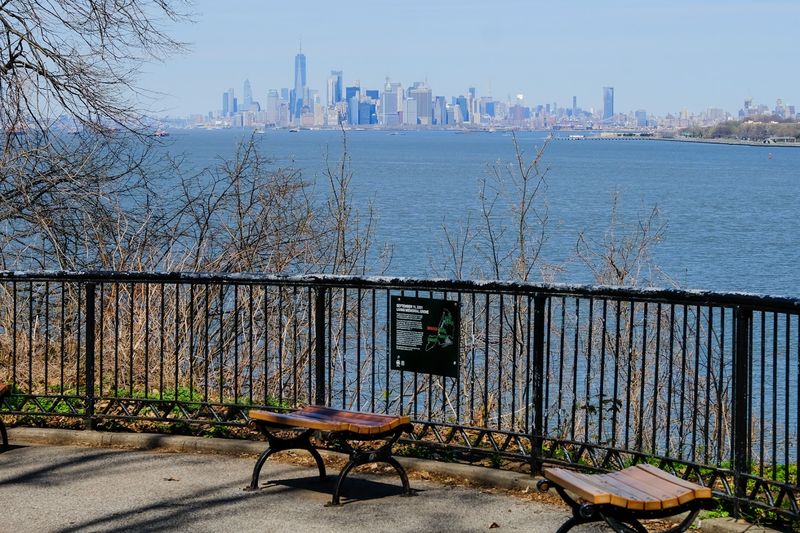
Von Briesen Park is one of those places that rewards the curious and leaves everyone else completely clueless.
Perched on a bluff at Bay Street and North Road, Staten Island, NY 10305, this small park offers panoramic views of New York Harbor that rival anything you would pay twenty dollars to see from a tourist deck in Manhattan.
The park is named after Arthur von Briesen, a prominent civil rights attorney who championed immigrant rights in the early 1900s.
The remains of his estate’s carriage house and other structures are still visible on the grounds, giving the park an atmospheric, slightly mysterious quality that photography enthusiasts absolutely love.
Mature trees shade the winding paths and create a canopy that feels genuinely removed from city life. The hilltop overlook is especially stunning during sunrise and sunset when the harbor light turns everything golden.
Because the park sits off the main tourist trail, you will rarely encounter large crowds here. It is a quiet, thoughtful kind of place that invites you to slow down and actually look at the world around you.
Staten Island keeps delivering surprises like this one.
9. Garibaldi-Meucci Museum
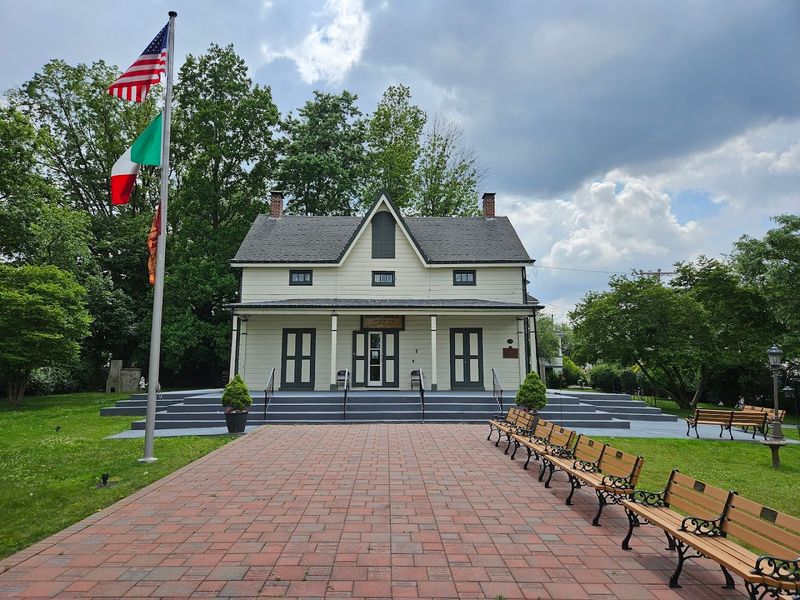
Two of history’s most fascinating figures once shared a small cottage on Staten Island, and most people have absolutely no idea.
The Garibaldi-Meucci Museum at 420 Tompkins Ave, Staten Island, NY 10305 tells the remarkable story of Antonio Meucci.
He was an Italian inventor who many historians credit with creating the telephone before Alexander Graham Bell, and Giuseppe Garibaldi, the hero of Italian unification.
Meucci and Garibaldi lived together in this Gothic Revival cottage during the 1850s while both were living in exile from their homeland. Meucci was developing his voice communication device right here in Staten Island while working as a candlemaker to survive.
The U.S. Congress officially recognized Meucci’s contributions to the invention of the telephone in 2002.
The museum preserves personal belongings, documents, and artifacts from both men’s lives. It is operated by the Order Sons and Daughters of Italy in America and offers guided tours that bring the whole story to life.
Admission is very reasonable. If you enjoy stories about brilliant people who did not get nearly enough credit during their lifetimes, this museum will keep you absolutely riveted from start to finish.
10. Freshkills Park
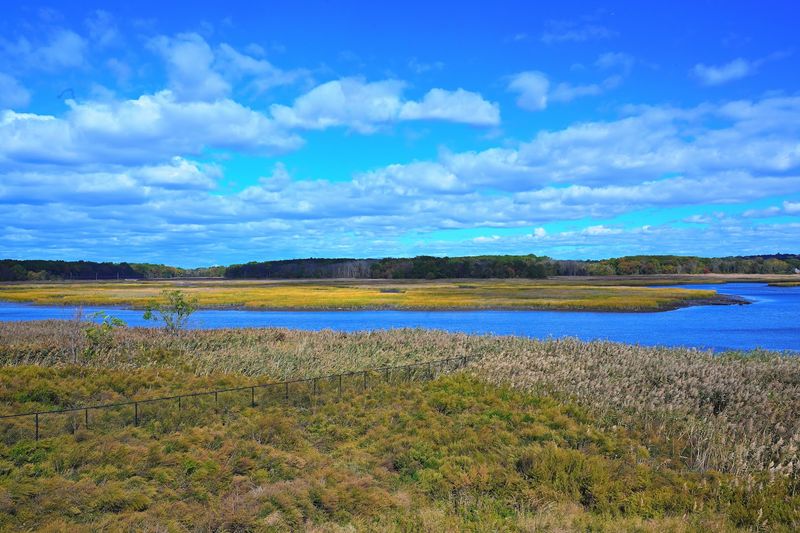
Freshkills Park might just be the greatest environmental comeback story in New York City history.
What was once the world’s largest landfill is now being transformed into a sprawling public park at 350 Wild Ave, Staten Island, NY 10314, and the results so far are nothing short of extraordinary.
The finished park will eventually be nearly three times the size of Central Park.
The transformation began after the landfill closed in 2001, and nature has been reclaiming the land at an impressive pace ever since. Grasslands, wetlands, and tidal creeks now cover areas that were once buried under mountains of refuse.
Wildlife including red-tailed hawks, herons, and white-tailed deer have returned in significant numbers.
The park currently opens for special public programming days, guided tours, and seasonal events while construction continues on additional sections. Cycling tours, kayaking excursions, and birdwatching programs are among the most popular offerings.
The scale of the place is genuinely hard to wrap your head around until you are standing in the middle of it. Freshkills is living proof that cities can heal themselves when given the chance and the commitment to actually try.
11. Blue Heron Park Nature Center
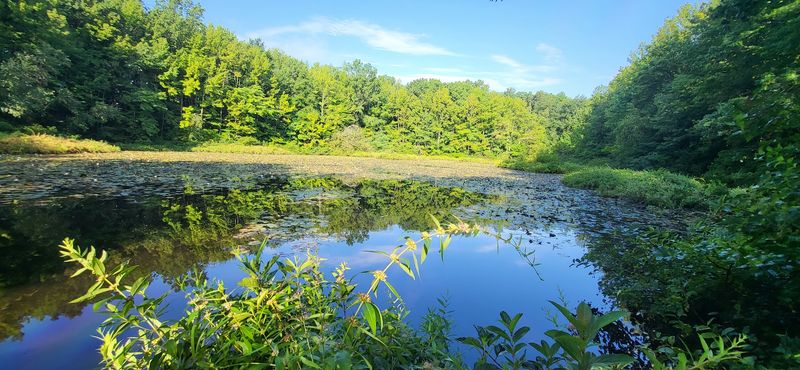
Blue Heron Park Nature Center earns its name every single day of the year. Great blue herons are a regular sight gliding over the ponds and streams at 222 Poillon Ave, Staten Island, NY 10312, and the park’s 147 acres of forest, wetlands, and meadows make every visit feel like a proper nature retreat.
It is the kind of place that makes you forget you are still technically inside New York City.
The nature center building hosts exhibits about local ecology, native plants, and the wildlife that calls the park home. Rangers and volunteers run educational programs for school groups and families throughout the year.
The boardwalks over the wetland areas are particularly well-designed and give visitors close-up views of aquatic life without disturbing the habitat.
Five miles of marked trails loop through the different ecosystems and vary in difficulty enough to satisfy both casual walkers and more dedicated hikers.
Spring brings an explosion of wildflowers and migratory songbirds that make the trails feel almost musical.
Admission to the park and nature center is completely free. Pack some binoculars and a good pair of walking shoes and you will have yourself a genuinely unforgettable afternoon in one of Staten Island’s most beloved green spaces.