
10 Illinois Communities Seeing Population Declines Amid Rising Property Taxes
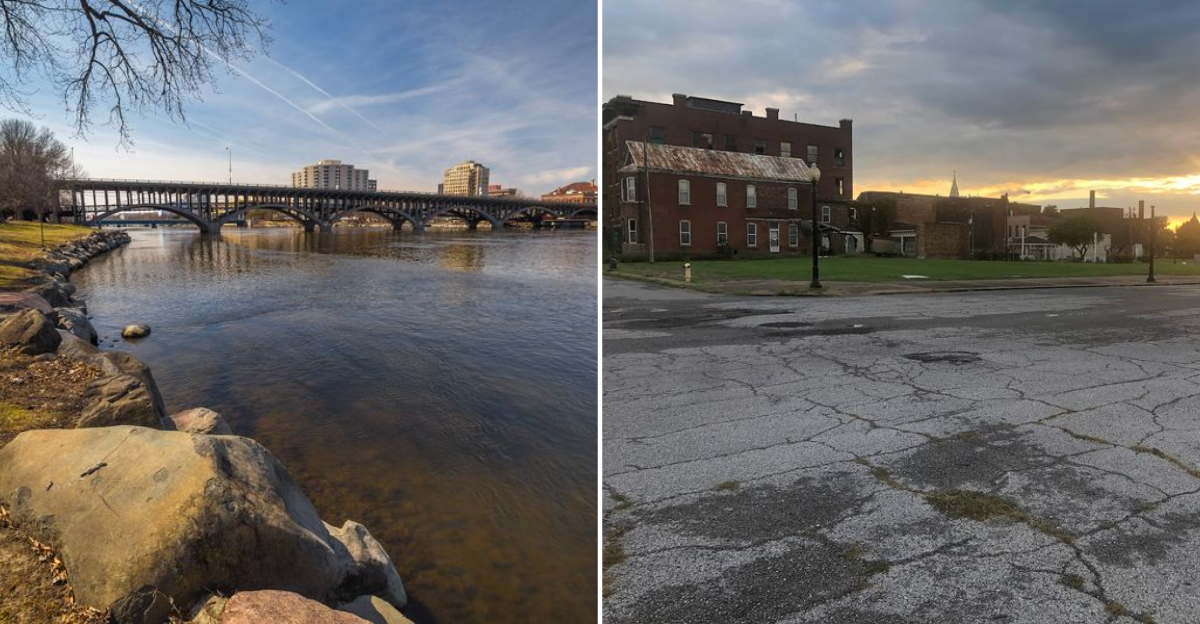
Rising property taxes have a way of turning a beloved hometown into an unaffordable calculation. These Illinois communities are watching that calculation play out one departing family at a time.
The declines did not happen suddenly. They built quietly, one reassessment at a time, until household budgets that once absorbed the increase easily started showing real strain.
Longtime residents describe watching neighbors make decisions they never expected to face. Selling, downsizing, or stretching finances thinner than comfortable has become a familiar story across every community on this list.
Tax burdens carry consequences that extend well beyond a single billing cycle. These communities are living that reality directly, with shrinking populations serving as the most honest evidence of a problem still waiting for a solution.
1. Decatur
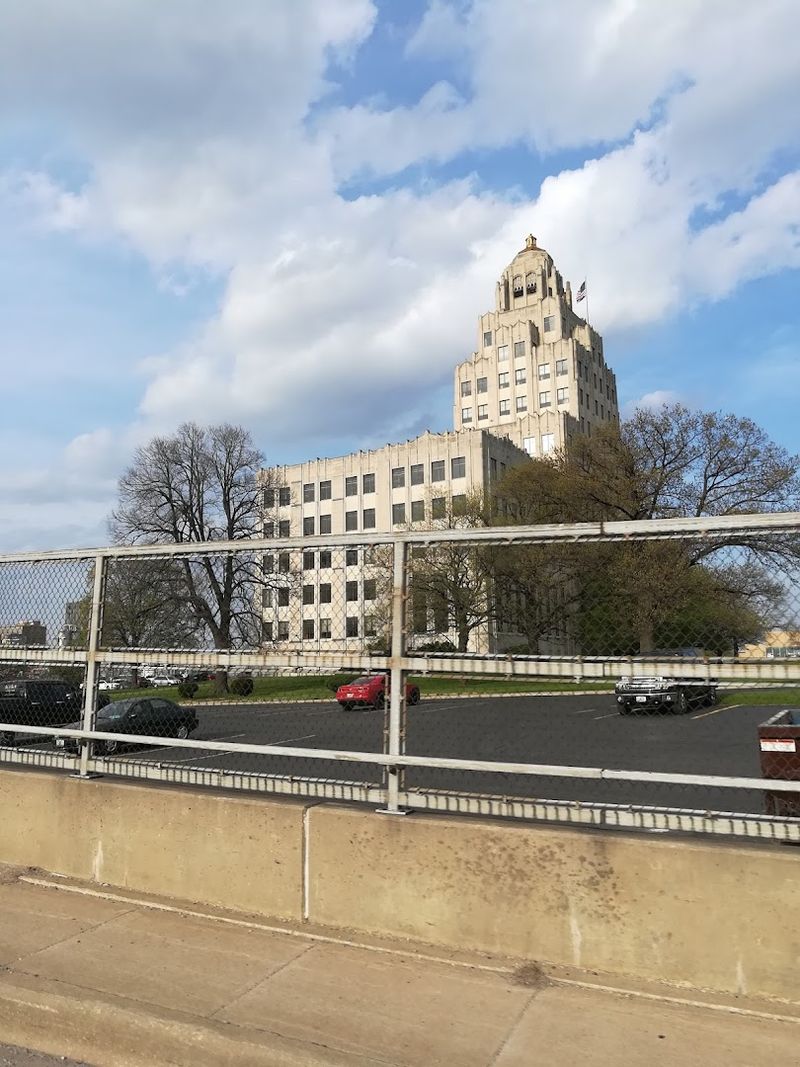
Decatur earned a wild nickname: “The Soy City.” It sits in central Illinois and once buzzed with factory energy and working-class pride.
In the years following 2010, the city lost thousands of residents, earning a reputation as one of Illinois’ fastest-shrinking cities during that stretch.
Property taxes in Macon County are notably high. A significant property tax levy increase in 2015 stung many families already watching their budgets carefully.
Businesses also carry a heavy tax load, which pushes some of them out the door.
Still, Decatur keeps fighting. The downtown got a real facelift with new commercial projects and a community care center.
Manufacturing, healthcare, and education keep folks employed here. Some neighborhoods still deal with blight, but the energy to rebuild is real.
The Millikin University campus adds a youthful vibe to the city. People here are stubborn in the best way possible.
They love their town and are not giving up on it anytime soon. Decatur has layers, and each one tells a story worth hearing.
2. East St. Louis
Imagine a city that was once named an “All-America City” in 1959, full of industrial energy and civic pride. That was East St. Louis at its peak.
Fast forward to today, and the population has dropped dramatically from what it was in the mid-20th century. The decline over the following decades was staggering.
Manufacturers started leaving in the 1950s and 60s, partly to dodge high property taxes. As businesses walked out, the tax base shrank.
The local government has been playing catch-up ever since. Population loss has continued into recent years, and the cycle is brutal and hard to break.
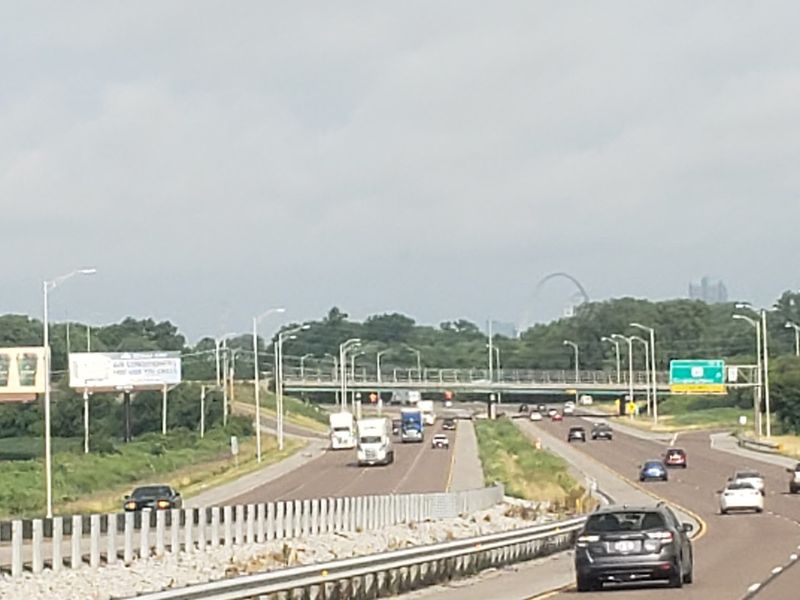
Sitting right across the Mississippi River from St. Louis, the location is actually stunning. The Jackie Joyner-Kersee Center is a real bright spot, offering youth programs and hope for the next generation.
Yes, there are abandoned buildings and tough blocks. But there are also people working hard to bring new developments and fresh energy.
The city’s history of racial tension and environmental injustice adds painful context to its struggles. East St. Louis is complicated, layered, and still standing.
3. Rockford
Rockford has a geographic quirk that works against it. It sits in Winnebago County, far enough from Chicago that it misses out on the metro energy, but close enough that Chicago competition squeezes local businesses.
That awkward middle position has contributed to real economic challenges over the years. Manufacturing job losses sent many residents packing.
Population has declined steadily in recent years. Property taxes are a constant headache for homeowners.
Many families quietly pack up and head to nearby suburbs where the tax rates are friendlier. The city actually launched a property tax rebate program to try to slow that tide.
Here is the good news, though. Rockford’s downtown has seen some genuinely positive improvements recently.
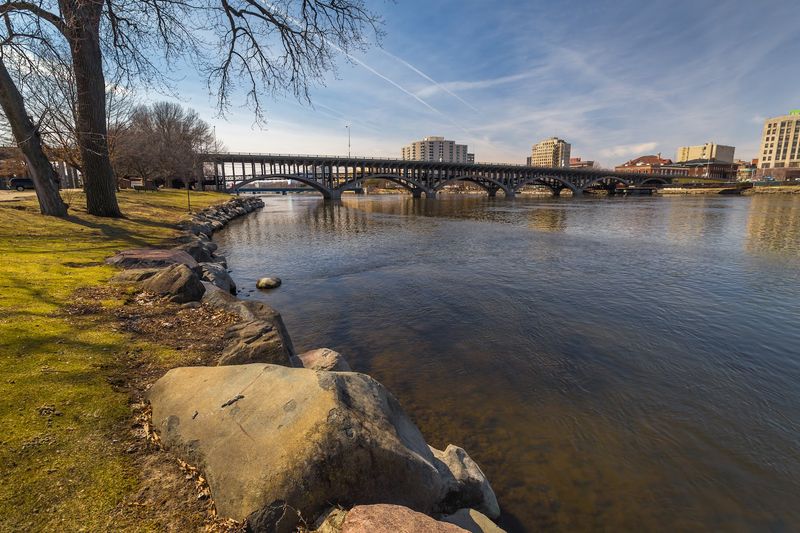
The Veterans Memorial Hall stands as a proud and recognizable landmark that locals love. The Rock River cuts right through the city, offering beautiful scenery that most people outside the area never hear about.
There is a scrappy, determined spirit in Rockford that you notice pretty quickly. People are invested in turning things around.
New businesses are popping up, and community groups are loud and active. Rockford is not done writing its story.
4. Peoria
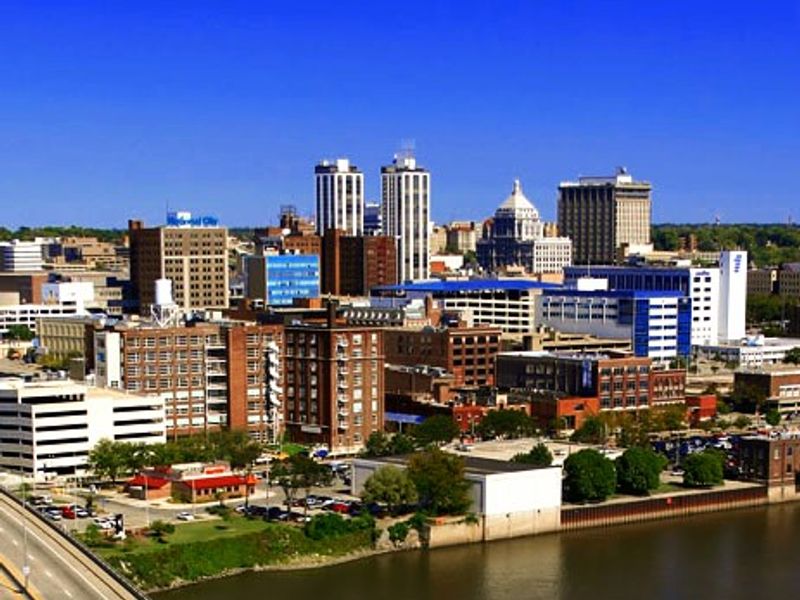
This place sits along the Illinois River and carries the weight of a city trying to stay relevant in a tough economic landscape.
The population has declined steadily since the 2020 census, and the broader county has seen a meaningful drop over the past decade. Those numbers tell a story of slow but steady departure.
Illinois property taxes rank among the highest in the entire country. In Peoria, a large chunk of what residents pay goes straight to funding public safety pensions.
People are paying more while sometimes getting less in return. That frustrating equation pushes families toward other options.
Bradley University is a genuine point of pride here, bringing students, events, and economic activity to the area. The riverfront has charm and history baked into every block.
Peoria is the kind of city that has been asking “Will it play in Peoria?” for generations, a phrase that actually originated here as a test of mainstream appeal. That cultural confidence still lives in the community.
Local leaders are actively working to balance the budget and attract new investment. Peoria is not throwing in the towel.
It is recalibrating with the determination of a city that has seen harder days.
5. Harvey
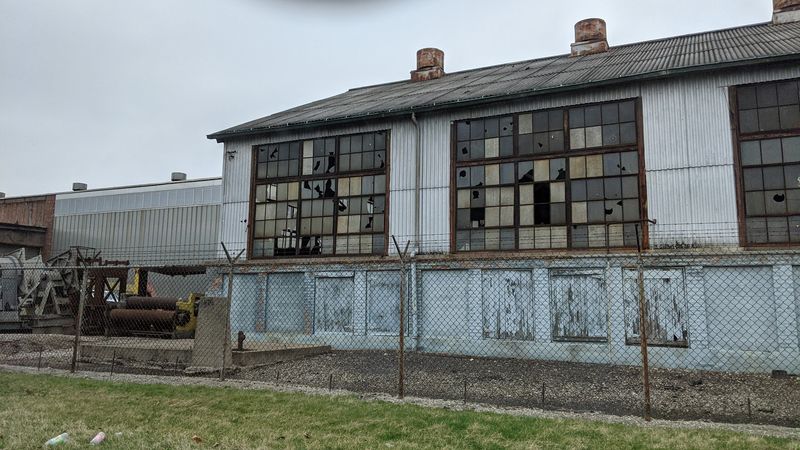
Harvey’s story is one of the most dramatic in the Chicago suburbs. Over recent decades, this south Chicago suburb has lost a staggering portion of its residents.
The population decline stretches back to 1980 and has only deepened over time. That is not a dip.
That is a freefall, and the community has felt every bit of it.
Property tax rates climbed sharply in the years following the financial crisis. For residents who stayed, that meant carrying a heavier financial load with fewer neighbors to share it.
Residential property tax rates sit significantly above the state median. Steel industry job losses kicked off a downward spiral that proved nearly impossible to reverse.
Harvey was originally built on Christian values and a dream of homeownership for working families. That founding spirit still echoes through older residents who remember better days.
Now, vacant homes and decaying infrastructure are the visible signs of deeper challenges. Crime and unemployment remain serious concerns.
The mayor has openly warned that Harvey could become a ghost town without serious intervention. But community members keep organizing and pushing back.
There is still a pulse here, and some residents refuse to let that pulse flatline.
6. Riverdale
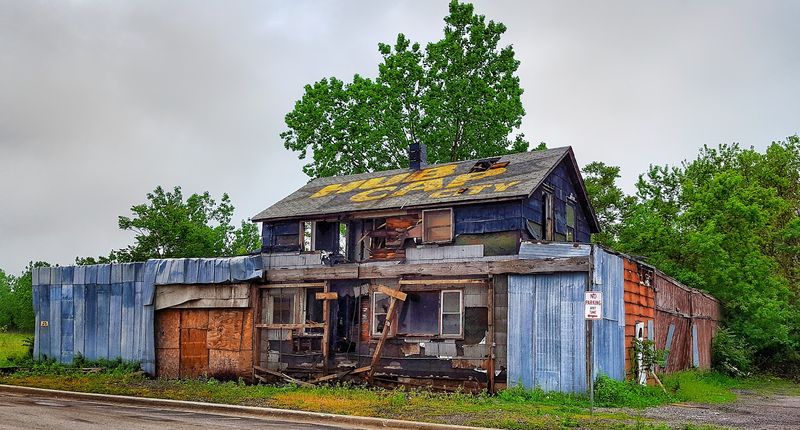
Riverdale is a Cook County community with a reputation for being one of the most heavily taxed municipalities in the county. That is not a badge anyone wants to wear.
The population has been declining noticeably, which signals that people are making the math work by leaving. Low property tax collections create significant budget shortfalls that the community then has to scramble to cover.
The median property value here sits below the national average, which sounds like it could mean affordable living. But when tax rates are high relative to property values, homeowners still feel the pinch.
Household incomes have also declined in recent years, adding another layer of financial pressure on families already stretched thin.
Despite all of that, Riverdale has a genuinely diverse population with a strong sense of local identity. Most residents are U.S. citizens deeply rooted in this community.
There is a pride here that does not come from flashy amenities. It comes from knowing your neighbors and showing up for each other.
Local stories here are not told in headlines. They are told on front porches and at community meetings.
Riverdale is small, scrappy, and still standing with its chin up.
7. Ford Heights
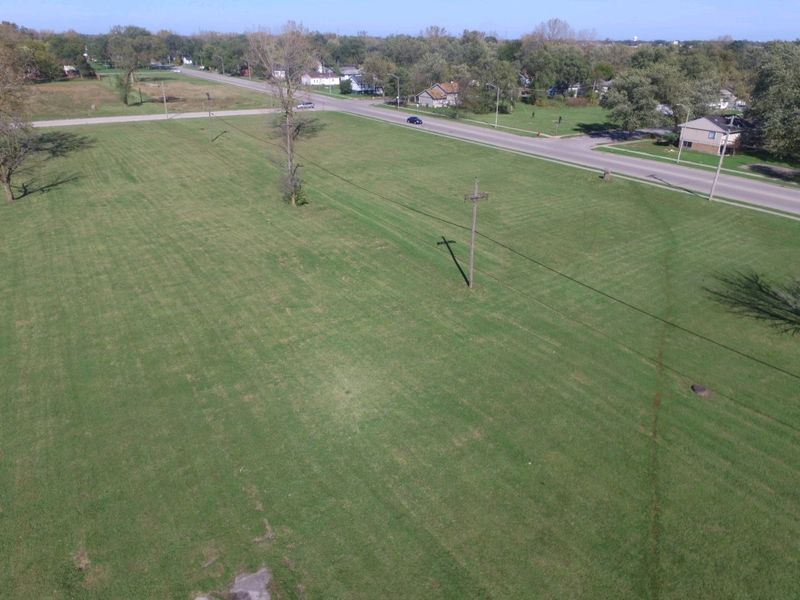
A spot like this used to go by East Chicago Heights, and the name change was not the only thing that shifted over the decades.
The population has fallen steadily since the 2020 census, and zooming out further, the decline stretches back to 1980 in a trend that compounds painfully year after year.
Cook County property taxes are already high, and Ford Heights carries that burden without much commercial activity to offset it. Poor tax collection rates lead to financial shortfalls that limit what the village can offer residents.
In 2008, the Cook County Sheriff’s Department took over law enforcement duties here. That transition spoke volumes about the depth of the challenges the village faced.
Ford Heights is a predominantly Black village with a history shaped by disinvestment and neglect from outside systems. It has been labeled one of Chicago’s most impoverished suburbs, and that label carries real weight.
But labels do not define people. Residents here have resilience built from necessity.
There is community pride that survives even when infrastructure does not. Local leaders continue working toward economic development and stability.
The road is long, but the people of Ford Heights are not strangers to long roads.
8. Danville
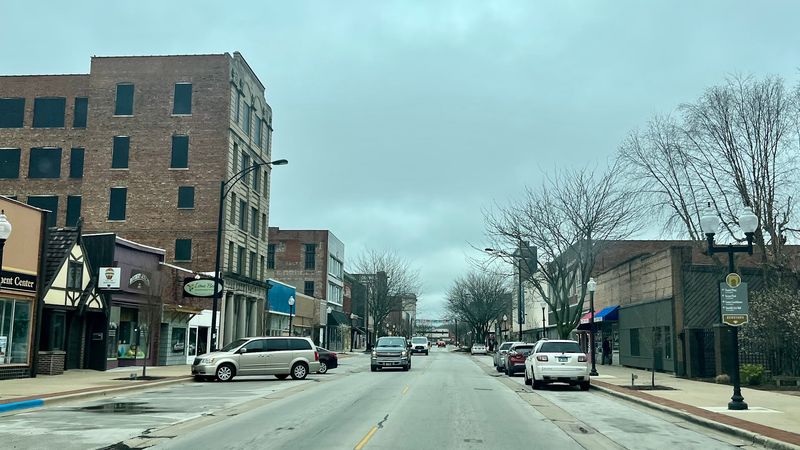
Danville’s official motto is “You Decide What’s Possible,” and honestly, that phrase hits differently when you learn what this city has been through. Population decline started in the latter half of the 20th century and kept rolling.
Since the 2020 census, the population has continued to fall, and the trend shows no signs of reversing on its own.
Property tax rates in Danville run higher than the state median. For working families in a city already managing economic pressures, that number adds up fast.
The financial squeeze is real, and it contributes to why some residents eventually pack up and look elsewhere.
Here is what makes Danville genuinely cool, though. Former coal mines were transformed into beautiful lakes that now offer excellent fishing and outdoor recreation.
Kickapoo State Recreation Area is a local treasure that draws visitors from across the region. The city also hosts a National Cemetery and a modern Veterans Hospital, both of which reflect a deep respect for service.
Danville is the county seat of Vermilion County and carries that civic responsibility with seriousness. There is a quiet determination here that outsiders often miss.
9. Cairo
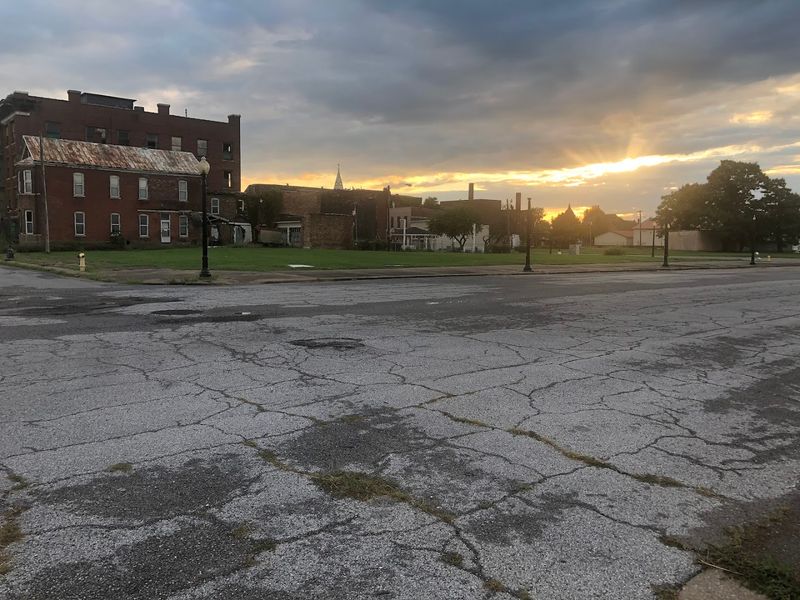
Cairo peaked at over 15,000 residents back in 1920, and its population has collapsed across eight consecutive census reports since then.
Today, only a tiny fraction of that remains, earning Cairo the grim title of a “dying community” among urban researchers. Property values are extremely low, and the economic base has essentially evaporated over generations.
The location, though? Actually remarkable.
Cairo sits at the exact confluence of the Ohio and Mississippi Rivers. That geographic position earned it the nickname “Little Egypt” and made it a critical strategic point during the Civil War.
General Ulysses S. Grant set up his headquarters here.
Charles Dickens visited and was so unimpressed that he used Cairo as inspiration for the fictional hellhole called “Eden” in his novel. History is complicated like that.
Fort Defiance Park sits right where those two massive rivers meet, and the views are genuinely breathtaking. The Old Customs House now operates as a museum, preserving stories of the city’s complicated past.
Commercial Avenue, once a thriving business corridor, now features rows of decaying buildings that feel frozen in time. Cairo’s history of racial strife adds painful depth to its decline. But the river views alone make the trip worth it.
10. Kankakee
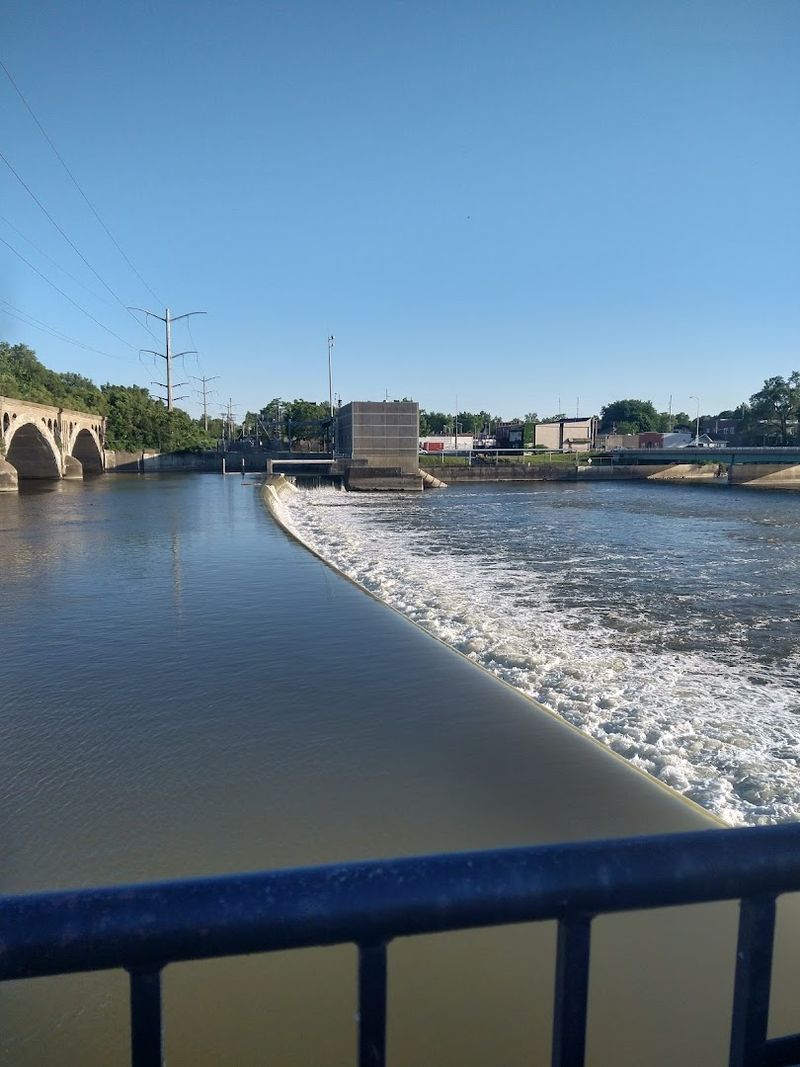
This place has one of the most beautiful natural features of any city on this list. The Kankakee River flows right through and around the area, offering scenery that genuinely surprises first-time visitors.
But pretty rivers do not pay property tax bills. Property taxes in Kankakee County run well above the national average, and residents feel it every single year.
The population has been falling since the 2020 census, and the broader county has shrunk meaningfully over the past decade. Those numbers reflect real families making tough decisions about where to put down roots.
The city actually voted to lower its tax levy in both 2019 and 2020, which shows that local leadership is listening and trying to respond.
Kankakee Community College is a key anchor institution, keeping education accessible and supporting workforce development. There is a strong local spirit here that pushes back against the narrative of inevitable decline.
Community members are loud about wanting better outcomes and are actively involved in shaping the city’s future. Kankakee is not giving up on itself, and the river keeps flowing no matter what.