
Our Pick For July Waterfall Hike Is This Short 1.5 Mile Trail In Nevada
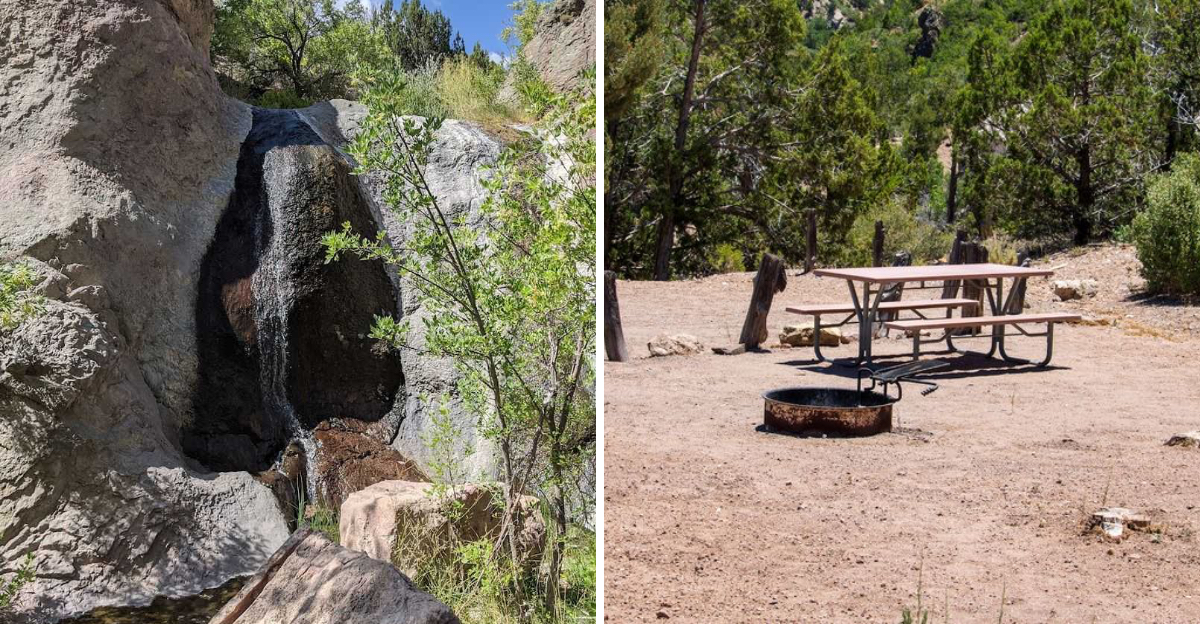
A rough desert road in Nevada leads straight into pure isolation, far from any noise, traffic, or signal. No service, no crowds, just canyon walls, quiet birdsong, and complete silence.
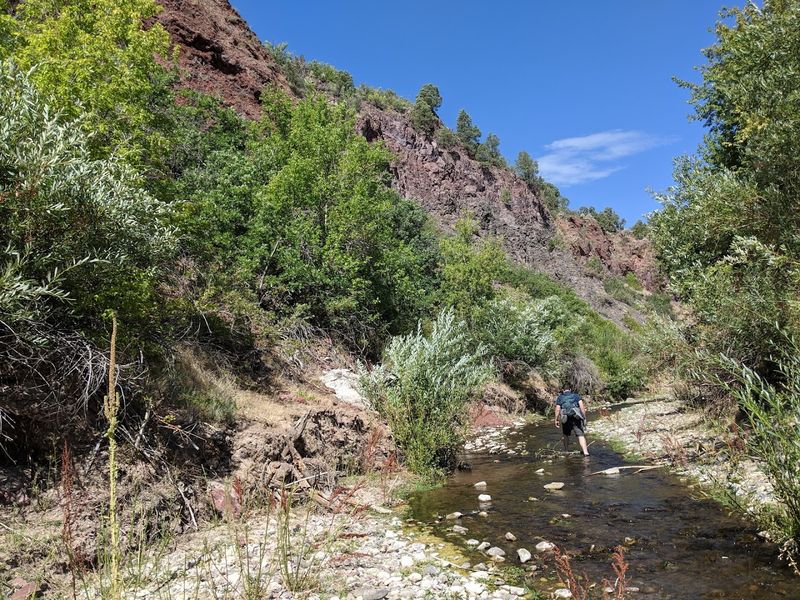
Then the trail begins, weaving gently along a creek that never stops flowing. Volcanic canyon walls rise in shades of pink, red, and grey, telling a story millions of years old.
Cross the stream a few times, keep climbing slowly, and something incredible waits ahead. Warm springs, ancient volcanic rock, and a surprise waterfall combine to create a payoff that quietly stops people mid-step.
The final reward feels bigger than the short walk it eventually takes to reach it. Nevada rewards those willing to chase the quiet corners most travelers skip completely.
Journey Into Isolation
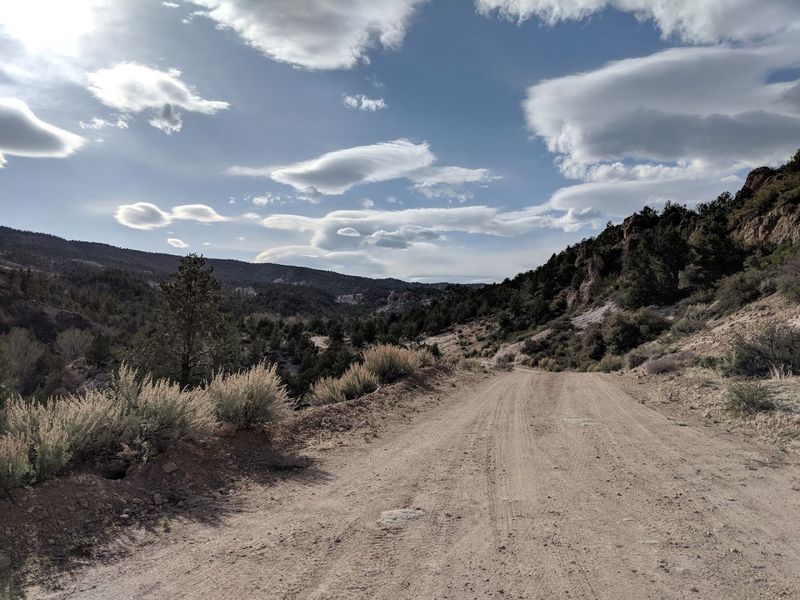
The drive alone signals that something special waits at the end. Beaver Dam State Park sits roughly 34 miles east of Caliente, Nevada, and getting there means leaving paved roads behind for nearly 28 miles of graded gravel.
The access road winds through open high-desert terrain, past grazing cattle and sweeping canyon views. A high-clearance vehicle is strongly recommended, especially during July when monsoon rains can soften the road surface quickly.
Four-wheel drive is a smart call rather than an optional luxury.
That long, unpaved approach is not a flaw in the plan. It is the plan.
The difficulty of reaching this place is exactly what keeps crowds away and preserves the raw, untouched atmosphere that makes the park so appealing.
Travelers who commit to the drive are rewarded with something increasingly rare: genuine solitude. No cell service, no background noise, no other hikers crowding the trail.
Just open land, big sky, and the quiet promise of a waterfall waiting at the end.
Where Ancient Rocks Tell Tales
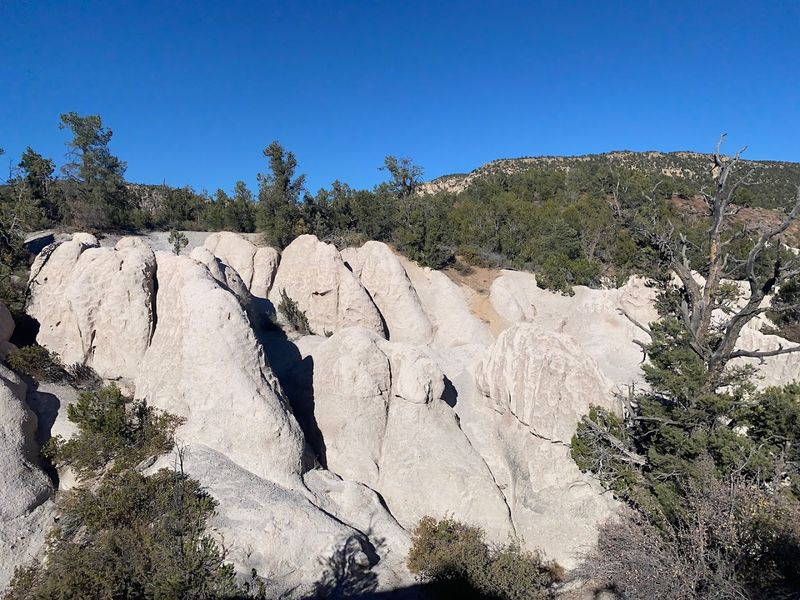
Millions of years of geological drama are written right into the canyon walls here. The landscape of Beaver Dam State Park was shaped by intense volcanic activity, and the evidence is impossible to miss once you start hiking.
Pink rhyolite stands out against darker outcrops of red and grey andesite. White ash-fall tuff adds striking contrast to the mix.
Hikers who look closely at the ground might even spot obsidian fragments and volcanic glass nodules scattered along the trail edges.
This is not just pretty scenery. It is an open-air geology lesson that rewards curious eyes at every turn.
The variety of rock types packed into a small area reflects the complex volcanic history of eastern Nevada.
Children and adults alike tend to stop frequently along the Waterfall Trail just to examine the unusual colors and textures underfoot. The rocks here feel ancient in the best possible way, like the land is quietly sharing a story that started long before humans arrived.
The park address is Beaver Dam Rd, Caliente, NV 89008, and the nearest services are roughly an hour away by vehicle.
The Waterfall Trail Breakdown
Short does not mean boring, and this trail proves that point emphatically. The Waterfall Trail runs close to one mile one way, making the round trip a manageable outing for most hikers of all experience levels.
The path begins near the southern section of the park and follows a tree-lined creek as it winds deeper into a narrowing canyon. Hikers cross the stream multiple times along the way, which adds a playful element to the walk.
Stepping stones and shallow crossings keep things interesting without being technically difficult.
The trail is considered easy to moderate in difficulty. Families with children regularly complete it without trouble, and one review even noted that a four-year-old walked the entire route.
That said, sturdy footwear is still a smart choice given the rocky, uneven terrain near the creek crossings.
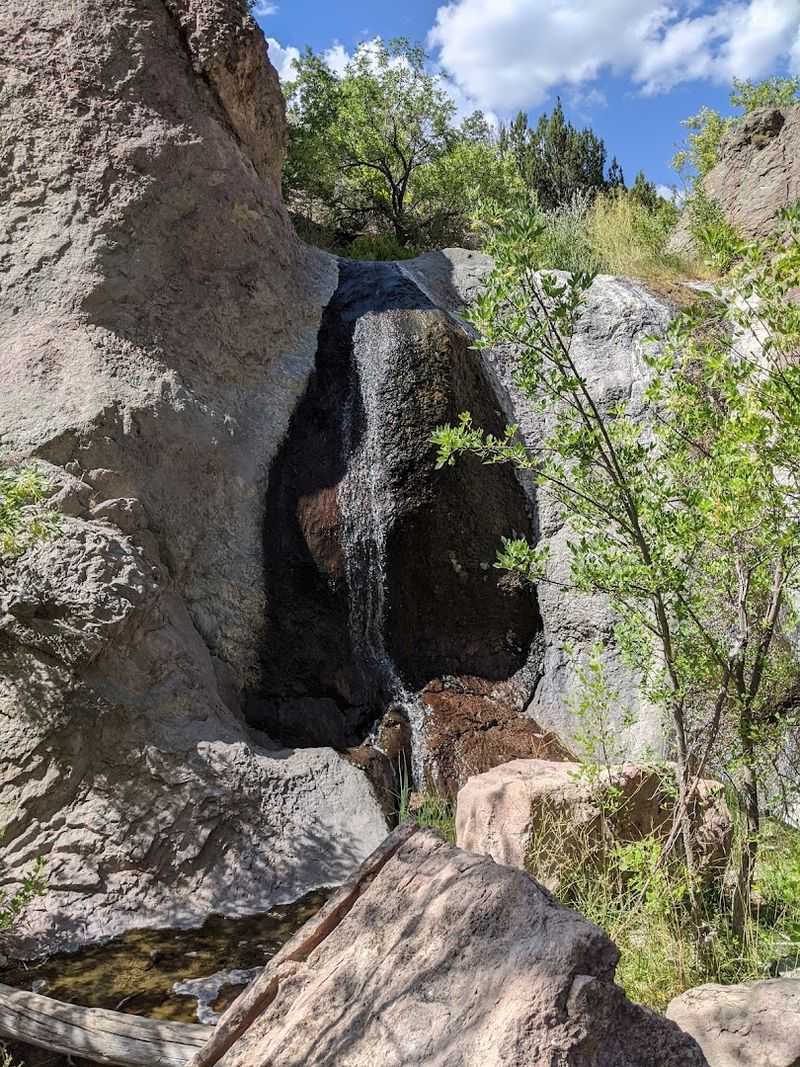
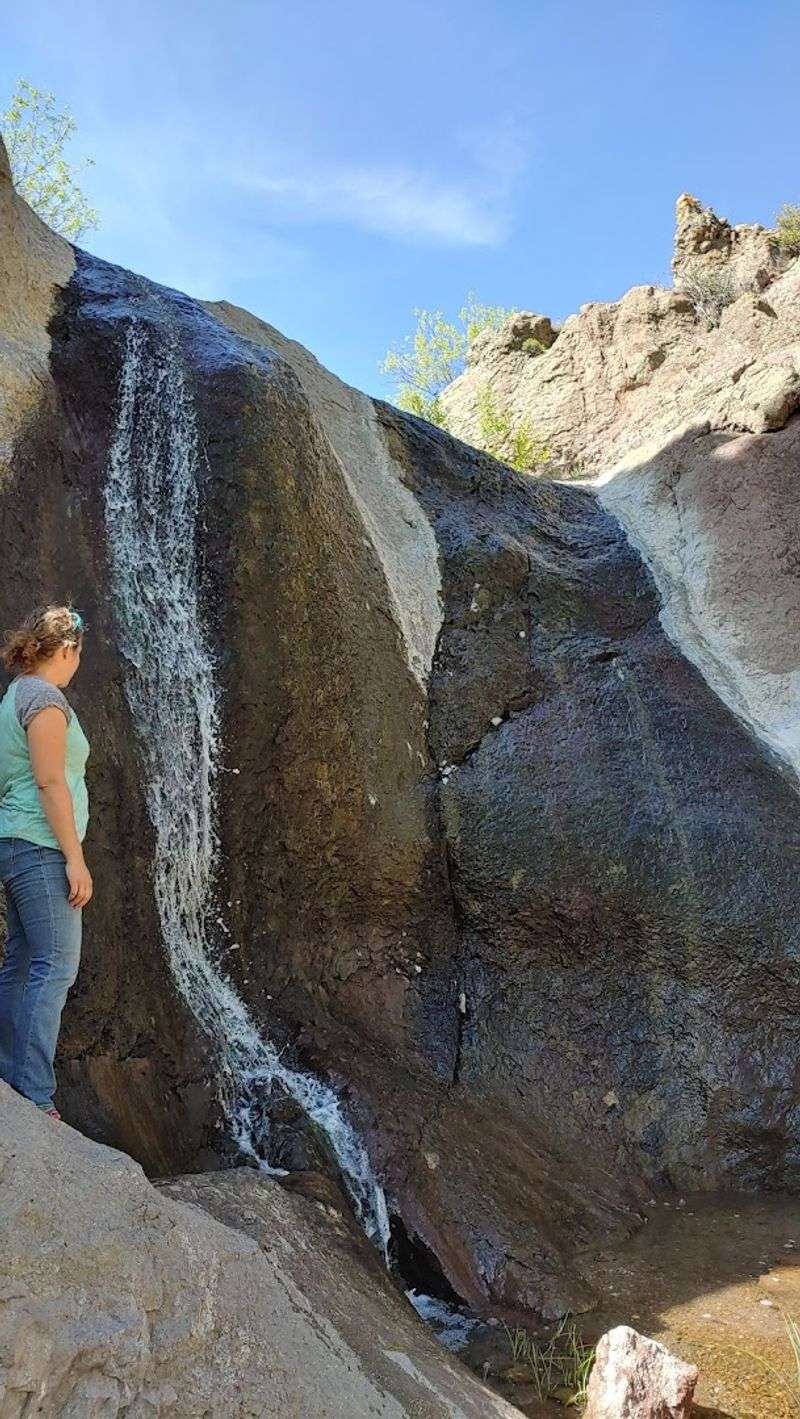
The payoff at the end is a 28-foot waterfall that feels genuinely surprising given how little effort it takes to reach it. July visitors often find the falls running strong after monsoon activity upstream.
The Waterfall Up Close
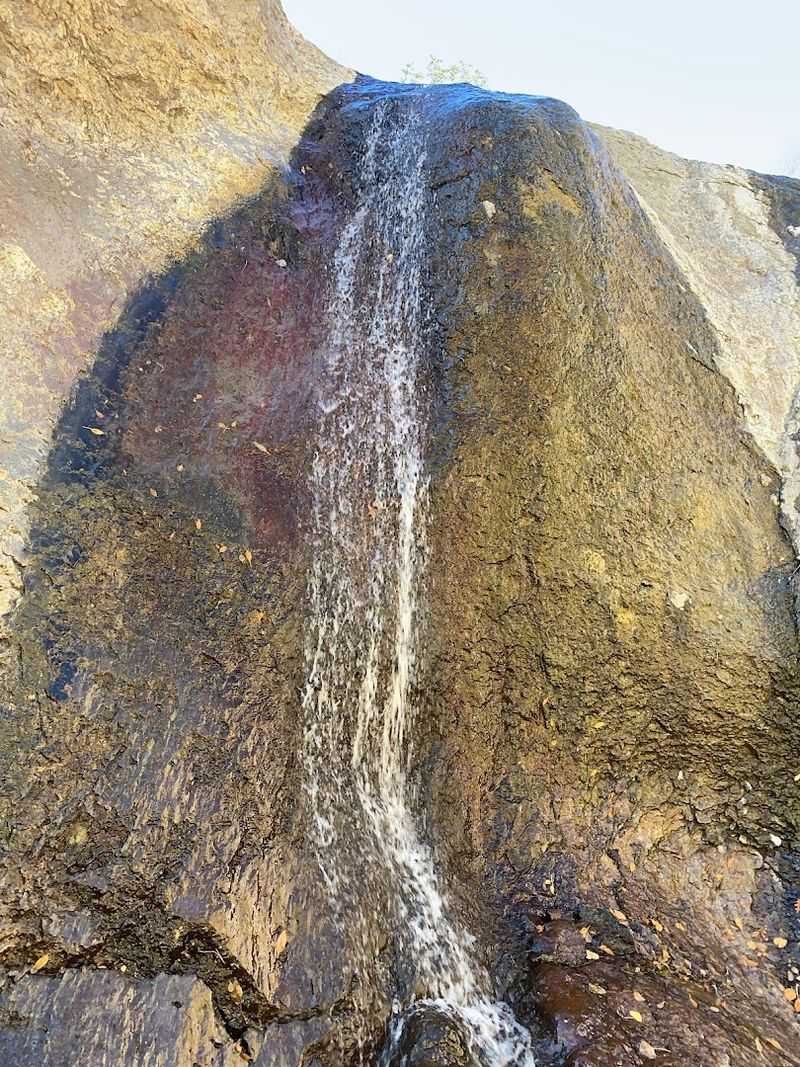
Standing at the base of the falls for the first time tends to stop people mid-sentence. The 28-foot cascade drops over dark volcanic rock into a clear pool below, framed by canyon walls and overhanging vegetation that somehow makes the whole scene feel private and personal.
In July, the combination of natural spring flow and monsoon-fed runoff gives the waterfall extra volume and energy. The sound of water hitting the pool carries back down the canyon, acting almost like an audio trail marker as hikers approach the final stretch.
The mist that rises from the base of the falls offers a welcome cooling effect during warm summer days. Midday temperatures in the park can reach into the mid-90s Fahrenheit, so the natural air conditioning near the cascade is genuinely appreciated.
This is the kind of waterfall that earns its reputation through character rather than scale. It may not be the tallest in Nevada, but its remote setting and the effort required to reach it make every drop feel earned and worth every dusty mile of the drive in.
Warm Springs Beyond The Falls
The waterfall is not the final surprise on this trail. Hikers willing to push a bit further past the main cascade encounter natural warm springs tucked into the canyon above.
A steep, rocky climb leads to the spring area, where warm water mixes with the cooler creek flow to create inviting thermal pools. The Civilian Conservation Corps shaped some of these pools during the 1930s, and their handiwork is still visible today.
Smooth stone edges and deliberately crafted basins hint at the craftsmanship of those earlier visitors.
The warm and cool water mixing together creates an unusual and refreshing contrast, especially on a hot July afternoon. These pools are not a crowded tourist attraction.
They feel more like a personal discovery, the kind of place that rewards those who keep walking when others turn back.
The springs add a genuine bonus chapter to an already satisfying hike. For anyone visiting Beaver Dam State Park in Nevada during summer, this extra push beyond the waterfall is well worth the additional effort and rocky scramble.
The CCC Legacy Hidden In Plain Sight
History has a way of sneaking up on hikers when they least expect it. Along the Waterfall Trail, remnants of 1930s construction appear at intervals, quiet evidence of the Civilian Conservation Corps workers who helped build this park between 1934 and 1935.
The CCC constructed camping facilities, picnic areas, and trails throughout the park during those years. Near the warm springs, old pools and stone developments still stand as testament to the ingenuity of those crews.
Some structures were reportedly built for the personal enjoyment of the workers themselves, including what have been described as improvised soaking tubs near the thermal pools.
This layer of human history adds unexpected depth to what might otherwise feel like a purely natural experience. The trail becomes a timeline, moving from ancient volcanic geology to Depression-era construction to the present day in the span of 0.75 miles.
Earlier homesteaders also left their mark on the land. Remnants of a 1930s railroad tie house and a wooden corral can still be found within the park, connecting visitors to the ranching families who once called this remote Nevada canyon home.
Wildlife That Shares The Trail
Sharing a trail with a great blue heron is not something most hikers expect from a short desert walk. Beaver Dam State Park is a designated Watchable Wildlife Area, and the variety of animals that call this canyon home is genuinely impressive for such a compact space.
Mule deer browse quietly near the stream banks in the early morning hours. Coyotes, foxes, and bobcats leave their tracks along muddy creek edges.
Mountain lions occasionally pass through the area, though sightings are rare. Cottontail rabbits, jackrabbits, squirrels, and porcupines are far more commonly spotted.
Wild turkeys, introduced to the park in 1998, now roam the woodlands in small flocks. Great blue herons stalk the shallower sections of the creek with focused patience.
A variety of lizards dart between rocks along the sunny trail sections.
Hikers should also be aware that the Great Basin rattlesnake inhabits the rocky areas of the park. Staying on the trail and watching where hands and feet land near boulders is simple, sensible advice that makes the wildlife experience safe and enjoyable for everyone.
Fishing The High Desert Streams
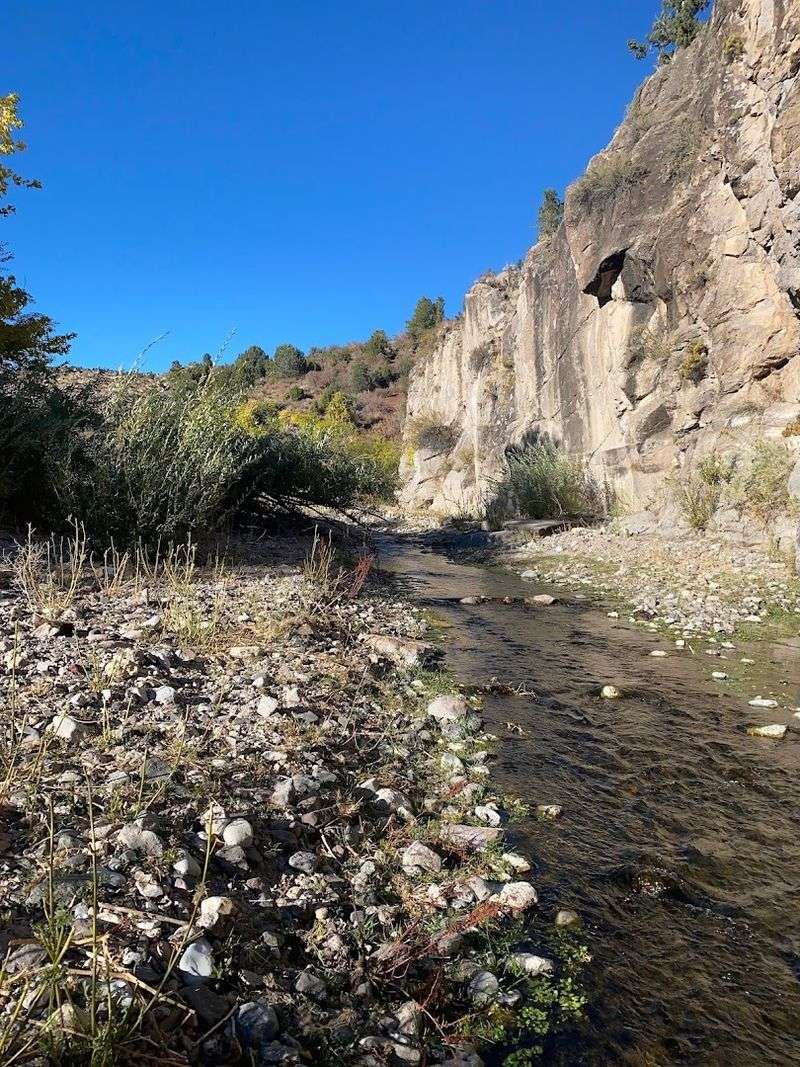
Fly rods and high desert canyons make for an unexpectedly satisfying combination. The Nevada Department of Wildlife regularly stocks the waterways at Beaver Dam State Park with rainbow trout, giving anglers a real reason to linger beyond the waterfall hike.
Fishing opportunities run along the Beaver Dam Wash, both upstream and downstream from the main day-use area. The creek is relatively shallow in places, so wading carefully and reading the water patiently tends to produce better results than rushing through.
Pools near boulders and shaded undercut banks are typically the most productive spots.
A valid Nevada fishing license is required, along with a trout stamp. Park regulations specify single barbless hooks and artificial bait only, rules designed to protect the fish population and keep the waterway healthy for future visitors.
July mornings, before the heat of the day builds, offer the most pleasant fishing conditions. The combination of stocked trout, clean water, and canyon scenery makes this one of the more underrated fishing spots in eastern Nevada for those willing to make the long drive in.
Camping Under Volcanic Skies
No electricity. No cell service.
No crowds. For campers who actually want to disconnect, Beaver Dam State Park checks every box on that list without apology.
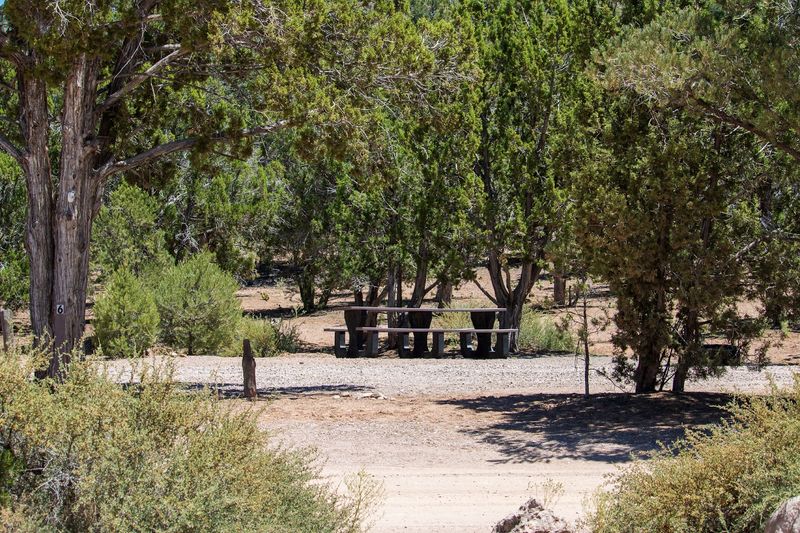
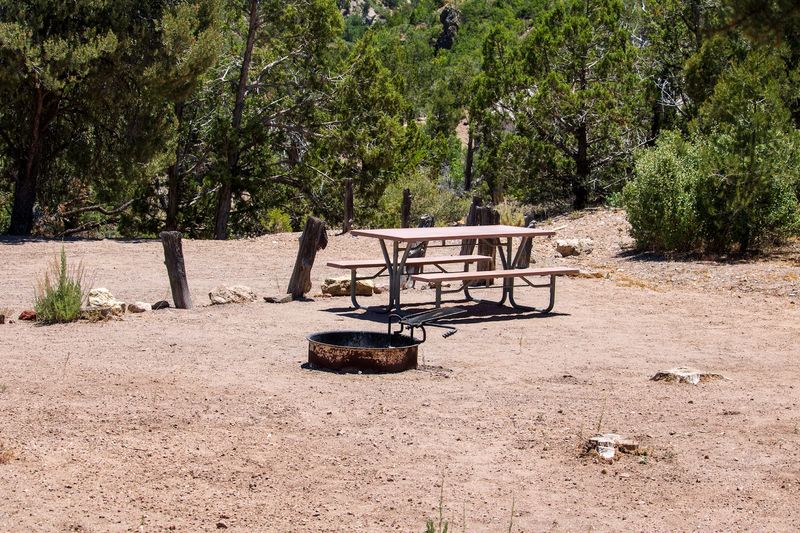
Two developed campgrounds provide individual sites, each equipped with a fire pit, a picnic table, and parking for one vehicle and a small trailer. The setup is deliberately primitive.
Water hydrants operate from April through November, and vault toilets are located throughout both campground areas. Firewood is sometimes available for a small donation at the site.
Campground A accommodates RVs, while Campground B caters more to tent campers with over 20 sites spread across the area. A group ramada with shade is also available for larger parties.
All sites operate on a first-come, first-served basis, which means early arrival is rewarded.
Nights at this elevation drop to around 50 degrees Fahrenheit even in July, so a warm sleeping bag is worth packing regardless of the daytime heat. The payoff for that preparation is a sky full of stars with zero light pollution, the kind of night sky that reminds people why camping exists in the first place.
Planning A July Visit Right
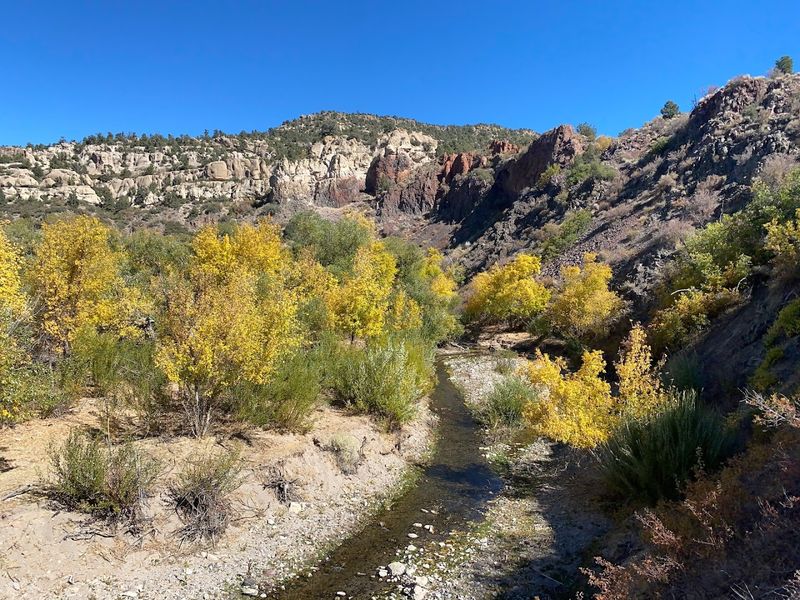
Getting the most out of a July visit to Beaver Dam State Park requires a bit of advance planning, and the rewards for that preparation are substantial. The park sits at roughly 5,000 feet of elevation, which moderates the summer heat compared to the valley floor but does not eliminate it.
Midday temperatures can still push toward 95 degrees Fahrenheit.
Starting the Waterfall Trail early in the morning keeps hikers ahead of the heat and increases wildlife sighting chances significantly. Bringing more water than expected is a consistent piece of advice from experienced visitors.
The remote location means there are no shops or vending options anywhere nearby.
July and August bring monsoon thunderstorms that can develop quickly in the afternoon. Checking road conditions before departure is essential, as the unpaved access road can become challenging after heavy rain.
Cash is useful for the camping fee if an overnight stay is planned. No trash pickup operates on site, so a pack-it-in, pack-it-out mindset keeps this wild Nevada canyon exactly as beautiful as it deserves to be.