
Inside The Illinois Museum Where 1 Ticket Buys Unlimited Rides On Trains And Streetcars
Somewhere past the cornfields of northern Illinois, a whistle cuts through the quiet and a century-old coach rolls by with its windows wide open. It is easy to drive right past the turnoff and never guess that 100 acres of working railroad history sit just beyond the trees.
One admission ticket here does not buy a walk past velvet ropes; it buys a whole day of climbing aboard steam trains, diesels, and clanging streetcars. For anyone who has ever slowed down at a railroad crossing just to watch, this place turns that small thrill into an entire afternoon.
A 100-Acre Railroad Campus in Union
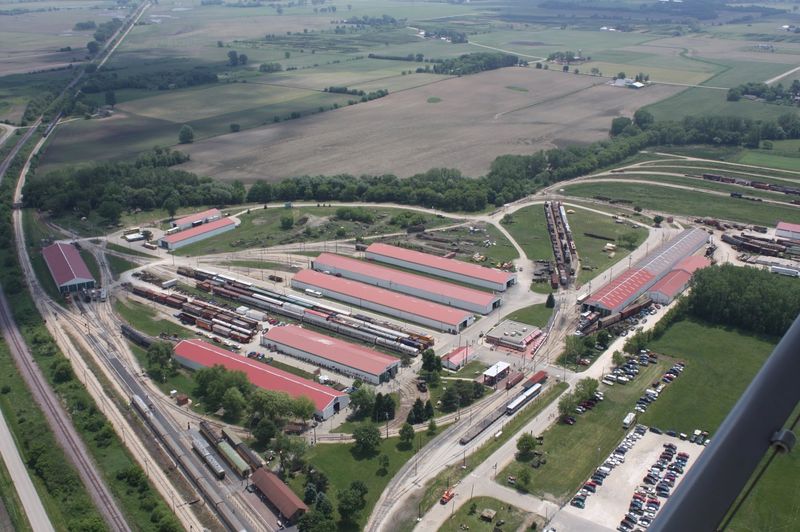
Tucked at 7000 Olson Rd in Union, roughly an hour northwest of Chicago, the Illinois Railway Museum spreads across about 100 acres of former farmland. It holds the title of largest railroad museum in the United States, with more than 500 pieces of historic railway equipment on the property.
Calling it a museum undersells the scale. Visitors describe acres and acres of trains, plus nine large barns packed with coaches, locomotives, streetcars, and buses in every stage of restoration.
What separates the place from a typical exhibit hall is motion. Much of the collection still runs, so equipment that would sit frozen elsewhere pulls out of the yard under its own power and carries passengers.
The campus mixes indoor display barns with outdoor storage tracks, a depot area, a general store, model train displays, and a small dining spot. Guests regularly mention needing at least half a day, and many say a full day still leaves things unseen.
Free parking sits right at the entrance, which makes arriving simple even on busy event weekends.
From a 1953 Idea to the Nation’s Largest Collection
Back in 1953, a small group with a fondness for electric railcars started saving equipment that the modern world was rapidly scrapping. Seven decades later, that effort grew into a collection that outsizes every other railroad museum in the country.
Growth came in waves. Barns went up to shelter fragile wooden interurbans, a five-mile demonstration main line took shape, and in the 1980s a one-mile streetcar loop was added so trolleys could circle the grounds.
Preservation here is ongoing rather than finished. Some cars gleam under barn lights, others sit mid-restoration with panels off and parts labeled, and a relocated dining car remains closed while work continues inside.
Regulars notice the changes year to year. Recent visitors mention crews expanding the small town area near the loop and plans that would double the length of the streetcar line.
Nearly everything runs on volunteer labor, and guests consistently point to how much pride those volunteers take in the work, chatting freely about signals, sleeper cars, and locomotive quirks.
The result is history that keeps growing instead of standing still.
Unlimited Rides on One Admission Ticket
One ticket, all day, as many rides as your legs can handle. That single policy shapes how the whole visit feels, because there is no counting tickets or choosing between the trolley and the steam train.
Electric trains run hourly on operating days, and weekends typically add steam or diesel power on the main line. Families often ride two or three different trains before lunch and then circle back for another loop in the afternoon.
Options vary by day. A short spin around the one-mile streetcar loop takes only minutes, while the five-mile main line run stretches into a proper countryside excursion behind a big locomotive.
Caboose rides show up too, and one visitor described the pleasure of sitting up in the cupola watching the track roll past below.
Some guests call admission a little pricey at first glance, then note that the sheer volume of riding and exploring evens it out quickly.
The rhythm becomes addictive: ride, wander a barn, hear a whistle, hurry back to the platform.
Streetcars, Trolleys, and the One-Mile Loop
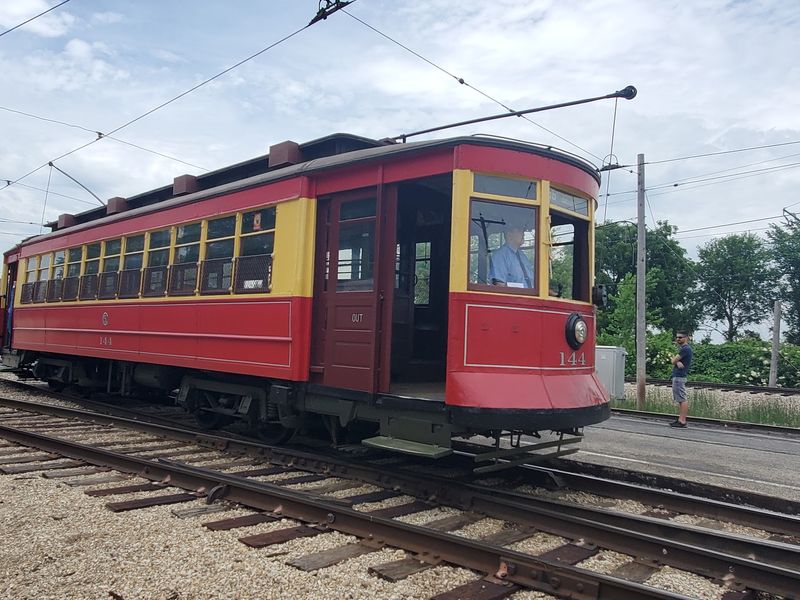
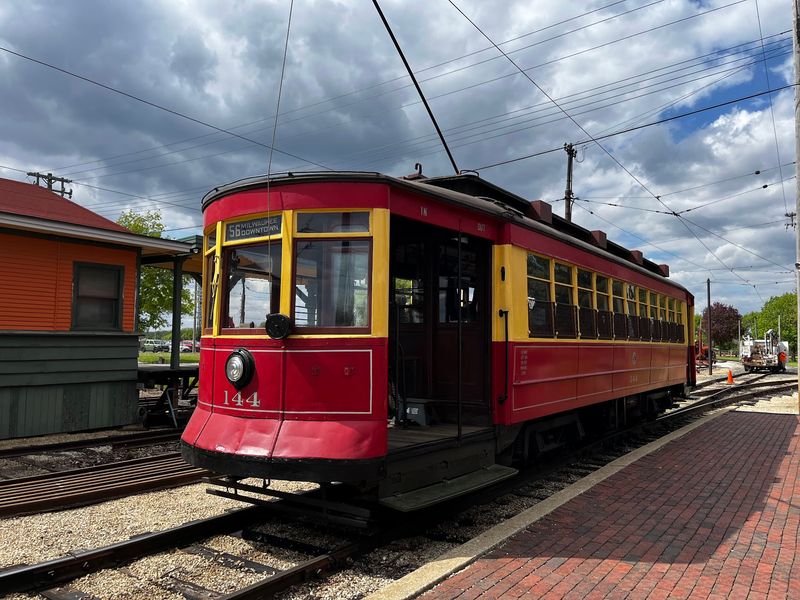
Overhead wire hums, the trolley pole hisses, and a bell clangs twice before the streetcar eases forward. Electric traction is where this museum began, and it remains one of the most charming things on the grounds.
The one-mile loop added in the 1980s lets restored streetcars circle past depots and buildings, giving riders a compressed taste of what city commuting looked like generations ago. Rides are short, which is part of the appeal for younger passengers.
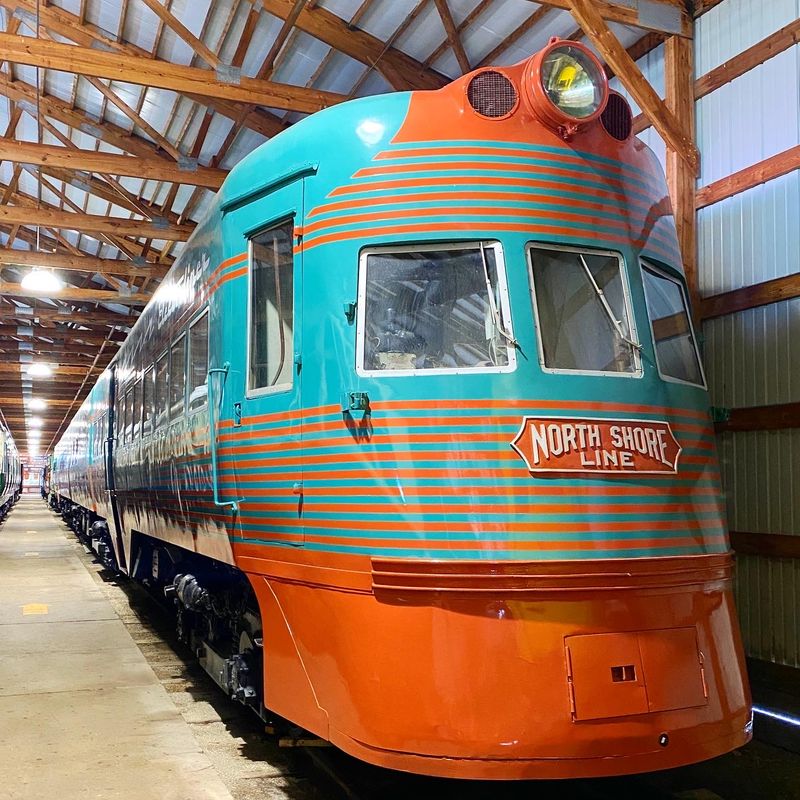
Interurban cars, the long-distance cousins of city trolleys, also share the property, along with buses and trolleybuses that round out the transit story.
A barn dedicated to public transit and streetcars ranks as a favorite for many groups, especially anyone who grew up riding Chicago rapid transit cars now parked inside.
During holiday events, the trolley pulls double duty, carrying guests out to view light displays and shuttling people back toward parking.
Fun detail worth knowing: crews are working to double the streetcar line, so the loop will not stay one mile forever.
Steam Whistles and Diesel Muscle on the Main Line
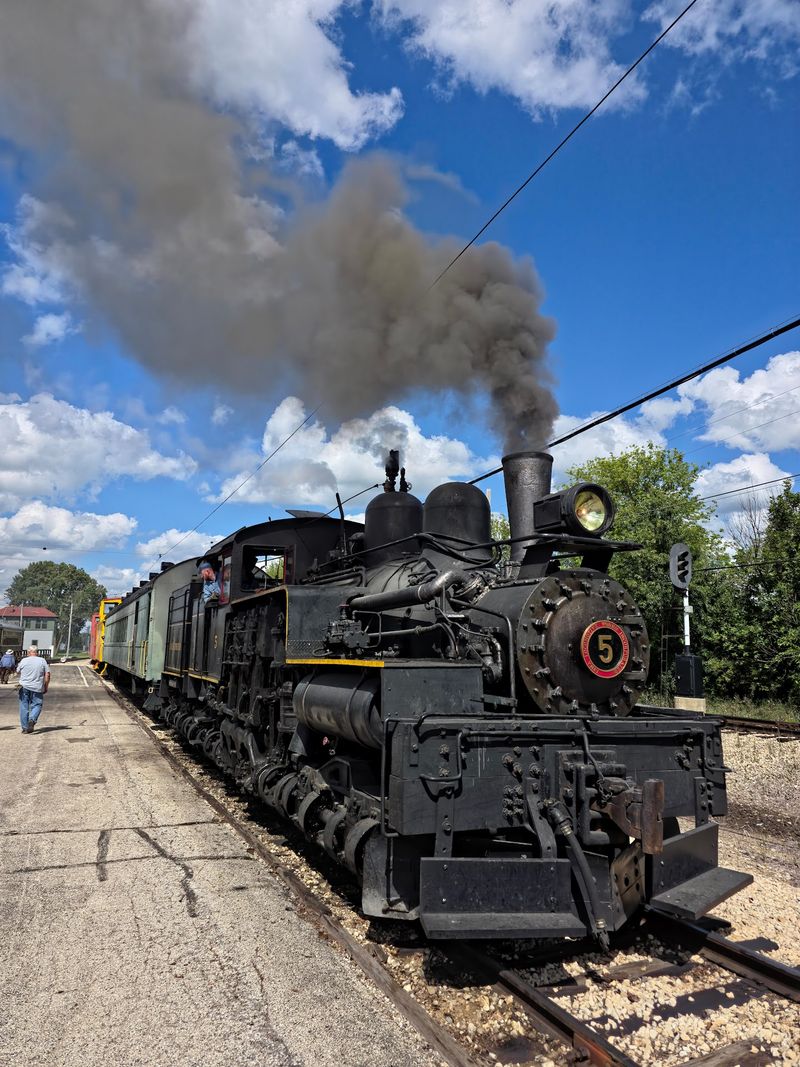
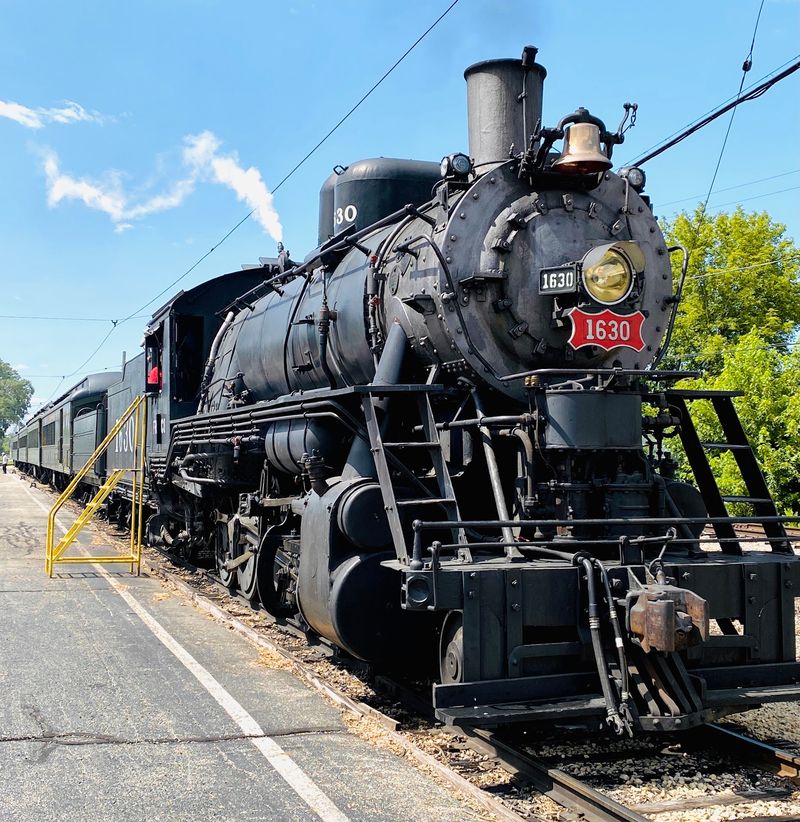
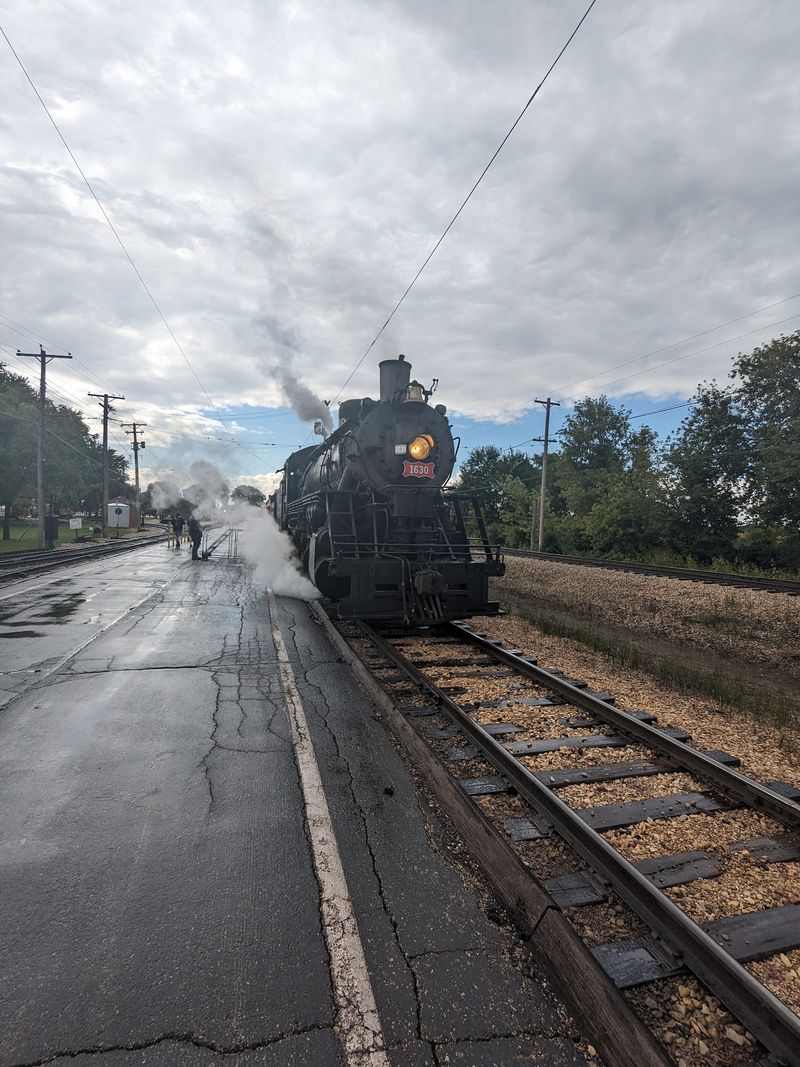
Coal smoke has a smell you do not forget, and on steam days it drifts right through the open coach windows on the five-mile main line. Passengers settle onto plush seats, the whistle answers a crossing, and rail joints tap out that steady clickety-clack underneath.
Diesel power gets equal billing. Big road units pull trains on many operating days, and railfans mention the variety of engines, from massive freight locomotives to workaday switchers.
The main line runs out through open country and back, long enough to feel like actual travel rather than a lap around a park. Coaches date from eras when trains were simply how people got places.
Watching is half the fun. Several visitors describe parking themselves near the station just to see trains arrive and depart, crews swapping ends and lining switches.
Semaphore signals and wigwag crossing signals stand along the property, small details that thrill anyone who knows what they are looking at.
One guest summed up the effect neatly: the ride feels like stepping back into the 1930s.
Nine Barns Full of Sleepers, Zephyrs, and Cabooses
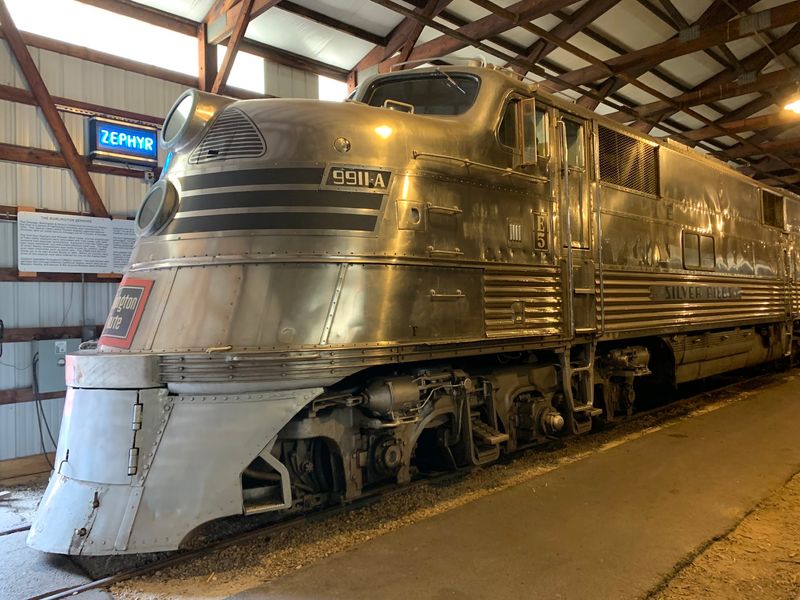
Sliding open a barn door here is like opening a very large toy box. Nine cavernous buildings shelter rows of equipment, and walking between them takes up a surprising chunk of the day.
Highlights inside include a Pullman sleeper car you can step through, the streamlined Nebraska Zephyr, freight cars, cabooses, and a rotating cast of restoration projects. Visitors love that many cars are open to walk into rather than roped off.
One barn earns particular praise for elevated walkways that let you look down over the trains, with lighting and decor that make the whole space feel staged rather than stored.
Not every car is accessible, and a few guests wish more interiors were open. Most understand the reason, since preservation and safety come first with fragile wooden bodies and delicate fittings.
Model train displays occupy their own building, a magnet for kids and for adults who never quite outgrew a basement layout.
Volunteers drift through these barns constantly, ready to explain what a particular car did and where it once ran.
Who Fits Right In and What the Day Feels Like
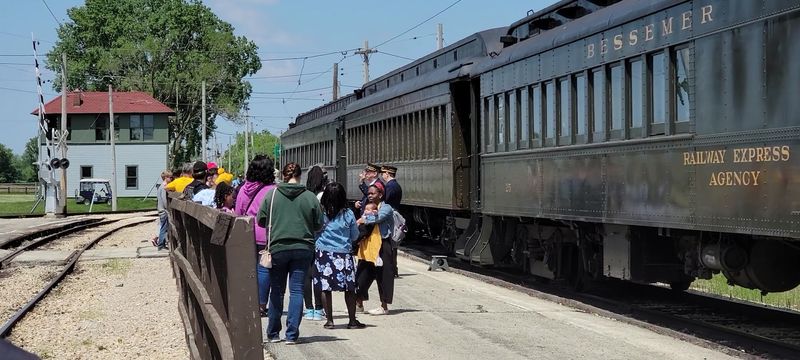
Kids tend to lose their minds here in the best way. One parent described a five-year-old still talking about the trip more than a year later, which is about the highest praise a family attraction can earn.
Grown-up rail enthusiasts get just as much, since the range of equipment covers steam, diesel, electric, freight, transit, and buses under one very large umbrella. Casual visitors who simply like old things do fine too.
Special events shift the mood entirely. The Day Out With Thomas weekends draw big crowds and delighted preschoolers, while winter Santa trains bring decorated barns, costumed helpers, singing conductors, and light displays inside the coaches.
Practical comfort matters. Guests recommend sturdy walking shoes and water, since distances between barns add up, and one family appreciated an air-conditioned car set aside as a quiet, cool space for nursing mothers.
A cafe and a diner area handle lunch, with outdoor patio seating for anyone who wants to eat while watching trains move.
On ordinary operating days, crowds stay manageable and photography is easy.
Planning Your Visit and Why It Sticks With You
Timing is the one thing worth checking before you go. The museum operates primarily on weekends from May through October, with weekday operation between Memorial Day and Labor Day, and current listed hours run 10 AM to 5 PM Saturday and Sunday.
Because the schedule shifts with the season and with special events, calling 815-923-4391 or checking irm.org before heading out saves disappointment.
Getting there means driving, plain and simple. The grounds sit at 7000 Olson Rd in Union, off the main highways, and parking costs nothing.
Build in more time than seems necessary. Repeat visitors routinely say they missed entire buildings on a first trip, and a full day is the honest recommendation.
Weather shapes the experience since much of the walking happens outdoors, so dress for whatever the forecast promises and bring sun protection in summer.
What lingers afterward is not any single locomotive. It is the combination of unlimited riding, volunteers who clearly love the work, and the 1851 East Union Depot standing quietly while a whistle sounds somewhere down the line.