
This Tiny Tennessee Mountain Town Was Named America’s Best Small Arts And Culture Spot
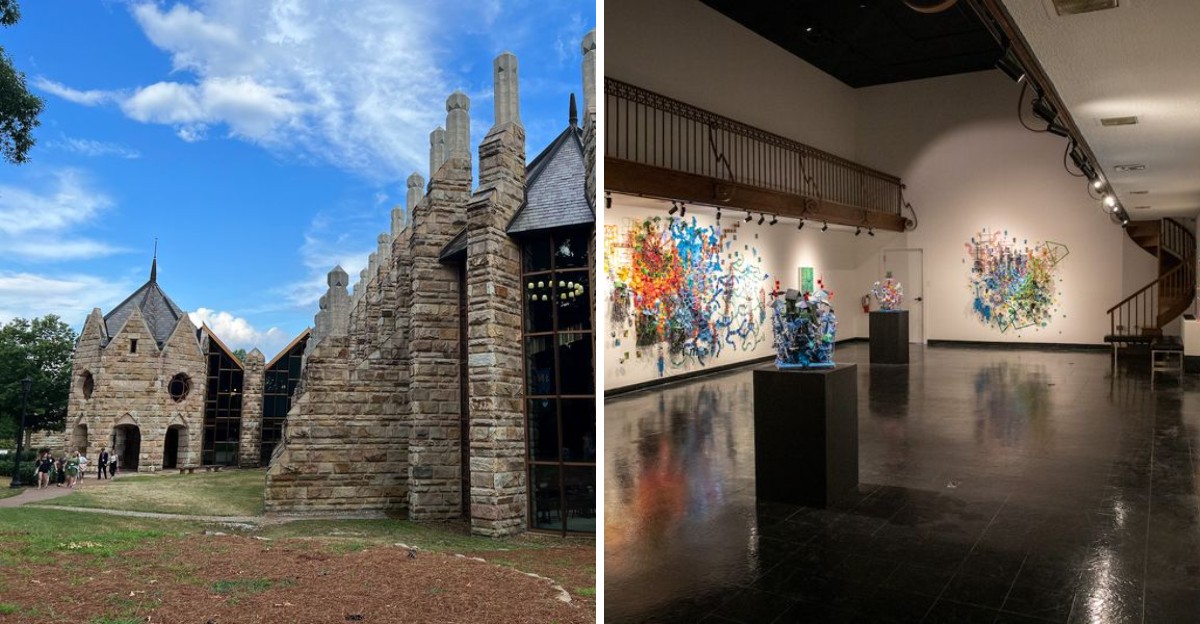
A mountain town this small should not have this much going on.
High on the Cumberland Plateau, this Tennessee community mixes art, music, theater, literature, and historic architecture into a setting that feels far more cultured than its size suggests.
Galleries, performances, creative events, and university traditions give the town a steady pulse throughout the year.
The scenery deserves attention too. Stone buildings, wooded roads, and sweeping overlooks create a backdrop that feels almost cinematic, especially when the seasons begin to change.
Yet the real surprise is how naturally the arts fit into daily life here.
You can spend the morning wandering among historic buildings, catch a gallery exhibit after lunch, and end the day with live music or a performance.
National recognition may have brought new attention, but the creative spirit has been part of this Tennessee mountain community for generations.
The Mountaintop Setting Changes The Feel Right Away
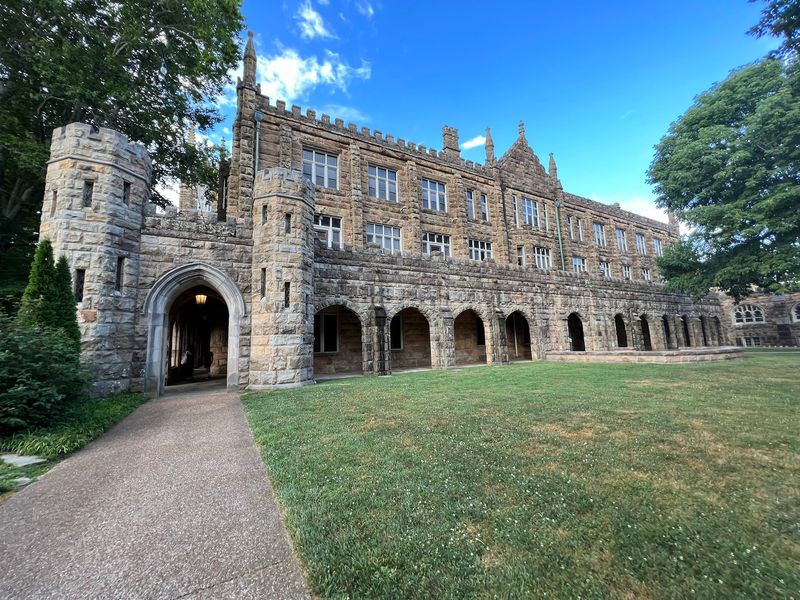
Elevation changes everything. At roughly 1,920 feet above sea level, this plateau town feels a world away from the highway noise below.
Sewanee sits in Franklin County, Tennessee, with the mailing zip code 37375. The 2020 census counted 2,535 residents, which makes the cultural output here almost absurd in the best way.
The Cumberland Plateau does the heavy lifting on atmosphere. Sandstone bluffs drop away at the edges of town, and hardwood forest wraps around the buildings like a green collar.
Cool air is part of the appeal. Summer temperatures on the plateau run noticeably milder than in the valleys, which is exactly why so many people came up here in the first place.
Getting oriented takes about ten minutes. The town center clusters near University Avenue, and most cultural stops sit within an easy stroll of each other.
Plan for slow movement. Sidewalks curve, stone walls invite leaning, and the overlooks pull you off schedule.
Bring layers regardless of season. Mountain weather shifts fast, and a light jacket makes the difference between a quick look and a long, lingering afternoon.
The University Of The South Runs The Show
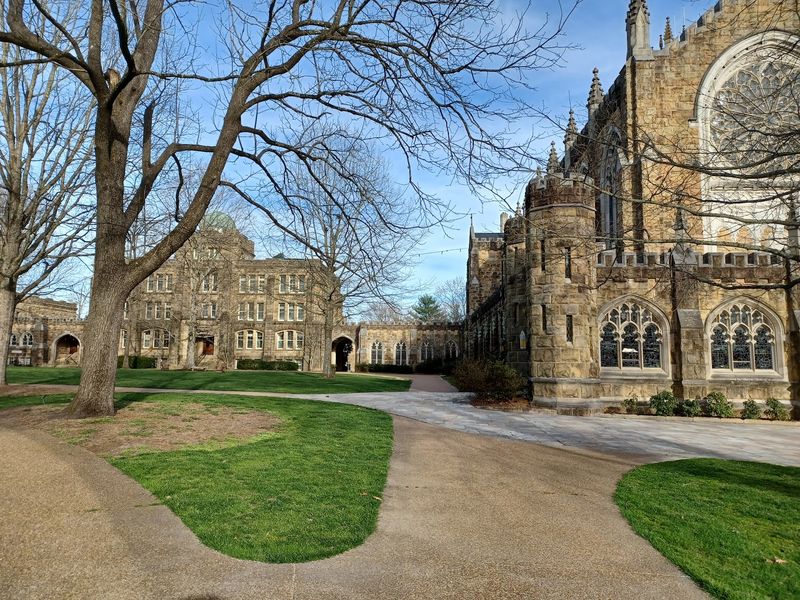
Most towns have a university. Here the university practically is the town.
The University of the South, known to nearly everyone simply as Sewanee, anchors the community at 735 University Avenue, Sewanee, TN 37375. Its liberal arts mission shapes the calendar, the architecture, and the general mood on any given Tuesday.
Arts programs stretch wide. Studio art, art history, dance, music, film studies, and creative writing all live under the same academic roof, and that variety spills outward into public life.
Performances and exhibitions happen year round. Because the school treats creative work as part of a full education, there is almost always something on a stage or a gallery wall.
Community members are not spectators on the sidelines. Many events welcome the public, blurring the line between campus and town in a way larger schools rarely manage.
Gowns still appear on certain students. The tradition is unusual for an American campus and gives the sidewalks a distinctly storybook flicker.
Check the university calendar before you go. A little planning turns a scenic drive into a genuinely rich cultural weekend.
All Saints’ Chapel And Its Stained Glass Glow
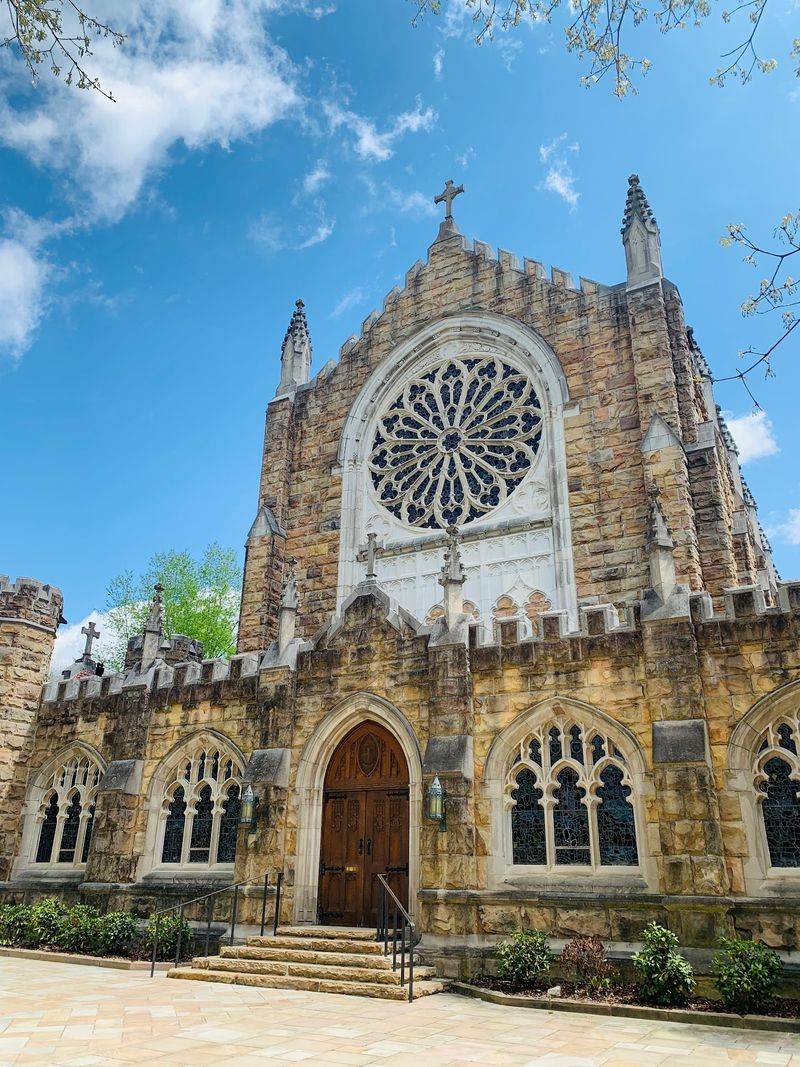
Some buildings hush a room without asking. All Saints’ Chapel is one of them.
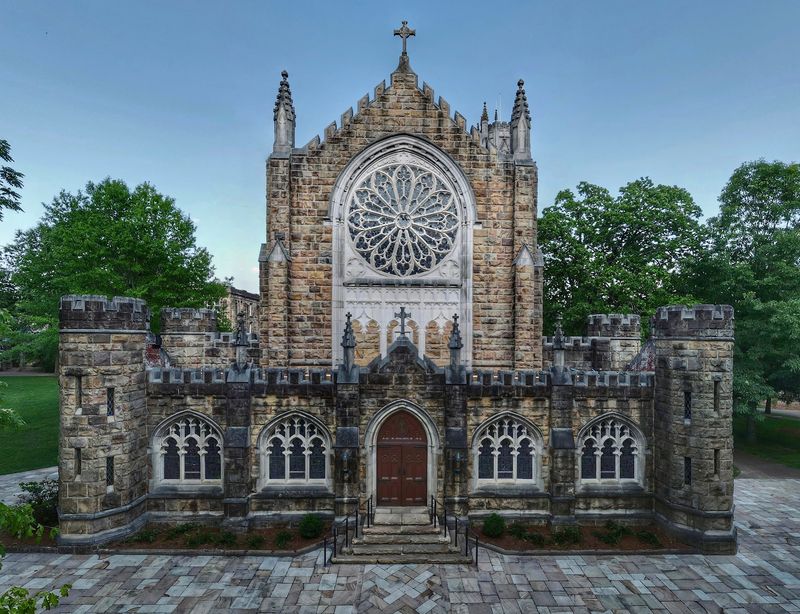
Gothic in style and grand in scale, the chapel rises from the heart of campus with spires, arches, and long banks of stained glass. Sunlight moving through those windows turns the stone floor into a slow-shifting painting.
Craftsmanship rewards patience. Look closely at the carved details, the woodwork, and the individual window panels, each telling its own visual story.
Music fills the space regularly. The chapel serves as a venue for organ music and choral singing, and the acoustics make even a simple hymn feel enormous.
Photography lovers should aim for late morning. That is often when the colored light lands most dramatically across the interior.
Quiet respect goes a long way. Services and rehearsals happen here, so step softly and check posted hours before wandering in.
Outside is worth circling too. The exterior stonework frames some of the most photographed views in this corner of Tennessee, especially when autumn color surrounds it.
Give yourself thirty unhurried minutes. Rushing this one would be a shame.
Contemporary Art At The University Art Gallery
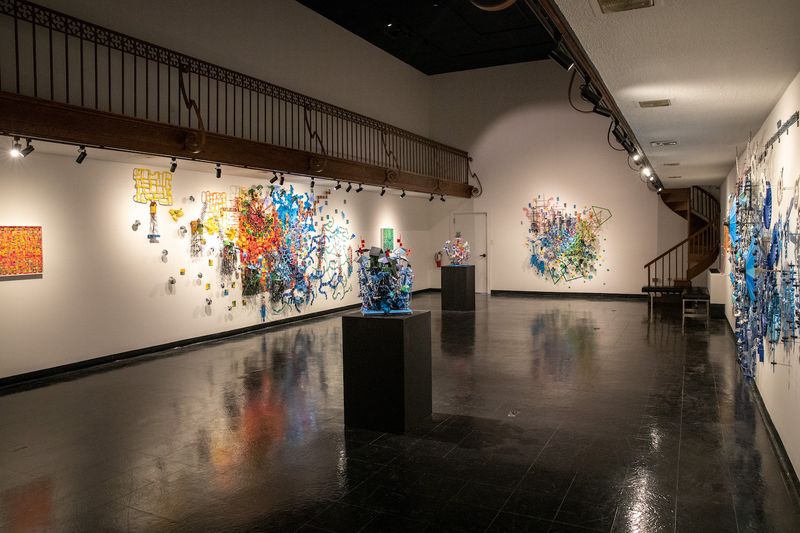
Old stone outside, brand new ideas inside. That contrast is the fun of the University Art Gallery.
Rather than resting on historical collections alone, the gallery leans into contemporary art. Exhibitions rotate, which means repeat trips rarely deliver the same experience twice.
Conversation is the point. Shows are chosen to spark discussion across the campus community, so the work often asks questions rather than simply decorating a wall.
Students benefit enormously. Seeing living artists at work nearby makes a creative career feel possible instead of theoretical.
The scale suits casual explorers. You can absorb a full exhibition without the museum fatigue that hits after hour three in a big-city institution.
Time your arrival with an opening if you can. Those evenings draw a friendly mix of students, faculty, and neighbors from around the plateau.
Admission policies and hours shift with the academic calendar. A quick look at the schedule saves a wasted trip.
Small gallery, serious ambition. That combination explains a lot about why Sewanee kept climbing the national rankings.
Theatre With A Famous Playwright’s Name Attached
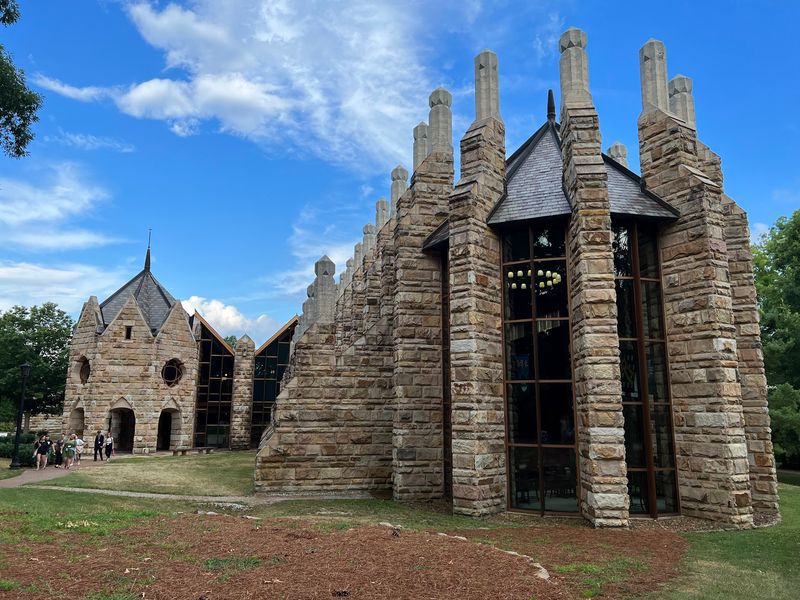
Here is a fact that surprises almost everyone. Royalties from Tennessee Williams helped build a theatre center on this campus.
The Tennessee Williams Center serves as home base for performing arts at the University of the South. Productions are staged here, and new creative work gets room to develop.
The connection feels fitting. A playwright whose name is stitched into American theatre now supports the next round of storytellers on a Tennessee mountaintop.
Student productions carry real energy. Casts rehearse hard, sets get built with care, and audiences turn out with genuine enthusiasm.
Ticket prices tend to stay approachable. That makes catching a show an easy addition to a weekend itinerary.
Seasons vary through the academic year. Checking the performance schedule ahead of arrival is the smartest move you can make.
Arrive early for parking. Campus lots fill quickly on performance nights, and the walk from a farther spot is pleasant anyway. Theatre in a town this size should not work. Somehow, in Sewanee, it absolutely does.
A Listening Library Built For Perfect Sound
Imagine a room designed so music sounds exactly as it should. That room exists inside duPont Library.
The William Ralston Listening Library and Archive houses a world-class collection of recordings alongside one of the finest publicly available sound playback systems anywhere. It is a serious audio space, not a casual listening corner.
The archive honors a beloved Sewanee professor. His name lives on through an ongoing gift to students, faculty, and anyone who values careful listening.
Classical recordings, opera, jazz, and more sit in the collection. The variety supports teaching while also inviting pure enjoyment.
Sound quality here changes expectations. Familiar recordings reveal details that earbuds simply flatten away.
Access rules apply, since the facility belongs to the library. Ask at the desk about scheduled listening sessions or public programs.
Even non-audiophiles find it memorable. Sitting still and letting a full orchestral recording wash over you is a rare kind of luxury.
Few small towns anywhere offer something comparable. It is one more reason this plateau community punches far above its weight.
Fifty Miles Of Trails Across The Domain
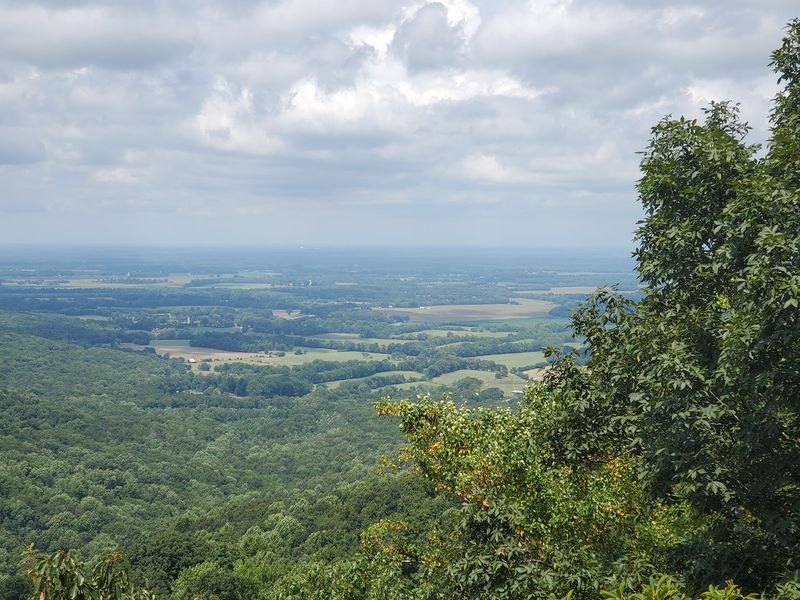
Thirteen thousand acres. That is the size of the campus land known locally as the Domain.
More than 50 miles of hiking trails thread through this forested property. Bluffs, hollows, creeks, and rock outcrops appear along the way, often within a mile of a classroom building.
Green’s View draws steady traffic for good reason. The overlook opens onto a broad sweep of valley and ridgeline that looks different in every season.
Morgan’s Steep offers a sharper, more dramatic drop. Sturdy shoes and careful footing matter on the rocky edges.
The Memorial Cross stands as another well-known viewpoint. Sunset there tends to attract a quiet, appreciative crowd.
Trail difficulty ranges widely. Short, flat loops suit families, while longer routes reward hikers who want a real workout.
Water and a printed map are worth carrying. Cell service on the plateau can be patchy once you drop below the rim.
Nature and art feed each other here. Painters, writers, and musicians in Sewanee draw openly from the landscape outside their windows.
Why Sewanee Earned National Attention In 2025
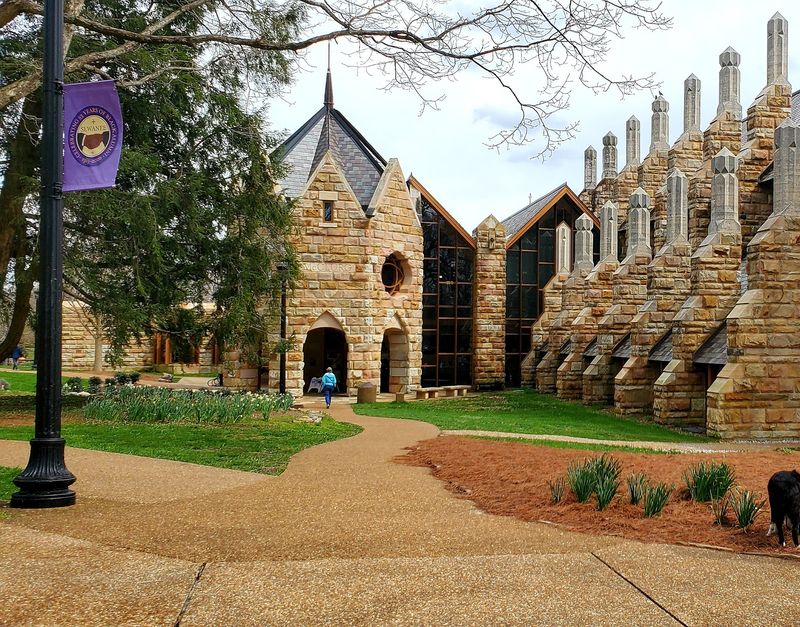
Sewanee’s creative reputation reached a much bigger audience in 2025.
On August 15, Travel + Leisure selected the Tennessee community as its Best Small Arts + Culture Town in the publication’s annual America’s Best Small Towns feature.
Sewanee took the arts and culture category among communities across the country. The recognition makes more sense once you look at what happens here throughout the year.
The University of the South brings writers, musicians, performers, scholars, and artists to the mountain, giving a town of this size an unusually active cultural calendar.
Literature has especially deep roots here. The Sewanee Review is the oldest continuously published literary quarterly in the country, with writers such as T. S. Eliot and Flannery O’Connor appearing in its pages over the years.
The Sewanee Writers’ Conference continues that tradition by bringing established and emerging writers together each summer.
Music adds another layer through the Sewanee Summer Music Festival, concerts, and performances by the University Choir. Theater, dance, architecture, readings, and public events round out the picture.
Travel + Leisure’s honor did not create Sewanee’s arts scene. It simply gave national recognition to a creative culture that had already been growing here for generations.