
Locals Say This Popular Wisconsin Town Is Tourist-Ruined Beyond Recognition
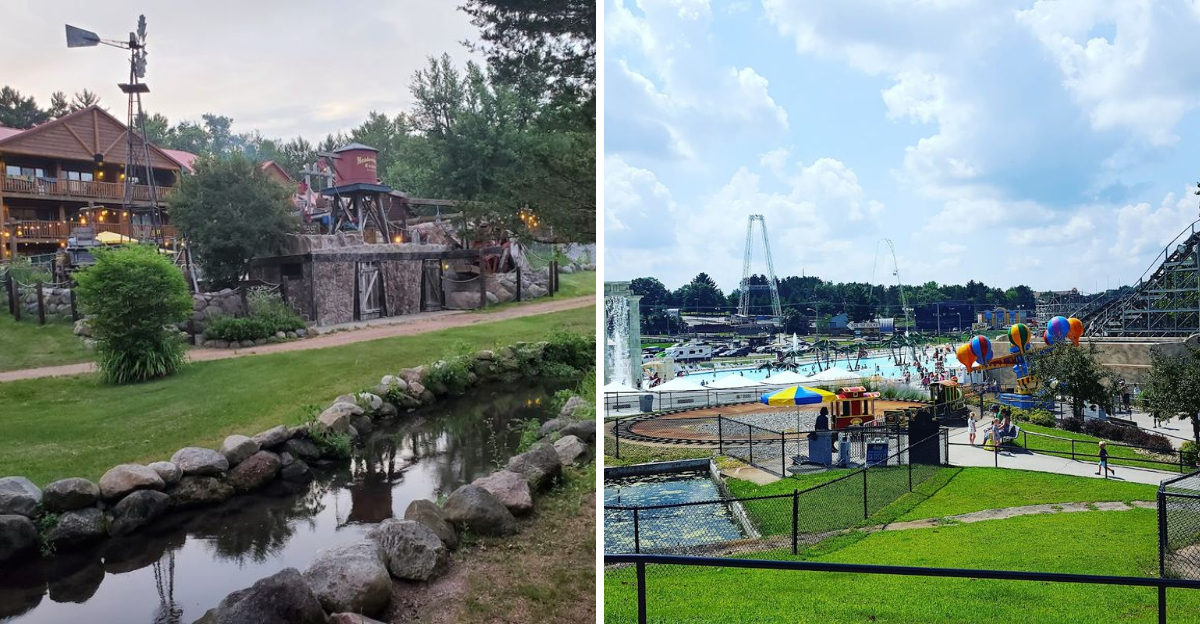
Quiet river views and sandstone cliffs once defined this small Wisconsin town. Then came the waterparks, towering resorts, flashing signs, souvenir shops, and enough attractions to fill an entire vacation without seeing the river once.
Millions now arrive each year, especially during summer, when traffic slows to a crawl and peaceful streets become crowded corridors.
Visitors may love the nonstop entertainment, but many residents remember a very different hometown. They miss the slower pace, familiar businesses, and natural scenery that once received top billing.
Growth brought jobs, money, and national attention, but it also changed the community beyond recognition. Now the real question is hard to ignore. Can a town become too successful for its own good?
Millions Of Visitors Overwhelm A Town With Only A Few Thousand Residents
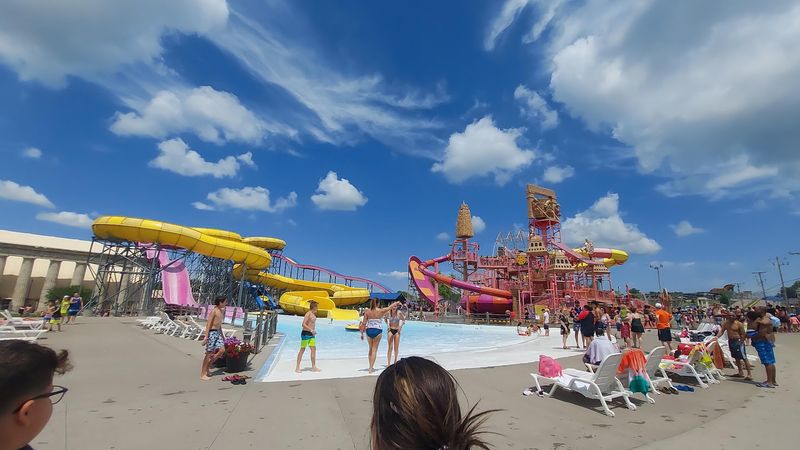
Approximately five thousand people call Wisconsin Dells home year-round, yet the town welcomes more than four million visitors annually. That staggering ratio means that for every permanent resident, nearly eight hundred tourists pass through during the course of a typical year.
The math becomes even more dramatic during July and August when daily visitor counts can swell to numbers that dwarf the local population by factors of fifty or more.
Grocery stores see their checkout lines triple in length. Parking spaces vanish before noon.
Gas stations run low on fuel by evening.
Residents who need to run simple errands often find themselves navigating through throngs of vacationers unfamiliar with local roads and traffic patterns. The infrastructure built for a small Wisconsin community now strains under demand designed for a major metropolitan area.
Local government services, from waste management to emergency response, must scale up dramatically each summer to accommodate the seasonal surge, creating budgetary pressures that persist throughout the year.
Summer Traffic Can Make Short Drives Feel Endless
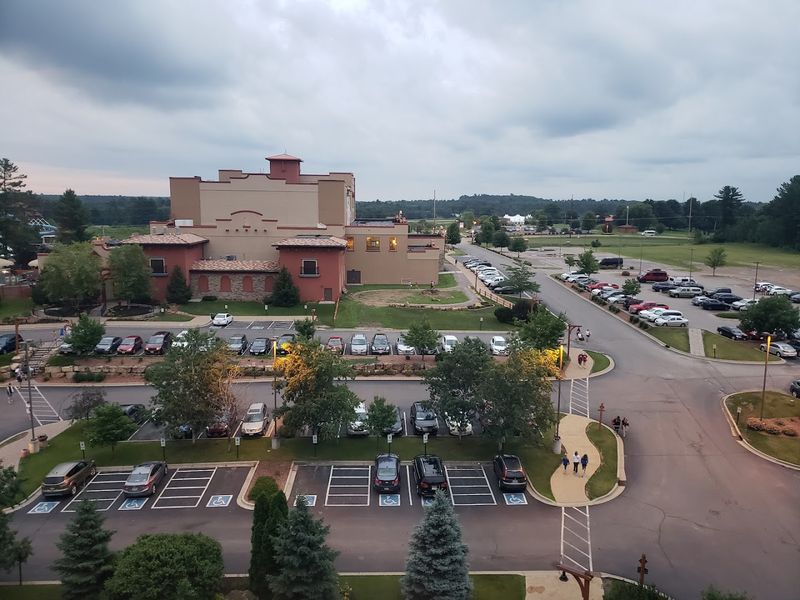
Broadway and the Wisconsin Dells Parkway transform into parking lots during peak season, with vehicles inching forward at speeds that would embarrass a determined tortoise. A trip that takes five minutes in October can easily consume forty-five minutes in July.
Visitors unfamiliar with the area slow down to read every billboard and sign, searching for their reserved waterpark or dinner theater while locals trapped behind them grip their steering wheels and practice deep breathing exercises.
The main arteries through town were designed decades ago for modest traffic volumes. Now they handle streams of minivans, tour buses, and RVs that stretch for miles in both directions.
Traffic signals seem timed for a different era entirely. Residents who once enjoyed quick trips to neighboring communities now build extra hours into their schedules or avoid traveling altogether during summer weekends.
The Wisconsin River, which historically served as the town’s natural boundary, now feels like an insurmountable barrier when bridge traffic backs up for miles.
Waterparks Have Replaced The River As The Main Attraction
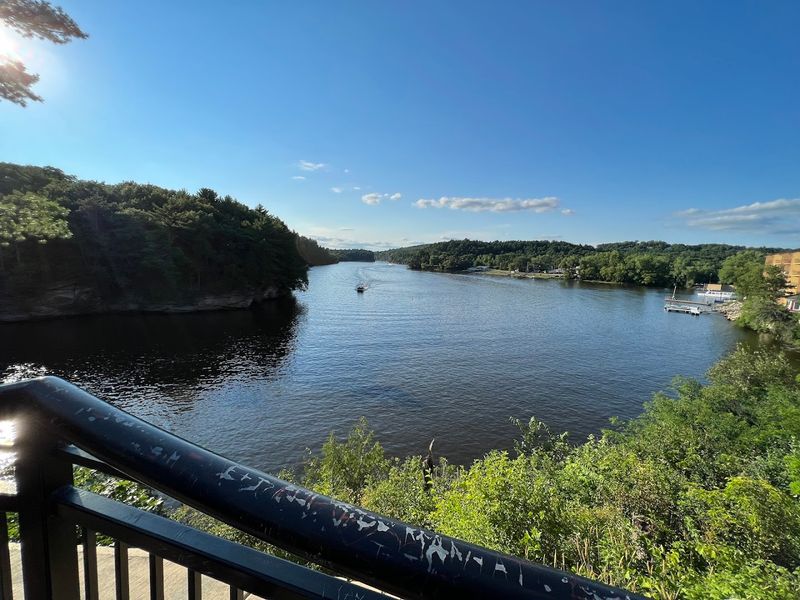
Noah’s Ark Waterpark claims the title of America’s largest waterpark, sprawling across seventy acres with dozens of slides and attractions that have nothing to do with the natural landscape that originally put Wisconsin Dells on the map. Kalahari Resorts and Mt.
Olympus followed suit, building massive indoor facilities that allow tourists to ignore the weather and the seasons entirely. The Wisconsin River, once the undisputed star of the region, now plays second fiddle to chlorinated pools and artificial wave machines.
Boat tours still navigate the river’s famous sandstone formations, but they compete for attention with slides bearing names like Scorpion’s Tail and Anaconda. Families increasingly choose climate-controlled entertainment over outdoor exploration.
The shift reflects broader changes in American tourism, where predictable thrills manufactured in concrete and fiberglass often win out over the quieter pleasures of natural beauty. Longtime residents remember when the river itself was enough, when the Dells referred specifically to the dramatic rock formations carved by glacial floods rather than a collection of resort properties.
Massive Resorts Continue To Reshape The Surrounding Landscape
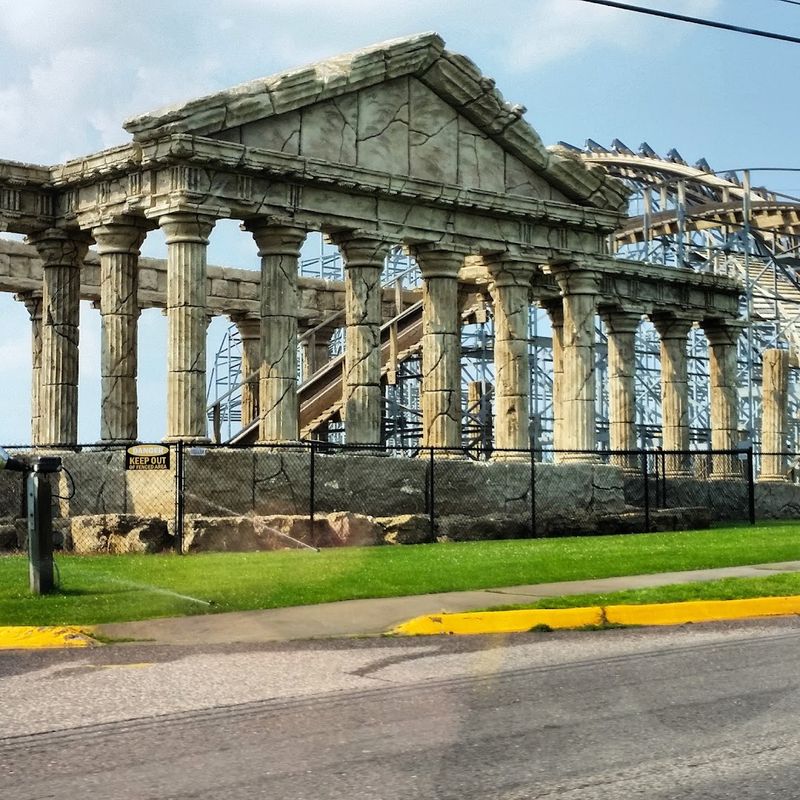
Great Wolf Lodge sits like a small city unto itself, its towers visible from miles away across what used to be farmland and forest. Wilderness Resort expanded to become one of the largest waterpark resorts in the world, consuming property after property in its steady growth.
Each new development brings hundreds of rooms, thousands of parking spaces, and infrastructure demands that ripple through the entire community. The architectural style favors bold colors and themed designs that announce their presence loudly, making no attempt to blend with the natural surroundings or historic downtown buildings.
Property values near these resorts have climbed steadily, pricing out longtime residents and small business owners. The tax base has grown substantially, funding improvements to roads and utilities, but critics argue the costs extend beyond simple economics.
Forests that once buffered the town from Highway 12 have given way to parking lots and access roads. The skyline, once dominated by trees and sandstone bluffs, now features water slide towers and hotel complexes that glow with colored lights after dark.
Downtown Now Competes For Attention With Giant Entertainment Complexes
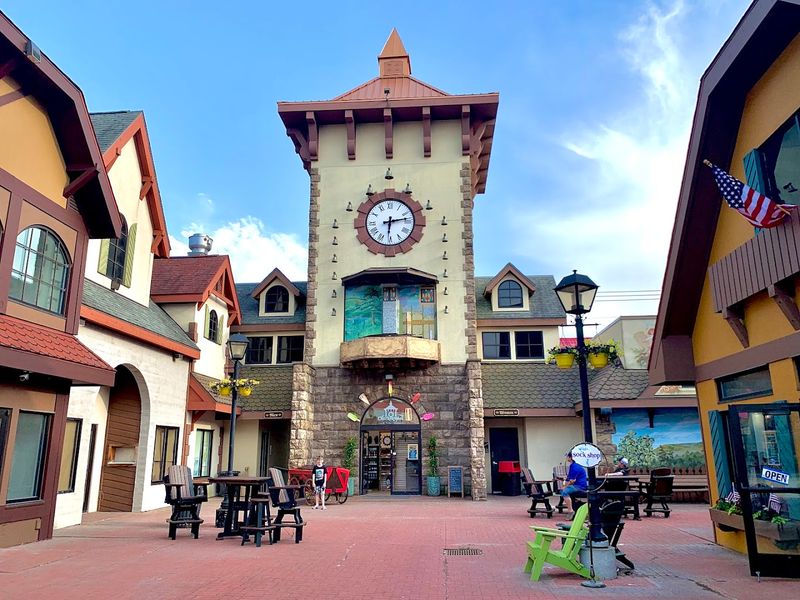
The original downtown area along Superior Street retains some historic charm, with buildings dating back to the early twentieth century and locally owned shops that predate the waterpark boom. But foot traffic has declined steadily as newer attractions pull visitors toward the strip developments along the parkway.
Restaurant owners downtown report that summer evenings, once their busiest time, now see far fewer diners as tourists opt for the convenience of eating at their resort properties without leaving the complex. The entertainment centers offer everything under one roof, from arcade games to mini golf to dinner shows, eliminating any need to explore the actual town.
Small retailers struggle to compete with the marketing budgets and package deals offered by large resort operations. Some have closed entirely, their storefronts waiting for buyers who never arrive.
Others have pivoted toward serving locals exclusively, abandoning the tourist trade altogether. The downtown that once represented the heart of Wisconsin Dells increasingly feels like a footnote, a place tourists drive past on their way to somewhere else.
Souvenir Shops Have Replaced Much Of The Small Town Character
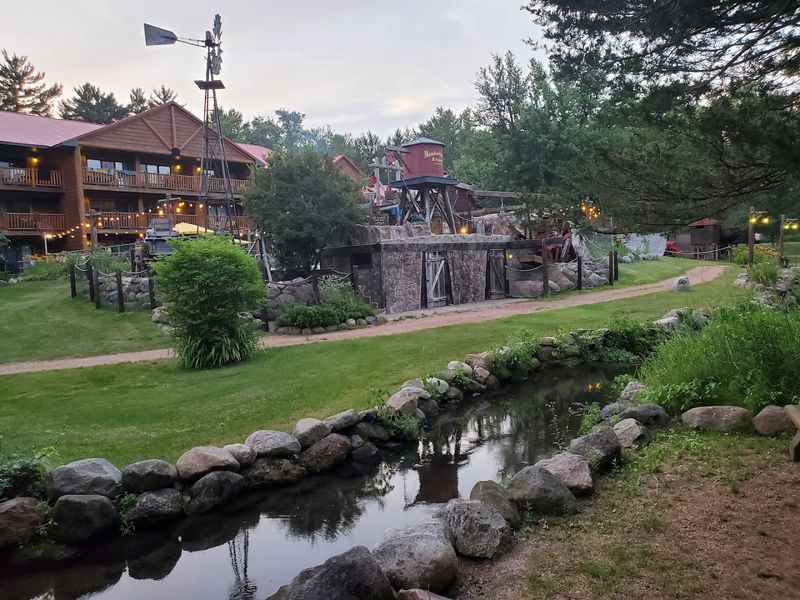
Walk down any major street in Wisconsin Dells and count the shops selling essentially identical merchandise: t-shirts proclaiming someone survived the Dells, shot glasses, refrigerator magnets, and stuffed animals wearing miniature life jackets. The stores change names but rarely change inventory, creating a repetitive landscape where genuine local character has been buried beneath layers of mass-produced nostalgia.
Buildings that once housed hardware stores, pharmacies, and family restaurants now peddle the same Wisconsin-themed kitsch found in every tourist town from Door County to the Great Smoky Mountains.
Rent prices driven up by tourist traffic have made it nearly impossible for businesses serving local needs to survive in prime locations. The pharmacy moved to a strip mall on the outskirts.
The hardware store closed entirely.
What remains caters almost exclusively to visitors passing through for a few days, never to return. The economic logic makes perfect sense, but it leaves residents feeling like strangers in their own community, surrounded by businesses that exist to serve everyone except them.
Tourist Attractions Stretch Far Beyond The Original Downtown
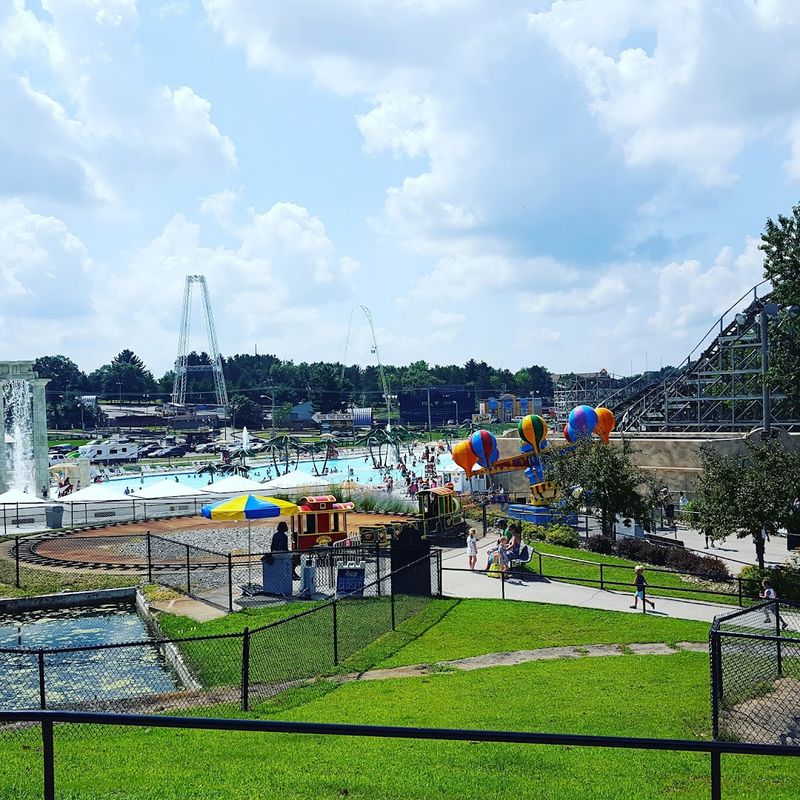
The attraction zone now extends for miles in every direction from the original town center, transforming what was once a compact community into a sprawling entertainment corridor. Tommy Bartlett’s water ski show, which began in 1952, now seems almost quaint compared to the zombie laser tag arenas, indoor skydiving facilities, and go-kart tracks that have sprouted along every available stretch of highway.
Each new attraction pushes the boundaries further outward, consuming residential neighborhoods and agricultural land in the process. The transformation has created a strange geography where tourists can spend an entire week without ever seeing the actual town of Wisconsin Dells, moving instead between isolated entertainment pods connected by parking lots.
Zoning regulations have struggled to keep pace with development pressure. Areas designated for residential use fifty years ago now host commercial operations that generate traffic and noise around the clock.
The expansion shows no signs of slowing, with new proposals appearing regularly before the city planning commission. What began as a compact tourist destination has metastasized into something more closely resembling a theme park district than a traditional Wisconsin town.
Crowds Make Peak Season Difficult For Residents To Avoid
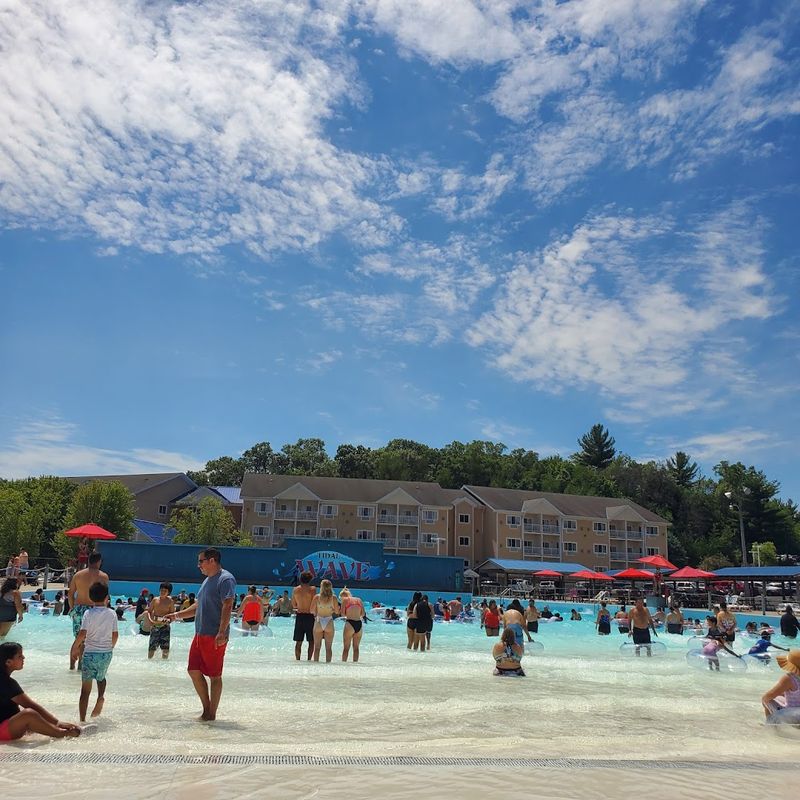
Longtime residents develop elaborate strategies to avoid tourist hotspots during July and August, shopping before dawn or after dark, choosing back roads that add miles to their commutes, and postponing any non-essential trips until September. But the crowds have grown so large and spread so widely that true avoidance has become nearly impossible.
Even the public library sees increased traffic from families seeking air conditioning and free entertainment. Parks that locals once enjoyed in relative solitude now fill with visitors by mid-morning, their parking lots overflowing onto residential streets.
Medical appointments must be scheduled months in advance to secure spots before summer arrives. Restaurants that locals patronize year-round become inaccessible during peak season, their wait times stretching to two hours or more.
The post office queue extends out the door. Bank drive-throughs back up into traffic lanes.
Every transaction takes longer, every errand requires more patience.
Some residents have simply given up on maintaining normal routines during summer, treating June through August as a period to hunker down and wait out the invasion.
Rising Visitor Spending Keeps Development Moving Forward
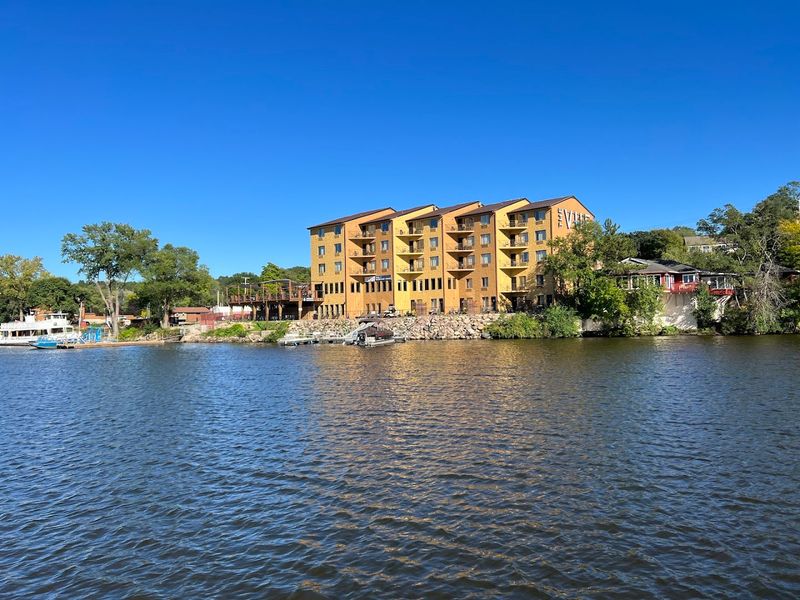
Tourist spending in Wisconsin Dells generates hundreds of millions of dollars annually, creating a powerful economic engine that drives continuous expansion regardless of local concerns about overtourism. Developers point to revenue figures and job creation statistics when proposing new projects, and city officials face intense pressure to approve permits and rezone properties to accommodate growth.
The money flowing through the community funds schools, repairs infrastructure, and provides employment for thousands of workers, making it politically difficult to argue for restraint or preservation of the town’s original character. Each successful season encourages more investment, more construction, and more transformation.
Property owners who once resisted selling to developers eventually succumb to offers that far exceed residential market values. Empty lots become valuable commodities.
Agricultural land transforms into assets waiting to be developed.
The economic momentum has created a feedback loop where success breeds expansion, which attracts more visitors, generating more revenue that justifies additional development. Breaking this cycle would require coordinated action from multiple stakeholders, but the immediate financial benefits make such coordination unlikely.
Natural Sandstone Formations Are No Longer The Main Draw
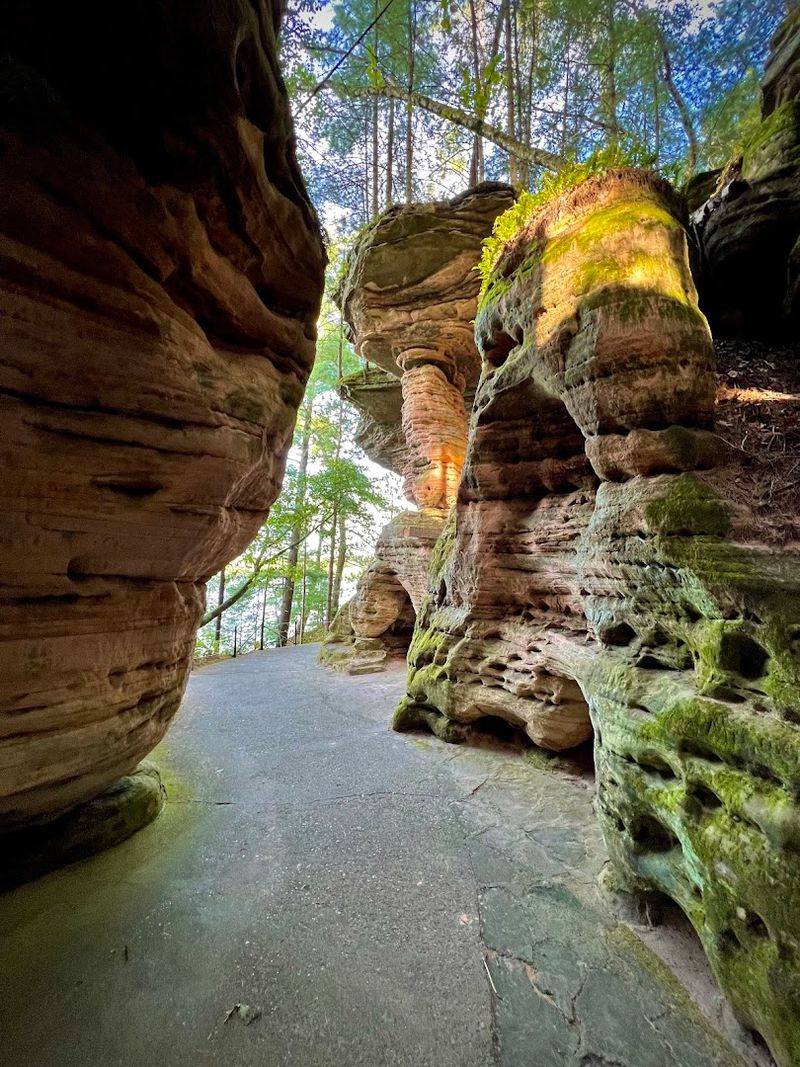
The geological features that originally attracted visitors to Wisconsin Dells, dramatic sandstone cliffs carved by ancient glacial floods, now receive a fraction of the attention they commanded decades ago. Stand Rock, Witches Gulch, and the other formations along the river remain geologically impressive, but marketing materials for the area lead with waterparks and entertainment venues, relegating natural attractions to secondary status or omitting them entirely.
Tour boat operators report declining interest in geology-focused excursions, with families preferring shorter trips that leave more time for slides and arcades. The irony is sharp: the natural features that created the tourism industry have been overshadowed by the artificial attractions that industry spawned.
Educational programs about the region’s geological history struggle to compete with more immediate thrills. State parks near the Dells see modest traffic compared to the waterpark complexes.
Younger visitors often leave Wisconsin Dells without ever learning why the area is called the Dells or understanding the natural processes that shaped the landscape. The town’s name has become divorced from its meaning, a brand identity attached to entertainment rather than a description of geological reality.
Year Round Tourism Has Erased Much Of The Traditional Off Season
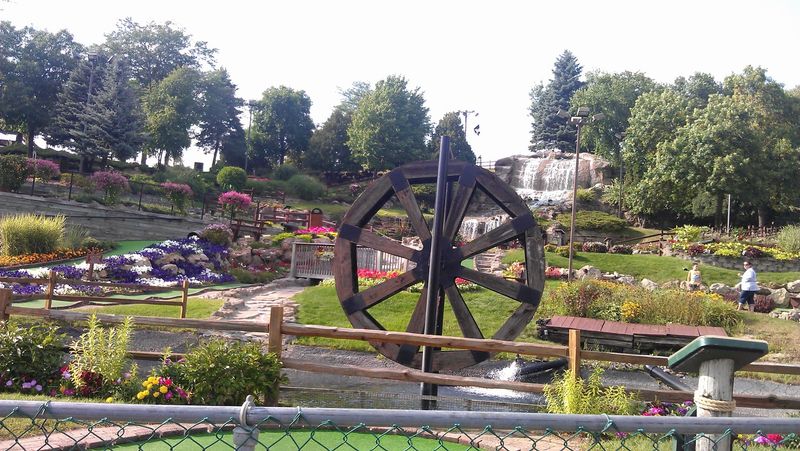
Indoor waterparks eliminated the seasonal rhythm that once defined Wisconsin Dells, transforming it from a summer destination into a year-round operation. December now sees families celebrating holidays under glass domes filled with palm trees and artificial beaches, while January brings spring breakers seeking escape from winter weather.
The traditional off-season, when locals reclaimed their town and businesses closed for repairs and rest, has largely disappeared. Employees who once worked intense summers followed by quiet winters now face pressure to maintain availability throughout the year, and the community never gets a chance to catch its breath or recover from the demands of hosting millions of visitors.
Restaurants that used to close from November through March now stay open, though with reduced hours and staff. Hotels that once shuttered entire wings now keep most rooms available for weekend travelers.
The economic benefits are obvious, providing more stable employment and consistent tax revenue. But longtime residents mourn the loss of those quiet months when Wisconsin Dells felt like a small town again, when you could walk downtown without navigating tourist crowds and when the community belonged to the people who lived there permanently.