
Locals Will Tell You That This Mississippi Town Is Tourist-Ruined Beyond Recognition
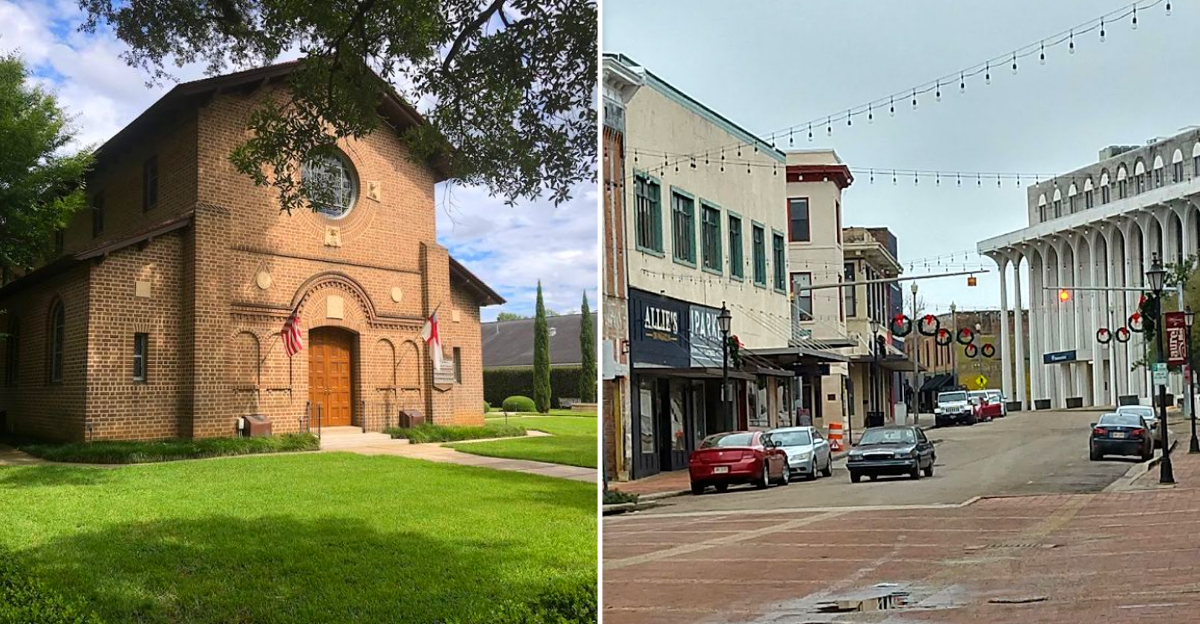
A pretty downtown can change fast once television turns porch swings, old storefronts, and painted cottages into must-see scenery. Mississippi has watched one small community go through that exact transformation.
Years ago, locals knew the rhythms: familiar faces at lunch, easy parking, empty sidewalks after work, and historic buildings awaiting attention.
Then cameras arrived, viewers fell hard, and visitors began showing up with shopping bags, selfie plans, and weekend itineraries. Business owners saw fresh life. Longtime residents saw crowds, rising prices, and a town that no longer moved at their speed.
That tension makes the story more complicated than a simple success tale. Charming? Absolutely. Changed beyond recognition? Many Mississippi locals would say yes, often without even hesitating anymore either.
The Town That Television Built
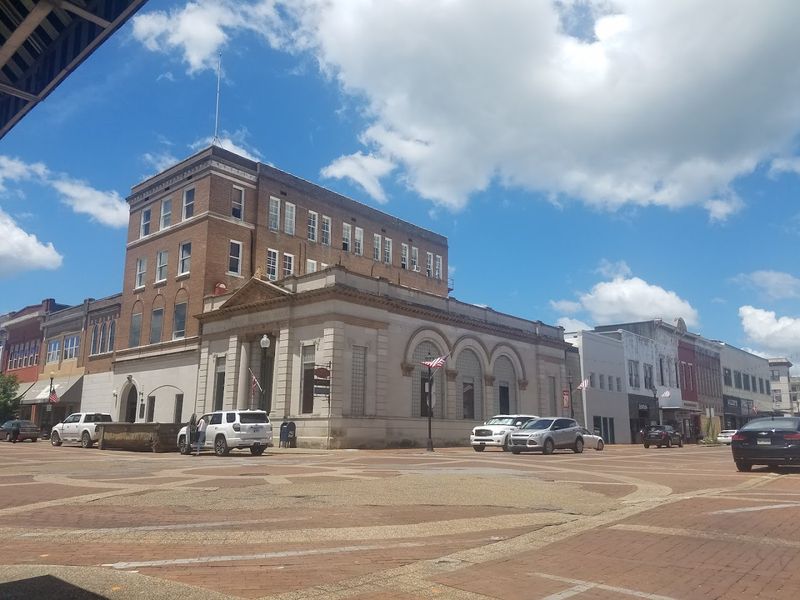
Before a camera crew ever rolled into town, this place was just a community trying to hold itself together. The timber industry that once fueled its economy had faded, and the downtown area showed the wear of hard decades.
Empty storefronts and cracked sidewalks told the story of a town searching for its next chapter.
Then a popular home renovation show changed everything. National attention arrived fast, and with it came tourists, investors, and an entirely new identity.
New businesses opened, historic buildings got fresh paint, and suddenly the town had a reason to smile again.
The transformation is real and undeniable. More than 44 new businesses have opened downtown, and roughly 150 jobs have been created in just five years.
Infrastructure improvements followed, including road upgrades and a brand-new visitor center. For a town that was quietly fading, that kind of momentum is no small thing.
But as with most overnight success stories, the full picture is layered, complicated, and deeply personal for the people who called it home long before the cameras arrived.
Welcome To Laurel, Mississippi
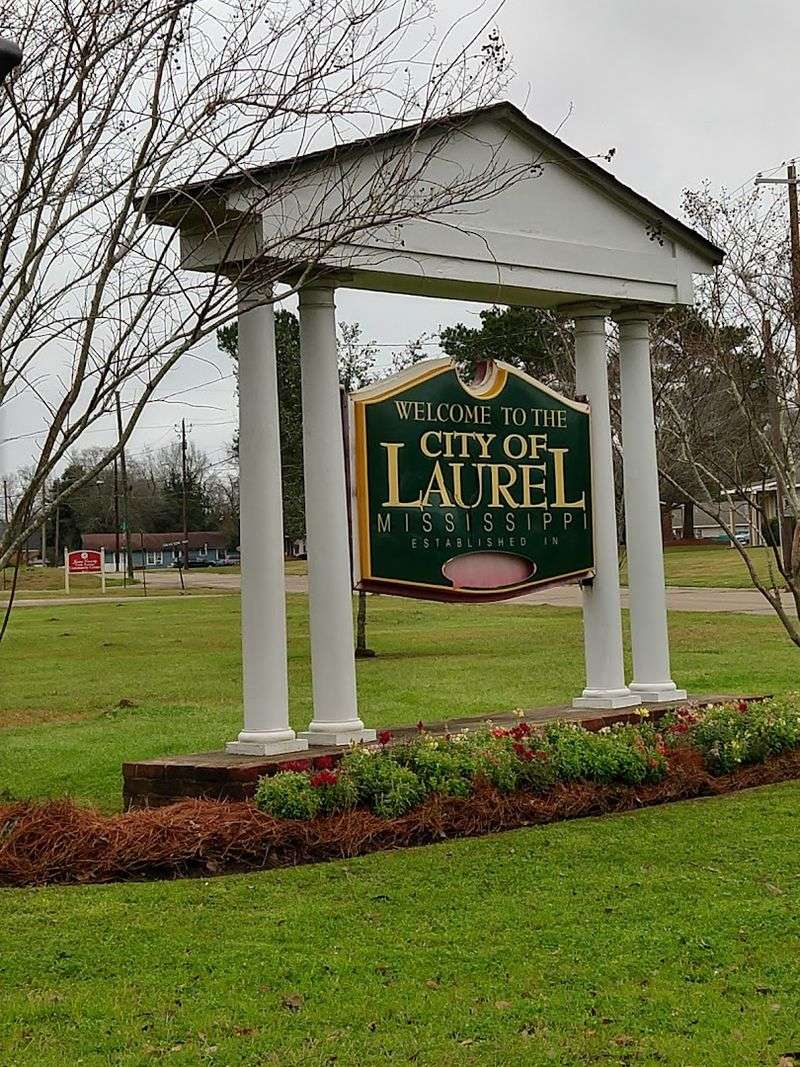
Laurel, Mississippi sits in Jones County, northeast of Ellisville, and carries the distinction of being the second county seat of its region. With a population of around 17,161 as of the 2020 census, it is a compact city with a story much larger than its size suggests.
You can find more information at laurelms.com.
The city became a household name thanks to Ben and Erin Napier, the husband-and-wife duo behind the HGTV show “Home Town.”
Their genuine love for Laurel came through on screen, and America responded with curiosity and road trips. Visitors now arrive hoping to see the homes featured on the show and walk the streets they watched being transformed.
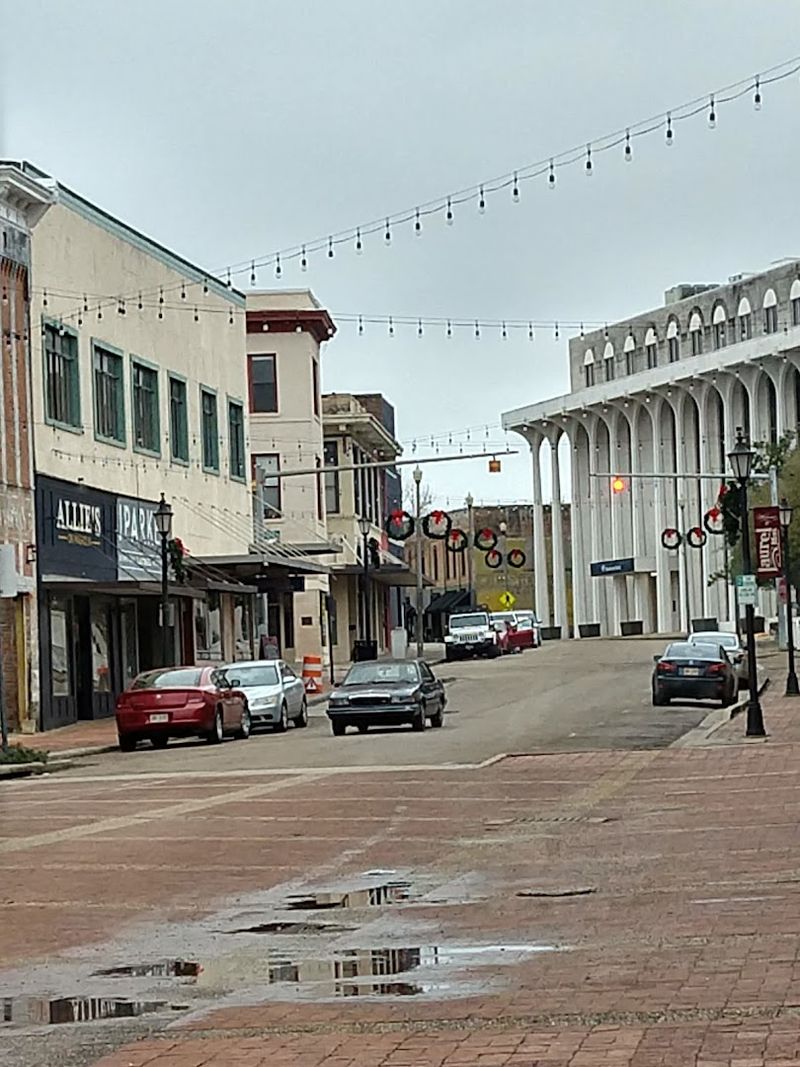
What they find is a real city with real people, real history, and real complexity. The downtown area has genuine charm, with restored architecture and locally owned shops that give it personality.
Laurel is a majority-minority city, with 65 percent of residents identifying as African American.
That cultural richness is woven into the fabric of the community and deserves far more recognition than it typically receives from outside observers passing through for a weekend.
Charm With A Price Tag
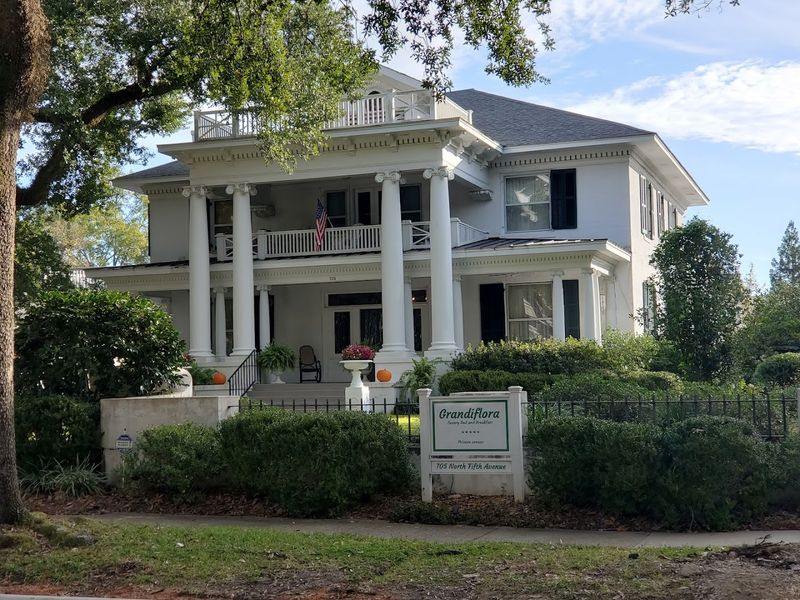
Real estate in Laurel tells a complicated story. The renovation boom sparked by television exposure has made the city more attractive to outside buyers and investors.
Historic homes that once sat vacant or undervalued have been snatched up and restored to their former character. That is genuinely good news for the buildings themselves.
For long-time residents, though, the math has gotten harder. Rising housing prices have made it more difficult for families who grew up in Laurel to afford homes in the same neighborhoods their parents lived in.
Gentrification does not always arrive wearing a hard hat and carrying a hammer, but in this case, it kind of did.
The tension is real and worth acknowledging. A city with approximately one-third of its population living below the federal poverty line cannot fully celebrate a housing boom when that boom pushes ownership further out of reach for its most vulnerable residents.
The restored homes are beautiful. The boutique storefronts are photogenic.
But beauty and accessibility do not always walk hand in hand, and in Laurel, that gap between the polished surface and the daily reality is something locals feel deeply and tourists rarely notice.
Downtown On A Good Day
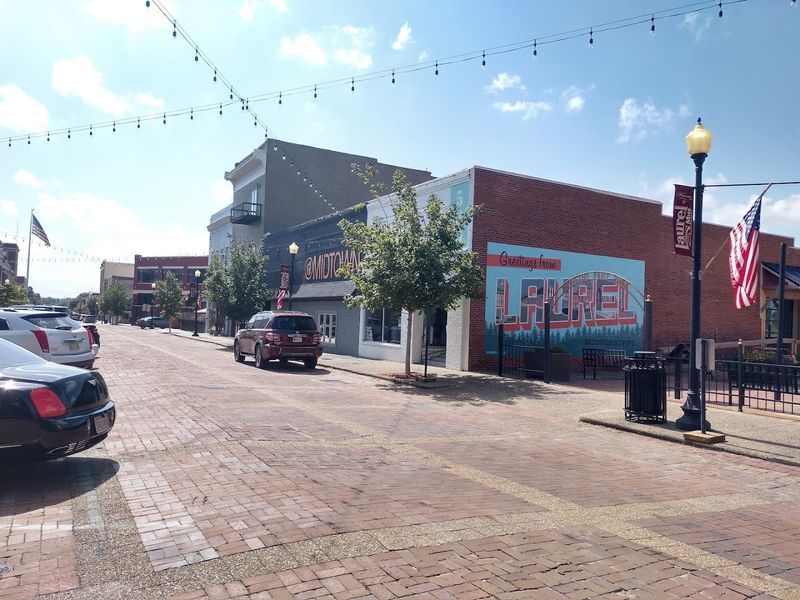
On a sunny weekday afternoon, downtown Laurel has a pleasant, unhurried energy. The restored buildings give the main corridor a sense of dignity that took years of effort to reclaim.
Local shops carry handmade goods, regional art, and the kind of products you actually want to browse without feeling rushed.
The visitor center is a useful stop for anyone arriving without a plan. Staff there can point you toward featured filming locations, local restaurants, and community events happening throughout the year.
The museum component adds historical context that makes the whole experience feel grounded rather than purely commercial.
Here is the honest part that every travel writer should say out loud: motivated visitors can genuinely experience the highlights of downtown Laurel in a single afternoon. That is not a criticism so much as a calibration.
Come expecting a charming, walkable small-city downtown and you will leave satisfied. Come expecting a multi-day metropolitan adventure and you may find yourself recalculating.
The city rewards visitors who slow down, talk to locals, and resist the urge to treat it like a theme park. Laurel is a real place, and real places always offer more than a checklist can capture.
The Show Behind The Spotlight
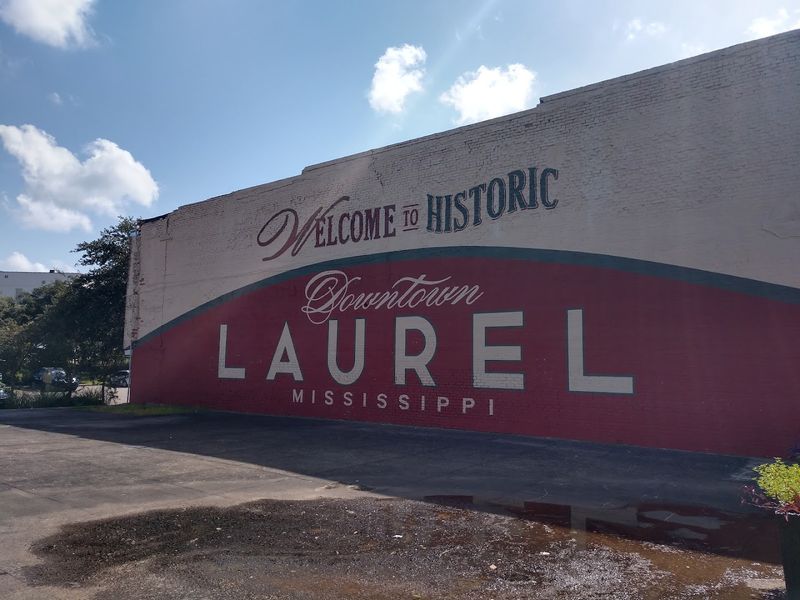
“Home Town” did something rare for a renovation show. It made viewers fall in love with a place, not just a property.
Ben and Erin Napier came across as genuine advocates for their community, and that authenticity drove millions of people to search for Laurel on a map. The show sparked real investment and real pride among many residents.
At the same time, television is selective by nature. A camera crew highlights what is photogenic and compelling, and Laurel has plenty of both.
What does not always make the edit is the fuller picture of a city where poverty, inequality, and racial disparity are daily realities for a significant portion of the population.
Some long-time residents have expressed frustration that the version of Laurel seen on screen feels curated in ways that can mislead visitors and oversimplify a complex community. The concerns are not directed at the Napiers personally, who appear to genuinely care about the city.
The concern is about what happens when a real place becomes a brand. Branding requires simplification, and simplification always leaves something out.
In Laurel’s case, what gets left out matters to a lot of people who live there year-round.
Culture Runs Deeper Than HGTV
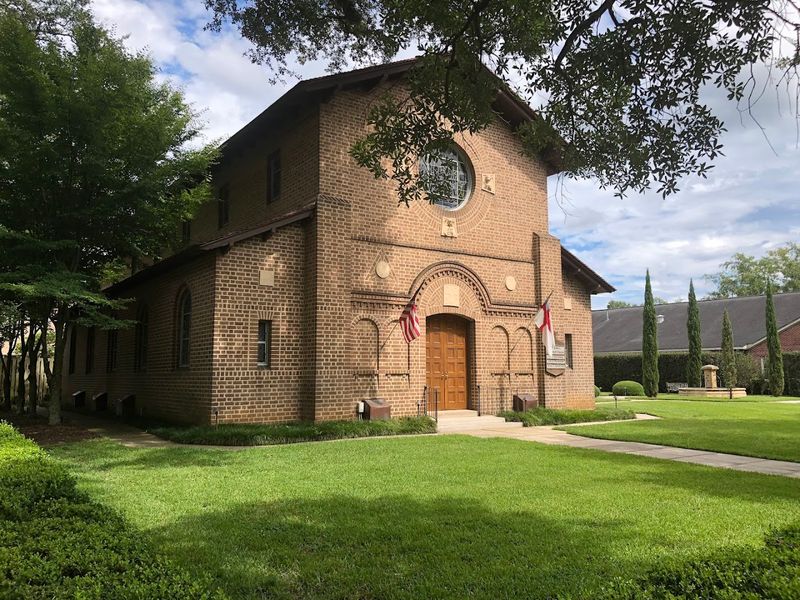
Laurel’s cultural identity stretches back long before any television network took an interest. The city has a rich African American heritage that shaped its music, its food traditions, its churches, and its community institutions.
That history deserves its own spotlight, completely separate from any home renovation narrative.
With 65 percent of the population identifying as African American, Laurel is a majority-minority city in the truest sense. The cultural contributions of that community are woven into everything that makes the city worth visiting.
Local churches have served as community anchors for generations. Community gatherings, regional festivals, and neighborhood traditions carry weight that no HGTV segment can fully capture.
Visitors who arrive only seeking the show’s featured locations are missing the richer, more textured version of Laurel that exists beyond the curated tour.
Conversations with residents, visits to community-centered spaces, and genuine curiosity about local history will reward any traveler far more than a checklist of television-famous addresses.
The soul of Laurel does not live in a renovated kitchen or a shiplap accent wall. It lives in the people who have been here through every chapter, the good ones and the hard ones alike.
Food Worth The Drive
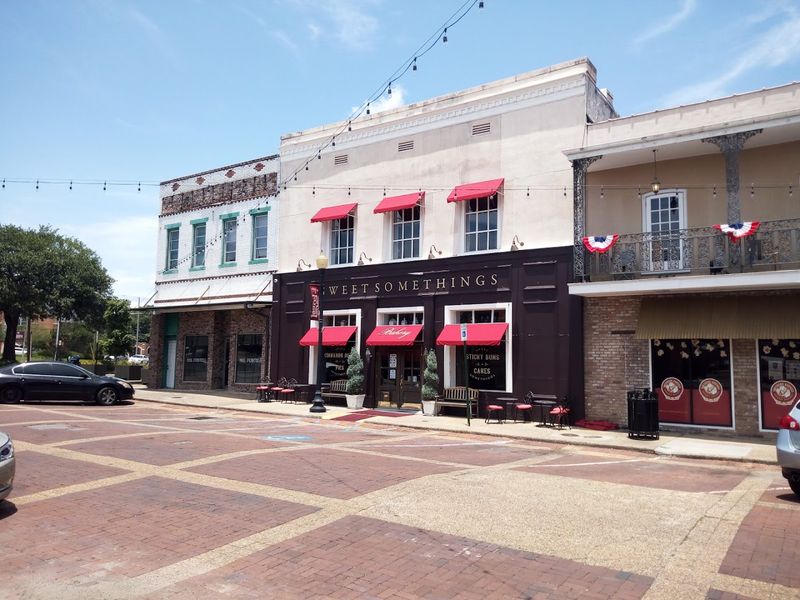
Southern cooking in Laurel carries the kind of flavor that no food trend can replicate. Local restaurants serving traditional Mississippi comfort food offer meals that feel like someone actually thought about what you were going to eat.
Fried chicken done properly, slow-cooked greens, and cornbread with real character are the kinds of dishes that make a drive worthwhile.
Some visitors arrive expecting every restaurant in town to be extraordinary based on television exposure. A few spots have become popular enough to draw lines, and not every one of them lives up to the wait.
That is true of any tourist-adjacent dining scene anywhere in the country. The better strategy is to ask a local where they actually eat on a Tuesday.
The restaurants that thrive without the benefit of camera exposure often serve the most honest food in town. Family-owned spots with laminated menus and sweet tea served in oversized glasses tend to deliver the most satisfying meals.
Laurel’s food scene is not pretending to be something it is not, and the places that stay true to that Mississippi tradition are the ones worth seeking out. Good food here is not performative. It is just good.
What Locals Actually Want You To Know
Long-time Laurel residents are not opposed to visitors. Most are proud of their city and genuinely happy to share it with curious travelers.
What they want is for those visitors to arrive with open eyes and realistic expectations rather than a television-shaped fantasy of what their hometown is supposed to look like.
The city has real challenges. Poverty affects a large portion of the population.
Certain areas remain under-resourced. The economic benefits brought by tourism have not reached every neighborhood equally.
Those are facts that coexist with the genuine beauty and progress that the revitalization has brought. Both things are true at the same time.
The most meaningful way to visit Laurel is to treat it like a community rather than a set. Spend money at locally owned businesses.
Talk to people who were born and raised there. Acknowledge that the full story of any place is always more complicated than what fits on a television screen.
Laurel, Mississippi is worth visiting, but it is worth visiting honestly. Come for the charm, stay for the complexity, and leave having learned something real about a city that has been through more than most people realize.
That kind of travel is always the most worthwhile kind.