
Mammoths And Ancient Seas Make This Wisconsin Museum Far More Fascinating Than You Might Expect
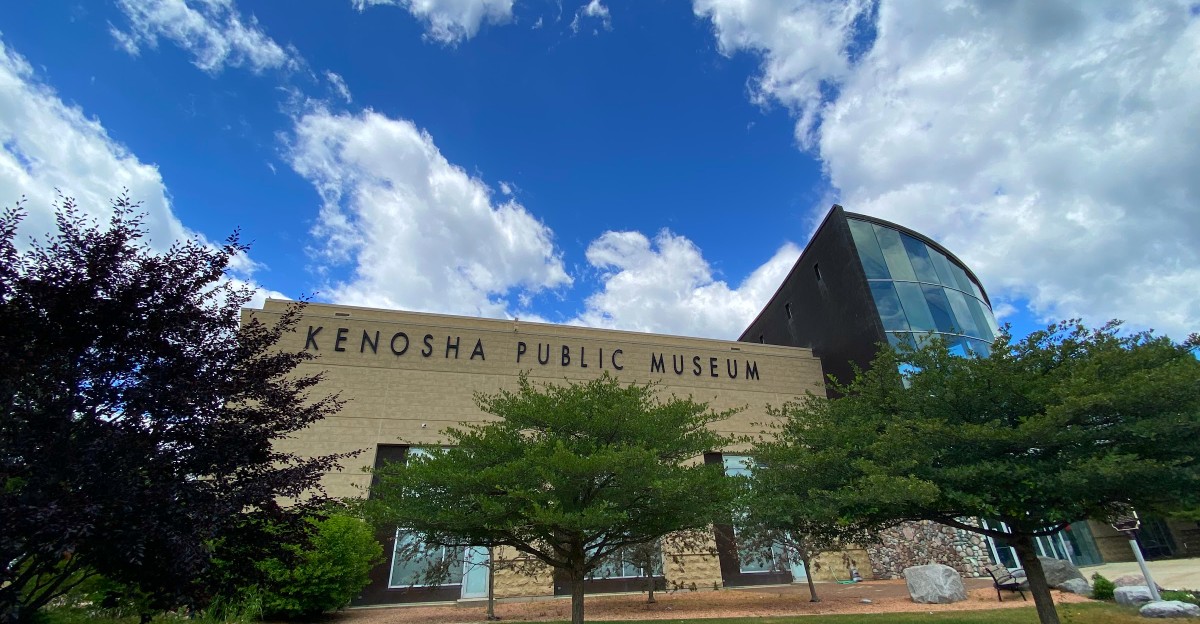
Long before farms, roads, and cities covered this part of the Midwest, warm seas stretched across the land. Strange marine creatures moved through the water, and millions of years later, massive Ice Age animals crossed a landscape shaped by glaciers.
Wisconsin’s ancient past feels surprisingly close at this museum. Fossils, mammoth displays, geology exhibits, and natural history collections show just how dramatically the region has changed over time.
You can trace the story from prehistoric seas to frozen landscapes and learn how scientists use rocks, fossils, and preserved specimens to piece together what came before us. The deeper you look, the more unexpected the story becomes.
This is the kind of museum that makes familiar ground feel completely different once you understand what happened there millions of years ago.
Ancient Oceans Once Covered The Ground You Stand On
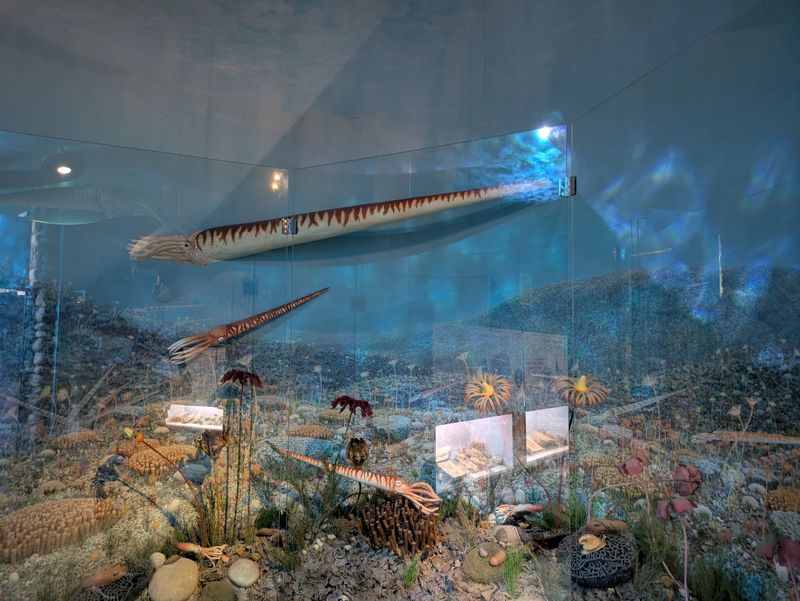
Picture a warm, shallow sea spreading across the Midwest. Millions of years ago, that was real life for the land we now call home. Sharks and strange sea creatures swam where farms and cities sit today.
The Kenosha Public Museum helps you understand this deep past through its natural history exhibits. You can learn how the region changed over time, from ocean floors to icy landscapes. The displays focus on local geology, so the story feels close and personal instead of far away.
You should take your time reading the panels about ancient seas. They explain how fossils form and why rocks in the area hold clues about ocean life.
Once you know this, a walk along the nearby lakeshore feels different. You start to imagine what might have been swimming there long ago.
For kids, this part of the visit works like a time machine. Ask them to guess what animals lived in these waters before reading the answers. It turns a simple exhibit into a fun guessing game.
Fun fact: sharks were already around before the first dinosaurs appeared. That makes them some of the oldest surviving groups of vertebrates on the planet.
Fossils Reveal Wisconsin’s Ancient Past
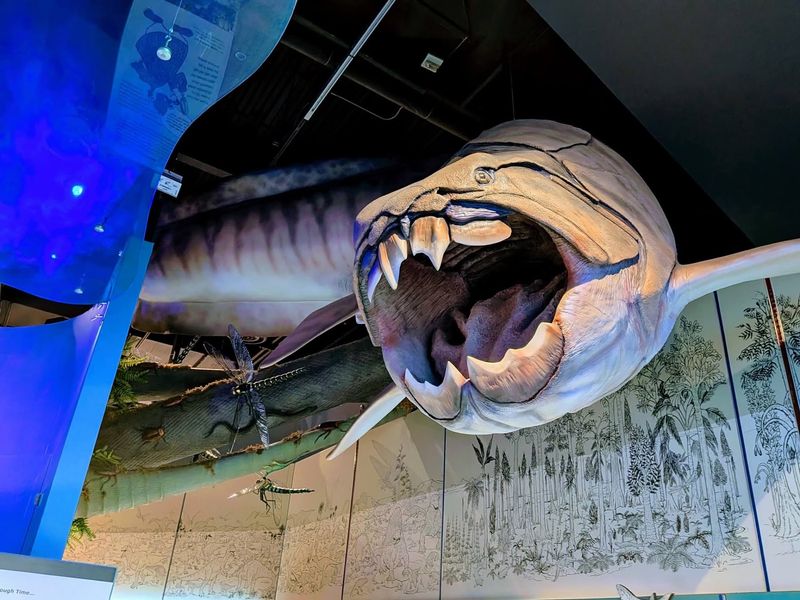
Fossils make Wisconsin’s distant past feel much more real. Long before farms, roads, and cities covered the landscape, this region looked completely different.
The Kenosha Public Museum uses fossils and geological displays to show how the environment changed over millions of years. Visitors can follow the story from ancient seas to much colder Ice Age conditions.
Small details in rocks can reveal a surprising amount. Fossils help scientists understand what kinds of creatures lived here, what the climate was like, and how the land changed over time.
You should look closely at the shapes and textures in the displays. Even a small fossil can hold clues about an environment that disappeared millions of years ago. That is part of what makes this section so interesting.
You are not just looking at old objects behind glass. You are seeing evidence of a Wisconsin that once looked almost nothing like the place outside the museum today.
Free Admission Makes Curiosity Easy
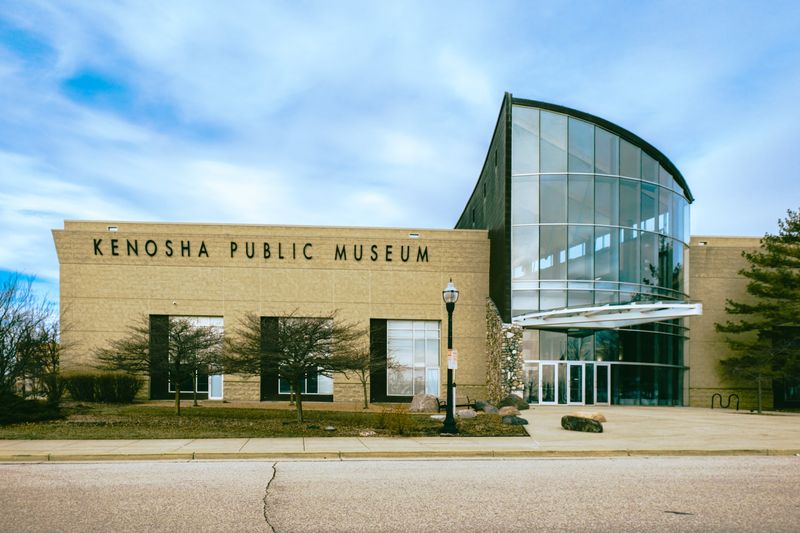
Good news comes first here. The Kenosha Public Museum offers free admission and free parking, which makes it simple to plan a spontaneous trip.
You will find the building at 5500 1st Ave, Kenosha, WI 53140, right along the shore of Lake Michigan. Hours run 10 AM to 5 PM Monday through Saturday, and 12 to 5 PM on Sunday. Calling ahead is smart if you want details about current exhibits.
Because there is no entry cost, you can visit more than once without worry. That matters when you are exploring a big topic like sharks and ocean history. You can focus on fossils one day and return later for art or local history.
You can keep the visit short or spend more time exploring both floors. If you have little ones with short attention spans, you can split the visit into smaller chunks.
You should also leave time for the lakefront walking trails nearby. After learning about ancient waters, standing beside one of the Great Lakes feels like the perfect way to connect the past with the present. Wisconsin really shines on a clear day by the water.
Hands-On Digs For Young Scientists
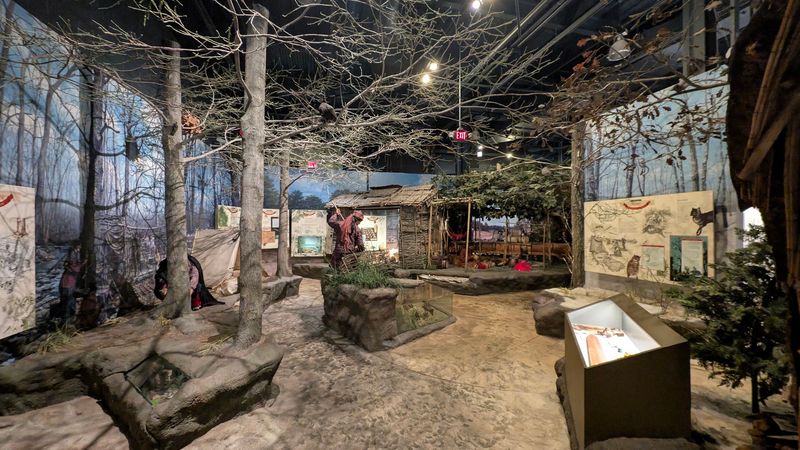
Kids do not have to spend the entire visit simply looking through display cases. The Kenosha Public Museum includes interactive elements that make natural history easier to understand.
Hands-on activities encourage younger visitors to slow down, look closely, and think about what they are seeing. Games and educational features help turn subjects like fossils, habitats, and animal adaptations into something more approachable.
You should encourage kids to ask questions as they explore. What kind of animal might have lived here? How did it survive? What clues can scientists find in fossils and rocks? Simple questions can turn a museum visit into a small science investigation.
The museum also offers educational programs and special activities at different times, so it is worth checking what is available during your visit. That mix of displays and interactive learning gives younger visitors something to do while helping the bigger ideas make sense.
Comparing Wisconsin Habitats With The Wider World
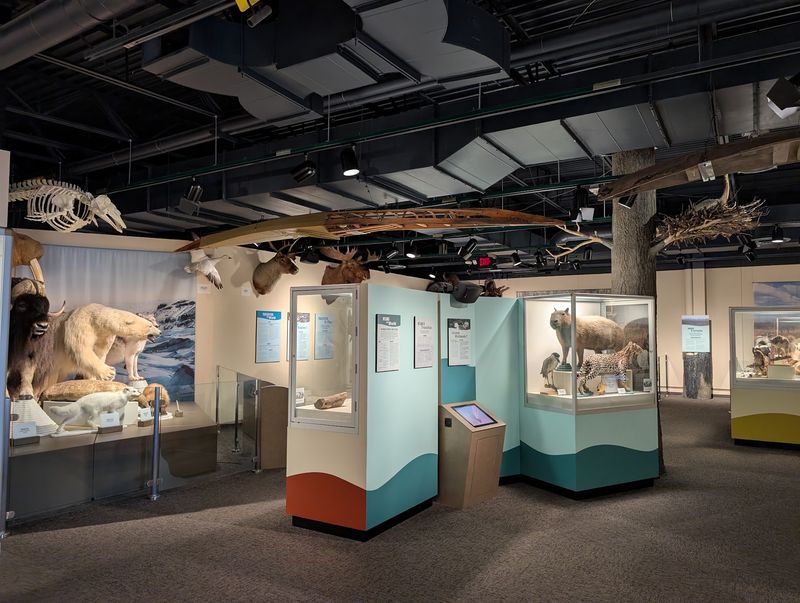
How does a lake in the Midwest compare to a coral reef? The Kenosha Public Museum answers questions like that through exhibits that place Wisconsin ecosystems next to similar habitats around the globe.
You can see how animals adapt to their surroundings, whether they live in forests, prairies, or water. The side-by-side approach makes differences easy to spot. It also shows surprising similarities between places thousands of miles apart.
This comparison helps you understand where sharks fit in the big picture. Ocean predators play a role much like wolves or eagles do on land. They keep populations balanced and ecosystems healthy.
You should look for patterns as you walk. Notice body shapes, colors, and features that help animals survive. A shark’s streamlined body and a fish in a local lake share some of the same smart designs for moving through water.
For families, this area sparks great conversations on the ride home about food chains, habitats, and why every creature matters.
Giants Of The Ice Age Take Center Stage
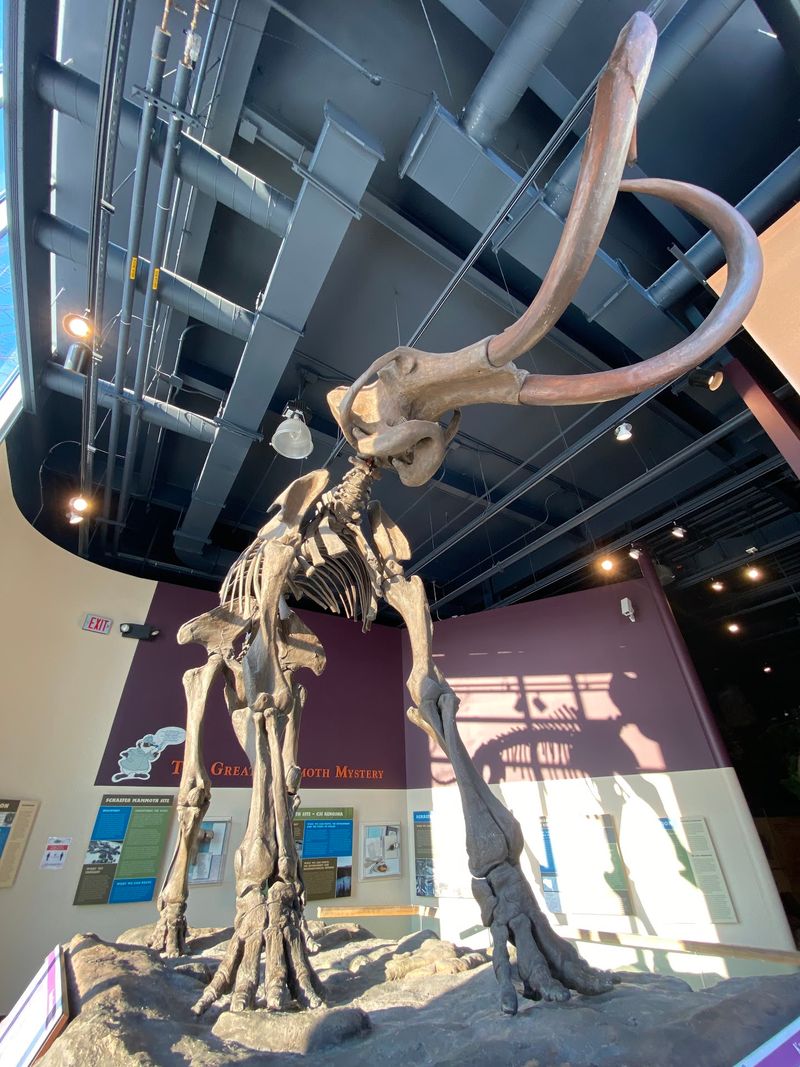
Sharks ruled the seas, but land had its own giants. One of the most memorable parts of the Kenosha Public Museum is its mammoth exhibition, centered on important finds from Kenosha County.
The mammoth connects to real history in southeastern Wisconsin. Remains of these huge animals have been found in the Kenosha area, which gives the display extra meaning. You are looking at a creature that once walked the same region you are standing in.
Seeing the mammoth after learning about ancient oceans helps you understand how much Earth has changed. First came warm seas full of sharks. Much later, glaciers moved in, and furry giants roamed the frozen land.
You should take your time exploring the mammoth displays from different angles. Different angles reveal the curve of the tusks and the sheer size of the legs. Kids love comparing their own height to the bones.
Did you know mammoths lived at the same time as early humans? Some scientists believe people hunted them. That link between animals and people makes this exhibit feel like a bridge between natural science and human history, and it is a highlight you will remember.
Rotating Exhibits Keep Every Visit Fresh

Something new is often waiting around the corner. The Kenosha Public Museum brings in traveling and rotating exhibits throughout the year, so the experience changes from season to season.
These special shows cover a wide range of topics. Some focus on science and nature, like prehistoric creatures and ocean life, while others highlight stunning art such as watercolor collections. The variety keeps both first-time guests and regulars coming back.
You should check the museum website before your trip. That way you can plan around a science, nature, history, or art exhibition that interests you. Exhibits do not stay forever, so timing matters.
There is also a fine and decorative arts gallery, while temporary exhibitions sometimes feature regional and student artists. Seeing school art hanging in a museum can inspire kids in a big way. It shows them their creativity counts too.
The Curiosity to Science exhibit is another favorite. It explains how museums grew from private collections tucked in drawers to public spaces for everyone.
That story helps you appreciate why places like this exist. Learning about sharks becomes part of a larger tradition of people wanting to understand and share the wonders of the natural world.
Why This Lakeside Treasure Deserves Your Time
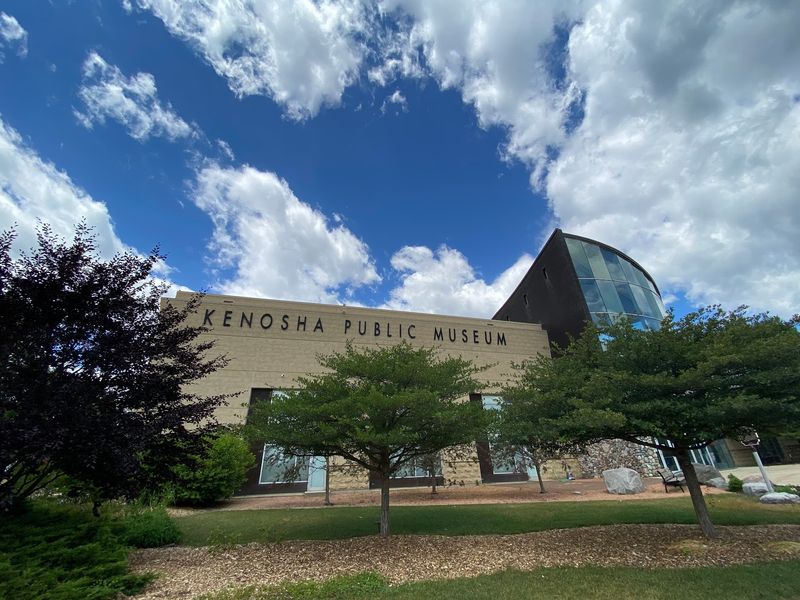
Great museums leave you with more questions than you came in with. The Kenosha Public Museum does exactly that, in the best way.
You get a clear picture of how life changed across millions of years. Ancient seas, fossils, mammoths, and local history all tie together into one story. It feels organized and easy to follow, even for younger visitors.
The building is clean, bright, and staffed by friendly people who care about the space. You can explore both floors at a relaxed pace. A small gift shop offers fun items, including some very popular socks, if you want a keepsake.
You should pair your visit with a stroll by Lake Michigan. The view reminds you that water has shaped this part of Wisconsin for ages. It is a peaceful way to end the day and think about everything you saw.
For families, couples, or solo explorers, this museum offers real learning without pressure. It rewards curiosity and gives you reasons to return. If prehistoric life fascinates you, or you simply enjoy discovering how this region came to be, this lakeside museum is a trip well spent.