
10 Massachusetts Areas Where Tick Encounters Are A Serious Summer Concern
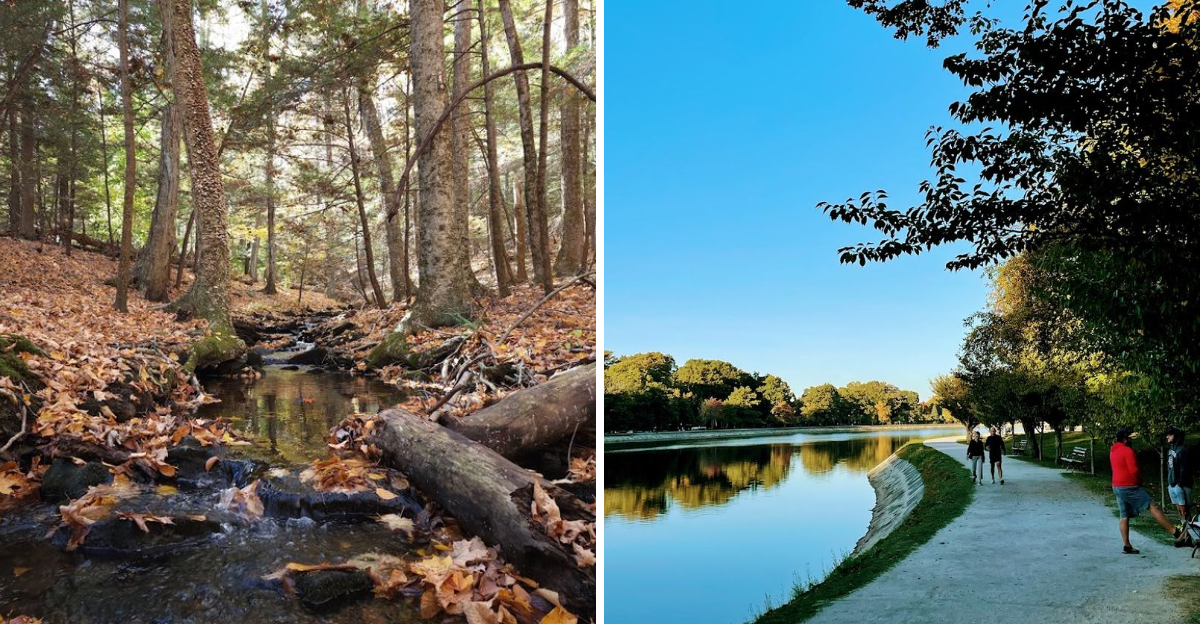
Summer in Massachusetts means beaches, hikes, and backyard barbecues, but there is a smaller, sneakier guest crashing the party this year. Ticks are having a big season, and they are not picky about where they show up.
Tall grass, wooded trails, and even quick walks near the yard can turn into an unexpected encounter. Some areas see this problem more than others, with certain regions reporting numbers high enough to catch national attention.
Doctors have already noticed an uptick in tick related visits this year, and outdoor lovers are taking notice too. The good news is that awareness makes a real difference.
Knowing where these tiny hitchhikers thrive can help you plan smarter, check more carefully, and enjoy the outdoors without constant worry.
This guide breaks down ten areas across the state where tick activity runs high, along with what makes each spot worth watching this season.
1. Cape Cod In Barnstable County
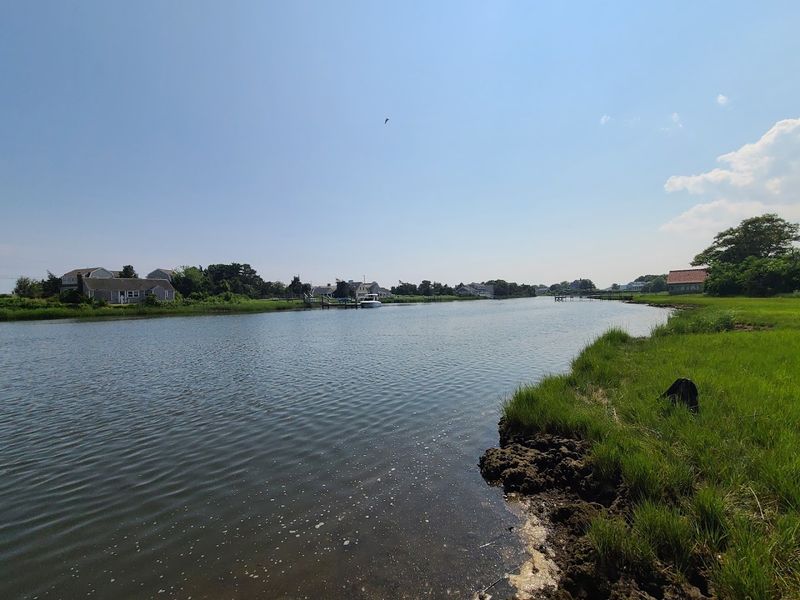
Miles of tall grass, salt marshes, and dense maritime forest make Cape Cod one of the most beautiful peninsulas in New England, but that same lush landscape is prime tick territory during the summer months.
Sandy Neck Beach Park in Barnstable stretches 6.5 miles along Cape Cod Bay, offering dunes, marshes, and wooded trails where deer ticks are commonly found.
Craigville Beach in Centerville draws swimmers and sunbathers, but the grassy edges of parking areas and paths are worth watching carefully before you settle in.
Wearing long socks and light-colored clothing on any wooded trail here makes it far easier to spot a tick before it finds a comfortable spot on you.
Outdoor activities like kayaking, paddleboarding, and whale watching from Provincetown are generally lower risk, but hikes through shrubby coastal vegetation call for a thorough tick check afterward.
Heritage Museums and Gardens in Sandwich and the Cape Cod Lavender Farm in Harwich are gorgeous stops worth visiting, just remember to check yourself after wandering through those beautiful planted landscapes.
2. Plymouth County
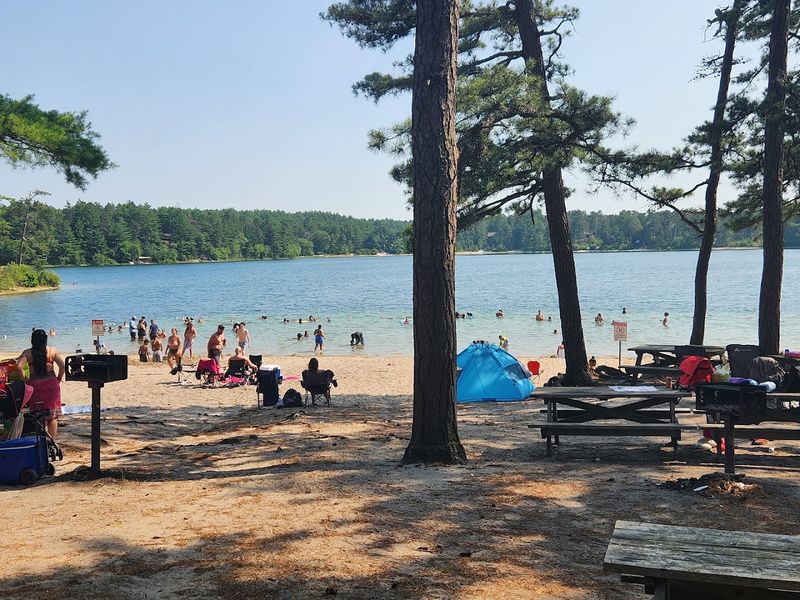
Plymouth County carries the weight of American history on its shoulders, from Plymouth Rock to the Mayflower II docked at the waterfront, but it also carries something less celebrated: a notably high tick population each summer.
Myles Standish State Forest, the largest public recreation area in Massachusetts, features 16 lakes, 15 miles of paved cycling paths, and 13 miles of hiking trails winding through thick woodland where ticks thrive in the underbrush.
Wompatuck State Park offers mountain biking and camping opportunities, both of which bring visitors into close contact with leaf litter and low vegetation where ticks prefer to wait.
Worlds End Reservation in Hingham rewards hikers with sweeping harbor views and marsh scenery, but the tall grasses along its paths are classic tick habitat.
A quick tick check after any hike here is a simple habit that can prevent a lot of trouble down the road.
Plymouth County is absolutely worth exploring for its deep history and natural beauty, and a little preparation goes a long way toward keeping your adventure worry-free.
3. The South Coast In Bristol County

The South Coast of Bristol County has a rugged, unhurried charm that draws hikers, paddlers, and history lovers every summer, but its sprawling forests and coastal marshes also make it one of the tick-friendlier regions in the state.
Freetown-Fall River State Forest covers 5,441 acres of varied terrain, including dense woodland, river corridors, and shrubby clearings where deer ticks are frequently active from late spring through early fall.
Demarest Lloyd State Park in Dartmouth offers peaceful salt marsh walks with stunning views, and while the scenery is hard to beat, the marsh edges are exactly the kind of environment where ticks love to linger.
Fort Phoenix Beach State Reservation in Fairhaven combines historic fortifications with harbor views, and the surrounding vegetation areas are worth a careful inspection after your visit.
The New Bedford Whaling Museum and Buttonwood Park summer concerts are wonderful urban experiences that carry lower tick risk, making them great complements to your outdoor adventures.
Packing a tick removal tool alongside your sunscreen is a small move that makes a big difference when exploring this gorgeous stretch of southern Massachusetts coastline.
4. The Berkshires In Berkshire County
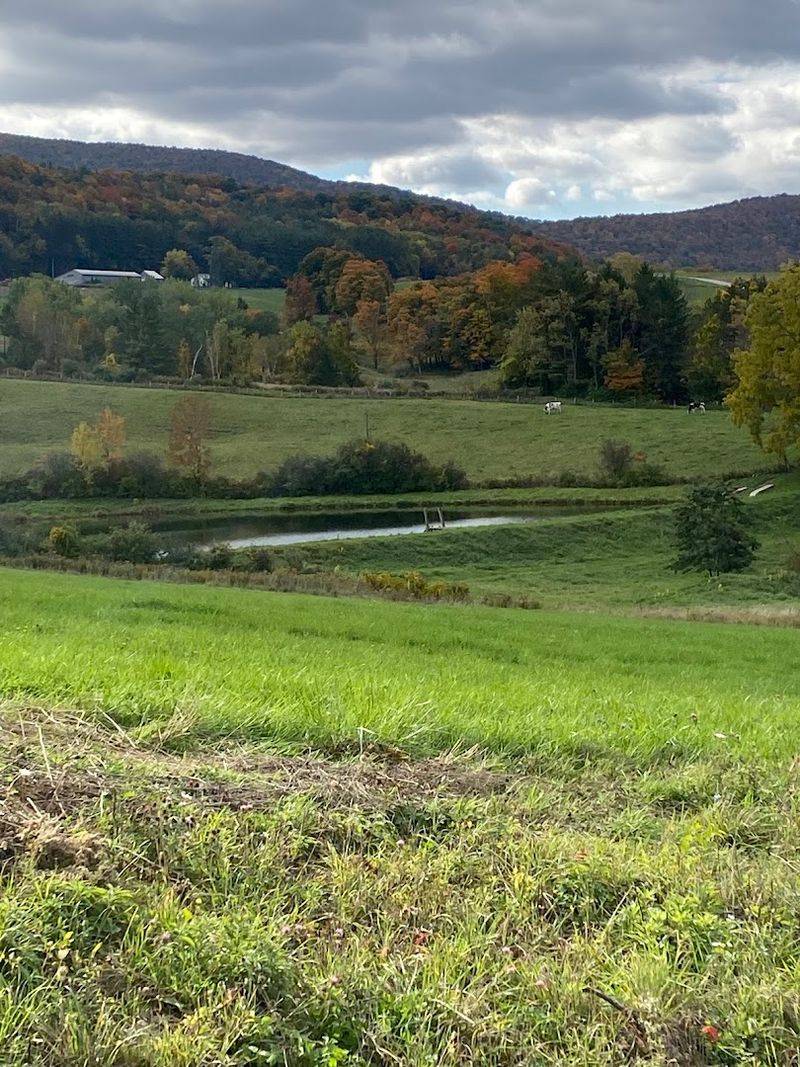
Few places in Massachusetts combine world-class culture with breathtaking wilderness quite like the Berkshires, but the same dense forests and mountain meadows that make Berkshire County so spectacular also create ideal conditions for tick activity.
Mount Greylock State Reservation, the highest point in Massachusetts, offers panoramic views and trails for every skill level, though the lower wooded sections are where tick encounters are most likely.
Sections of the Appalachian Trail passing through Berkshire County wind through tall grasses and thick shrub layers, so trekkers should tuck their pants into their socks and check carefully after any hike.
Tanglewood in Lenox hosts the Boston Symphony Orchestra in an iconic outdoor setting, and while lawn concerts are generally low risk, the surrounding wooded grounds deserve a quick inspection before you spread out your blanket.
MASS MoCA in North Adams and The Clark Art Institute in Williamstown offer tick-free cultural escapes that balance perfectly with the outdoor adventures this county is known for.
Bringing insect repellent with DEET to any trail in the Berkshires is one of the smartest packing decisions you can make for a summer trip here.
5. Franklin County

Quiet and genuinely stunning, Franklin County in Western Massachusetts holds a special kind of magic, from the flowering pedestrian Bridge of Flowers in Shelburne Falls to the butterfly-filled Magic Wings Conservatory in South Deerfield.
But, its natural beauty comes with a summer caveat worth knowing.
The county is crisscrossed with Audubon trails, river corridors, and forested hillsides, all of which offer outstanding outdoor recreation and, unfortunately, prime conditions for tick activity during warm months.
Canoe and kayak trips along the Connecticut River Valley are popular here, and while being on the water keeps you away from tick habitat, any riverside rest stop in tall grasses or brush is worth a careful check.
Historic Deerfield Village operates as a living outdoor museum in a landscape of open fields and old trees, where tick awareness is just as relevant as it would be on any forest trail.
The Great Falls Discovery Center in Turners Falls offers educational indoor exhibits that pair nicely with outdoor walks along the riverbanks, where staying on marked paths reduces your exposure significantly.
Franklin County rewards the curious traveler endlessly, and a few extra minutes of tick prevention keeps every adventure here squarely in the fun column.
6. Hampshire County
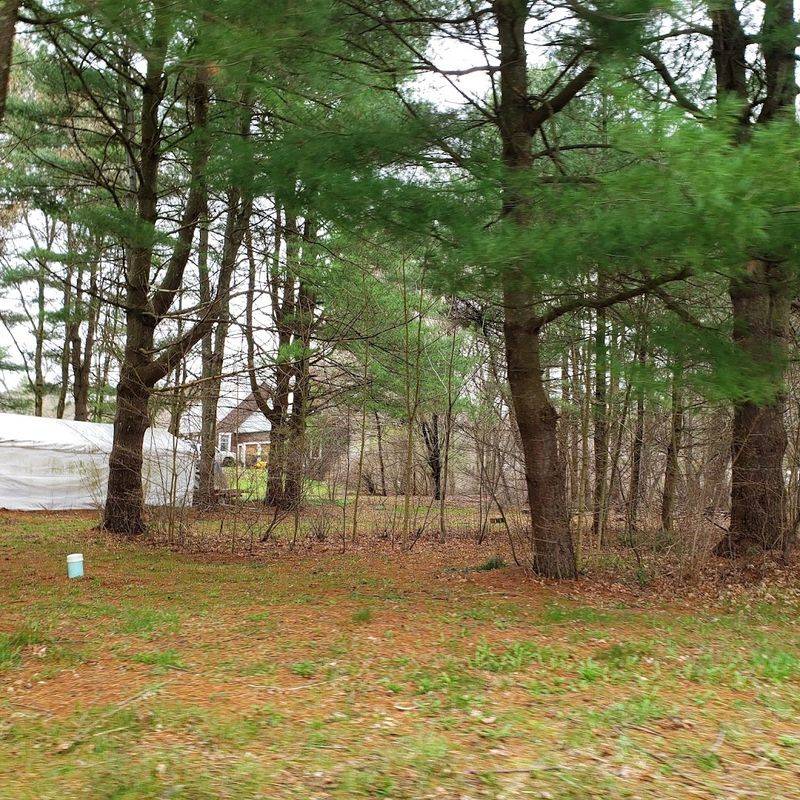
Hampshire County has a lively, creative energy that flows from its college towns into its countryside, but the rolling hills, forested ridges, and river meadows that define this part of Western Massachusetts also support a healthy tick population each summer.
Mount Holyoke Range State Park and Skinner State Park both offer spectacular ridge hiking with sweeping valley views, and the brushy lower slopes and stream corridors are exactly where tick encounters tend to happen most often.
Amherst and Northampton are vibrant college towns with thriving arts scenes, including the Smith College Museum of Art and the Eric Carle Museum of Picture Book Art, both of which offer a pleasant break from tick-prone outdoor environments.
The Emily Dickinson Museum in Amherst sits on beautifully maintained grounds that are worth exploring, though the garden edges and surrounding wooded areas call for the usual precautions.
Mountain biking, kayaking, and paddleboarding are popular activities throughout the county, and staying on hard surfaces or open water naturally reduces tick exposure compared to trail hiking through dense vegetation.
Hampshire County is one of Massachusetts’ most rewarding regions to explore, and a thorough tick check at the end of each day keeps it that way.
7. Martha’s Vineyard In Dukes County

Martha’s Vineyard sits just five miles off the southern Massachusetts coast, and its blend of sandy beaches, state forests, and wildlife refuges makes it one of the most beloved island destinations in New England.
However, island life does not make ticks any less of a concern here.
Felix Neck Wildlife Sanctuary is a wonderful spot for nature lovers, offering trails through meadows and coastal woodland where ticks are active throughout the summer season.
The island’s state forests and walking trails through shrubby heathland are particularly high-risk areas, and wearing long pants tucked into socks is a smart habit whenever you venture off the sandy beach paths.
Edgartown, the largest town and seat of Dukes County, features beautiful streets lined with historic sea captains’ houses and the striking Whaling Church, offering a more urban experience with lower tick exposure.
Oak Bluffs draws visitors to its famous gingerbread cottages and the Flying Horses Carousel, the oldest operating carousel in the country, which is a delightful tick-free experience the whole family can enjoy.
With five lighthouses to visit and miles of open beach to roam, Martha’s Vineyard offers plenty of ways to enjoy summer while keeping your tick awareness sharp.
8. Nantucket

Thirty miles out to sea from Cape Cod, Nantucket feels like a world apart, with cobblestone streets, cedar-shingled cottages, and over 80 miles of pristine public beaches that make it one of the most charming summer destinations in all of Massachusetts.
What fewer visitors expect is that Nantucket also has one of the highest rates of tick-borne illness in the state, largely due to its dense deer population and the extensive shrubby heathland that covers much of the island’s interior.
Conservation areas and open heathland trails are particularly high-risk environments here, and the island’s compact size means you can quickly transition from a cobblestone street to a tick-heavy scrub path without realizing it.
Children’s Beach and Jetties Beach are calm, family-friendly spots where the open sand offers a lower-risk setting, while Cisco and Madaket attract surfers to rougher Atlantic shores with similarly open environments.
The Nantucket Whaling Museum, which chronicles 400 years of maritime history, offers a fascinating indoor experience that pairs well with a responsible approach to outdoor exploration.
Checking yourself thoroughly after any walk through Nantucket’s heathland or conservation areas is a non-negotiable habit that keeps this island paradise exactly as magical as it looks.
9. Norfolk County
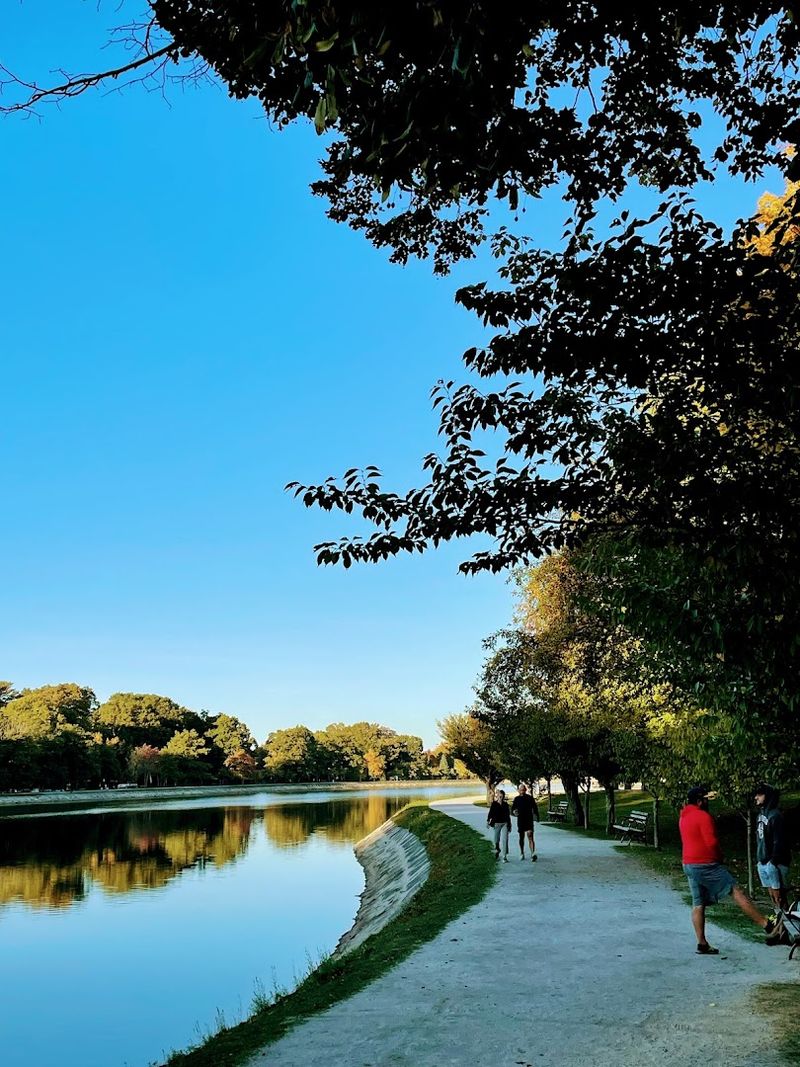
Norfolk County offers a peaceful rural character that feels surprisingly removed from the nearby metropolitan buzz, and its extensive conservation lands are a genuine treat for outdoor enthusiasts.
Stony Brook Wildlife Sanctuary, managed by Mass Audubon, covers 250 acres of forest, fields, and wetlands around a scenic millpond, and its trails wind through exactly the kind of habitat where ticks are most active during summer months.
A 500-foot boardwalk through the sanctuary’s marsh offers extraordinary views of turtles, herons, and dragonflies, and while the boardwalk itself keeps you above the vegetation, stepping off the path into the tall grass is where tick encounters become more likely.
The Lind Farm Conservation Area features a popular network of singletrack mountain biking trails, including a main loop stretching over four miles, and riders moving quickly through the brush should do a full tick check after each session.
Norfolk County’s historic town center around Town Hill reflects its 1870 incorporation with a quiet, preserved charm that is lovely to walk through and generally lower risk for tick exposure.
Pack your insect repellent, hit the trails, and let Norfolk County’s understated natural beauty do the rest.
10. Hampden County
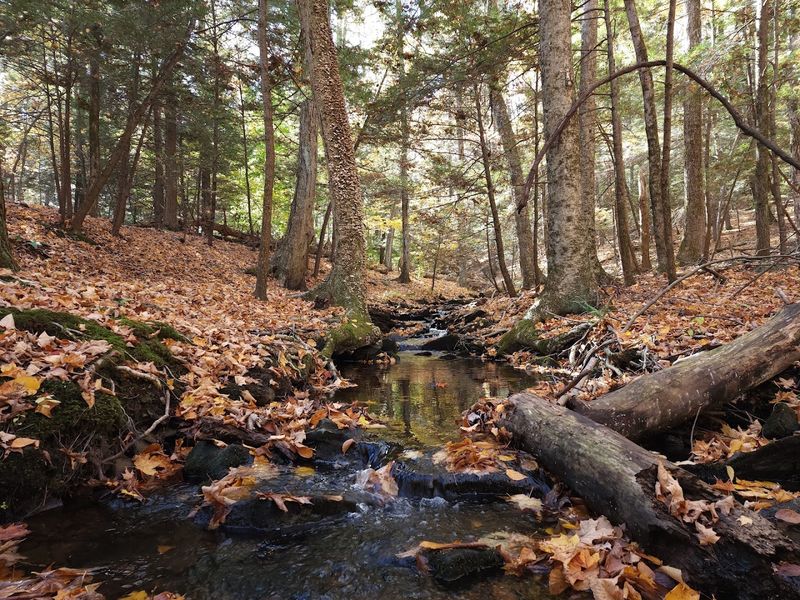
Hampden County anchors the southern end of the Pioneer Valley with a compelling mix of urban energy and open wilderness. Both sides of that equation come with their own summer experiences, including a tick season that outdoor visitors should plan around.
Mount Tom State Reservation rises to a traprock summit at 1,202 feet, offering expansive views across the Connecticut River Valley from trails that cut through dense mixed forest, which is classic tick habitat from late spring through early fall.
Forest Park in Springfield is one of the largest urban municipal parks in the United States at 735 acres, and its carriage-style paths and wooded picnic areas are beautiful but warrant the usual tick precautions during warm months.
Robinson State Park in Agawam follows the Westfield River through 1,025 acres of diverse forest, with walking and biking trails, a swimming pond, and picnic areas that bring families into direct contact with brushy, tick-friendly vegetation.
Springfield’s cultural attractions, including The Amazing World of Dr. Seuss Museum and the Springfield Armory National Historic Site, offer wonderful indoor experiences that balance the outdoor adventure side of Hampden County beautifully.
Knowing where ticks hide in this dynamic county means you can explore all of it with confidence, curiosity, and just the right amount of caution.