
This Forgotten Texas Desert Town Looks Like A Real-Life Western Movie Set
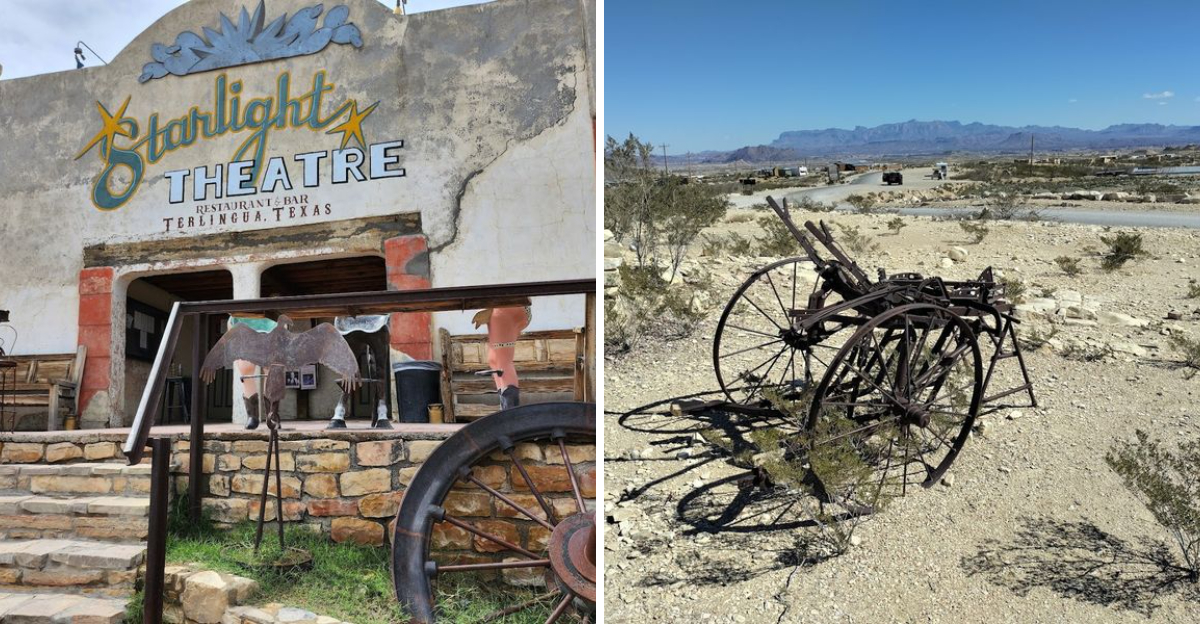
Dust, silence, and roofless adobe walls make this far-west settlement feel less like a tourist stop and more like a scene waiting for a gunslinger. Texas history runs deep here, carved into rust-colored hills where miners once chased cinnabar beneath a brutal desert sun.
During the boom years, hundreds of workers filled the camps, hauled ore, and kept furnaces burning around the clock. Then the market collapsed, the company folded, and the town emptied almost overnight.
What remains is raw, weathered, and strangely cinematic. Visitors wander past crumbling homes, old foundations, and a cemetery that still holds stories of hardship.
No stage set could fake this much character. The desert did the aging, and it did it almost too perfectly.
Cinnabar Mining Put Terlingua On The Map
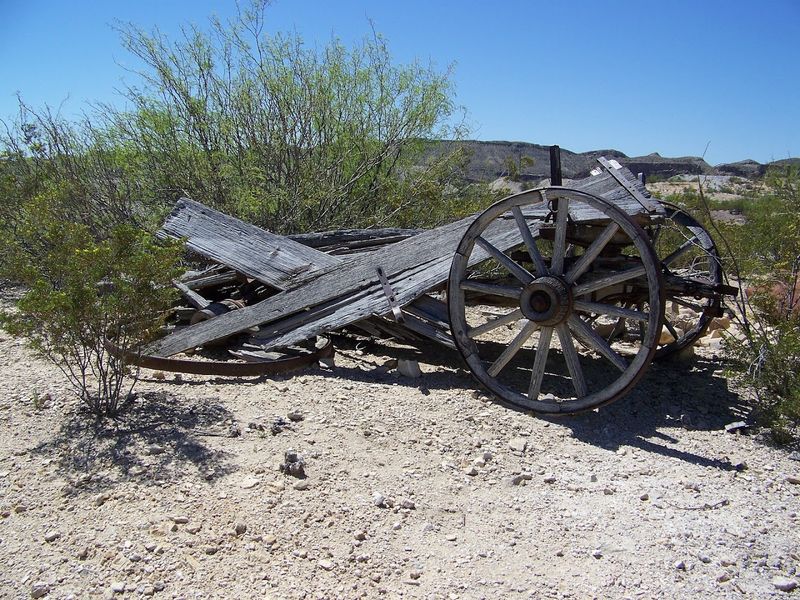
Cinnabar ore brought fortune seekers to this desolate corner of Brewster County during the late 1800s. The bright red mineral contains mercury sulfide, which miners heated to extract quicksilver used in everything from scientific instruments to explosives.
Terlingua’s deposits proved exceptionally rich, drawing prospectors willing to endure scorching summers and bitter winters.
The mining process required backbreaking labor in brutal conditions. Workers dug shafts into the limestone hills, hauled ore to the surface, then processed it in furnaces that released toxic mercury vapors.
Despite the health risks, the promise of steady wages kept families coming to this isolated region.
By the early 1900s, Terlingua had become the most significant quicksilver producer in North America. The town’s reputation spread internationally as demand for mercury soared across industrial markets.
Those early cinnabar strikes transformed empty desert into a bustling mining community that would dominate the quicksilver trade for four decades.
The Chisos Mining Company Arrived In 1903
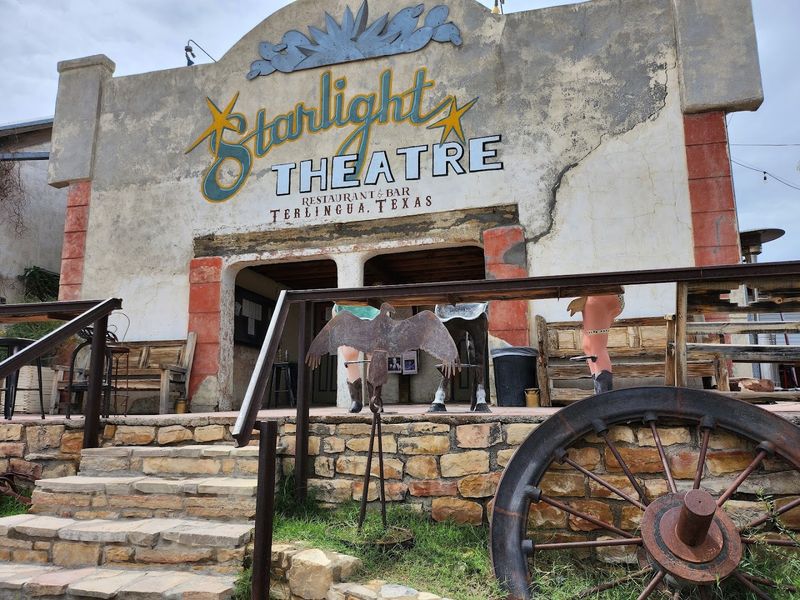
Howard Perry purchased the scattered mining claims around Terlingua in 1903 and consolidated them under the Chisos Mining Company. His Chicago-based operation brought industrial efficiency to what had been small-scale prospecting efforts.
Perry invested heavily in processing equipment, housing, and infrastructure to create a company town capable of large-scale production.
The Chisos Mining Company constructed furnaces, machine shops, and a general store that became the community’s commercial heart. Perry recruited experienced miners from Mexico and provided basic housing on the hillsides surrounding the mine entrances.
His business model created a self-contained operation where workers depended entirely on company resources.
Under Perry’s management, production increased dramatically as new shafts reached deeper ore deposits. The company employed hundreds of workers at its peak and shipped quicksilver to markets across the United States and Europe.
This corporate structure replaced the frontier mining camp with an organized industrial operation that would define Terlingua for the next four decades.
World War I Sparked A Quicksilver Boom
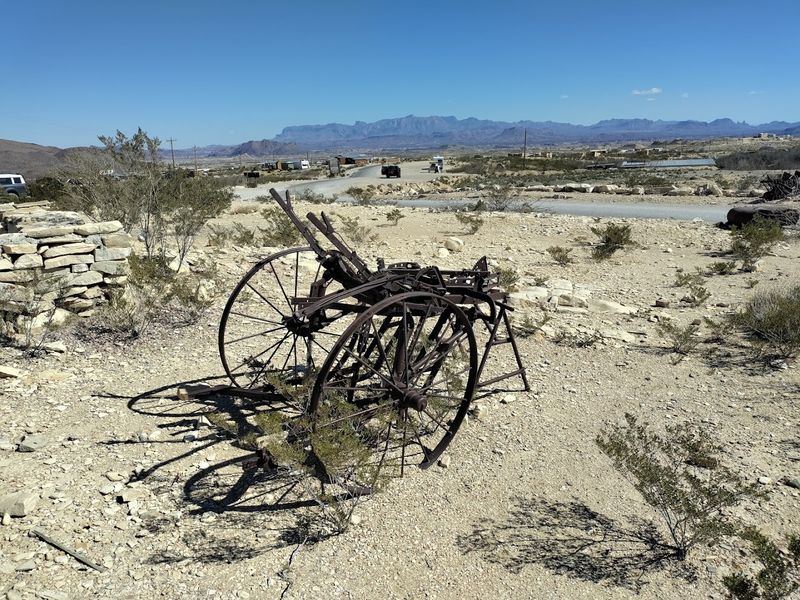
Military demand for mercury during World War I sent quicksilver prices soaring and transformed Terlingua into a boomtown. Armies needed mercury for detonators, weapons manufacturing, and chemical processes essential to the war effort.
The Chisos Mining Company ramped up production to meet the urgent demand from government contracts.
Hundreds of additional workers flooded into Terlingua as the company expanded operations across multiple shafts. The population swelled beyond a thousand residents as families occupied every available structure and new housing went up quickly.
Saloons, shops, and services opened to serve the growing community flush with wartime wages.
Production records fell year after year as miners worked extended shifts to extract maximum output. Terlingua became one of the most profitable mining operations in the American Southwest during this period.
The wartime boom brought unprecedented prosperity but also set the stage for eventual decline when peacetime reduced demand and prices collapsed in the following decades.
Roofless Miner Homes Still Cover The Hillside
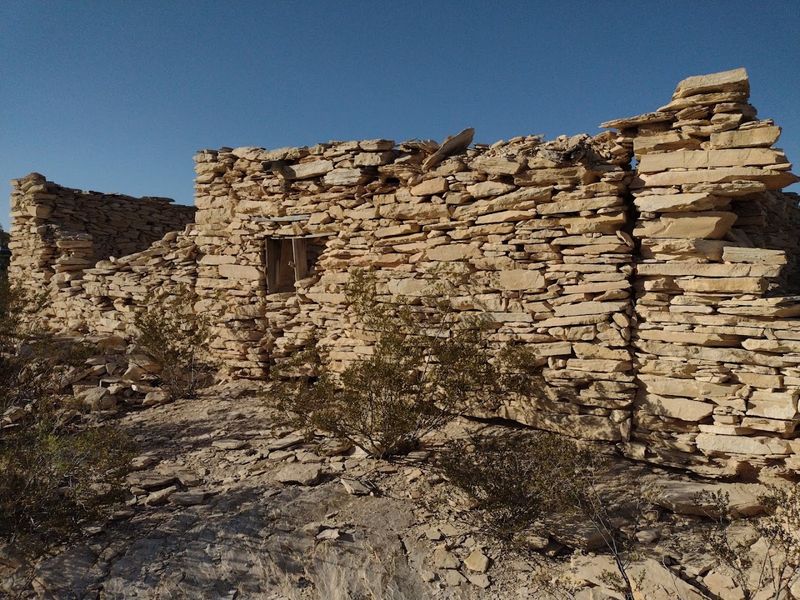
Dozens of roofless stone and adobe structures climb the slopes above the old mining operations. These simple dwellings housed the workers and families who endured Terlingua’s harsh conditions for steady employment.
Most consisted of just two or three rooms with dirt floors and minimal amenities, built from local materials that have weathered decades of abandonment.
Walking among these ruins reveals the stark reality of mining camp life. The homes sit close together on the hillside, offering little privacy but providing community support in an isolated location.
Small window openings face away from the afternoon sun, a practical design choice in the desert heat.
Many walls still stand remarkably intact despite losing their roofs to decay and scavenging. You can trace the floor plans and imagine families cooking, sleeping, and sheltering from dust storms within these spaces.
The scattered ruins create a haunting landscape that photographers and history enthusiasts find endlessly compelling at the ghost town located at Texas 79852.
The Mine’s Collapse Turned Terlingua Into A Ghost Town
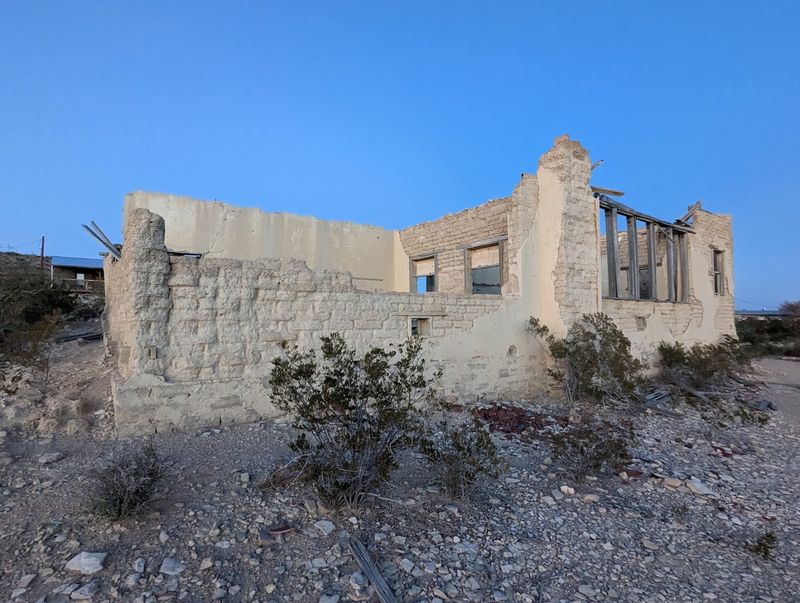
Economic forces brought Terlingua’s mining era to an abrupt end during the 1940s. Cheaper mercury sources from Spain and Italy flooded the market just as domestic demand declined after World War II.
The Chisos Mining Company struggled with falling prices, depleted ore deposits, and rising operational costs that made continued production unprofitable.
Howard Perry died in 1944, and his company ceased operations shortly afterward. Workers and their families faced impossible choices as paychecks stopped and the company store closed its doors.
Most packed whatever belongings they could carry and left for opportunities elsewhere, abandoning homes and possessions too cumbersome to transport.
Within months, Terlingua transformed from a working town into silent ruins. Buildings stood empty as desert winds scattered papers and debris through vacant rooms.
The population dropped from hundreds to just a handful of stubborn holdouts who refused to leave. This rapid abandonment preserved the ghost town in a state that remains largely unchanged eight decades later.
Perry Mansion Still Watches Over The Ruins
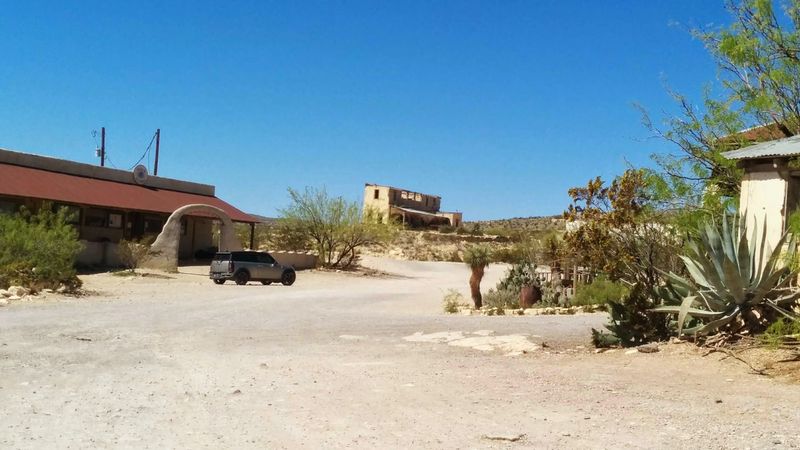
Howard Perry’s residence occupies a prominent hilltop position overlooking the mining operations and worker housing below. The two-story adobe structure represents the finest construction in Terlingua, built to accommodate the mine owner during his periodic visits from Chicago.
Its elevated location provided cooling breezes and commanding views of the entire operation.
The mansion’s thick walls and multiple rooms contrast sharply with the modest miner dwellings scattered across the hillsides. Decorative details and larger windows distinguish it from utilitarian company buildings.
Perry designed his residence to project authority and permanence in the remote desert setting.
Time and weather have taken their toll on the structure, but significant portions remain standing. Visitors can explore the exterior and peer through empty window frames into rooms where Perry conducted business and entertained guests.
The mansion serves as a powerful reminder of the class divisions that defined company town life, with management literally looking down on workers from above.
An Old Mining Church Survives In The Desert
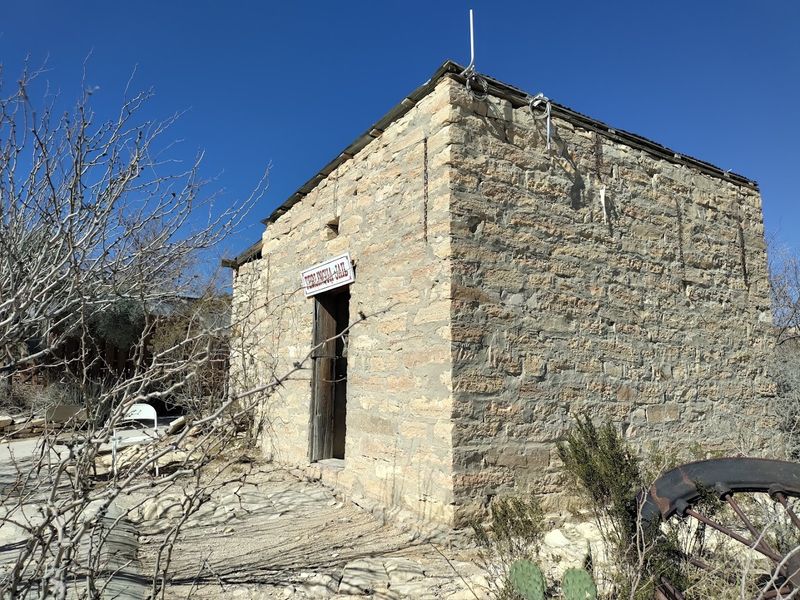
A small stone chapel provided spiritual comfort to Catholic miners and their families during Terlingua’s working years. The simple structure features thick walls, a modest bell tower, and narrow windows typical of desert mission architecture.
Regular services brought the community together for worship, weddings, baptisms, and funerals throughout the mining era.
The church building stands as one of the better-preserved structures in the ghost town. Its solid construction and sacred purpose may have protected it from the vandalism and scavenging that damaged other buildings.
The interior remains surprisingly intact, with traces of plaster still clinging to stone walls.
Standing inside the empty chapel, you can almost hear hymns echoing off the walls as sunlight streams through window openings. The church represents the faith that sustained families through dangerous work, poverty, and isolation.
Many descendants of Terlingua miners still visit this building to honor ancestors buried in the adjacent cemetery, maintaining a living connection to the ghost town’s past.
The Cemetery Preserves Terlingua’s Toughest Years
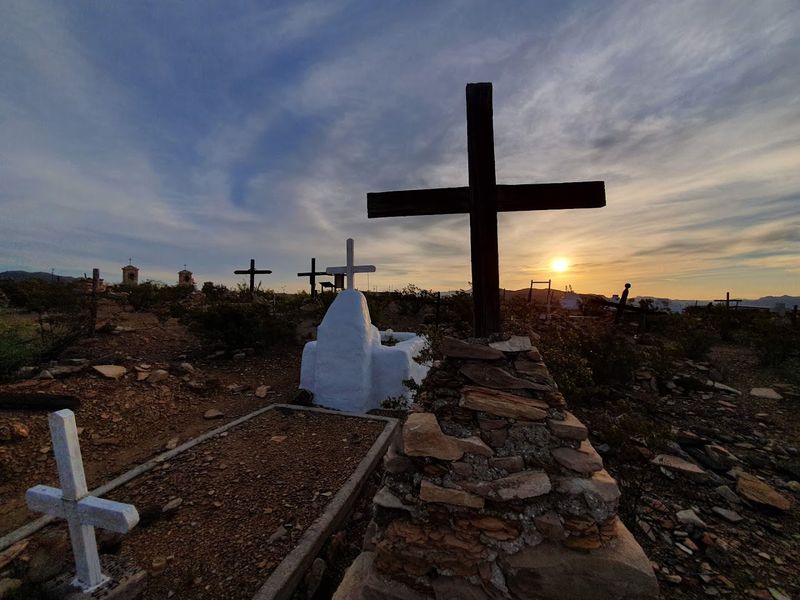
Terlingua’s cemetery tells the story of hardship through weathered headstones and simple markers. Mining accidents, disease, childbirth complications, and harsh living conditions claimed lives regularly during the boom years.
Many graves belong to children who succumbed to illnesses that would be easily treatable today, reflecting the limited medical care available in this remote Texas location.
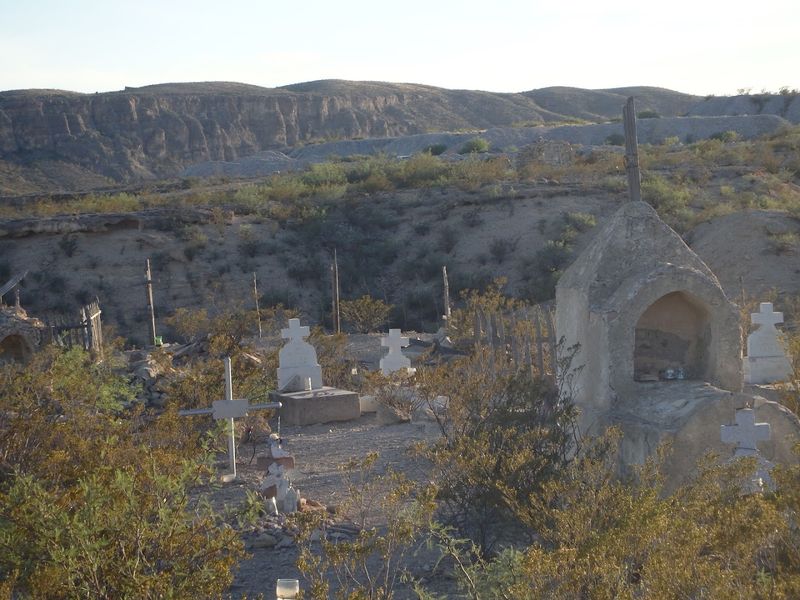
The burial ground sits on a rocky hillside with sweeping views of the Chisos Mountains. Wooden crosses, stone markers, and iron fences surround graves arranged without formal planning.
Some plots display elaborate Victorian-era metalwork, while others feature only rocks marking the burial spot of someone too poor for a proper headstone.
Visitors treat the cemetery with appropriate reverence, recognizing it as sacred ground where real families mourned genuine losses. Fresh flowers occasionally appear on graves, placed by descendants who travel to Terlingua to honor ancestors they never met.
The cemetery remains an active memorial rather than an abandoned relic, connecting past suffering to present remembrance.
Miles Of Mining Tunnels Run Beneath The Ground
An extensive network of shafts and tunnels spreads beneath Terlingua’s surface, following cinnabar veins deep into the limestone bedrock. Miners carved these passages by hand using picks, shovels, and explosives in dangerous conditions with minimal ventilation.
Some tunnels extend hundreds of feet underground, connecting to vertical shafts that brought ore to the surface.
Most mine entrances remain sealed or have collapsed naturally over the decades. Exploring these underground spaces would be extremely hazardous due to unstable rock, toxic residues from mercury processing, and the risk of getting lost in the dark maze.
Warning signs appropriately discourage curious visitors from attempting entry into accessible openings.
The tunnel system represents thousands of hours of brutal labor in cramped, dark conditions where cave-ins and gas pockets threatened workers constantly. Understanding what lies beneath the ghost town adds depth to the visible ruins above ground.
These hidden passages remind visitors that Terlingua’s story extends far below the surface structures tourists photograph today.
The Old Company Store Became A Trading Post
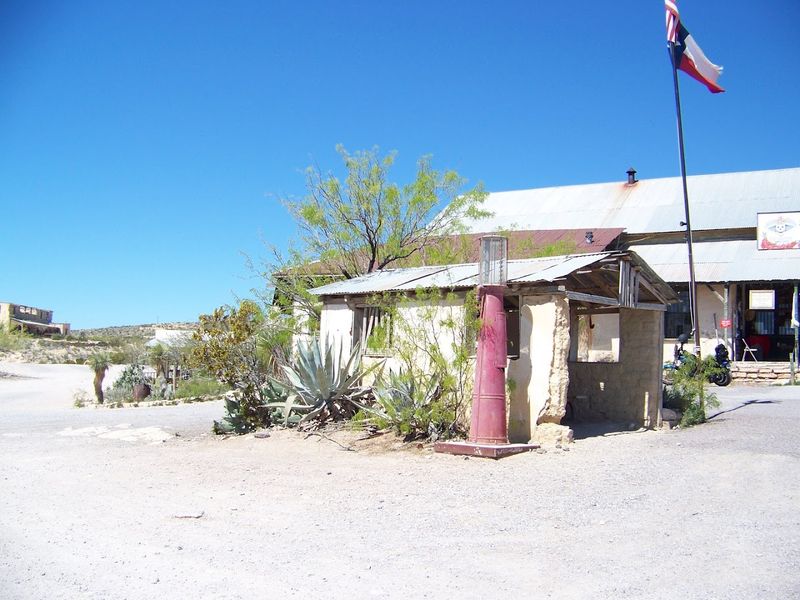
The Chisos Mining Company operated a general store that served as Terlingua’s commercial center during the boom years. Workers purchased food, clothing, tools, and household goods using company scrip rather than cash, creating a closed economic system that kept wages circulating within company control.
The stone building occupied a central location accessible to residents throughout the mining camp.
After the mine closed, the store building sat empty for years before entrepreneurs recognized its potential. The structure was eventually converted into the Terlingua Trading Post, which now sells books, souvenirs, local crafts, and supplies to ghost town visitors.
The renovation preserved much of the original architecture while adapting the space for modern retail use.
Operating a business in this remote location requires determination and resourcefulness similar to what early merchants faced. The trading post provides a gathering spot where tourists can purchase cold drinks, ask questions about the area, and learn more about Terlingua’s history.
This adaptive reuse gives the old company store continued purpose while honoring its historical significance.
Visitors Can Explore The Ghost Town For Free
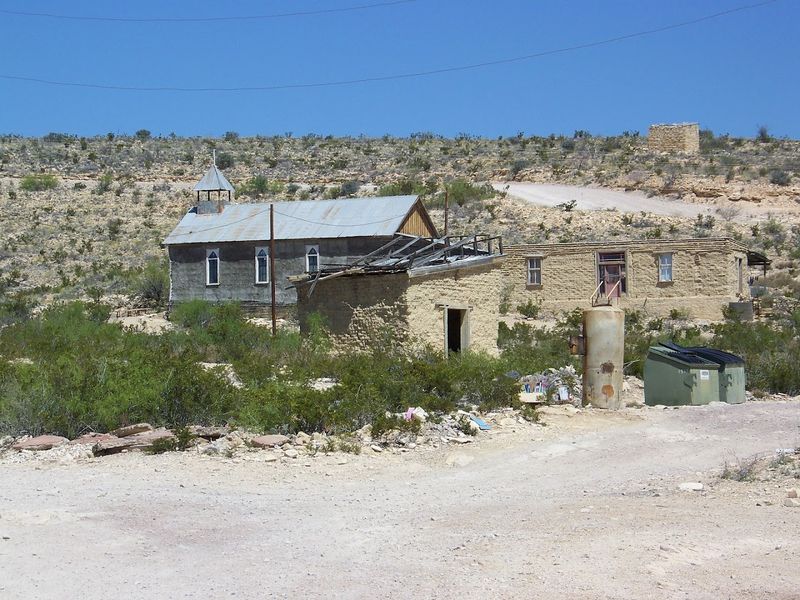
Terlingua Ghost Town remains open to the public without admission fees or restricted hours. Visitors can wander freely among the ruins, photograph buildings, and explore at their own pace throughout the historic site.
This accessibility makes it one of the most visitor-friendly ghost towns in the American Southwest, requiring only the effort to reach this remote corner of Brewster County.
The lack of formal development preserves the authentic atmosphere that draws history enthusiasts and photographers. No gift shops or interpretive centers interrupt the experience of walking through genuine ruins.
Visitors must bring their own water, sun protection, and supplies since services remain limited in the immediate area.
Several nearby businesses offer food, lodging, and additional tourist amenities just outside the ghost town proper. The annual Terlingua Chili Cook-Off brings thousands of visitors each November, transforming the quiet ruins into a temporary festival ground.
Most of the year, however, you can experience Terlingua in peaceful solitude, imagining the bustling mining camp that once filled these empty streets with noise and activity.