
Mississippi Has A Drive-Through Safari Park Where Kids Feed Giraffes And Watch Buffalo Roam Up Close
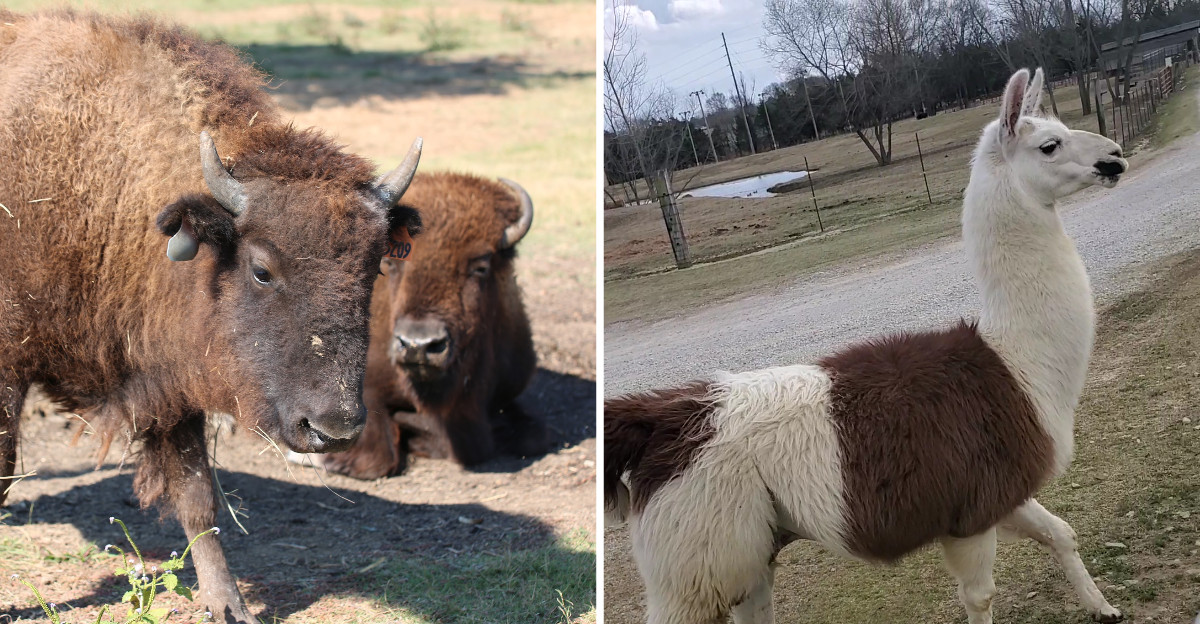
Nobody in our car expected a buffalo to poke its huge head through the window on a quiet afternoon in Mississippi. The plan was a short stop to stretch our legs, nothing fancy.
Instead, the kids spent hours tossing feed to camels, zebras, and bison, then stood face to face with a giraffe. If your family loves animals and road trips, this one belongs on your map.
Tupelo’s Wild Side on Coley Road
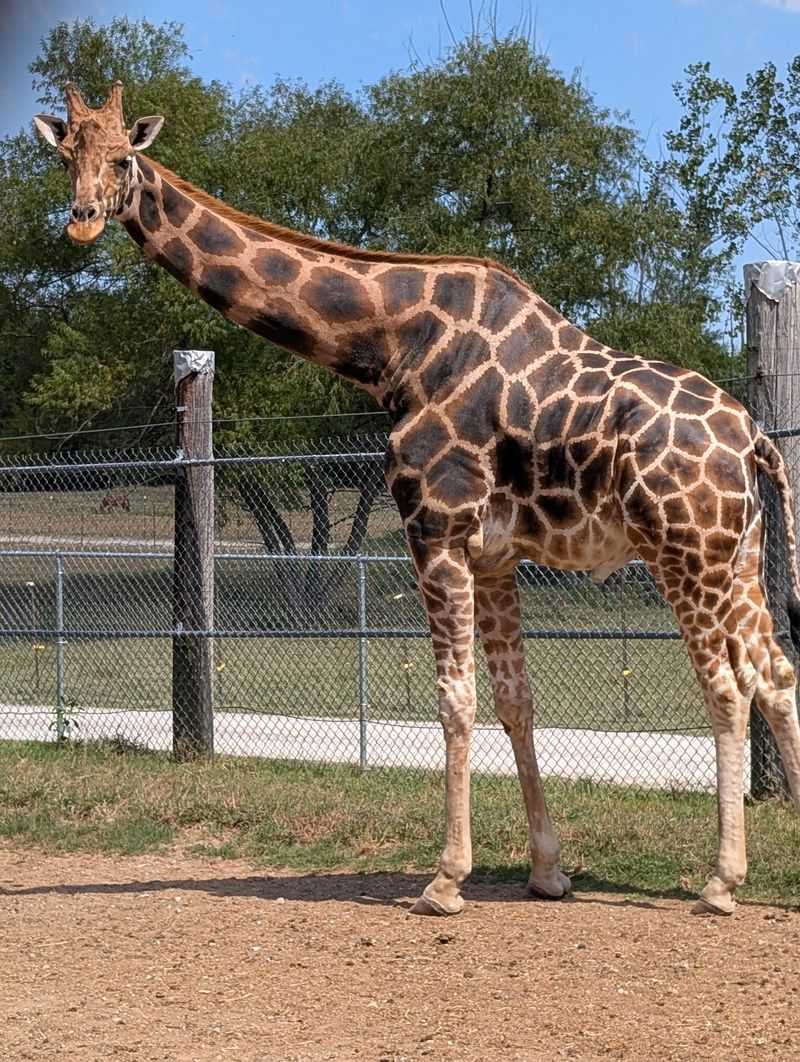
Tucked along Coley Road in Tupelo, Mississippi, Tupelo Buffalo Park & Zoo is a big outdoor zoo that mixes two very different adventures. One half is a drive-through safari you tour in your own car.
The other half is a walk-through zoo packed with exotic animals and playground extras.
The park is described as the largest zoo in the state, with sprawling acreage and hundreds of animals. Bison, giraffes, tigers, camels, zebras, monkeys, and many more call the grounds home.
For families, that means one ticket stop can fill an entire afternoon.
Plenty of visitors arrive while passing through on longer road trips. Families heading toward Alabama, Florida, or elsewhere in the South often pull off for a break and end up staying for hours.
Tupelo sits in northeast Mississippi, which makes the park an easy detour for travelers crossing the region.
Parents especially appreciate how flexible the visit can be. You can choose the driving tour, the walking zoo, or both, depending on your schedule, the weather, and how much energy the kids have left.
Either way, the animals are the stars, and many of them are happy to come right up and say hello.
Buffalo Herds on Open Mississippi Fields
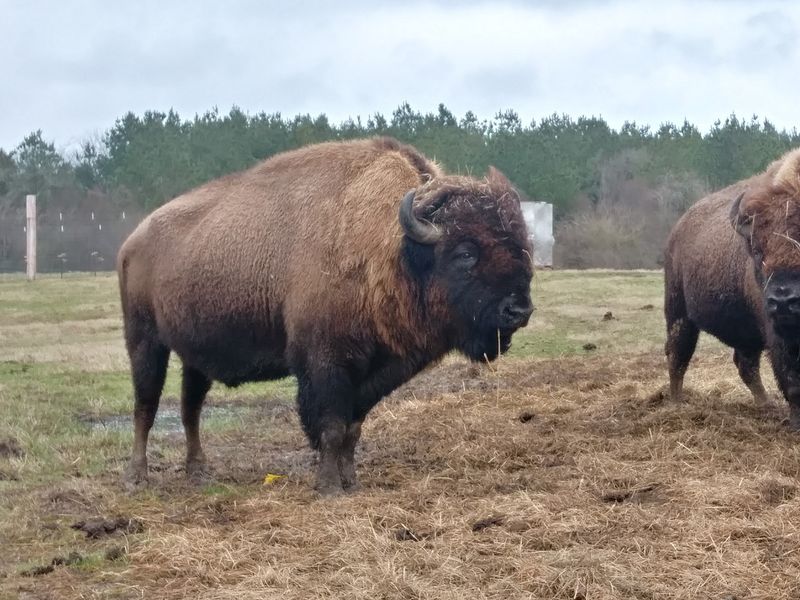
Picture a herd of shaggy bison moving slowly across a wide green pasture, heads low, tails swishing. That scene is what gives the park its name, and it still sets the mood for many visits.
Bison come up more than almost any other animal when families talk about their trip. Some guests say they came only to see the buffalo, then found themselves staying for the rest of the animal kingdom.
Watching these heavy, powerful animals roam open fields feels closer to a western prairie than a typical city zoo.
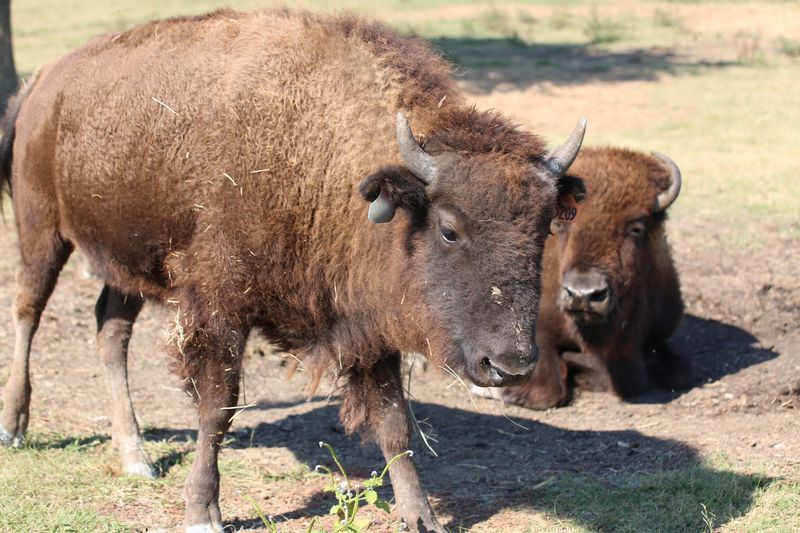
Kids tend to be amazed by the sheer size of them. A bison up close has a massive head, a thick woolly hump, and a surprisingly curious attitude toward cars carrying snacks.
Staff even give a friendly warning about the buffalo being strong enough to yank a feed bucket right out of small hands. Holding on tight becomes part of the fun, and the giggles usually follow.
For families teaching children about American history and wildlife, the bison offer a real-life lesson. Seeing them roam with room to spare makes the animal feel less like a picture in a textbook and more like a living neighbor.
Rolling Through the Drive-Through Safari
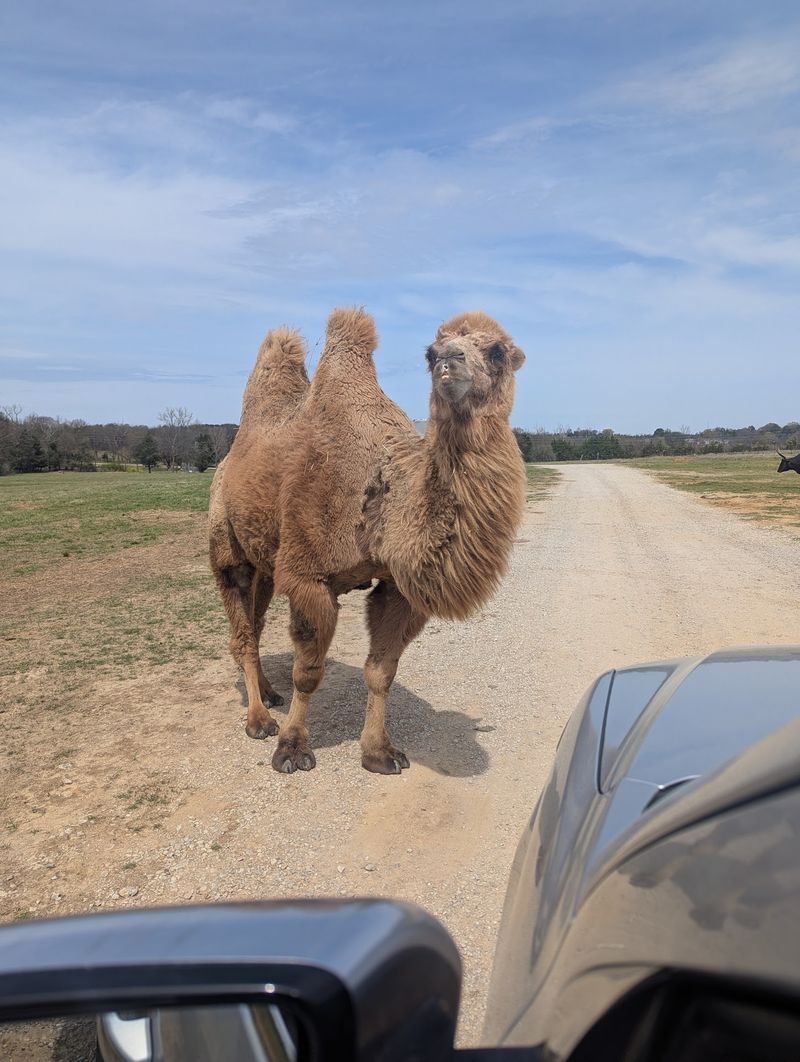
Windows down, feed buckets ready, and engine creeping along at a crawl. That is how the drive-through safari works, and it quickly turns an ordinary car into a front-row seat.
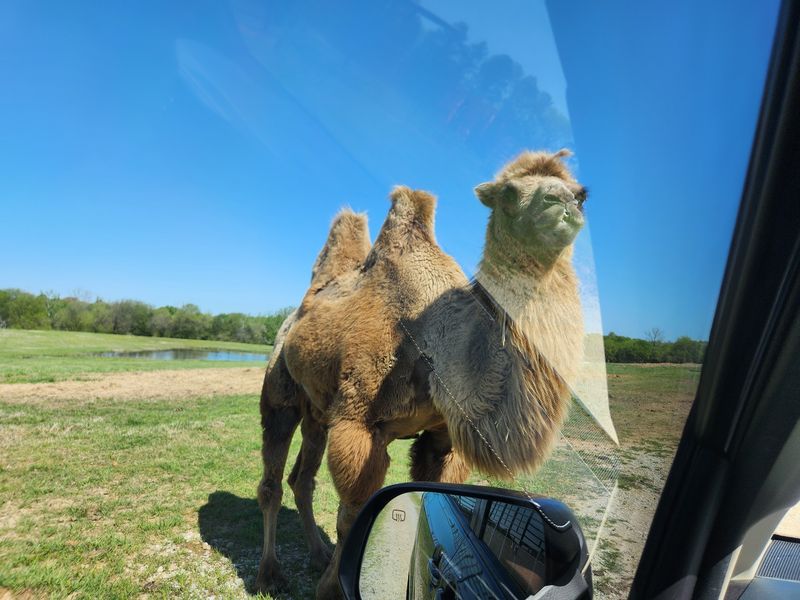
Along the route, families meet bison, zebras, camels, ostriches, and other animals that wander freely across the land. Each species eats a little differently, so kids discover that a camel’s approach feels nothing like a buffalo’s.
Some animals stroll right up, while others watch politely from a distance.
One family described a camel near the gate rocking back and forth with excitement as they arrived. Another parent mentioned heads coming right inside the car and feed flying everywhere.
Expect drool, snorts, and a bit of mess, and you will likely have a blast.
Here is a helpful tip from visitors. The feeding stretch ends without much warning, so kids who save food for later animals may finish with full buckets.
Encourage them to share generously along the way.
Hot days can send many animals into the water, so fewer may come to the car. Cooler weather often brings more active, hungry visitors to your window, which makes timing worth a little thought before you go.
Feed Buckets and Hungry Neighbors
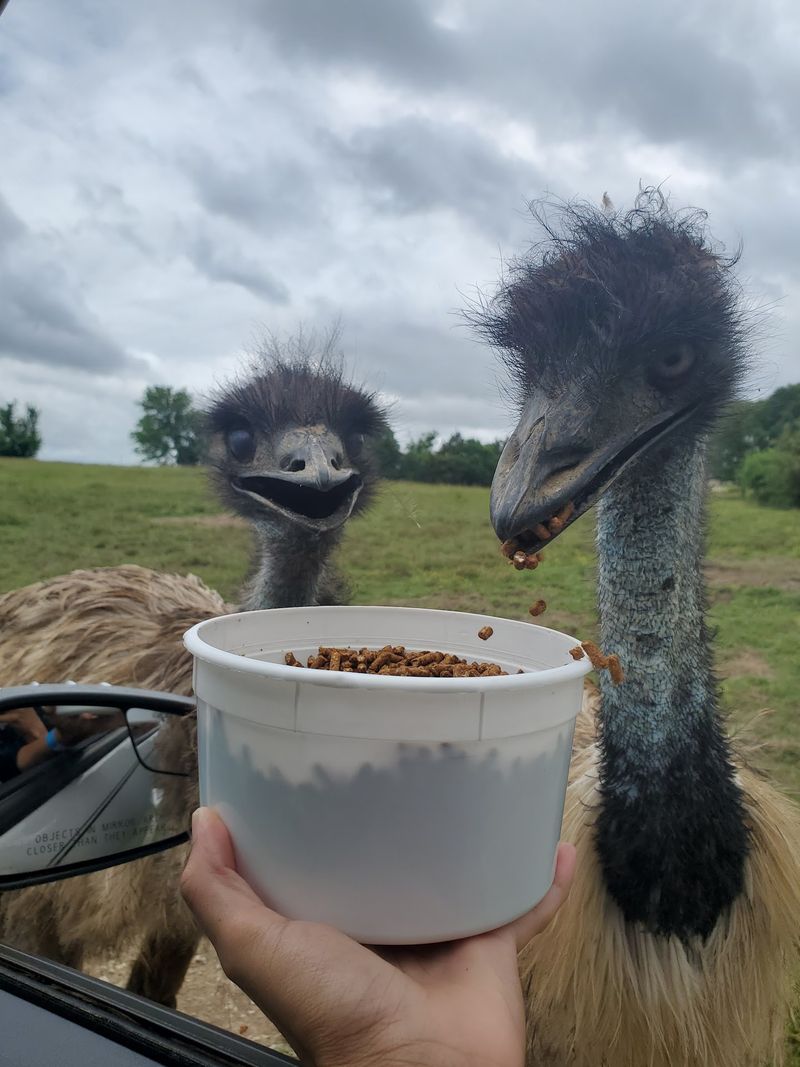
Feeding the animals is the single activity guests rave about most, and the buckets of feed are the key to that experience. You buy them at the front building before heading out, and they turn every stop into a hands-on moment.
One group of three adults reported paying around $45 for driving tour tickets and a couple of feed buckets. Another visitor mentioned a drive price of about $12 and feed buckets at $4.
Prices can change, so calling ahead is a smart move.
Families who have done the safari often suggest buying several buckets. With so many eager mouths along the route, one bucket can disappear in minutes, especially with more than one child in the back seat.
Not every big animal is available for feeding, so kids should know that some creatures are simply for watching. Setting that expectation early helps avoid disappointment.
Hand wipes and an old towel are handy additions to your car. Between slobber, crumbs, and the occasional sneeze from a curious nose, things can get gloriously messy.
Most parents agree that the laughter is well worth a quick cleanup afterward.
Eye to Eye with the Giraffes
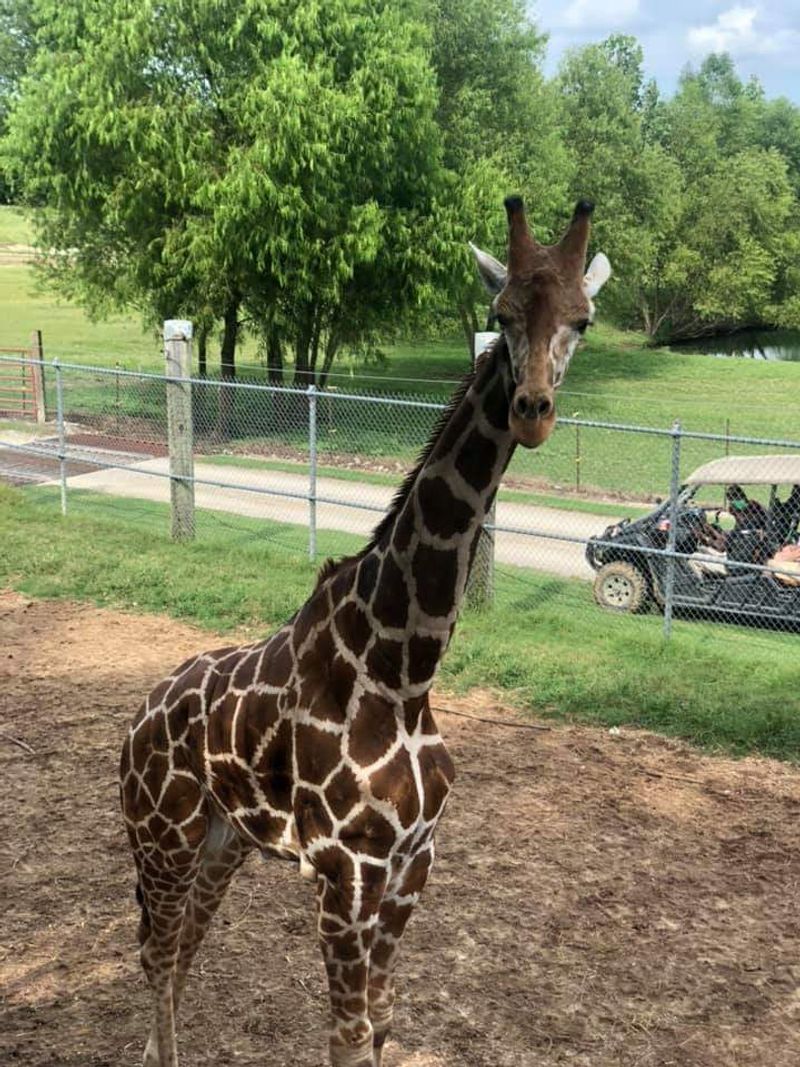
Standing on a raised platform while a giraffe stretches its long neck toward you is a moment kids rarely forget. The giraffe area gives families a rare chance to get remarkably close to these towering animals.
Visitors praise how near the enclosure lets you stand. Children have fallen for giraffes by name, including one called Jafar, who became a highlight for more than one family.
The park is also known for a giraffe nicknamed Tall Boy, said to be one of the tallest in the country.
Plan for one important detail. Giraffes eat different food than what comes in the regular feed buckets, so the giraffe feeding is handled separately.
Front desk staff typically explain this when you arrive.
Some families follow staff advice and head straight to the giraffes first. That way, kids get the biggest thrill early, before little legs tire out or animals settle down for a rest.
A purple tongue wrapping around a snack might surprise younger children at first. Give them a moment, and the nervous giggles usually turn into proud smiles.
Take photos from a short distance, since the view of that endless neck is half the magic.
Walking Paths Through the Exotic Zoo
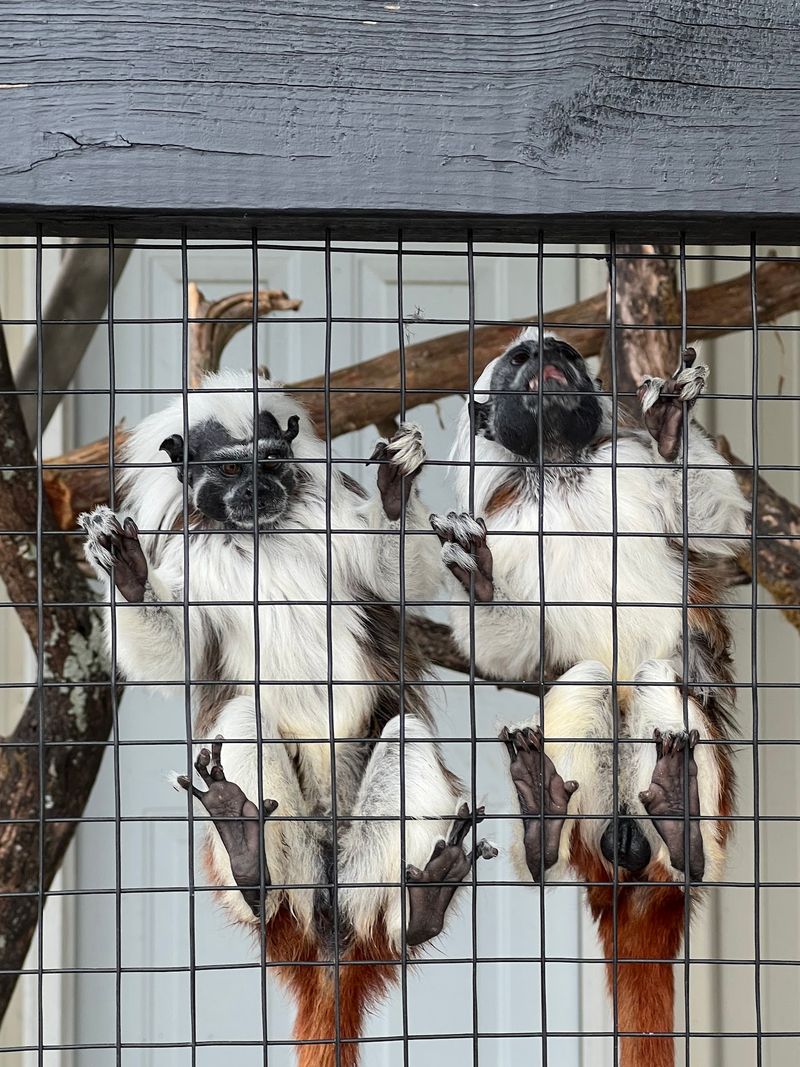
Leaving the car behind opens up a completely different side of the park. The walk-through zoo is a small-to-medium loop filled with exotic species, many of them ready for close encounters.
Families have spotted monkeys, alpacas, highland cows, a sloth, a mini horse, and an African crowned crane hopping around its space. The park description also mentions tigers among the residents.
Guests often say they were able to interact with nearly every animal on the walking side.
Timing depends heavily on your crew. One parent reported the walk took about 80 minutes moving at a two-year-old’s pace.
Another family said the walking area can be covered in roughly two hours.
The layout earns praise for being easy to follow, so tired kids are never too far from the next exhibit. Clean, well-kept facilities also come up often among visitors.
Little ones especially enjoy the smaller animals they can reach and touch. Feeding the mini horse or watching the crane dance tends to delight toddlers as much as any tiger.
For older kids, the variety of species turns the stroll into a lively geography lesson about animals from distant continents.
Sloths, Goats, and Friendly Faces
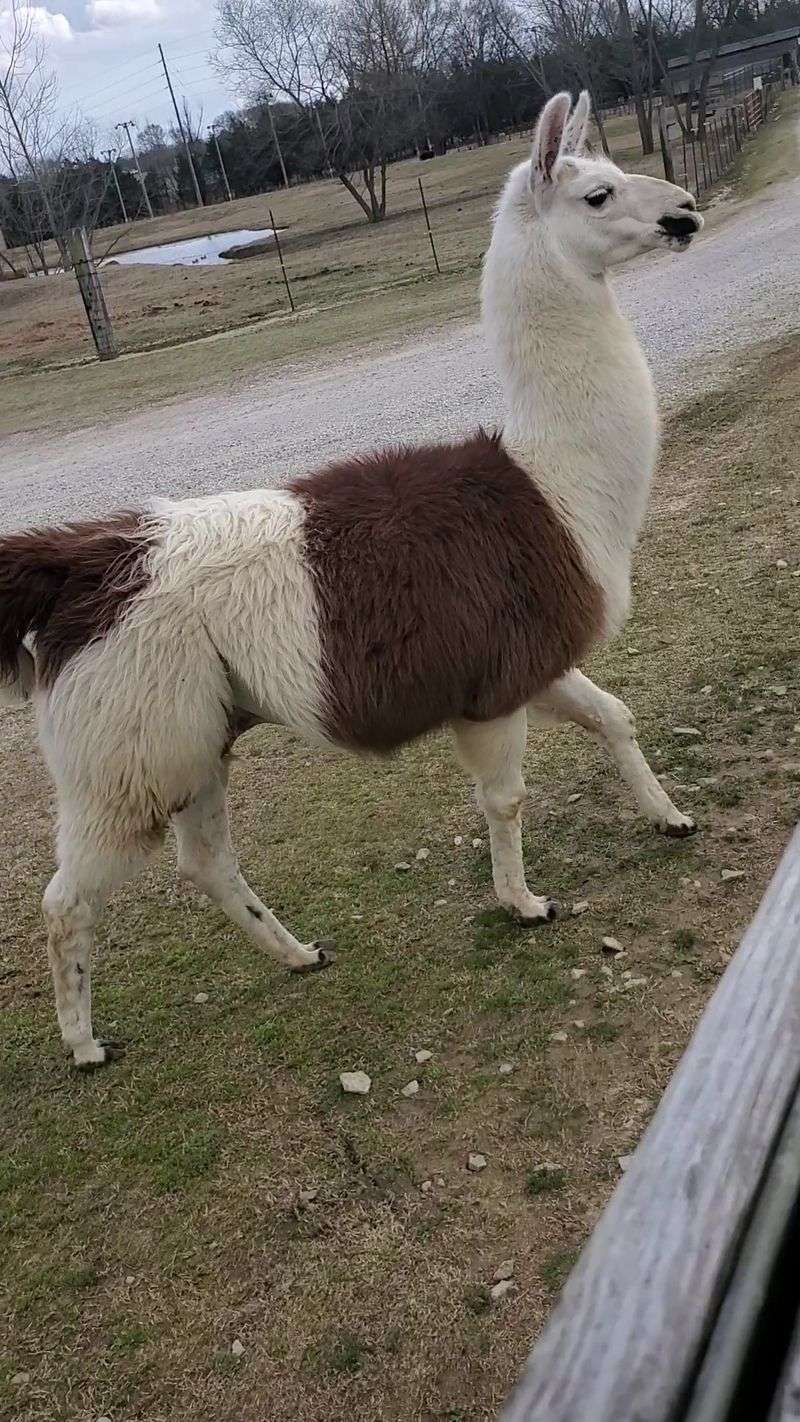
Some of the park’s best memories come from its smaller, quirkier characters. A sloth encounter, a famously friendly goat, and playful alpacas give children a gentler way to connect with animals.
Families with daughters and sons of all ages have called the sloth encounter a favorite. Watching a sloth move in slow motion fascinates kids who usually never stop running.
Other guests remember the goat as one of the sweetest animals they met.
Personalities shine through in surprising ways. One mother laughed about her five-year-old becoming obsessed with an animal named Fredrick after it yelled and startled her.
Those funny, unplanned moments often end up as the stories kids retell at school.
The park description also notes a petting area where goats, sheep, and deer welcome interaction. These calmer animals are ideal for shy children who need time to build courage before facing a bison at a car window.
Bring patience and a camera. Small encounters can stretch longer than expected because kids want one more pat or one more look.
Letting them linger builds confidence and a love of animals that lasts well beyond the drive home.
Playground Breaks and Seasonal Extras
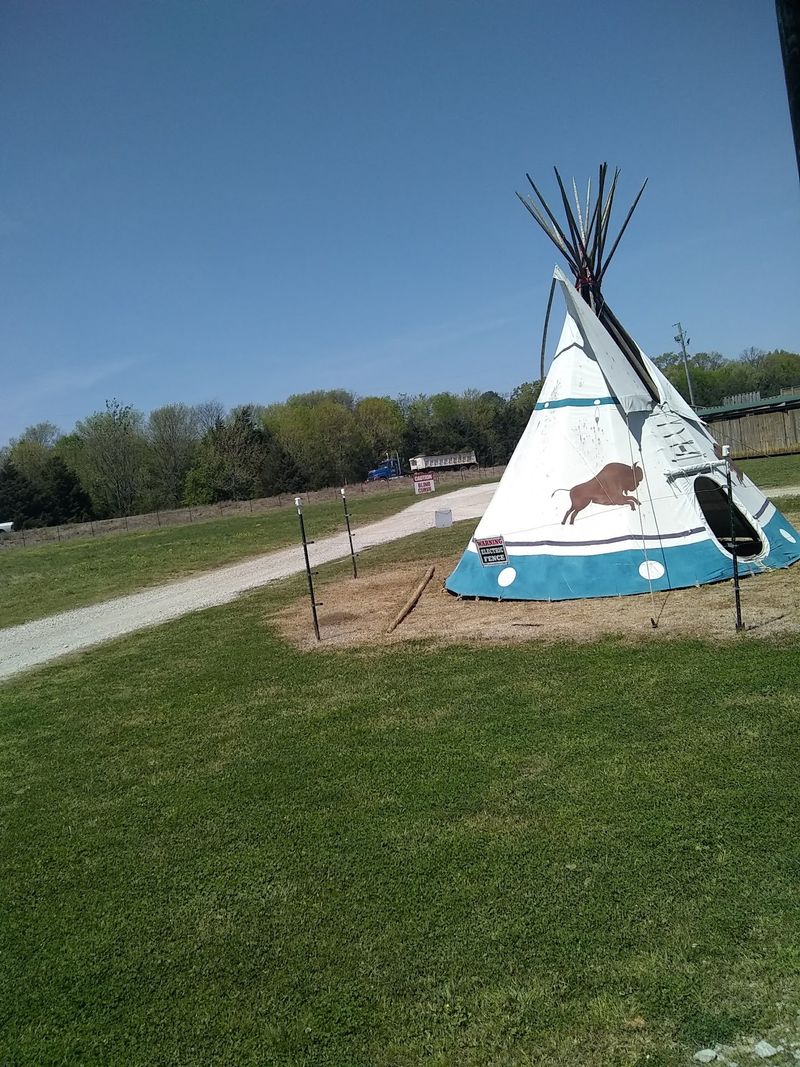
Kids need wiggle time, and the park understands that well. Scattered through the walking area are a playground, slides, and swing sets that give children a chance to burn off energy between exhibits.
Parents of toddlers say the slides were nearly as big a hit as the animals. One family with three girls listed the swing set and park extras among their favorite parts.
These breaks help stretch a visit without meltdowns.
According to park details, there are also pony rides and a zip line for added excitement. Older children who want something beyond animal watching may find these especially appealing.
Availability can vary, so checking before arrival is wise.
Autumn visitors sometimes mention a pumpkin patch, which adds a festive touch to a fall outing. It pairs nicely with cooler days, when many animals are more active.
The gift shop deserves a quick mention too. Guests note prices there run lower than at larger zoos, so a small souvenir will not wreck the budget.
Letting kids choose a stuffed giraffe or bison gives them a sweet keepsake from the day and something to hug on the ride home.
Who Will Love a Day Here
Toddlers, grade schoolers, grandparents, and even groups of grown-ups all seem to find their own reasons to smile here. The relaxed, cozy atmosphere suits families who prefer something less overwhelming than a giant city zoo.
Staff warmth stands out again and again. Visitors describe the team at the ticket building as courteous and welcoming, often offering advice for first-timers about which animals to see first.
That kind of greeting sets a calm tone for nervous kids.
Road-tripping families find it especially useful. The park works as a fun, budget-friendly break that feels like a real event rather than a rest stop.
Animal care is a common topic. Many guests say the animals look well cared for and have plenty of room to roam, and some appreciated that certain animals stayed inside during cold weather.
A few visitors have shared concerns about animals in summer heat, so families can judge for themselves.
Kids who love mess, noise, and surprises will be right at home. Children who are sensitive to big animals may prefer starting on the walking side, where encounters feel smaller and gentler before the safari adventure begins.
Hours, Tickets, and Getting There
Planning ahead makes the visit smoother. The park sits at 2272 Coley Rd, Tupelo, MS 38801, and the drive is described by guests as easy to navigate.
Current listed hours run from 10 am to 4 pm Monday through Saturday. On Sunday, gates open at 11 am and close at 4 pm.
The park operates year-round, though it is reported to close on Christmas Day.
Since the closing time is fairly early, arriving well before mid-afternoon helps. One summer visitor skipped the walking zoo because closing time was near.
If you want both the safari and the walk-through, give yourself several hours.
Tickets and feed buckets are bought at the front building. Visitors have mentioned prices like about $12 for the drive and $4 for feed, but figures may change.
For current details, call 662-844-8709 or visit tupelobuffalopark.com.
Weekdays during the school year can be busy with field trips, and one family skipped the drive-through for that reason. Cooler days tend to bring livelier animals.
Pack water, sunscreen, wipes, and a towel for the car, and you will be ready for whatever the bison bring.