
Most Americans Have Never Heard Of This Enormous Nevada Lake, Even In 2026
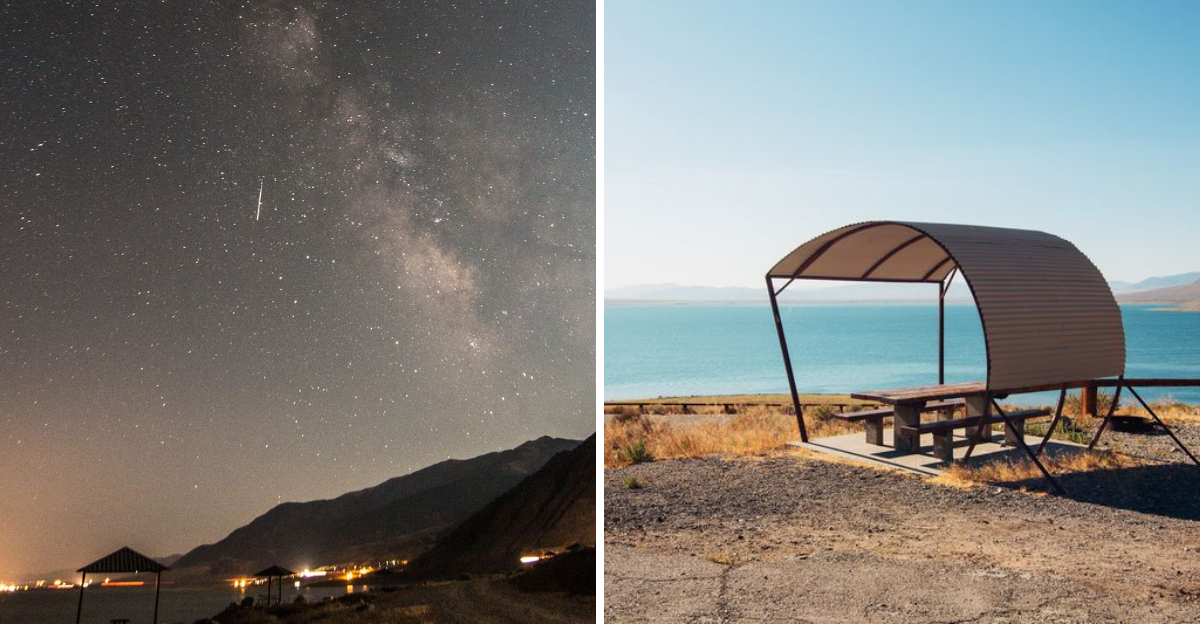
An entire lake eleven miles long hides between two rugged mountain ranges deep in Nevada, and hardly anyone talks about it. Most drivers speed straight past without even noticing it exists.
Bare desert slams into water so blue it looks unreal, stark peaks rising straight from the shoreline with barely a tree anywhere close.
Wind can flip a calm morning into whitecaps by afternoon, and sunset turns the whole basin orange for just a few unforgettable minutes.
Free camping spots sit nearly empty most weekends, wild bighorn sheep roam the slopes above, and a fishery once thrived here before things changed. Nevada holds stories like this scattered everywhere, and this massive lake keeps its best secrets for whoever actually stops.
An Ancient Inland Sea Left Behind
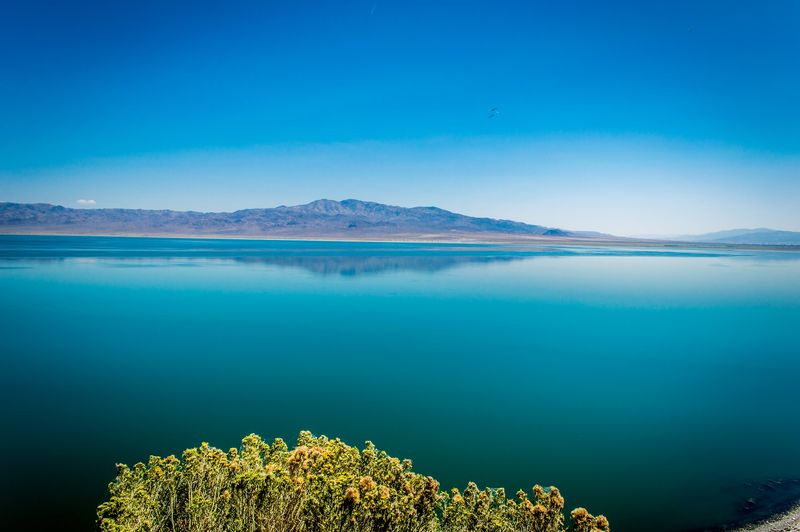
Think of Walker Lake as a survivor. It is a leftover piece of Lake Lahontan, a huge prehistoric lake that once flooded much of northwestern Nevada.
When that ancient water shrank, a few deep basins held on. Walker Lake is one of them, cradled between the Wassuk Range and the Gillis Range.
Geologists find the basin fascinating for good reason. Old shoreline marks stripe the hillsides like bathtub rings, showing where water once stood far higher.
Researchers have also studied stromatolites here, crusty rock formations built by microbes long ago. They help record shifts in climate and lake levels across thousands of years.
Standing on the gravel shore, the scale is hard to process. Bare mountains rise straight from the water, with almost no trees to soften the edges.
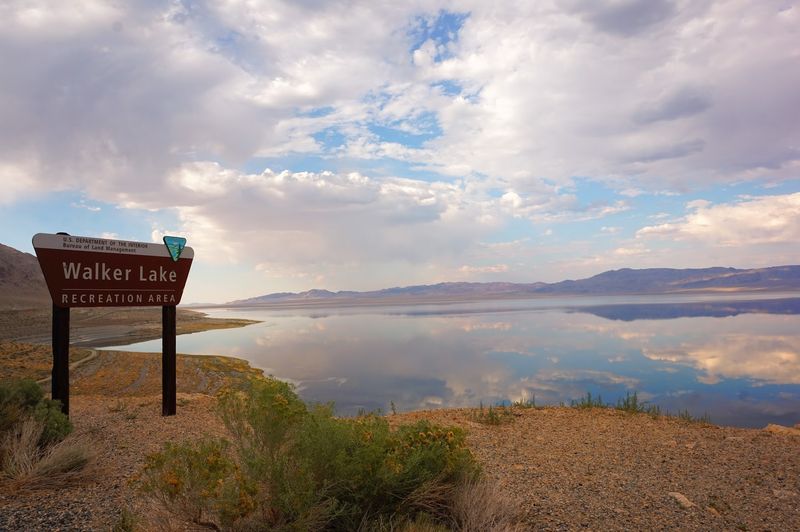
Visitors curious about the setting can find the recreation area near Hawthorne, NV 89415, in Mineral County, Nevada, along the western edge of the Great Basin.
Pull-outs along the highway make it easy to stop and look. Bring a camera, because the light changes fast on that water.
Where Bare Desert Slams Into Deep Blue
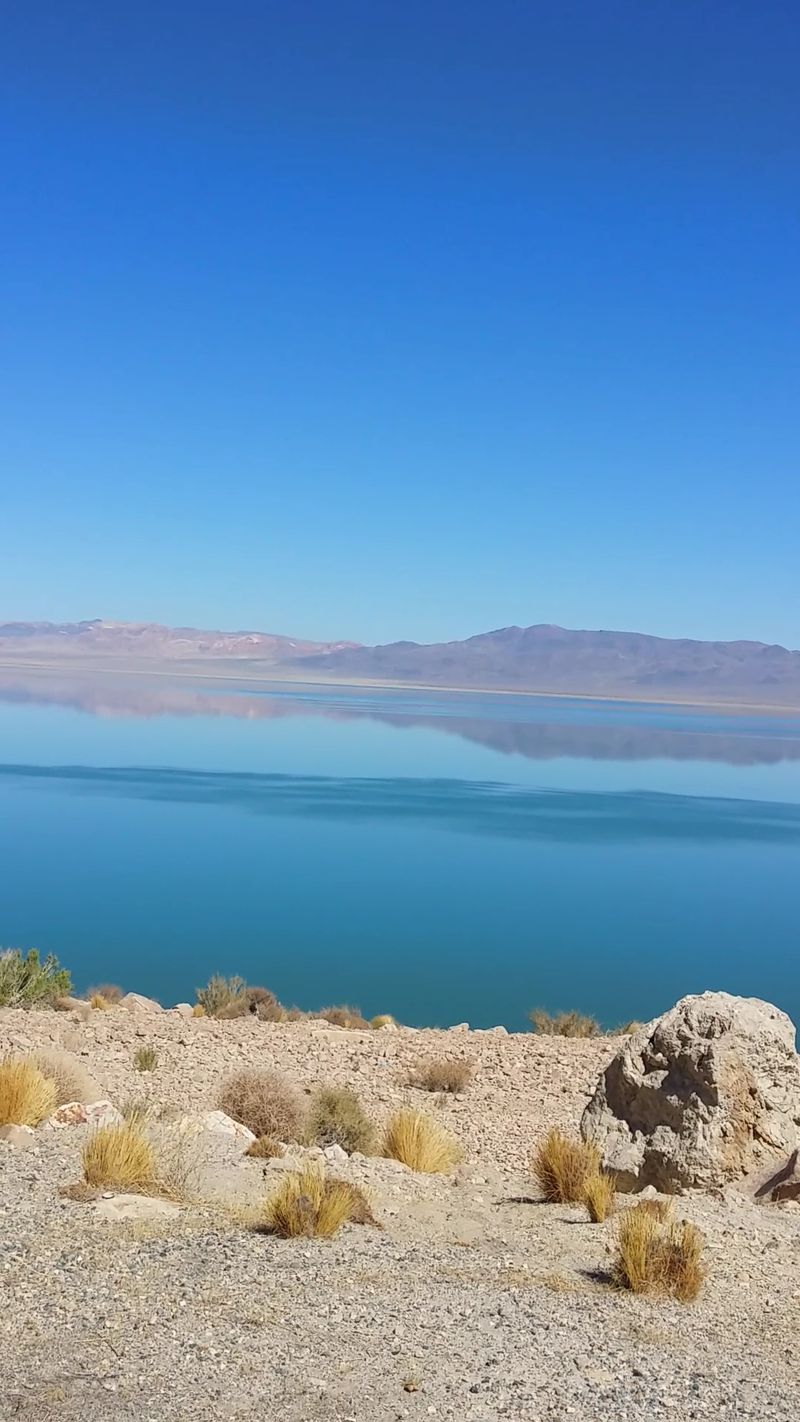
Blue water against brown rock. That contrast is the whole reason people slam on the brakes along Highway 95.
Walker Lake runs roughly 11 miles long and about 5 miles wide, which makes it one of the larger natural lakes in the state.
The Wassuk Range dominates the western skyline, with Mount Grant standing as its high point. Snow lingers up there well into spring.
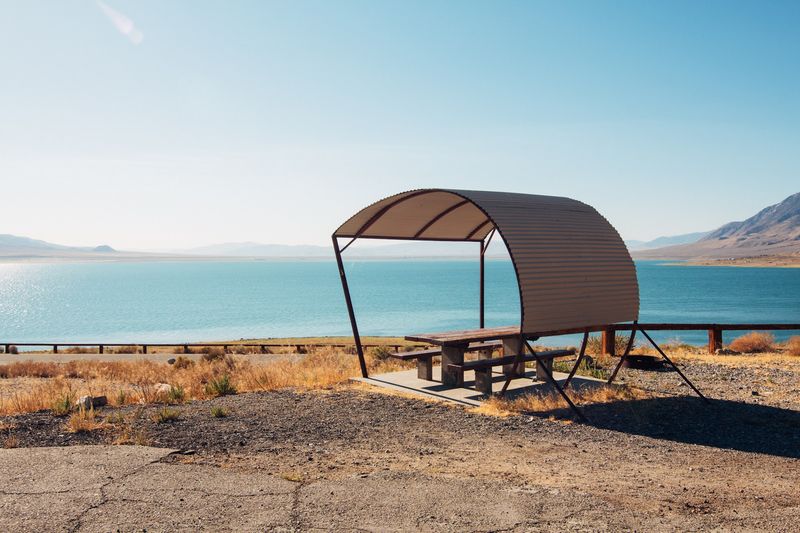
Shade is scarce at the shoreline. Aside from small awnings over picnic tables, there are almost no trees, so a hat is not optional.
Water clarity shifts through the seasons. Some stretches look glassy and clear, while others develop thick green algae mats near the edge.
Wind can flip the mood quickly. Morning often brings a mirror-flat surface, then afternoon gusts push whitecaps across the middle.
Sunset is the headline event. As the sun drops behind the Wassuk Range, the ridges glow orange while the water turns dark and still.
Photographers should stake out a spot early. The best colors last only a handful of minutes.
The Trout Eaters And Their Homeland
Long before highways, this lake fed families. The Walker River Paiute Tribe knows itself as Agai Dicutta, meaning Trout Eaters, a name tied directly to the fishery here.
Their reservation was formally established in 1874, and the connection to these waters stretches back far further than that.
Fish once filled the lake in remarkable numbers. Tui chub and Lahontan cutthroat trout supported generations of families along the shoreline and river.
Then farming upstream changed everything. Water diversions beginning in the 19th century cut inflow, and the lake dropped while salinity climbed.
Salty water made survival tough for trout. Visitors today often notice how quiet the water looks, with little sign of the old fishery.
Conservation groups, tribal members, and agencies continue working on restoration. Progress depends heavily on how much water reaches the lake each year.
Understanding that history changes how the place feels. The beauty is real, but so is the struggle behind it.
Respectful visits matter. Treat the shoreline as a living cultural landscape, not just a scenic pull-out in Nevada.
Free Beaches And Dry Camping Under The Stars
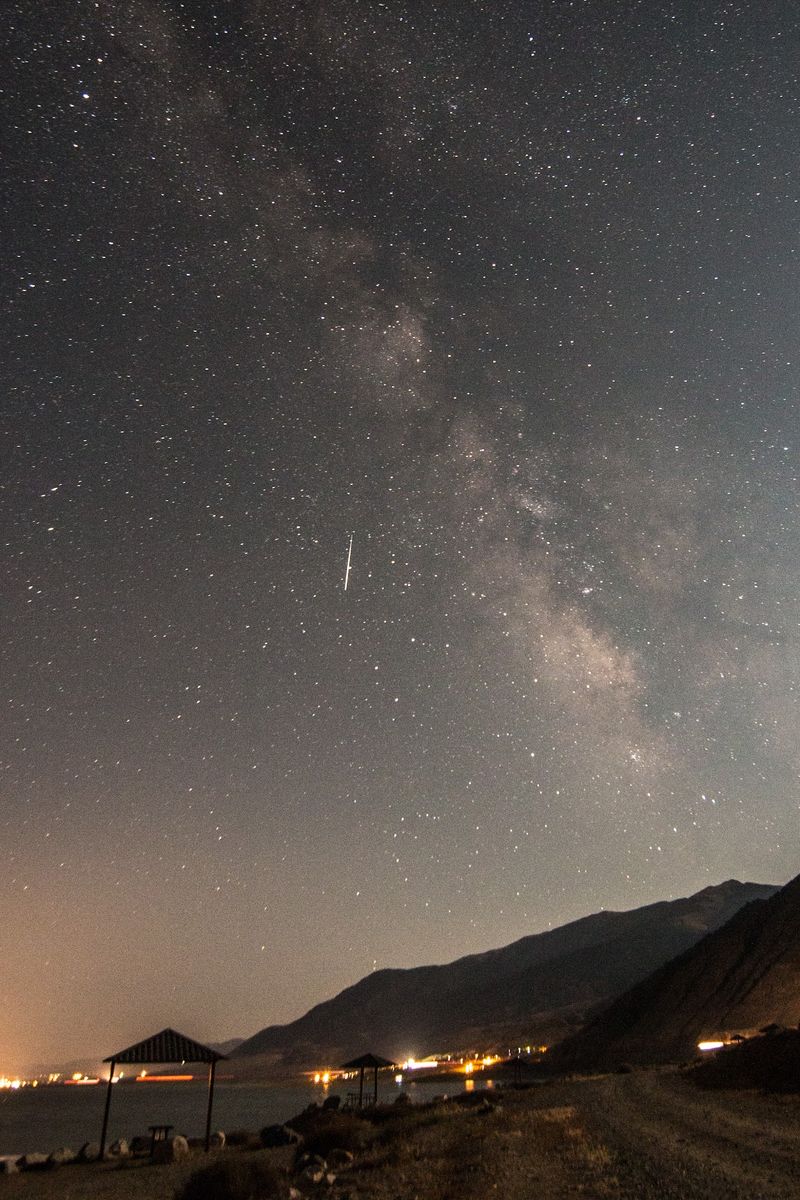
Ever had an entire campground to yourself? At Walker Lake, that happens more often than you might expect.
Sportsman’s Beach offers developed sites with covered picnic tables, fire rings, and vault restrooms. Fees are typically modest, and facilities can vary by season.
Tamarack Beach and 20 Mile Beach lean primitive. Campers park close to the water with no hookups and very few amenities.
Everything here is dry camping. Bring your own water, and pack extra toilet paper just in case supplies run short.
Sand is the sneaky hazard. Stick to established tracks, because soft patches strand vehicles quickly and towing help is far away.
Traffic noise from the nearby highway stays surprisingly low. Most campers describe the atmosphere as calm, open, and almost empty.
Nights are the real payoff. With minimal light pollution across this stretch of Nevada, stars pile up thick from horizon to horizon.
Fire restrictions can change with conditions, so check current rules before lighting anything. Then settle in and let the sky do the entertaining.
Bighorn Sheep On The Rocky Slopes
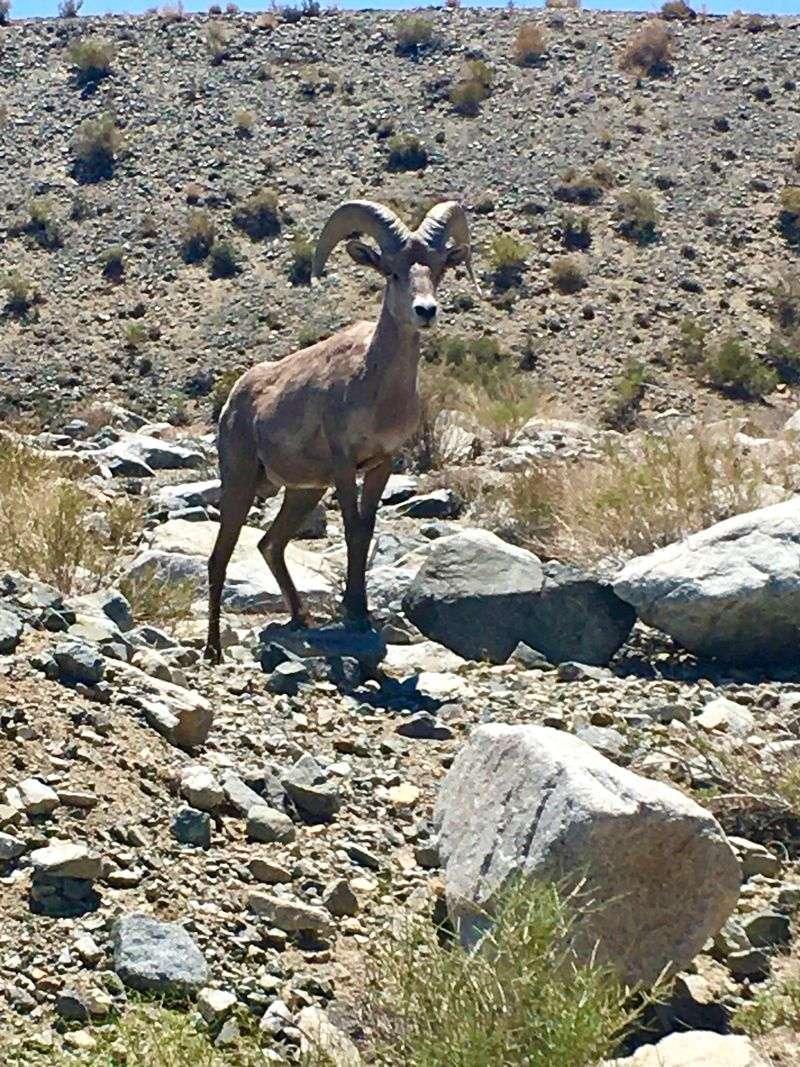
Look up, not out. The rocky slopes above Walker Lake host desert bighorn sheep, and spotting them ranks high on many visitors’ lists.
Sheep often move through washes and ledges across the highway from the water. Binoculars turn distant specks into something memorable.
Sightings are never guaranteed. Some travelers see groups within minutes, while others drive the area for hours with no luck.
Birds add plenty of interest too. Migratory visitors like white pelicans, snow geese, and snowy plovers have all been recorded around the lake.
Raptors patrol the ridgelines. Red-tailed hawks ride thermals, and bald eagles occasionally appear during colder months.
Wild horses roam parts of the surrounding country, along with pronghorn antelope in open valleys. Lizards dart across warm rocks near the campsites.
Shy predators such as mountain lions and bobcats live in the broader region. Encounters are rare, and most people never see a trace.
Keep a respectful distance from everything. Wildlife watching works best when animals barely notice you are there.
Paddling, Boating, And Cooling Off
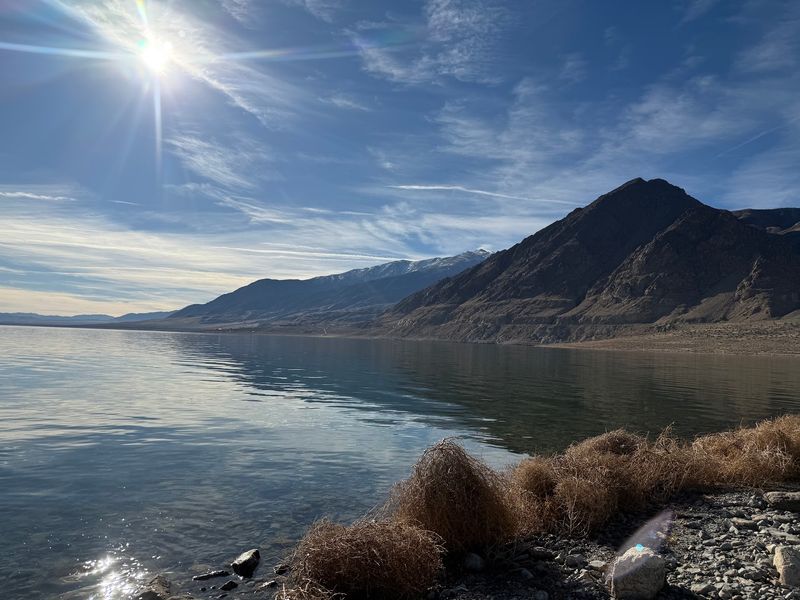
Calm mornings turn this lake into a paddler’s playground. Kayaks and canoes glide easily when the wind stays asleep.
Boating remains popular at Walker Lake, though launching depends heavily on current water levels. Ramps that worked years ago may sit high and dry.
Checking conditions ahead of time saves frustration. Levels fluctuate with drought and inflow, so recent reports beat old memories.
Swimmers wade in during warm months. The water carries noticeable salinity, so a rinse afterward feels good.
Wind lovers get their turn too. Afternoon gusts funneling down the basin have long attracted windsurfers and water-skiers.
Fishing here is not what it once was. High salt levels have made trout survival difficult, so anglers should manage expectations.
Life jackets matter on open water. The lake is large, help is distant, and conditions can shift within minutes.
Even without a boat, the shoreline delivers. Skipping rocks and wading at the edge fills an afternoon easily.
Plan around the wind and the day gets far more pleasant.
Backroads, Rockhounding, And Ghost Town Country
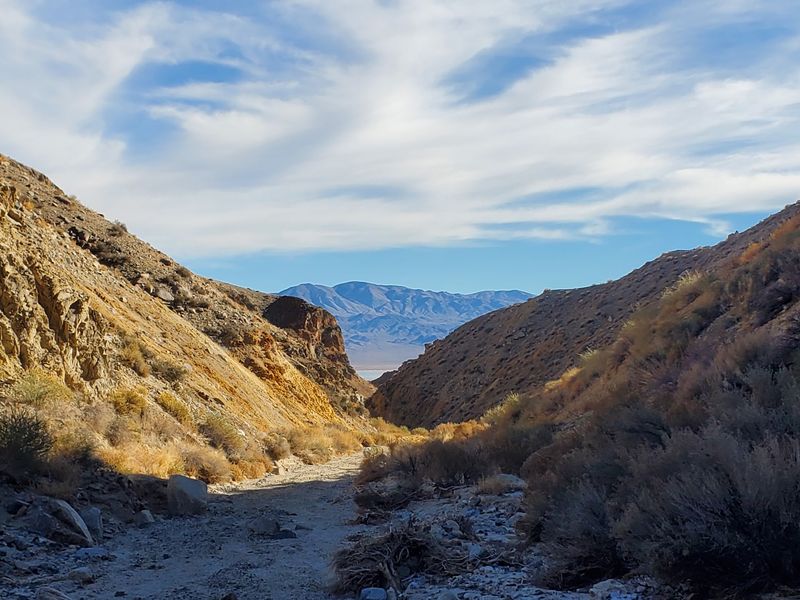
The adventure keeps going once the shoreline ends. Mineral County holds a huge network of dirt roads and trails spreading into the hills.
Off-road drivers and side-by-side riders find plenty of route options. Some climb high enough for sweeping views over Walker Lake and the valley beyond.
Hikers and mountain bikers use the same country at a slower pace. Routes vary from easy washes to rough, rocky climbs.
Rock collectors love this region. Visitors regularly mention colorful stones scattered across the desert floor around the lake basin.
Old mining history lingers nearby. Historic sites and ghost towns dot the broader area, offering weathered buildings and rusted equipment.
Cell service gets patchy fast. Download maps in advance and tell someone your plan before heading deep into the backcountry.
Carry recovery gear, extra water, and a full-size spare tire. Sharp rocks punish thin tires without mercy.
Nearby Hawthorne provides fuel, food, and lodging for anyone not camping. Stock up there before pushing out onto the dirt.
A Lake With Two Names
Two names, one lake. Northern Paiute speakers know it as Agai Pahnunadu, which translates roughly to trout lake.
That older name carries memory. It points to a fishery so rich it defined the identity of the people living beside it.
The English name traces back to a mountain man who scouted the region in the 1830s. Maps have carried it ever since.
Both names tell the truth from different angles. One describes what the water gave, the other records who passed through.
Interpretive signs around the recreation area help fill in details, though some older panels have faded badly in the desert sun.
Reading up before arriving pays off. Knowing the backstory makes the empty shoreline feel layered rather than simply quiet.
Nevada holds many places with double histories like this. Walker Lake ranks among the clearest examples.
Sitting on the gravel with that context in mind changes the whole visit. The view stops being scenery and starts being a story.
Smart Prep For A High Desert Trip
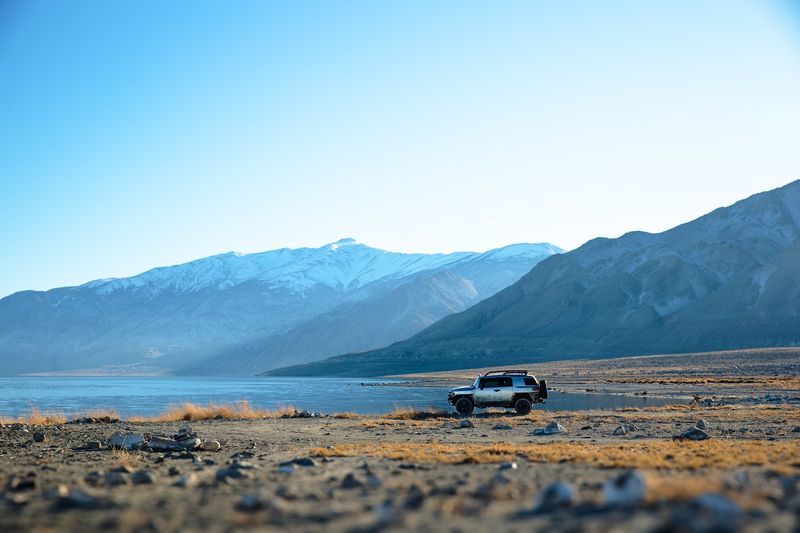
Preparation separates a great day from a rough one. High desert weather swings hard, and Walker Lake sits fully exposed to sun and wind.
Spring and fall usually bring the most comfortable temperatures. Summer afternoons can turn brutally hot with almost nowhere to hide.
Layers work best. Warm afternoons often flip into genuinely cold nights, especially in shoulder seasons.
Water tops the packing list. There is no reliable drinking supply, so bring more than you think you need.
Food, shade, sunscreen, and a first-aid kit round things out. Services in the area are limited and can be seasonal.
Dogs are generally welcome in the recreation areas but should stay leashed. That protects wildlife and keeps everyone comfortable.
Pack it in, pack it out. Primitive beaches have no trash service, and litter ruins the experience for the next visitor.
Fill your fuel tank in Hawthorne before heading out. Distances in this part of Nevada stretch further than they look on a map.
Show up ready, and the lake rewards you generously.