
Most People Don’t Know These 12 Dreamy Secret Spots In Mississippi Even Exist
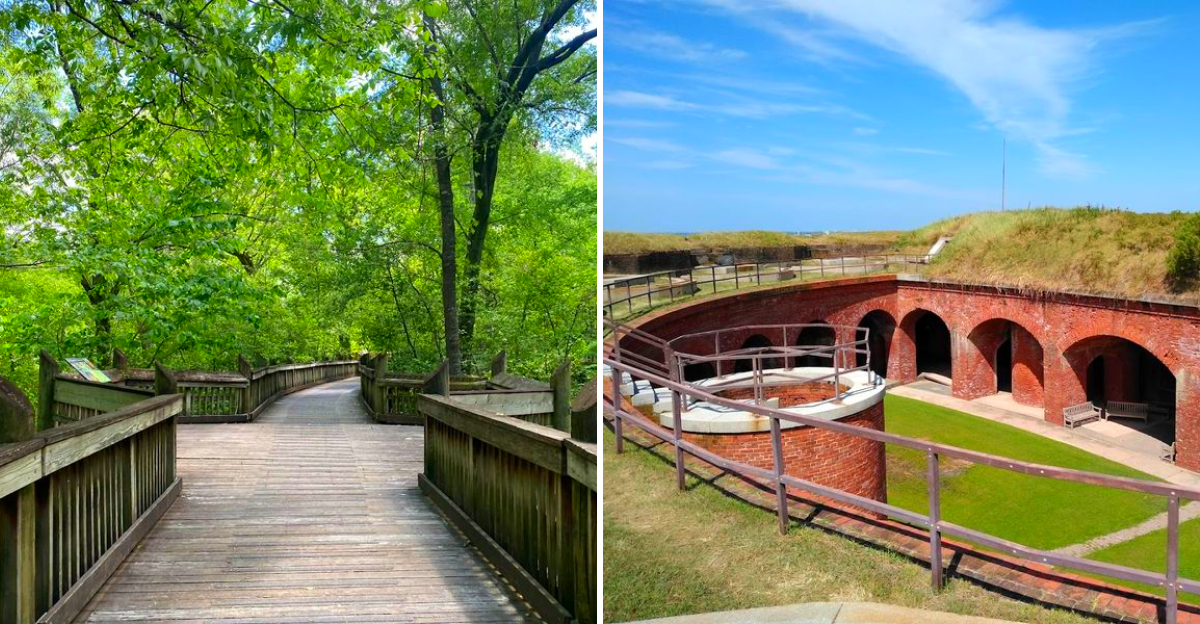
Mississippi rewards curious travelers who leave room for the unexpected. Beyond the blues landmarks, river towns, beach weekends, and catfish stops, the state holds places that feel almost too interesting to stay so quiet.
Ancient earthworks, quiet islands, forgotten ruins, strange natural areas, historic forts, peaceful trails, and odd little landmarks all sit scattered across the map, often with barely any noise around them.
These are the kinds of stops that make you pull over, look around, and wonder why more people are not talking about them.
Some carry deep history. Others feel dreamy, wild, or wonderfully out of place.
Together, they show a side of Mississippi that does not fit the usual travel postcard. Bring curiosity, comfortable shoes, and enough time for detours, because these twelve secret spots may completely change how you see the state.
1. Clark Creek Natural Area
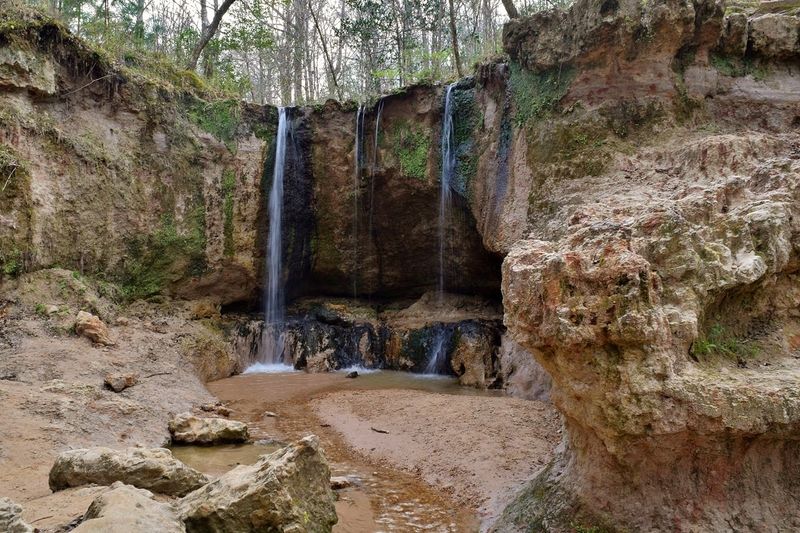
Over 50 waterfalls in one place sounds like a travel brochure exaggeration, but Clark Creek Natural Area is the real deal.
Spread across 700 wild acres near the Louisiana border, this preserve is one of Mississippi’s most jaw-dropping outdoor secrets.
Some of those falls drop between 10 and 30 feet, making every trail bend feel like a reward.
Hikers can choose between groomed gravel paths for a casual stroll or rugged primitive trails for a proper adventure. The forest shifts between towering hardwoods, fragrant pines, delicate wildflowers, and thick ferns at every turn.
White-tailed deer, various bird species, small mammals, and even endangered black bears call this place home.
Entry runs just four dollars per vehicle on an honor system, so bring cash and grab your parking tag. You can find this natural wonder at 366 Ft Adams Pond Rd, Woodville, MS 39669.
Pack good shoes, a water bottle, and maybe a waterproof camera because your phone gallery will never be the same after visiting Clark Creek.
2. Emerald Mound
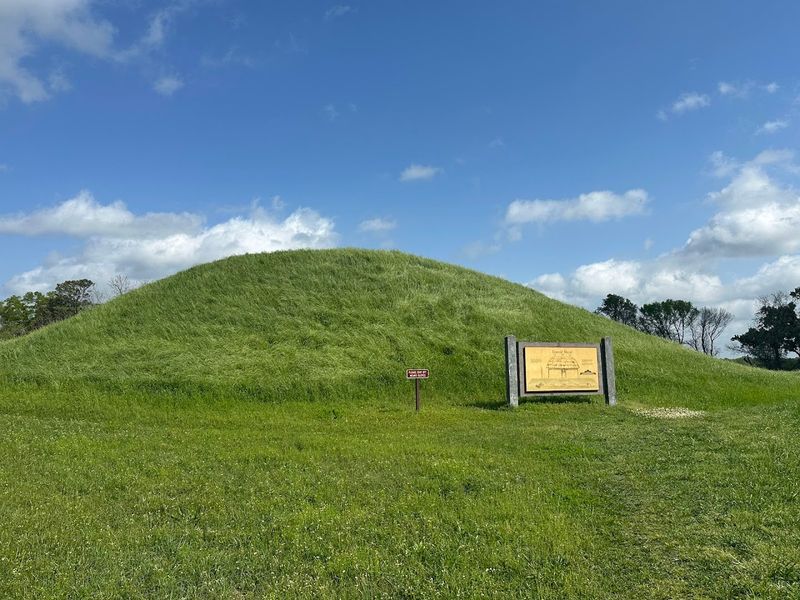
Standing on top of Emerald Mound feels like being on the roof of history itself. Built between 1200 and 1730 CE, this colossal earthwork is the second-largest Mississippian Period ceremonial mound in the entire United States, with only Monk’s Mound in Illinois topping it.
That is not a small claim for a quiet stretch of Mississippi countryside.
The base stretches an incredible 770 feet by 435 feet, rising 35 feet above the surrounding land. Two smaller secondary mounds sit on top, pushing the total height to roughly 60 feet.
Before 1680 CE, this was the main ceremonial center for the Natchez Nation, buzzing with cultural life and spiritual practice.
A well-marked trail leads visitors right to the summit, where the views and the silence hit differently.
Emerald Mound holds both National Register of Historic Places and National Historic Landmark status, which means it is properly protected and properly worth your time.
You can find it along Emerald Mound Rd, Natchez, MS 39120, just about 10 miles northeast of downtown Natchez on the scenic Natchez Trace Parkway.
3. Fort Massachusetts At Ship Island
Getting to Ship Island requires a ferry ride, and honestly that one-hour trip from Gulfport Yacht Harbor is part of the magic. Dolphins regularly show up alongside the boat, which is basically a free bonus attraction before you even arrive.
The island sits about 11 to 12 miles south of Gulfport and offers some of the most pristine Gulf beaches east of New Orleans.
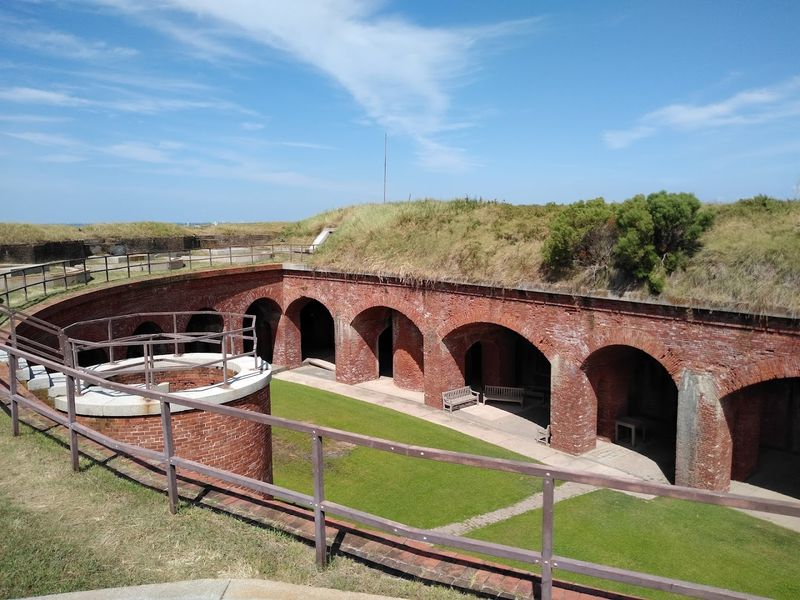
Fort Massachusetts is the main event on the island, a beautifully preserved brick fortification whose construction began in 1859 and wrapped up in 1868.
It was still unfinished when Mississippi left the Union, yet it later served as a key staging point for Union forces during the push to capture New Orleans.
The fort has weathered centuries of powerful hurricanes without losing its structural integrity, which is genuinely impressive.
Hurricane Camille split the island in two back in 1969, but the National Park Service restored it to its original single-island form. Seasonal ferry service typically runs from mid-March through October, making warm weather the best time to plan your trip.
Fort Massachusetts is on Ship Island, MS, with ferries departing from Gulfport, so check schedules before you go.
4. Sam D. Hamilton Noxubee National Wildlife Refuge
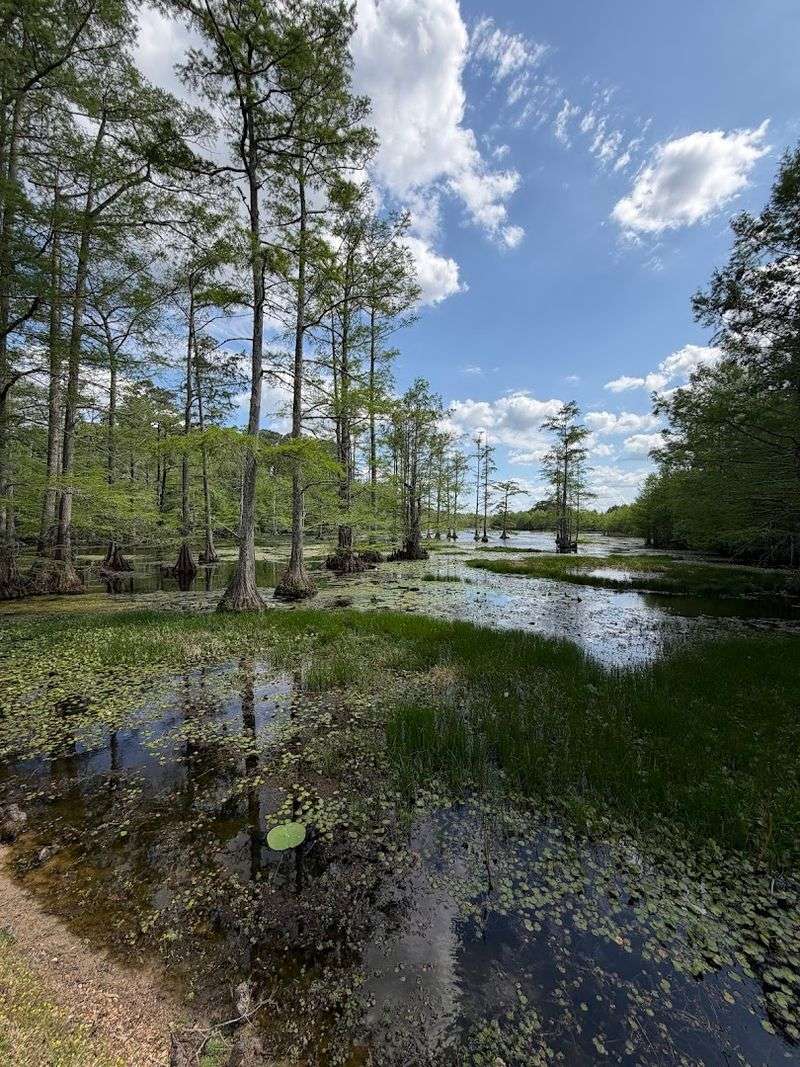
Forty-eight thousand acres of wildlife habitat sounds enormous because it absolutely is. The Sam D.
Hamilton Noxubee National Wildlife Refuge sprawls across Noxubee, Oktibbeha, and Winston Counties in east-central Mississippi, offering a rich patchwork of forests, wetlands, and open water.
Established in 1940 to protect migratory birds, the refuge has grown into one of the region’s most vital ecological sanctuaries.
Bald eagles soar overhead. American alligators lounge in the shallows.
Wood storks wade through the wetlands with their usual dignified attitude. Over 200 bird species have been recorded here, earning the refuge recognition as an Important Bird Area by the National Audubon Society.
Bluff Lake and Loakfoma Lake anchor the water activities, offering peaceful canoeing and kayaking for those who prefer to explore from the water.
Hikers can tackle the Beaver Dam Trail or the Woodpecker Trail, keeping an eye out for the endangered red-cockaded woodpecker that the refuge actively protects.
The Goose Overlook and Morgan Hill Overlook platforms deliver sweeping wildlife views that will genuinely stop you in your tracks. Head to 13723 Bluff Lake Rd, Starkville, MS 39759, and give yourself a full day here.
5. LeFleur’s Bluff State Park
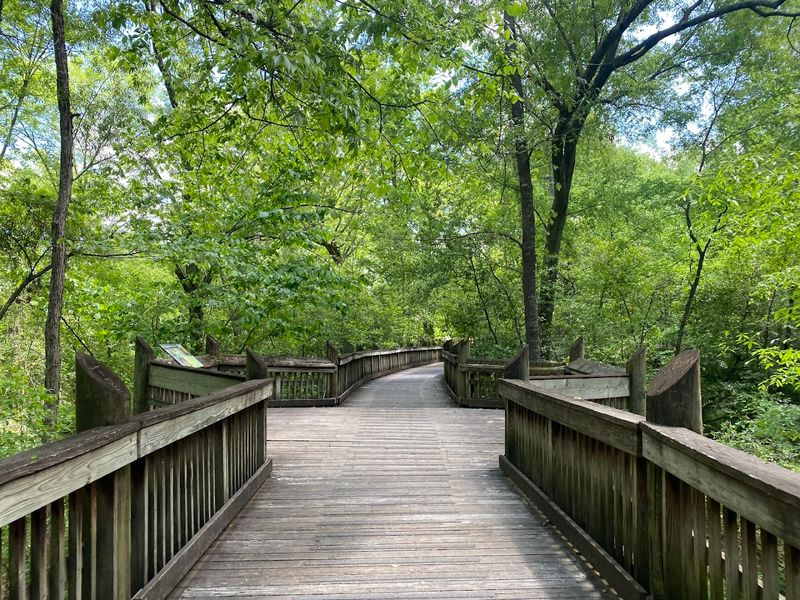
A full nature park sitting right inside a state capital is the kind of plot twist Mississippi loves to pull. LeFleur’s Bluff State Park covers 305 acres in the heart of Jackson, blending outdoor trails with a cultural district that most visitors never even realize is right next door.
The 2.5-mile nature trail winds through swamplands, hugs the Pearl River, and circles the calm waters of Mayes Lake.
What makes this park genuinely extraordinary is its connection to the LeFleur Museum District, which borders the park directly.
The Mississippi Museum of Natural Science, the Mississippi Children’s Museum, the Mississippi Agriculture and Forestry Museum, and the Mississippi Sports Hall of Fame are all within easy reach after your hike.
The Natural Science Museum alone features a fossil room, a dinosaur trail with impressive 3D models, and a 100,000-gallon aquarium network.
Families will appreciate the large ADA-accessible playground that keeps younger visitors happily occupied for hours. You can hike, explore museums, and picnic all in a single afternoon without moving your car more than once.
Find this multifaceted gem at 3315 Lakeland Terrace, Jackson, MS 39216, and plan to stay longer than you think you need to.
6. George P. Cossar State Park
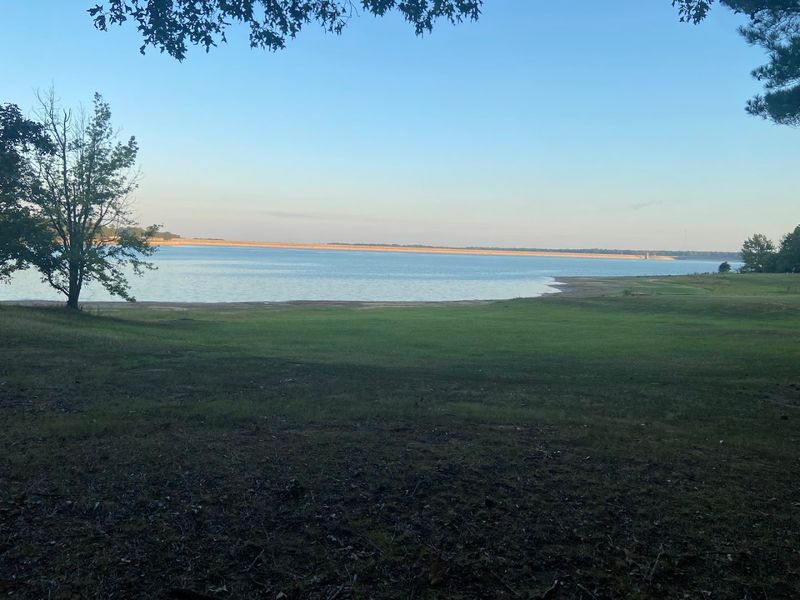
Fishing legends are made at Enid Lake, and George P. Cossar State Park sits right on its shores.
The world record crappie was pulled from Enid Lake back in 1954, which tells you everything you need to know about the quality of fishing here. The lake itself covers 6,100 acres, giving anglers, boaters, and water-skiers plenty of room to roam.
Beyond the water, the park offers disc golf, miniature golf, and a peaceful nature trail for those who prefer dry land.
Hunters will appreciate the access to Holly Springs National Forest during hunting season, which surrounds the park with prime territory.
The campground features 76 sites with many offering full hookups, and the camper cabins add a comfortable option for those who prefer walls over tent poles.
One of the park’s most beloved quirks is that many lakeside campsites let you pull your boat right up to your spot, which is the kind of convenience that makes repeat visitors out of first-timers.
Originally opened in 1966 as Yocona Ridge State Park, it was renamed in 1979 to honor legislator George Payne Cossar, Sr. Pack your gear and head to 165 Co Rd 170, Oakland, MS 38948.
7. Tombigbee State Park
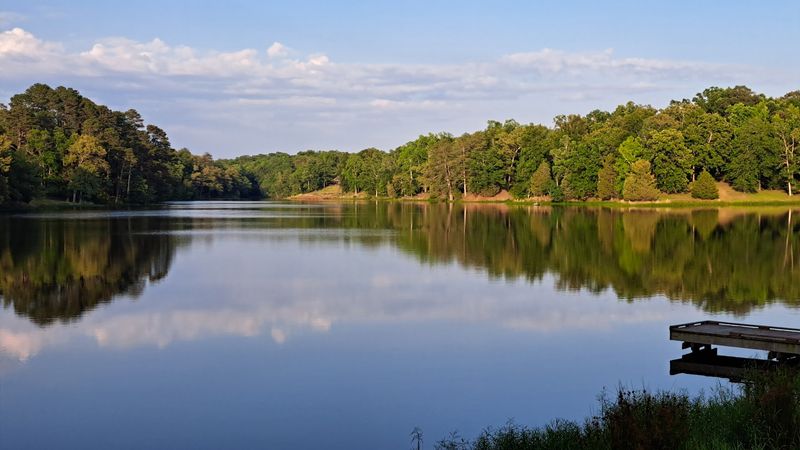
History and outdoor fun share equal billing at Tombigbee State Park, just six miles south of Tupelo, Mississippi. Built by the Civilian Conservation Corps in the 1930s, the park carries a rich heritage that earned its historic district a spot on the National Register of Historic Places in 1999.
That kind of recognition does not come easy, and a single visit makes it clear why this place earned it.
Lake Lee is the centerpiece, a shimmering 90-acre body of water loaded with largemouth bass, crappie, bream, and channel catfish. Boat ramps make it easy to get out on the water, and the fishing here is consistently rewarding for both casual and serious anglers.
When you need a break from the water, two disc golf courses and the scenic Tree Trunk Trail offer solid alternatives.
Campers can choose from 20 full hookup sites, water and electricity options, group camping areas, and charming cabins that feel like a proper retreat from everyday life. Picnicking and volleyball round out the activity list nicely.
You can find this slice of Mississippi heritage at 264 Cabin Dr, Tupelo, MS 38804, close enough to Tupelo that you could pair the trip with a visit to Elvis Presley’s birthplace nearby.
8. Clarkco State Park
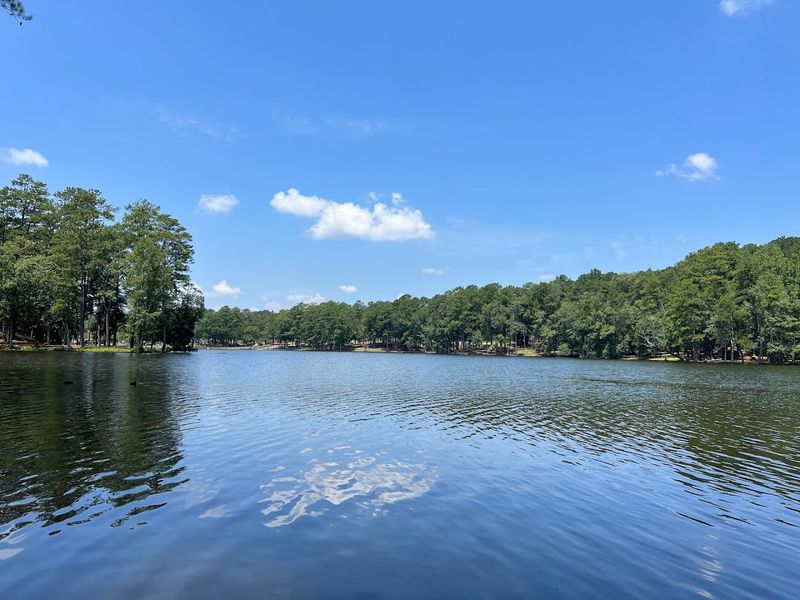
Clarkco State Park opened in 1938, and it has been quietly delivering great outdoor experiences ever since. Built by the Civilian Conservation Corps, the park spans 815 acres of woodland near the Mississippi-Alabama state line in Quitman.
At its center sits Ivy Lake, also called Clarkco Lake, a 65-acre gem perfect for swimming, paddling, and fishing for bluegill, channel catfish, and largemouth bass.
The activity list here is genuinely impressive. Over 14 miles of nature trails wind through the forested landscape, offering everything from easy walks to more ambitious hikes.
The 18-hole Twin Pines disc golf course follows the bayou, tennis and pickleball courts welcome competitive spirits, and a splash pad keeps younger visitors cool during Mississippi summers.
Overnight options cover every preference, from 43 full hookup RV sites to 15 primitive tent sites and 20 air-conditioned cabins, many of which come with private piers overlooking the lake.
Waking up to lake views from your cabin porch is the kind of simple luxury that makes a weekend feel like a full vacation.
Plan your visit to 386 Clark County Rd, Quitman, MS 39355, and give yourself at least two days to properly enjoy everything Clarkco offers.
9. Grand Gulf Military State Park
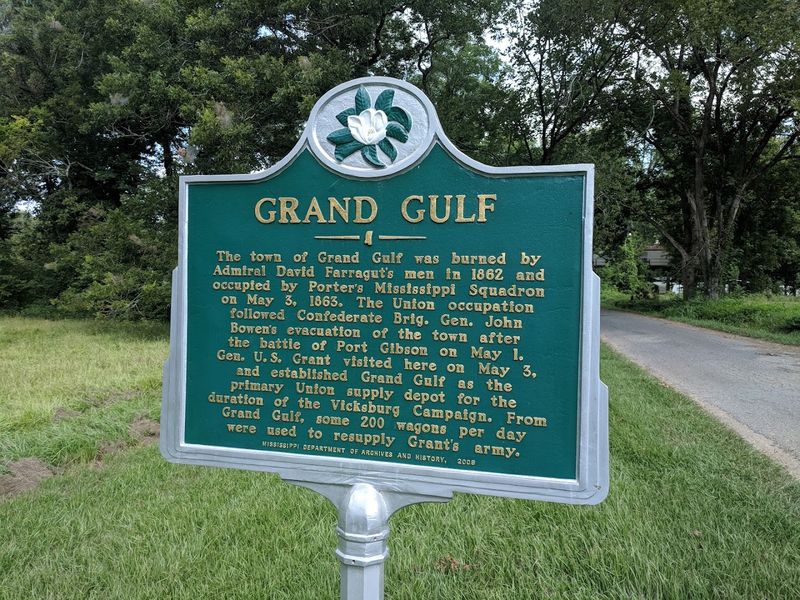
Grand Gulf Military State Park is the kind of place where history feels close enough to touch. Covering 400 acres along the Mississippi River about eight miles northwest of Port Gibson, the park preserves the site of the Battle of Grand Gulf from April 29, 1863.
That engagement was a key moment in Ulysses S. Grant’s Vicksburg Campaign, and the remnants of Confederate batteries Fort Cobun and Fort Wade still stand as proof.
The park functions as a living museum, displaying Civil War artifacts, local historical items, and one particularly wild exhibit: an actual Mastodon bone.
Hiking trails weave past preserved earthworks and through the historic Grand Gulf Cemetery, which holds the unique distinction of being the only cemetery in the United States known to contain Civil War Confederate rifle pits.
An observation tower provides sweeping river views that put the strategic importance of this location into immediate perspective. Several restored buildings offer a vivid glimpse into what Grand Gulf looked like during its most active years.
Listed on the National Register of Historic Places and designated as a Mississippi Landmark, the park rewards curious visitors with layers of history at every turn. Find it at 12006 Grand-Gulf Rd, Port Gibson, MS 39150.
10. Shepard State Park
Shepard State Park carries a legend that gives the whole region its name. The Pascagoula River nearby earned the nickname Singing River from the story of the Pascagoula Indian nation, who reportedly entered the river in a mournful chant rather than face capture.
Whether or not you believe the legend, the atmosphere around Shepard State Park in Gautier, Mississippi, absolutely lives up to the mystique.
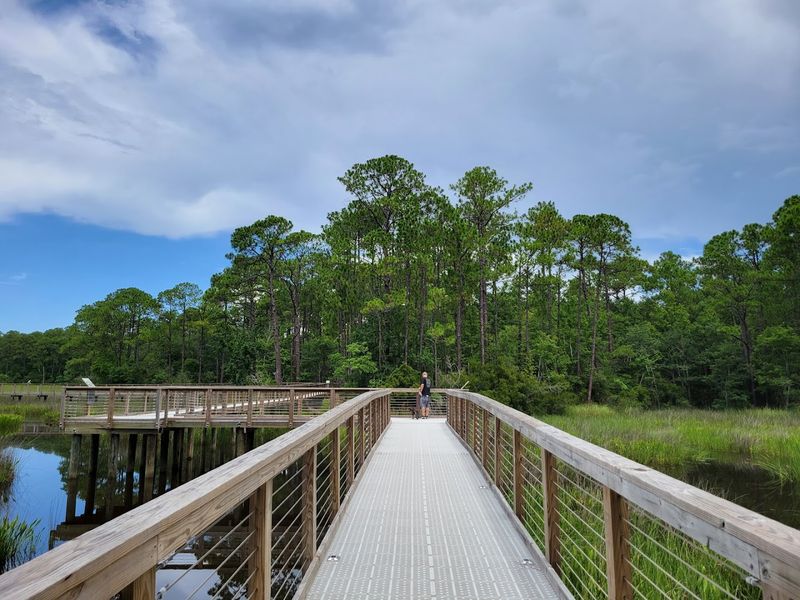
The park’s standout feature is Mississippi’s longest Marshwalk, a fantastic boardwalk along LaMotte Bayou that opened in 2021. Educational panels along the route highlight local flora and fauna, including alligators and native grasses, making every step genuinely informative.
About 8 miles of nature trails, an 18-hole disc golf course called Alligator Alley, and an archery range add serious variety to the activity lineup.
Kayakers and canoeists will appreciate the small craft boat launch connecting to St. Pierre Bayou, while campers can settle into 38 developed sites or tent camping spots.
The welcome center sits inside a beautifully maintained historic log cabin, which sets the tone perfectly for the whole experience.
Point your GPS toward 1034 Graveline Rd, Gautier, MS 39553, and let this coastal gem do the rest of the talking.
11. Walter Anderson Museum Of Art
Walter Anderson was the kind of artist who painted the walls of his own private room in secret and told absolutely nobody.
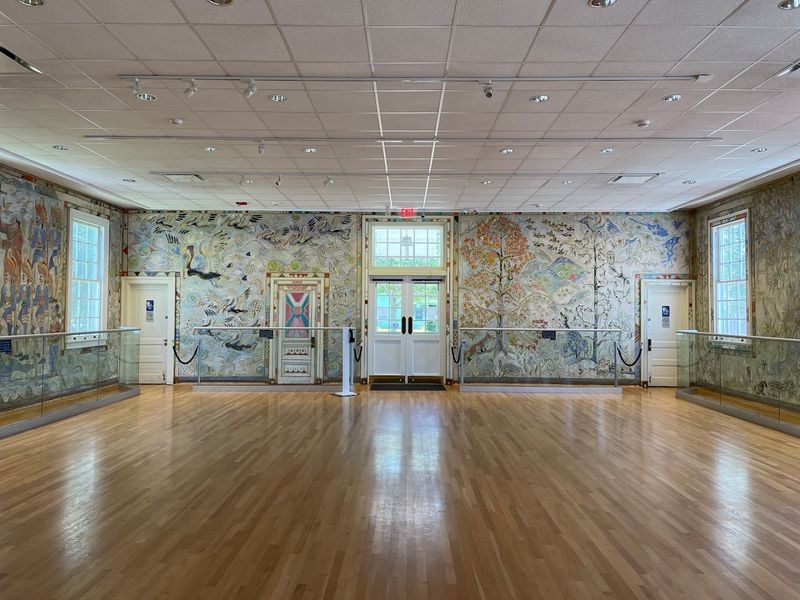
When he passed in 1965, his family discovered The Little Room, a small sanctuary covered floor to ceiling in extraordinary murals depicting coastal wildlife and nature.
That discovery alone would make the Walter Anderson Museum of Art worth visiting, but there is so much more waiting inside.
The museum opened in 1991 in Ocean Springs, Mississippi, and celebrates Anderson’s breathtaking body of work alongside pieces by his equally talented brothers, Peter and James McConnell Anderson.
Over a thousand works fill the collection, spanning watercolors, drawings, oils, murals, and more.
His art weaves together ecological depth and spiritual sensitivity in a way that feels completely unlike anything else in American art history.
Adjacent to the museum, the Ocean Springs Community Center houses Anderson’s monumental 3,000-square-foot murals depicting the historical discovery of the Mississippi Coast. He painted the entire thing between 1951 and 1952 for exactly one dollar.
That might be the greatest art deal in American history. Plan your visit to 510 Washington Ave, Ocean Springs, MS 39564, and give yourself extra time because leaving quickly will feel genuinely difficult.
12. Beauvoir
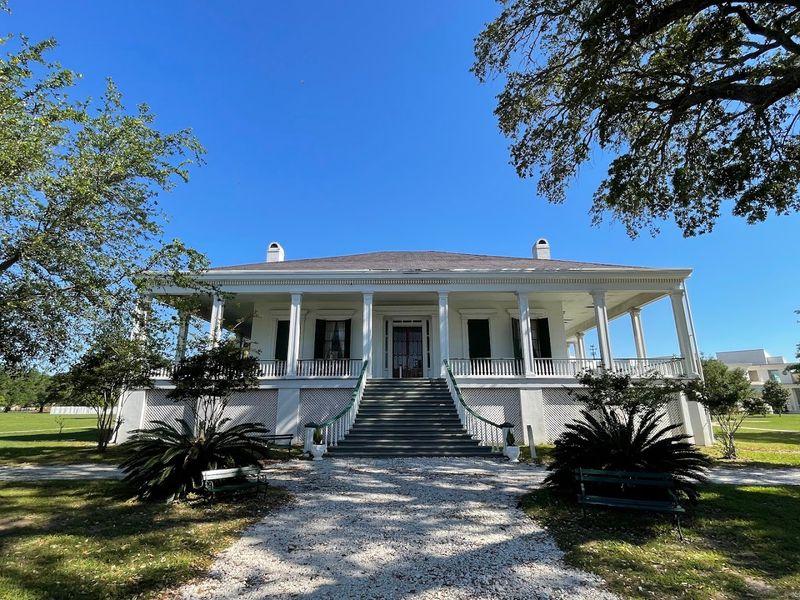
Beauvoir is the kind of place that earns the word magnificent without trying too hard. Built between 1848 and 1852 in Biloxi, Mississippi, this stunning raised cottage estate served as the final home of Jefferson Davis, the one and only President of the Confederate States of America.
Davis moved here in 1877 and spent his remaining years writing his memoir, The Rise and Fall of the Confederate Government, on these very grounds.
The estate sits on 60 acres with sweeping views of the Gulf of Mexico and the Mississippi Sound, and those wraparound porches were designed specifically to handle coastal weather with grace.
A comprehensive Civil War Museum sprawling across 9,500 square feet shares the property, along with a solemn Confederate Memorial Cemetery that serves as the final resting place for over 780 individuals.
Hurricane Katrina dealt Beauvoir a serious blow in 2005, but meticulous restoration work has brought it back beautifully, with over 95 percent of the original wood components still intact.
That level of preservation is remarkable for a structure of this age and coastal exposure.
Designated a National Historic Landmark, Beauvoir offers guided house tours and peaceful strolls through its maintained grounds. You can visit at 2244 Beach Blvd, Biloxi, MS 39531.