
Most People Drive Right Past This Fascinating Wisconsin Museum Without Realising It’s There
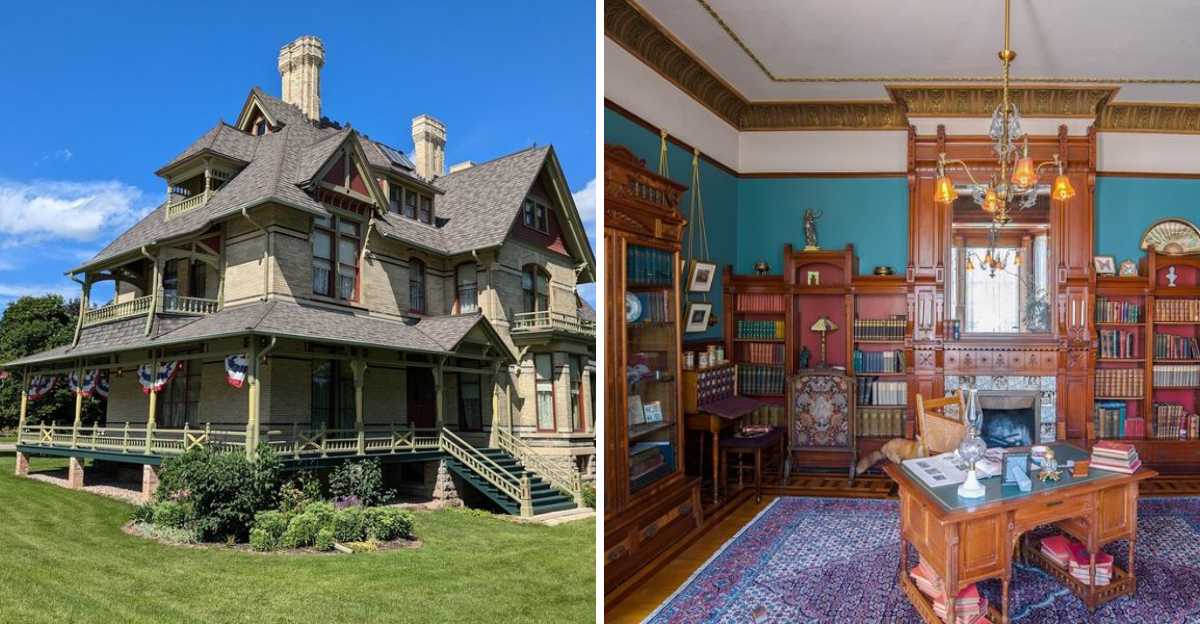
Thousands of cars roll past a quiet residential street in Appleton every single day, their drivers completely unaware that one of the most important homes in American history sits just yards away. This historic museum does not advertise with billboards or flashing signs, and from the street it looks like just another beautiful old mansion in a neighborhood full of them.
Step inside, though, and the story shifts completely. Behind those walls is a breakthrough that transformed how American homes were designed and lived in, leaving a legacy that still touches daily life today.
The First Home In The World Powered By A Hydroelectric Central Station
Henry J. Rogers flipped a switch in September 1882 and became the first person on Earth to light his home using electricity generated by a hydroelectric central station.
The power came from a dam on the Fox River just two miles away, where water turned turbines that sent current directly into the mansion.
Thomas Edison himself had designed the system, making Hearthstone a living laboratory for technology that would eventually reach every corner of the industrialized world. Before this moment, homes relied entirely on gas lamps, candles, and oil lanterns for light after sunset.
The achievement represented a turning point in domestic life that most people today take completely for granted. Rogers did not just install a novelty or luxury item.
He proved that electricity could be practical, safe, and reliable enough to power an entire household on a permanent basis, paving the way for the modern electrical grid.
A Beautiful Queen Anne–Style Mansion Built In 1882
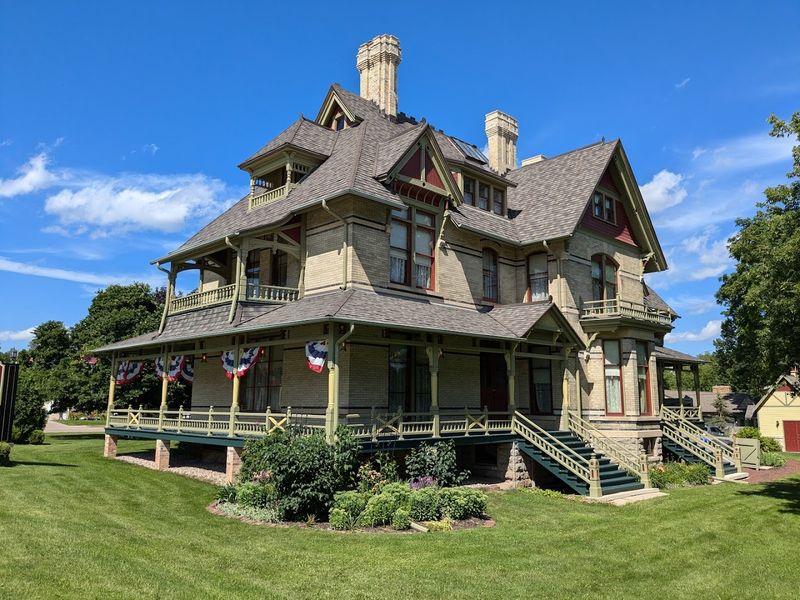
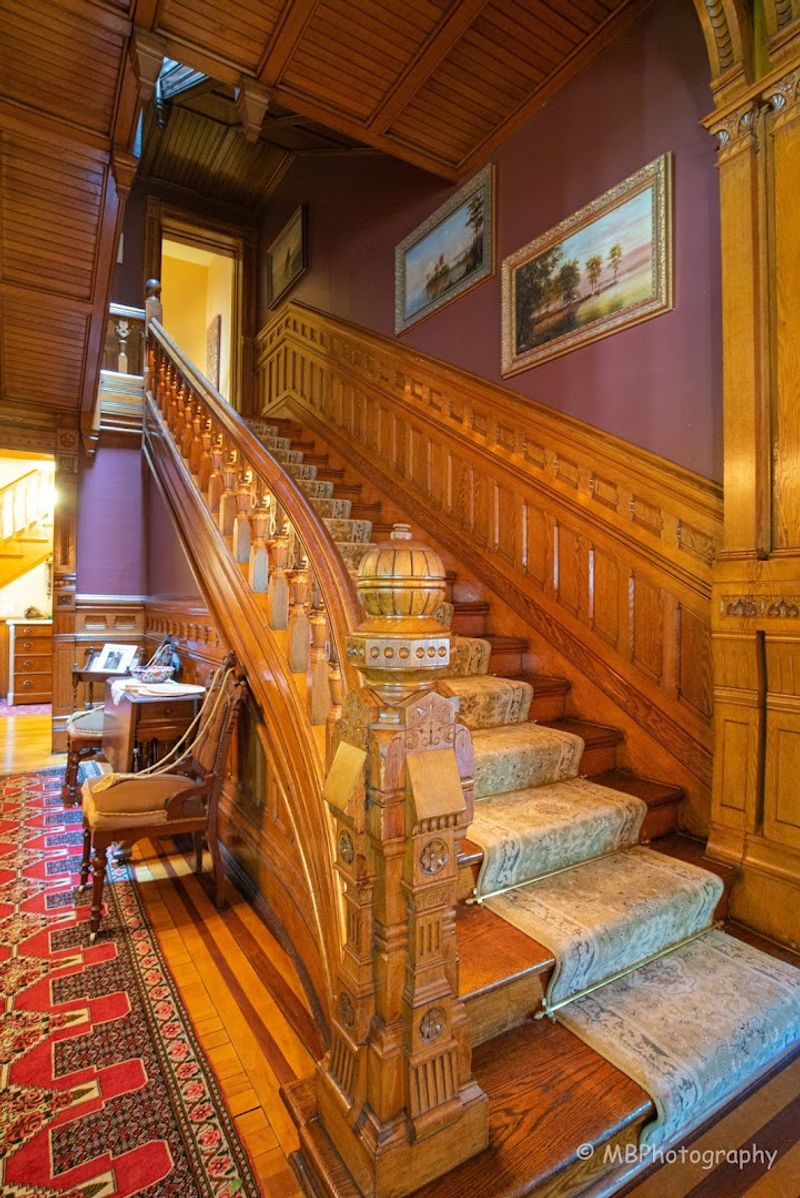
Walking up to the mansion feels like stepping onto the set of a period film, except every detail here is authentic. The Queen Anne style was at the height of fashion when construction began, and the builders spared no expense in creating a showpiece that would reflect the Rogers family’s prominence in Appleton society.
Turrets rise from the roofline, intricate woodwork frames every window, and the overall silhouette creates the kind of visual drama that modern homes rarely attempt. The architecture was meant to impress, and more than 140 years later it still does.
Inside, the original stained glass windows filter sunlight into pools of color across hardwood floors. The craftsmanship visible in every room speaks to an era when homes were built by hand and designed to last for generations.
Restoration work has kept the structure in remarkable condition, preserving details that might have been lost to time or careless renovation.
Located In A Quiet Appleton Neighborhood Many Drivers Overlook
West Prospect Avenue does not look like the kind of street where history was made. Mature trees shade the sidewalks, and the homes sit back from the road in the comfortable arrangement typical of established Midwestern neighborhoods.
Nothing about the setting suggests that one of these houses fundamentally changed American domestic life.
Most drivers pass by without a second glance, their attention focused on getting wherever they need to go. The museum does not compete for attention with garish signage or roadside attractions, which means it remains a secret hiding in plain sight.
This understated presence actually adds to the appeal for visitors who do stop. There is something satisfying about discovering a place of genuine importance that has not been turned into a tourist spectacle.
The neighborhood setting keeps the experience intimate and personal, more like visiting a historic home than touring a commercial attraction.
One Of The First Houses In America To Use Electric Lighting
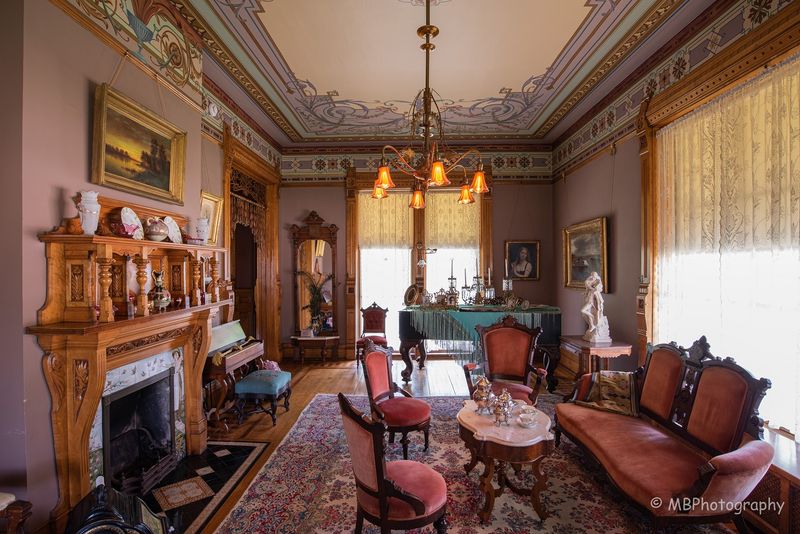
Before Hearthstone, electric lighting existed only in laboratories, public demonstrations, and a handful of experimental installations. Rogers brought the technology into a private residence on a scale that had never been attempted, installing fixtures throughout the entire home rather than in just one or two rooms as a curiosity.
The decision required both vision and courage, since nobody knew for certain how the system would perform over time. Fire was a constant concern with gas lighting, and many people feared electricity would prove even more dangerous.
Rogers proved the skeptics wrong. The electrical system worked reliably from the start, and the home became a showcase that convinced other wealthy Americans to follow suit.
Within a few decades, electric lighting would become standard in urban homes across the country. Standing in rooms where this transformation began gives visitors a direct connection to a moment when the future arrived and everything changed.
The Home Of Paper Industry Leader Henry J. Rogers
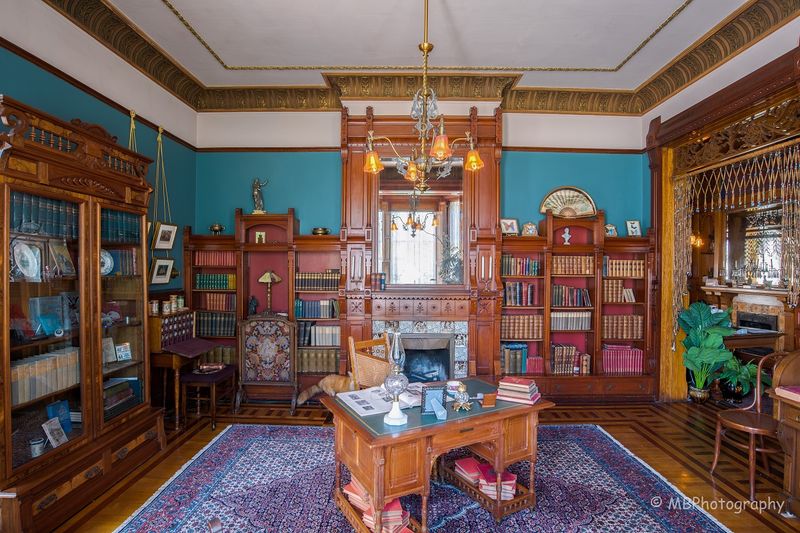
Henry Rogers made his fortune in the paper industry at a time when Wisconsin was becoming the center of American papermaking. His success gave him both the wealth to build an extraordinary home and the progressive mindset to embrace cutting-edge technology that most of his peers viewed with suspicion.
Rogers was not simply rich. He was curious, forward-thinking, and willing to take risks on innovations that might improve daily life.
His decision to install electric lighting was not about showing off but about genuinely believing in the potential of this new technology.
The museum preserves his story alongside the physical structure, helping visitors understand the man behind the mansion. Rogers lived in the home with his wife and children, and the tour guides share details about family life that make the historical figures feel like real people rather than distant names from a textbook.
Original Thomas Edison Light Fixtures Still On Display
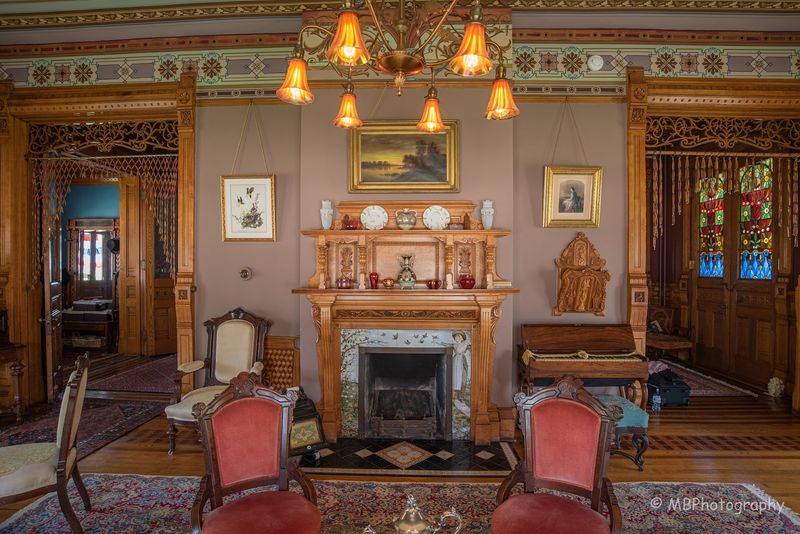
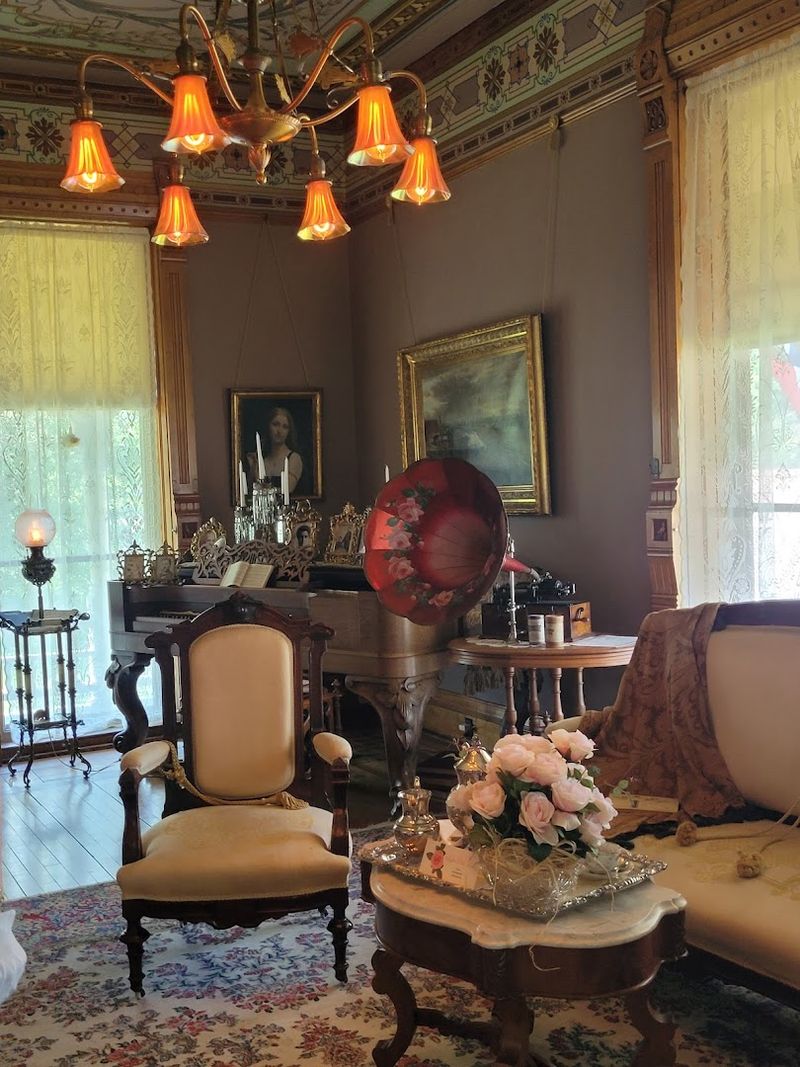
The electroliers hanging in the rooms are not reproductions or replacements. They are the actual fixtures installed when the house was built, designed by Edison’s company and wired to specifications that were being invented as the work progressed.
Seeing them in place creates a tangible link to the birth of modern electrical systems.
Each fixture represents a solution to problems that had never been solved before. How do you safely bring electricity into a wooden structure?
How do you control the flow of current to multiple lights in different rooms? The answers are visible in the hardware and wiring that still function after more than a century.
Tour guides explain how the system worked and point out details that visitors might otherwise miss. The fixtures themselves are beautiful objects, combining the ornamental style of the Victorian era with the functional requirements of an entirely new technology.
A Museum Filled With Authentic Victorian-Era Furnishings
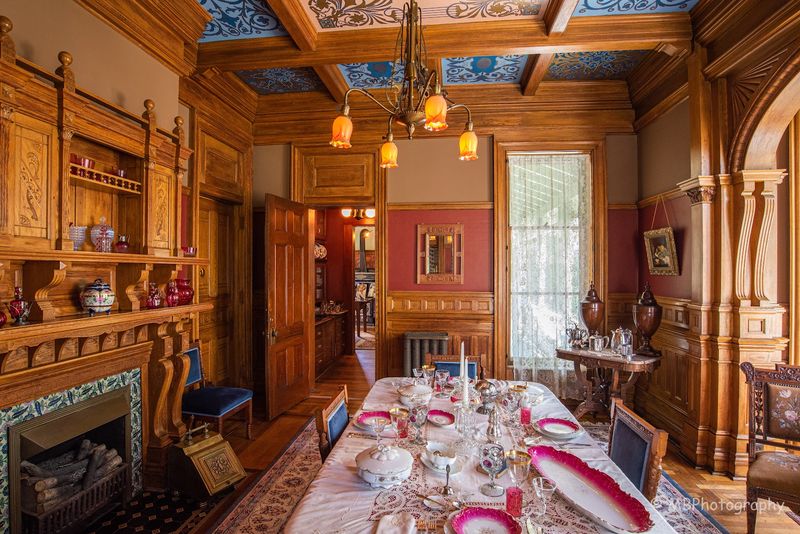
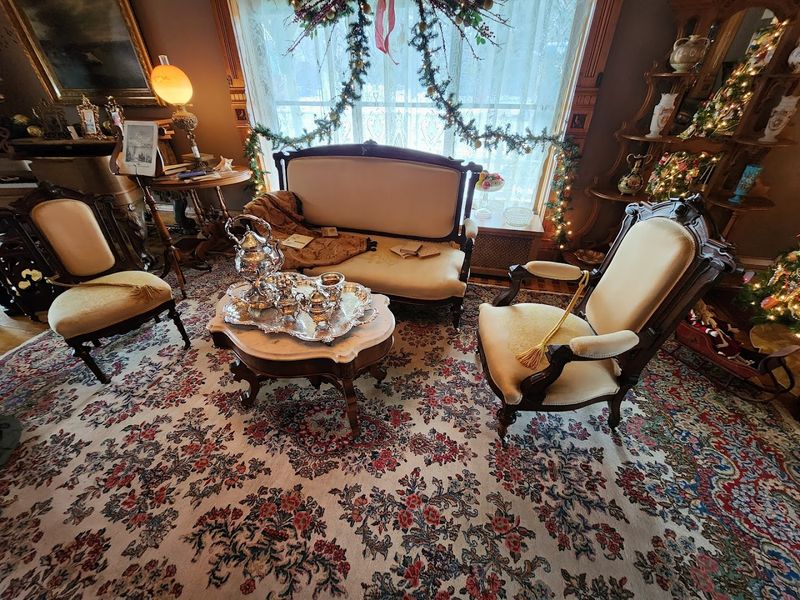
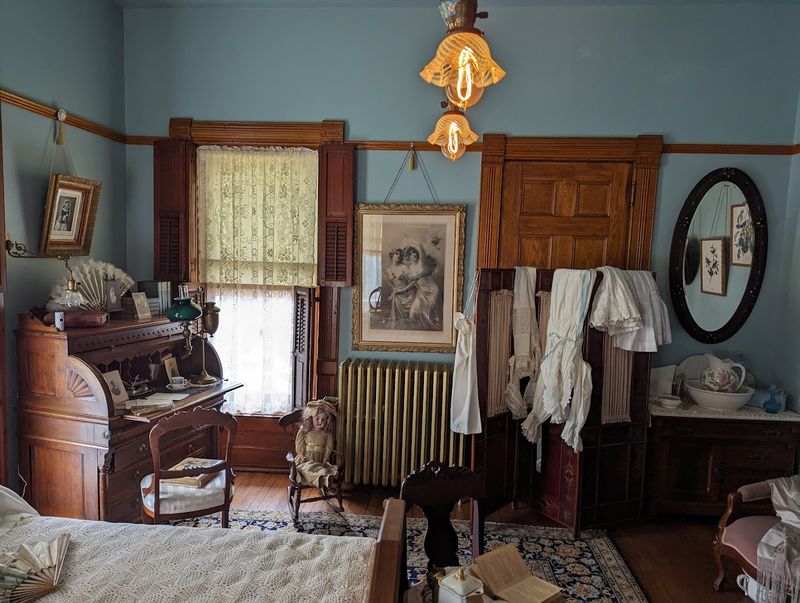
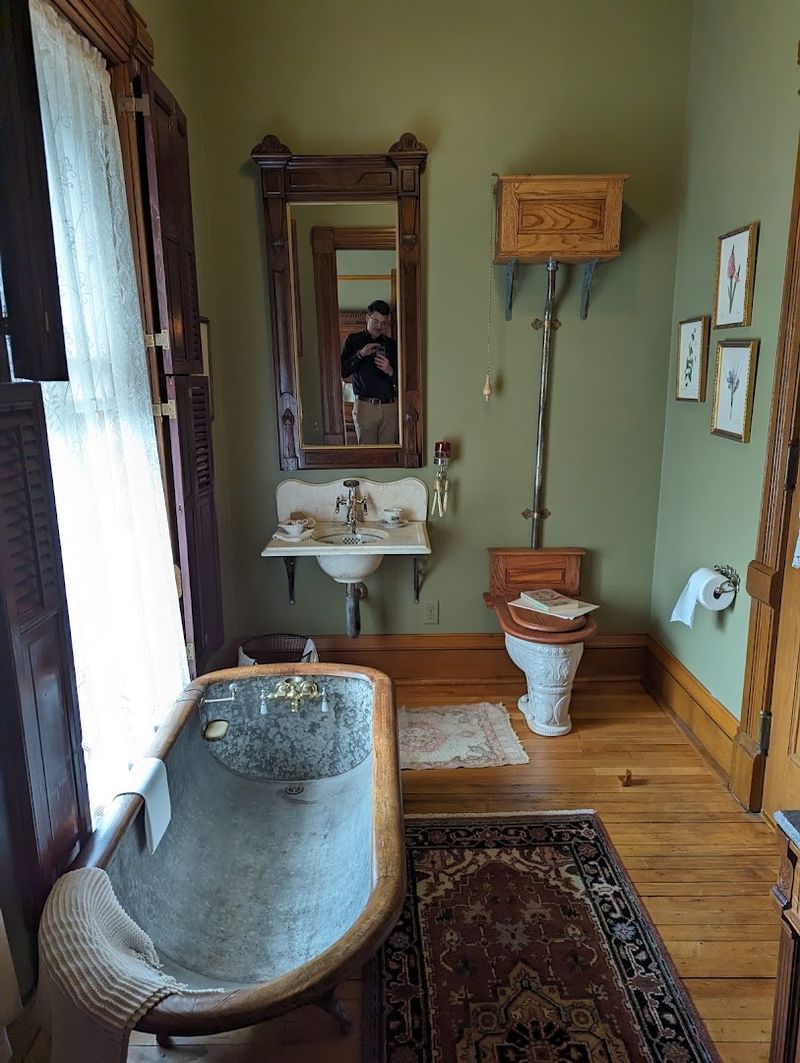
Every room in the museum has been furnished with pieces that match the period when the Rogers family lived there. While not all the items belonged to the original owners, the collection accurately represents the style, quality, and taste of an upper-class household in the 1880s and 1890s.
Ornate wooden furniture fills the parlors, bedrooms feature elaborate bedsteads and dressers, and the dining room table is set as though guests might arrive at any moment. The attention to detail extends to smaller items like clocks, picture frames, and decorative objects that would have been common in homes of this type.
Walking through the rooms feels like traveling back in time because the furnishings create a complete environment rather than a sparse museum display. Visitors can imagine what daily life was like for the families who lived here, from formal entertaining in the front rooms to quieter moments in the private spaces upstairs.
Guided Tours That Bring The Story Of Early Electricity To Life
The volunteer docents who lead tours at Hearthstone are genuinely passionate about the history they share, and their enthusiasm makes even technical details about electrical systems engaging and understandable. Tours typically last between an hour and ninety minutes, depending on how many questions the group asks.
Guides explain not just what happened but why it mattered, connecting the installation of electric lighting to broader changes in American society and daily life. They share stories about the Rogers family, describe how the house functioned, and point out architectural features that visitors might overlook on their own.
The basement includes hands-on exhibits where younger visitors can experiment with simple electrical concepts, making the tour educational for all ages. The combination of storytelling, physical objects, and interactive elements creates an experience that sticks in memory long after the visit ends.
Tours run Thursday through Saturday from 10 AM to 5 PM and Sunday from 1 to 5 PM.
A Landmark That Helped Change How American Homes Were Lit
The phrase turn on the lights entered the language because of homes like Hearthstone, where people literally turned a switch to control electric current rather than lighting a flame. Before this innovation, every source of indoor light required fire, which meant constant vigilance against accidents and the ever-present smell of burning gas or oil.
Electric lighting eliminated those concerns while providing brighter, steadier illumination that made evening activities easier and safer. The change seems obvious now, but at the time it represented a leap of faith into unknown territory.
Hearthstone proved that the leap was worth taking. The success of the electrical system here encouraged other homeowners, builders, and utility companies to invest in similar installations.
Within a generation, electric lighting had spread from experimental mansions to middle-class homes across urban America, fundamentally altering patterns of work, leisure, and family life after dark.
A Small Museum With A Surprisingly Big Piece Of History
Hearthstone does not occupy acres of land or require hours to tour, and the staff operates entirely on private funding without government support. The modest scale makes it easy to underestimate the importance of what happened within these walls, but size has nothing to do with historical significance.
This single building played a role in transforming how billions of people around the world would live their lives. Every time someone flips a light switch, they are using technology that was proven practical and safe in this exact location more than 140 years ago.
The museum charges around twelve dollars for admission, which goes directly toward maintaining the property and continuing educational programs. For the price of a fast food meal, visitors gain access to a genuine piece of history that connects them to a moment when the modern world began to take shape.
That kind of experience is increasingly rare and worth seeking out.