
Most People Skip This Nevada Dirt Road, But It Leads To A Stunning Hidden State Park
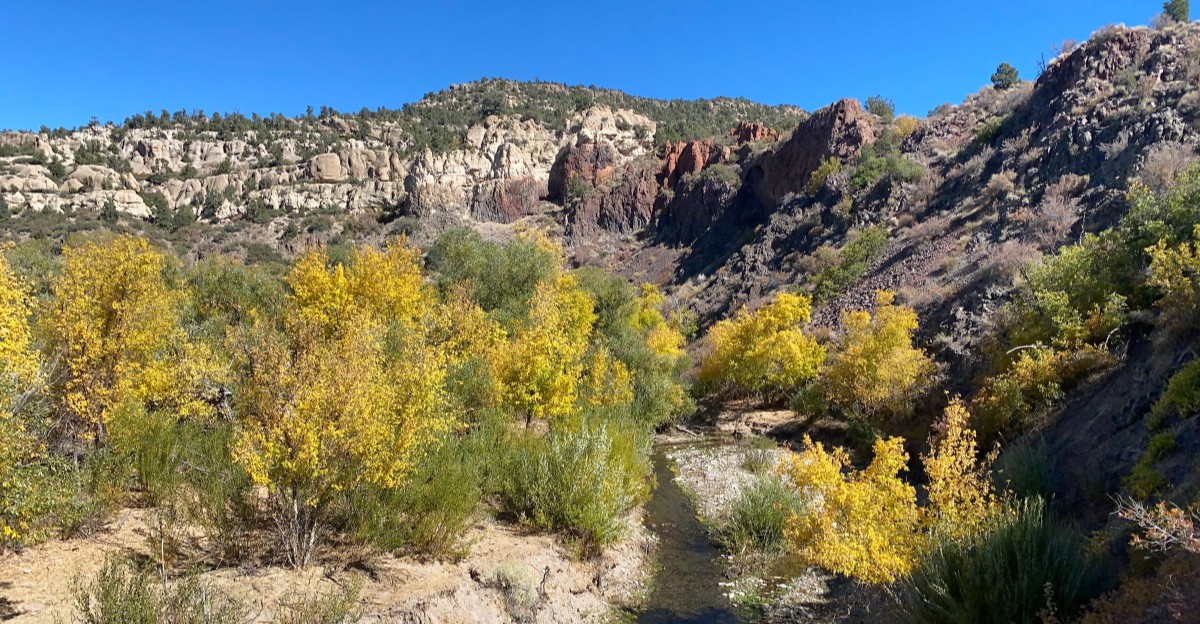
Dust on the windshield, cattle on the road, and not a single tour bus in sight.
Most people skip this Nevada dirt road the second the pavement ends. Their loss, because the gravel keeps rolling until the desert cracks open into a canyon of pink volcanic cliffs.
Down at the bottom, a creek runs cold and clear under cottonwoods. Trout flicker in the shallows, and beavers still stack sticks like tiny engineers.
Then comes the surprise. A short trail leads past warm springs to a waterfall the desert forgot to mention.
Nights belong to the Milky Way, bright enough to make you whisper.
A stunning state park with almost nobody around? Nevada saved a quiet little gift for travelers willing to earn it.
The Dirt Road That Keeps The Crowds Away
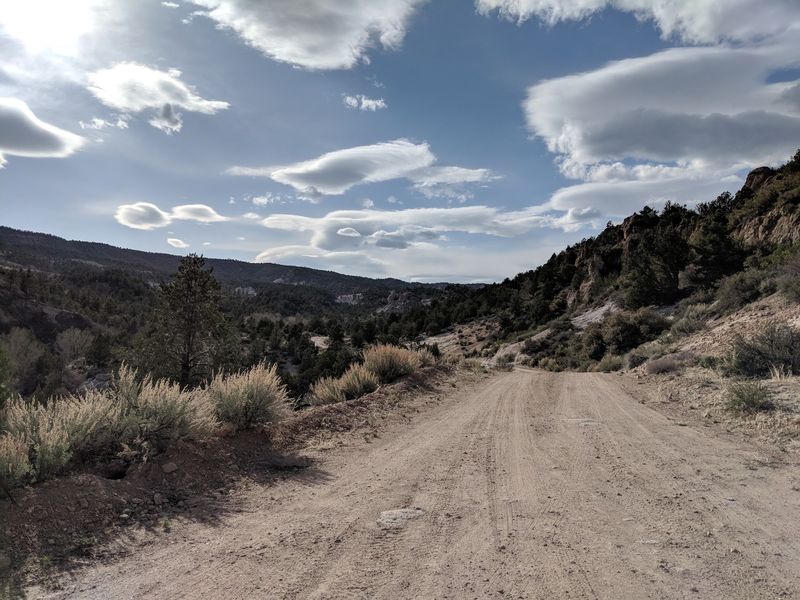
Ever noticed how the best places make visitors earn them? Beaver Dam State Park does exactly that.
The journey starts near Caliente, heading north on US 93. Then comes a long stretch of graded gravel heading east.
Most of the ride stays dirt, with only a small paved portion. Expect a long ride full of bumps, dust, and wide open range.
That open range matters. Cattle and wild horses often wander across the road, so slow speeds keep everyone safe.
In dry weather, many regular cars handle the main road just fine. Inside the park, though, the roads can turn rougher and more rutted.
Rain changes everything. Heavy snow or summer storms can make a high-clearance, four-wheel-drive vehicle a smart choice or even a must.
Some travelers coming up from southern Utah prefer the eastern approach. Either way, checking current road conditions before leaving is a wise move.
Fill the gas tank and pack extra water before the turnoff. Cell service fades fast, and help can be far away.
The payoff for all that gravel is simple. Beaver Dam State Park often feels almost empty, even on pleasant weekends.
Few Nevada parks offer that kind of quiet.
Volcanic Rocks With A Colorful Past
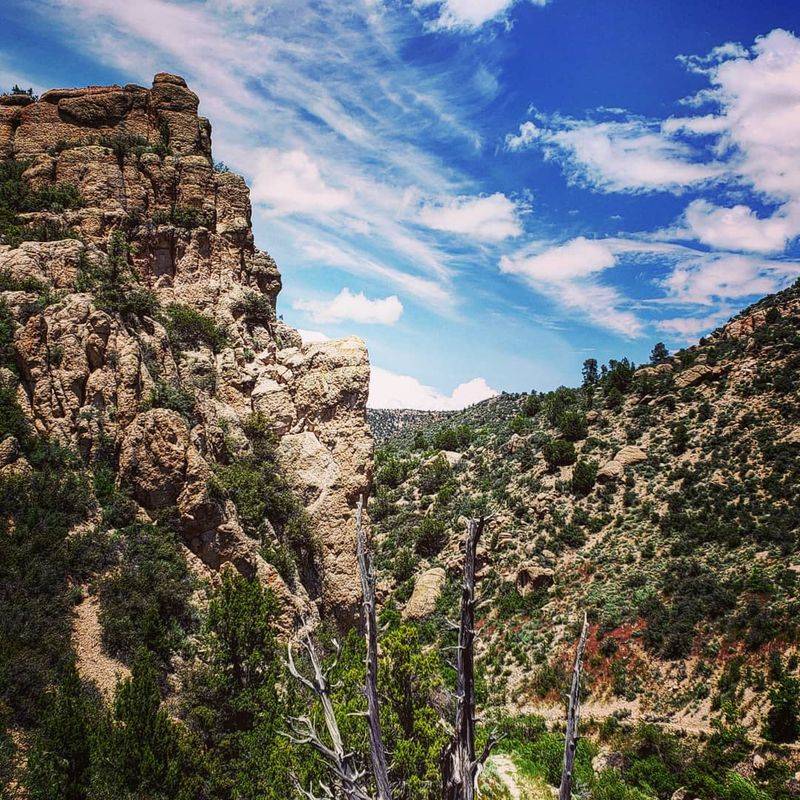
Pink rocks in the desert? Absolutely, and they tell a fiery story.
Volcanic activity shaped this corner of eastern Nevada over millions of years. The result is a canyon packed with dramatic cliffs and odd rock shapes.
Look closely at the outcrops along the roads and trails. Pink rhyolite, dark red and gray andesite, and white ash-fall tuff all appear here.
Those colors come from different kinds of eruptions and ash layers. Over time, flowing water carved through them and exposed each layer.
Sharp eyes sometimes spot small nodules of obsidian and volcanic glass. Leave them where they lie so the next visitor can enjoy the find too.
The late afternoon sun does wonderful things to these cliffs. Pinks glow warmer, and shadows add depth to every ridge.
Photographers should plan a walk near sunset for the best color. Early mornings also bring soft light and cooler air.
Kids love turning the rocks into a scavenger hunt. See who can find the most colors without climbing on fragile ledges.
Beaver Dam State Park proves that geology does not have to feel like homework. Here, it looks more like a painted canyon waiting to be explored.
Pioneers, Wagons, And Carved Initials
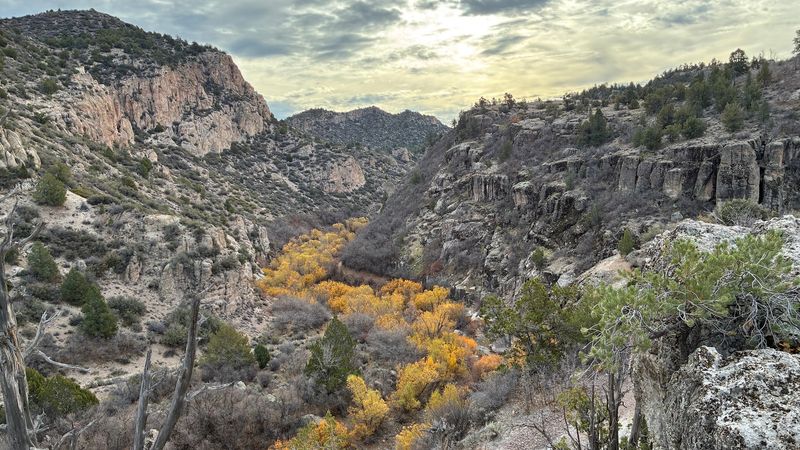
Shortcuts do not always go as planned. A group of gold seekers learned that lesson the hard way in the mid-1800s.
These emigrants hoped to reach the California goldfields faster. Instead, they hit steep cliffs and canyons that wagons simply could not cross.
The travelers left their wagons behind and pushed on with horses and mules. Before moving on, two of them carved their initials and the date into a cliff.
That carving still links today’s visitors to their tough journey. It serves as a quiet reminder of how wild this land once felt.
One family refused to leave. They built a homestead during the 1860s.
Their ranch included a small house, a blacksmith shop, and a one-room schoolhouse. Only a few remnants of the old Hamblin Ranch site survive today in the northern section of Beaver Dam State Park.
Long before any wagons, Indigenous peoples camped along the creeks here. The streams offered fish, beavers, and a reliable source of water.
Historians also think Spanish travelers may have passed through the region centuries ago. That detail remains uncertain, which only adds to the mystery.
Treat any historic site gently. Old structures and markings cannot be replaced once damaged.
A Park Built By Hard Work And High Water
Talk about a comeback story. This park has faced floods, rebuilds, and big changes, yet it keeps bouncing back.
Beaver Dam became one of the very first state parks in Nevada during the 1930s. Local interest grew after road improvements made the area easier to reach.
The Civilian Conservation Corps arrived soon after. Crews built campsites and picnic areas during the mid-1930s.
Nature had other plans. Severe floods in the late 1930s washed away many of those early structures.
Decades later, an earthen dam created Schroeder Reservoir deep inside the canyon. It gave anglers a lake to enjoy for many years.
Then came another big flood in the mid-2000s. The water damaged the reservoir, and crews later removed the dam.
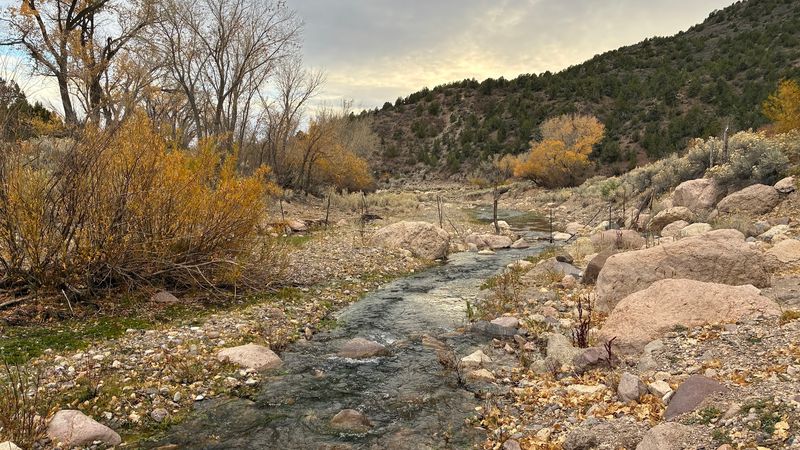
Today, the Beaver Dam Wash flows much as it did before the dam existed. The stream now winds freely through willows and cottonwoods.
This history explains why the landscape looks so fresh and wild. Floods still reshape the canyon, and trails sometimes need repairs after heavy storms.
Pay attention to flood warnings during stormy months.
Beaver Dam State Park wears its history lightly. Visitors see a calm creek, but the canyon remembers every storm.
Waterfalls, Warm Springs, And Shady Streams
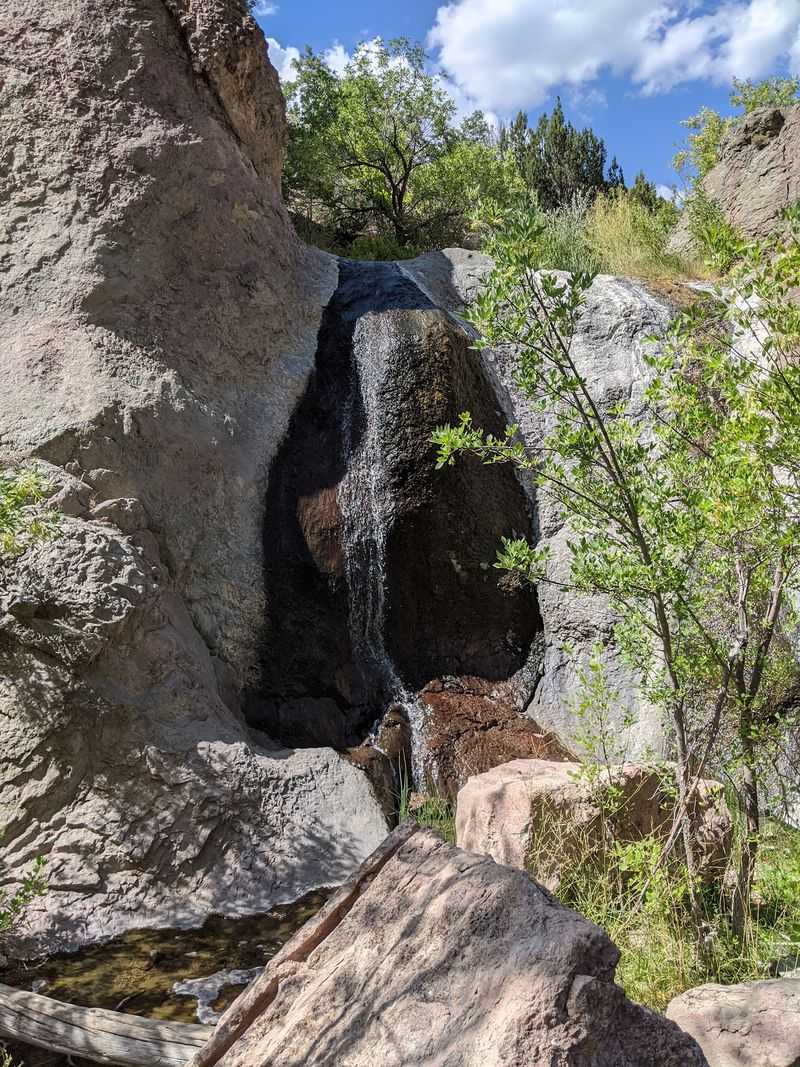
Who expects a waterfall in the high desert? Surprises like that make this canyon special.
Perennial streams run through Beaver Dam State Park all year. Headwaters Creek and Pine Creek meet here and form the Beaver Dam Wash.
That steady water feeds lines of willow and cottonwood trees. Their green leaves pop against the dusty canyon walls.
Small waterfalls tumble over rocks in several spots. They are not towering, but their sound fills the quiet canyon beautifully.
Warm springs also bubble up along the lower stretch of the park. Remnants of old soaking pools hint at how earlier visitors enjoyed them.
Water temperatures stay fairly steady, though conditions can change after floods. Stepping carefully on slick rocks keeps the fun going.
Shade from the trees makes creekside spots great for a snack break. Bring a small towel for splashing feet on warm afternoons.
Ticks sometimes show up in grassy areas near water, especially in spring. A quick check after each hike is a smart habit.
The mix of stone and stream creates a calm, cool pocket in a dry land. It feels like the canyon saved its best secret for the bottom.
Trails For Boots, Bikes, And Wheels
Lace up, because the trail menu here has plenty of choices. Short strolls and rugged rides both fit the plan.
The Interpretive Trail, also known as the Overlook Trail, climbs from Campground B to a sweeping 360-degree view of the canyon and the wash.
The Waterfall Trail ranks as a favorite. This short route passes streams and warm springs near the southern edge of the park.
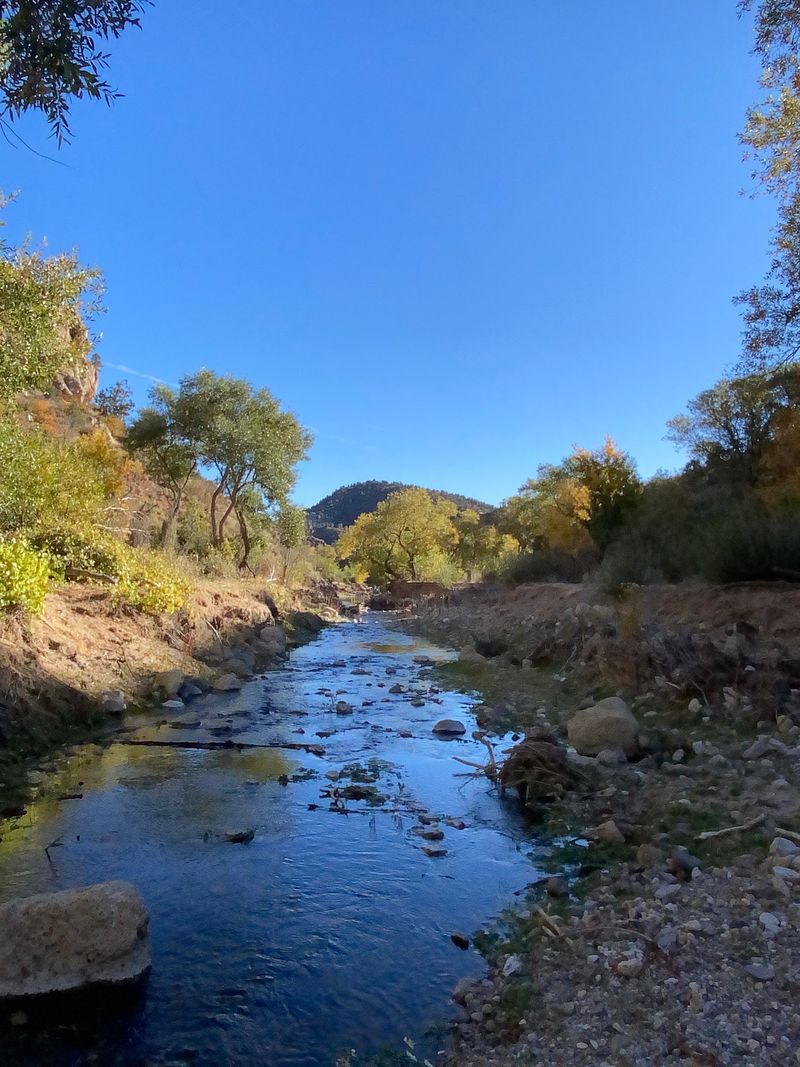
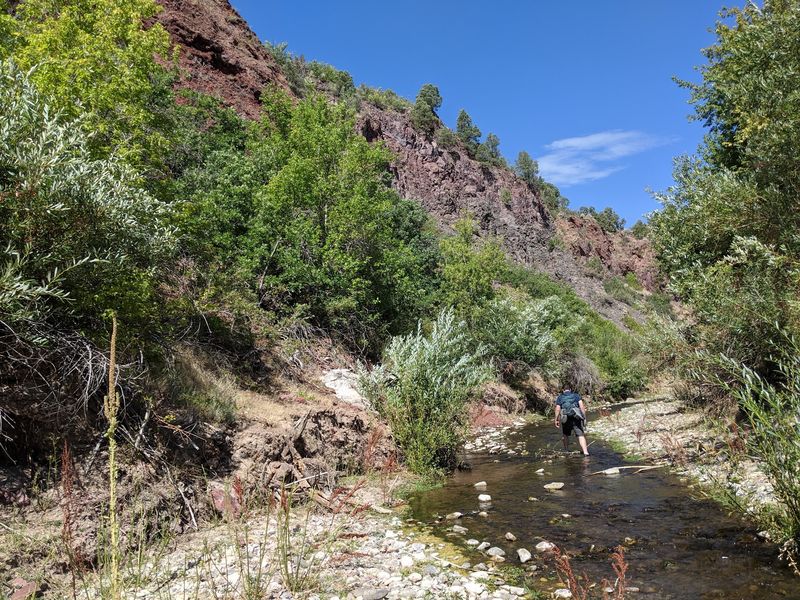
The Beaver Dam Wash Trail follows the water south from the picnic area. Expect several creek crossings, so waterproof shoes help a lot.
Oak Knoll Trail offers an easy walk down to the creek. Anglers love it for quick access to trout water.
For the widest view, the Overlook Trail delivers a sweeping look over the canyon. It rewards a little climbing with a full circle of scenery.
Motor fans get their turn too. Beaver Dam State Park includes miles of designated off-highway vehicle trails.
Routes such as the Cattle Run Trail and two marked OHV adventure loops wind through rugged canyons. Some sections follow narrow ridges, so beginners should ride with caution.
Mountain bikers also find fun miles here. Stay on marked routes to protect the fragile desert soil.
Trout Tales Along The Wash
Rainbow trout in a desert canyon sounds like a fish tale. Here, it is simply true.
The Nevada Department of Wildlife stocks the streams with rainbow trout. Desert suckers and golden shiners also share the water.
Good spots include the stream below the day-use area. The creek along Oak Knoll Trail is another popular choice.
Most anglers need a valid Nevada fishing license with a trout stamp. The park does not sell licenses, so buy one before the drive.
Rules here call for artificial bait and single barbless hooks. A trout limit applies, so check current regulations before casting.
The creek can run shallow in places. Quiet steps and a gentle cast work better than splashing around.
Some banks are steep and brushy, which makes access tricky. Scout a path first and wear shoes with good grip.
Early mornings and evenings often bring the best bites, though results vary.
Great blue herons fish here too, and they rarely miss. Watching one stalk the shallows can be as fun as catching a trout.
Beaver Dam State Park rewards patient anglers with peaceful hours. Even a slow day beats a busy lake crowded with boats.
Beavers, Deer, And Other Neighbors
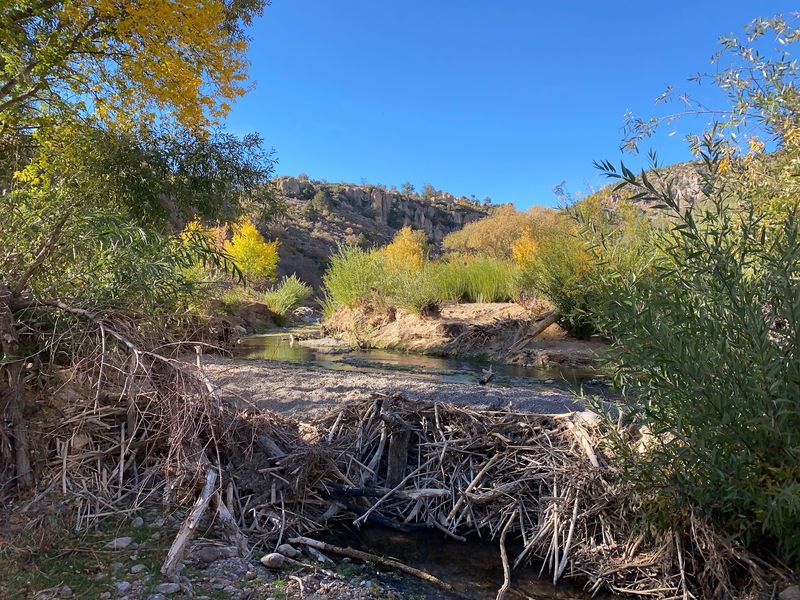
Guess who gave the park its name? Beavers still work along these streams, stacking sticks into tidy dams.
Beaver Dam State Park carries a Watchable Wildlife Area label. That means patient visitors often spot plenty of creatures.
Mule deer browse on shrubs, especially near dawn and dusk. Rabbits dart between rocks, while bullfrogs call from the water.
Birds flutter through the willows all day. Bats take over the evening sky once the sun slips away.
Wild turkeys roam the area too. Lucky visitors might glimpse a coyote, fox, or bobcat, though sightings are never guaranteed.
Mountain lions live in the region, but they rarely show themselves. Keep small kids close and pets leashed on the trails.
Lizards and snakes enjoy the sunny rocks. The Great Basin rattlesnake lives here, so watch where hands and feet land.
On the drive in, cattle and wild horses may share the road. Slow down and give them plenty of room.
Always watch animals quietly and never offer them food. Feeding wildlife changes their habits and can harm them.
Binoculars make a huge difference in this canyon. A quiet seat near the creek can turn into a front-row wildlife show.
Camping Under A Blanket Of Stars
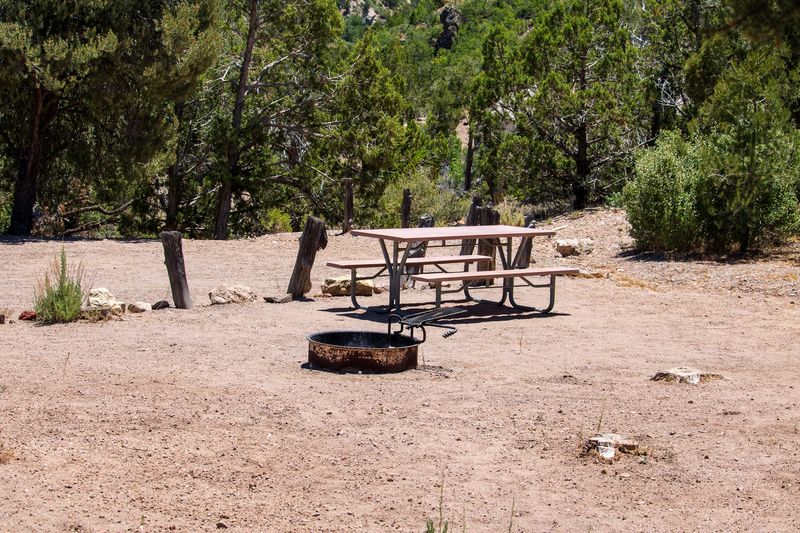
Night falls hard out here, and the stars put on a dazzling show. With little light pollution, the Milky Way often stretches across the sky on clear nights.
Beaver Dam State Park offers two developed campgrounds with individual sites. Each site includes a fire pit, a picnic table, and a parking pad.
Many sites also offer shade and grills. Some spots work for smaller trailers, but big rigs may struggle on the roads.
Campsites can be reserved ahead of time, though reservations are not required, and open sites are available on arrival.
Drinking water runs seasonally, usually during the warmer months. Vault toilets stay available all year.
There are no hookups and no dump station. Bring power, lights, and all the supplies needed for the stay.
Pack out every bit of trash, since the park has no garbage service. Firewood is sometimes available for a small donation, though supplies vary.
Nights get chilly at this elevation, even after warm days. Warm sleeping bags and extra layers make mornings much happier.
Find the park at Beaver Dam Rd, Caliente, NV 89008, United States, deep in eastern Nevada. Fire rules can change, so check restrictions before lighting a campfire.
Picking The Perfect Season To Visit
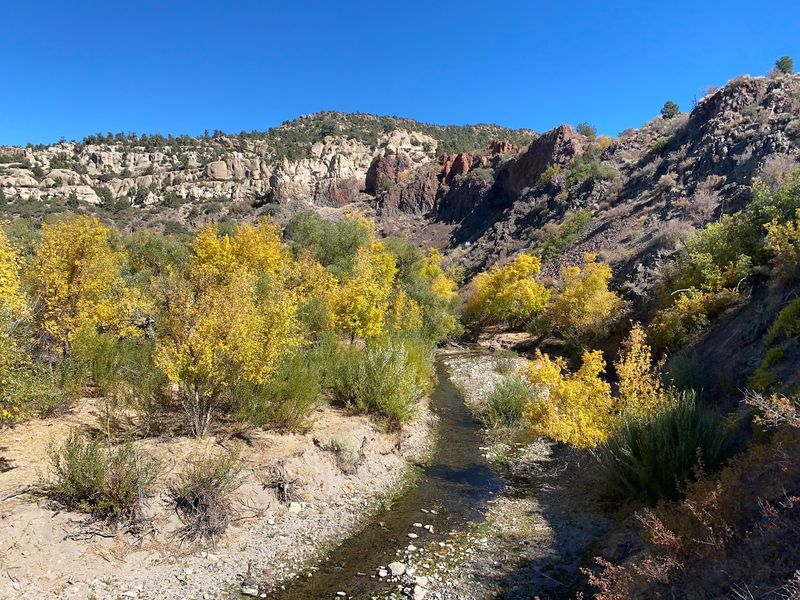
Timing turns a good trip into a great one here. Each season paints the canyon differently.
Spring and fall usually bring the most comfortable weather. Days feel warm without being scorching, and nights stay cool.
Spring wakes the canyon with fresh green leaves and flowing creeks. Autumn brings color as Gambel oak, sumac, and small-tooth maple turn bright.
Summer days can get hot around midday, while nights cool down nicely. Early starts make hiking and fishing far more pleasant.
Late summer also brings monsoon season. Sudden thunderstorms can drop heavy rain and turn roads slick.
Winter changes the mood completely. Snow often blankets the canyon, and temperatures can plunge well below freezing.
The park stays open all year, but winter access can be limited. A four-wheel-drive vehicle is often necessary when snow covers the road.
Pack for every season, no matter the month. Layers, sun protection, and plenty of water cover most surprises.
Weekdays in shoulder seasons often feel the quietest of all.
Beaver Dam State Park rewards travelers who plan ahead. Pick the right window, and this remote corner of Nevada feels like a secret shared with very few.