
This Quiet Arizona Arboretum Has 323 Acres Of Forest Trails And Incredible Mountain Views
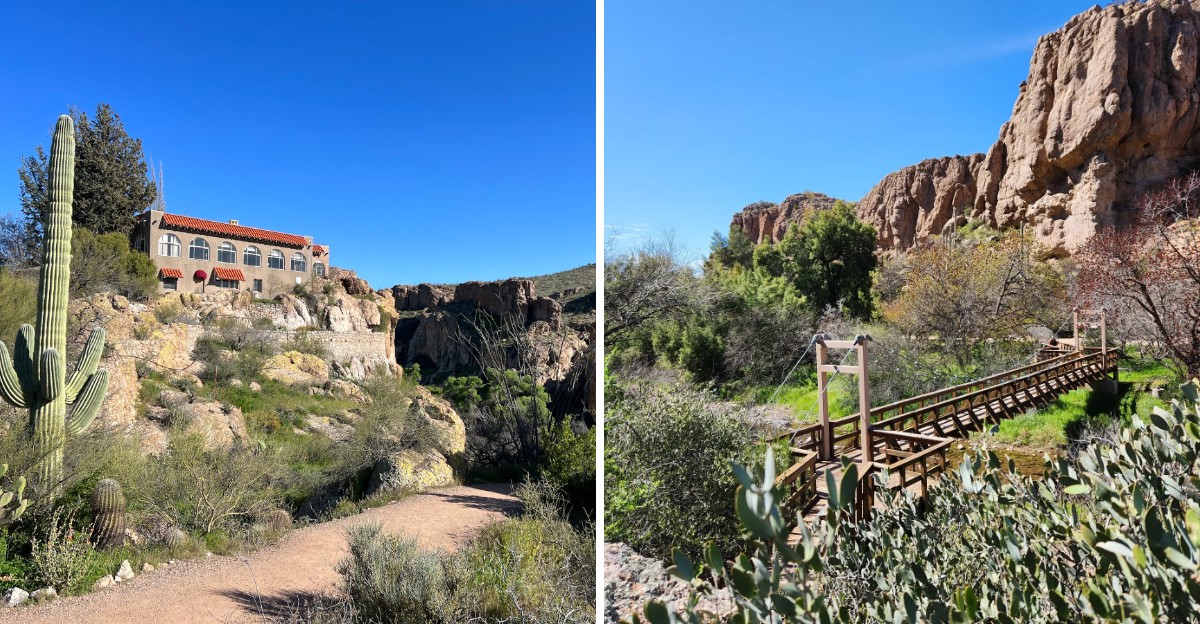
Arizona is usually associated with red rock, cactus, and wide open desert, which makes finding 323 acres of cool forest feel almost unreal. Here, tall trees replace the usual desert scenery, and quiet trails lead toward mountain views that seem to get better with every turn.
The best part is how quickly the noise disappears. A walk can stretch through shady forest, open clearings, and peaceful corners where stopping for a few extra minutes feels completely natural.
With so much land to explore, the arboretum feels less like a traditional garden and more like a full outdoor escape.
Arizona has plenty of dramatic scenery, but this place shows off a completely different side of the state. If your ideal afternoon includes forest air, uncrowded paths, and mountain views without a strenuous hike, this 323-acre retreat may be one of the most surprising stops you make all year.
A Mining Millionaire’s Desert Dream
Some people collect stamps, but William Boyce Thompson collected whole landscapes. The mining millionaire had a soft spot for plants that could survive tough, dry places.
He founded Boyce Thompson Arboretum in the 1920s with a bold goal. He wanted to learn which plants from around the world could grow in desert conditions.
That research spirit still shapes every path today. Plants carry clear labels, so you always know what you are looking at and where it came from.
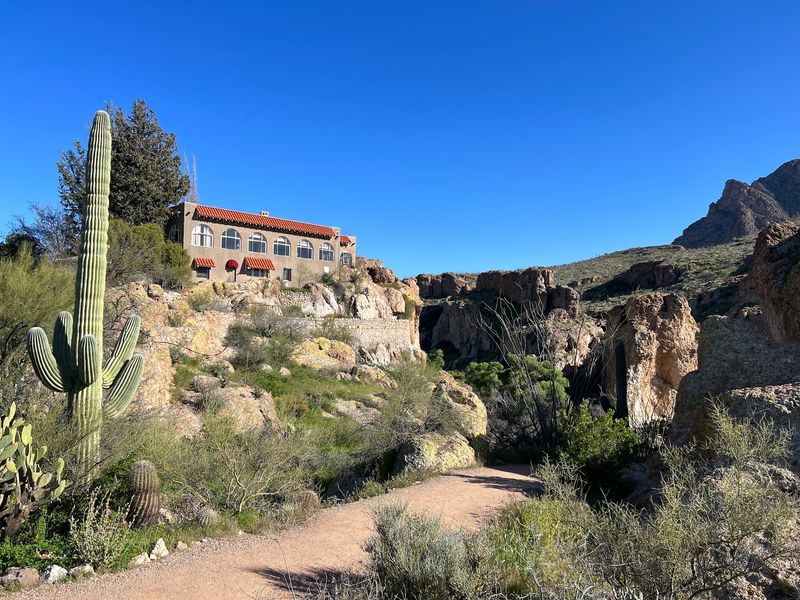
His old winter home, Picket Post House, still sits on a rocky rise above the gardens. The stone mansion looks almost like a castle watching over the canyon.
Almost a century later, the garden ranks among the oldest botanical gardens in the Southwest. It also holds the title of state park, which adds to its long, proud story.
Keep an eye out for old stone walls along the trails. They hint at the early days of research here.
Before you start walking, take a moment at the entrance to read about the founder. Knowing his story makes every cactus and tree feel a little more meaningful.
Finding Your Way To Superior’s Leafy Canyon
Getting there is half the fun, and the drive is surprisingly easy. The garden sits about an hour east of Phoenix along US Highway 60.
You will find it at 37615 E Arboretum Way, Superior, Arizona, just west of the old mining town. Watch for the entrance sign as the mountains start rising around you.
The setting feels far from city noise, even though it is a short trip away. Rugged hills and wide desert views replace traffic lights and shopping centers.
Gates open at 6 AM and close at 3 PM every day, so early birds get the best deal. Cool morning air makes the trails far more pleasant, especially in warmer months.
Parking is right by the entrance, which makes starting your walk simple. Restrooms and water are available near the main building before you head out.
Plan to spend at least two to three hours exploring. Many people find they need even more time to see everything the grounds offer.
Check the official website before you go for current ticket prices and seasonal updates. Hours can shift with the seasons, so a quick look saves surprises.
Picketpost Mountain Steals Every Photo
Some backdrops look painted on, and Picketpost Mountain is one of them. Its jagged cliffs tower over the grounds like a giant stone guardian.
The peak rises to about 4,375 feet above sea level. Its rocky face changes color throughout the day, from soft gold to deep reddish brown.
Morning light is especially lovely here. The sun hits the cliffs and makes the whole mountain glow above the green treetops.
Boyce Thompson Arboretum sits right at the base of this landmark. That means almost every trail offers a fresh angle of the peak.
Photographers should bring a wide-angle lens if they have one. The mountain is so big it can be hard to fit into a single frame.
Pair the mountain with a saguaro or a blooming shrub in the foreground. That simple trick turns a nice snapshot into a frame-worthy picture.
The name traces back to an army camp called Picket Post in the 1870s. Soldiers stationed nearby gave the mountain its lasting nickname.
Even if photos are not your thing, pause and look up often. The view is a big reason people fall in love with this place.
The Main Trail Loop Makes An Easy Start
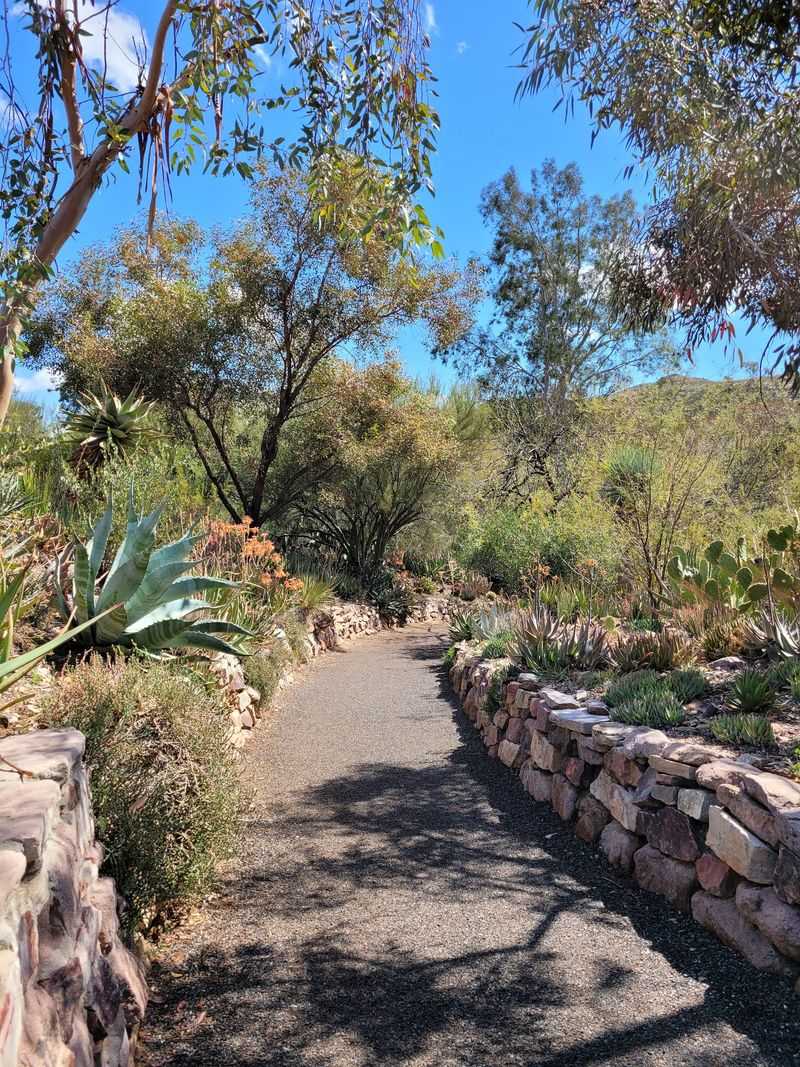
If you only have time for one path, make it the Main Trail. This loop covers about 1.5 miles and shows off many of the best highlights.
The walking is mostly easy, with smooth paths and gentle slopes. Benches pop up often, so resting is never far away.
Along the way, you pass cactus gardens, towering trees, and shaded creekside areas. The scenery shifts every few minutes, which keeps the stroll exciting.
Water bottle filling stations appear here and there along the route. Trash bins are also spread out, helping keep the grounds clean and tidy.
A smart plan is to tackle sunny sections first while the air is still cool. Save the shady stretches near the creek for later, when the day warms up.
Leashed dogs are welcome, so your four-legged buddy can tag along. Just bring extra water for them and watch for hot ground in summer.
Sturdy shoes and a hat will make the walk more comfortable. Sunscreen is smart too, since parts of the trail sit in full sun.
Signs mark every turn clearly. Getting lost is very unlikely, even for first-timers.
Ayer Lake Offers A Calm Desert Surprise
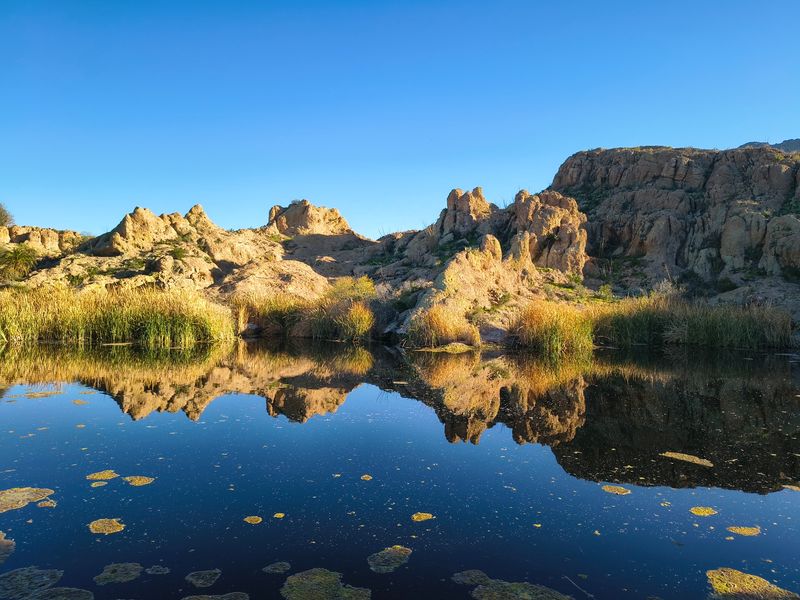
Nobody expects to find a lake in the middle of the desert. Yet Ayer Lake sits quietly on the north side of the grounds, reflecting the sky like a mirror.
This small reservoir plays an important role. Water from it helps irrigate the gardens and keeps the plants healthy during dry spells.
The lake also attracts plenty of wildlife. Ducks, herons, and other birds often stop by for a drink or a snack.
Dragonflies zip over the surface on warm days. Their bright colors flash like tiny jewels in the sunlight.
The path to the lake is more open and has less shade. Head this way early in the morning, before the sun gets too strong.
Picketpost Mountain rises right behind the water, creating a stunning scene. On calm days, you might even catch the peak reflected on the surface.
Find a spot along the shore and simply take in the stillness. It is one of the most peaceful corners of the whole arboretum.
Bring binoculars if you own a pair. They help you spot birds hiding among the reeds and shoreline plants.
Giant Eucalyptus Trees Create A Shady Forest
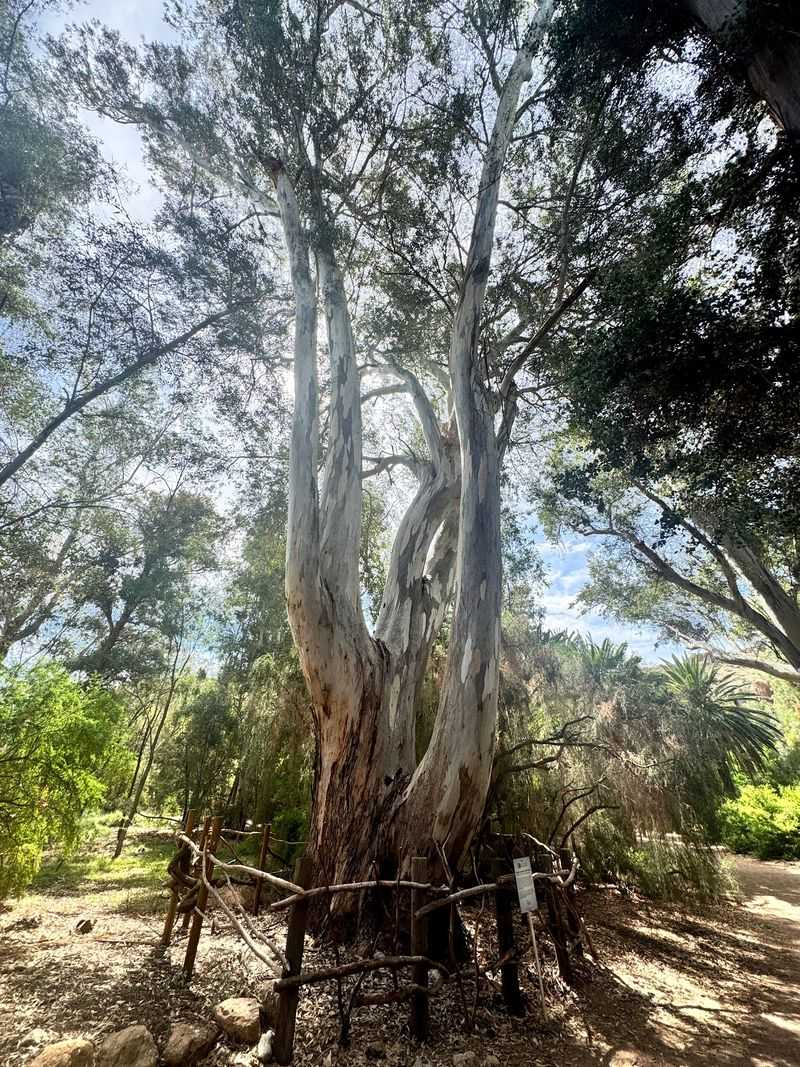
Step under the eucalyptus trees and the temperature seems to drop instantly. These Australian giants form a leafy canopy that feels like a real forest.
Some of the red gum eucalyptus trees stretch well over 80 feet tall. Many were planted nearly a century ago, during the early years of the garden.
Their bark peels away in long strips, showing smooth patches of cream and gray. Kids and adults alike love admiring the colorful, patchy trunks.
Take a deep breath as you stroll through this area. The air carries a fresh, minty scent from the leaves overhead.
Cottonwood and mesquite trees also add to the shade in nearby spots. Together, they make these trails great for warmer days.
The trees prove an interesting point about the garden’s purpose. Plants from faraway lands can thrive here with the right care and conditions.
Birds love the high branches, so listen for chirps and songs above you. Hawks sometimes perch near the tops, scanning the ground below.
Grab a bench beneath the canopy and rest for a bit. It is a lovely place to cool off before tackling the next trail.
Cactus Gardens Full Of Quirky Characters
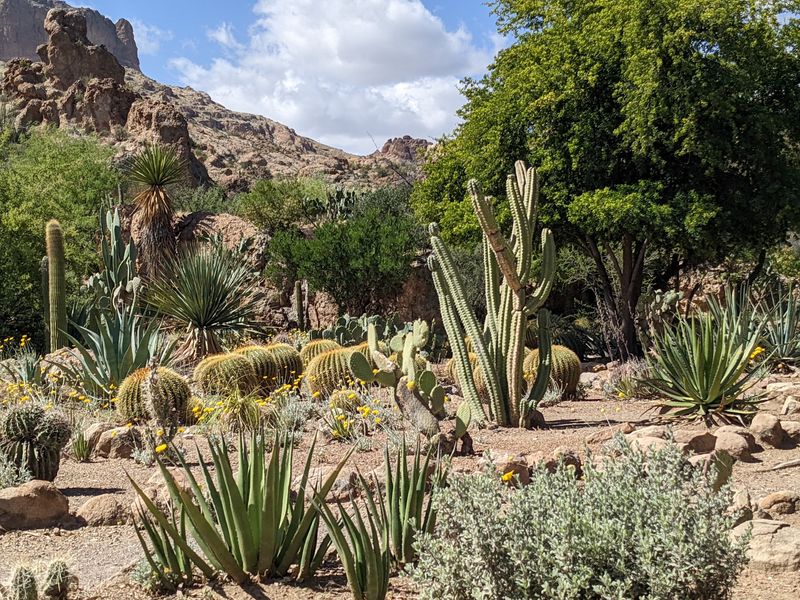
Cacti come in more shapes than you might imagine, and this garden proves it. Some look like fuzzy creatures, while others resemble spiky sculptures.
The old man cactus is a crowd favorite. Its long, white hairs make it look like a grandpa who skipped a haircut.
Tall saguaros stand proudly, reminding you that you are in the Sonoran Desert. Barrel cacti, prickly pears, and chollas fill in the spaces between them.
Succulents from Africa and cacti from South America grow here too. Comparing them side by side is a fun lesson in desert survival.
Spring brings the most color, when many cacti burst into bloom. Bright pink, yellow, and red flowers pop against the green and gray stems.
Helpful signs explain where each plant comes from and how it survives. Reading them feels like a free science class under the open sky.
Keep a safe distance from the spines, no matter how tempting a close look may be. Cholla spines are known for sticking to clothes and skin with ease.
Pack a camera for this section. The strange shapes make for some truly memorable pictures.
Hummingbirds, Butterflies, And A Surprise Coatimundi
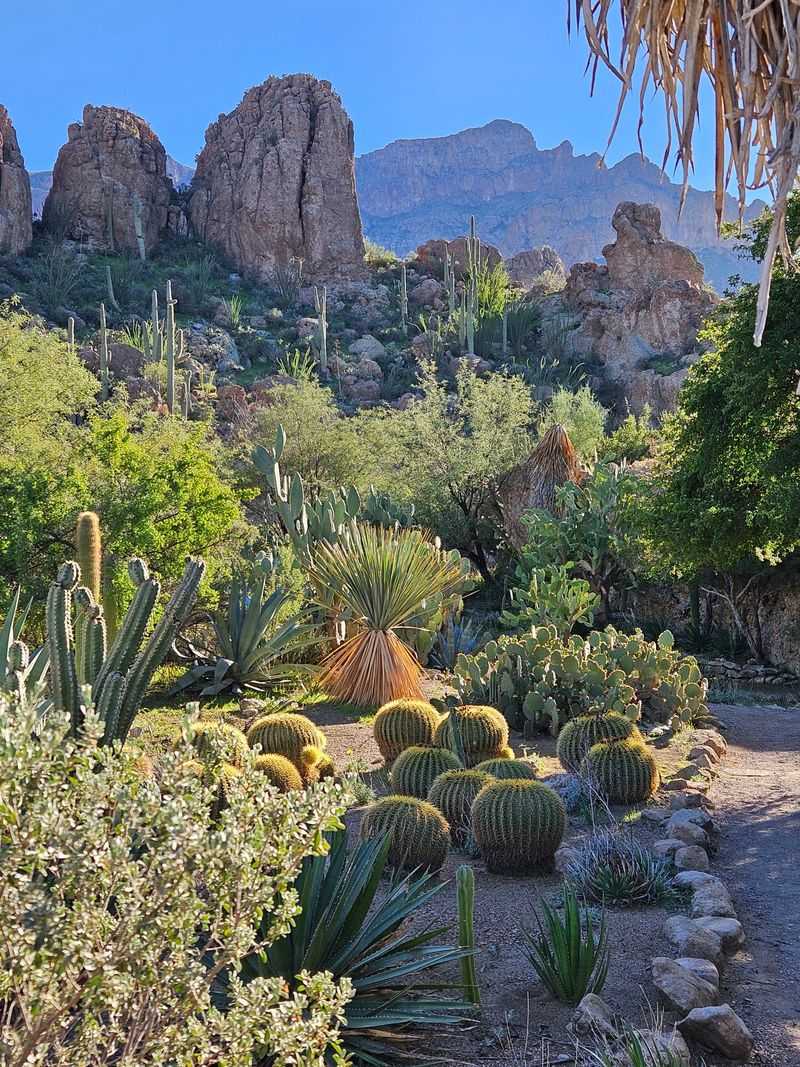
Wildlife steals the show here just as often as the plants do. Hundreds of bird species have been spotted on the grounds over the years.
Hummingbirds are among the most exciting to watch. They zip between flowers so fast that their wings become a tiny blur.
A special garden filled with nectar-rich plants draws them in throughout the year. Butterflies flutter through the same area, adding splashes of color to every bloom.
Cardinals, hawks, and many songbirds also make regular appearances. Birdwatchers often bring notebooks to keep track of what they spot.
Keep an eye out for coatimundis, too. These long-tailed relatives of the raccoon sometimes wander through in small groups.
Lizards bask on warm rocks along many paths. They dart away quickly, so sharp eyes help if you want a good look.
Early morning is the best time for wildlife watching. Animals are most active before the afternoon heat settles in.
Walk slowly and speak softly to improve your chances. Quiet patience often leads to the most rewarding sightings.
Enjoy every creature from a respectful distance. Never feed them, since human food is not good for wild animals.
Queen Creek, A Swaying Bridge, And The High Trail
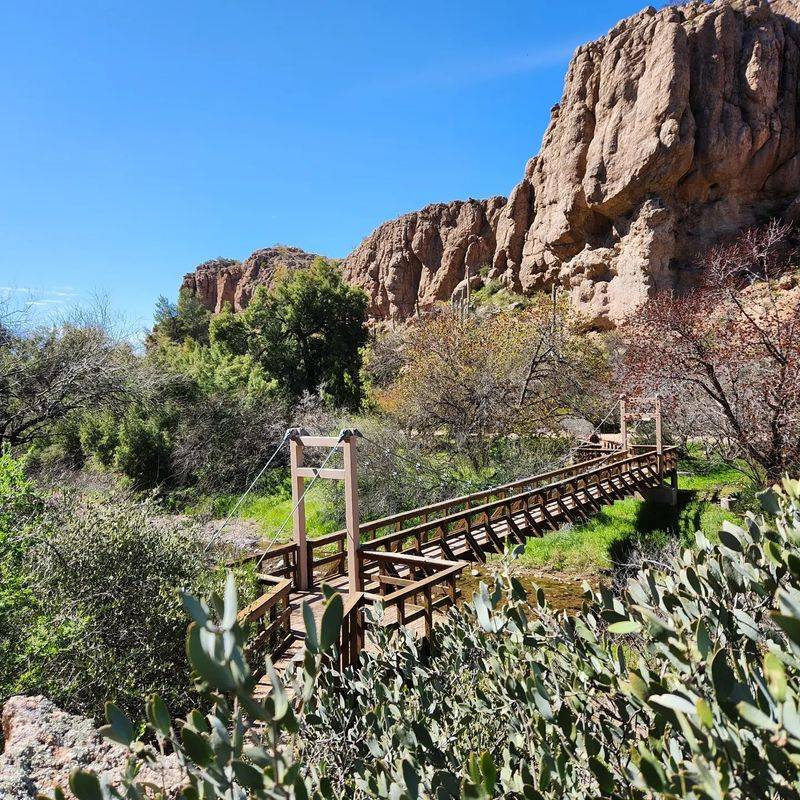
A desert creek sounds like a joke until you hear water trickling over rocks. Queen Creek winds along the south side of the grounds, bringing life to everything nearby.
The creek supports a lush riparian area, which simply means land along a waterway. Tall trees and thick greenery grow here in a way that feels almost tropical.
This side of the garden is flat, shady, and cool. It makes a perfect break after exploring the sunnier trails.
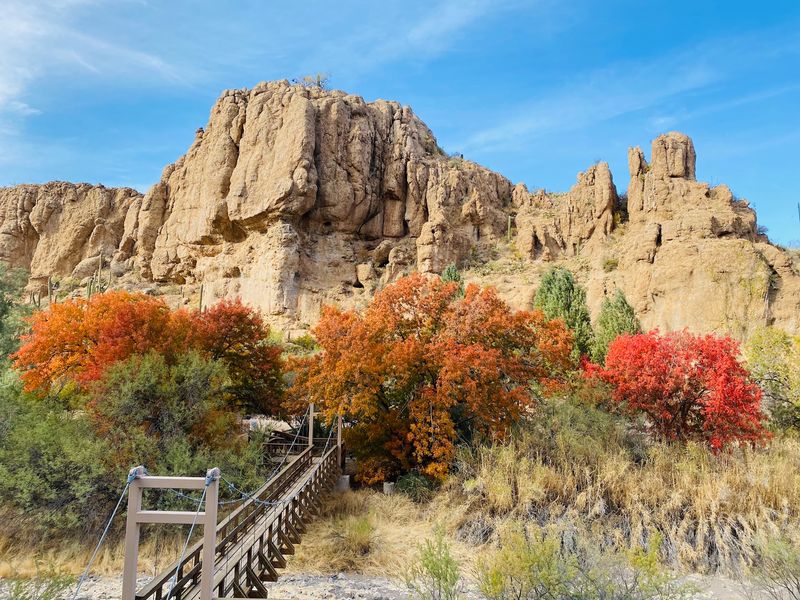
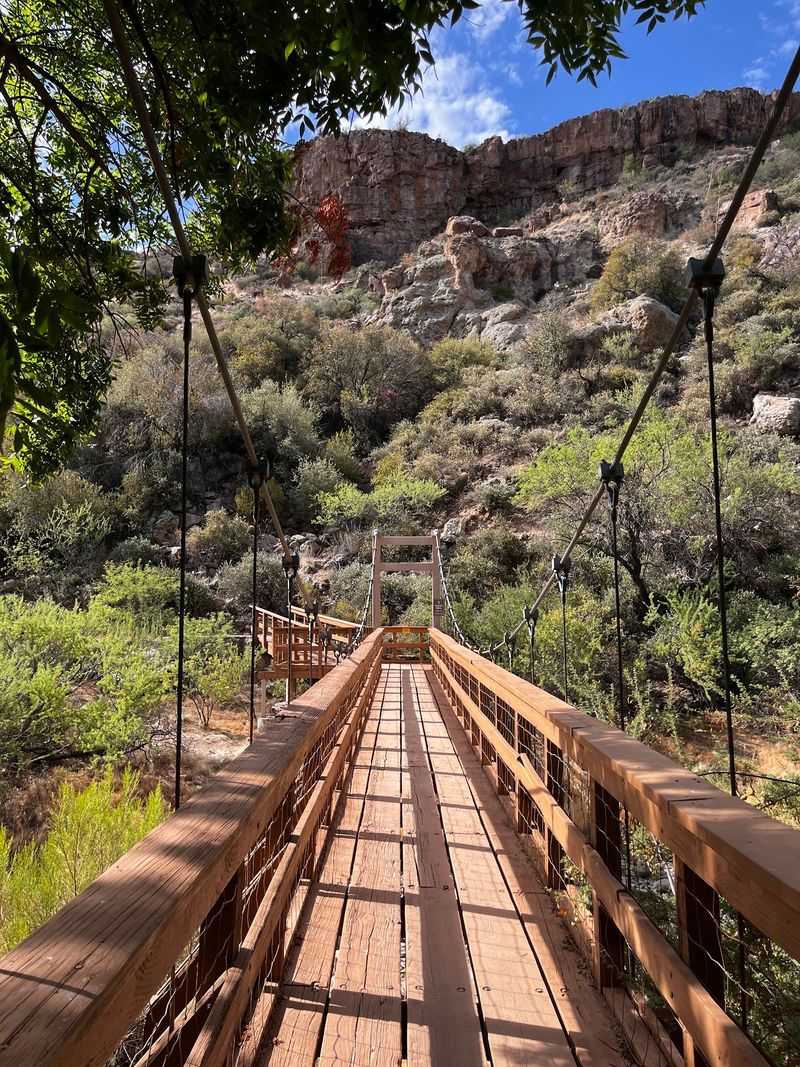
A suspension bridge crosses the creek and adds a little adventure. Walking across gives you a fun view of the water and rocks below.
Those craving more of a challenge can try the High Trail. It climbs above the gardens and offers wide views of the canyon and mountains.
Good hiking shoes are a smart choice for this steeper path. The rocky ground can be uneven, so take your time on each step.
The reward at the top is well worth the effort. Rows of trees, cactus beds, and rugged peaks spread out beneath you.
Bring plenty of water before starting the climb. Resting in the shade near the creek afterward feels like a well-earned treat.
Picnics, Plant Sales, And Souvenirs To Take Home
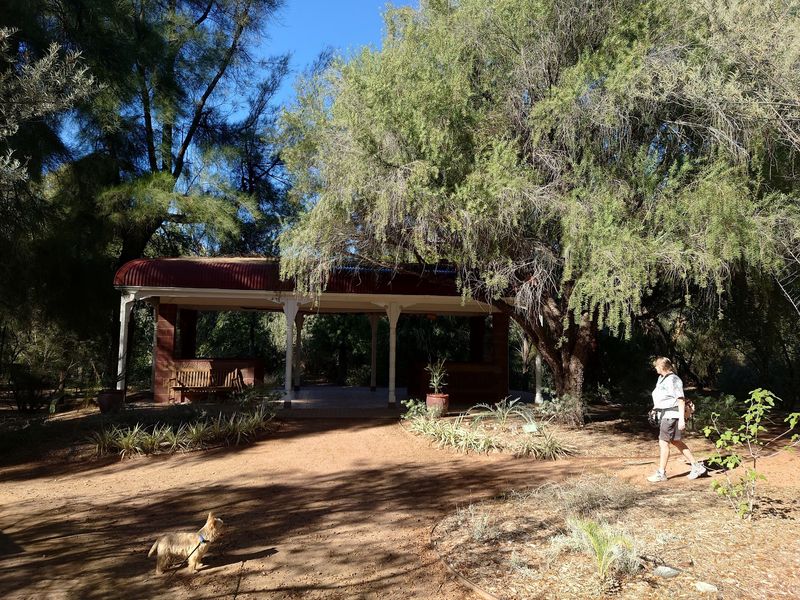
Every great outing deserves a good snack, and the picnic area delivers. Shaded tables give you a relaxing spot to refuel between trails.
Pack a lunch from home and turn your walk into a full-day outing. Sandwiches simply taste better with mountain views, and that is basically science.
The gift shop is worth a stop before you leave. It carries books, garden gifts, and fun items for nature lovers.
Plants are for sale too, which is great news for home gardeners. Many are desert-friendly species that can handle hot, dry weather.
Seasonal events and plant sales happen throughout the year. The spring and fall sales are especially popular with local gardeners.
Autumn brings another treat, with Chinese pistache trees turning bright red and orange. Late fall color is rare in the desert, which makes it extra special.
Membership options let you return as often as you like. Some levels even allow you to bring guests along.
Boyce Thompson Arboretum rewards anyone who takes the time to explore it slowly. Each season reveals something new, so one trip is rarely enough.