
Most Visitors Drive Right Past This Stunning Canyon In Utah
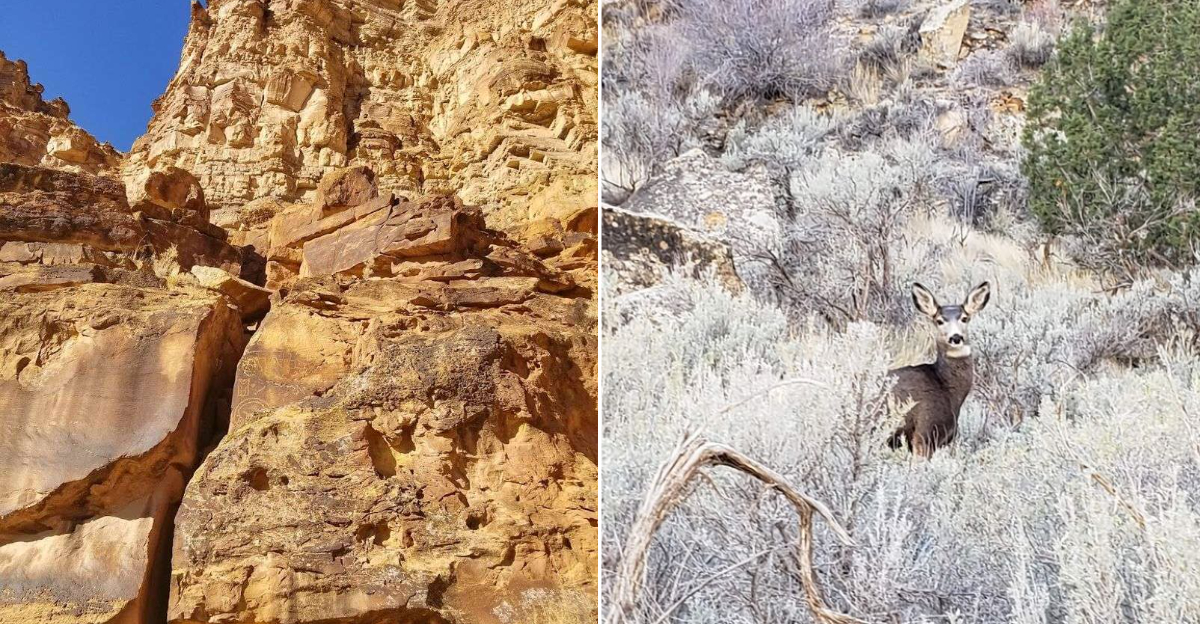
Utah knows how to get attention. This place somehow does it by staying quiet. Most people drive right past it without thinking twice. That is what makes it such a shock. On one side, there is a regular road trip unfolding.
On the other, there are towering canyon walls, thousands of ancient rock art panels, and the kind of scenery that makes the whole drive feel more dramatic than expected.
It does not come with the same hype as Utah’s biggest-name stops, but it easily has the kind of presence people remember. The landscape feels vast. The history feels even bigger.
Every stretch of it seems to hold something worth slowing down for. Archaeologists have called it one of the longest art galleries in the world, and this canyon genuinely lives up to that description.
Craving desert beauty, deep history, and real discovery? This Utah canyon might just steal the whole trip.
The World’s Longest Art Gallery Hidden In Plain Sight
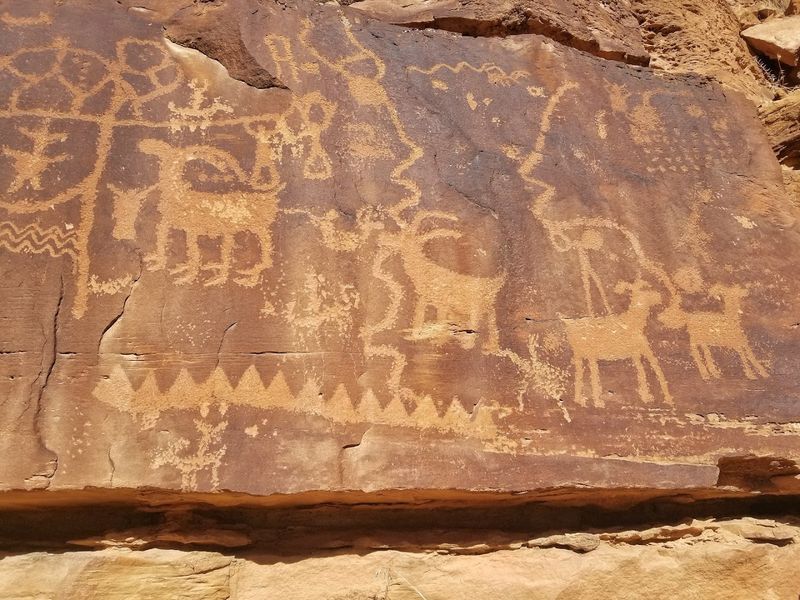
Stretching roughly 40 miles through the high desert of eastern Utah, Nine Mile Canyon holds one of the most remarkable collections of ancient rock art on Earth.
Researchers have documented over 10,000 petroglyphs and pictographs along its walls, leading some to call it the world’s longest art gallery. That title is not an exaggeration.
The images carved and painted into the sandstone were created mostly by the Fremont people, who lived in this region between roughly 600 and 1300 CE. You will find hunting scenes, human figures, animals, and abstract symbols that researchers are still working to fully understand.
Each panel tells a piece of a story that stretches back more than a thousand years.
What makes this place so surprising is how accessible it all is. You do not need a guided tour or special permits to drive Nine Mile Canyon Road and pull over at marked sites. The canyon is near Myton, Utah, and the main access road begins off US-191.
A slow, unhurried drive lets you absorb the scale of what ancient people left behind. Bring binoculars because some panels are set higher up on the cliff face and are easier to appreciate with a closer look.
Ancient Fremont Culture Left Its Mark Here
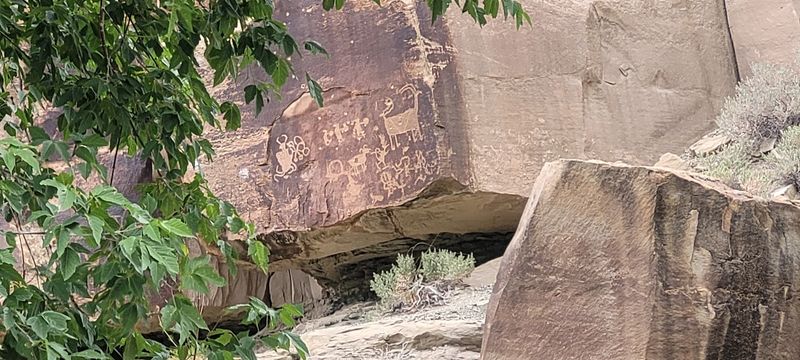
The Fremont people were skilled hunters, farmers, and artists who thrived across a wide swath of what is now Utah for several centuries. Nine Mile Canyon UTAH served as one of their most active areas, and the evidence they left behind is extraordinary.
Their artwork is not random scribbling on rock; it reflects a sophisticated culture with rich traditions.
Fremont figures are easy to recognize once you know what to look for. They are often depicted with trapezoidal bodies, elaborate headdresses, and detailed ornamentation.
Alongside human figures, you will spot bighorn sheep, deer, and other animals that were central to the Fremont way of life.
The sheer number of images in this canyon suggests it held deep cultural or ceremonial significance.
Archaeologists have also found granaries, storage cists, and habitation sites throughout the canyon and the surrounding mesas. Some of these structures are still partially intact, which adds another layer to the experience.
You get a real sense of daily life, not just art.
Visitors who read the interpretive signs along the road leave with a deeper appreciation for how advanced and adaptable the Fremont people were. This is living history in the most literal sense.
A Road Trip Route That Rewards Slow Travelers
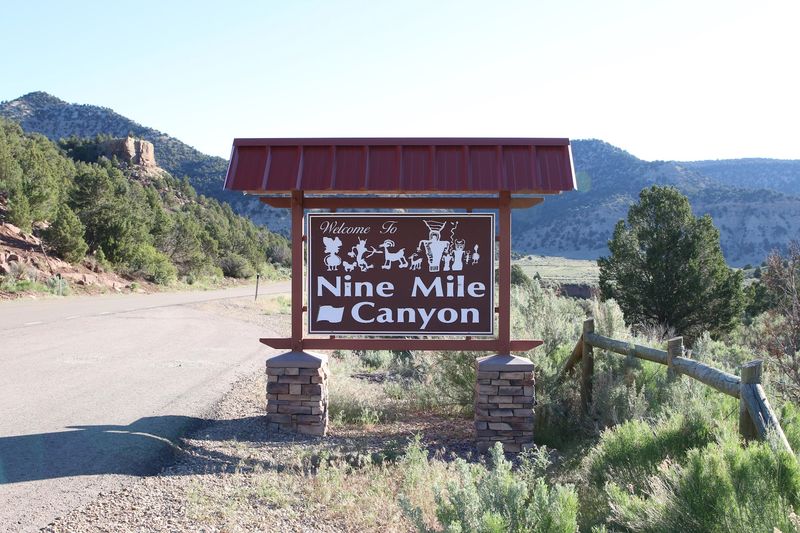
Nine Mile Canyon Road is not a highway you blast through at 70 miles per hour. The road is mostly unpaved, and that is actually part of its appeal.
Driving slowly makes a difference. You start noticing rock art panels, canyon overlooks, and geological features that would be easy to miss at full speed.
The full canyon route runs about 78 miles round trip and can take anywhere from three to six hours depending on how many stops you make. Starting from the town of Wellington in Carbon County, Utah, you head east and eventually connect with the Uinta Basin.
The road is generally passable by most vehicles in dry conditions, but a high-clearance vehicle gives you more flexibility at certain points.
Plan to bring more water than you think you need, especially during summer when temperatures climb. Cell service is unreliable along most of the route, so downloading an offline map beforehand is a smart move.
Pack a lunch and set aside a full day so you never feel rushed.
The best experiences in Nine Mile Canyon, Utah, happen when you give yourself permission to stop at every pullout. Read every sign, then stand still long enough to take in the silence around you.
The Name Can Be Misleading About Its Size
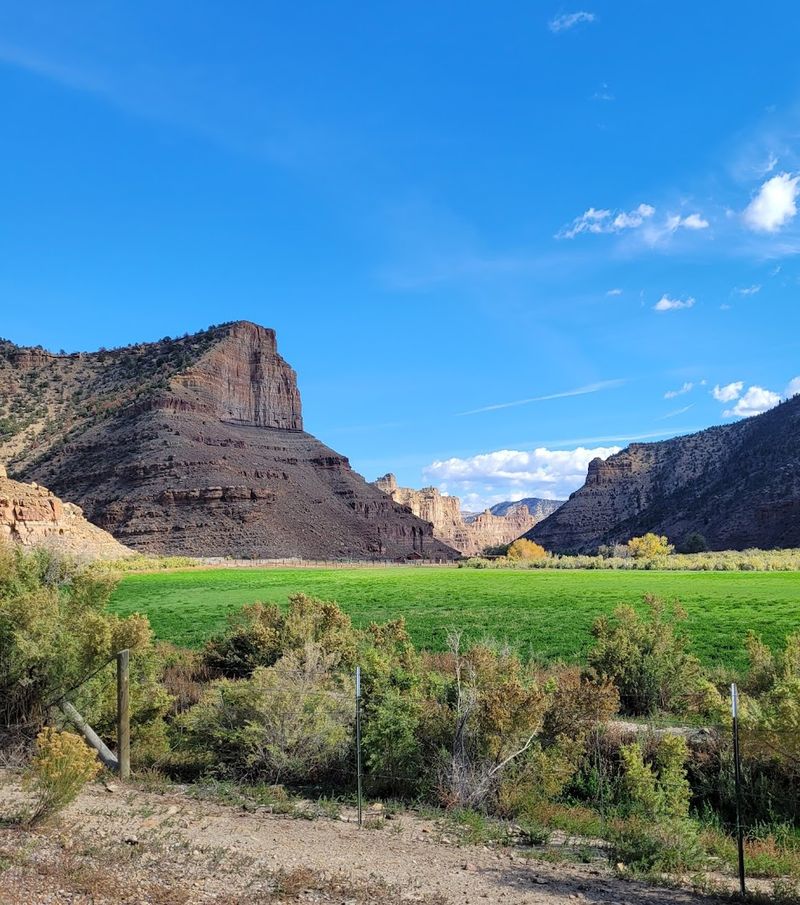
One of the first things people notice is the name. Nine Mile Canyon is actually closer to 40 miles long, so where does the “nine miles” part come from? There are a few competing theories, and none of them have been definitively proven.
One popular explanation points to Nine Mile Creek. It may have been named from an early map that marked a nine-mile stretch of the drainage.
Another theory ties the name to a nine-mile stretch of the military route. The U.S. Army built the road through the canyon in the 1880s to supply Fort Duchesne in the Uinta Basin.
That military road is actually a significant piece of the canyon’s history. The route became a major freight corridor in the late 19th and early 20th centuries, and you can still find remnants of the old wagon road in places.
Homestead ruins, stone walls, and corrals dot the landscape alongside the ancient rock art.
Nine Mile Canyon, Utah, is layered with history from multiple eras. That mix of prehistoric and pioneer heritage makes it unlike most other canyon destinations in the American West.
The name mystery just adds to its character.
The Best Rock Art Panels You Should Not Miss
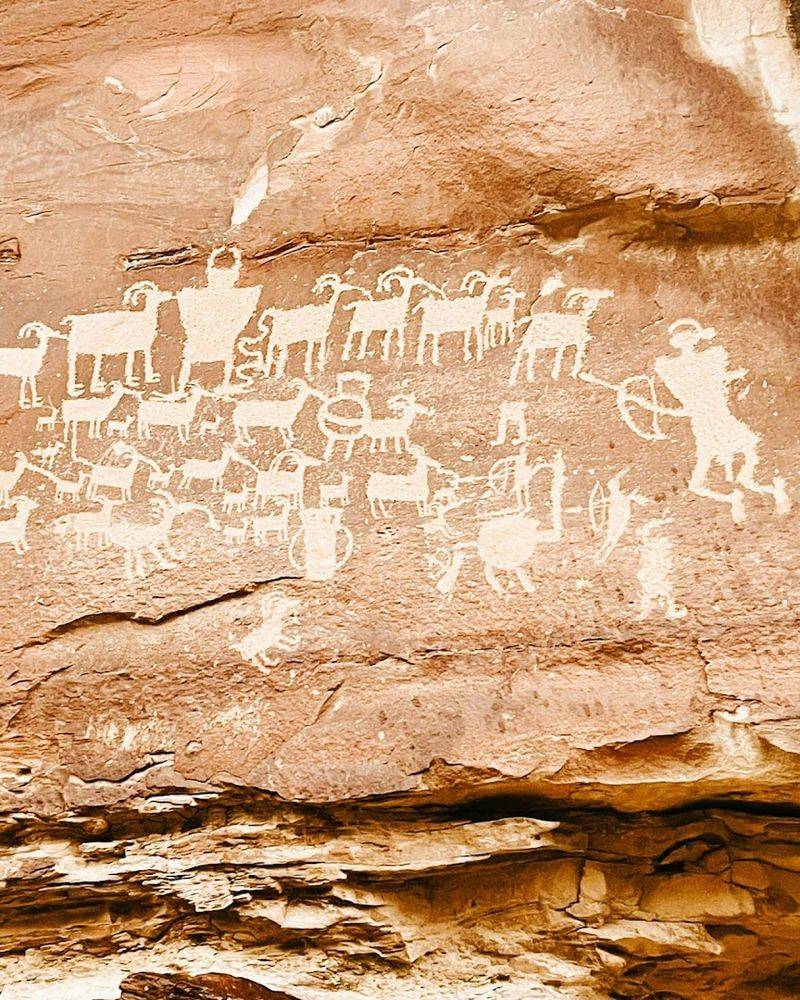
Not all rock art panels in Nine Mile Canyon UTAH are created equal, and knowing which ones to prioritize makes a real difference in your visit. The Great Hunt Panel is the most celebrated site in the canyon and for good reason.
It depicts a massive hunting scene with dozens of bighorn sheep and hunters, spread across a wide section of cliff face in stunning detail.
The Daddy Canyon complex is another highlight, featuring some of the most intricate Fremont figures you will find anywhere. Look for the large anthropomorphic figures with elaborate headdresses and detailed body decorations.
These images have become iconic representations of Fremont art and appear in many books and documentaries about Utah rock art.
The Cottonwood Glen area offers additional panels in a shadier, more sheltered setting. Arriving early in the morning or late in the afternoon gives you better lighting for viewing and photographing the art.
Midday sun tends to wash out the contrast between the carved lines and the rock surface, making details harder to see.
Bring a hat, wear comfortable walking shoes, and always stay on designated paths. The canyon’s rock art has survived for over a thousand years, and respectful visitors help ensure it survives for thousands more.
Nine Mile Canyon Road begins near Wellington, Utah, off US-6.
Wildlife And Geology Keep Every Mile Interesting
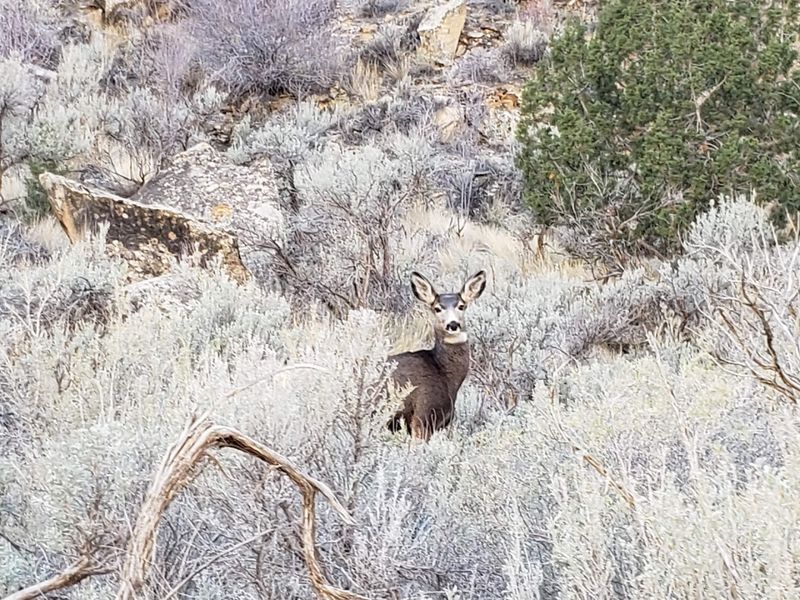
Rock art gets most of the attention, but Nine Mile Canyon UTAH offers a lot more than ancient images. The canyon cuts through a landscape shaped by millions of years of geological activity, and its exposed rock layers tell a story far older than human history.
You can see ancient seabeds, river deposits, and wind-blown formations all within a single drive. Wildlife is active throughout the canyon, particularly in the early morning and at dusk.
Mule deer are a common sight along the canyon floor, and bighorn sheep occasionally appear on the rocky slopes above. Raptors including golden eagles, red-tailed hawks, and prairie falcons patrol the cliffs and thermals overhead.
Keep your eyes open and your camera ready because sightings happen fast.
The vegetation shifts noticeably as you move through different sections of the canyon. Sagebrush and rabbitbrush dominate the open flats, while cottonwood trees cluster along the creek bed, turning a brilliant gold in autumn.
Juniper and pinyon pine cling to the canyon walls and provide habitat for smaller birds and mammals. Visiting in late September or early October gives you the double reward of fall color and cooler temperatures.
The canyon feels alive in a way that surprises first-time visitors who expected nothing more than rocks and dust.
Planning The Drive The Right Way
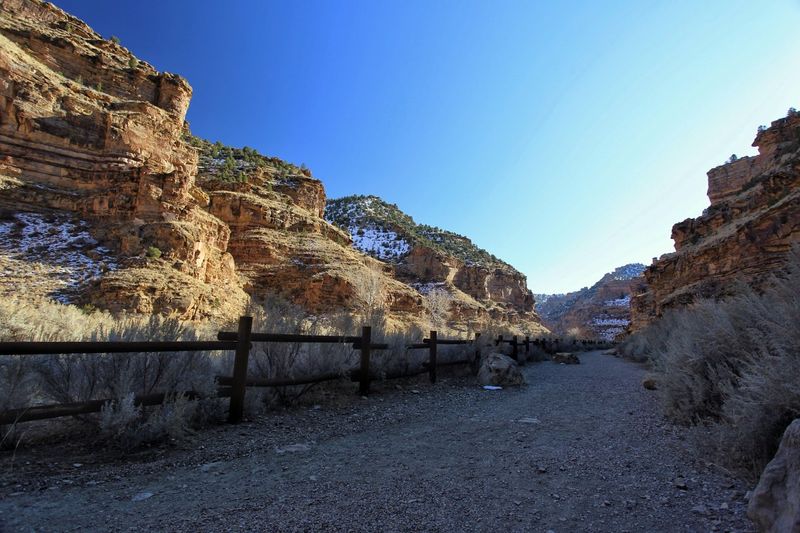
Planning ahead makes the difference between a frustrating trip and an unforgettable one. Nine Mile Canyon UTAH has no visitor center, no entrance fee, and no developed campgrounds directly along the main road.
That means you need to arrive self-sufficient and ready to navigate on your own terms.
Water is the most critical thing to pack. The canyon has no water sources, and the nearest towns are Wellington to the west and Myton to the east.
Carry at least a gallon of water per person for a full-day visit, more in summer. Snacks, sunscreen, a first aid kit, and a paper map or downloaded offline GPS route are all smart additions to your pack.
The road is best traveled in a vehicle with decent ground clearance, though passenger cars can usually manage the route in dry weather. After rain, the road can become muddy and slick, so checking the forecast before you go is worth doing.
Visiting on a weekday gives you a quieter experience with fewer other vehicles on the road. The Bureau of Land Management oversees much of the canyon, and their Price Field Office can provide updated road conditions and site information.
A little preparation goes a long way when you are heading into a remote and largely undeveloped stretch of eastern Utah backcountry.
It Belongs On More Utah Travel Lists
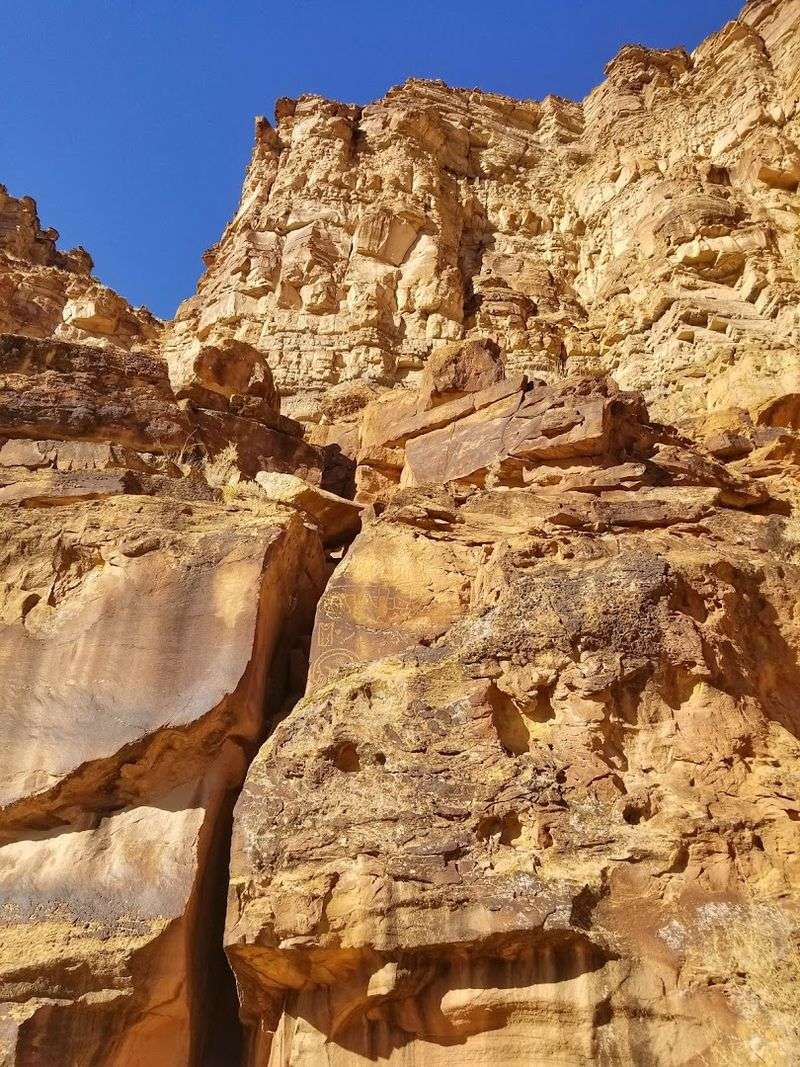
Arches, Zion, and Bryce Canyon pull millions of visitors every year, and they absolutely deserve the praise. Utah has plenty of remarkable places that never make the average traveler’s itinerary, and Nine Mile Canyon is high on that overlooked list.
The canyon has everything that makes a destination worth visiting: history, scenery, wildlife, and a sense of genuine discovery.
Part of what keeps it under the radar is its location. The canyon is in Carbon and Duchesne Counties, away from the main tourist corridors that funnel visitors toward the national parks.
Most people simply do not know it exists, or they drive past the turnoff without realizing what lies beyond it. That is honestly part of its appeal for those who do make the effort.
Standing in front of a thousand-year-old hunting scene with no crowds, no ticket lines, and nothing but open air in between feels deeply satisfying. The canyon road address is Nine Mile Canyon Road, accessible from Wellington, Utah, in Carbon County.
The mix of prehistoric art, pioneer history, rugged scenery, and accessible adventure makes this one of the state’s most rewarding off-the-beaten-path drives. If you have ever wanted to feel like a true explorer, this is the road to take.