
This Massachusetts Coastal Town Is Growing In Popularity With People Who Prefer Less Crowded Spots
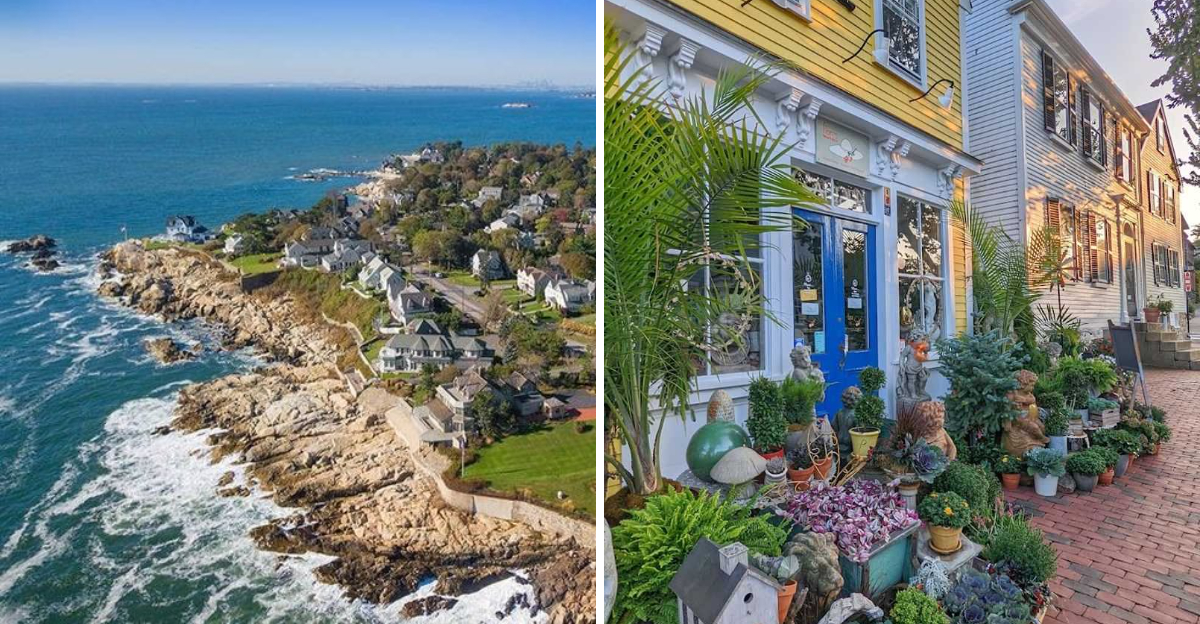
Salt air, quiet streets, and the gentle clink of sailboat masts set the tone before you even reach the shoreline. In Massachusetts, one coastal town is drawing attention for all the right reasons, offering ocean views and historic charm without the packed crowds found elsewhere.
Narrow lanes wind past centuries-old homes, and the harbour feels calm even on bright spring days. It’s the kind of place where you can slow your pace without trying.
Shops, cafés, and scenic overlooks come together in a way that feels easy and unhurried. Spend a few hours here, and it quickly becomes clear why more people are taking notice.
A Harbor That Has Been Turning Heads For Centuries
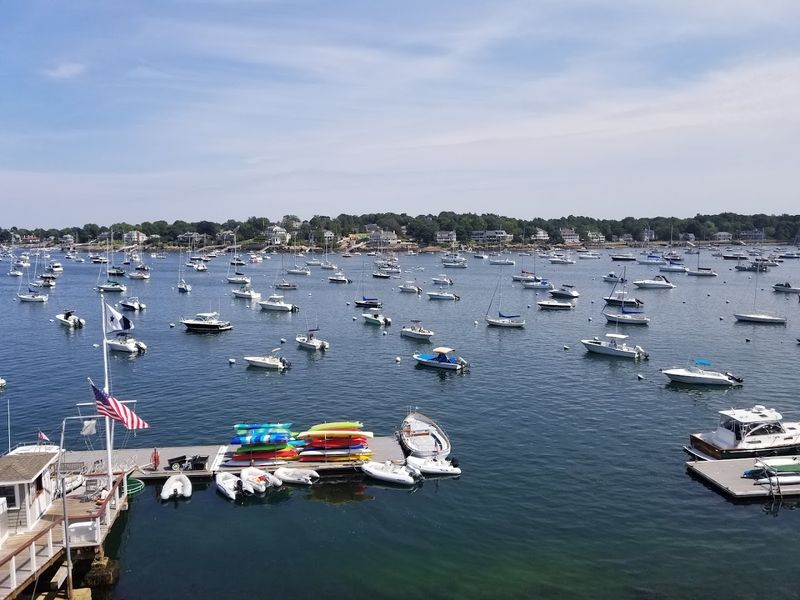
This harbor is the kind of place that makes you stop walking and simply look. The water holds dozens of sailboats on any given summer afternoon, their masts rising and falling with the gentle rhythm of the tide.
It is one of the most active sailing harbors on the entire East Coast, and that reputation is well earned.
The harbor has been a center of maritime life since the 1600s, when the town was among the most important fishing ports in colonial America. Today, the fishing fleets are largely gone, replaced by private vessels and racing boats that compete in regattas throughout the warm months.
Families with children enjoy the waterfront park near the harbor. Early mornings here feel almost meditative, with the fog lifting slowly off the water and the smell of salt air filling every breath.
For anyone who appreciates the sea without the chaos of a crowded beach resort, this harbor delivers something more enduring than spectacle.
Old Town Marblehead Walks You Through Living History
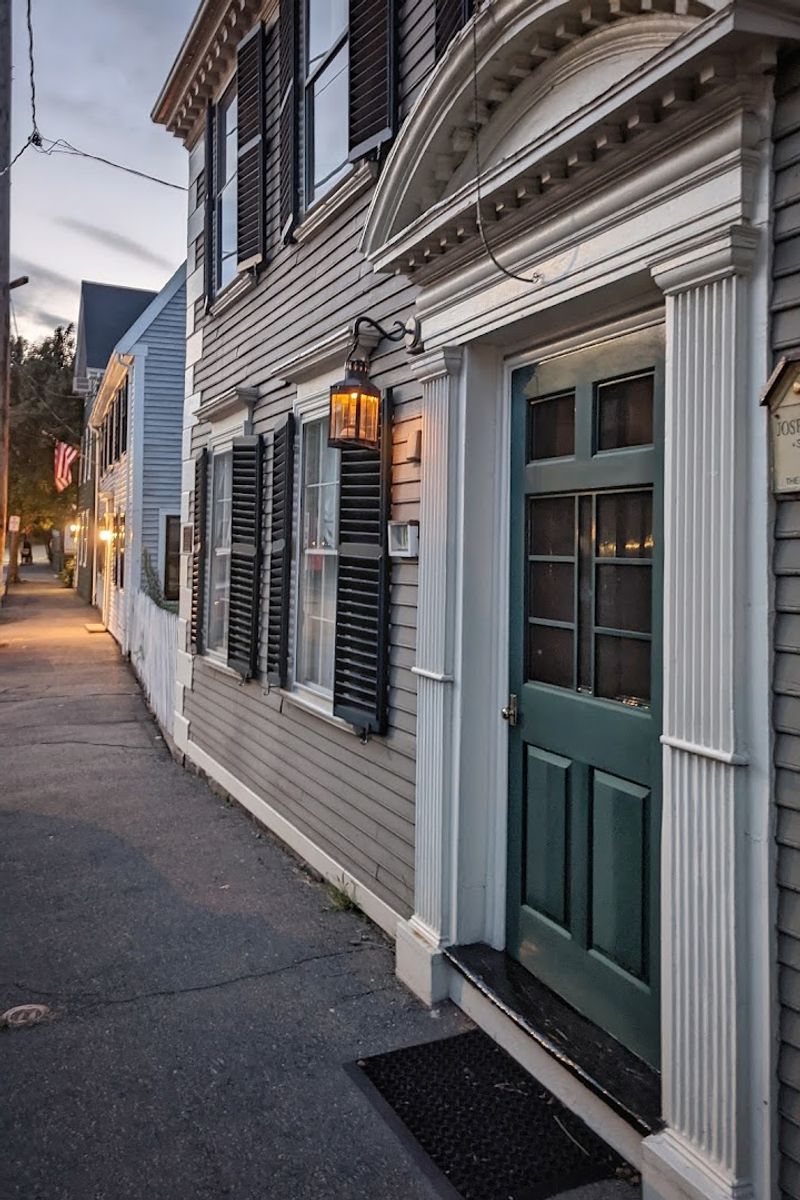
Few American towns preserve their colonial character quite like Marblehead. The streets of Old Town wind in patterns that were never designed for automobiles, following the logic of a 17th-century fishing village rather than any modern grid.
Walking through this neighborhood feels less like a sightseeing exercise and more like a genuine encounter with the past.
More than 200 pre-Revolutionary buildings still stand in Marblehead, making it one of the most historically intact towns in New England. The Jeremiah Lee Mansion, built in 1768 at 161 Washington Street, is among the finest examples of Georgian architecture in the country.
Its grand proportions and period furnishings offer a clear picture of the wealth that once flowed through this seafaring community.
Locals take visible pride in maintaining these structures, and the neighborhood association works actively to preserve the architectural integrity of the area. For history enthusiasts, every block holds something worth pausing over, from hand-painted doorway details to centuries-old stone walls still doing their original job.
The sense of continuity here is not performed for tourists. It simply exists, quietly and without announcement.
Fort Sewall Offers Views That Reward The Short Climb
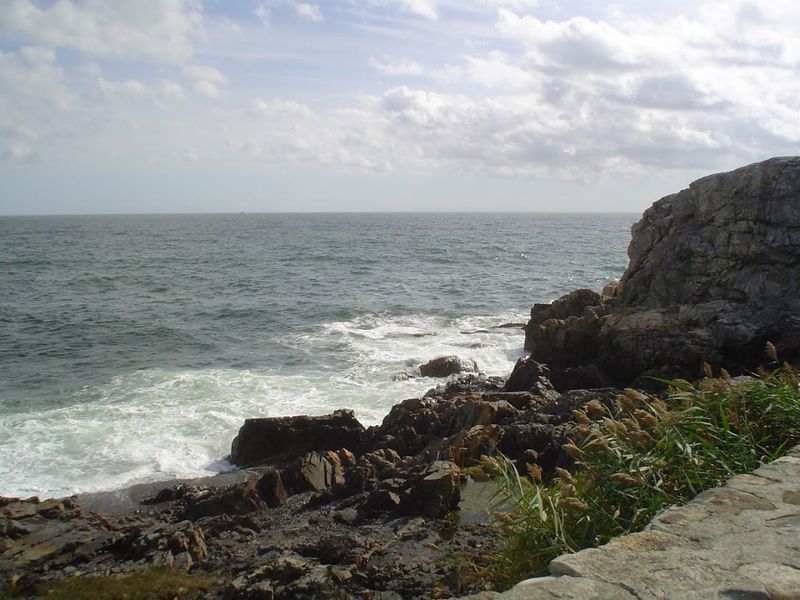
Standing at the edge of Fort Sewall on a clear afternoon, the Atlantic stretches so far in every direction that the horizon seems to curve. This historic fortification at the tip of Front Street has protected Marblehead since the late 1600s, and while its military days are long behind it, its value as a lookout point has never diminished.
The fort played an active role during both the War of 1812 and the Revolutionary War era, and its earthwork ramparts remain impressively intact. Cannons still point toward the harbor entrance, giving the site a dramatic quality that history textbooks rarely manage to capture.
It is a free, publicly accessible park maintained by the town.
Visitors often bring lunch and sit along the grass-covered walls, watching lobster boats and sailboats navigate the channel below. Sunset here draws a reliable crowd of locals who know a good vantage point when they see one.
Children enjoy exploring the old fortification walls, and photographers find the light particularly favorable in the late afternoon. The combination of history, open air, and unobstructed ocean views makes Fort Sewall one of Marblehead’s most satisfying stops.
Marblehead Neck Is A Quiet Peninsula Worth Exploring
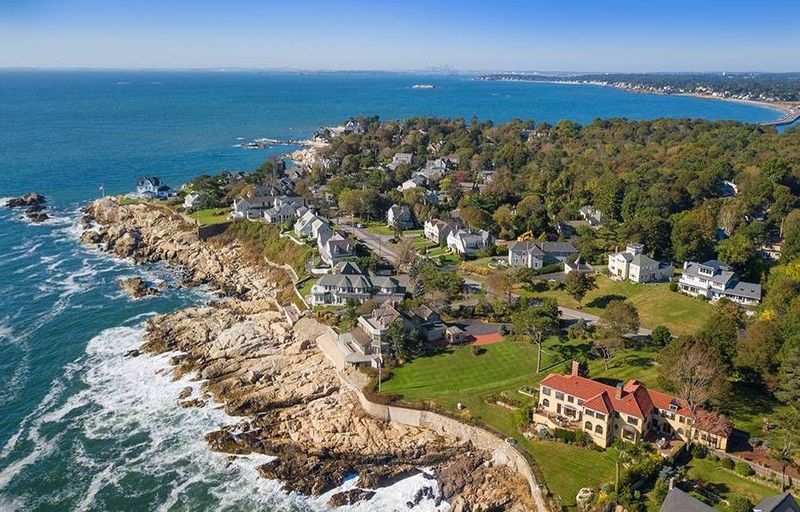
Connected to the main town by a narrow causeway, Marblehead Neck feels like a world unto itself. The peninsula curves out into Massachusetts Bay, lined with large historic homes, rocky shoreline, and a wildlife sanctuary that draws birdwatchers from across the region.
Traffic here is light and the pace of life even lighter.
The Marblehead Neck Wildlife Sanctuary, managed by Mass Audubon, covers about 15 acres and provides critical habitat for migratory birds during spring and fall. Dozens of species pass through each season, making it a reliable destination for anyone carrying binoculars.
The trails are short but rewarding, with several spots offering clear views of the open ocean.
Driving or cycling around the Neck reveals an impressive collection of Victorian and Colonial Revival architecture, much of it perched directly above the waterline. Many of these homes have remained in the same families for generations, contributing to the neighborhood’s strong sense of identity.
The rocky beaches along the outer edge of the Neck are not ideal for swimming but are perfect for sitting, reading, and watching the waves work against the granite. Solitude, when you want it, is genuinely available here.
The Local Food Scene Punches Well Above Its Size
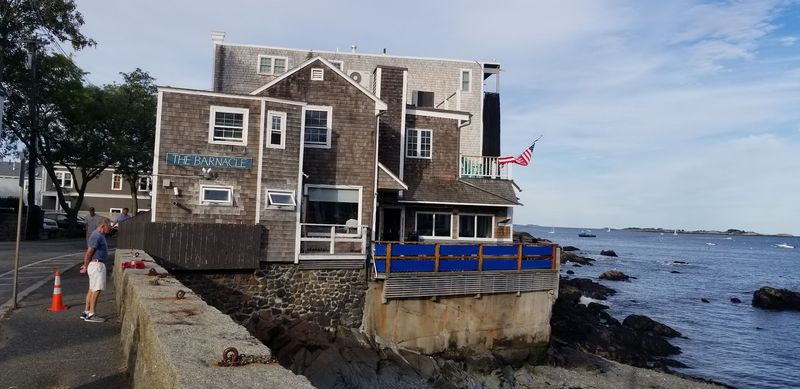
For a town of roughly 20,000 people, Marblehead maintains a dining scene that would satisfy visitors from much larger cities. The emphasis is firmly on fresh, local ingredients, with seafood naturally taking the lead.
Lobster rolls, chowder, and grilled fish appear on menus throughout town, sourced from waters that are practically visible from the dining room window.
The Barnacle, located at 141 Front Street, is a beloved institution that has been serving waterfront meals for decades. Its outdoor deck hangs over the harbor, and the lobster rolls are the kind that inspire genuine loyalty.
Smaller cafes and bakeries throughout town offer morning pastries and strong coffee to the early-rising sailing crowd.
Beyond seafood, a handful of independent restaurants serve Italian, American, and international cuisine with care and consistency. The town does not have chain restaurants cluttering its main streets, which keeps the dining experience feeling personal and locally rooted.
Weekend brunches at several spots draw a devoted following of both residents and visitors who have discovered that a good meal in Marblehead rarely disappoints. The combination of quality ingredients, scenic settings, and unhurried service creates meals that linger pleasantly in memory.
Sailing Culture Runs Deeper Here Than Almost Anywhere Else
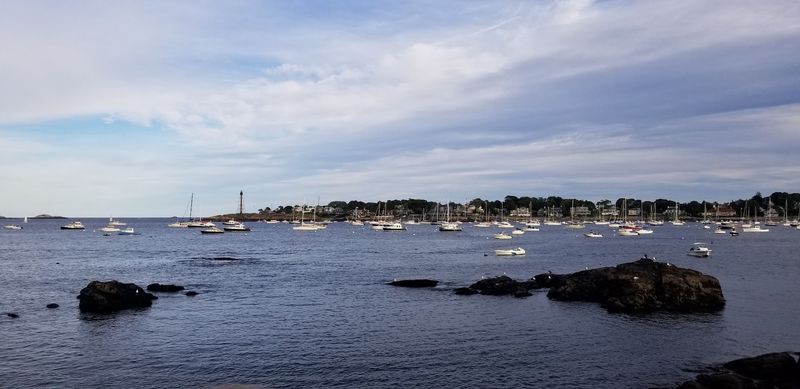
Marblehead calls itself the Yachting Capital of America, and the claim is not empty boasting. The town has produced Olympic sailors, national champions, and generations of skilled mariners who learned their craft on these waters.
Sailing here is not a hobby for the wealthy few. It is a cultural institution that touches nearly every corner of community life.
The Eastern Yacht Club, founded in 1870, is one of the oldest and most prestigious sailing clubs in the United States. Alongside it, the Boston Yacht Club and the Corinthian Yacht Club contribute to a competitive yet welcoming sailing environment.
Marblehead Race Week, held each July, brings hundreds of boats and thousands of spectators to the harbor for one of the premier sailing events on the East Coast.
Children as young as seven learn to sail through local programs, and it is common to see teenagers confidently handling boats in the harbor on summer afternoons. For visitors who sail, the town offers a genuinely exciting destination.
For those who do not, watching a full racing fleet set out into the bay on a breezy morning is one of those experiences that requires no explanation and leaves a strong impression regardless of your nautical background.
Art Galleries And Creative Spaces Fill The Side Streets
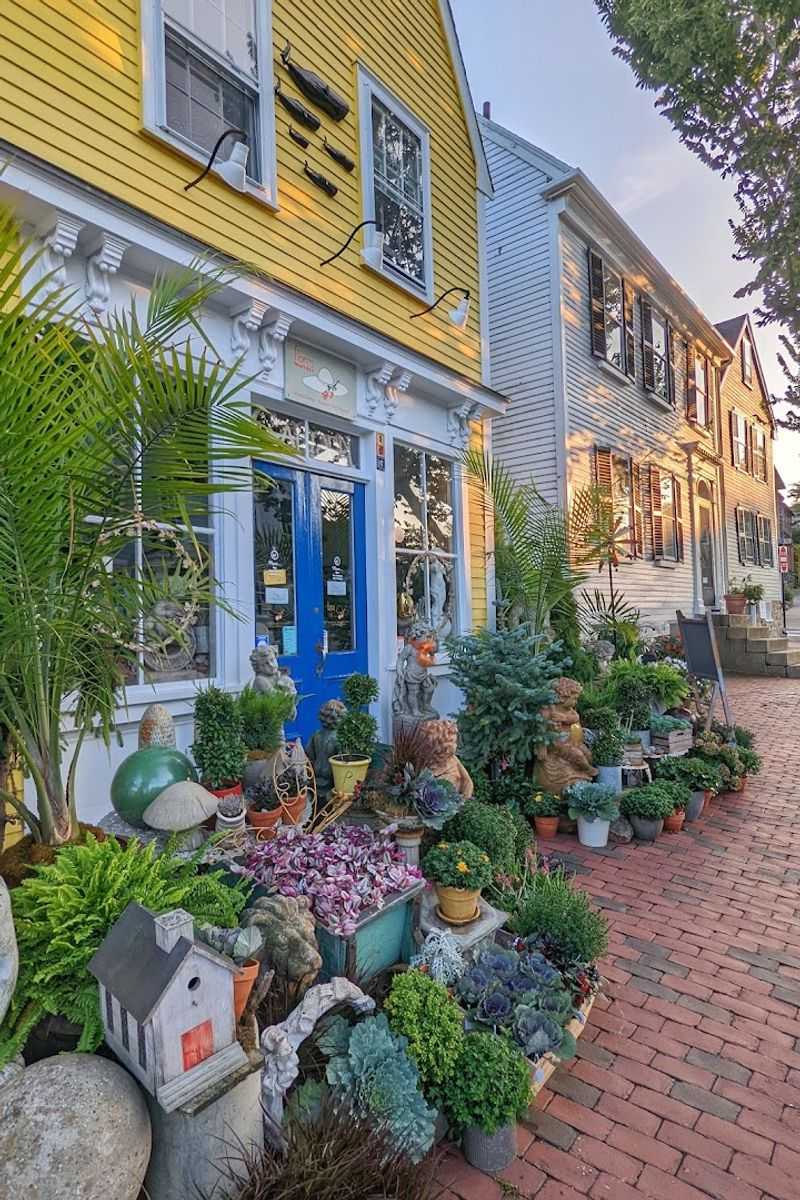
Artists have been drawn to Marblehead for well over a century, attracted by the quality of light along the coast and the visual richness of the harbor and historic architecture. The tradition continues today through a collection of galleries, studios, and arts organizations that give the town a creative undercurrent you notice without quite expecting it.
The Marblehead Arts Association, based at the historic King Hooper Mansion at 8 Hooper Street, hosts rotating exhibitions throughout the year and represents dozens of local artists working in a range of media. The mansion itself is worth visiting for its architecture alone, a graceful Federal-style building with formal gardens that feel transplanted from another era.
Independent galleries scattered through Old Town show paintings, ceramics, photography, and sculpture, with a consistent focus on coastal and maritime themes that reflect the town’s character. Many artists maintain open studios during warmer months, allowing visitors to watch work in progress and purchase directly from the maker.
The arts scene here operates with a low-key confidence that suits the town well. There is no self-conscious striving for trendy relevance, just a steady commitment to craft and a genuine appreciation for the light that falls differently here than it does almost anywhere else.
Devereux Beach Provides A Quieter Alternative To Cape Cod
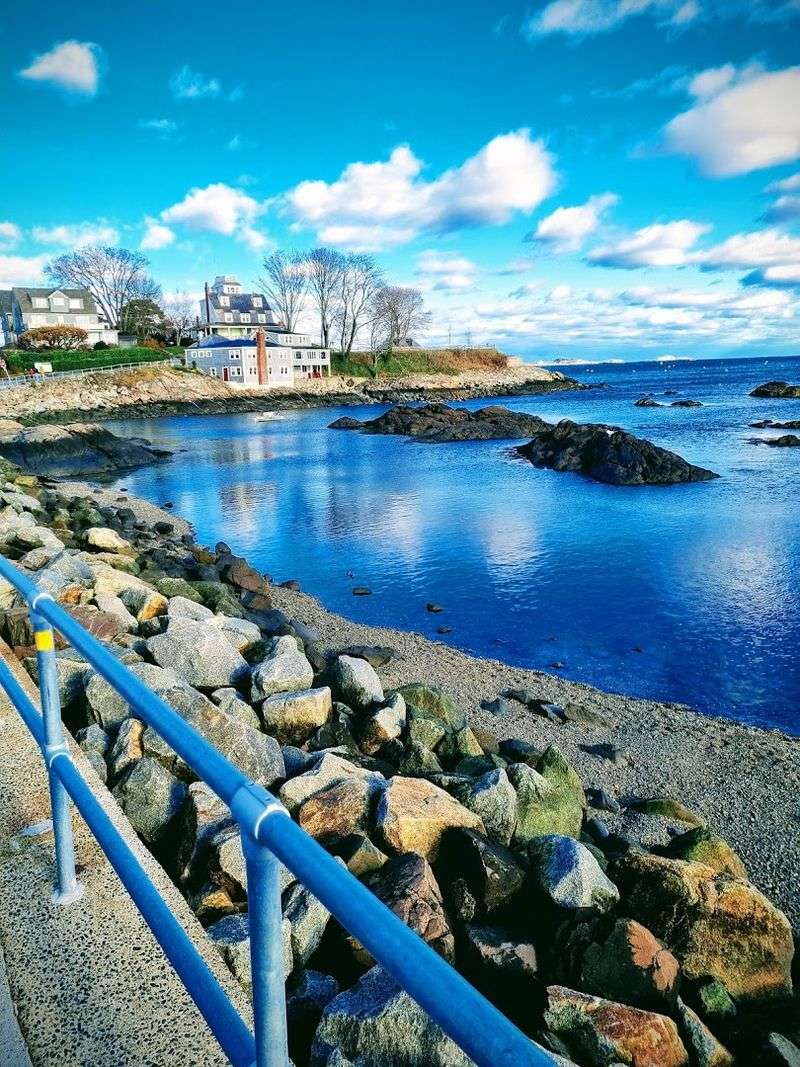
On a busy summer weekend, the beaches of Cape Cod can feel more like a crowded outdoor mall than a coastal retreat. Devereux Beach in Marblehead offers a genuinely different experience.
The sandy crescent sits at the base of the causeway leading to Marblehead Neck, facing south toward Boston Harbor, and on most days it maintains the kind of relaxed atmosphere that families and solo visitors alike find restorative.
The beach is town-owned and well maintained, with parking available nearby and basic facilities that keep things functional without feeling over-developed. The water temperature is brisk by southern standards but perfectly acceptable to anyone raised on New England summers.
Children build sandcastles along the shallow edge while adults read in low chairs or wade out to where the bottom drops off gently.
The view from the beach includes Marblehead Neck to the left and open water to the right, with occasional sailboats crossing the frame throughout the day. Sunsets here, when the sky cooperates, paint the water in shades that feel almost theatrical without any help from a filter.
For a town that does not market itself aggressively, Devereux Beach is one of those places that tends to convert first-time visitors into loyal return guests.
The Annual Illumination Night Tradition Draws Devoted Crowds
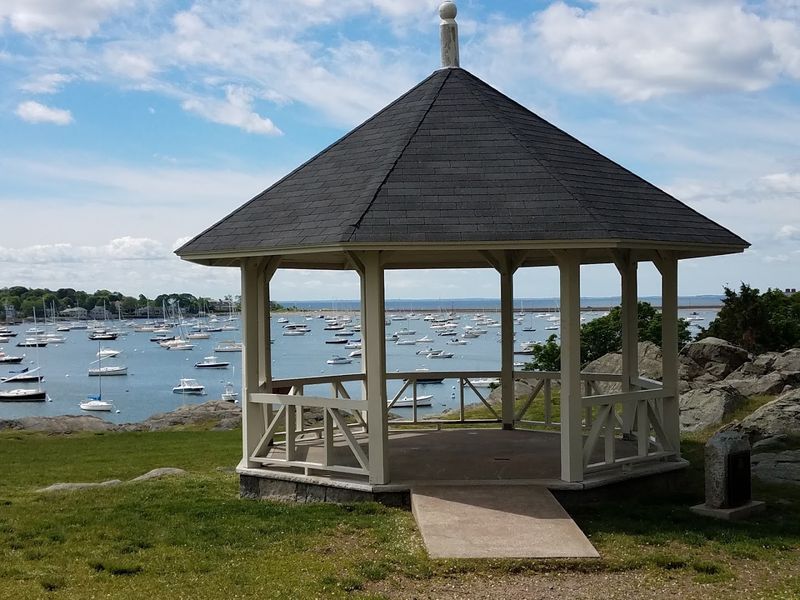
Every August, Marblehead holds one of its most beloved traditions. Illumination Night transforms the harbor into something that requires seeing in person to fully appreciate.
Boat owners string their vessels with lights, and as darkness falls over the water, the reflection creates a scene that has been drawing appreciative crowds for well over a century.
The event grew out of a 19th-century tradition of celebrating the end of summer with communal gatherings along the waterfront. Today it combines the boat illumination with fireworks, live music, and the kind of easy neighborhood energy that defines Marblehead at its best.
Residents and visitors line the harbor walls and waterfront parks well before dark to secure good viewing positions.
What makes Illumination Night particularly appealing is its scale. It is large enough to feel festive and communal but small enough that you never feel lost in an anonymous crowd.
You will likely overhear conversations between locals who have attended every year for decades and newcomers experiencing it for the first time. Both groups tend to leave with the same expression.
It is the look of someone who has just discovered something worth keeping to themselves, even as they immediately start recommending it to everyone they know.
Getting To Marblehead From Boston Is Easier Than Most Expect
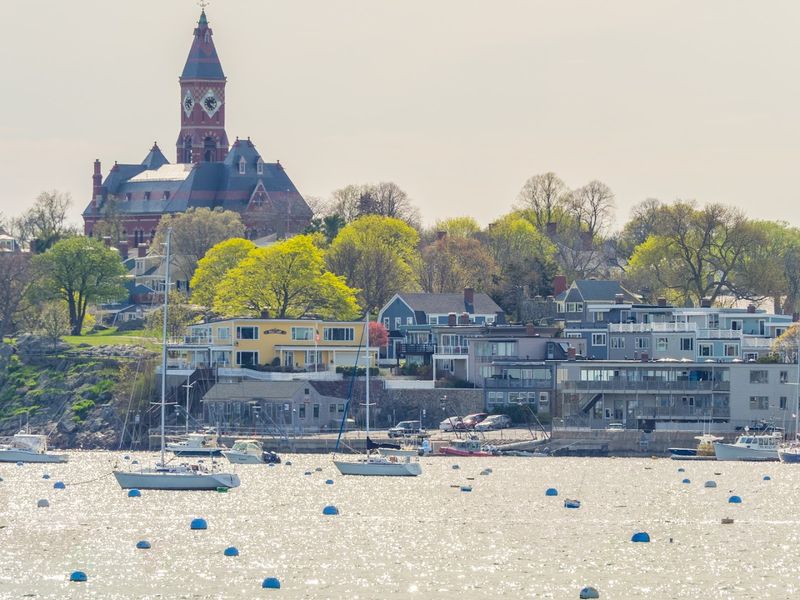
One practical reason Marblehead is gaining attention from Boston-area residents and regional visitors is how straightforward it is to reach. The town sits approximately 17 miles north of downtown Boston, and under normal traffic conditions the drive along Route 1A takes under 45 minutes.
For those who prefer not to drive, the MBTA Commuter Rail serves nearby Salem, from which a short bus or taxi ride covers the remaining distance.
Marblehead itself is compact enough that a car becomes largely unnecessary once you arrive. The historic downtown, harbor, Fort Sewall, and most dining options are all within comfortable walking distance of each other.
The town at Massachusetts is easily navigable on foot, and many visitors prefer it that way, since parking in Old Town requires patience during peak summer weekends.
Cycling is another practical option, with relatively flat terrain through most of the town and dedicated paths in certain areas. The proximity to Boston makes Marblehead an ideal day trip, but the quality of accommodation available, from historic bed-and-breakfasts to well-appointed inns, rewards those who choose to stay longer.
A single overnight visit has a reliable tendency to become a two-night stay, and sometimes the beginning of an annual tradition.