
10 Must-Visit Historic Places In Wisconsin That Go Beyond The Books
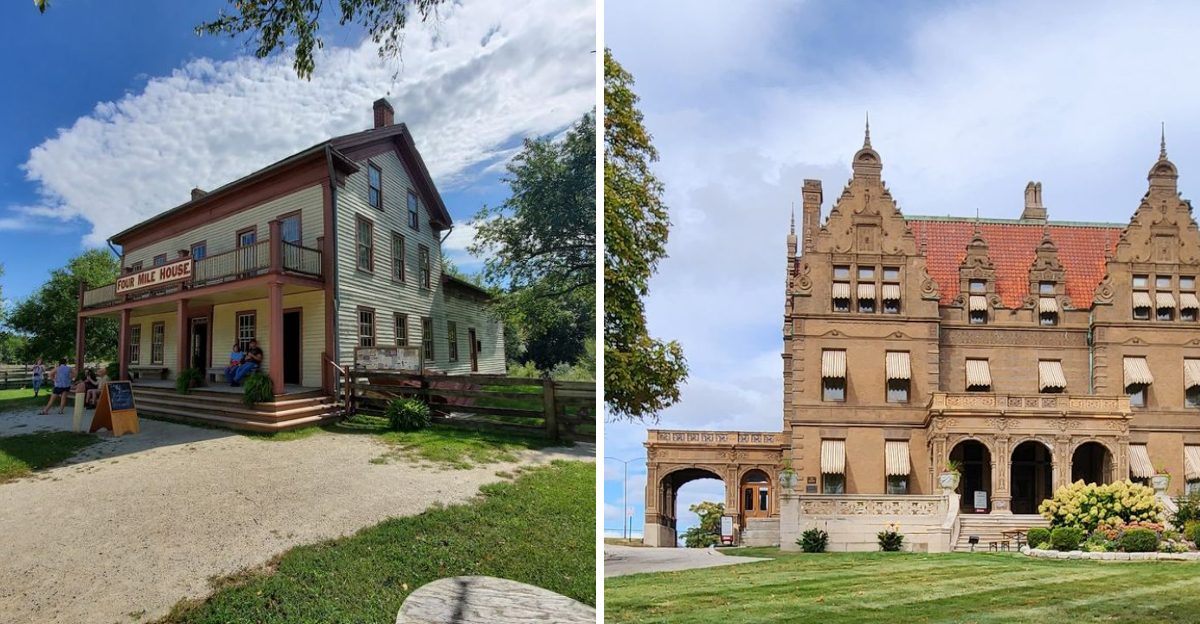
Wisconsin holds stories that textbooks barely scratch the surface of, and I’m thrilled to take you on a journey through ten incredible places where history comes alive in ways you never imagined. From quirky museums to architectural wonders, these spots reveal the heart and soul of the Badger State through real buildings, actual artifacts, and spaces where fascinating people once lived and worked.
Get ready to step back in time and experience history in a way that’s way more exciting than reading about it in class!
1. Old World Wisconsin (Eagle)
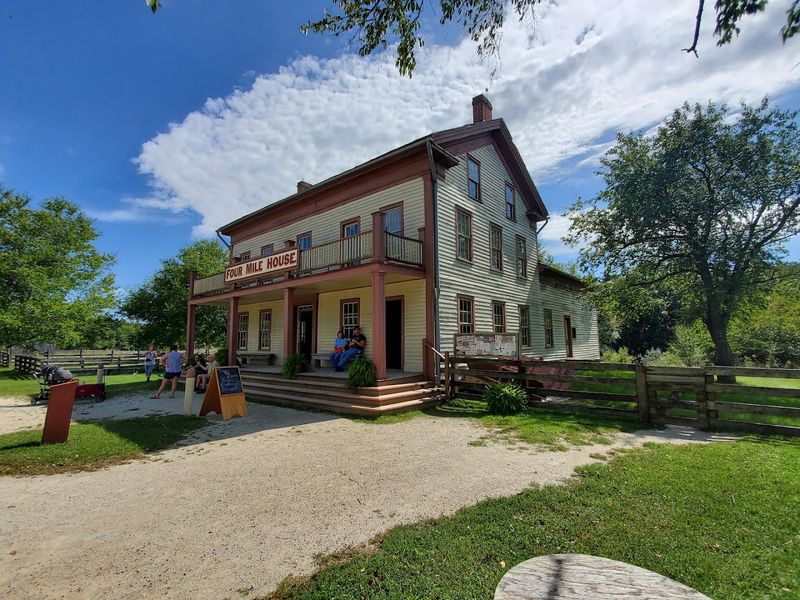
Picture walking into a real-life time machine where you can actually touch history instead of just reading about it. Old World Wisconsin sprawls across 576 acres and features over 60 historic buildings that were carefully moved from their original locations across the state.
You’ll meet costumed interpreters who bake bread in wood-fired ovens, tend gardens using 1800s techniques, and demonstrate blacksmithing just like your ancestors did.
The coolest part? Each building tells a different immigrant story.
You can explore a Finnish farmstead, peek inside a Norwegian cabin, and visit a German town complete with a working brewery. The attention to detail is mind-blowing, from the hand-sewn clothes to the period-accurate tools.
Bring comfortable walking shoes because you’ll cover serious ground exploring different time periods and cultures. The interpreters love answering questions and sharing stories that make history feel personal and real.
Spring through fall offers the best experience when all the buildings are open and demonstrations happen throughout the day.
This living history museum proves that learning about the past doesn’t have to be boring when you can actually experience it firsthand.
2. Circus World Museum (Baraboo)
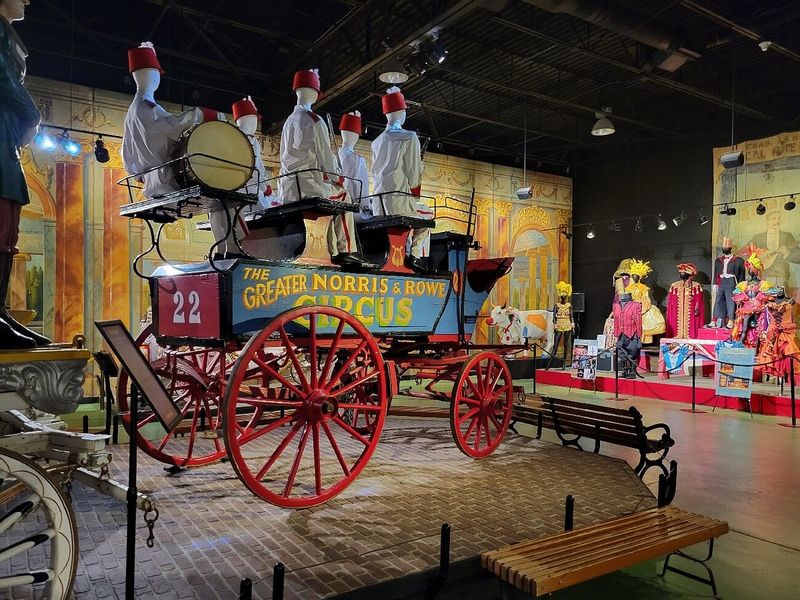
Baraboo was once the winter headquarters of the Ringling Brothers Circus, and this museum celebrates that wild legacy with the world’s largest collection of circus wagons. You’ll find yourself surrounded by elaborately carved and painted wagons that once paraded through streets across America, each one more dazzling than the last.
The craftsmanship is absolutely stunning, with gold leaf details and intricate designs that took master artisans months to complete.
During summer, live circus performances happen under an actual big top tent. Acrobats, jugglers, and clowns perform shows that capture the magic of old-time circus entertainment.
You can even try walking a tightrope or learning basic juggling at interactive stations.
The museum’s archives contain posters, costumes, and photographs that document circus history from the 1800s forward. Kids especially love the magic demonstrations and getting to see how circus performers lived when traveling by train.
Don’t miss the wagon restoration shop where craftspeople work on preserving these incredible vehicles.
This place reminds us that before television and smartphones, the circus brought wonder and excitement to small towns everywhere.
3. Pabst Mansion (Milwaukee)
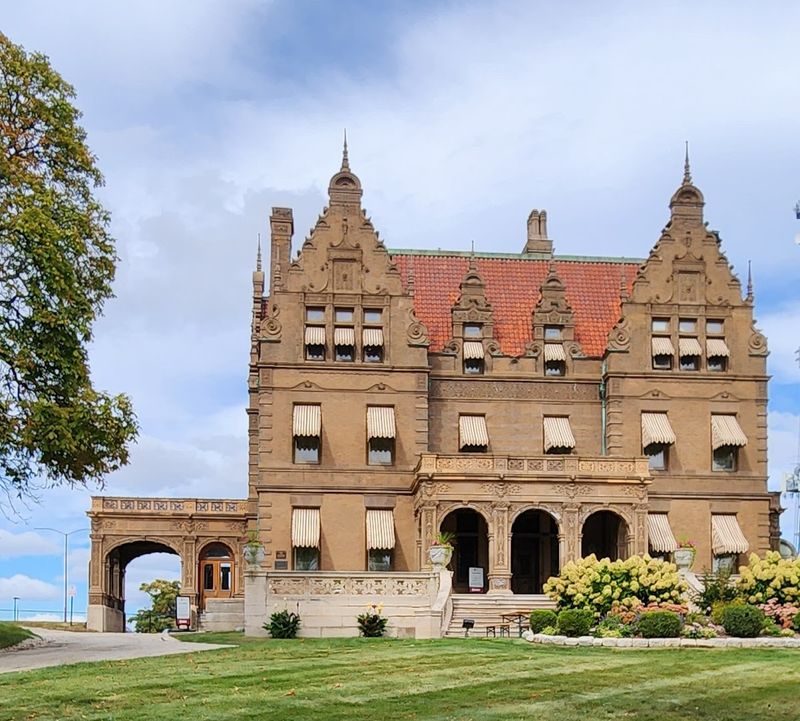
Captain Frederick Pabst built this stunning mansion in 1892, and stepping inside feels like entering a palace made of carved wood, stained glass, and pure luxury. The beer baron spared no expense, importing craftsmen from Germany to create intricate woodwork that covers nearly every surface.
Each room showcases a different type of wood, from mahogany to oak, all hand-carved with incredible skill.
The mansion’s 20,000 square feet contain 37 rooms filled with original furnishings, artwork, and decorative pieces. The stained glass windows alone are worth the visit, depicting everything from landscapes to portraits in vibrant colors.
You’ll see how wealthy families lived during Wisconsin’s brewing heyday, with modern conveniences like electricity and central heating that were cutting-edge technology at the time.
Guided tours reveal fascinating details about the Pabst family and their contributions to Milwaukee’s growth. The music room features gorgeous hand-painted ceilings, while the grand staircase showcases woodcarving that took craftsmen years to complete.
Holiday tours during December are especially magical when the mansion is decorated in Victorian-era Christmas splendor.
This architectural gem proves that Milwaukee’s brewing legacy built more than just beer.
4. Taliesin (Spring Green)
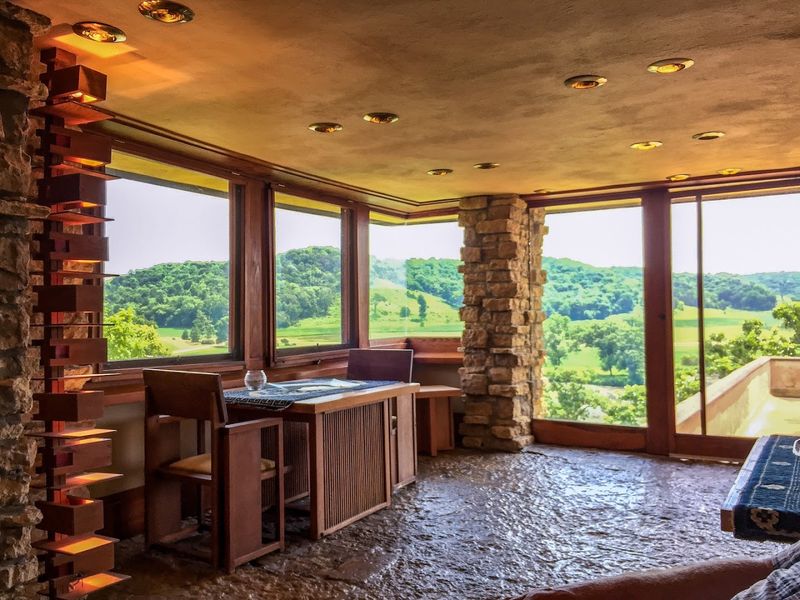
Frank Lloyd Wright, arguably America’s greatest architect, created his home and studio at Taliesin, and the genius behind his designs becomes crystal clear when you visit. The buildings seem to grow naturally from the hillside, blending into the landscape rather than dominating it.
Wright’s philosophy of organic architecture comes alive here, with low horizontal lines, natural materials, and spaces that flow seamlessly between indoors and outdoors.
Tours take you through Wright’s living quarters, drafting studio, and the surrounding estate. You’ll see original furniture he designed, artwork he collected, and spaces where he worked on projects that changed American architecture forever.
The attention to detail is incredible, from custom light fixtures to built-in furniture that maximizes space and beauty.
The property spans 800 acres of beautiful Wisconsin countryside. Wright lived and worked here for most of his adult life, constantly redesigning and improving the buildings.
Tragedy struck twice with devastating fires, but Wright rebuilt each time, incorporating lessons learned into the new designs.
Visiting Taliesin isn’t just about seeing beautiful buildings; it’s about understanding how one person’s vision can transform the way we think about living spaces.
5. Aztalan State Park (Lake Mills)
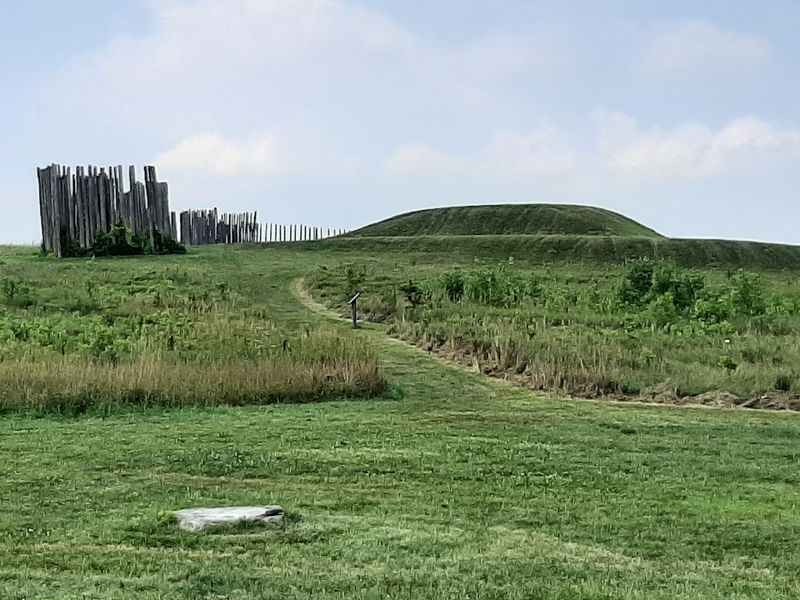
Between 900 and 1200 AD, a thriving Native American community built a fortified village at Aztalan, and today you can walk among the mysterious earthen mounds they left behind. This archaeological site represents the northern outpost of the Mississippian culture, famous for building Cahokia near modern-day St. Louis.
The people who lived here constructed massive platform mounds, a stockade wall, and a complex society that traded goods across vast distances.
You can climb the reconstructed sections of the stockade wall and imagine what life was like in this bustling pre-Columbian settlement. The largest platform mound rises impressively above the surrounding landscape, offering views across the Crawfish River.
Archaeologists have uncovered evidence of corn agriculture, ceremonial activities, and even possible astronomical observations.
Walking paths wind through the 172-acre park, connecting the various mounds and features. Interpretive signs explain what researchers have learned about the people who built this remarkable place.
The site raises fascinating questions about why this community eventually abandoned Aztalan around 1200 AD.
This place challenges any simplistic notions about pre-European America and proves that Wisconsin’s human history extends back far beyond European settlement.
6. Villa Louis (Prairie Du Chien)
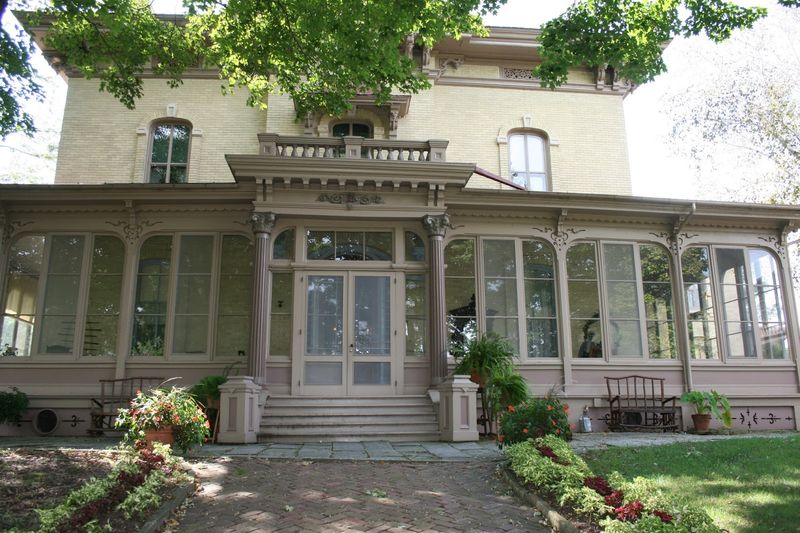
Hercules Dousman made his fortune in the fur trade and built Villa Louis as a statement of wealth and taste in the 1870s. The mansion sits on a bluff overlooking the Mississippi River, commanding stunning views that reminded Dousman of his status as Wisconsin’s first millionaire.
Today, the estate is one of the most accurately restored Victorian homes in America, with original furnishings and decorative arts that showcase how the extremely wealthy lived during the Gilded Age.
Every room contains museum-quality antiques, from hand-painted china to elaborate furniture imported from Europe. The wallpapers were reproduced using historical patterns, and even the carpets match what the Dousman family originally installed.
You’ll see everything from the family’s formal parlors to the servants’ quarters, providing a complete picture of household life.
The grounds include beautifully maintained gardens and outbuildings that housed carriages, horses, and staff. Special events throughout the year include Victorian teas, historical reenactments, and holiday celebrations.
The attention to historical accuracy makes you feel like the Dousman family just stepped out for a moment.
Villa Louis offers a rare glimpse into extreme wealth during an era when fortunes were being made in America’s frontier territories.
7. Wade House Historic Site (Greenbush)
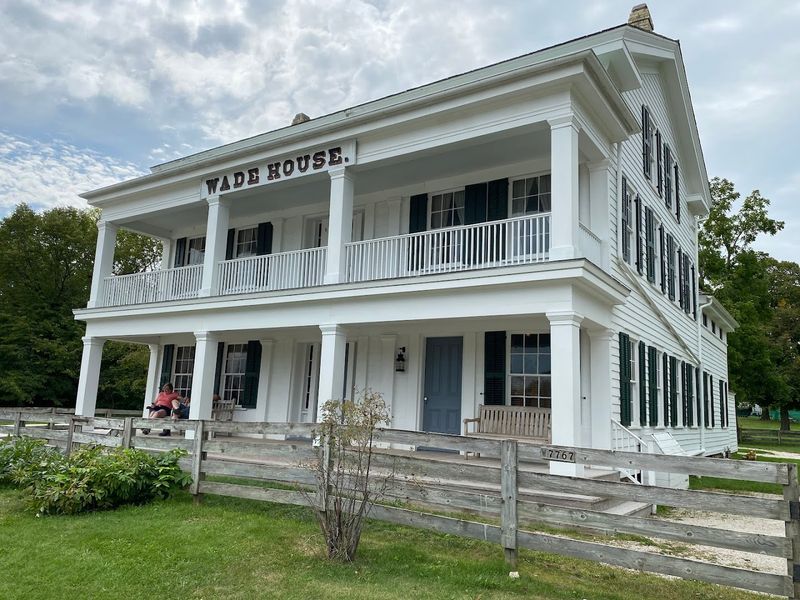
Back when stagecoaches were the main way to travel, the Wade House served as a crucial stopping point between Sheboygan and Fond du Lac. Sylvanus and Betsey Wade opened their inn in 1851, and today you can experience what overnight travel was like before railroads changed everything.
The restored inn contains period-accurate furnishings in guest rooms, a dining room, and common areas where tired travelers once gathered to warm themselves by the fire.
Costumed interpreters demonstrate daily activities like cooking on a wood-burning stove, doing laundry by hand, and maintaining the inn. The working blacksmith shop next door produces horseshoes and tools using traditional techniques, with the rhythmic clang of hammer on anvil echoing across the property.
You can watch craftspeople practice skills that were essential to 19th-century life.
The site also includes the Wesley Jung Carriage Museum, housing one of Wisconsin’s finest collections of horse-drawn vehicles. From elegant carriages to practical farm wagons, these vehicles show how people and goods moved before automobiles.
The attention to detail in restoration work helps visitors understand the hard work required to run a successful frontier business.
Wade House reminds us that hospitality and travel have always been about human connection and comfort.
8. First Capitol Historic Site (Belmont)
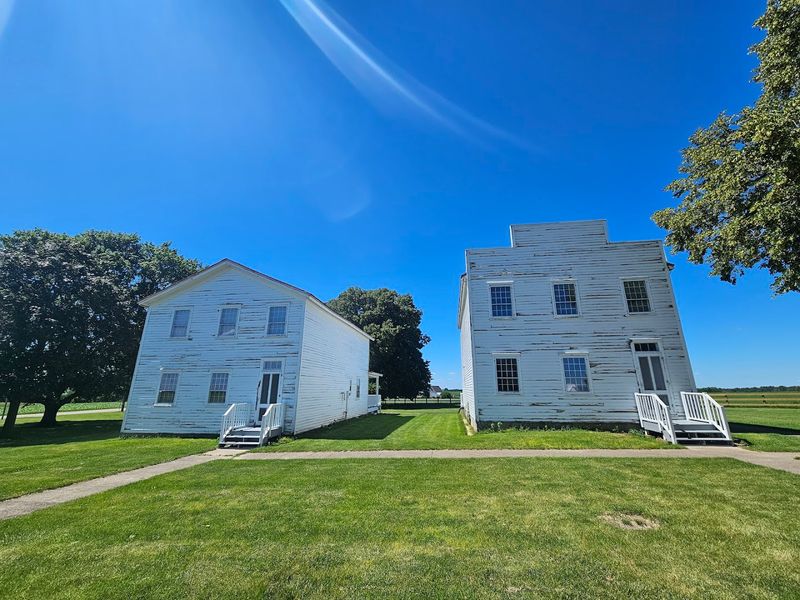
Wisconsin’s government started in two modest wooden buildings in Belmont back in 1836, and visiting this site puts our state’s humble beginnings into perspective. Legislators met for just 46 days in these cramped quarters before deciding to move the capital to Madison.
The buildings are remarkably small and simple, especially compared to the grand capitol building in Madison today. You’ll wonder how lawmakers accomplished anything in such tight spaces.
The restored buildings contain exhibits about Wisconsin’s territorial period and the debates that shaped our state’s early government. You’ll learn about the personalities and conflicts that influenced decisions about everything from the capital’s location to basic laws and governance structures.
Original furniture and period pieces help recreate the atmosphere of those historic legislative sessions.
The site sits in a quiet rural area that looks much like it did in the 1830s. A small museum provides context about why Belmont was chosen and why it lost the capital so quickly.
Special programs throughout the year include reenactments and educational presentations about territorial Wisconsin.
This unassuming spot proves that great things often start small, and that Wisconsin’s democratic traditions have deep roots in modest beginnings.
9. H.H. Bennett Studio (Wisconsin Dells)
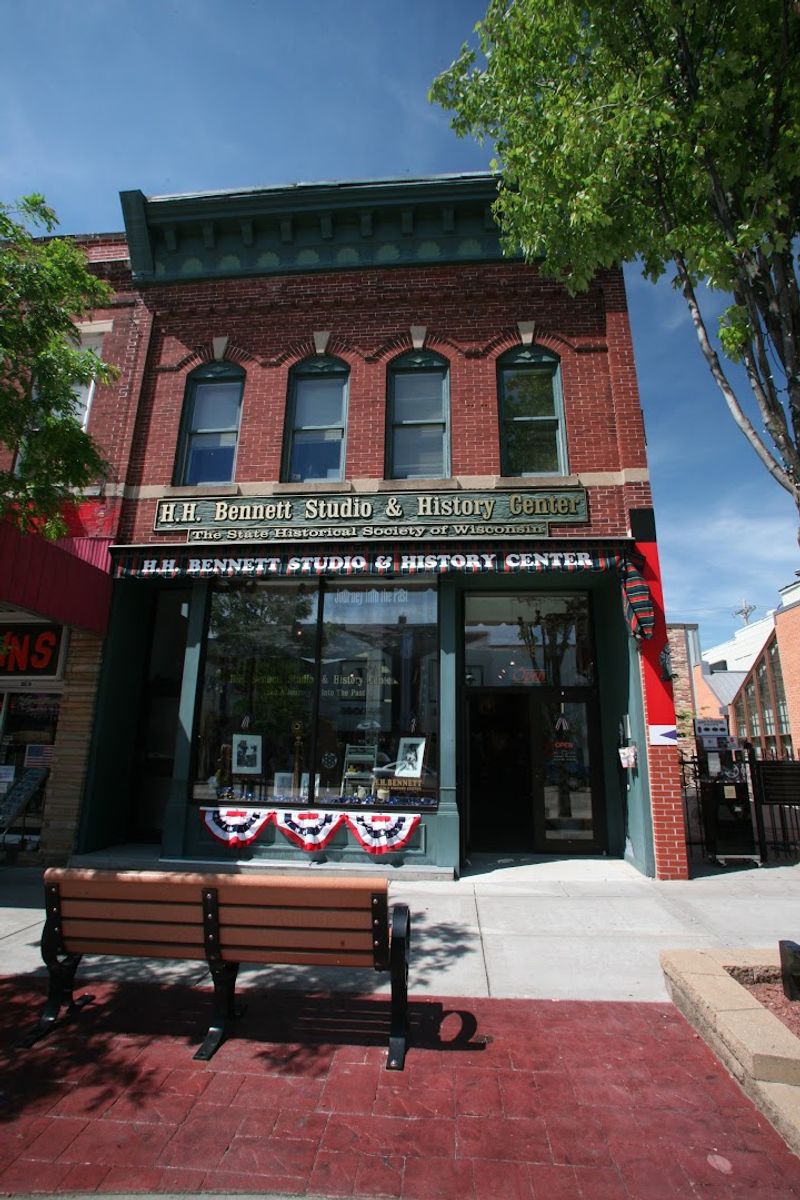
Henry Hamilton Bennett pioneered landscape photography in the 1860s and essentially invented tourism in Wisconsin Dells through his stunning images of the area’s rock formations. His studio still stands in downtown Wisconsin Dells, filled with original cameras, glass plate negatives, and the photographs that made the Dells famous.
Bennett’s innovative techniques, including the first stop-action photograph ever taken, revolutionized photography and inspired generations of photographers.
You can see Bennett’s darkroom, examine his cameras and equipment, and view prints made from his original glass negatives. The images capture the Dells’ natural beauty in ways that made people from across the country want to visit.
Bennett’s son Ashley continued the family business, documenting how the area changed over decades. The collection includes thousands of images showing everything from Native American life to early tourism.
The studio building itself is a historic landmark, preserved exactly as the Bennett family used it. Interactive displays let you try focusing old cameras and understand the challenging process of wet-plate photography.
Bennett’s work proves that one person with vision and talent can shape an entire region’s identity and economy.
This small studio launched Wisconsin Dells as a tourist destination and preserved images of 19th-century Wisconsin that would otherwise be lost forever.
10. Hearthstone Historic House Museum (Appleton)
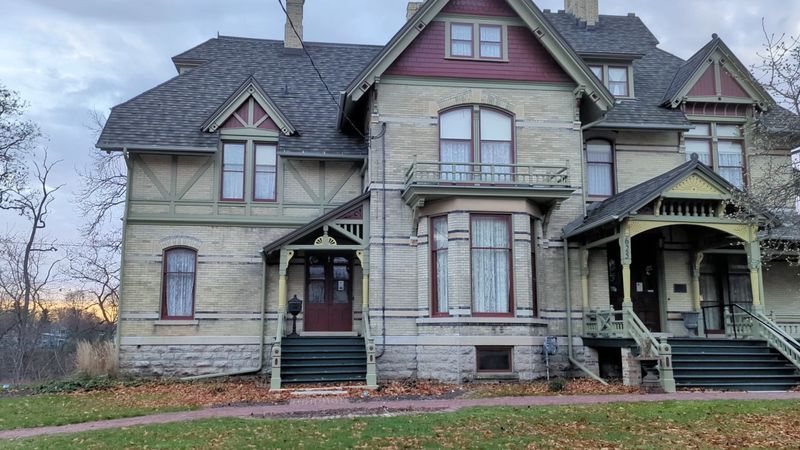
In 1882, Hearthstone became the first house in the world powered by a central hydroelectric station, and that technological breakthrough changed human history. Henry Rogers built this Queen Anne-style mansion and worked with Thomas Edison’s company to install an electrical system that included light switches, electroliers, and all the wiring needed to power them.
Walking through the house today, you’ll see the original Edison light fixtures and switches that amazed visitors over 140 years ago.
The home’s 11,000 square feet contain beautiful woodwork, stained glass, and period furnishings that showcase upper-class life during the Victorian era. But the real star is the electrical system, which still works and demonstrates how revolutionary indoor lighting was.
Before electricity, homes relied on dangerous gas lights, candles, and oil lamps. Flipping a switch to create light seemed like pure magic.
Guided tours explain both the home’s architectural features and the story of bringing electricity to Appleton. The basement houses the original electrical panel and equipment that distributed power throughout the house.
You’ll gain appreciation for conveniences we take completely for granted today.
Hearthstone represents a pivotal moment when technology transformed daily life, making it a must-visit for anyone interested in innovation and progress.