
10 Natural Rock Formations Across Tennessee Worth Seeing In Person In 2026
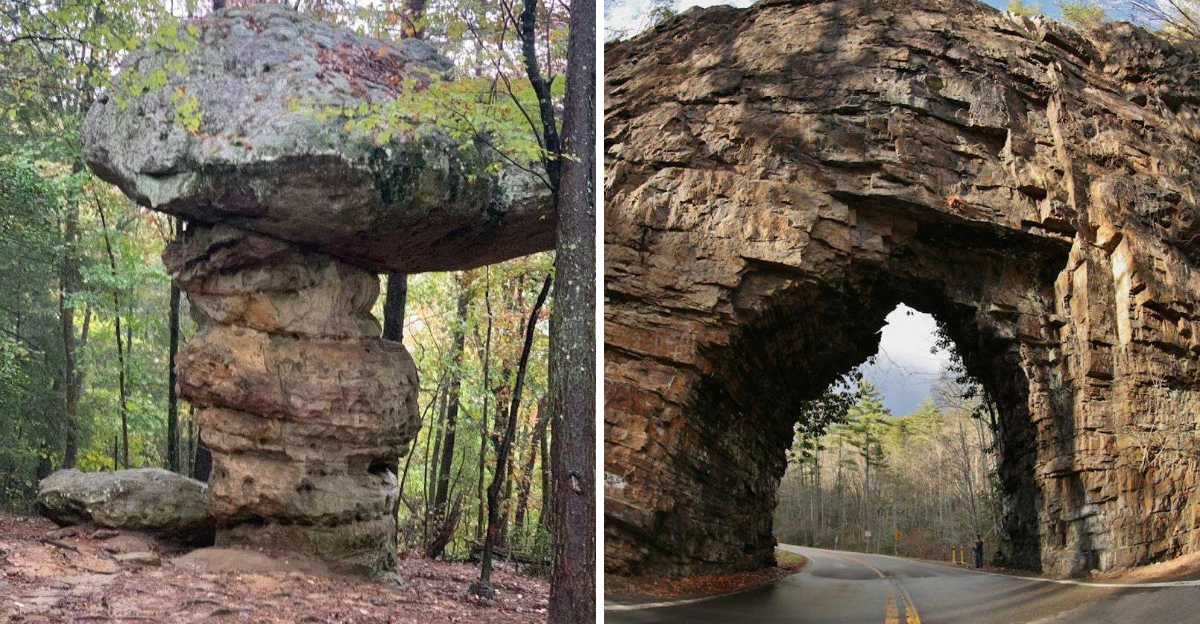
Nature really knows how to show off when it comes to stone.
Tennessee is packed with rock formations that look like they were shaped for movie scenes, hiking photos, and family road trip stories that get retold for years.
Towering cliffs, sandstone arches, rugged bluffs, strange boulders, and wide overlooks all add to the adventure. Some spots feel dramatic the second they come into view.
Others make you look twice because they seem almost too perfectly carved to be natural. That is the fun of exploring Tennessee’s rocky side.
For 2026, these natural formations deserve a place on your travel list. Wear sturdy shoes, keep your phone charged, and let curiosity lead the way.
The best views here are not just pretty. They make you remember how wild and surprising the state can be.
1. Great Stone Door, Beersheba Springs
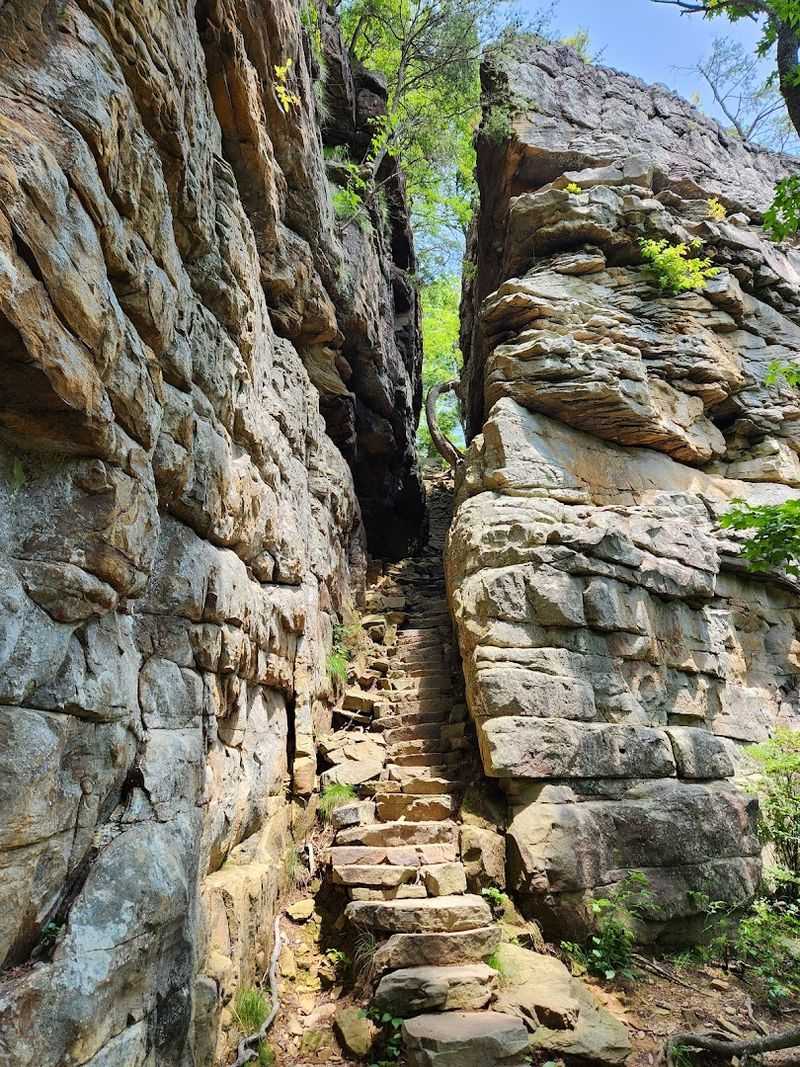
Standing at the edge of the Cumberland Plateau and peering down through a massive crack in the earth is the kind of moment that makes you feel genuinely small in the best possible way.
The Great Stone Door sits near Beersheba Springs, within the Savage Gulf State Natural Area, and it earns its dramatic name without any exaggeration.
This natural crevice in the sandstone bluff stretches roughly 10 feet wide and drops about 20 feet deep, creating a narrow passage that hikers use to descend from the plateau rim into the gorge below.
The surrounding trail system is well-maintained and connects to several other scenic overlooks, making this a solid full-day adventure rather than just a quick photo stop.
Spring and fall are the best seasons to visit, when the foliage adds vivid color to the already dramatic scenery and temperatures stay comfortable for hiking.
The trailhead is located at 1183 Stone Door Rd, Beersheba Springs, TN 37305, and parking is available at the ranger station nearby.
Wildlife sightings along the trail are common, so keep your eyes open for deer, hawks, and the occasional box turtle making its slow and steady way across the path.
2. Courthouse Rock, Gatlinburg
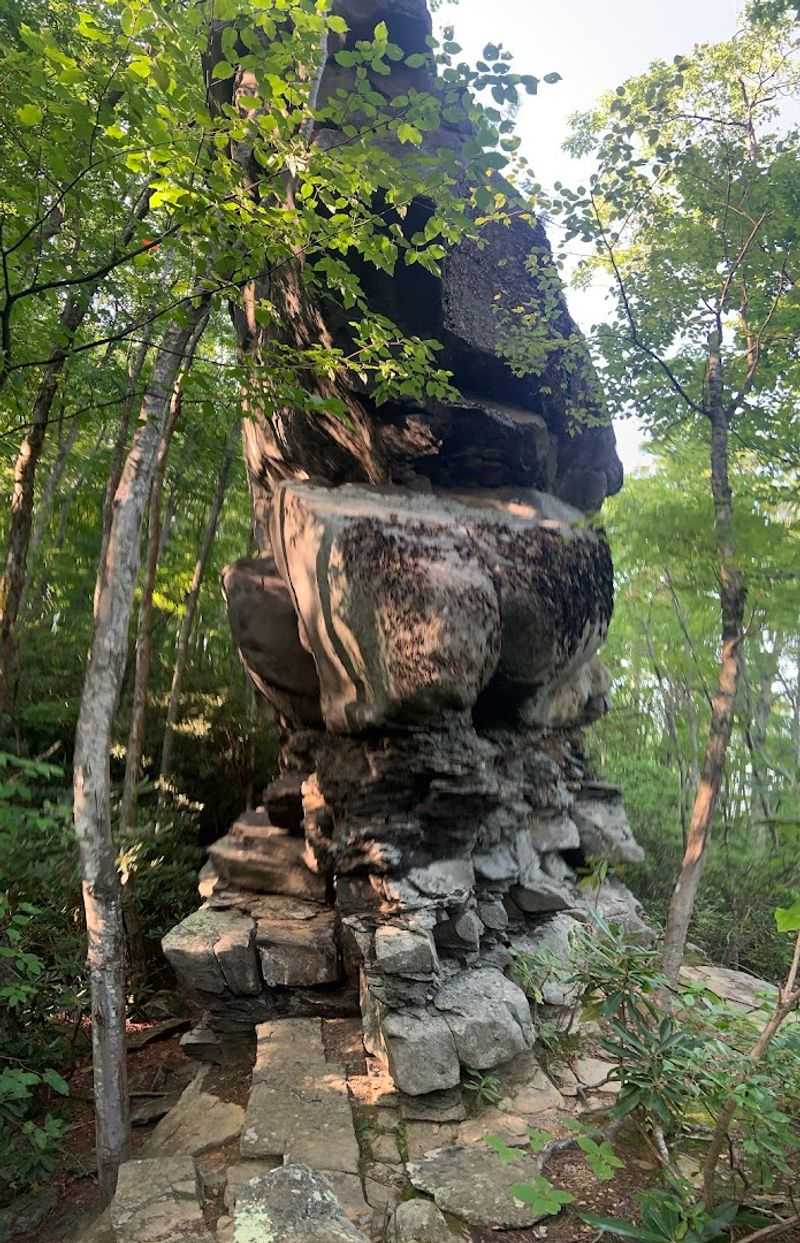
Courthouse Rock near Gatlinburg earns its name from the way its flat-topped sandstone structure resembles the kind of building where serious decisions get made.
This formation rewards hikers who are willing to push past the more crowded tourist trails to find something genuinely off the beaten path.
The rock itself sits in a forested setting where the surrounding trees frame it beautifully, especially in autumn when the canopy turns shades of amber and rust.
Reaching it involves a moderate hike, so wearing proper footwear and bringing enough water are both non-negotiable if you want to enjoy the experience rather than just survive it.
What makes Courthouse Rock particularly appealing is the sense of discovery that comes with it. Unlike some of Tennessee’s more commercialized natural sites, this one still feels like a personal find.
The Smoky Mountains area surrounding Gatlinburg offers dozens of complementary stops, so building a multi-day itinerary around this region makes a lot of practical sense for 2026 visitors.
Arriving early in the morning gives you the best light and the quietest trails, which together make the whole trip feel like it was made just for you.
3. Arch Rock, Gatlinburg
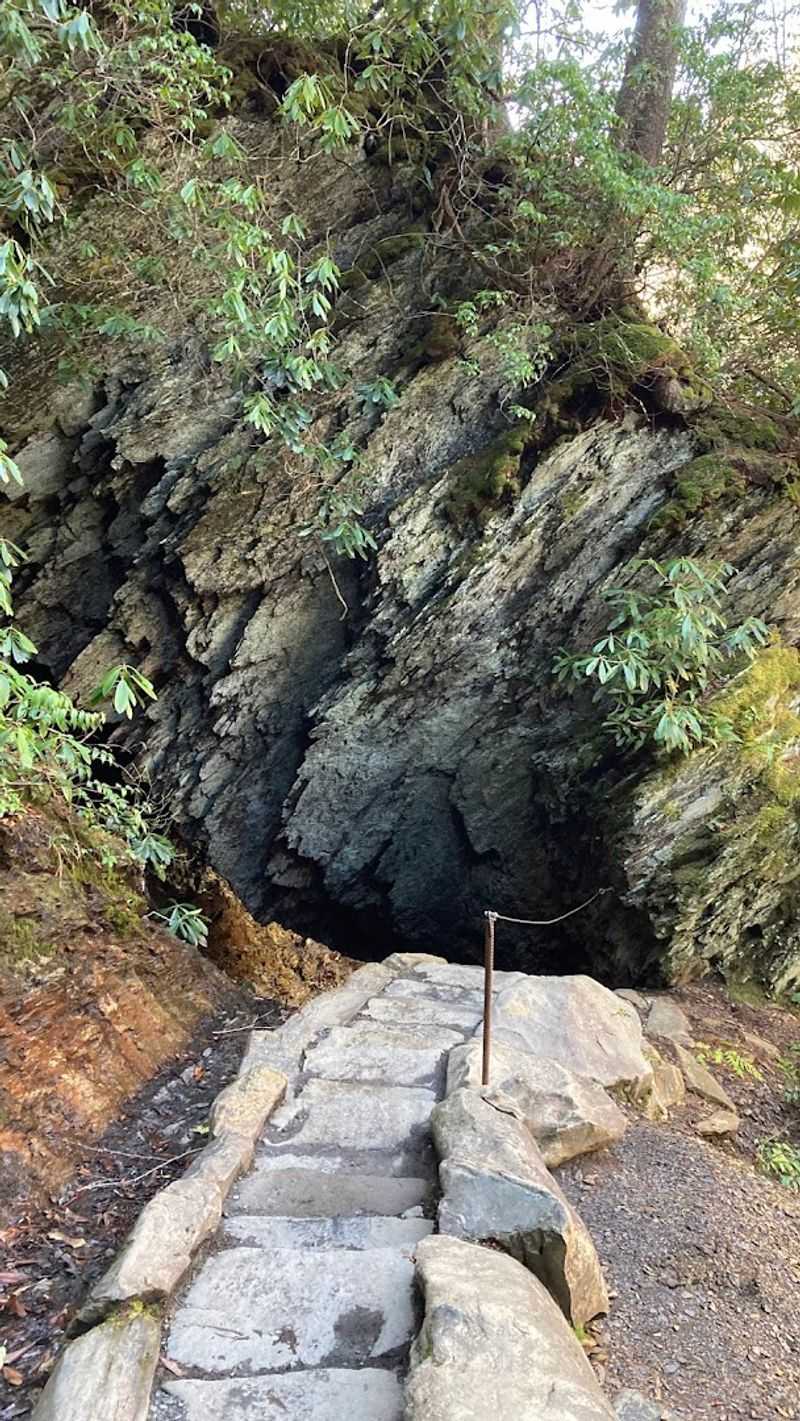
Few things in nature match the quiet drama of walking through a stone arch that has been standing for millions of years, and Arch Rock on the Alum Cave Trail delivers exactly that experience.
This natural arch was formed by a process called exfoliation, where layers of slate gradually peeled away over time to create a curved opening through which the trail passes.
The arch itself is modest in size but striking in context, surrounded by mossy boulders, rhododendron tunnels, and the sounds of a nearby creek.
Arch Rock sits roughly 1.5 miles from the Alum Cave Trail trailhead, making it accessible even for hikers with moderate fitness levels who may not want to tackle the full route to Alum Cave Bluffs.
The trail is one of the most popular in the entire national park system, so visiting on a weekday or arriving before 8 a.m. on weekends will spare you the shoulder-to-shoulder crowds.
Spring brings wildflowers and rushing water from snowmelt, while winter offers ice formations around the arch that transform the spot into something almost otherworldly.
However you time your visit, Arch Rock has a way of making the Smokies feel personal and profound all at once.
4. Chimney Rocks At McCloud Mountain, LaFollette
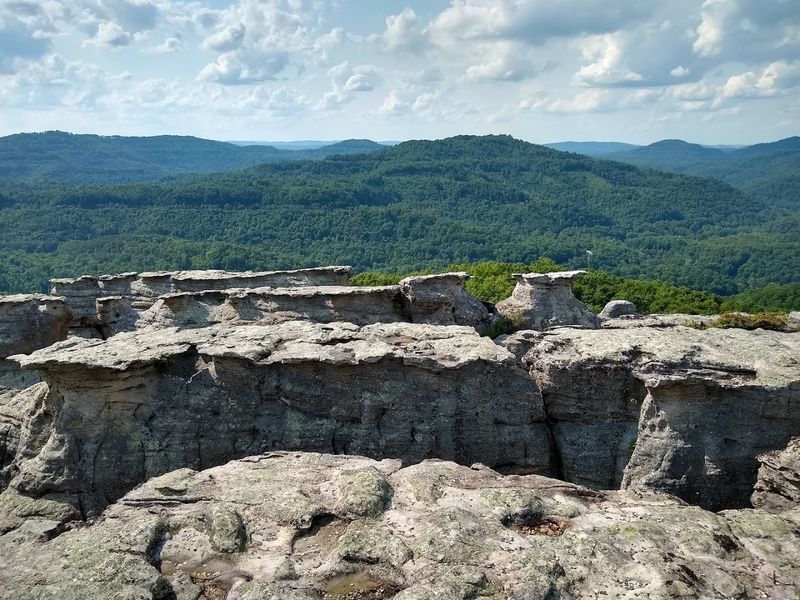
The Chimney Rocks at McCloud Mountain near LaFollette are the kind of formation that looks like it was designed specifically to make people stop and stare.
These rugged sandstone pillars jut out from the ridgeline in a way that genuinely earns the chimney comparison.
LaFollette sits in Campbell County in northeast Tennessee.
The area around McCloud Mountain is popular with local hikers and outdoor enthusiasts who appreciate its relative lack of tourist congestion compared to the Smokies.
The hike to the Chimney Rocks involves a climb with some rocky terrain, so trekking poles are a smart addition to your pack if you have them.
Once you reach the top, the payoff is immediate. The panoramic views of the surrounding forest and ridges give you a sense of just how wild and expansive this part of Tennessee still is.
Sunrise visits are particularly rewarding here, when low-lying fog fills the valleys below and the rocks catch the first warm light of the day in a way that feels almost cinematic.
McCloud Mountain is one of those spots that locals keep quietly to themselves, which makes finding it feel like a genuine reward.
5. Mushroom Rock Trailhead, Signal Mountain
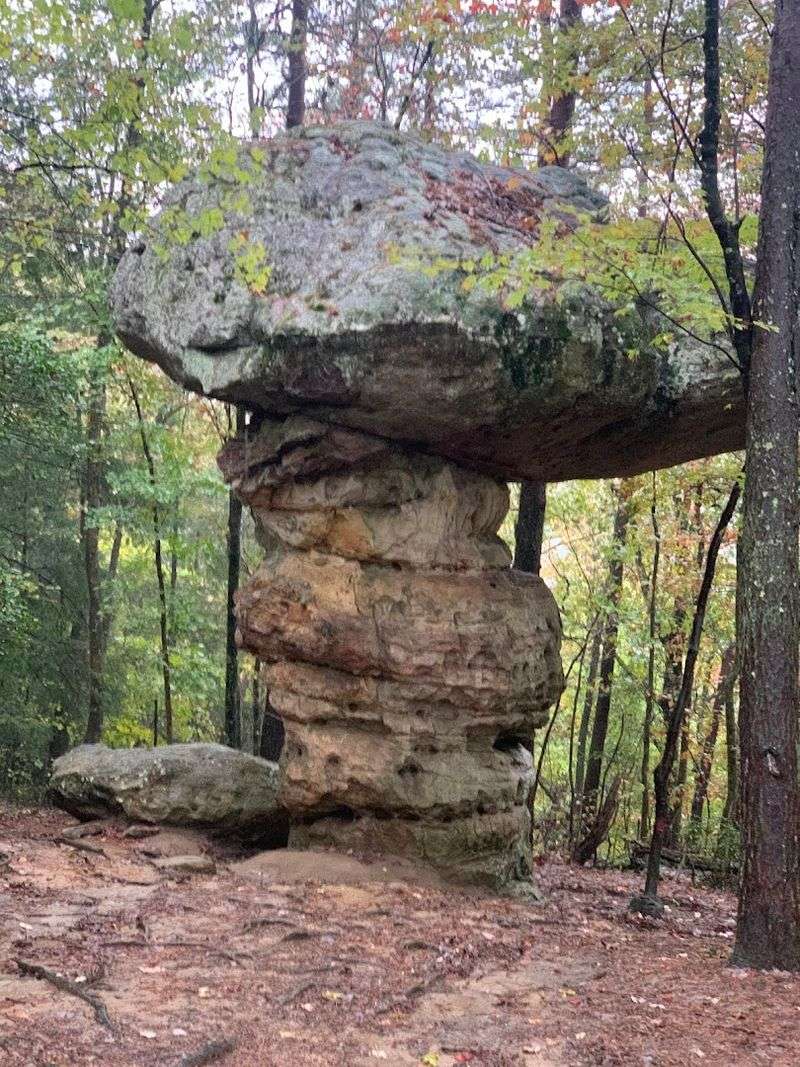
Nature has a sense of humor, and Mushroom Rock on Signal Mountain is one of its best punchlines, a massive rounded boulder perched on a narrow sandstone base that looks like it has absolutely no business staying upright.
This formation is the centerpiece of a pleasant trail that winds through second-growth forest with rocky outcroppings scattered throughout.
The mushroom shape is the result of differential weathering, where softer rock erodes faster than harder rock above it, leaving behind this perfectly balanced and deeply photogenic structure.
The trailhead is easy to reach and the path itself is relatively short, making Mushroom Rock a great option for families with younger kids.
Signal Mountain as a whole is a fascinating destination, sitting on the Cumberland Plateau with access to several other trails, overlooks, and natural features within a short drive of each other.
The rock is most impressive when light hits it from the side in the late afternoon, casting long shadows that emphasize its unusual proportions and make photos look genuinely dramatic.
Bring a wide-angle lens if you have one, because capturing the full mushroom profile requires more frame than you might expect.
6. Backbone Rock And Shortest Tunnel, Shady Valley
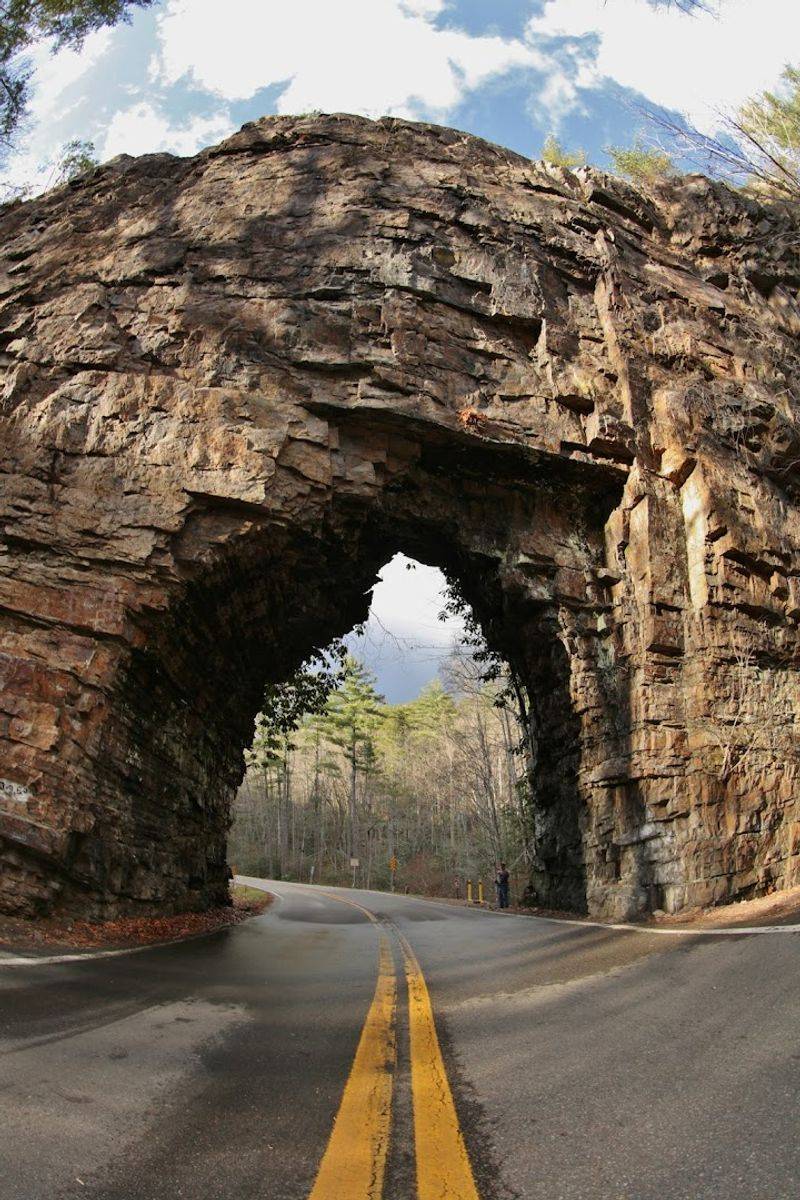
Backbone Rock holds a quirky claim to fame that is genuinely hard to beat: it contains what is recognized as the shortest railroad tunnel in the world, stretching just 20 feet from one end to the other.
Located near Shady Valley, Tennessee in the H5VP+H2 area of the Appalachian Highlands, this narrow ridge of rock was carved through in 1901 to allow a logging railroad to pass. The result is one of the most unusual geological and historical mashups in the entire state.
The rock itself rises dramatically from the forest floor, and the tunnel opening looks almost comically small compared to the sheer mass of stone above it.
Today, the site is part of the Backbone Rock Recreation Area, offering hiking trails, camping, and a small waterfall just a short walk from the main attraction.
The surrounding scenery in this corner of northeast Tennessee is genuinely spectacular, with dense hardwood forest and a clear mountain creek running alongside the trail.
Families tend to love this spot because the tunnel is short enough to walk through safely, and kids especially get a kick out of the whole setup.
Pack a picnic and plan to linger, because Backbone Rock is the kind of place that feels better the longer you stay.
7. Roper’s Rock, Lookout Mountain
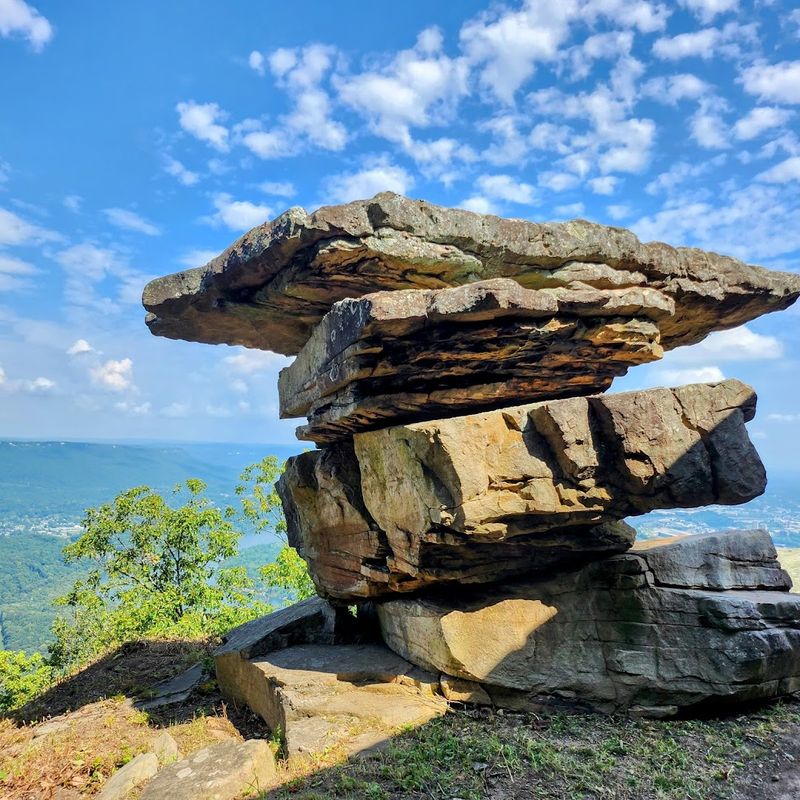
History and geology collide at Roper’s Rock on Lookout Mountain, where a massive exposed sandstone outcropping served as an observation point during the Civil War Battle of Lookout Mountain in 1863.
This formation offers some of the most sweeping views in the entire state, with the Tennessee River bending through the valley far below and the city of Chattanooga spread out beyond it.
The rock itself is large, flat, and sturdy enough that visitors regularly stand on it to take in the view.
Point Park is managed by the National Park Service as part of Chickamauga and Chattanooga National Military Park, which means the site is well-maintained.
Admission fees are modest and the park is open year-round, though spring and fall tend to offer the clearest views and the most comfortable temperatures for exploring the surrounding trails.
The combination of natural rock drama and layered American history makes Roper’s Rock more than just a pretty viewpoint. It is a place where the landscape itself feels like a witness to something larger.
On a clear day, the view from this rock is simply one of the best in Tennessee.
8. Bee Rock Overlook, Monterey
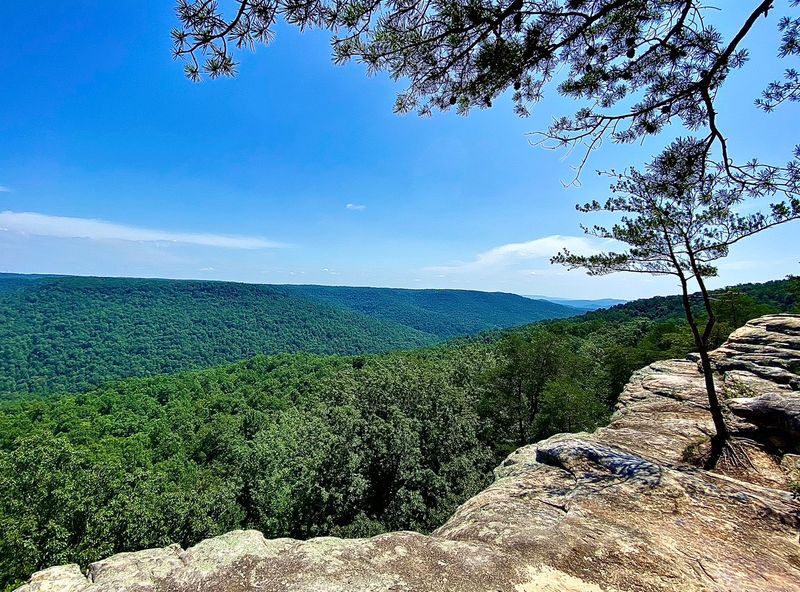
Jutting out from the edge of the Cumberland Plateau like a natural balcony, Bee Rock Overlook near Monterey gives visitors a front-row seat to one of the most expansive views in the region.
This sandstone bluff formation rises dramatically above the surrounding forest and offers unobstructed sightlines across the plateau and into the valley systems below.
The name itself is a nod to the wild bee colonies that have historically inhabited the cracks and crevices of the rock face.
Getting to the overlook involves a manageable hike that most visitors complete in under an hour round trip, making it an excellent choice for a half-day outing.
The rock surface is wide and open, giving groups plenty of space to spread out and enjoy the views without feeling crowded.
Sunset visits here are particularly popular among photographers and casual visitors alike, when the warm light turns the sandstone a deep amber and the shadows stretch long across the plateau.
Bee Rock is the kind of place that makes you want to sit quietly for a while and just take it all in.
9. Pogue Creek Canyon State Natural Area, Jamestown
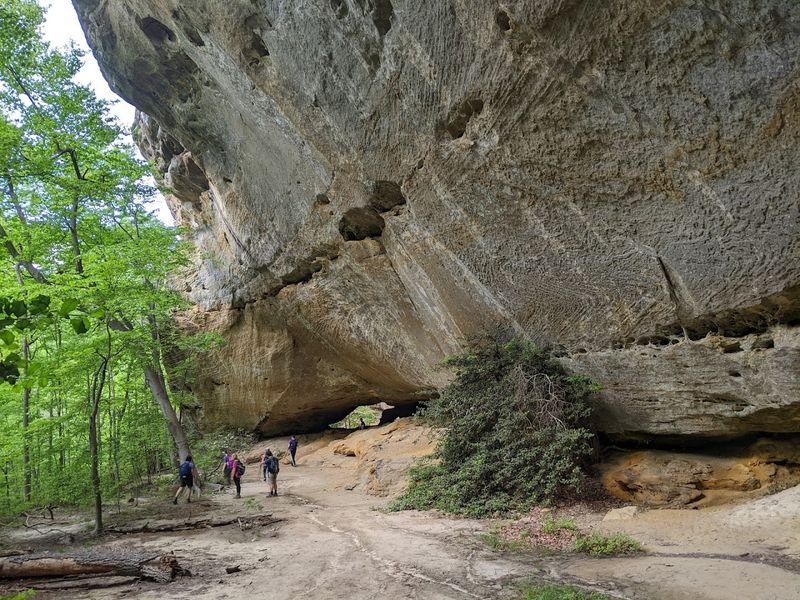
The canyon walls of this remarkable state natural area near Jamestown rise in dramatic sandstone columns that feel more like the American Southwest than the Tennessee highlands.
Pogue Creek Canyon State Natural Area is one of the most geologically significant and visually striking natural areas in the entire state.
The canyon features exposed rock faces, natural arches, and a creek that winds through the gorge floor, creating a layered landscape that rewards explorers at every turn of the trail.
Hiking here requires some effort and route-finding ability, as the trails can be rugged and wet creek crossings are common depending on the season and recent rainfall.
The area is also a haven for biodiversity, with rare plant species and cave systems tucked into the canyon walls that add scientific interest to the already compelling scenery.
Fall is arguably the best time to visit, when the canyon walls are framed by turning hardwood trees and the creek runs clear and cool after summer rains have passed.
Pogue Creek Canyon is a place where the word remote feels like a compliment, and the effort to reach it pays off in full.
10. Sunset Rock, Sparta
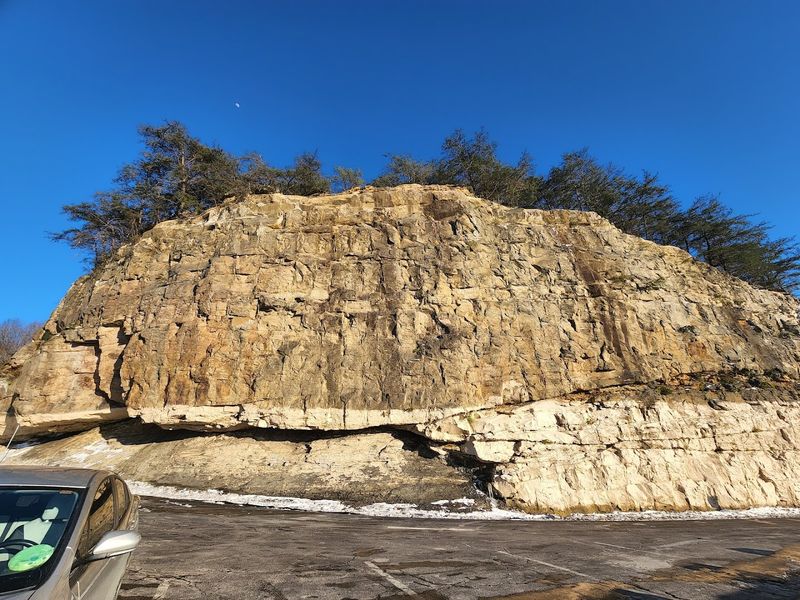
The name sets a high bar, and Sunset Rock near Sparta clears it with room to spare, offering a wide sandstone ledge that frames the western sky like a natural theater stage at the end of the day.
This formation sits at a commanding elevation that gives visitors unobstructed views across the rolling forest below and toward the horizon where the sun makes its nightly exit.
The rock itself is broad and relatively flat, making it comfortable to sit on for extended periods while you wait for the light to shift from gold to pink to deep violet as the evening progresses.
Beyond sunsets, the formation is also worth visiting in the early morning when mist fills the valley below and the rock catches the first pale light in a way that feels quiet and almost meditative.
The trail to Sunset Rock is accessible from the Bockman Way trailhead and involves a moderate climb that most reasonably fit hikers can manage without much trouble.
Sparta is located in White County and the surrounding area offers additional hiking, waterfall chasing, and small-town character that makes a multi-day stay genuinely worthwhile.
Sunset Rock is proof that sometimes the best things in Tennessee do not require a ticket, just a willingness to show up and watch.