
North Dakota Has A Heritage Farm Running The Most Authentic Threshing Bee That Still Exists In The Country
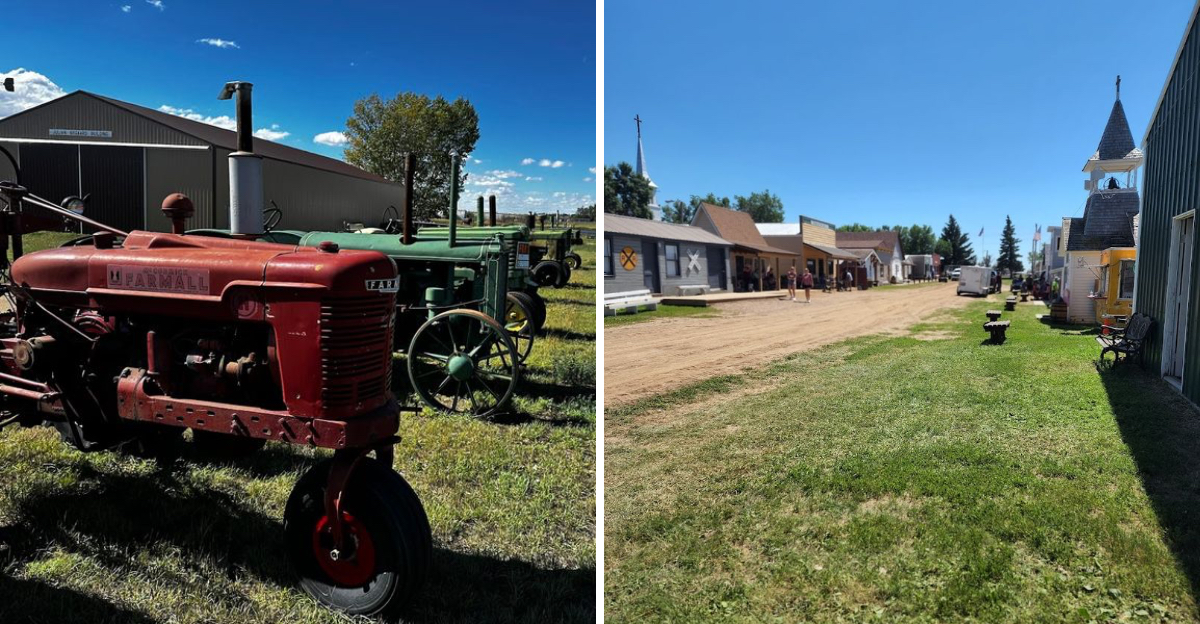
Old iron never really retires out here, it just waits all year for one more summer parade.Steam engines wake up, tractors line up, and old buildings come back to life for one wild weekend.
Kids chase candy through dusty streets while grandparents point out machines they once drove themselves.A blacksmith still pounds hot iron by hand right in front of you, sparks flying with every strike.
Quilts hang nearby while fresh bread comes straight out of an open-air kitchen.This corner of North Dakota turns back the clock every single July, and nobody wants it to end.Curious what a real working farm show still looks like?
Grab your boots, because this North Dakota tradition is calling your name.
Over Fifty Years Of Volunteer Dedication
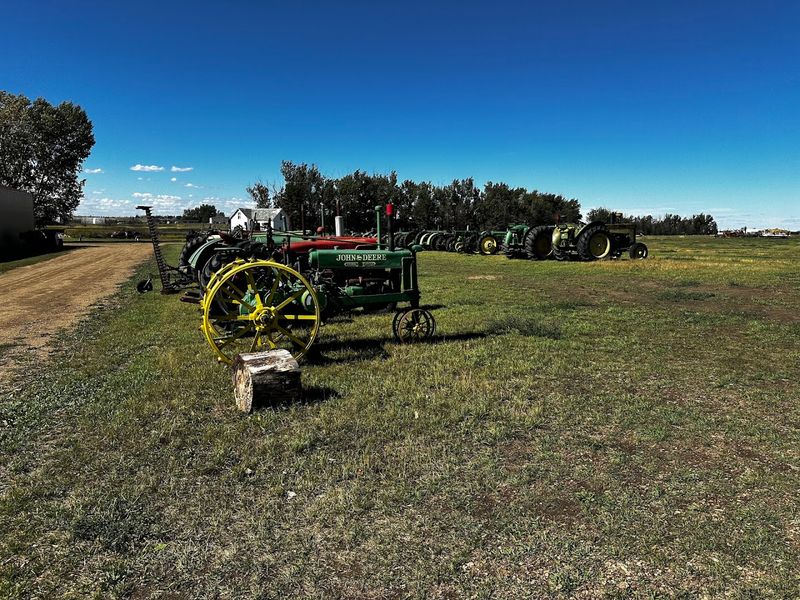
Steam engines and antique tractors do not just show up on their own, they take a community that has shown up for over five decades straight.
The Divide County Historical Society Threshing Bee has run since the late 1960s, growing from a small local gathering into a multi day event that pulls visitors from across the region and beyond.
What started as a handful of neighbors firing up old machines has turned into one of the longest continuously running threshing shows in North Dakota.
The historical society behind it operates almost entirely on volunteer effort, with members spending months each year restoring engines and preparing the grounds.
That kind of dedication is why the event still feels genuine instead of manufactured.
Visitors are not watching a staged performance, they are watching real people preserve real history because they care about it, one growing season and one working weekend at a time.
A Village Frozen In Time
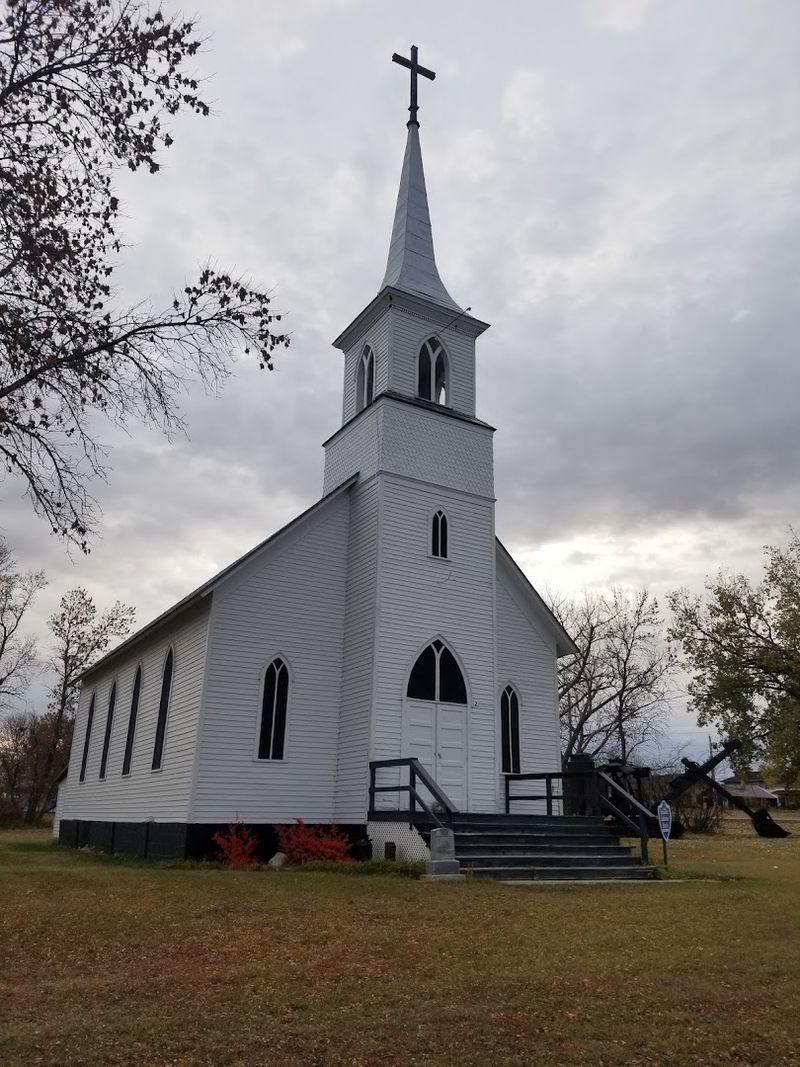
Long before this event became known for its machinery, the grounds themselves were already something special.
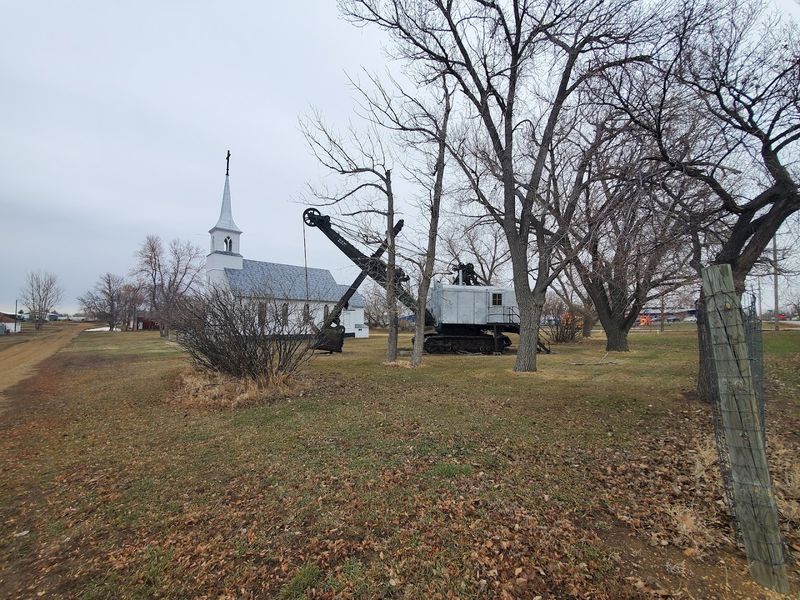
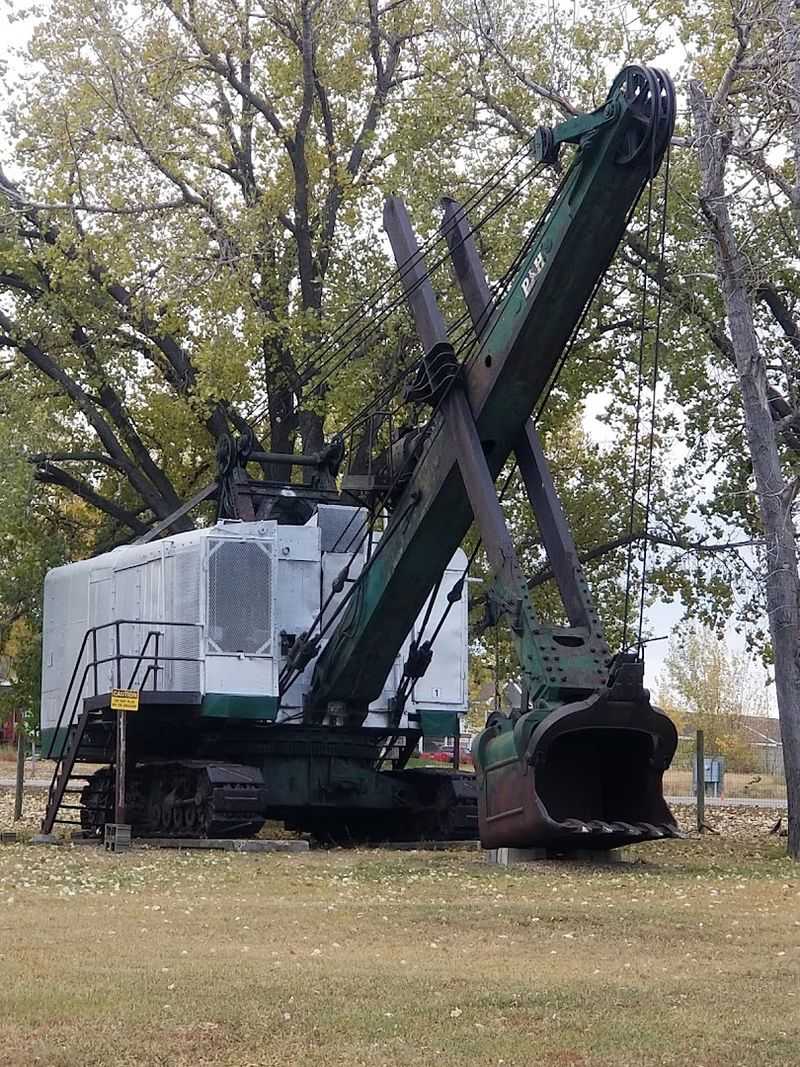
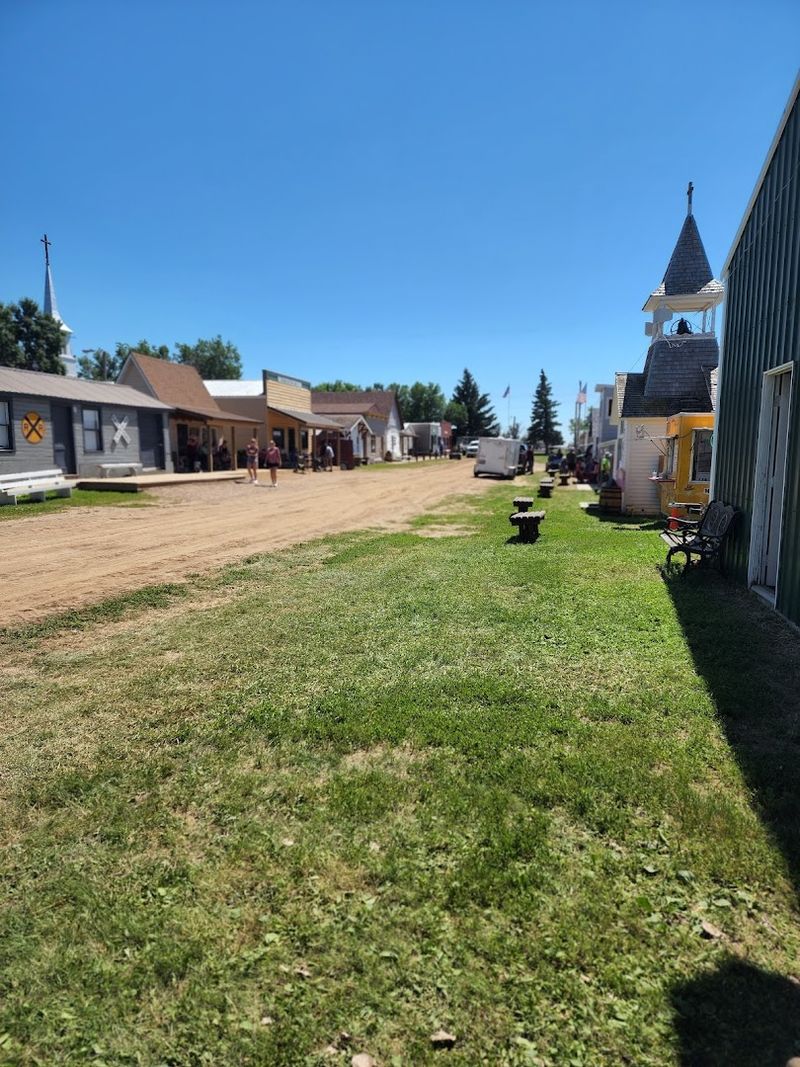
A cluster of more than two dozen historic buildings makes up the heart of the site, including a general store, a bank, a printing shop, and several original pioneer structures moved here to be preserved rather than lost.
Each building is filled with genuine period items, from ledgers and tools to household goods that once belonged to real prairie families.
Walking between them feels less like touring a museum and more like stepping into a town that simply paused in time.
Local historians have spent years cataloging donated pieces so each structure tells an accurate story rather than a generic one.
During the event, these buildings come alive with open doors, letting visitors wander freely instead of viewing everything from behind glass.
It is preservation done the hard way, building by building, decade after decade.
Divide County Historical Society Threshing Bee is located at Crosby, ND 58730.
The Tractor Parade That Steals The Show
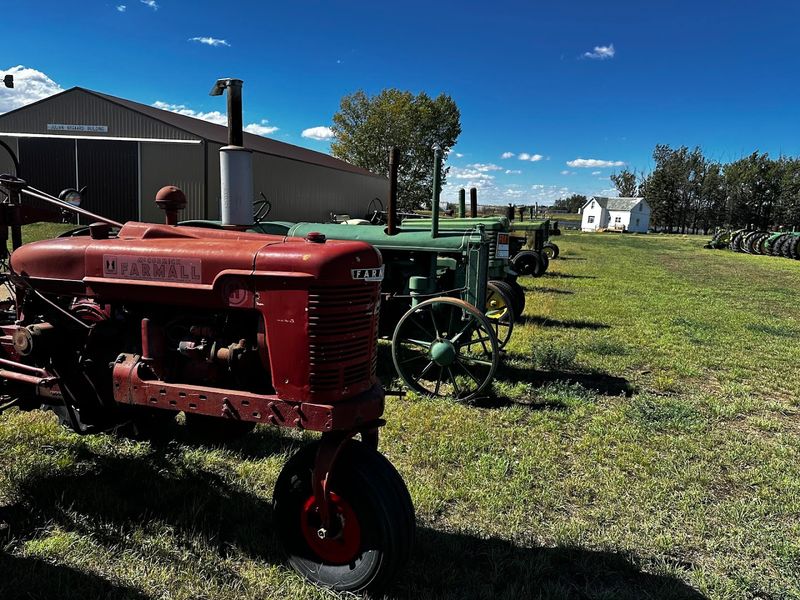
Nothing draws a crowd faster than the sound of a dozen engines rumbling to life at once.
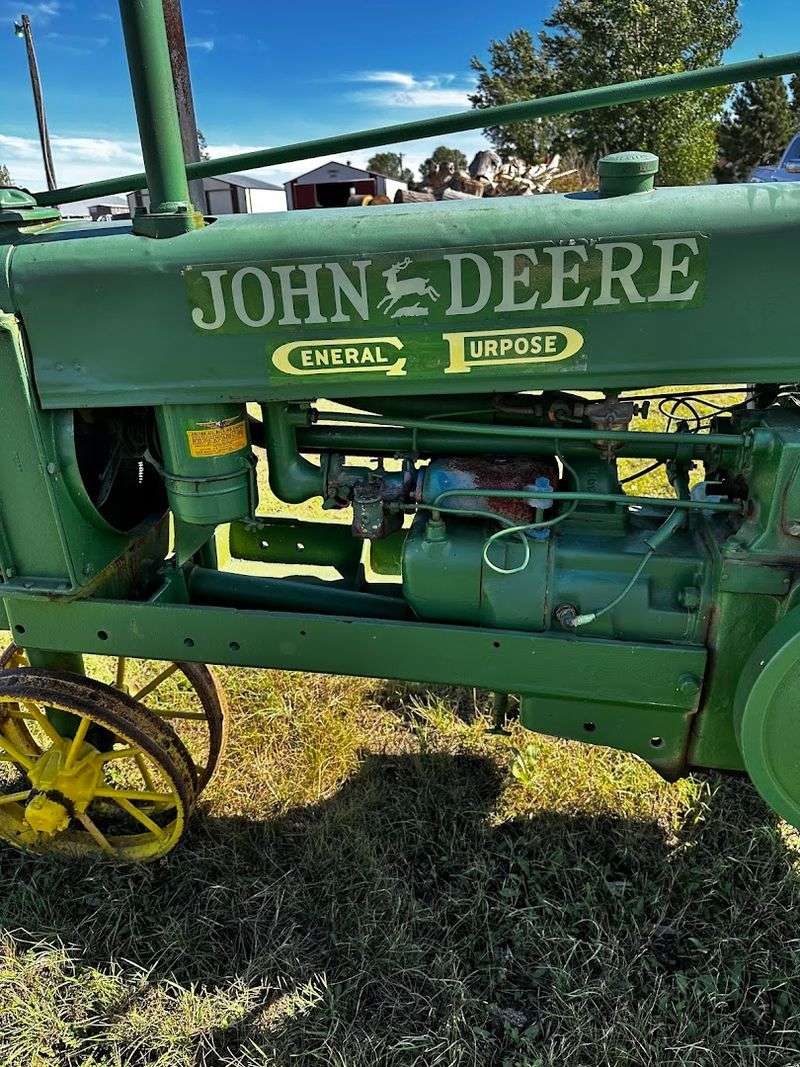
The tractor parade is the visual centerpiece of the weekend, featuring restored machines spanning nearly a century of farm technology.
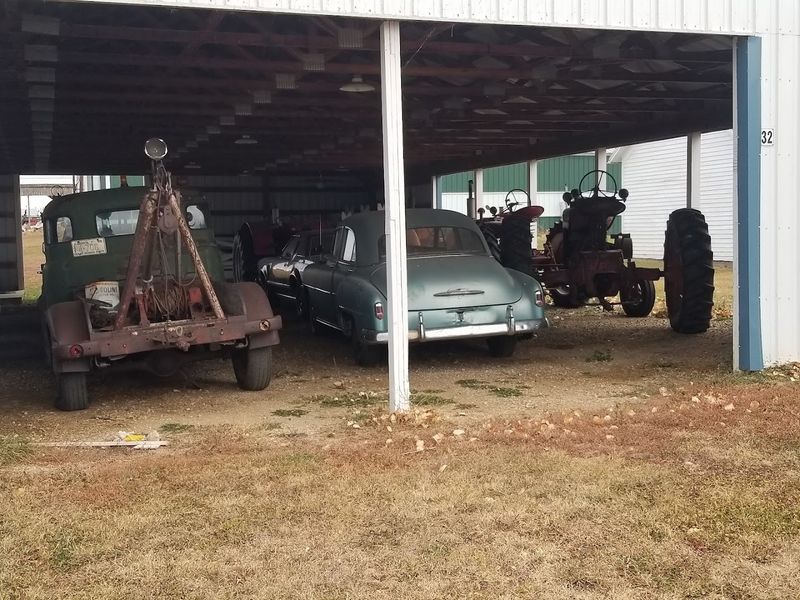
Owners bring tractors passed down through their own families, some fully restored to showroom condition and others kept intentionally rough to show their working history.
The procession moves slowly enough for spectators to appreciate the engineering details, from massive steel wheels to hand cranked starters that required real strength to operate.
A separate vehicle procession brings classic cars into the mix, adding another layer of nostalgia for visitors who grew up around different eras of machinery.
Announcers often share background on notable tractors as they pass, turning the parade into an informal history lesson.
For many longtime attendees, watching the same family bring the same restored tractor year after year has become its own tradition.
A Working Blacksmith Shop Straight Out Of The Past
A Working Blacksmith Shop Straight Out Of The PastTucked away from the main parade route, the working blacksmith shop offers one of the most hands on demonstrations at the event.
A working forge stays lit throughout the weekend, with volunteers shaping hot iron into tools and decorative pieces using techniques that predate electricity entirely.
Sparks fly, hammers ring, and visitors get a close look at a skill that was once essential to nearly every rural community.
Nearby, a small machine shop demonstration shows how farmers once repaired their own equipment rather than shipping parts across the country.
Stationary engines chug away in another corner, powering small tools the same way they did generations ago.
These quieter demonstrations tend to draw a different crowd than the parade, often history enthusiasts who want to understand exactly how these processes worked.
It is a slower, more detailed side of the event that rewards visitors willing to linger a little longer.
Hearty Food That Matches The Hard Work
No event built around hard work runs without serious food to match it.
An open air kitchen serves breakfast both mornings, drawing early risers before the day’s demonstrations even begin.
A chuckwagon setup provides hearty, simple meals throughout the weekend, the kind built to fuel a full day of walking the grounds.
Local volunteer groups typically staff the cooking operations, meaning proceeds often circle right back into supporting the historical society itself.
Baked goods rotate throughout the day, with fresh bread and pastries pulling steady lines near the kitchen building.
A quieter tradition has emerged around afternoon tea, giving visitors a chance to rest between demonstrations.
The food here is not fancy or trend driven, it is straightforward and generous, matching the practical spirit of the event.
For many families, grabbing a plate and finding a shady spot to eat feels just as memorable as watching the machinery.
Plenty To Keep The Kids Busy
Families with young children will find plenty built specifically for them across the grounds.
A petting zoo area lets kids get close to farm animals many have never interacted with in person, a small but popular stop throughout both days.
A dedicated toy show highlights miniature farm equipment, giving younger visitors a scaled down way to appreciate the machines rolling through the parade outside.
Simple carnival style games keep children entertained between demonstrations, with small prizes and plenty of room to run around.
A candy scramble timed around the parade route has become a highlight for the youngest attendees, who wait eagerly for the procession to pass.
None of these activities require expensive tickets, keeping the experience accessible for larger families.
It is the kind of programming that keeps grandparents, parents, and kids engaged at once, which helps explain why so many families return year after year.
Music, Laughs, And A Little Bit Of Faith
Music and performance fill in the gaps between machinery demonstrations throughout the weekend.
Local and regional performers take the stage at scheduled times, offering everything from gospel influenced tunes to lighthearted comedic acts that lean into small town humor.
A community talent show gives local residents a chance to perform in front of a supportive hometown crowd, adding a personal touch that larger commercial events rarely capture.
Live music tends to draw people to sit and rest during the hottest part of the day, creating a natural gathering point near the stage.
Sunday mornings typically include a church service held in one of the historic buildings, drawing both regular attendees and curious visitors interested in the tradition itself.
None of the entertainment overshadows the machinery, it simply rounds out the experience so there is always something happening.
The mix keeps the atmosphere lively without ever feeling overproduced.
A Community That Refuses To Let This Fade
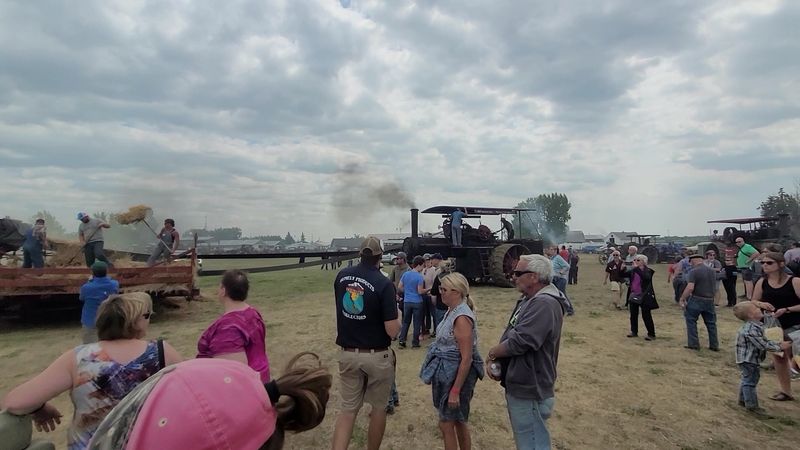
Behind every working engine and every open building stands a small army of volunteers who make the weekend possible.
Members of the historical society spend months beforehand cleaning, repairing, and testing machinery to ensure everything runs safely once the crowds arrive.
Local businesses and organizations pitch in through sponsorships, helping cover costs without leaning on flashy corporate branding.
Longtime residents often serve as informal guides, sharing stories about specific buildings or machines that go far beyond anything printed on a placard.
Visitors frequently mention how approachable everyone is, with volunteers happy to explain how a piece of equipment works in far more detail than expected.
This grassroots structure is part of why the event has survived for decades without losing its authenticity.
It runs on genuine community investment rather than outside funding, and that distinction is noticeable the moment visitors start talking with the people actually running things.
Why This Weekend Deserves A Spot On Your Calendar
Events like this are becoming harder to find every year, which is why this one is worth prioritizing.
It combines real working machinery, a preserved historic village, and a strong sense of community pride into one weekend that feels educational and fun.
History lovers get hands on demonstrations rather than roped off displays, while families get a full day of activities that do not require constant spending to enjoy.
North Dakota’s agricultural roots run deep, and few events honor that history with this much authenticity.
The modest crowd size keeps things personal, letting visitors actually talk with volunteers instead of getting lost in a massive fairground.
Anyone planning a summer trip through the region should consider building a stop around this weekend.
It is a rare chance to see genuine rural history still running the way it always has, powered by people who refuse to let it fade.
The meta description is above in the copy widget.