
This 1.5-Mile Mississippi Trail Is Our July Pitcher Plant Hike Of The Month
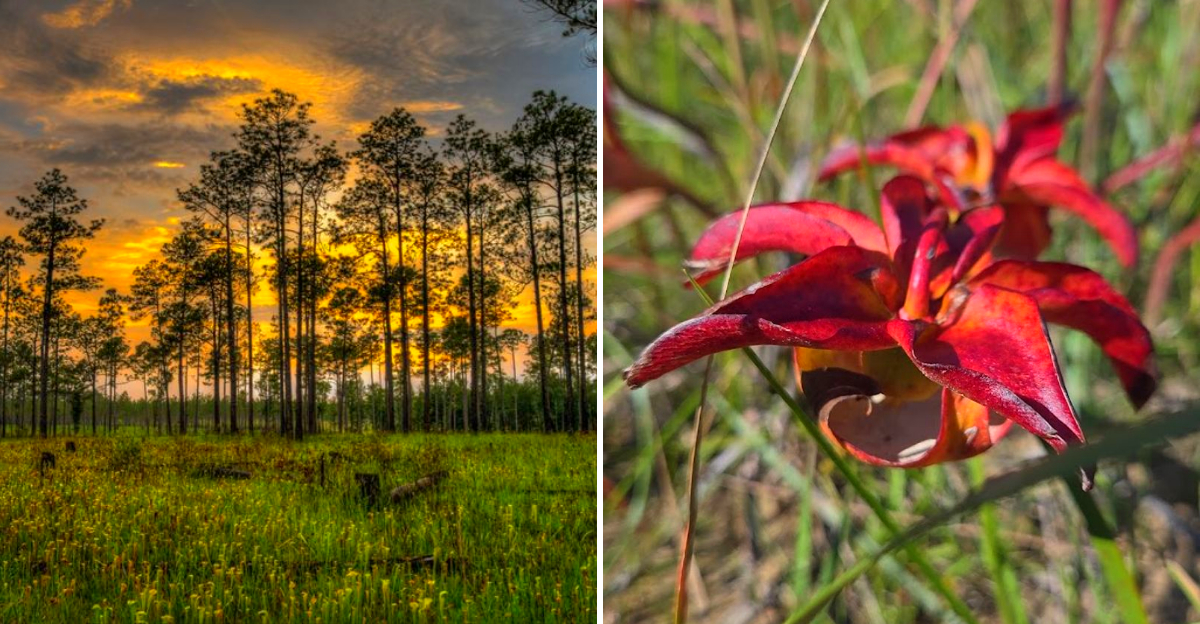
July hiking sounds like a test of endurance until you find a trail that makes the sweat feel completely worth it.
This 1.5-mile route in Mississippi leads through one of the Southeast’s strangest and most fascinating landscapes, where pitcher plants rise from the wet savanna like something designed by nature with a wild imagination.
These plants trap insects, thrive in poor soil, and turn a short walk into a real botanical adventure. The trail is manageable, but the scenery feels rare, especially when the summer light hits the open bog and the carnivorous plants start appearing all around you.
Bring plenty of water, bug spray, sturdy shoes, and a curious attitude. Mississippi has many beautiful hikes, but this one proves the smallest trails can deliver the biggest surprises.
A Landscape That Eats Its Visitors (Not Literally)
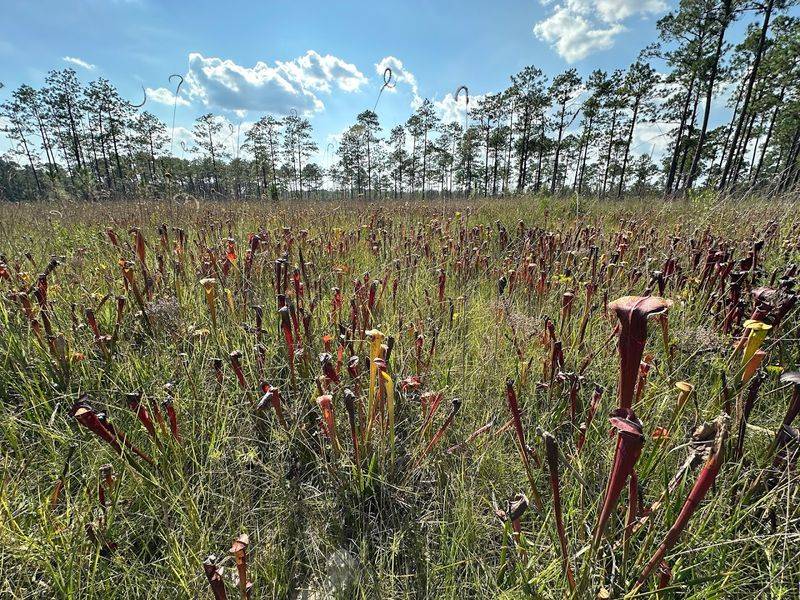
Few ecosystems on Earth make you feel like you have walked into another world. The pitcher plant savanna near Saucier, Mississippi, is one of those rare places where the ground itself seems alive in the most literal sense.
Carnivorous plants cover the boggy floor, their hollow tubes glistening and waiting patiently.
Pale pitcher plants, known scientifically as Sarracenia alata, are the stars of the show here. Each plant forms a tall, elegant tube filled with digestive fluid that traps unsuspecting insects.
It sounds dramatic, but watching it happen up close is genuinely thrilling for hikers of any age.
The longleaf pine savanna surrounding these plants is equally impressive. Longleaf pine ecosystems once stretched across millions of acres in the American South, but today only a small fraction of that original range survives.
Finding a healthy, thriving example of this ecosystem feels like discovering something truly precious. The open canopy lets sunlight pour onto the forest floor, creating perfect growing conditions for a wild and remarkable collection of plant life.
Bring your camera, because every angle here is worth capturing.
Buttercup Flats In De Soto National Forest, Saucier, MS
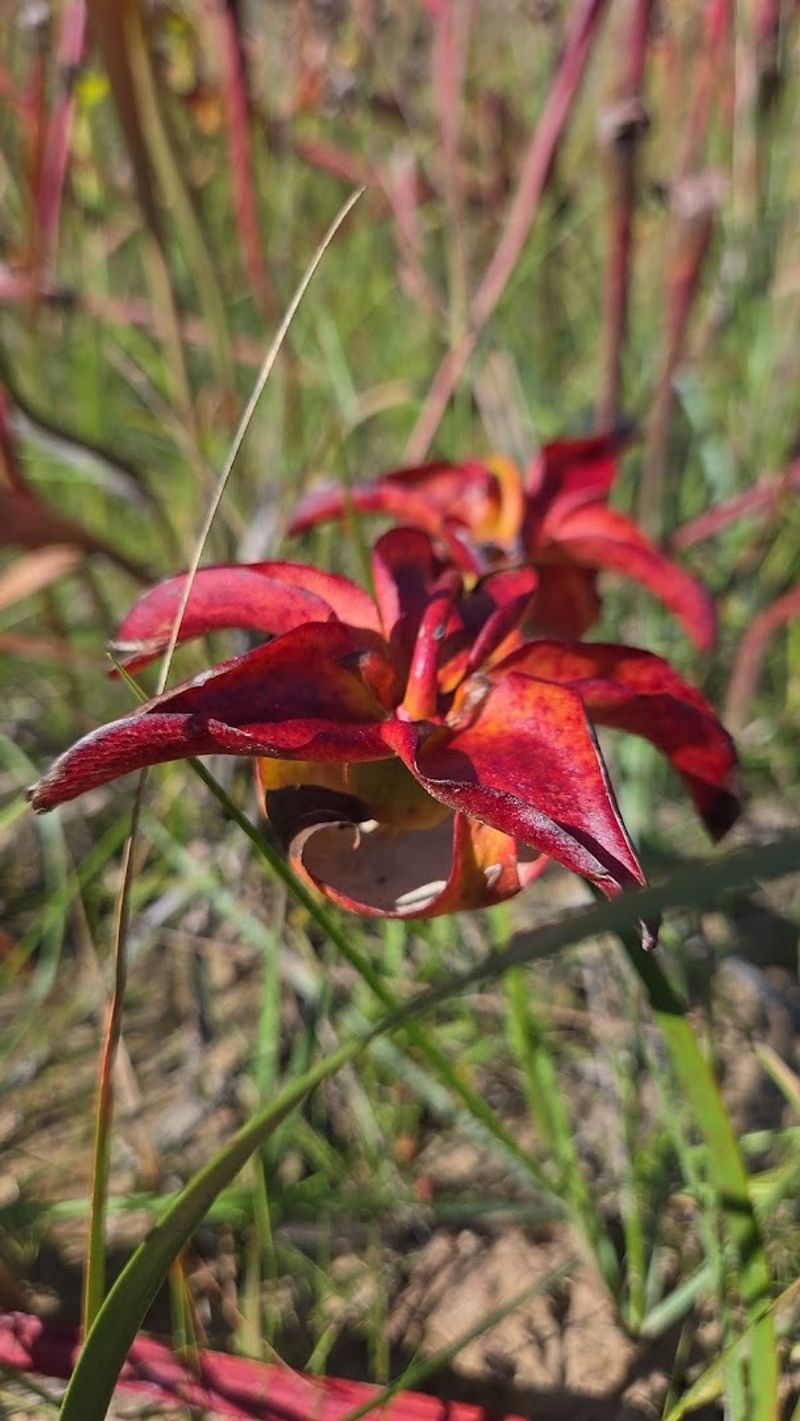
Right along MS-26 in Wiggins, MS 39577, Buttercup Flats sits within the vast De Soto National Forest, one of the largest national forests in the southeastern United States.
The access point off Melton Hatten Road is easy to spot if you watch for the small sign marking the sensitive plant area.
You do not need a trailhead kiosk to find magic here.
The U.S. Forest Service manages this land with a philosophy of minimal interference, which means no parking lot, no bathroom, and no paved path.
Pull safely off the road and walk less than a quarter mile before the landscape opens up into a spectacular boggy meadow. The ground gets soft quickly, so waterproof boots are your best investment before arriving.
What makes Buttercup Flats genuinely special is how untouched it feels. Controlled burns are used regularly to maintain the health of the savanna, mimicking the natural fire cycle that longleaf pine ecosystems depend on.
Far from being harmful, fire is what keeps this place thriving. The result is a clean, open landscape where rare plants grow freely and wildlife moves through without interruption.
Entry is free, and the experience is absolutely priceless.
Heat, Humidity, And Totally Worth It In July
Hiking in Mississippi in July is not for the faint of heart, but it is absolutely for the curious and the bold. Temperatures run warm and the humidity wraps around you like a warm blanket you did not ask for.
Still, the trail near Saucier rewards those who show up prepared and ready to move.
The Tuxachanie Trail, accessible from the western trailhead on U.S. Highway 49 about 2.5 miles north of Saucier, offers a flat and manageable walk through some of the most botanically rich terrain in the region.
Several elevated wooden footbridges keep your feet dry over the swampier stretches. The trail traces an old logging railroad line, which adds a quiet historical layer to the whole experience.
Bring more water than you think you need. The trail provides none along the route, and the heat will remind you of that fact quickly.
Start early in the morning when temperatures are cooler and the light is soft and golden. July brings a different kind of beauty to the savanna compared to spring bloom season, with lush greenery and full-grown pitcher plants standing tall.
The whole experience feels earned, and that makes it even better.
The Carnivorous Plant Club You Did Not Know Existed
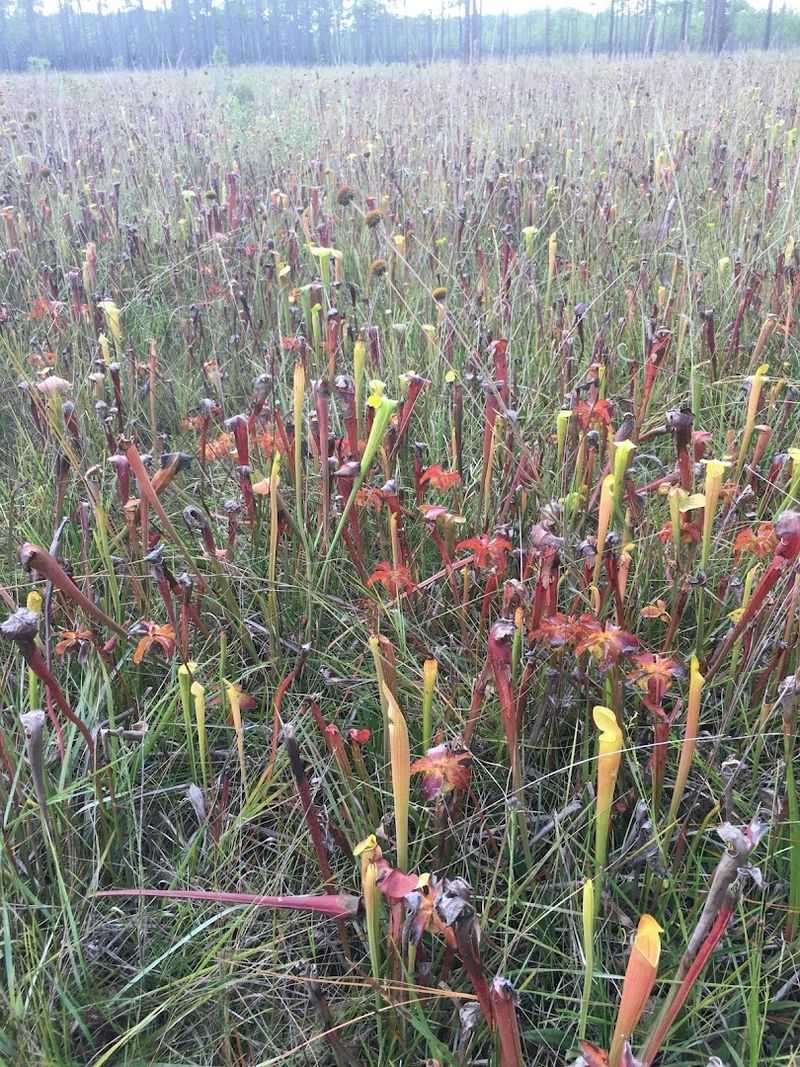
Carnivorous plants are the overachievers of the plant world. While most plants are content to soak up sunlight and water, the species at Buttercup Flats went ahead and developed entirely different survival strategies.
The pale pitcher plant is the most visible member of this extraordinary group, but it is far from alone.
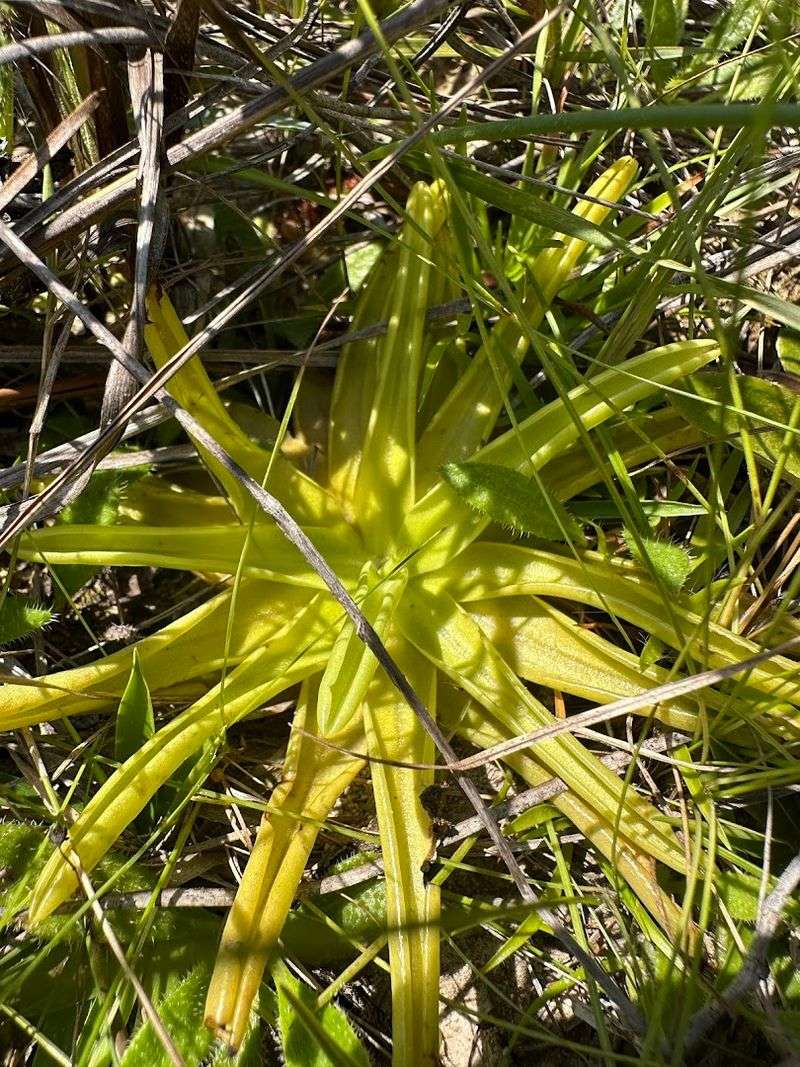
Sundews are scattered throughout the savanna, their tiny sticky red hairs glittering in sunlight like miniature traps. Butterworts cover patches of wet ground with flat, greasy leaves designed to catch small insects on contact.
Together, these three carnivorous species form a remarkable guild of plants that have adapted to thrive in nutrient-poor, waterlogged soil by sourcing their own nitrogen from the insects they capture.
Orchids also appear throughout the savanna, adding unexpected elegance to an already fascinating landscape. Pipeworts and white top grass fill in the gaps, creating a dense and varied ground layer that feels more like a botanical garden than a wild forest.
The diversity here is genuinely staggering for such a compact area. Every careful step reveals something new, and the more slowly you walk, the more remarkable things you will find hiding in plain sight across the savanna floor.
Wildlife That Shares The Savanna
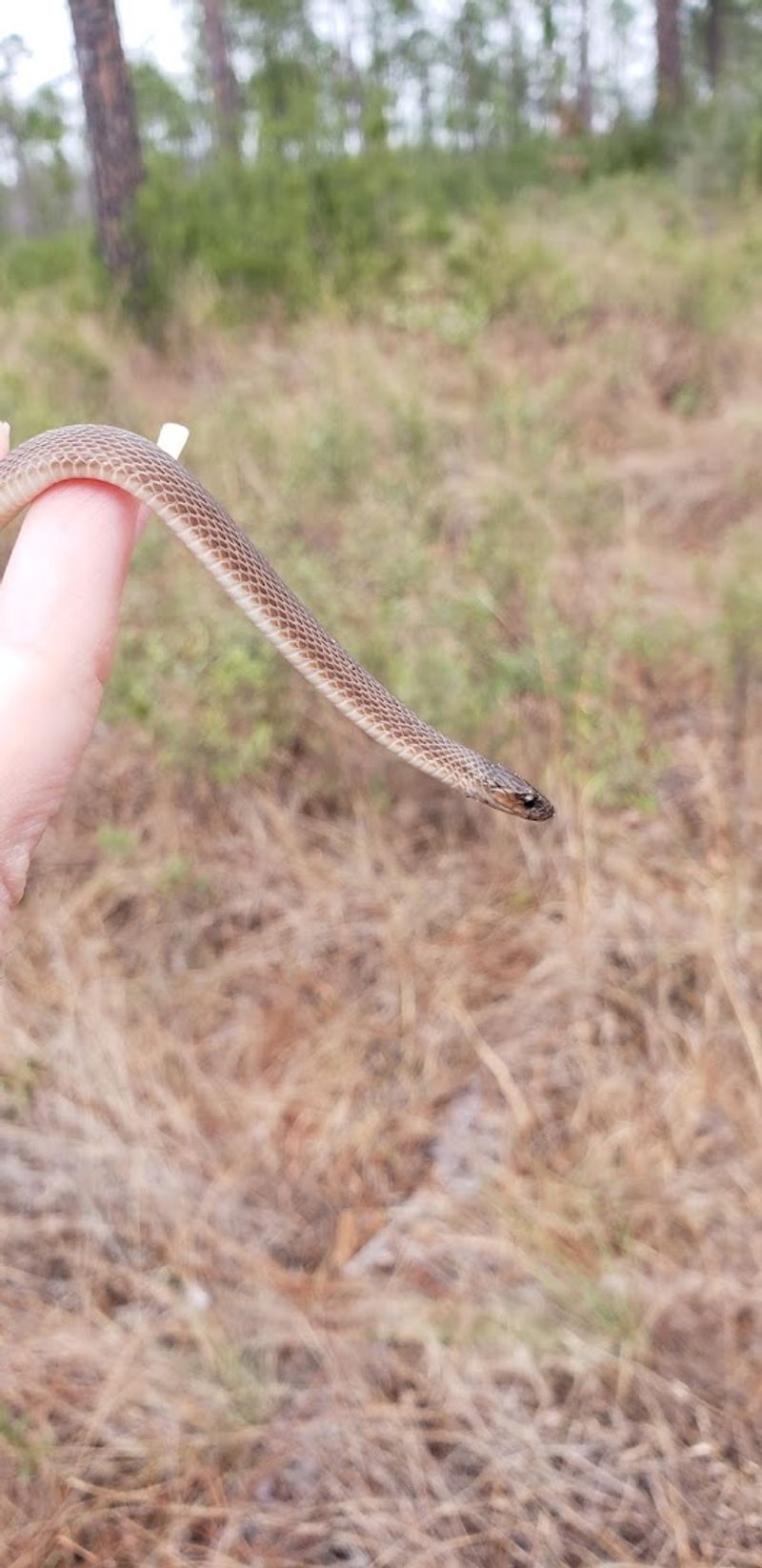
Plants are not the only fascinating residents at Buttercup Flats. The longleaf pine savanna supports a wide range of wildlife that has adapted to this specific and increasingly rare ecosystem.
Spotting these animals adds a whole new layer of excitement to any visit here.
Gopher tortoises are among the most celebrated inhabitants of the longleaf pine ecosystem. These slow-moving reptiles dig deep burrows that provide shelter for dozens of other species, making them what ecologists call a keystone species.
Gopher frogs also call this area home, relying on those same burrows for protection and breeding habitat. White-tailed deer move quietly through the pines, and American alligators can be found in the wetter areas of the forest.
Birdwatchers will find the area genuinely rewarding, with a variety of forest and wetland bird species present throughout the year.
One of the more surprising inhabitants is the green lynx spider, which has developed a clever habit of snatching insects directly from pitcher plants before the plants can digest them.
It is a tiny act of botanical robbery that plays out across the savanna floor every single day. Keep your eyes open and your footsteps light for the best wildlife encounters.
What To Pack For A Bog Hike Done Right
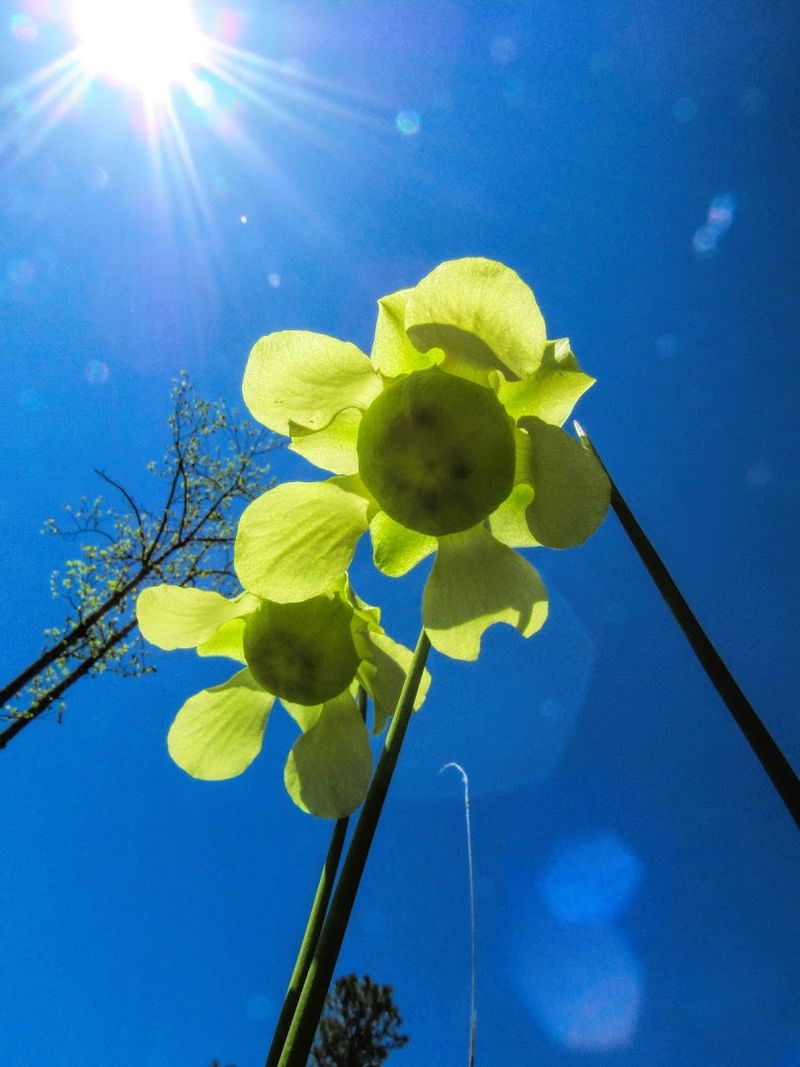
Preparation is everything when you are heading into a wet, remote savanna in the middle of a Mississippi summer. The right gear transforms a potentially uncomfortable outing into a genuinely memorable adventure.
A little planning goes a very long way out here.
Waterproof boots are the single most important item on your packing list. The savanna floor is boggy and soft, and regular sneakers will leave you with wet socks before you reach the first cluster of pitcher plants.
Lightweight, breathable waterproof footwear is the sweet spot between comfort and practicality. Pair them with moisture-wicking socks and you will be in great shape.
Water is non-negotiable. Bring at least two liters per person, more if you plan to spend extra time exploring.
A good insect repellent is equally essential since the wetland environment supports a healthy population of mosquitoes. A camera or a phone with a solid macro lens setting will help you capture the incredible close-up details of carnivorous plants and wildflowers.
Pack out everything you bring in, including all trash, and leave the plants exactly as you found them. Collecting flowers or plants is strictly prohibited and damages this irreplaceable ecosystem for everyone who visits after you.
The History Hidden Beneath The Pine Canopy
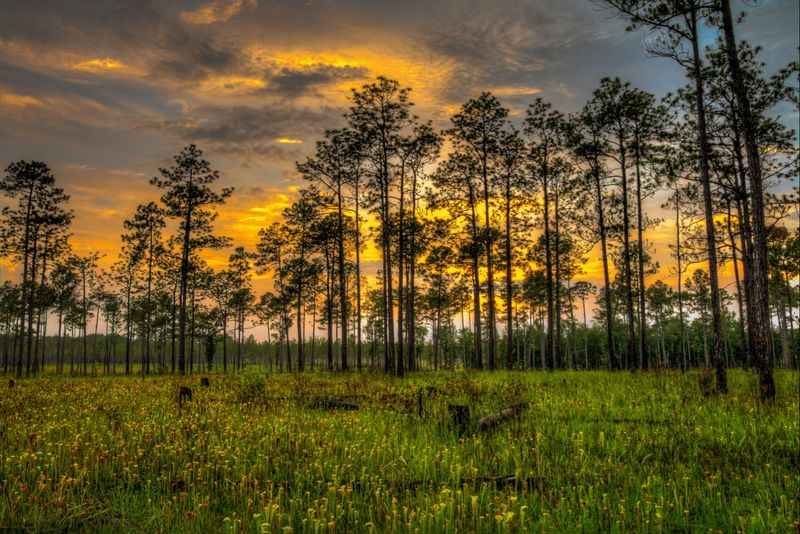
Nature trails rarely come with a built-in history lesson, but the Tuxachanie Trail near Saucier offers exactly that. The path follows the route of an old logging railroad line, a remnant of the era when the longleaf pine forests of the South were heavily harvested for timber.
Walking it now, surrounded by recovering forest, carries a quiet sense of perspective.
At the trail entrance, rows of live oak trees planted in 1935 greet every visitor. Those trees were part of a reforestation effort during the Great Depression, when the Civilian Conservation Corps worked across the country to restore lands that had been stripped of their natural cover.
Nearly ninety years later, those oaks stand tall and wide, forming a shaded corridor that feels like a proper welcome.
The first five miles of the Tuxachanie Trail move through pitcher plant bogs, pine savannas, and swampy areas, giving hikers a full cross-section of what De Soto National Forest has to offer. The historical dimension of the trail adds meaning to every step.
You are not just walking through a beautiful forest. You are walking through a landscape that was nearly lost and has spent decades quietly rebuilding itself into something extraordinary and worth protecting.
Why This Hike Earns Its July Spotlight
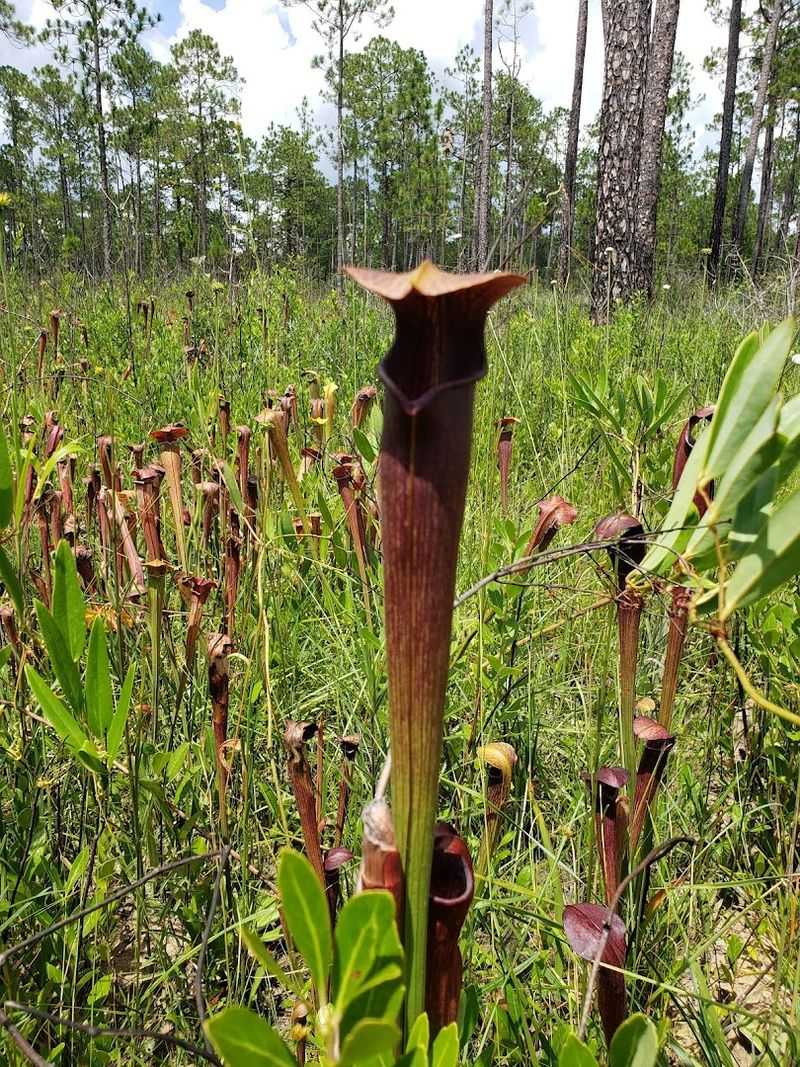
Spring gets most of the glory when it comes to pitcher plant blooms, but July has its own compelling argument. By midsummer, the pitcher plants have reached full height and the savanna takes on a lush, almost prehistoric quality.
The green deepens, the air thickens with the scent of warm pine, and the whole landscape feels alive in a way that is hard to describe without standing in it.
The 1.5-mile stretch through Buttercup Flats and the surrounding savanna is perfectly sized for a morning outing. It is long enough to feel like a real adventure and short enough that you can take your time without rushing.
Flat terrain and wooden footbridges make it accessible for most fitness levels, though the boggy ground still demands attention and sturdy footwear.
Choosing July for a hike here is a statement of curiosity over convenience. Most people skip the South in summer, which means you often have the savanna nearly to yourself.
The solitude, the strange beauty of carnivorous plants in full growth, and the knowledge that you are standing in one of the rarest ecosystems in North America make every warm, humid moment feel genuinely worth it. Mississippi delivers in the most unexpected, spectacular ways.