
10 Picture Perfect Mississippi Cities That Capture The Magic Of A Hallmark Movie
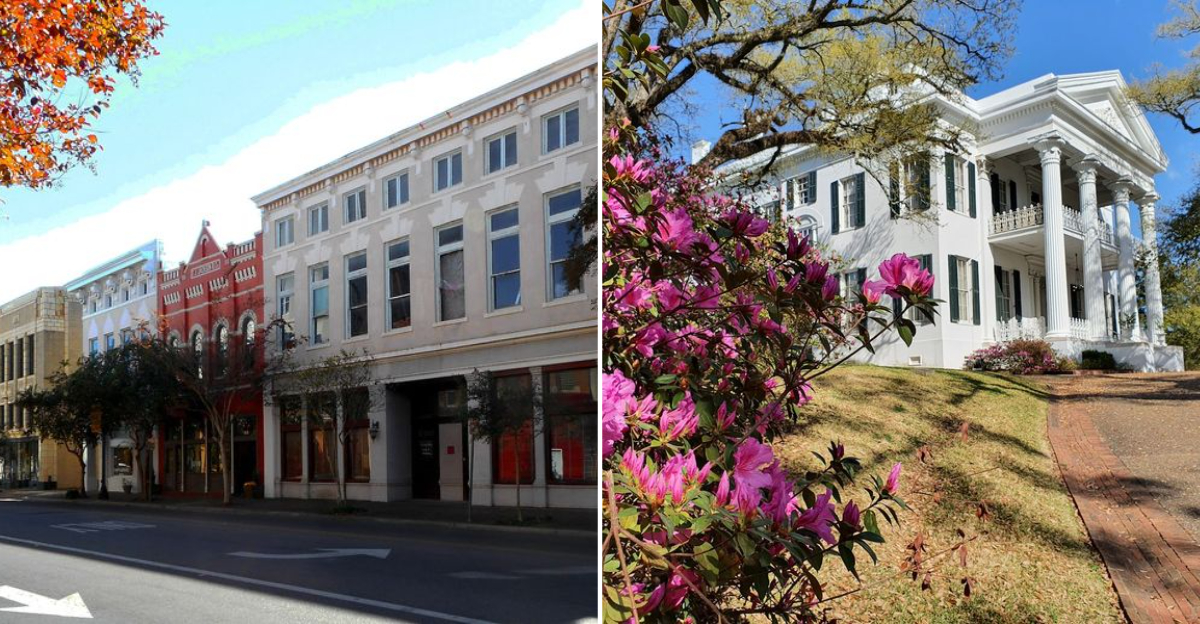
Some cities look like Hallmark built them on purpose. These Mississippi communities arrived at that aesthetic entirely by accident, which makes them far more convincing.
Main streets with intact storefronts and city squares that still serve their original purpose. The charm here developed over decades rather than a single art direction meeting.
Visitors who arrive expecting ordinary leave having recalibrated entirely. The character built into these communities never needed a camera crew to look this good.
Hallmark built an industry around inventing places like these. Mississippi went ahead and preserved the real versions, complete with afternoon light that makes every photograph look professionally edited.
1. Ocean Springs
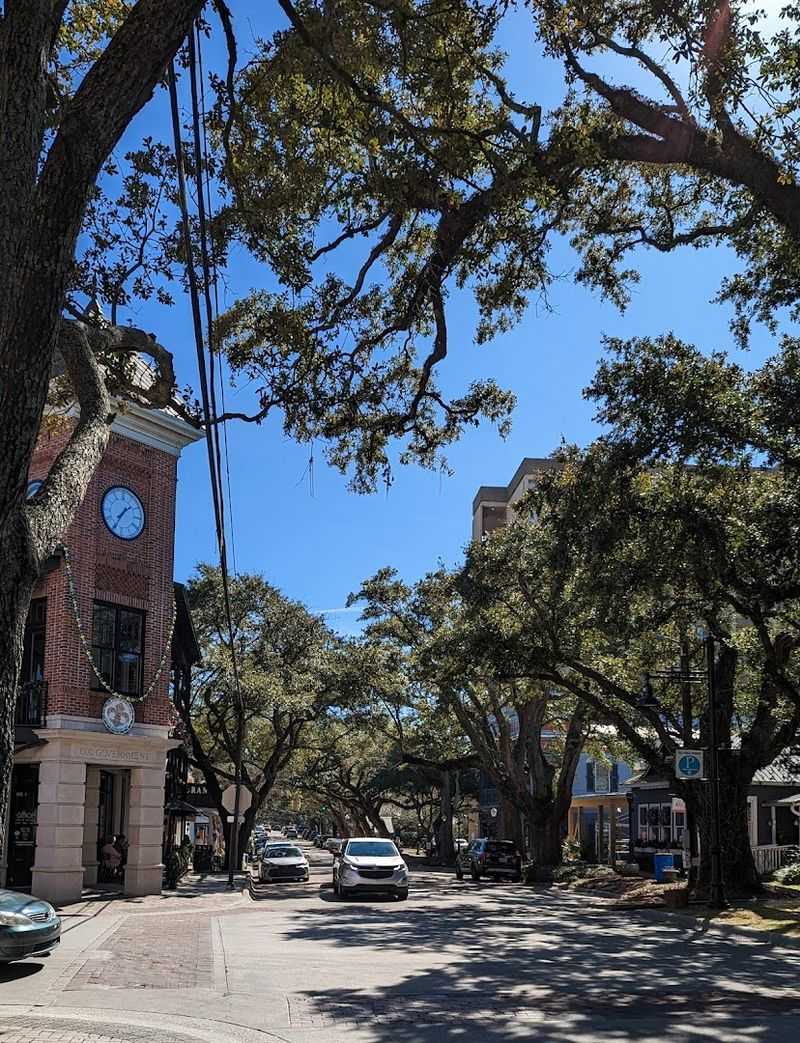
If a city could moonlight as a painting, Ocean Springs would be it. Washington Avenue alone looks like someone draped it with giant green umbrellas made of live oak trees.
You half expect a film crew to jump out from behind a gallery.
The Walter Anderson Museum of Art is a must-see. It celebrates the city’s most beloved and wonderfully eccentric artist.
Anderson literally paddled alone to Horn Island to paint wildlife. The man was legendary.
Front Beach gives you white sand and views of the Mississippi Sound without the chaos of crowded tourist traps. Grab a seat, watch the pelicans, and let the Gulf breeze do its thing.
It is genuinely relaxing. Every fall, the Peter Anderson Arts and Crafts Festival transforms the whole city into an open-air celebration. Thousands of artists and makers show up, and the energy is contagious.
Ocean Springs was actually the first French settlement on the Gulf Coast back in 1699, which makes every corner feel like history with good lighting.
The community bounced back hard after multiple hurricanes, and that resilience shows in every mural and mosaic you spot around city.
2. Bay St. Louis
People call it “Mayberry by the Sea,” and honestly, that nickname does not even cover half of it. Bay St. Louis has this rare combination of artsy soul and laid-back coastal energy that sneaks up on you fast.
One afternoon here, and you are already Googling real estate listings.
Old Town is the heartbeat of the whole place. Local boutiques, galleries, and restaurants fill the streets with color and conversation.
You could spend an entire day just wandering without a plan and still feel like you did everything right.
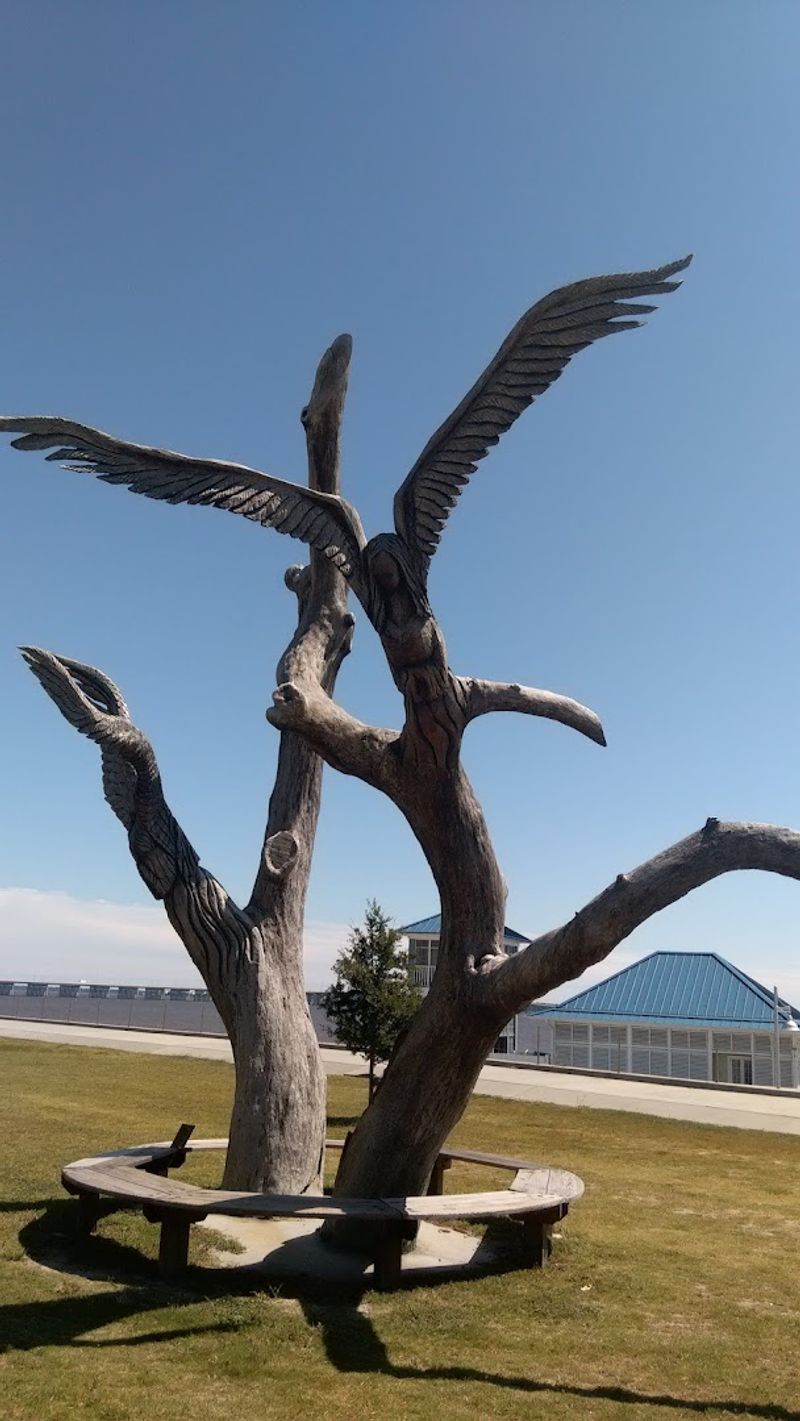
The Angel Trees are something you genuinely have to see in person. They are intricately carved live oak sculptures honoring the city’s survival after Hurricane Katrina.
Each one tells a story without saying a single word.
The Historic L&N Train Depot serves as a cultural hub and welcome center. It grounds the city in its railroad roots while still feeling very much alive and active today.
Bay St. Louis also has the legendary 100 Men Hall, a landmark that hosted some of the greatest African-American musicians in history.
Before Katrina, it was already a beloved summer escape for New Orleans families. The comeback story alone could fill a whole movie.
3. Pass Christian
Pass Christian carries itself with a quiet elegance that feels earned, not performed. Known as “The Pass,” this little spot sits on a peninsula with water on three sides.
The Gulf of Mexico practically hugs it from every direction.
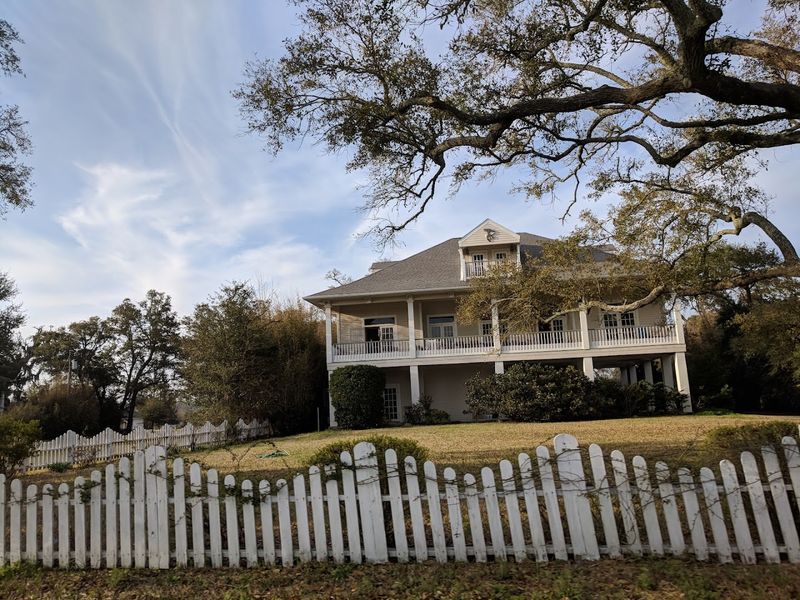
Scenic Avenue is exactly what the name promises. Historic homes sit behind rows of live oak trees so old and wide they almost form a tunnel overhead.
Walking that street feels like flipping through a really well-illustrated history book.
The Pass Christian Harbor is perfect for anyone who loves boats, fishing, or just staring at the water while pretending to be deep in thought. There is a public fishing pier where locals gather on weekday mornings.
It has that unhurried pace that big cities charge a premium to recreate.
French-Canadian explorers discovered this area back in 1699, and it eventually earned the title “Queen City of the Mississippi Gulf Coast.”
That kind of history does not just disappear; you feel it in the architecture and the old cemetery markers. The city also hosts Art in the Pass, a community arts event that brings creative energy to the streets.
After devastating hurricanes, the residents rebuilt with remarkable determination. The spirit here is genuinely infectious.
4. Natchez
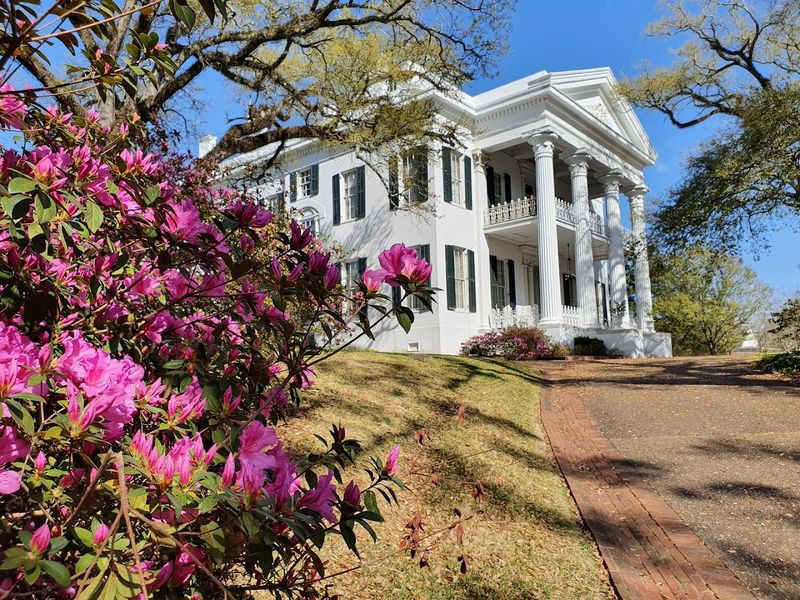
Natchez sits on bluffs above the Mississippi River like it knows exactly how dramatic that looks. The views at sunset from Natchez Bluff Park are the kind that make your phone camera feel completely inadequate.
You just have to stand there and take it all in.
The antebellum mansions here are jaw-dropping. Longwood and Rosalie Mansion offer tours that pull back the curtain on centuries of Southern history.
These are not just old houses; they are living, breathing time capsules.
Historic Downtown Natchez, known as Top-of-the-Hill, is packed with boutiques, cafes, and restaurants inside beautifully preserved buildings. It has that rare quality of feeling both historic and genuinely fun to explore.
Nothing feels like a museum exhibit when you can grab lunch right next to a 200-year-old facade.
Natchez is the oldest continuous settlement in the lower Mississippi River Valley. It survived the Civil War largely intact, which is why so much of the original architecture still stands today.
Over 300 years of history layer every street corner with something worth noticing.
The arts community here is thriving and diverse, shaped by centuries of cultural mixing. Writers, painters, and musicians all seem to find their footing in Natchez.
5. Oxford
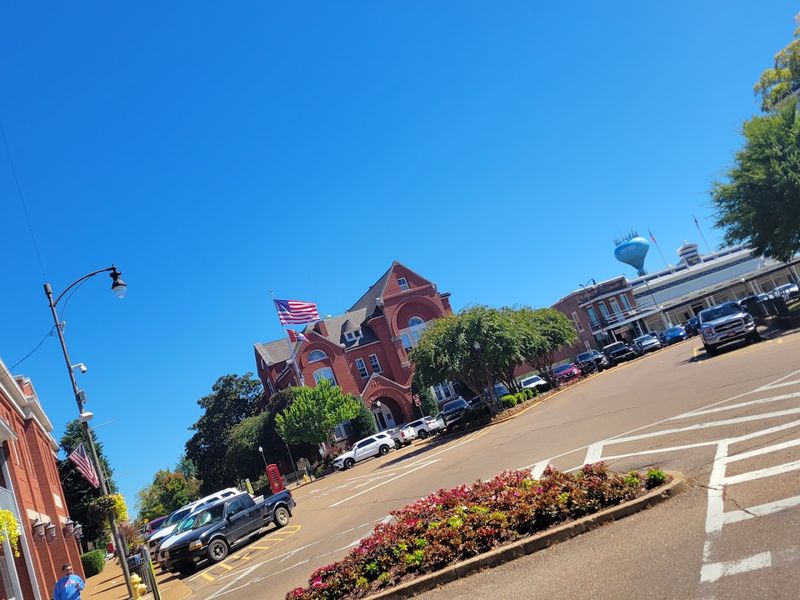
This place has been called the “Cultural Mecca of the South,” and once you visit, you completely understand why. The Historic Downtown Square is one of those rare places that feels alive at every hour.
Bookstores, galleries, and boutiques compete for your attention in the best possible way.
Square Books is basically a landmark at this point. It is the kind of independent bookstore that reminds you why physical books still matter.
You walk in for one title and leave with a tote bag full of surprises.
Rowan Oak, the home of Nobel Prize-winning author William Faulkner, sits on a wooded estate just minutes from the Square. Tours of the property walk you through the rooms where some of American literature’s most important works were created.
Faulkner literally based his fictional Yoknapatawpha County on Oxford and the surrounding hills.
The University of Mississippi, affectionately called Ole Miss, adds beautiful campus architecture and a lively SEC sports culture to the mix. On game days, the Grove fills with fans and becomes one of the most festive tailgating scenes in the country.
It is electric in the best Southern way.
Oxford keeps inspiring musicians, writers, and artists year after year. The creative energy here is real and contagious.
6. Starkville
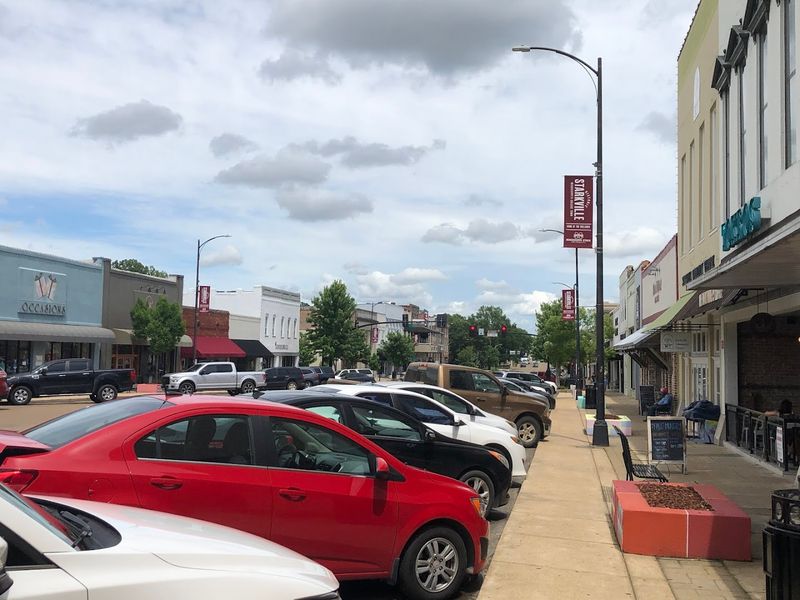
Starkville wears its nickname “Mississippi’s College Town” with total confidence, and it has every right to. The Cotton District alone is worth the drive.
Think European-inspired architecture, vibrant painted buildings, and streets designed for people who like to actually walk around.
Mississippi State University anchors the city with massive oak trees, grand open lawns, and some seriously impressive academic buildings. Biking through campus on a fall afternoon feels like a scene pulled straight from a feel-good movie.
The cowbell-ringing SEC culture adds a layer of pure, unfiltered enthusiasm.
Downtown Starkville has a solid mix of local shops and a farmers market that feels genuinely community-driven. People actually know each other here, and it shows in how the market operates.
Fresh produce, local crafts, and good conversation all in one place.
The Cotton District Arts Festival brings creative energy to the streets every year. It is one of those events that makes you feel proud to be there, even if you just showed up by accident.
Starkville blends traditional architecture with modern small-town culture in a way that feels completely natural.
Just outside the city, the Sam D. Hamilton Noxubee National Wildlife Refuge offers forests and wetlands for anyone craving outdoor quiet.
It is a sharp and welcome contrast to campus energy.
7. Hattiesburg
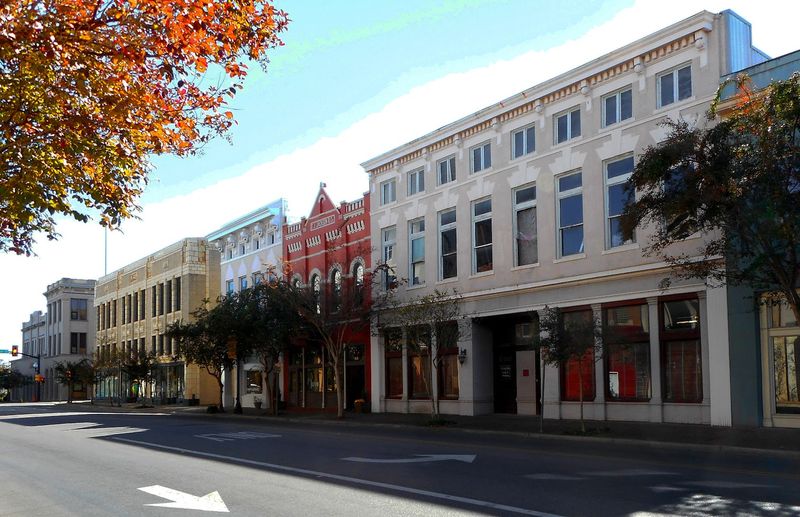
This spot calls itself the “Hub City,” and that is not just a catchy phrase; it genuinely connects people, culture, and community in one busy, welcoming place.
Surrounded by pine forests and rivers, it has a natural backdrop that softens the urban energy nicely. The Pine Belt air hits different when you roll down your windows on the way in.
Historic Downtown Hattiesburg is having a real moment. Boutiques, diverse restaurants, and a growing arts scene have turned it into a destination worth planning around.
The city is earning a new nickname too, “City of 100 Murals,” and the walls here absolutely earn that title.
The Hattiesburg Historic Neighborhood spans 23 blocks of preserved homes with diverse architectural styles on tree-lined streets. Walking through it feels like a quiet architectural tour that nobody had to charge admission for.
Every porch and gabled roofline tells a slightly different story.
The Longleaf Trace is a 44-mile paved trail perfect for walking, biking, or horseback riding through stunning pine country. It is the kind of outdoor amenity that makes you want to move somewhere.
Hattiesburg also played a significant role in the Civil Rights Movement, and that history is honored throughout the city.
The Hattiesburg Pocket Museum adds a quirky, delightful surprise for curious explorers. Small but genuinely memorable.
8. Corinth
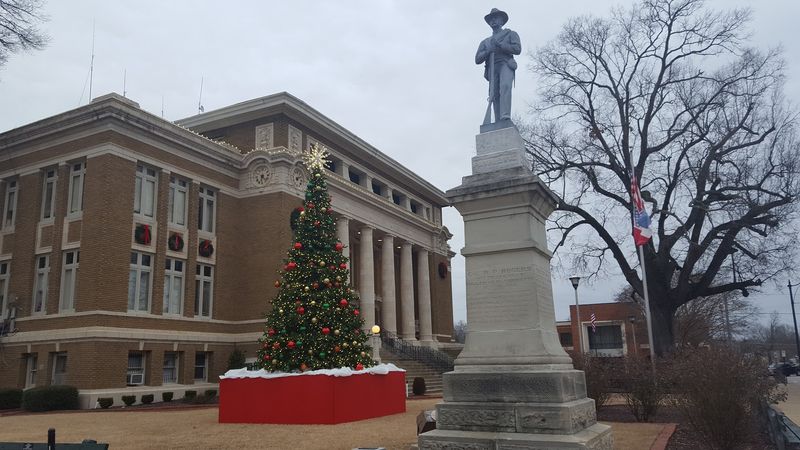
Corinth is the kind of city that makes history feel personal rather than like a textbook assignment. Northeast Mississippi does not always get the spotlight, but Corinth has stories that demand attention.
The whole place carries this quiet, knowing confidence about its past.
Downtown is a walkable mix of eclectic shops, galleries, museums, and restaurants that feel genuinely local. Nothing here looks like a chain or a franchise.
It has that rare authenticity that bigger cities spend millions trying to recreate.
The Corinth Civil War Interpretive Center is a modern 15,000-square-foot facility with interactive exhibits that bring the city’s pivotal wartime role to life.
Corinth was a strategic railroad intersection once nicknamed “Cross City,” and both sides fought hard to control it. Walking through the exhibits, you feel the weight of that history.
Borroum’s Drug Store and Soda Fountain is the oldest continuously operating drug store in Mississippi. Order a cherry Coke at the soda fountain and try not to feel like you have time-traveled.
It is charming in the most completely unpretentious way.
The Crossroads Museum, housed in the Historic Corinth Depot, focuses on railroad history and Civil War artifacts with impressive depth. Corinth also hosts arts festivals that give the city a lively, present-day pulse.
9. Columbus
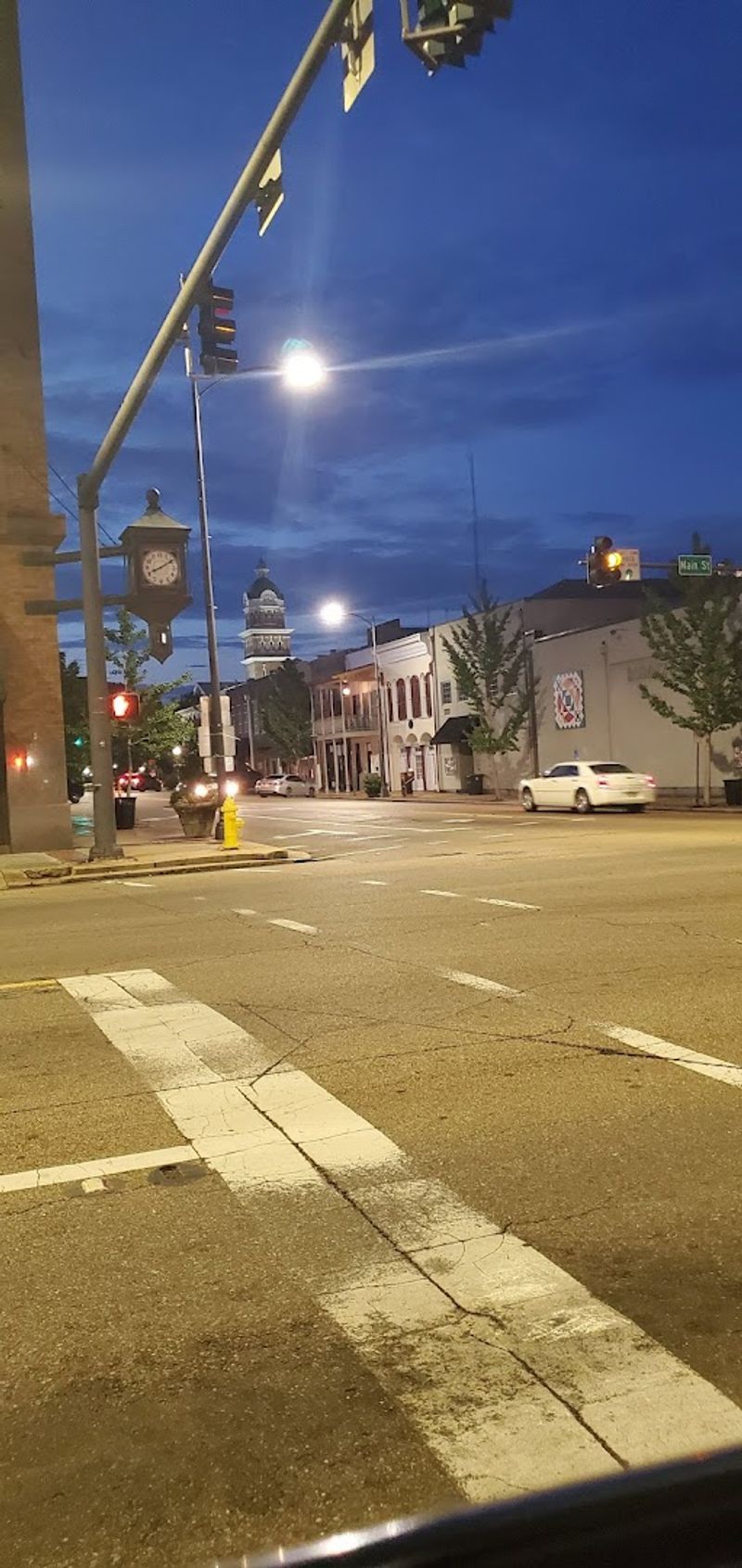
Columbus earned the nickname “The Friendly City” the old-fashioned way by actually being friendly. Sitting on the banks of the Tombigbee River in eastern Mississippi, it has a graceful, unhurried quality that feels increasingly rare.
The river views alone set a gorgeous tone for everything else.
The Columbus Riverwalk stretches 4.4 miles along the Tombigbee River and is perfect for walking or biking at any pace. It connects you to the natural beauty of the area without requiring any special gear or planning.
Just show up and start moving.
Downtown Columbus is home to historic homes, antique shops, specialty boutiques, and a solid dining scene. The city boasts three National Register Historic Districts with over 650 registered properties.
That is not a typo: six hundred fifty properties, each with its own story.
The Tennessee Williams Home is where the legendary playwright was born, and it doubles as the city’s Welcome Center. Standing in those rooms, knowing “A Streetcar Named Desire” came from a mind that grew up here, is genuinely moving.
Columbus was largely spared during the Civil War, earning it the title of a “hospital town,” which preserved its antebellum architecture beautifully.
The Columbus Spring Pilgrimage offers tours of privately owned historic homes that you cannot access any other time of year. That exclusivity makes it special.
10. Yazoo City
This place goes by two titles, “Gateway to the Delta” and “Queen City of the Delta,” and it earns both without breaking a sweat. The rolling hills here dramatically rise from the flat Delta farmland in a way that genuinely surprises first-time visitors.
It is a geographic plot twist that sets the whole tone.
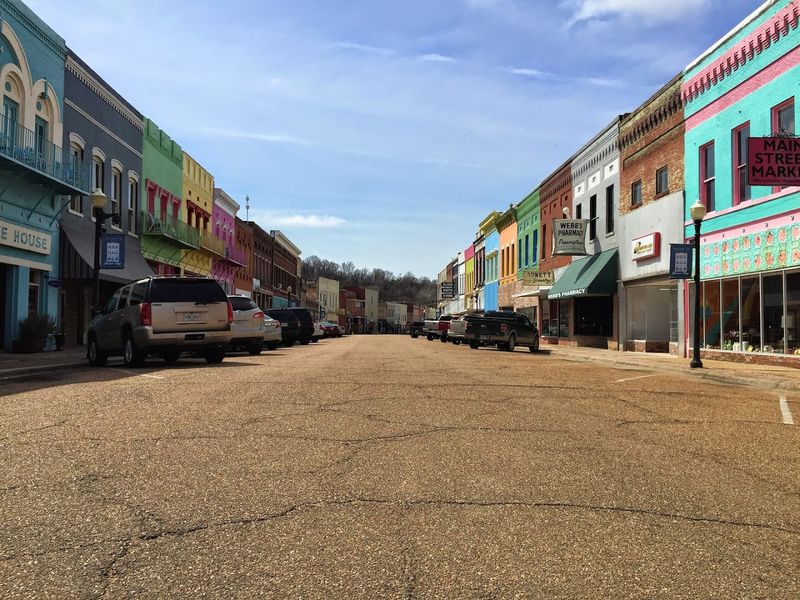
Historic Main Street is famous for its “Painted Ladies,” which are brightly colored buildings rebuilt after a devastating 1904 fire. The fire accidentally gave the city a Caribbean-flavored aesthetic that nobody planned, but everyone loves.
Walking that street feels festive and a little bit mysterious at the same time.
Glenwood Cemetery is home to the famous Witch’s Grave, a central piece of local folklore that has been drawing curious visitors for generations. The legend says a witch cursed the city before she passed away, and the 1904 fire was her revenge.
Whether you believe it or not, the story is absolutely unforgettable.
The Triangle Cultural Center, housed in the old Main Street School, supports local artists and museums with genuine community investment. The Casey Jones Railroad Museum and Park adds another layer of history to an already story-rich city.
Native author Willie Morris immortalized Yazoo City in his writings, cementing its literary legacy alongside its folklore.
Panther Swamp National Wildlife Refuge nearby offers bottomland forests and wildlife watching for outdoor lovers.