
9 Places In Massachusetts That Feel Like A Coastal Paradise In The Summer
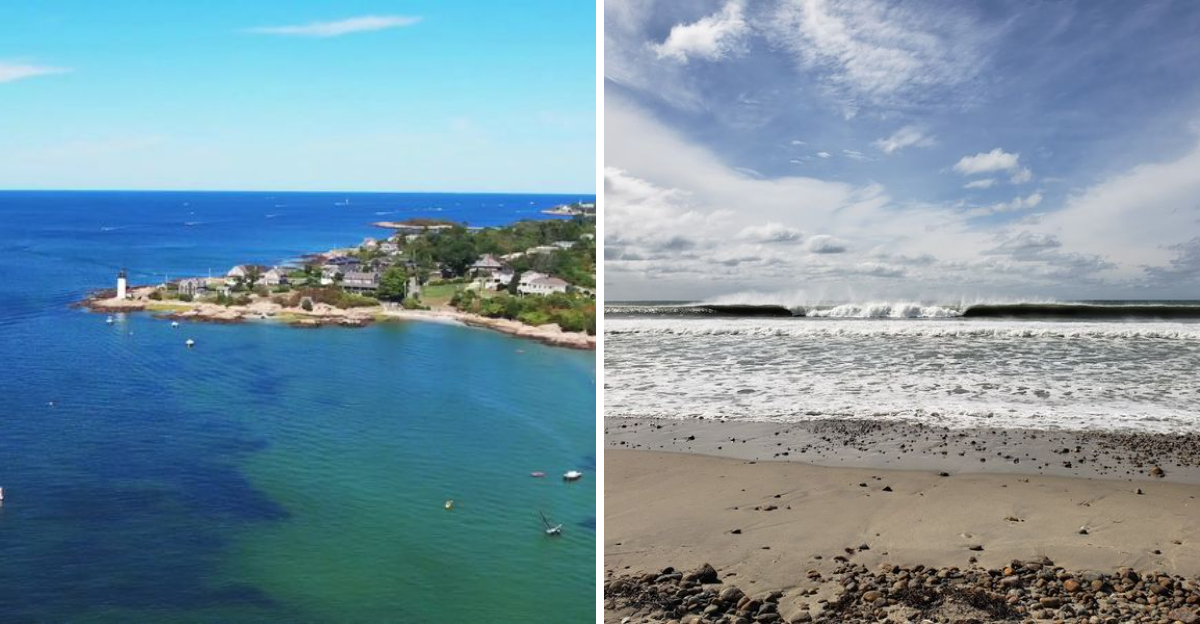
Massachusetts summers know how to make a coastline feel like a vacation without much effort.
Salt air drifts through beach towns, boats rock near busy harbors, and wide sandy stretches turn ordinary afternoons into something much better.
This is the season for lobster rolls, lighthouse views, ferry rides, soft sand, and ocean water that makes you forget your phone exists for a while.
Some places feel polished and lively. Others stay calm enough for long walks, quiet photos, and slow seafood lunches near the water. That variety is what makes the Massachusetts coast so easy to love.
You can chase island scenery, wander past colorful storefronts, or sit by the waves until the day starts to feel lighter.
These coastal spots bring the summer mood fast, and each one gives you a reason to stay a little longer.
1. Nantucket
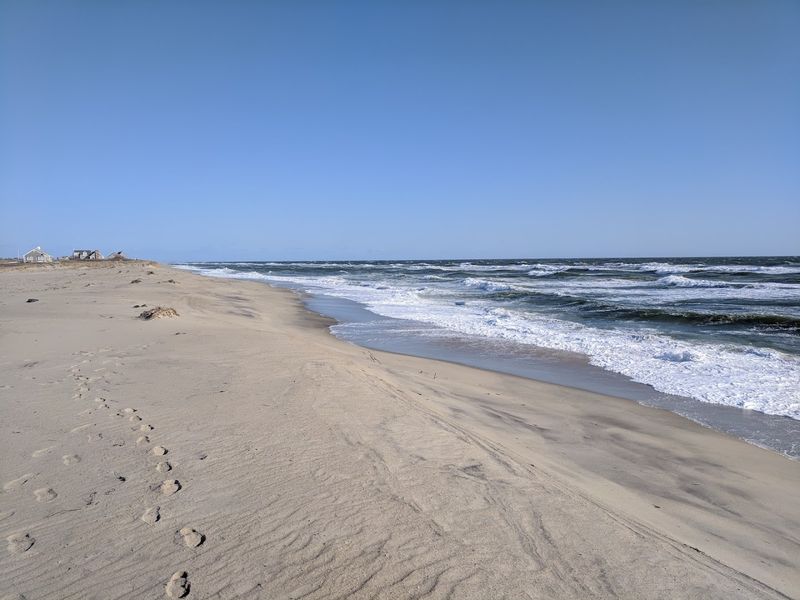
Thirty miles out to sea, Nantucket floats like a world apart from the mainland, and that sense of distance is exactly part of its charm.
The island’s 80-mile coastline wraps around a surprisingly varied landscape, from wide, flat stretches of sand on the south shore to quieter coves tucked away on calmer sides of the island.
Surfside Beach is a favorite for beginner surfers, offering small but reliable summer swells and plenty of space to spread out a towel.
Bike paths fan out in several directions, connecting the main town to beaches across the island, making it easy to explore without a car.
The cobblestone streets and cedar-shingled cottages in Nantucket Town give the whole place a storybook quality that photographs cannot fully capture.
Wildlife fans will appreciate the Coskata-Coatue Wildlife Refuge, an oak-and-cedar maritime forest accessible by oversand vehicle, where gray seals occasionally haul themselves onto the beach.
Restaurants here punch well above their weight for a small island, offering sophisticated menus built around locally sourced seafood.
The mix of upscale boutiques and relaxed beach culture makes Nantucket equally appealing whether you are planning a laid-back afternoon or a more polished evening out.
Few places manage to feel both remote and refined at the same time, and Nantucket pulls it off with quiet confidence.
2. Martha’s Vineyard
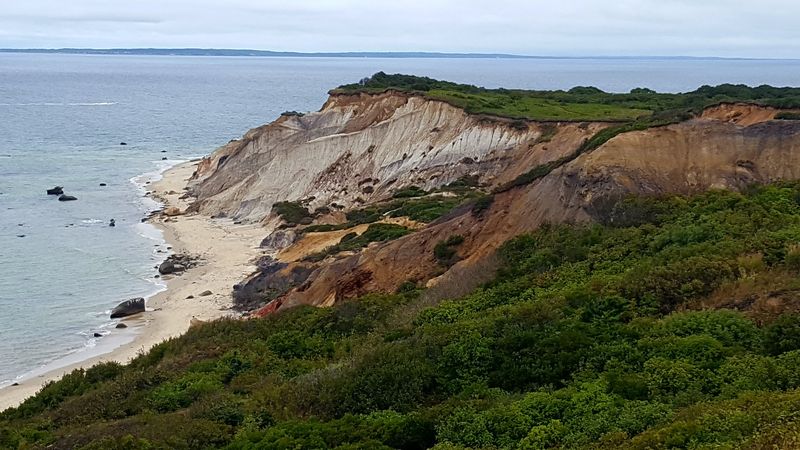
Seven miles off the coast of Cape Cod, Martha’s Vineyard spreads across 100 square miles and functions less like a single beach town and more like a collection of very different personalities sharing one island.
Edgartown brings preppy harbor charm, with sailboats bobbing in the water and the 1828 Edgartown Lighthouse standing tall for summer visitors to climb.
Katama Beach, just south of Edgartown, offers both ocean-facing surf for body surfers and a calmer inland lagoon side for families with younger kids.
Oak Bluffs is the island’s most colorful chapter, famous for its Victorian gingerbread cottages painted in shades that look like a watercolor set exploded in the best possible way.
On the quieter end, the towns of Aquinnah, West Tisbury, and Chilmark offer a slower pace and dramatic clay cliffs overlooking the Atlantic.
The “Jaws Bridge” on Beach Road is a beloved summer ritual for kids who line up to jump into the channel between Edgartown and Oak Bluffs.
Nature lovers can follow the four-mile trail loop at Felix Neck Wildlife Sanctuary through salt marshes and woodlands, or join a kayak tour to spot shorebirds up close.
Multi-generational families tend to fall hard for Martha’s Vineyard precisely because it offers something genuinely different for every age group on the same island.
3. Provincetown
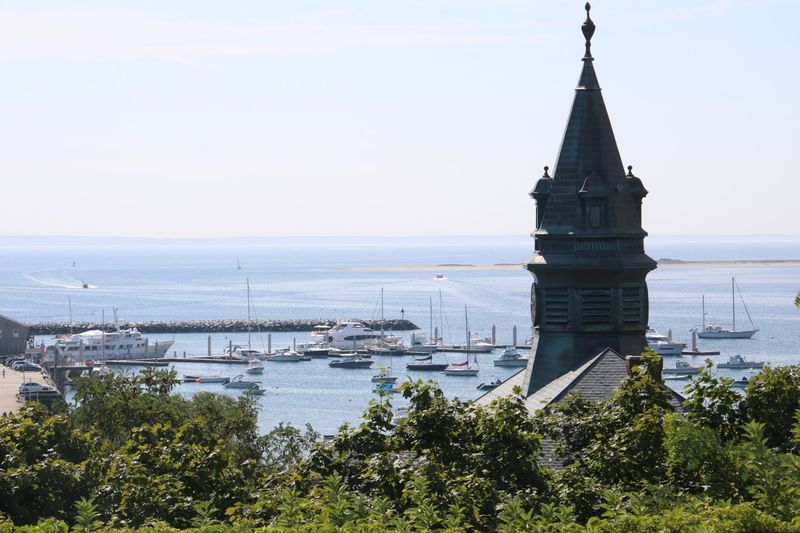
Perched at the very tip of Cape Cod like a punctuation mark at the end of a long, curving sentence, Provincetown is unlike anywhere else in Massachusetts.
Commercial Street pulses with energy all summer long, lined with art galleries, theaters, waterfront restaurants, and performances that spill out into the open air.
Provincetown has a deep history as an artists’ colony and has long been one of the most welcoming destinations for LGBTQ+ travelers on the entire East Coast.
Race Point Beach and Herring Cove Beach are both part of the Cape Cod National Seashore, offering wide, dune-backed stretches of sand that feel almost cinematic at sunset.
Herring Cove in particular faces west, making it one of the best spots on the Cape to watch the sun go down over the water.
From the harbor, whale-watching boats head out into the Atlantic from July through August, where finback and humpback whales regularly surface close enough to leave passengers genuinely speechless.
The Pilgrim Monument rises above the town and rewards those who climb it with sweeping views of the entire Cape Cod coastline stretching south.
Provincetown is compact and very walkable, so a single afternoon on foot can cover galleries, beaches, history, and some of the freshest seafood you will find anywhere on the Cape.
4. Chatham
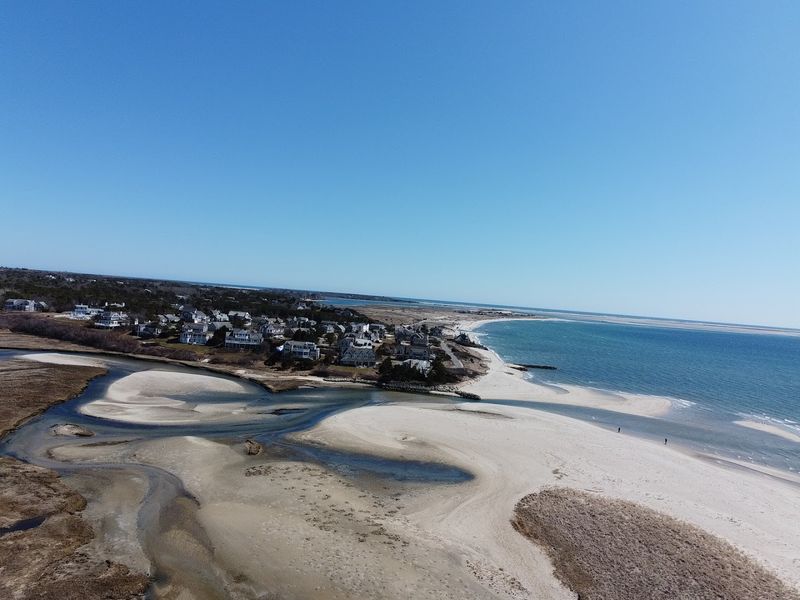
Sitting at the elbow of Cape Cod, Chatham carries itself with the kind of quiet confidence that comes from knowing it does not need to try too hard.
The town manages a balance that many Cape Cod destinations struggle to achieve, pairing genuine seaside charm with an upscale polish that never tips into pretension.
Lighthouse Beach is a postcard-worthy stretch of soft sand with the Atlantic rolling in behind a classic white lighthouse, making it one of the most photographed spots on the Cape.
Harding’s Beach offers a calmer alternative, popular with families thanks to its gentler surf and wide, flat shoreline that is easy for kids to explore.
Downtown Chatham is compact enough to cover on foot, with boutique shops, seafood shacks, and bakeries all within easy walking distance of each other.
Every Friday evening in summer, the town hosts a beloved outdoor band concert that draws locals and visitors together in one of those genuinely wholesome community moments that feel increasingly rare.
Smart town planning has kept Chatham from feeling overrun even during peak summer weeks, which is no small achievement on the Cape.
Whether you are chasing waves, browsing galleries, or simply sitting on a bench eating a lobster roll while the harbor traffic drifts by, Chatham delivers a coastal summer experience that is hard to improve on.
5. Rockport
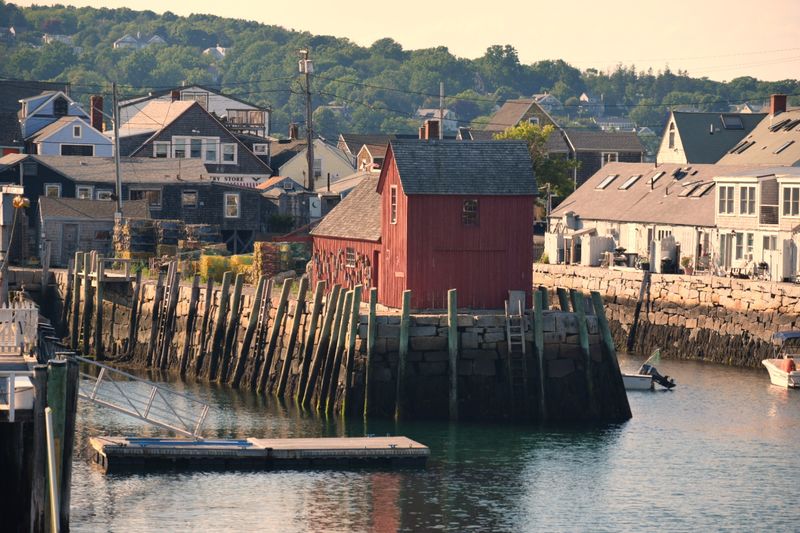
There is a small red fishing shack in Rockport harbor that has been painted by more artists than almost any other building in the United States, and honestly, it earns every brushstroke.
“Motif No. 1,” an 1840s lobster shack still standing in the harbor, became famous in the late 19th century when Rockport emerged as one of the country’s oldest and most vibrant artists’ colonies.
That creative energy never really left, and today the town on the rugged Cape Ann peninsula remains a favorite for art lovers, with galleries and studios woven into nearly every block of the compact downtown.
The self-guided Rocky Neck Art Trail lets visitors trace the town’s maritime and artistic history at their own pace, pausing at coves, studios, and historic spots along the way.
Rocky shorelines and quiet coves frame the town on multiple sides, giving Rockport a more dramatic coastal character than the flat sandy beaches found elsewhere on the North Shore.
Long Beach, which straddles the border between Rockport and Gloucester, offers a long, flat, sandy stretch with clear views of Thatcher’s Island lighthouses sitting offshore.
Day-trippers from Boston make the easy drive up regularly, and the town is small enough to feel personal without ever feeling empty.
Rockport proves that a coastal paradise does not always need a boardwalk to make a lasting impression.
6. Gloucester
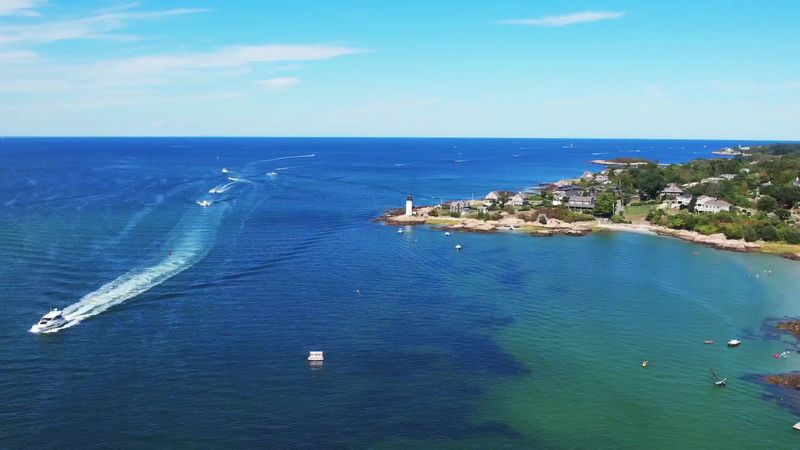
America’s oldest seaport still smells like the ocean in the best possible way, with fishing boats unloading fresh catch at the harbor just as they have for centuries.
Gloucester wears its maritime heritage proudly, anchored by the iconic Fisherman’s Memorial statue overlooking the harbor.
The Rocky Neck Art Colony adds a creative counterpoint to all that working-waterfront grit, making Gloucester one of those rare places where lobster boats and oil paintings share the same neighborhood.
Wingaersheek Beach is the town’s showstopper, a nearly mile-long stretch of tropical-white sand where dramatic tidal changes expose sandbars and tidal pools at low tide, turning the beach into a natural playground.
Good Harbor Beach offers equally impressive sand, gentle summer waves, and reliable lifeguard coverage, making it a go-to for families spending the day.
Parking reservations at Gloucester beaches must be made and paid for in advance during the summer season, so planning ahead saves a lot of frustration on arrival.
From the inner harbor, the Schooner Thomas E. Lannon, a 65-foot wooden vessel, offers warm-weather sailing trips that give passengers a taste of what life at sea once looked like from the deck of a real working ship.
Gloucester rewards visitors who take the time to look past the beaches and explore the layers of history packed into every corner of this remarkable city.
7. Crane Beach, Ipswich
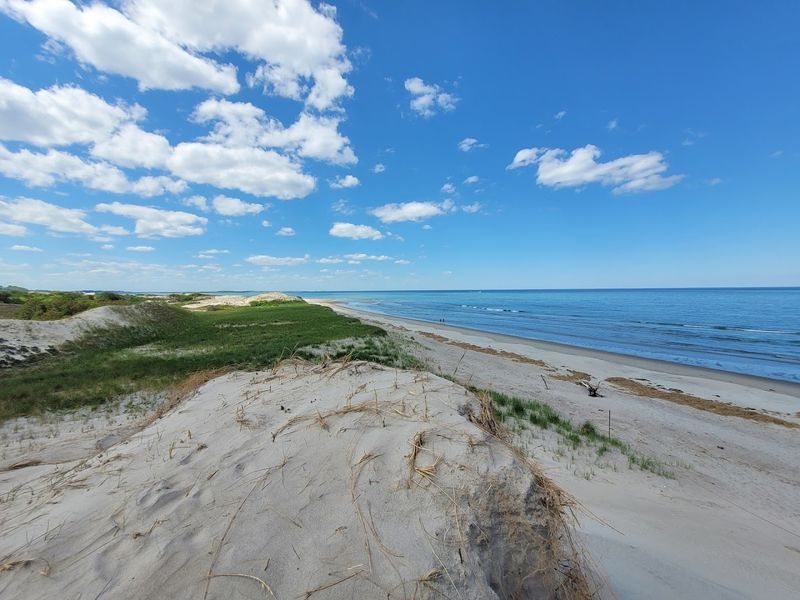
Four miles of uninterrupted white sand backed by undeveloped dunes, a river estuary on one side, and the open Atlantic on the other: Crane Beach in Ipswich is the kind of place that makes you wonder why you ever considered going anywhere else.
Crane Beach consistently ranks among the top beaches in the entire country, and the dune landscape alone justifies the trip.
Because the dunes behind the beach remain completely undeveloped, the whole setting has a wild, almost untouched quality that is increasingly hard to find on a publicly accessible shoreline in New England.
The Castle Neck River runs alongside the beach property, offering calm, sheltered water that is ideal for kayaking and paddleboarding when the ocean feels a little too energetic.
A 1.2-mile trail winds through the property, passing river overlooks and salt marsh views that shift with the tides and give the landscape a different character depending on when you visit.
The beach draws a mix of swimmers, kite flyers, long-distance walkers, and nature watchers, all sharing the space without it ever feeling crowded in the way that smaller beaches can.
Parking fills up quickly on summer weekends, so arriving early is the smartest move you can make.
Crane Beach is proof that Massachusetts keeps some of its best coastal cards surprisingly close to home.
8. Scusset Beach, Sandwich
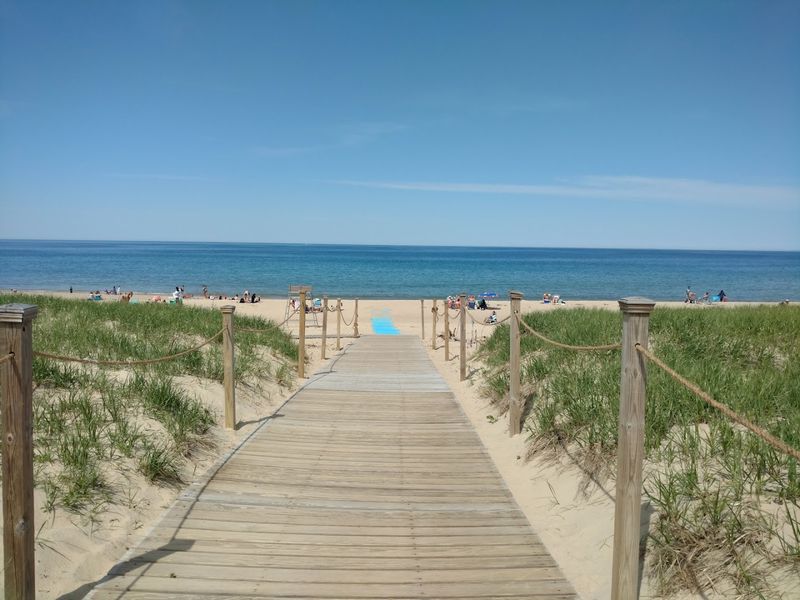
Most people driving over the Sagamore Bridge into Cape Cod have no idea that one of the most relaxed and underrated beaches in the state is sitting right below them.
Scusset Beach in Sandwich sits at the western end of the Cape Cod Canal, offering a stretch of sandy shoreline where canal traffic, fishing jetties, and open bay views all compete for your attention at once.
The beach faces north toward Cape Cod Bay, which means calmer water than the ocean-facing beaches further south on the Cape, making it a solid choice for families with younger swimmers.
The stone jetty at Scusset is a popular fishing spot, drawing anglers who come for striped bass and bluefish during the warmer months when the canal current runs strong.
Watching massive cargo ships and sailboats navigate the canal from the beach or the jetty is one of those simple pleasures that never quite gets old, no matter how many times you have seen it.
The surrounding area is part of a state recreation area with camping facilities, making Scusset a practical base for a longer Cape Cod trip rather than just a day visit.
Sandwich itself, the oldest town on Cape Cod, adds historic charm to the experience, with a glass museum, a grist mill, and a town center that has barely changed in decades.
Scusset Beach rewards travelers who are willing to look slightly off the beaten path for their summer shoreline fix.
9. Horseneck Beach, Westport
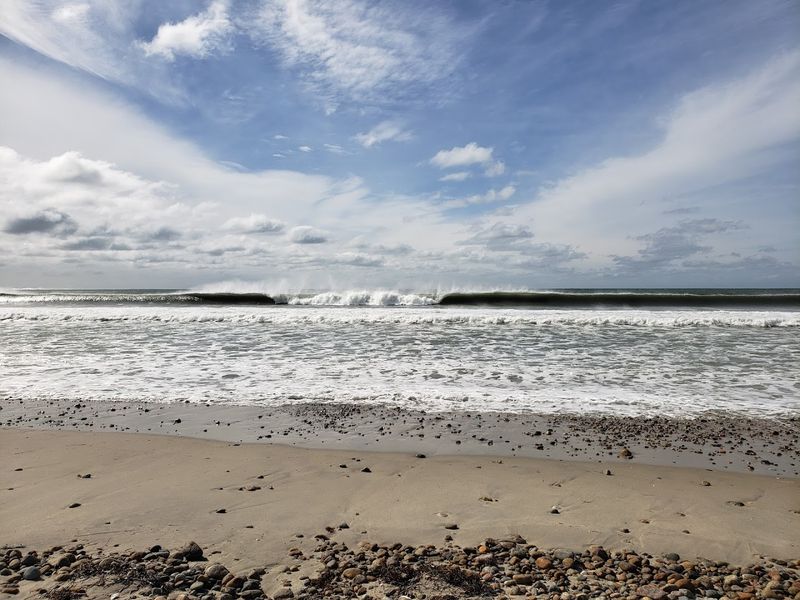
On the South Coast of Massachusetts, where the state quietly meets Rhode Island, Horseneck Beach in Westport stretches out in a way that feels genuinely generous, offering nearly two miles of open Atlantic shoreline without a lot of fanfare attached.
The beach sits within Horseneck Beach State Reservation, which means the surrounding dunes and coastal landscape remain protected and largely undisturbed.
Westport sits in Bristol County, and its position on Buzzards Bay gives Horseneck a slightly warmer water temperature than beaches further north on the coast.
The surf here can be lively, with consistent Atlantic swells rolling in that attract both body surfers and boogie boarders looking for something with a little more energy than a calm bay beach.
Camping is available at the state reservation, making it one of the few places in Massachusetts where you can fall asleep to the sound of actual ocean waves without paying resort prices.
The Westport River estuary nearby offers a quieter alternative for kayakers and paddleboarders who want to explore the salt marshes and tidal channels threading through the surrounding landscape.
Horseneck Beach tends to draw a local crowd rather than tourist buses, which keeps the atmosphere relaxed and unpretentious throughout the summer season.
If a wide-open beach with real surf and no crowds is what you are after, Horseneck delivers without hesitation.