
Prepare To Fall In Love With The Most Eccentric Town In Massachusetts
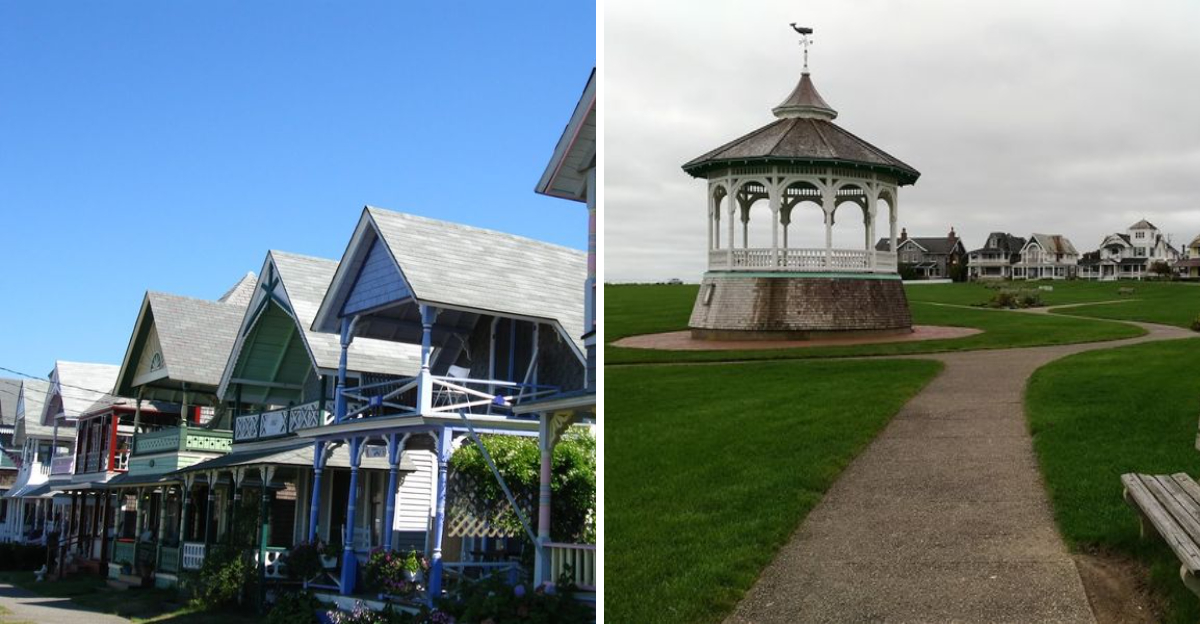
Pastel cottages. Whimsical streets.
Porches that look straight out of a storybook. Massachusetts has a town that feels delightfully different the second you arrive.
Nothing here feels ordinary, and that is exactly the charm.
One minute you are walking past brightly painted houses that look almost too cheerful to be real. The next, you are hearing live music drift through the air while bicycles roll past ice cream shops, cafés, and old-fashioned inns near the water.
There is personality around every corner. Not polished, corporate personality either.
Real character. The kind that makes a town feel playful, creative, and impossible to forget.
Even longtime Massachusetts travelers are often surprised by how unique this place feels compared to anywhere else in the state. It is colorful without trying too hard, lively without feeling chaotic, and just eccentric enough to make every stroll feel entertaining.
Honestly, it is hard not to fall for it pretty quickly.
The Gingerbread Cottages That Started It All
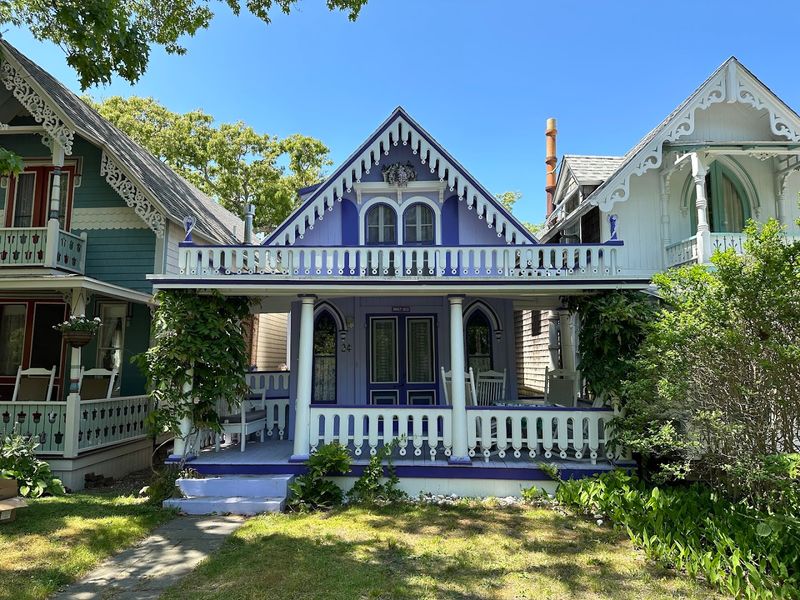
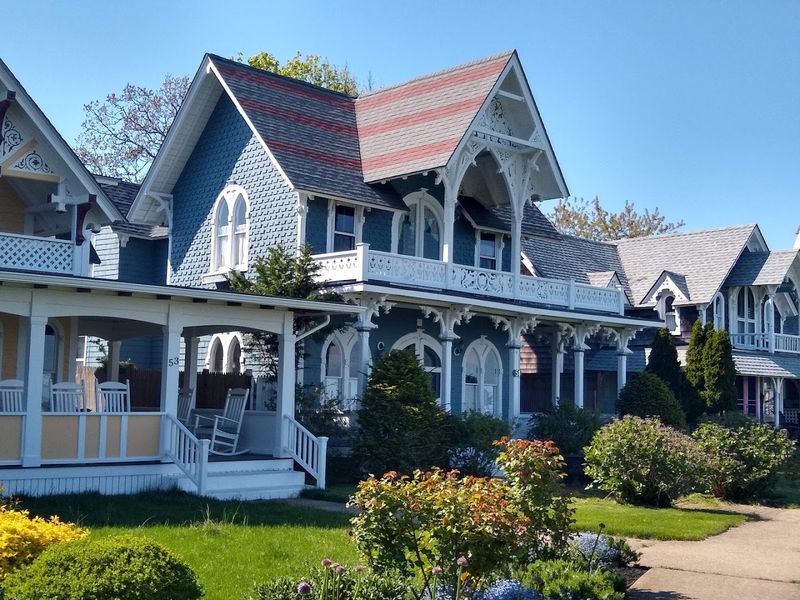
Martha’s Vineyard Camp Meeting Association feels like a storybook that someone illustrated with a very full box of paint. Over 300 cottages crowd together in this small, circular community, each one dressed in a different combination of colors and carved wooden trim.
No two look exactly alike, and that variety is precisely the point.
These structures began as canvas tents pitched during Methodist revival meetings in the 1830s.
As the gatherings grew more popular, families started replacing their tents with wooden cottages, slowly adding porches, decorative trim, and personal flourishes.
The Carpenter Gothic style became the defining aesthetic, and it has remained unchanged for over 150 years.
Most of the cottages are privately owned, but several open their doors for tours during summer months.
The most spectacular evening of the year arrives on Grand Illumination Night, held on the third Wednesday of August, when residents hang Japanese lanterns from every porch and eave.
The Campground is located along Trinity Park and a walk through its narrow paths on any afternoon is genuinely worth the trip on its own.
Flying Horses Carousel And The Brass Ring Tradition
The oldest operating platform carousel in the United States still spins in Oak Bluffs, and that fact alone deserves a moment of appreciation. Built around 1876 by Charles W.
Dare, the Flying Horses Carousel originally operated at Coney Island before being relocated to Oak Bluffs in 1884. It has been turning ever since, and the horses have not aged in the way most things do.
Each horse is hand-carved from wood, fitted with real horsehair manes and tails, and given glass eyes that catch the light in an oddly lifelike way. Riders of all ages climb on and reach for the brass ring as the carousel spins, a tradition that grants a free ride to whoever manages to grab it.
The game is harder than it looks, and that difficulty is part of its enduring appeal.
The carousel is a designated National Historic Landmark, which means its preservation is taken seriously at a federal level. It sits on Circuit Avenue in the heart of Oak Bluffs and operates seasonally.
For many families, riding the Flying Horses is not a one-time experience but an annual ritual passed down through several generations without any sign of losing its charm.
Inkwell Beach And A Legacy That Runs Deep
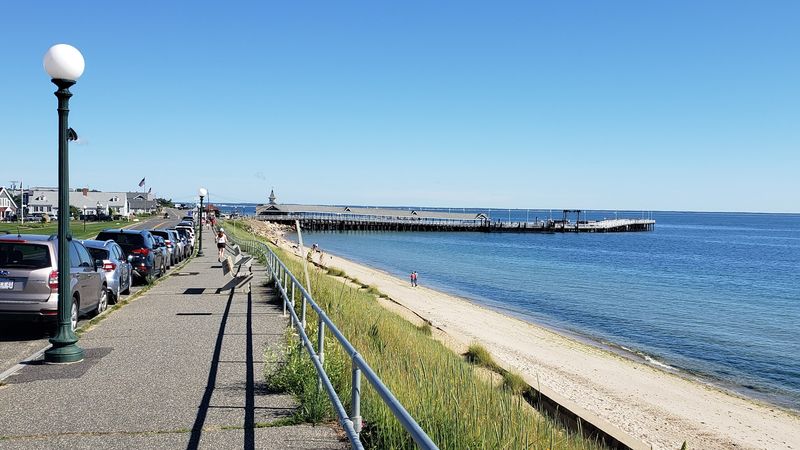
Inkwell Beach is a relatively small stretch of sand near the Oak Bluffs ferry terminal, but its significance in American cultural history far exceeds its size.
For generations, this beach served as a rare and welcoming space for Black Americans at a time when most resorts in the country were either segregated or openly hostile to their presence.
Since the 18th century, Oak Bluffs has been a haven for African American intellectuals, artists, and professionals who found community and freedom here that was denied elsewhere.
The beach became a gathering point for that community, a place where conversations happened, friendships formed, and summers were spent without the weight of discrimination.
Dorothy West, the celebrated Harlem Renaissance author, made Oak Bluffs her home and wrote some of her most important work while living on the island.
Inkwell Beach is now part of the African-American Heritage Trail of Martha’s Vineyard, which connects significant locations across the island tied to Black history and culture.
Visiting the beach today, you sense both the ease of a summer afternoon and the quiet gravity of everything it represents.
It is the kind of place that rewards a slow, attentive visit more than a hurried one.
Circuit Avenue And The Pulse Of The Town
Circuit Avenue is the main commercial street of Oak Bluffs, and it operates with the energy of a place that has been entertaining visitors for a very long time without getting tired of the job.
The street runs through the center of town and is lined with a mix of ice cream parlors, clothing shops, restaurants and small galleries.
What makes Circuit Avenue interesting is that it does not feel curated in the way that many tourist streets do. The shops are varied, the crowds are mixed, and the general atmosphere leans toward enjoyment rather than performance.
On summer evenings especially, the street fills with a cross-section of people that is genuinely rare for a small New England town.
Oak Bluffs is one of only two towns on Martha’s Vineyard with late-night entertainment, and Circuit Avenue is where most of that activity concentrates. The street has been a social hub since the late 19th century, when the town was first developing as a resort destination.
That long history of hospitality shows in how naturally the avenue accommodates everyone who passes through it, regardless of background or reason for visiting.
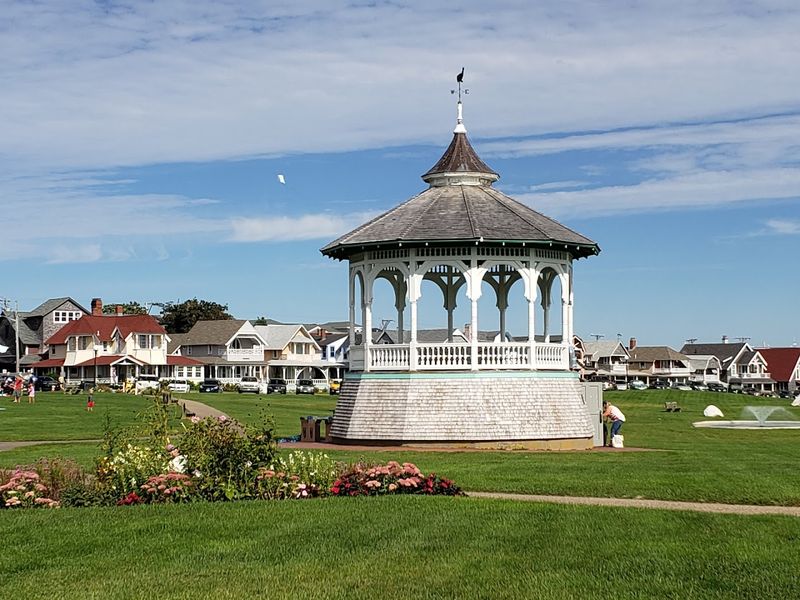
Ocean Park And The Gazebo That Defines The Waterfront
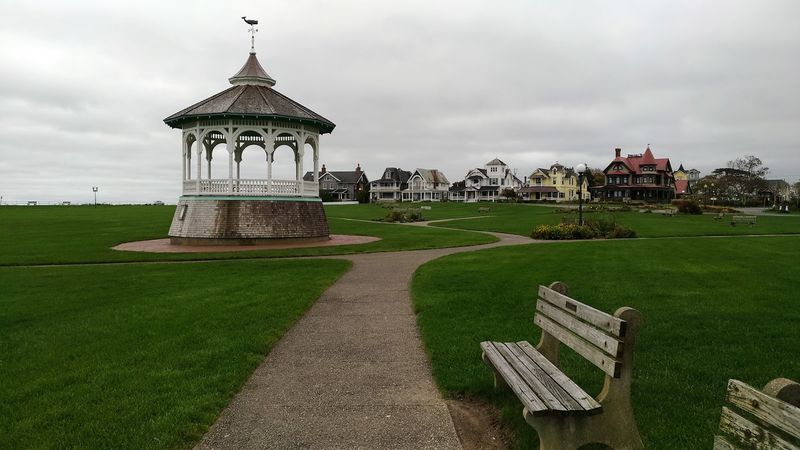
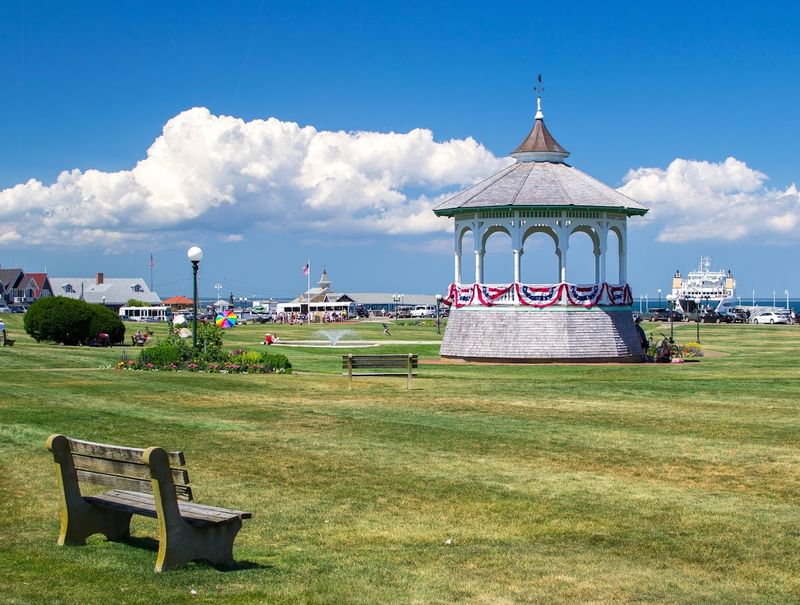
Ocean Park sits at the edge of Oak Bluffs where the town meets the water, and its centerpiece is a Victorian bandstand gazebo.
The park itself is a wide open green space surrounded by large Victorian homes, and the combination of architecture, lawn, and ocean view creates a setting that feels both grand and approachable.
The park hosts outdoor concerts during summer months, drawing crowds who spread blankets on the grass and spend evenings listening to music with the Atlantic as a backdrop.
It is the kind of public space that a town either has or does not have, and Oak Bluffs is fortunate to have one this well-preserved and well-used.
Surrounding the park, the Victorian homes that line its perimeter represent some of the finest examples of late 19th-century resort architecture on the island.
Many of these homes have been maintained with considerable care, and their presence gives the park a sense of continuity with the town’s origins as a planned resort community.
Ocean Park is located along Seaview Avenue in Oak Bluffs, and it is the kind of place worth visiting at different times of day to appreciate how its character shifts with the light.
The History Of A Planned Resort Town Unlike Any Other
Most towns develop organically over time, shaped by geography, commerce, and accident. Oak Bluffs was different from the start.
Its origins trace back to a Methodist summer camp established in 1835.
By 1880, the area had grown substantial enough to be incorporated as a separate town under the name Cottage City.
The name was changed to Oak Bluffs in 1907, but the underlying character of the place remained consistent with its origins.
What makes this history genuinely interesting is how the town’s planned nature influenced its social culture. Because it was built for leisure and community from the beginning, it developed an openness that many older New England towns never had.
That openness attracted diverse groups of people across different eras, and the cumulative effect of all those overlapping communities is what gives Oak Bluffs its distinctive personality today. The planning was architectural and civic, but its most lasting effect was social.
Joseph Sylvia State Beach And Its Cinematic Past
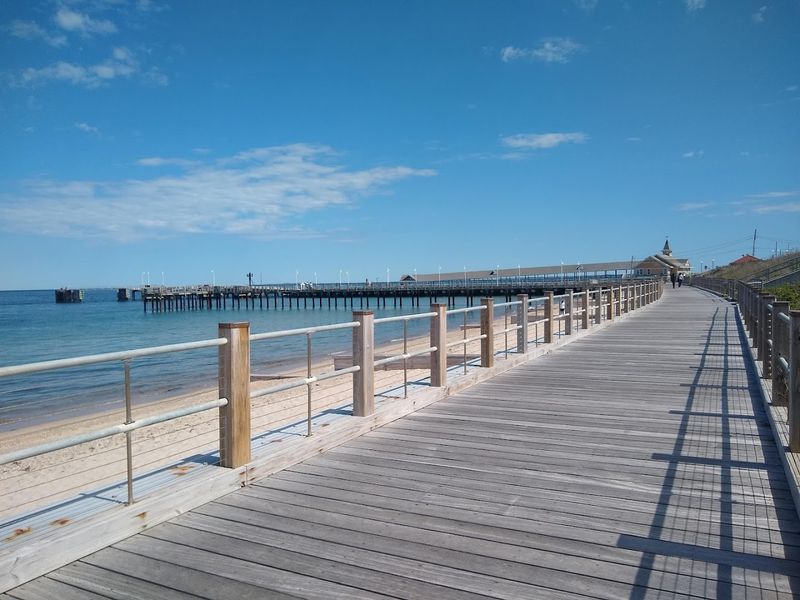
Joseph Sylvia State Beach stretches along the eastern edge of Oak Bluffs and is one of the longer, more open beaches on Martha’s Vineyard.
The water here is relatively calm compared to the south-facing shores of the island, which makes it a comfortable option for families and swimmers who prefer gentler conditions.
On a clear summer morning, the beach has a quality of light that is hard to replicate anywhere else.
What many visitors know before they even arrive is that sections of this beach were used during the filming of Jaws in 1975. The film was shot largely on Martha’s Vineyard, and the locations used have become informal landmarks for fans of the movie.
The wooden bridge visible from the beach appeared in one of the film’s more memorable sequences, and pointing it out to fellow visitors has become a quiet ritual of its own.
Beyond its cinematic association, the beach is simply a very good place to spend several hours. The drive along Beach Road that runs parallel to it offers one of the more scenic stretches on the island, with the ocean on one side and Sengekontacket Pond on the other.
The beach is accessible from multiple points and does not require much planning to enjoy fully.
Grand Illumination Night And The Lantern Tradition
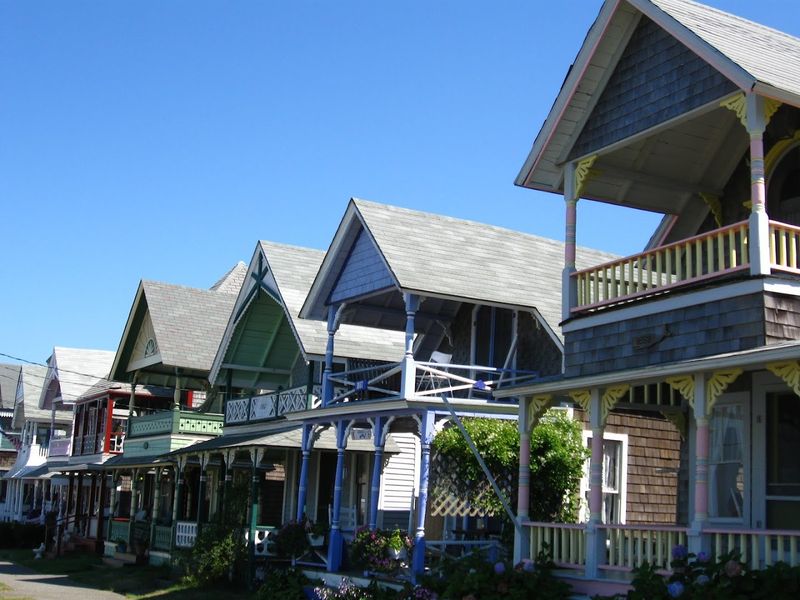
Once a year, on the third Wednesday of August, the gingerbread cottages of the Martha’s Vineyard Camp Meeting Association are transformed by thousands of Japanese paper lanterns hung from every available surface.
The effect after dark is one of the more visually striking things that happens anywhere in New England during the summer season, and it draws visitors from across the island and beyond.
Grand Illumination Night began in the 19th century as a community celebration marking the end of the summer camp meeting season.
Residents would hang lanterns to signal the close of the gathering, and the tradition evolved into an annual event that the community continues to observe with considerable enthusiasm.
The lanterns are lit at dusk, and the cottages glow in warm, layered colors for several hours.
Attendance is substantial, and arriving early is strongly advised for anyone hoping to find a comfortable viewing position along the paths of the Campground. The event is free to attend, which adds to its democratic and communal spirit.
Photographs from Grand Illumination Night circulate widely each year and are often the images that convince first-time visitors to make the trip to Oak Bluffs. Experiencing it in person, however, is a considerably different and more affecting thing than any photograph can convey.
Oak Bluffs Harbor And The Energy Of Arrival
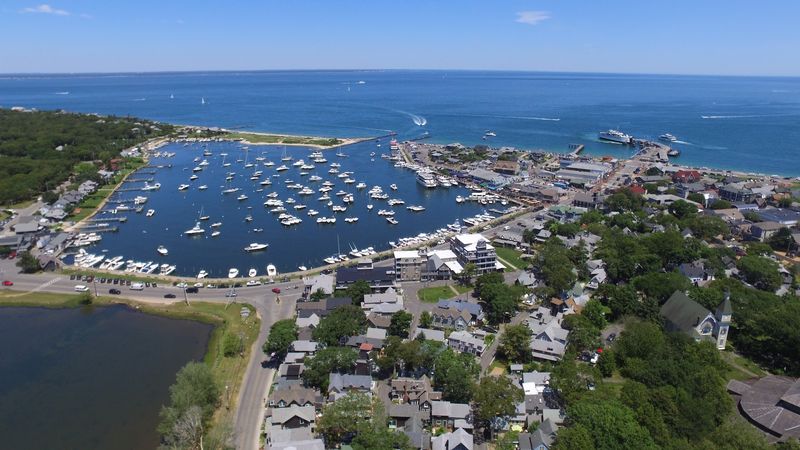
The harbor at Oak Bluffs in Massachusetts is where many visitors get their first real impression of the town, and it makes a confident statement without any apparent effort.
Boats of various sizes occupy the marina throughout the summer season, and the waterfront area surrounding the harbor is lively with restaurants and shops.
The ferry connection is a practical and atmospheric part of the Oak Bluffs experience.
Boats arrive from Woods Hole, Falmouth, and New Bedford, depositing passengers who step off the vessel and find themselves immediately in the middle of a functioning, colorful town.
That transition from water to shore is unusually satisfying here. In the evenings, the harbor takes on a different quality.
The lights from the restaurants reflect on the water, the crowd thins slightly from its midday peak, and the whole scene settles into something more relaxed and conversational.
Sitting near the harbor with a meal and watching the activity on the water is one of those simple pleasures that Oak Bluffs offers without requiring any special occasion or advance planning.
Dorothy West And The Literary Soul Of Oak Bluffs
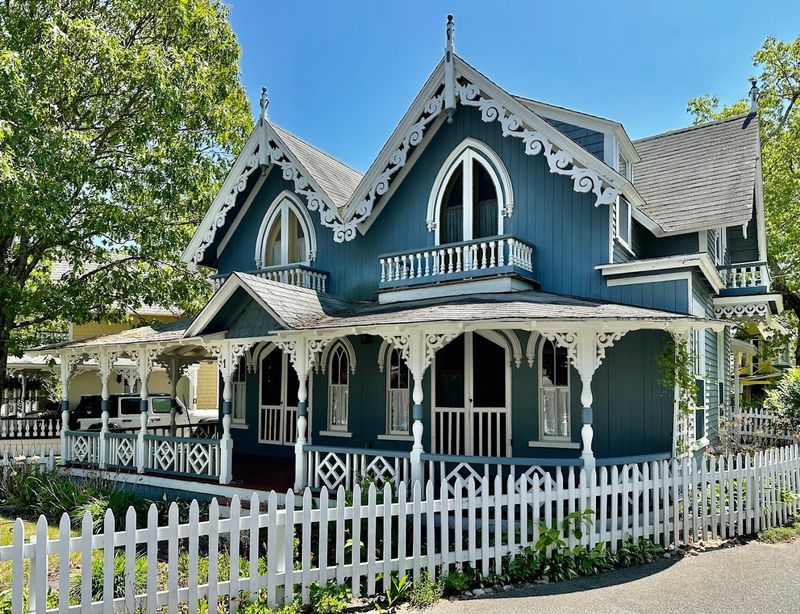
Dorothy West arrived on Martha’s Vineyard as a child and eventually made Oak Bluffs her permanent home.
She was one of the youngest writers associated with the Harlem Renaissance, and her novel The Living Is Easy drew on her observations of Black middle-class life in Boston and on the Vineyard.
Her later novel, The Wedding, published in 1995 when she was in her eighties, brought her a new generation of readers.
West lived in Oak Bluffs until 1998, and her presence on the island was both literary and communal.
She contributed a column to the Vineyard Gazette for many years, writing about life, memory, and the particular quality of the island community she had known for most of her life.
Her home on Myrtle Avenue became a point of quiet pilgrimage for readers and writers who admired her work.
Her legacy is woven into the African-American Heritage Trail of Martha’s Vineyard, which recognizes her contribution alongside the broader history of Black life on the island.
For anyone with an interest in American literature, following the trail and learning about West’s life here adds a meaningful layer to what is already a richly layered destination.