
8 Quirky Wisconsin Roadside Attractions You Have To See To Believe
Road trips through Wisconsin get much better when the stops are a little strange. Sure, the state has cheese, football, and classic lake views, but its highways also come with giant figures, odd sculptures, local legends, and photo stops that make you pull over just to ask, “What am I looking at?” That is part of the fun.
These roadside attractions show off the playful side of the Badger State, where creativity can turn a quiet drive into a memorable detour. Bring your camera, leave room for surprise, and do not be shocked if the weirdest stop becomes the one you remember most.
In Wisconsin, the best road trip stories often start with an unexpected stop.
1. Forevertron (North Freedom)
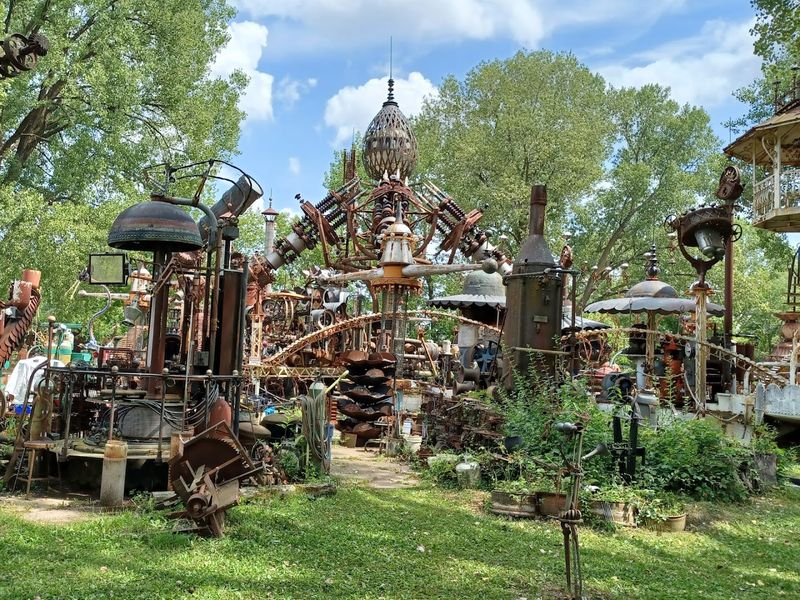
Standing 50 feet tall and weighing over 300 tons, the Forevertron is the world’s largest scrap metal sculpture, and it looks like something straight out of a Victorian-era science fiction novel. Artist Dr. Evermor (real name Tom Every) spent decades collecting decommissioned industrial parts, vintage machinery, and antique contraptions to build this mind-bending masterpiece.
The centerpiece is a fantastical time machine designed to launch Dr. Evermor into the heavens on a magnetic lightning force beam.
Surrounding the main structure, you’ll find hundreds of smaller sculptures called the Bird Band, featuring metal creatures playing instruments. Old dynamos, brewing tanks, Apollo rocket parts, and Thomas Edison’s decontamination chamber all found new life in this sprawling sculpture park.
Every piece tells a story, and the level of detail is absolutely staggering.
Located behind a surplus store off Highway 12, the Forevertron sits in a field that feels like a secret steampunk wonderland. Admission is free, though donations are appreciated to help maintain this incredible outdoor museum.
The park is open during daylight hours, and you can wander among the sculptures at your own pace.
Bring your sense of wonder and plenty of memory on your camera because every angle reveals something new and extraordinary. This isn’t just Wisconsin’s quirkiest attraction; it might just be one of the strangest and most beautiful things you’ll ever see.
2. World’s Largest Six-Pack (La Crosse)
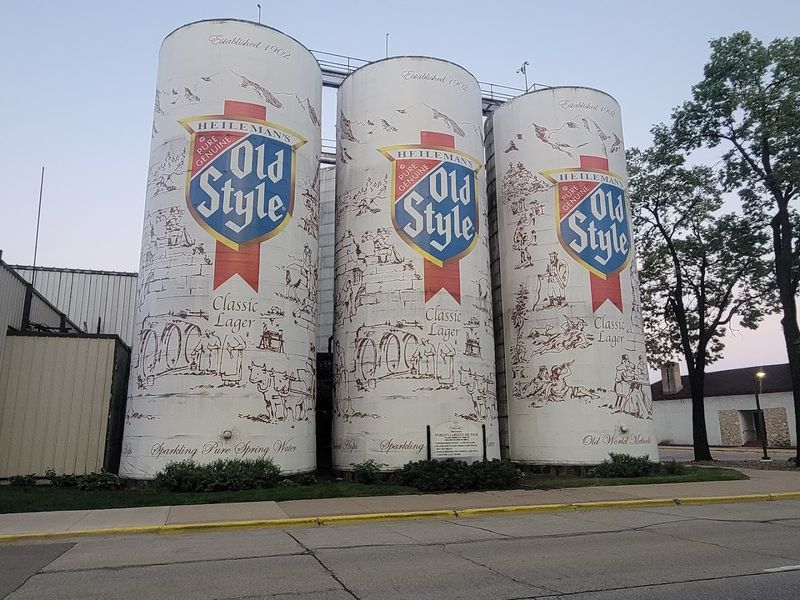
Six massive painted storage tanks stand proudly in La Crosse, creating one of Wisconsin’s most recognisable roadside sights. Built in 1969, the towering tanks quickly became a local landmark thanks to their bold red-and-white design and unusual oversized look.
Each one stands about 22 feet tall, and together they form a playful display that has long attracted curious drivers and camera-ready visitors.
You can spot the landmark near Highway 35 while travelling along the Mississippi River. Its scale is part of the fun, especially from street level, where the tanks look even larger than expected.
Today, the site remains a beloved piece of La Crosse history. It is quirky, easy to recognise, and wonderfully Wisconsin in the best roadside-attraction way.
3. Chatty Belle (Neillsville)
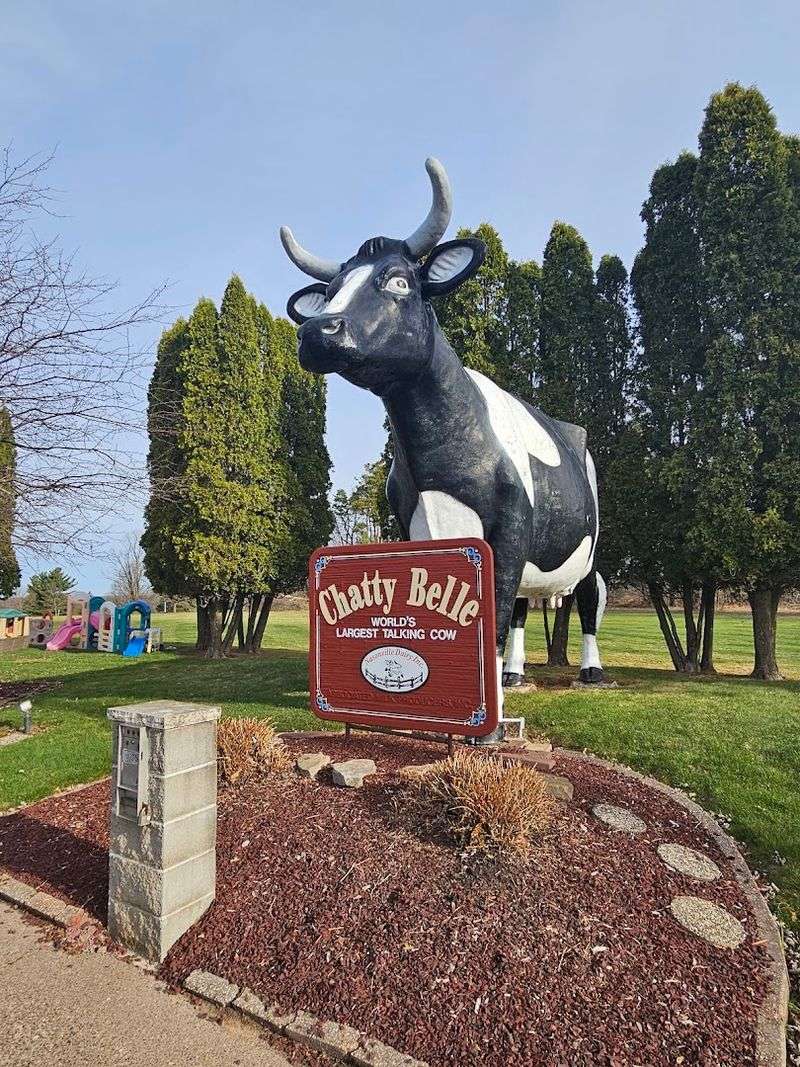
Meet Chatty Belle, a 16-foot-tall, 5,000-pound fiberglass Holstein who holds the title of world’s largest talking cow. Built in 1967 to promote Wisconsin’s dairy industry, this gentle giant greets visitors with recorded messages about farming and Wisconsin history.
Belle originally stood at the Wisconsin Pavilion during the 1964 World’s Fair in New York before finding her permanent home in Neillsville.
Press a button near her hooves, and Chatty Belle springs to life with her cheerful commentary about dairy farming and local attractions. Her mouth moves as she speaks, and her eyes light up, creating an endearing effect that has charmed visitors for decades.
The audio might sound a bit dated, but that’s part of her nostalgic appeal.
Belle resides at the Highground Veterans Memorial Park, where she shares space with moving tributes to Wisconsin veterans. The contrast between her whimsical presence and the solemn memorial creates an interesting juxtaposition that somehow works perfectly.
She stands as a reminder of Wisconsin’s agricultural roots while honoring those who served.
Kids absolutely love climbing on the platform around her base and hearing her speak. The park is free to visit and open year-round, making it an easy stop during any road trip through central Wisconsin.
Chatty Belle proves that even the most serious places can have room for a little fun and Wisconsin weirdness.
4. The Pink Elephant (DeForest)
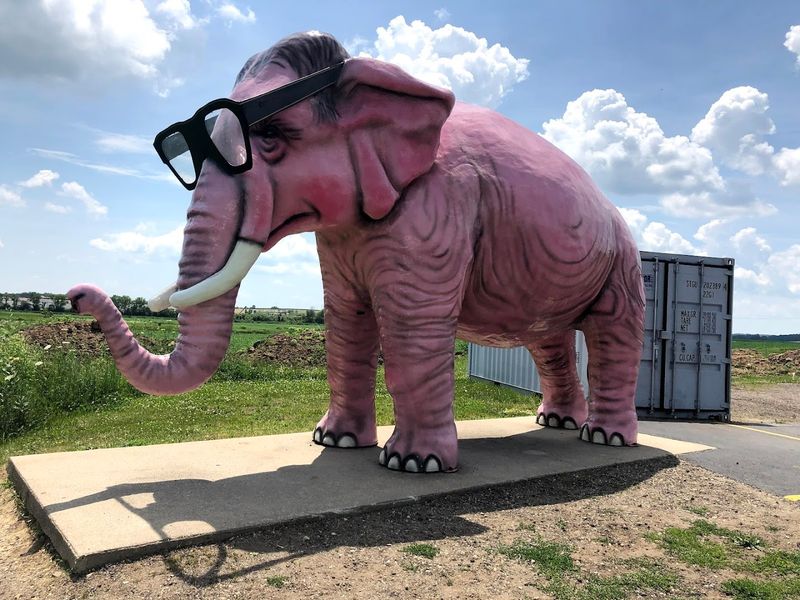
A brilliant pink elephant stands guard outside a DeForest supper club, beckoning travelers to stop and take a second look. This isn’t a hallucination from too much Wisconsin cheese; it’s a real 12-foot-tall elephant painted in eye-catching hot pink.
The statue has become such an iconic landmark that locals give directions based on its location.
Originally installed in the 1960s to advertise the Pink Elephant Supper Club, this pachyderm has weathered decades of Wisconsin winters while maintaining its cheerful glow. The restaurant has changed ownership several times, but the elephant remains a constant presence.
Fresh coats of pink paint keep her looking vibrant and impossible to miss from the highway.
Photographers flock here for selfies with this delightfully absurd roadside attraction. The elephant’s trunk curves upward in a friendly gesture, and her expression seems perpetually amused by the attention she receives.
At night, strategic lighting makes her glow against the dark sky, creating an almost surreal sight.
The supper club itself serves classic Wisconsin fare including Friday fish fries and prime rib, making this a two-for-one stop on any quirky attraction tour. You can grab dinner and a photo op in one convenient location.
The Pink Elephant proves that sometimes the best marketing strategy is simply being too weird to ignore, and DeForest wouldn’t be the same without this rosy roadside resident watching over Highway 51.
5. Sputnik Crash Site (Manitowoc)
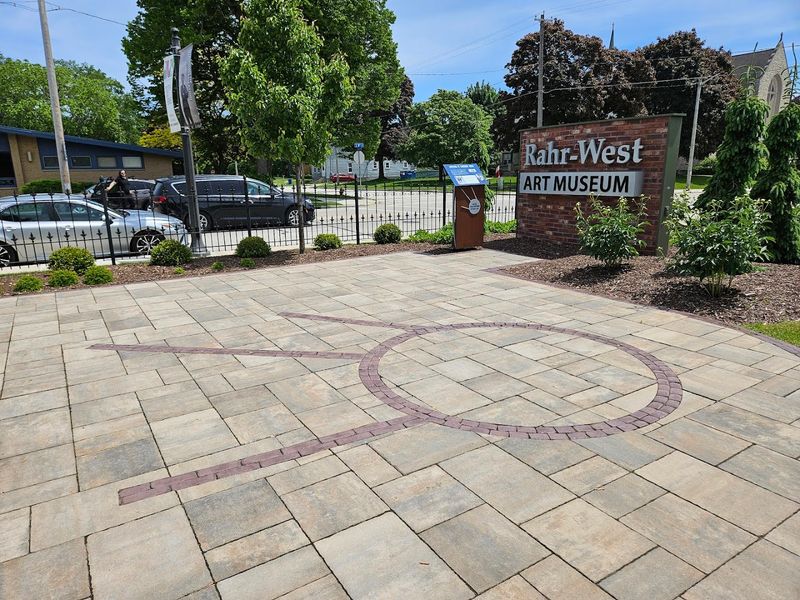
On September 5, 1962, a 20-pound piece of Soviet satellite Sputnik IV crashed through the roof of the Rahr-West Art Museum in downtown Manitowoc, making this small Wisconsin city the only place in the world hit by space debris from the USSR. The chunk of metal embedded itself in the street, and astonished locals gathered around this unexpected visitor from space.
No one was injured, but the incident put Manitowoc on the map in the most unusual way possible.
The actual fragment was returned to the Soviet Union, but a replica now sits inside the museum along with detailed information about that remarkable day. Outside, a circle in the pavement marks the exact spot where the space junk struck North 8th Street.
A commemorative plaque tells the story for curious visitors who stumble upon this cosmic footnote in history.
Every year, Manitowoc celebrates Sputnikfest, a festival featuring cosmic-themed activities, food, and entertainment. Locals embrace their city’s brush with space history with genuine enthusiasm and plenty of humor.
The festival includes a Miss Space Debris pageant and other tongue-in-cheek events that celebrate the absurdity of it all.
The museum itself is worth exploring for its art collections, but the Sputnik story remains the star attraction. You can stand on the very spot where Cold War technology met small-town America in the most literal way possible, creating one of Wisconsin’s strangest claims to fame.
6. Wisconsin Concrete Park (Phillips)
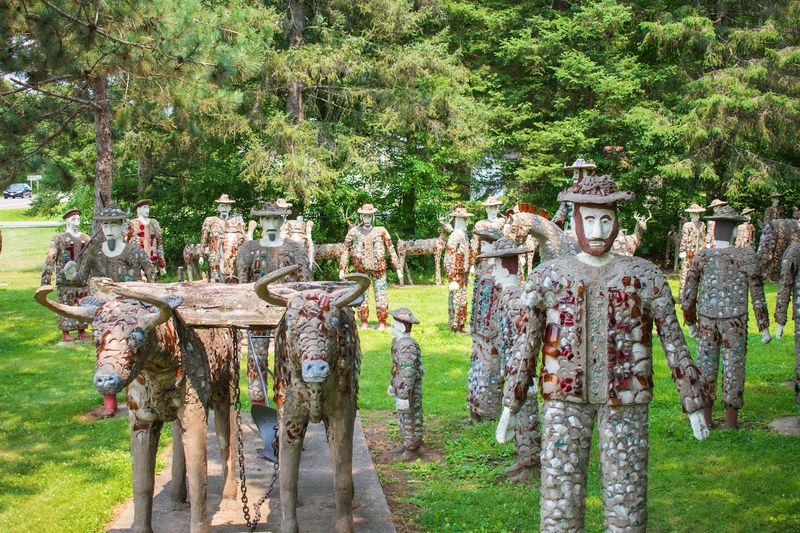
Over 200 concrete sculptures populate a magical outdoor gallery in Phillips, created by retired lumberjack and tavern owner Fred Smith between 1948 and 1964. Using concrete, glass, and found materials, Smith crafted life-sized figures depicting everything from historical characters to animals to scenes from his imagination.
Each sculpture sparkles with embedded glass, mirrors, and colorful decorations that catch the sunlight in dazzling ways.
Smith built these figures when he was in his 60s with no formal art training, working entirely from his own vision and memories. His creations include Paul Bunyan and Babe the Blue Ox, Native American chiefs, pioneer families, and even a concrete Statue of Liberty.
The sculptures stand throughout the property, creating an enchanted forest of folk art that feels both whimsical and profound.
The park is now maintained by the Kohler Foundation and the Friends of Fred Smith, who work to preserve these fragile concrete treasures. Admission is free, and you can wander the grounds during daylight hours, getting up close to examine the intricate details Smith embedded in each piece.
The glass fragments create mosaic-like patterns on clothing and faces, showing remarkable artistry from someone who simply wanted to create something beautiful.
Winter visits offer a special kind of magic when snow blankets the sculptures, but summer allows you to appreciate the full spectrum of colors. This is outsider art at its finest, proving that creativity knows no age limits or formal boundaries.
7. Paul Bunyan Statue (Eau Claire)
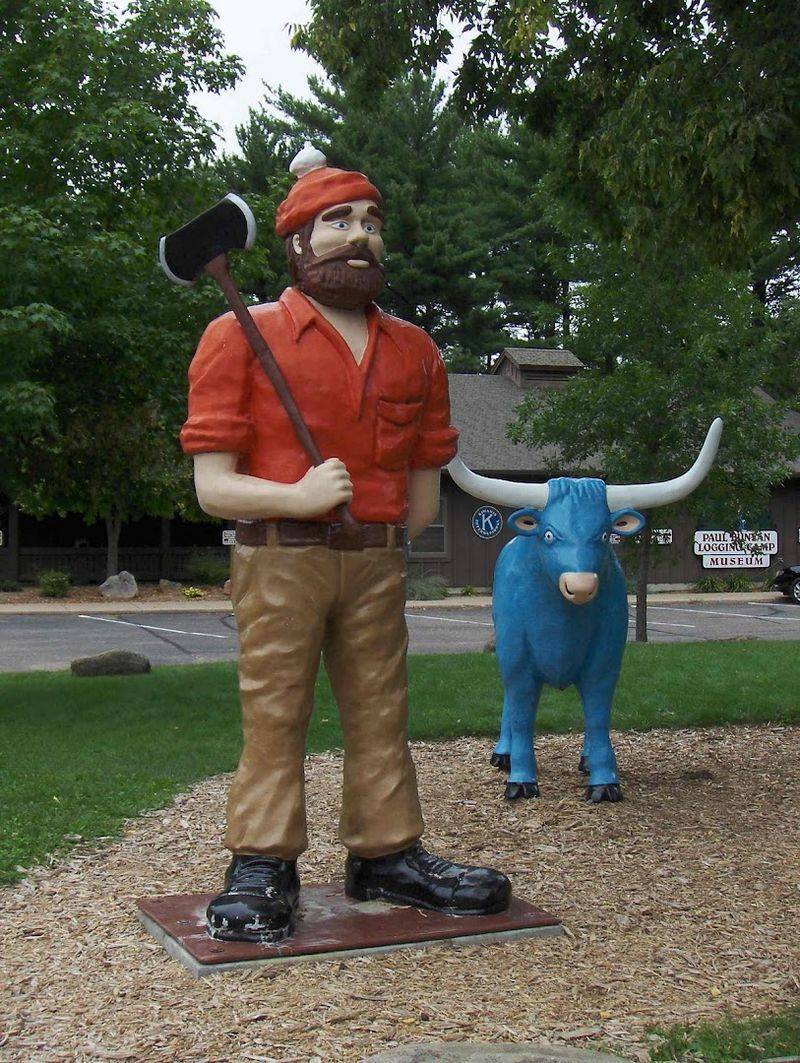
A 25-foot-tall Paul Bunyan statue welcomes visitors to Eau Claire, honoring the legendary lumberjack who supposedly roamed Wisconsin’s north woods with his blue ox companion. This fiberglass giant stands at the Paul Bunyan Logging Camp Museum, gripping an axe and surveying the landscape with the confident gaze of someone who could fell a thousand trees before breakfast.
His red plaid shirt and blue jeans capture the classic image of America’s favorite tall tale hero.
The statue was installed in the 1980s and has become a beloved photo opportunity for families visiting the area. Kids love standing next to Paul’s enormous boots, which tower over even the tallest adults.
The museum behind him offers exhibits about the real logging history of the Chippewa Valley, grounding the mythical figure in actual historical context.
Eau Claire sits in the heart of what was once prime logging territory, where real lumberjacks worked the rivers and forests during Wisconsin’s timber boom. The Paul Bunyan legend grew from these logging camps, where workers told increasingly exaggerated stories around campfires.
This statue celebrates that heritage while acknowledging the larger-than-life storytelling tradition that made Paul Bunyan a national icon.
The logging camp museum features authentic buildings, tools, and equipment from the 1800s, making this stop both educational and entertaining. You can learn about real logging practices while getting your picture with a fictional giant, creating a perfect blend of history and folklore that captures Wisconsin’s logging spirit.
8. The Hodag Statue (Rhinelander)
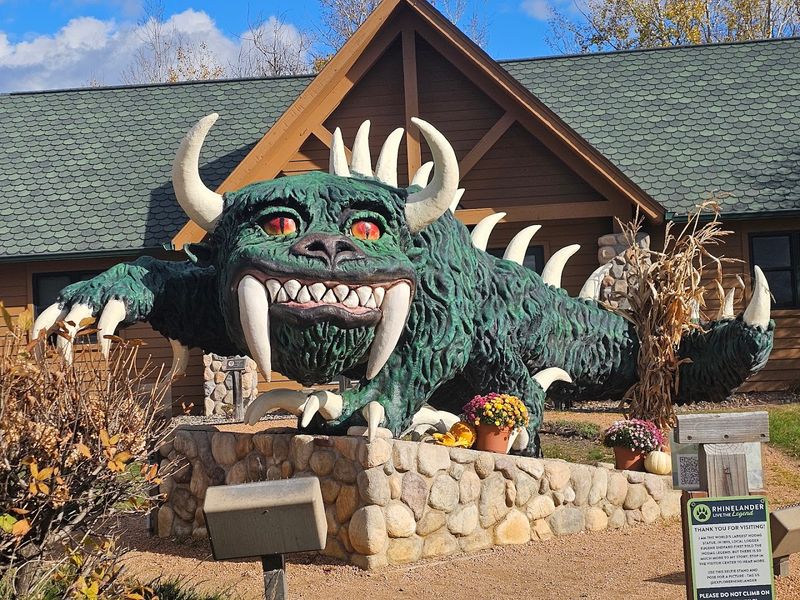
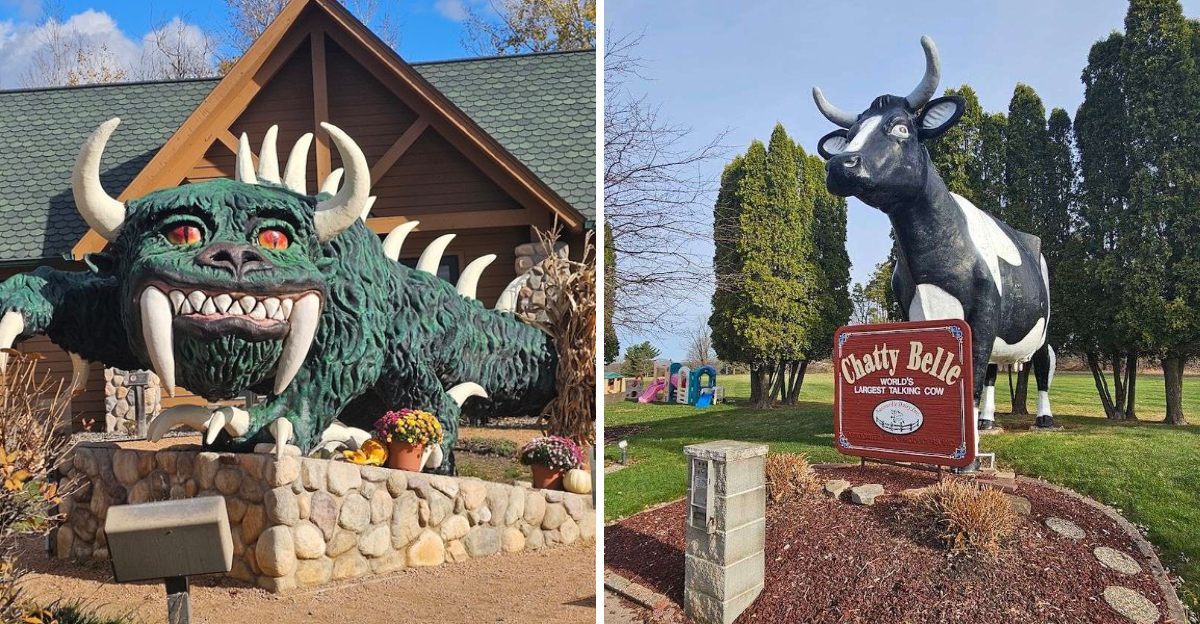
Rhinelander’s official mascot is a fearsome mythical beast called the Hodag, complete with horns, fangs, spikes running down its back, and a mean disposition. According to local legend created by timber cruiser Eugene Shepard in 1893, this creature terrorized the north woods until brave lumberjacks finally captured it.
Shepard’s elaborate hoax included a supposed photograph and even a captured specimen (actually made of wood and animal hides) that he toured around the region.
Though the original hoax was eventually exposed, Rhinelanders embraced their monster with enthusiasm that has never waned. Multiple Hodag statues appear throughout the city, with the most famous sitting near the Rhinelander Area Chamber of Commerce.
This particular Hodag strikes an intimidating pose, frozen mid-roar with claws extended and teeth bared.
The city hosts Hodag Country Festival every summer, and the local high school sports teams proudly call themselves the Hodags. You’ll find the creature on everything from business logos to city signs, making Rhinelander perhaps the only town in America where a completely made-up monster has become the defining symbol of community identity.
Kids get a kick out of the fierce appearance, while adults appreciate the humor and history behind this legendary beast. The Hodag represents Wisconsin’s love of tall tales and its refusal to take itself too seriously.
Stop by for a photo with this uniquely Wisconsin creation that proves sometimes the best traditions start with someone’s wild imagination and a community willing to play along.