
Reaching This Hidden Nevada Waterfall Takes A Desert Hike Most People Never Bother With
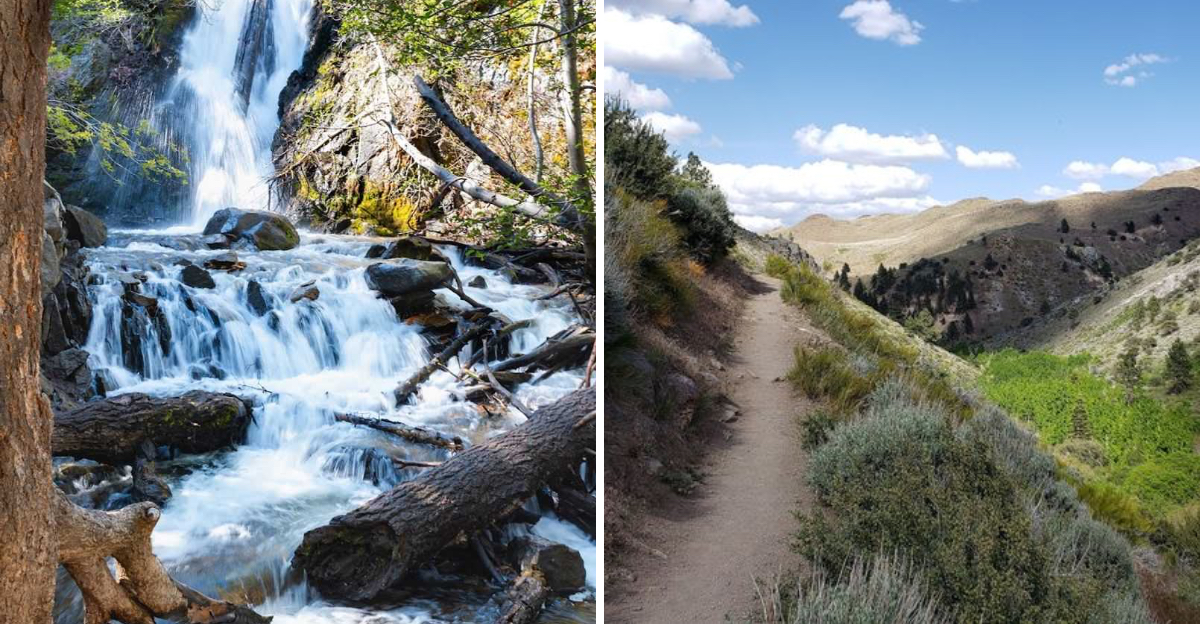
Most people drive right past this canyon without knowing what waits at the end of it. A waterfall sits deep in pine shade, and reaching it means earning it.
Nevada does not hand this one over easily. The trail opens with bare desert, sagebrush, and a sun that refuses to let up.
Wonder if the payoff is worth the sweat? Ask anyone who has stood at the base of the falls and felt the cold mist hit their face.
Creek crossings test your footing, and the canyon walls close in tighter with every step. Then the desert disappears into pine groves and cool green shade.
Wildlife moves quietly through the brush while the water keeps pulling you forward. This corner of Nevada rewards anyone willing to sweat for the view.
Your Starting Point At Michael D. Thompson Trailhead
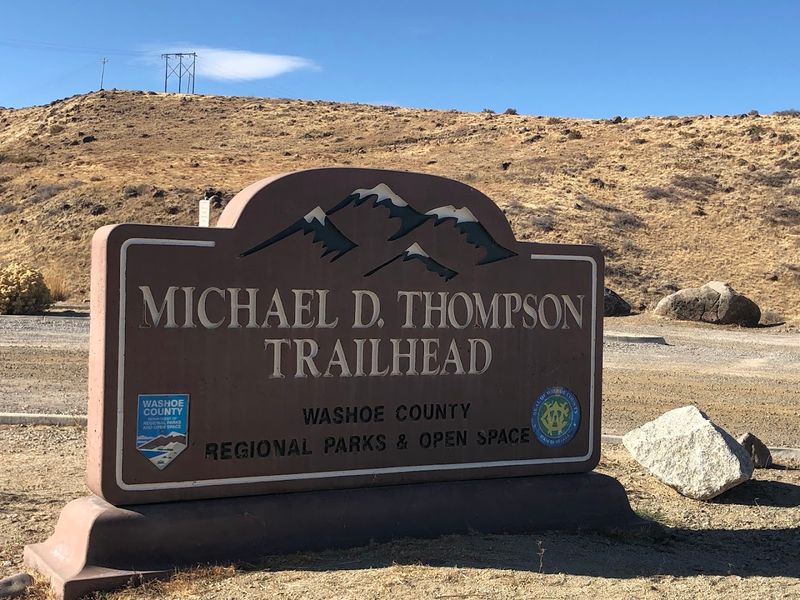
Before the trail earns your trust, the trailhead earns your confidence. It was dedicated in 2008 and serves as the official gateway into a quarter-mile section of county land before connecting to United States Forest Service territory.
The parking area is well-sized and handles a steady flow of weekend visitors without feeling chaotic. Pit toilets and drinking fountains are available on-site, so hikers can top off water bottles before heading out.
That convenience matters more than it sounds, especially on a trail where sun exposure starts almost immediately.
From the trailhead, the path transitions quickly from pavement to packed dirt and rock. The Mt.
Rose Wilderness is accessible from this same starting point, giving more adventurous hikers additional options. This spot in northern Nevada is genuinely one of the most practical and welcoming urban trailheads in the region.
The Michael D. Thompson Trailhead sits at the end of Woodchuck Circle, Reno, NV 89523, right on the western boundary of the city.
The Desert Opening Miles That Test Your Commitment
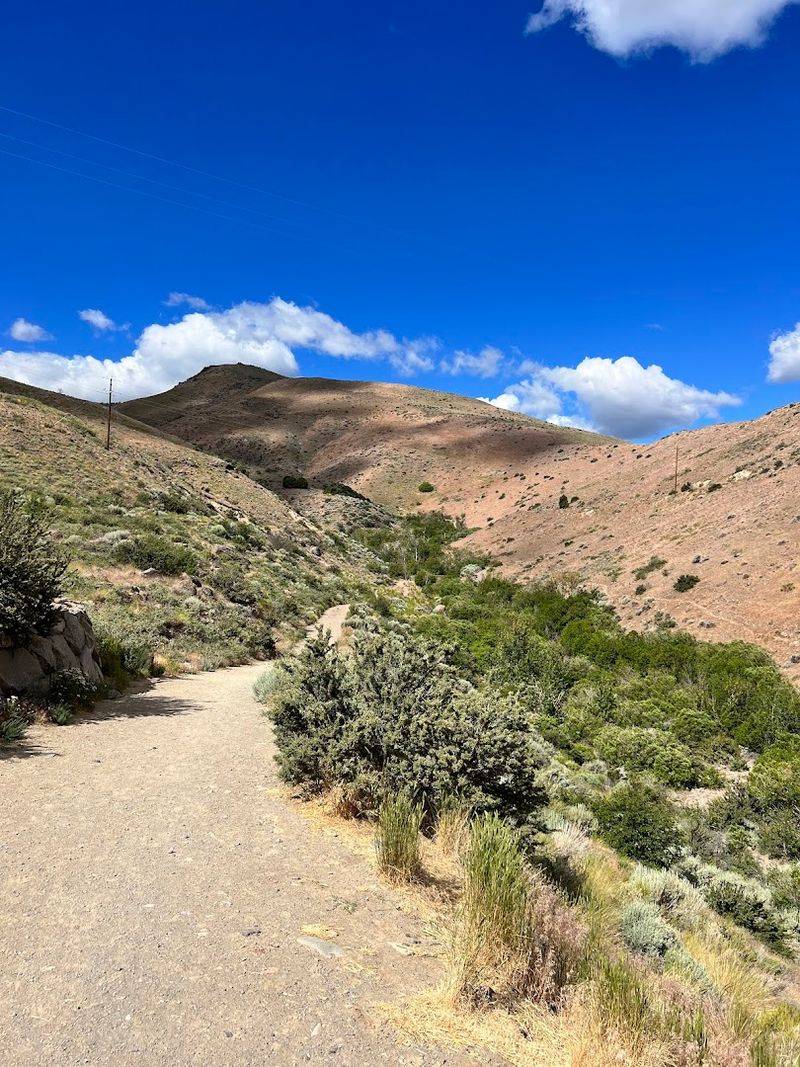
Right out of the gate, the trail makes no promises of shade. The first two miles of Hunter Creek Trail are almost entirely exposed to direct sunlight, cutting through classic high desert terrain where sagebrush and rabbitbrush rule the landscape.
The ground is rocky, the sky is wide open, and the sun is relentless.
This opening stretch is where some hikers quietly turn around. That is actually what keeps the rest of the trail so peaceful.
Those who push through the exposed section are rewarded with increasingly dramatic scenery as the canyon deepens around them.
In early summer, mule’s ear wildflowers burst into bright yellow clusters along the hillsides, adding unexpected color to an otherwise rugged scene. Desert peach also blooms in spring, softening the landscape considerably.
Sunscreen, a hat, and a solid water supply are non-negotiable here. Starting early in the morning keeps temperatures manageable and the trail noticeably less crowded.
Nevada mornings at this elevation carry a sharp, clean energy that afternoon heat simply cannot replicate.
Creek Crossings That Add Real Adventure
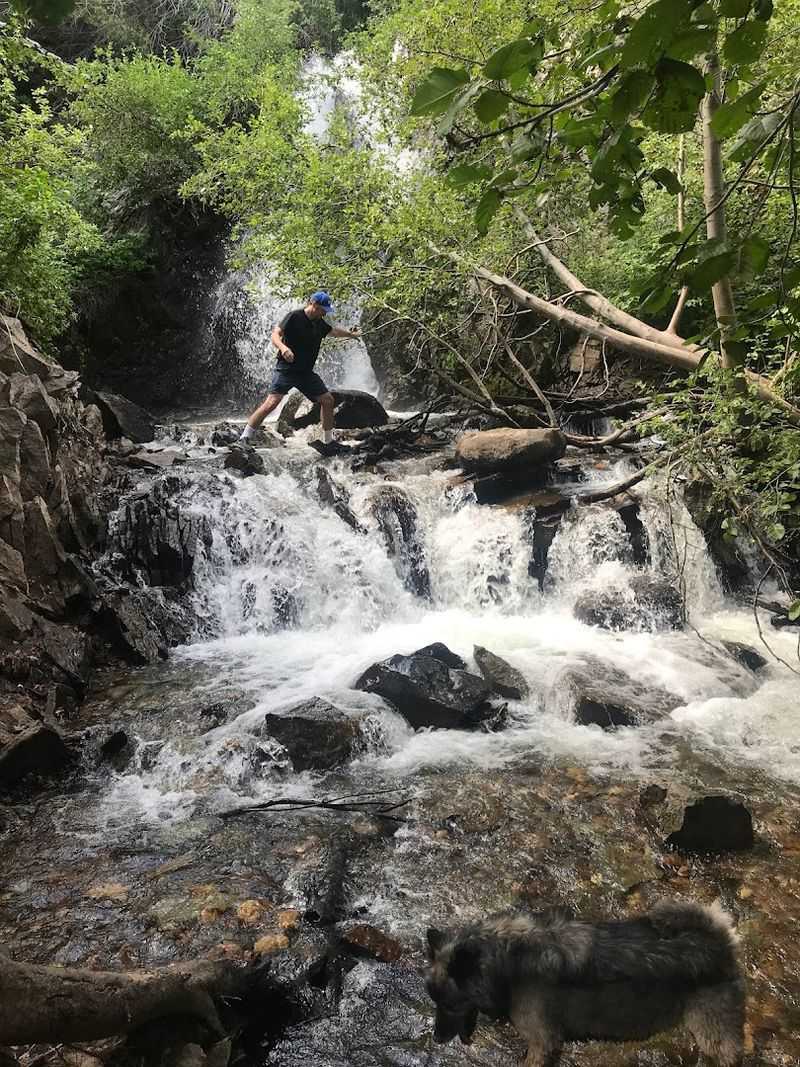
Hunter Creek does not just give the trail its name. It shows up repeatedly along the route, demanding attention.
Several creek crossings appear throughout the hike, ranging from shallow rock-hops to log bridges that require focus and steady footing. Wet logs can be genuinely slippery, so taking a moment to assess each crossing is always worth it.
In some spots, paracord has been strung between trees to help hikers balance while crossing. That small detail says a lot about how the local community looks after this trail.
An alternative entry point exists west of the Woodchuck Circle and Plateau Road intersection, where the Steamboat Ditch trail connects to Hunter Creek via a large metal bridge, making the first crossing straightforward.
The creek itself is cold, clear, and fed by snowmelt from higher elevations. Its sound becomes a constant companion as the canyon narrows.
Water moving over rocks creates a rhythm that pulls hikers forward almost unconsciously. This flowing soundtrack is one of the quiet pleasures of the trail that no trail map can fully communicate.
How The Landscape Transforms Around Mile Two
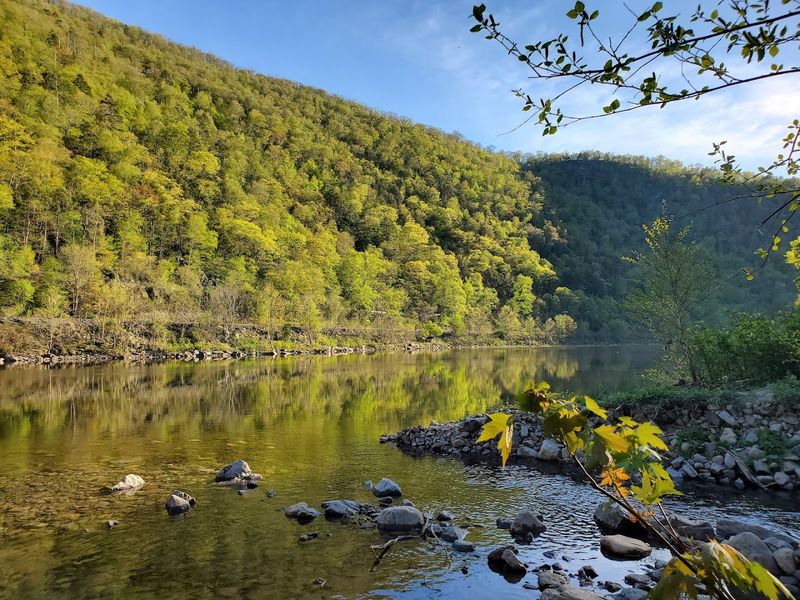
Something shifts around the two-mile mark that catches most hikers off guard. The arid scrubland quietly surrenders to a riparian zone thick with aspen, willow, and cottonwood trees.
The air feels cooler. The colors change from dusty gold and grey-green to deep, saturated greens.
This transition is one of the most satisfying moments on the entire hike. The contrast between the sun-hammered opening miles and this sudden lushness feels almost theatrical.
Leaves rustle overhead. The creek runs louder here, and the trail narrows between the trees.
Higher up, ponderosa pine groves take over, carpeting the ground with soft needles and filling the air with a faint resinous scent. Shade becomes reliable and generous.
Temperatures drop noticeably, offering real relief on warm days. Looking back from this section reveals sweeping views of Reno spread out below, with the broader Nevada valley stretching toward distant ridgelines.
That view alone justifies pausing for a few minutes before pressing on toward the falls.
The Wildlife Sharing The Trail With You
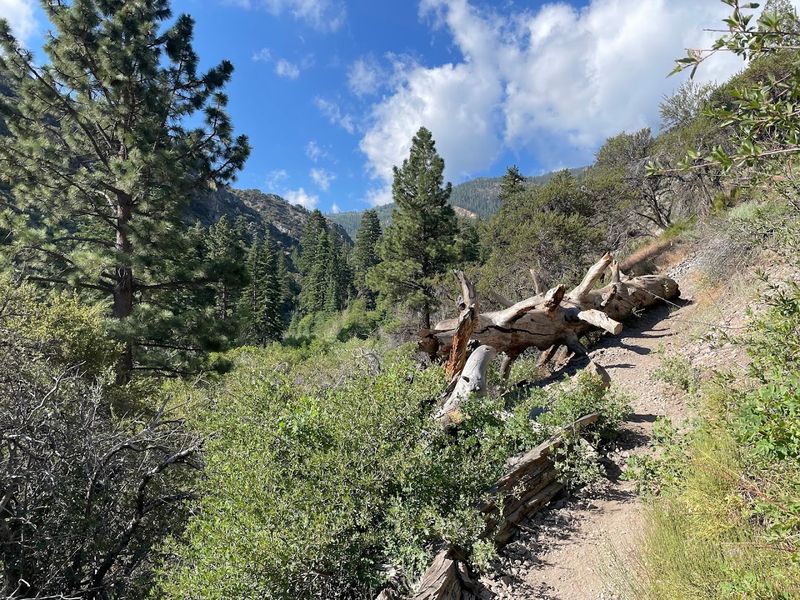
The trail is never really empty, even when no other hikers are in sight. Hunter Creek Trail passes through a layered ecosystem that supports a surprising variety of wildlife.
Lizards dart across sun-warmed boulders near the lower sections. Birds move through the brush constantly, though they are often heard before they are seen.
Higher up in the pine groves, the wildlife shifts. Squirrels and other small mammals rustle through the undergrowth with impressive speed.
The creek corridor attracts species that depend on flowing water, making it a particularly active zone for birdwatchers.
Mountain lions and black bears do inhabit this part of Nevada, though encounters are rare. Rattlesnakes are a more realistic summer concern, particularly on the sun-exposed lower trail where rocks retain heat.
Keeping dogs on a leash is required, not just recommended, and it protects both pets and the animals that call this canyon home. Awareness and calm attention make wildlife encounters interesting rather than alarming.
Hunter Creek Falls, The Reason For All Of It
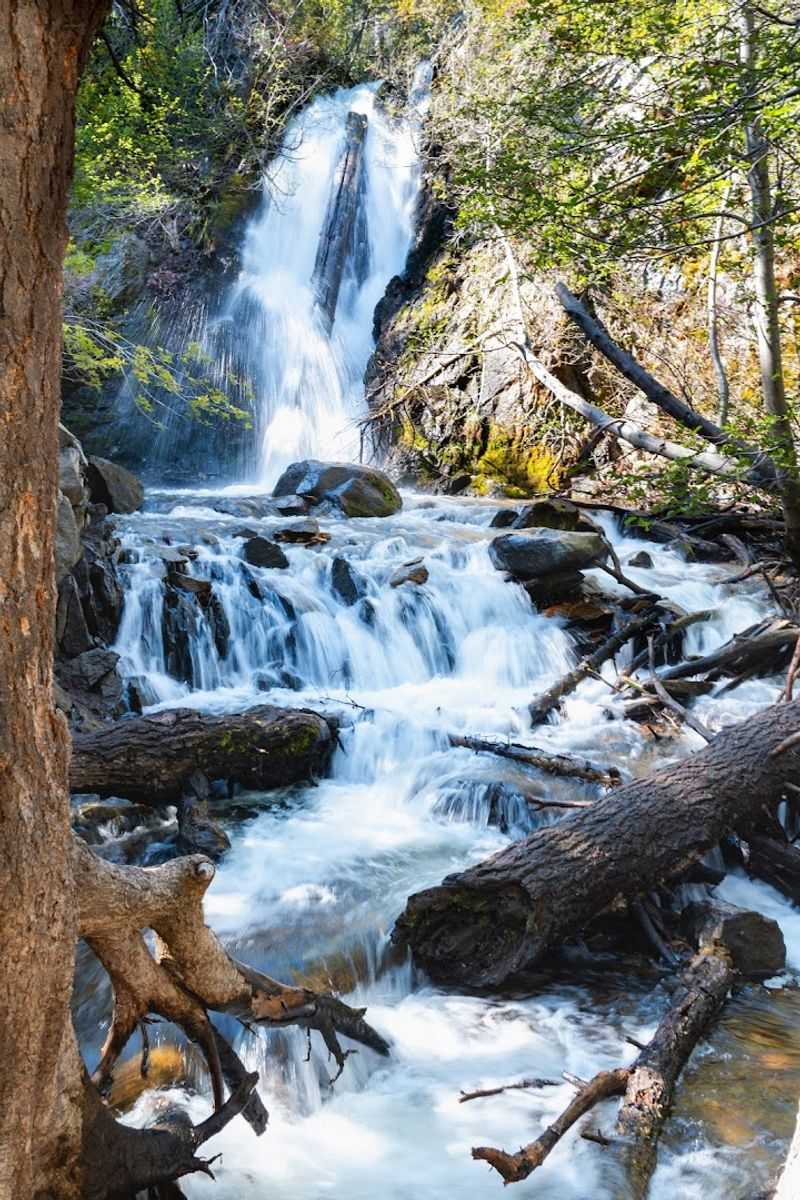
After miles of desert sun and rocky switchbacks, the falls announce themselves before they come into view. The sound builds as the trail enters the final shaded stretch, and then the water appears, dropping roughly 30 feet over tiered rock in a cascade that feels genuinely dramatic after the effort to reach it.
The waterfall flows strongest in spring and early summer when snowmelt is at its peak. Its double-tiered form creates two distinct curtains of white water that catch light differently depending on the time of day.
Large fallen logs near the base provide natural seating for hikers who want to rest and take it all in.
Photographers get the best unobstructed angle by crossing to the east side of the creek. The cold mist carries several feet from the base of the falls, offering immediate relief on warm days.
Many hikers eat lunch here before heading back. This is the turnaround point, but nobody seems in a hurry to leave once they arrive at this corner of Nevada wilderness.
The Best Seasons To Make The Trip
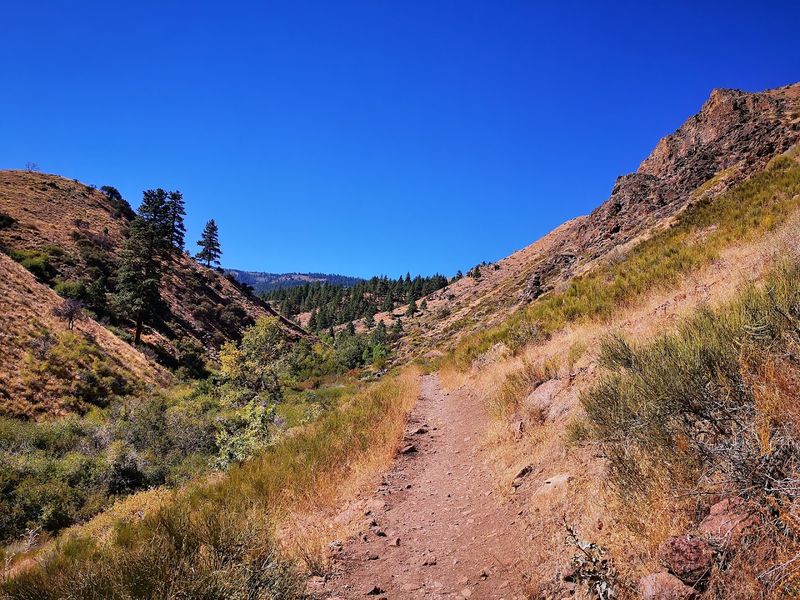
Timing a hike to Hunter Creek Falls makes a real difference in the experience. Spring and fall consistently deliver the most comfortable conditions.
Spring brings blooming desert peach and mule’s ear wildflowers along the lower trail, while snowmelt keeps the waterfall running with full force. Temperatures are mild and the light is clean and sharp.
Fall turns the riparian zone into a patchwork of red, orange, and yellow as the aspen and cottonwood leaves change. Morning temperatures drop pleasantly, and the crowds thin compared to summer weekends.
The canyon feels quieter and more intimate in autumn.
Summer hiking is possible but demands an early start. Temperatures in the exposed lower section can push well above 80 degrees Fahrenheit by mid-morning.
Starting before sunrise or right at dawn keeps conditions manageable and the trail largely to yourself. Winter visits offer a solitary, atmospheric experience, though ice and snow in the shaded upper sections require traction devices.
Nevada winters at this elevation are not always forgiving, so checking conditions beforehand is essential.
What To Pack For A Smart And Safe Hike
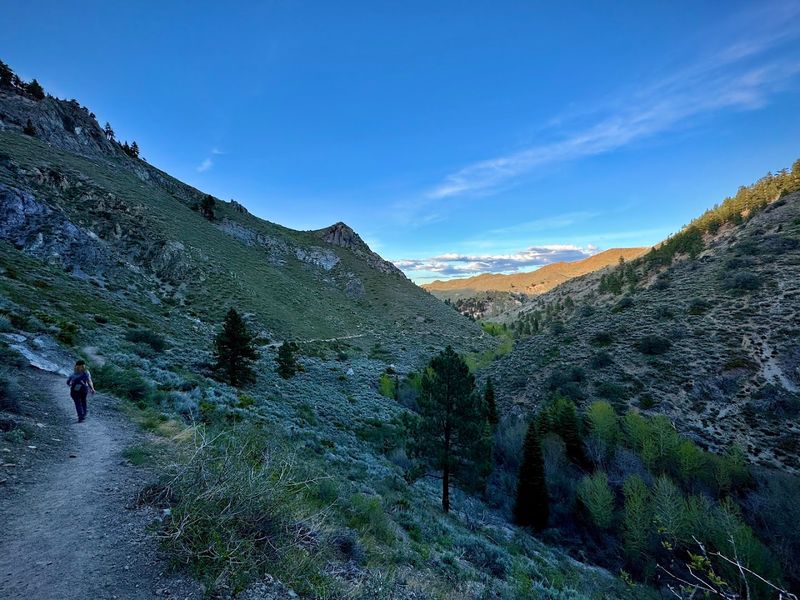
Packing light sounds appealing until the sun is overhead and the water bottle is empty. The exposed nature of Hunter Creek Trail makes hydration the single most important preparation.
Bringing more water than expected is always the right call, especially in warmer months when the elevation causes faster dehydration than most hikers anticipate.
Sturdy hiking boots with solid ankle support handle the rocky, uneven terrain far better than trail runners or casual sneakers. Sections of the trail are narrow with loose rock underfoot, and stable footing prevents small missteps from becoming bigger problems.
Trekking poles are helpful on the descent, which moves quickly downhill over the same rocky ground.
Sun protection is non-negotiable. A hat, sunglasses, and sunscreen cover the basics for the long exposed stretch.
A light snack or packed lunch adds to the experience at the falls, where the atmosphere invites lingering. Letting someone know the hiking plan before heading out is a simple safety habit worth keeping.
This trail in Nevada rewards preparation generously.
Trail Difficulty and What To Realistically Expect
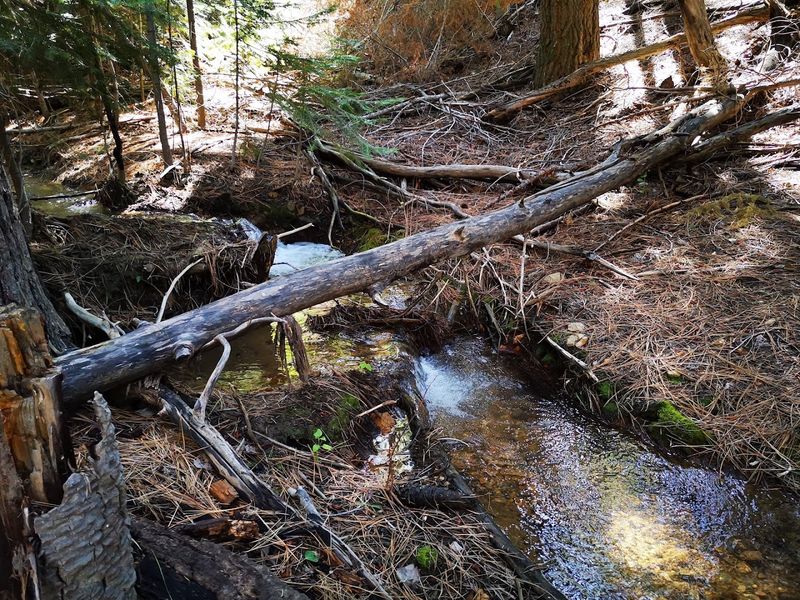
Hunter Creek Trail is listed as moderate, and that rating holds up fairly well for hikers with a reasonable fitness base. The round trip covers roughly six miles, with the bulk of the elevation gain happening in the first half of the outbound journey.
The trail climbs steadily rather than steeply, which makes the effort feel manageable even for those who are not regular hikers.
Narrow sections appear throughout, particularly in the upper canyon where the trail hugs the hillside above the creek. Passing other hikers heading the opposite direction requires stepping aside carefully.
Rocky and uneven footing is consistent across the entire route, so attention to foot placement matters from start to finish.
The return trip is noticeably easier. Heading downhill on a familiar path moves quickly and lets hikers enjoy views they may have missed on the way up.
Dogs are welcome but must remain leashed throughout. Kids with hiking experience can handle this trail, though the distance and sun exposure require honest assessment before bringing younger children along on a Nevada summer day.
Why This Trail Keeps Drawing People Back
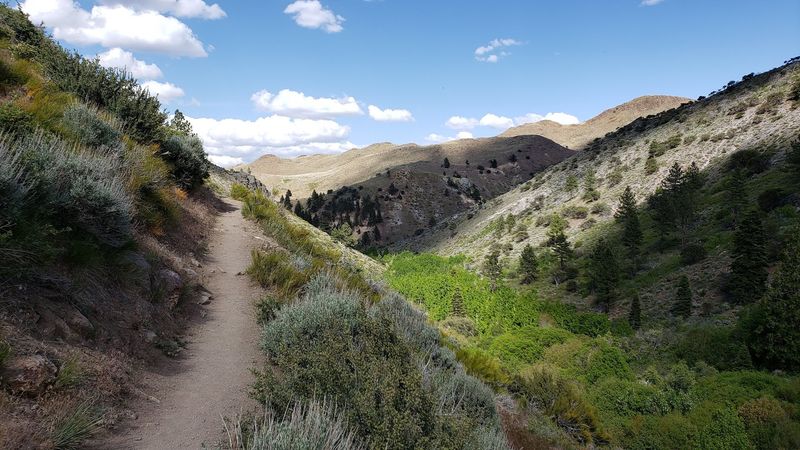
Repeat visitors to Hunter Creek Trail are not hard to find. The combination of accessibility, varied terrain, and a genuine payoff at the end creates a loop of motivation that brings people back season after season.
The trailhead sits close enough to Reno that an early morning hike fits easily into a regular schedule.
Community investment in the trail is visible. Maintenance efforts keep the path clear and well-marked, and invasive weeds are actively managed by groups who care about preserving the canyon environment.
That collective attention shows in how the trail feels compared to less-maintained routes in the region.
There is also something quietly compelling about a trail that starts in the city and ends at a waterfall tucked inside a pine-shaded canyon. That contrast never quite gets old.
Whether it is a first visit or a familiar Saturday routine, the trail delivers something different each time depending on the season and the light. Nevada has no shortage of scenic outdoor spaces, but few combine urban convenience with this level of natural reward so cleanly.