
The Underrated Rhode Island Cove Where Peaceful Waters Meet Untouched Beauty
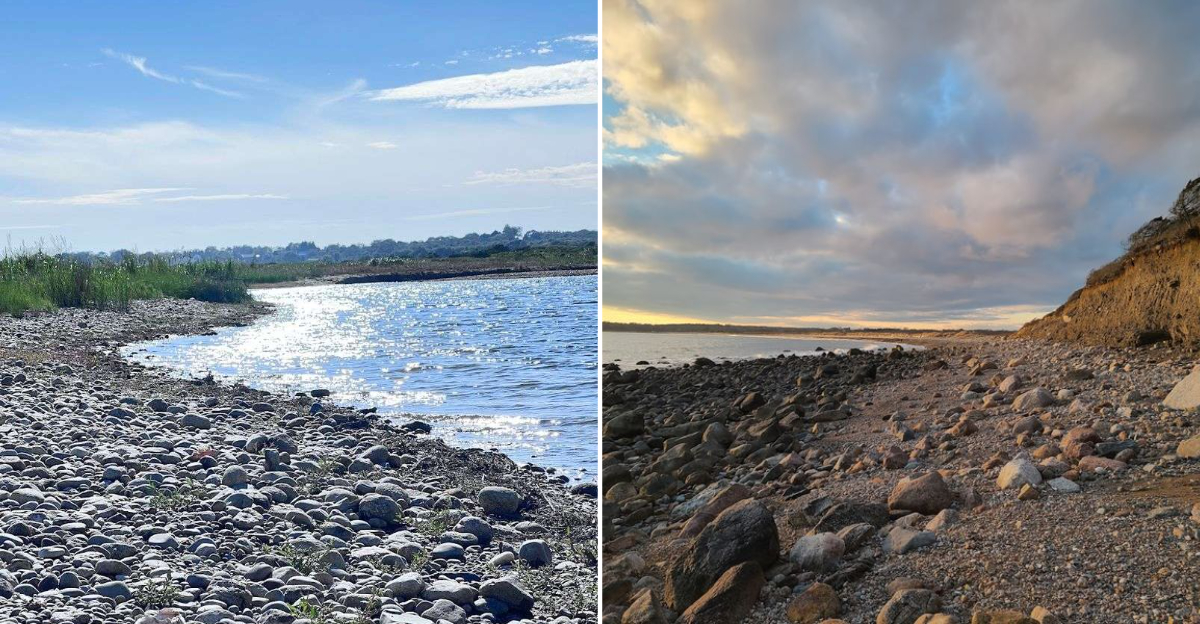
Peaceful water meeting untouched shoreline in a state this densely populated represents either a miracle or a well kept agreement among the people who found it first. This Rhode Island cove suggests the latter.
The water here moves without urgency past banks that development somehow never reached. That combination of stillness and preservation feels increasingly rare and increasingly valuable with every season that passes.
Kayakers, photographers, and anyone who needed somewhere genuinely quiet to do absolutely nothing have all arrived at the same conclusion. The cove delivers more than the approach suggested it would.
Untouched beauty surviving this close to everything requires a specific kind of collective protection. Rhode Island managed it here, and the cove continues doing what it has always done, entirely indifferent to how remarkable that has become.
Natural Flora And Fauna Unique To Coastal Rhode Island
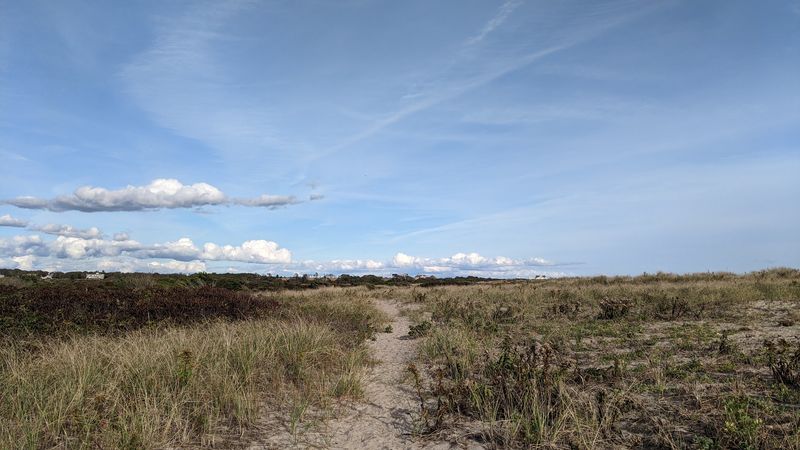
American beach grass rules the dunes here. It grows in thick, wind-swept clusters that look almost painted on the landscape.
Goldenrod and bayberry fill in the gaps between the grasses.
Beach roses bloom in pink and white along the sandy paths. Robust poison ivy patches are scattered throughout, so watch your step.
Evergreen junipers stand shaped by the sea breeze, their forms bent and twisted in interesting ways.
Quicksand Pond is the largest natural salt pond on Buzzards Bay. Storms occasionally break through the barrier beach, letting salt water rush into the pond.
That mix of fresh and salt water creates a layered ecosystem unlike most coastal spots.
Fish, amphibians, and river otters all call this place home. The diverse plant life feeds dozens of songbird species and butterflies through every season.
Butterflies float between the goldenrod while otters slip quietly through the pond below.
The whole system feels alive and connected. Every plant here seems to serve a purpose for the wildlife around it.
You can find Goosewing Beach Preserve at 140 S Shore Rd, Little Compton, RI 02837.
Seasonal Changes Affecting The Landscape And Wildlife
Fall at Goosewing is honestly a whole show. The dune fields turn golden right around September.
That timing lines up perfectly with the monarch butterfly migration passing through.
Thousands of tree swallows gather here before heading south. They feed heavily on bayberries to fuel their long journey.
Watching that many birds move in one flock is something you do not forget quickly.
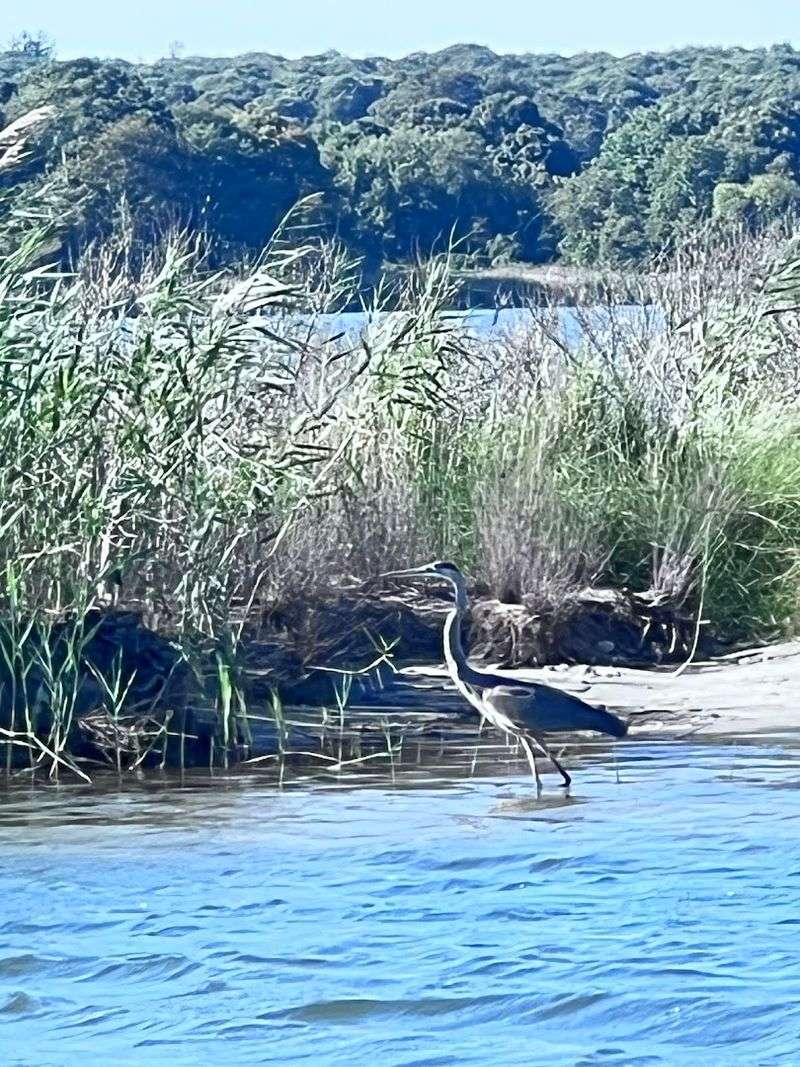
Summer brings ospreys diving into the ocean for fish. Herons and egrets wade through the shallow edges of Quicksand Pond.
The pond becomes a busy feeding ground on warm mornings.
Dogs are not allowed from April 1 through September 1. That rule exists to protect nesting birds during breeding season.
It keeps the preserve quieter and safer for vulnerable species.
In the fall, The Nature Conservancy and the Department of Environmental Management open Quicksand Pond to the sea. This gives juvenile river herring a route out to open water.
Winter storms can pile stones onto the beach, but sand slowly returns afterward. The landscape never stays the same for long here, and that constant change is part of what makes it worth visiting in every season.
Ideal Recreational Activities In Serene Coastal Environments
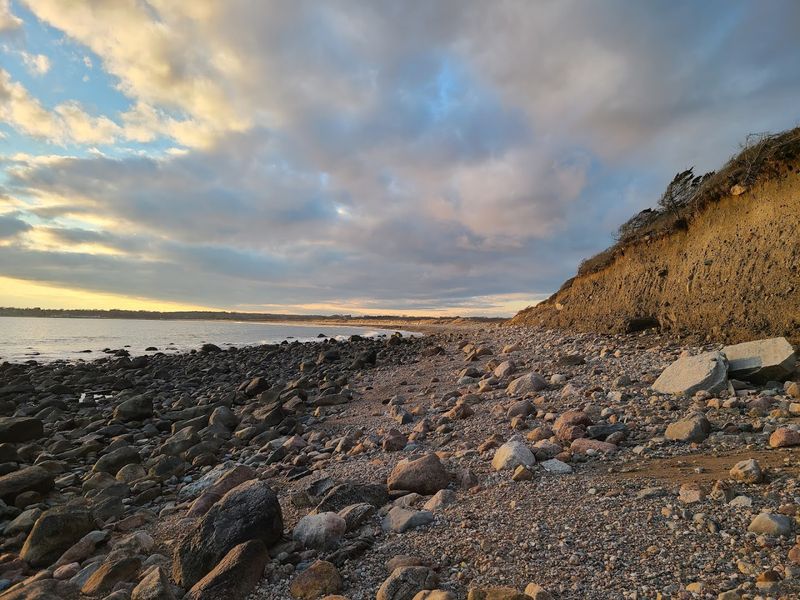
Swimming, beachcombing, and fishing are all fair game along the shoreline. The beach itself is a mix of sand and smooth stones.
Walking trails weave through dunes and run beside Quicksand Pond.
Birdwatching draws a lot of visitors who come specifically for the shorebirds. Nature photography is popular too, especially during golden hour when the light hits the dunes.
You can spend a full morning just watching ospreys and terns without running out of things to see.
The preserve is open year-round during daylight hours. That means even an off-season visit on a warm January afternoon works perfectly.
The beach stays quiet compared to most Rhode Island spots, even during summer weekends.
Sea glass hunting along the waterline is a low-key activity that keeps you entertained longer than expected. The Benjamin Family Environmental Center hosts seasonal nature walks for those who want a guided experience.
Trail walks through the dune landscape offer a different perspective than just sitting on the beach.
There are no concession stands or crowded pavilions here. Just open beach, calm water, and trails that let you move at your own pace.
The preserve is open from 7 AM to 7 PM daily, so plan your visit with enough daylight to explore the full shoreline.
Conservation Efforts Preserving Shoreline Ecosystems
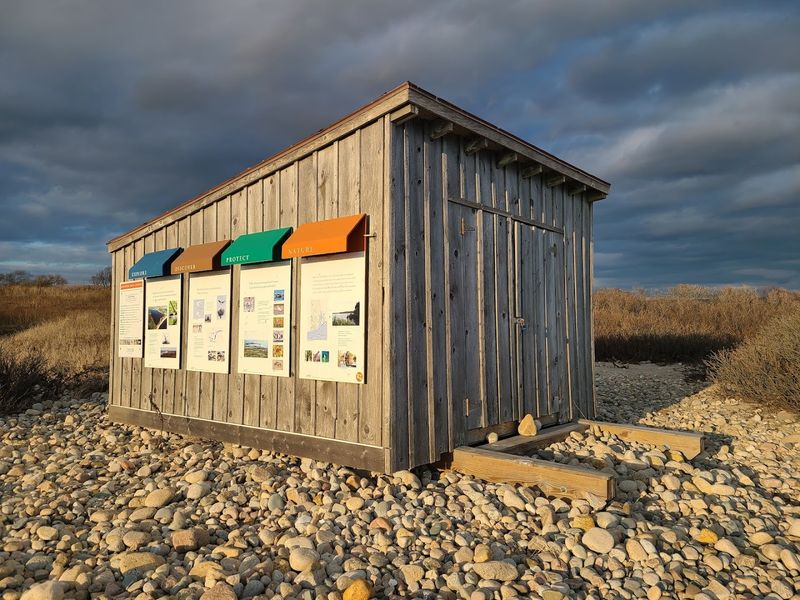
The Nature Conservancy has owned and managed Goosewing Beach Preserve since 1989. That is over three decades of active stewardship along this stretch of Rhode Island coastline.
Their work here goes far beyond just owning the land.
Piping plovers nest on this beach, and they are globally rare. Least terns also nest here, and they are listed as state-threatened in Rhode Island.
TNC staff actively monitor both species throughout the nesting season.
A Plover Warden and Preserve Manager are on site during nesting season. They mark nesting areas with signs and rope lines to keep visitors at a safe distance.
They also talk with beachgoers about why the protections matter.
Every fall, TNC and the Department of Environmental Management dig a trench to open Quicksand Pond to the sea. This helps juvenile river herring escape to open water before winter.
The Buzzards Bay Coalition monitors the pond’s health through their Baywatchers program.
The dog restriction from April 1 to September 1 is part of the conservation plan. Unleashed animals near nesting sites can destroy eggs and chicks quickly.
CNN once recognized the preserve as an eco-friendly beach destination, which speaks to how seriously the conservation work here is taken.
Photography Tips For Capturing Untouched Seaside Beauty
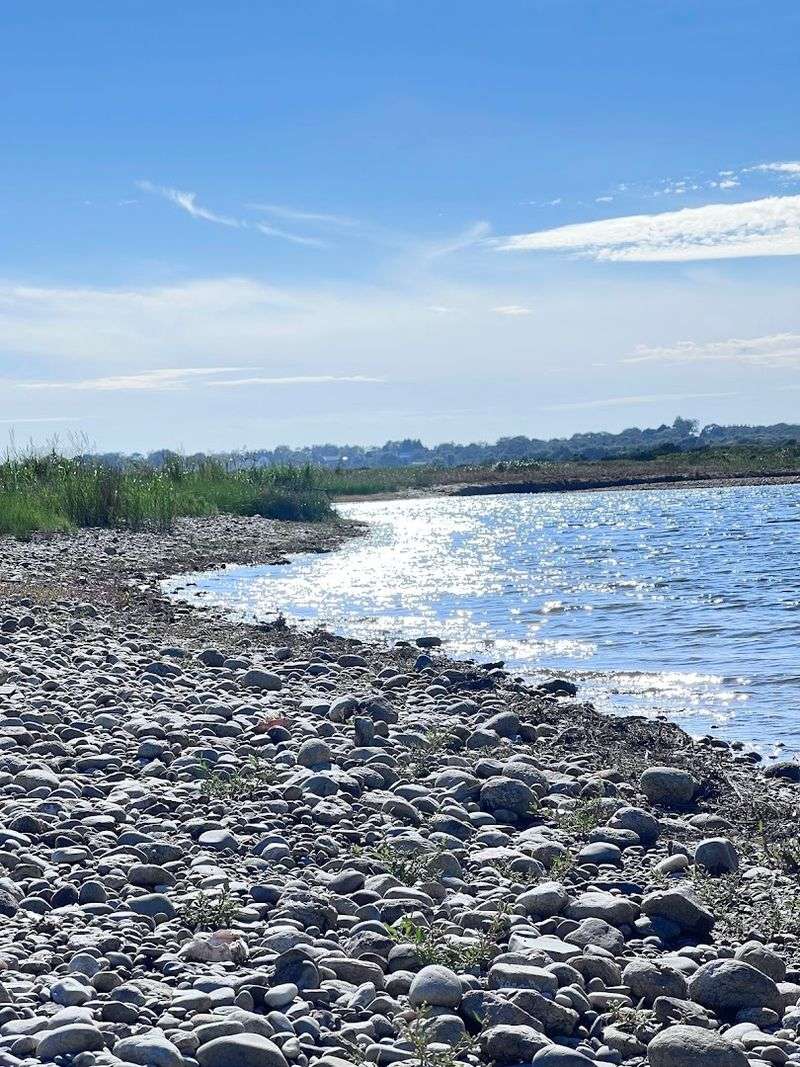
Golden hour at Goosewing is worth setting an alarm for. The low light hits the beach grass and dunes in a way that makes everything glow warm orange.
Arrive about thirty minutes before sunset for the best shots.
The dunes make a natural foreground for wide landscape photos. Layers of beach grass, sandy ridges, and open sky create depth in your frame.
Try shooting low to the ground to exaggerate the height of the dunes.
On clear days, you can see Cuttyhunk Island from the beach. Martha’s Vineyard is also visible in the distance on the best days.
Those distant land masses add a dramatic horizon line to coastal shots.
Bird photography is a real opportunity here. Terns diving into the water make for fast, dynamic shots.
Use a fast shutter speed, at least 1/1000th of a second, to freeze them mid-dive.
The mix of sand and stones along the waterline creates an interesting texture for close-up shots. Early morning visits mean softer light and fewer people in your frame.
The pond side of the preserve offers reflections of dune grass and sky that work beautifully for calm, mirror-like compositions. Bring a polarizing filter to cut glare off the water surface for cleaner, richer colors in every shot.
Local Bird Species Nesting In Undisturbed Habitats
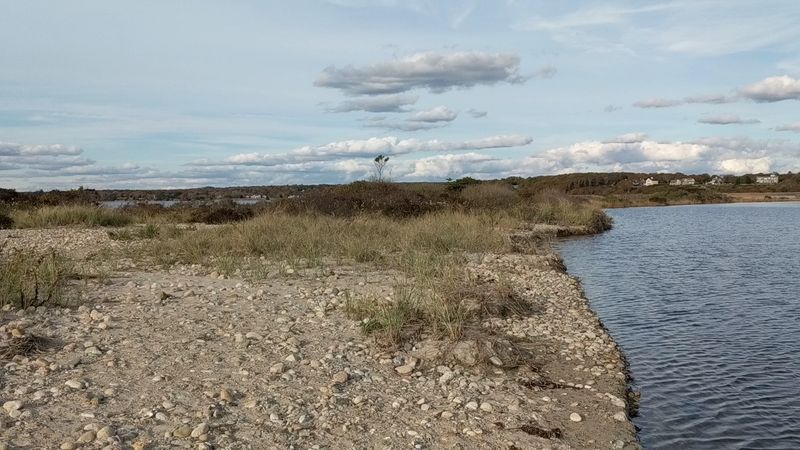
Piping plovers are one of the main reasons Goosewing gets so much conservation attention. These small shorebirds are globally rare and extremely sensitive to disturbance.
They nest directly on the sand, which makes them vulnerable to foot traffic and predators.
Least terns share the beach with the plovers during nesting season. They are state-threatened in Rhode Island.
Both species have made slow recoveries thanks largely to active management at places like this preserve.
Herons and egrets are regulars along the shallow edges of Quicksand Pond. They wade quietly and strike fast when fish get close.
Watching a great blue heron hunt in the early morning is genuinely impressive.
Thousands of tree swallows stage here every fall before migrating south. They swarm in coordinated flocks above the bayberry shrubs.
The sound and movement of that many birds in one place is hard to describe without sounding dramatic.
Dunlins and sanderlings pass through during migration, using the beach as a rest stop. Ospreys are a summer staple, regularly diving into the ocean just offshore.
The variety of species across different seasons means birdwatchers always have something new to look for, no matter when they visit Goosewing Beach Preserve.
Impact Of Tides On Coastal Geography And Wildlife
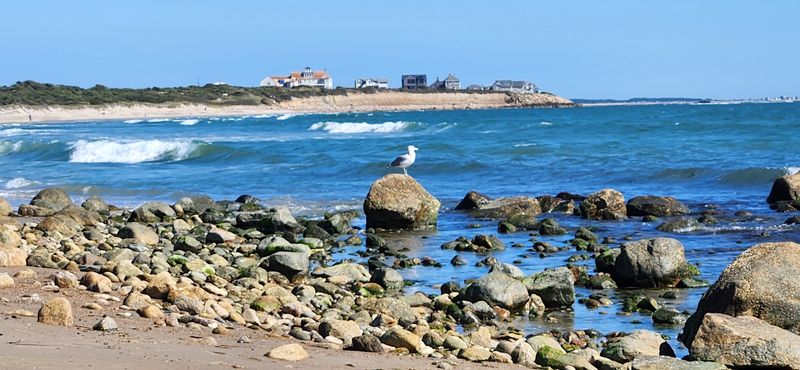
Quicksand Pond is the largest natural salt pond on Buzzards Bay. Its character changes depending on the season and the weather.
Storms periodically break through the barrier beach, letting ocean water surge into the pond.
That saltwater intrusion reshapes the ecosystem temporarily. Fish species that normally stay offshore can enter the pond.
Wildlife that depends on brackish conditions thrives during those periods.
Tidal activity exposes different parts of the foreshore every day. Some areas are underwater at high tide and completely dry by low tide.
That rhythm creates feeding opportunities for shorebirds and wading birds at predictable times.
Tidal currents move sediment constantly along the shoreline. Sand builds up in some areas and erodes in others over time.
Winter storms can pile stones onto the beach, but tidal action gradually moves sand back in afterward.
The draining and filling cycles of the tidal areas are essential for marine species. Juvenile river herring depend on the pond as a nursery.
Every fall, TNC and the Department of Environmental Management open the pond to the sea by digging a trench. That one action gives young herring their route to open water and keeps the ecological cycle running properly through the winter months.
Guidelines For Responsible Enjoyment Of Sensitive Natural Areas
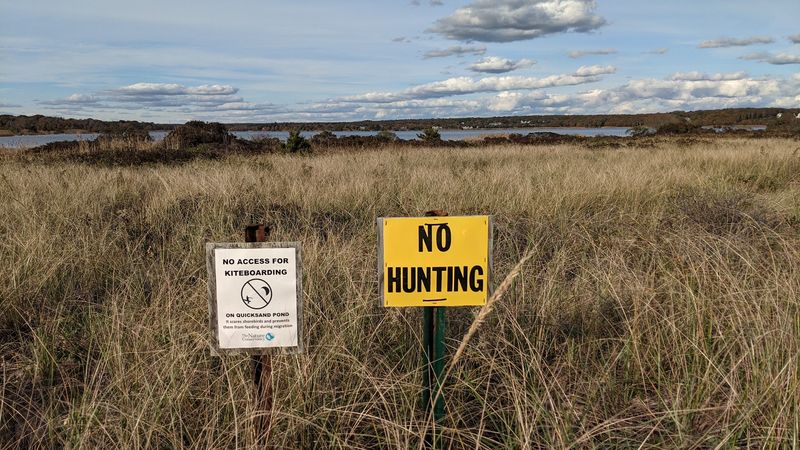
Stay on marked trails at all times. Nesting areas are roped off with signs, and those boundaries are not suggestions.
Walking through them can destroy eggs that are nearly invisible against the sand.
Dogs are not permitted from April 1 through September 1. That is not a soft guideline.
It is a firm rule designed to protect nesting shorebirds during their most vulnerable period.
Campfires and fireworks are completely off the table. Active beach sports like football or volleyball are not allowed either.
Windsports of any kind, including kites and drones, are prohibited because they disturb nesting birds from above.
Do not bury or leave any trash or food scraps on the beach. Leftover food attracts predators like crows and foxes.
Those animals will raid nests and prey on eggs and chicks if given the opportunity.
Fill in any holes or sand castle moats before you leave. Chicks can fall into those depressions and become trapped.
Respect private land by staying on the south side of Quicksand Pond and the beach area. Access to Goosewing Beach Preserve is by walking from South Shore Beach.
Portable toilets are available at South Shore Beach for visitors. Following these guidelines protects the preserve for every species that depends on it and for every future visitor who comes to enjoy it.