
10 Scenic Nevada Hikes That Are Under 5 Miles And Perfect For The Whole Family
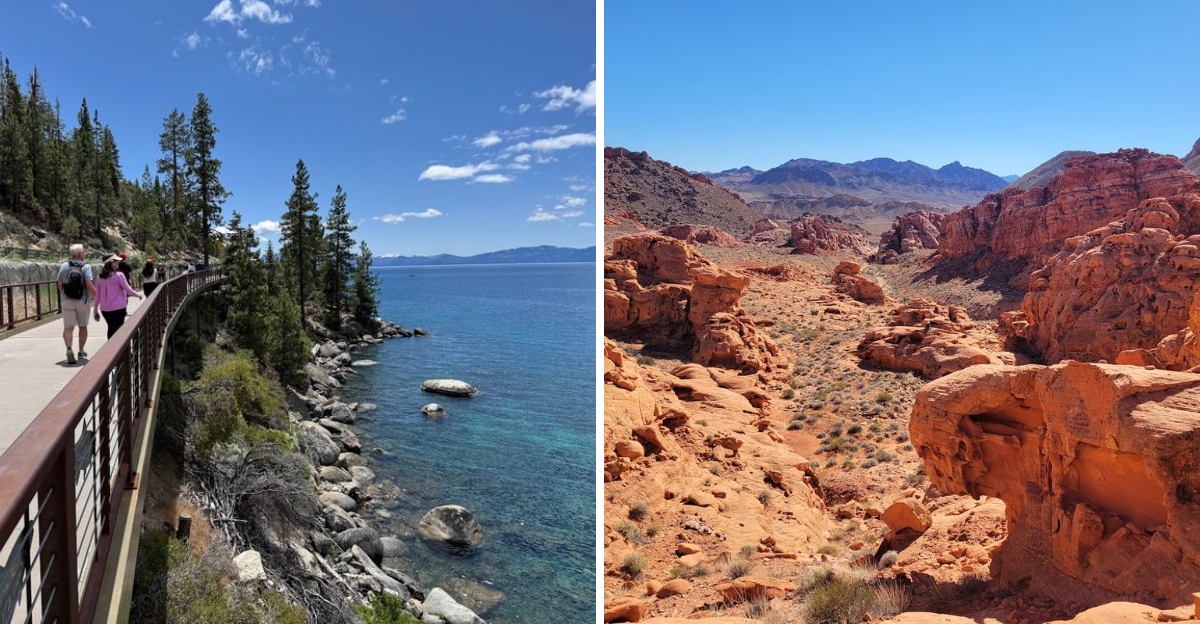
A good hike does not have to turn into an all-day survival mission. Nevada has plenty of trails where families can stretch their legs, see something beautiful, and still make it back before everyone gets cranky. That is the sweet spot.
Short paths can lead to red rock views, cool pockets of shade, sparkling water, or wide-open desert scenery that feels bigger than the mileage. Kids get room to wander. Beginners can relax instead of worrying about steep climbs or endless switchbacks.
Bring snacks, water, sunscreen, and shoes you do not mind getting dusty. These easy Nevada hikes prove a few miles can be more than enough for a day that feels fun, fresh, and completely worth it.
1. Calico Tanks Trail, Red Rock Canyon
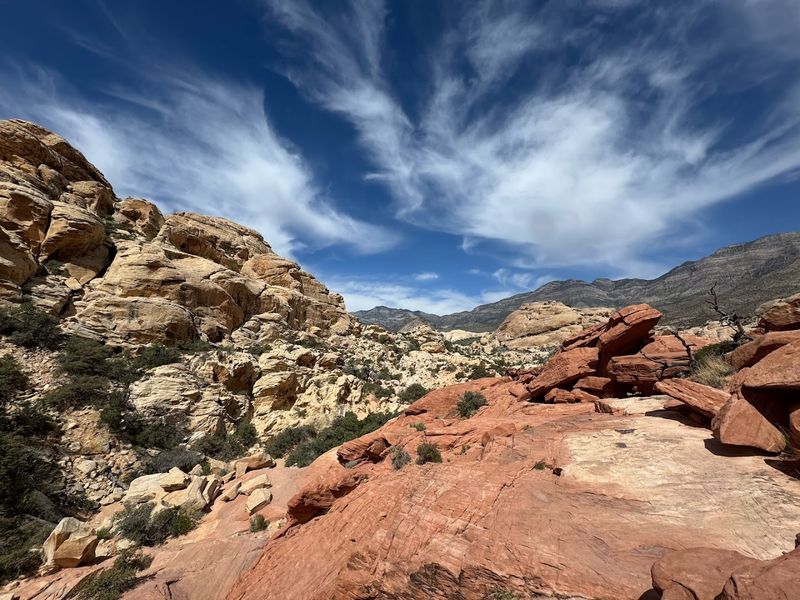
Red Rock Canyon sits just outside Las Vegas, but you’d never guess it from the wild beauty surrounding you on this trail. Calico Tanks delivers jaw-dropping views of striped sandstone cliffs that look like they’ve been painted by nature’s most creative artist.
The 2.5-mile round trip climbs about 400 feet, which sounds intimidating but actually breaks down into a moderate ascent that most kids handle surprisingly well.
What makes this hike special is the destination itself. You’ll reach natural water tanks carved into the rock over thousands of years, creating pools that reflect the sky and surrounding cliffs.
Bring plenty of water because Nevada sun doesn’t mess around, even in cooler months. The trail surface varies from packed sand to scrambling over smooth rock sections, so closed-toe shoes are absolutely necessary.
Early morning offers the best lighting for photos and cooler temperatures for comfortable hiking. You might spot bighorn sheep if you’re lucky, along with lizards darting across sun-warmed stones.
The panoramic view from the tanks stretches across the entire Las Vegas Valley, reminding you just how close wilderness sits to the city. Kids love the adventure-style scrambling near the end, making them feel like real explorers conquering new territory.
2. Fire Wave Trail, Valley Of Fire State Park
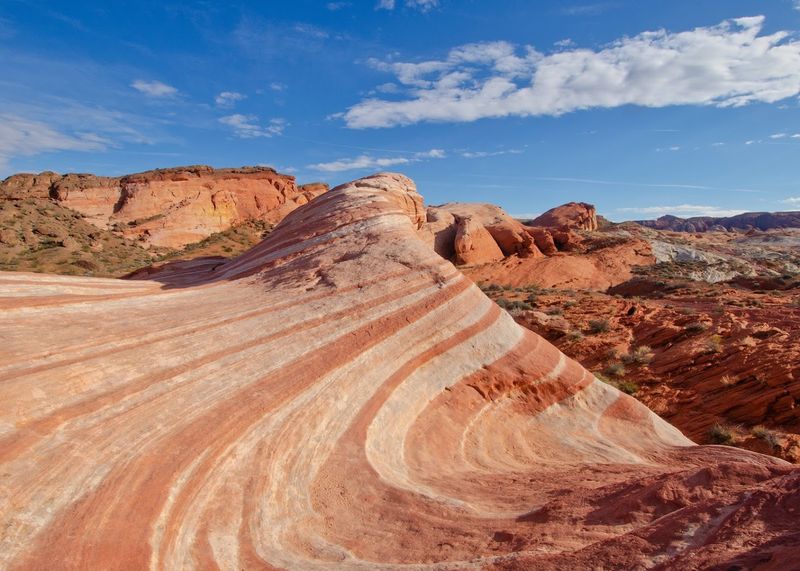
Imagine walking across frozen ocean waves made entirely of stone, striped in candy-colored bands of red, pink, orange, and cream. Fire Wave lives up to its dramatic name with rock formations that look like actual flames turned to stone mid-flicker.
This 1.5-mile loop trail ranks among Nevada’s most photographed spots, and once you see it in person, you’ll understand why everyone goes camera-crazy.
The hike itself stays relatively flat and easy, making it accessible for younger children who can walk the distance. You’ll follow cairns and white-dotted rocks marking the path across open desert terrain.
Valley of Fire gets scorching hot during summer months, so spring and fall provide the most comfortable hiking conditions. Winter works beautifully too, with crisp air and fewer crowds competing for that perfect Instagram shot.
Ancient Aztec sandstone creates these mesmerizing patterns through millions of years of wind and water erosion. The striped layers represent different mineral deposits laid down over geological time periods that boggle the mind.
Pack snacks and plan to spend extra time at Fire Wave itself, letting kids explore the undulating rock formations. The entire area feels like walking through an alien landscape, sparking imagination and wonder in visitors of all ages.
3. Rainbow Vista Trail, Valley Of Fire State Park
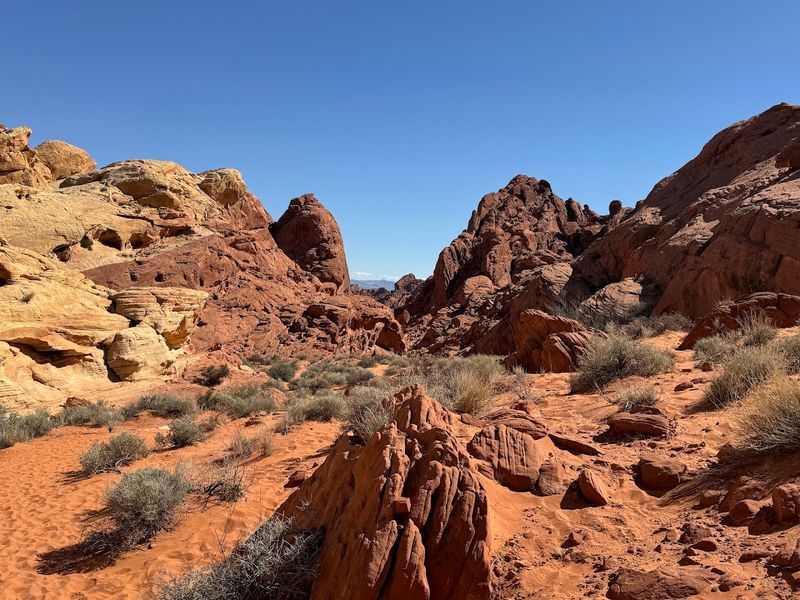
Rainbow Vista proves that Valley of Fire has more than one showstopper trail worth exploring. This 1-mile loop takes you through a kaleidoscope of colored rock formations that shift from deep crimson to soft lavender depending on the sunlight angle.
The trail name doesn’t exaggerate—you really do feel like you’re walking through a rainbow frozen in stone.
Starting from the visitor center area, the path winds gently through petrified sand dunes that formed roughly 150 million years ago. Kids find the textured rock surfaces endlessly fascinating, with patterns that look like dripping wax or folded fabric.
The elevation change stays minimal, making this an excellent choice for families with toddlers or grandparents who want to experience Valley of Fire’s beauty without strenuous climbing.
Interpretive signs along the route explain the geological forces that created these incredible formations. You’ll learn how iron oxide creates the red coloring while other minerals contribute purples, yellows, and whites.
Morning light brings out the most vibrant colors, though late afternoon creates dramatic shadows that add depth to photographs. Combine this trail with Fire Wave for a full morning of exploration, or save it for a quick sunset stroll.
The surrounding landscape changes constantly as clouds move overhead, creating an ever-shifting palette of desert hues.
4. Anniversary Narrows, Lake Mead National Recreation Area
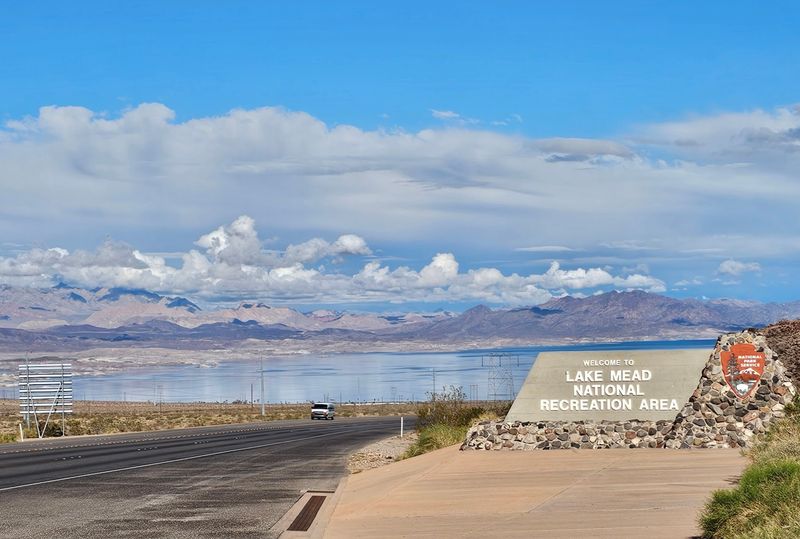
Slot canyons capture imaginations like few other natural features, and Anniversary Narrows delivers that experience without requiring technical climbing skills. Located in Lake Mead National Recreation Area, this 4-mile round trip adventure takes you through a genuine slot canyon with towering walls that sometimes narrow to just a few feet wide.
The sense of adventure here feels real and exciting without crossing into genuinely difficult territory.
You’ll park along Northshore Road and follow a wash that gradually deepens into the narrow canyon. Flash flood danger means you absolutely must check weather forecasts before attempting this hike—never enter slot canyons when rain threatens anywhere in the region.
On clear days, the experience becomes magical as sunlight filters down from above, creating dramatic light beams that photographers dream about capturing.
The sandy canyon floor makes for easy walking, though you might encounter a few small boulders to navigate around. Shade inside the narrows provides welcome relief from desert heat, keeping temperatures noticeably cooler than surrounding areas.
Kids love the enclosed feeling of the canyon walls rising overhead, creating a sense of discovery and exploration. The smooth, curved walls show water’s sculpting power over countless years.
Remember to bring headlamps just in case you’re still in the canyon as daylight fades, though most families complete this hike in two to three hours comfortably.
5. Bowl Of Fire, Lake Mead National Recreation Area
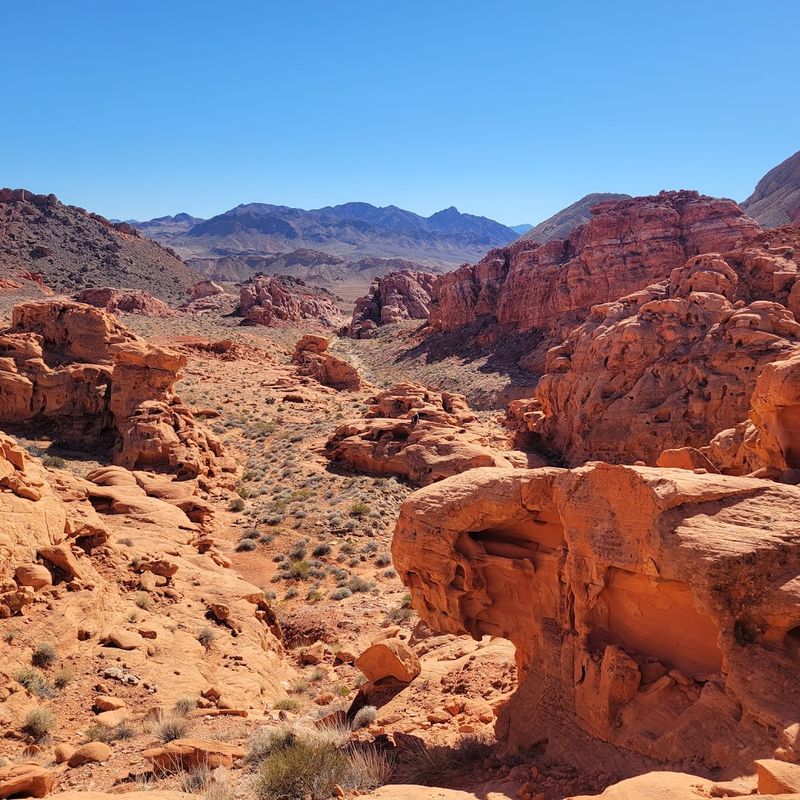
Bowl of Fire earned its name from the way its brilliant red sandstone formations seem to glow like actual flames under the right lighting conditions. This 2.5-mile loop trail showcases some of the most intensely colored rock formations in the entire Lake Mead area.
The trailhead sits along Northshore Road, making access straightforward once you know where to look for the unmarked parking area.
Unlike some desert hikes that follow obvious paths, Bowl of Fire requires a bit of route-finding as you navigate between towering red fins and formations. The lack of formal trail markings adds to the adventure feeling, though the route stays obvious enough that families won’t get seriously lost.
Elevation gain remains modest at around 300 feet, spread gradually across the distance.
Photography enthusiasts go absolutely wild here during golden hour when the already-red rocks seem to ignite with inner fire. The formations create natural amphitheaters and corridors perfect for exploration and hide-and-seek games that kids adore.
Spring wildflowers occasionally carpet the area between rock formations, adding splashes of yellow and purple to the dominant red palette. Bring extra water since shade stays scarce along most of the route.
The solitude here often surprises visitors—Bowl of Fire sees far fewer hikers than more famous Valley of Fire trails, giving your family a more private wilderness experience.
6. Stella Lake Trail, Great Basin National Park
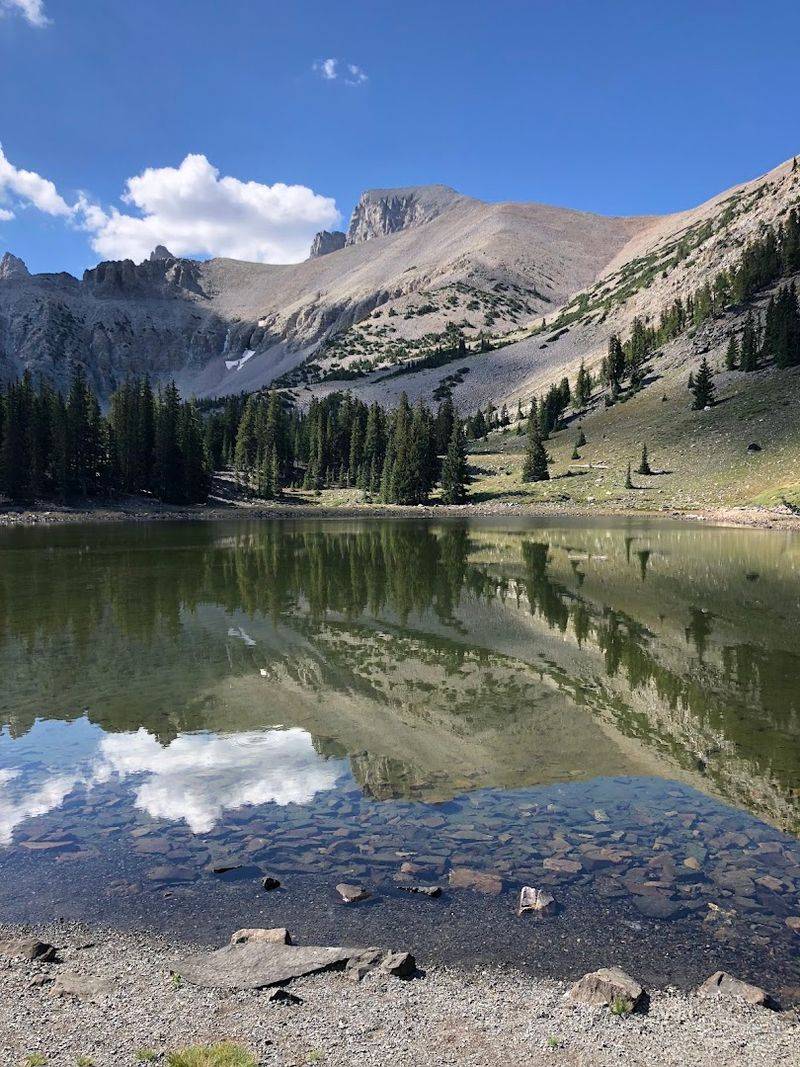
Great Basin National Park offers something completely different from Nevada’s desert landscapes. Stella Lake Trail sits at over 10,000 feet elevation, surrounded by ancient bristlecone pines and alpine scenery that feels more like Colorado than Nevada.
The 0.9-mile loop around this pristine mountain lake provides stunning views with minimal effort, making it perfect for families adjusting to higher elevations.
You’ll start from the Wheeler Peak Scenic Drive, which winds up to one of Nevada’s highest drivable points. The trail itself stays relatively flat, circling the lake through forests of limber pine and Engelmann spruce.
Wildflowers bloom spectacularly in July and August, painting meadows with vibrant colors. The lake’s crystal-clear water reflects surrounding peaks, creating postcard-perfect scenes from every angle.
Cooler temperatures at this elevation mean you’ll want layers even during summer months. Snow typically blocks the access road until late June, so plan visits between July and October for best results.
Kids enjoy spotting the small fish swimming in the lake’s clear waters and searching for interesting pine cones along the trail. The thin air at this altitude might leave you breathing harder than expected, so take your time and enjoy frequent rest stops.
Combine this short hike with a visit to Lehman Caves or the bristlecone pine grove for a full day of Great Basin exploration.
7. Tahoe East Shore Trail, Lake Tahoe, Incline Village
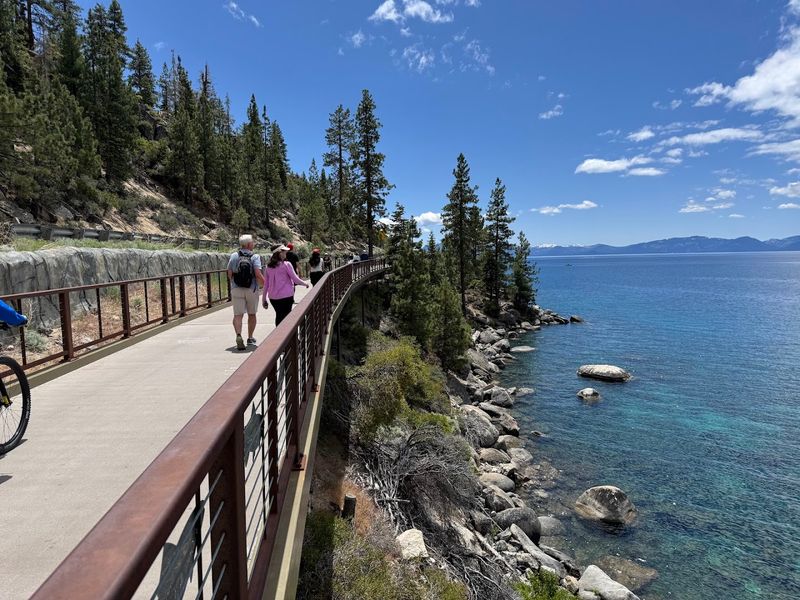
Lake Tahoe’s famous azure waters provide the backdrop for this spectacular paved trail that hugs the eastern shoreline. Running about 3 miles one-way between Incline Village and Sand Harbor, the Tahoe East Shore Trail offers families an accessible way to experience Tahoe’s stunning beauty without steep climbs or rough terrain.
The paved surface accommodates strollers, wheelchairs, and bikes, making it genuinely inclusive for all ability levels.
Construction of this trail opened up previously inaccessible shoreline, giving the public views that were once limited to private property owners. You’ll walk right along the water’s edge in many sections, with massive granite boulders tumbling down to meet the impossibly blue lake.
Pine trees frame views across the water to snow-capped peaks on the western shore. Several small beaches along the route provide perfect spots for picnic breaks or letting kids wade in the chilly water.
Summer weekends bring crowds, but weekday mornings offer more peaceful experiences. The trail stays open year-round when snow doesn’t block access, with winter visits providing serene, often solitary lake views.
Interpretive signs explain Tahoe’s unique ecology and the importance of protecting this remarkably clear alpine lake. You can hike as much or as little as you want, turning around whenever your family feels ready.
The gentle grade and smooth surface make this an excellent choice for very young children or anyone preferring easier terrain.
8. Marlette Lake Trail, Lake Tahoe Basin
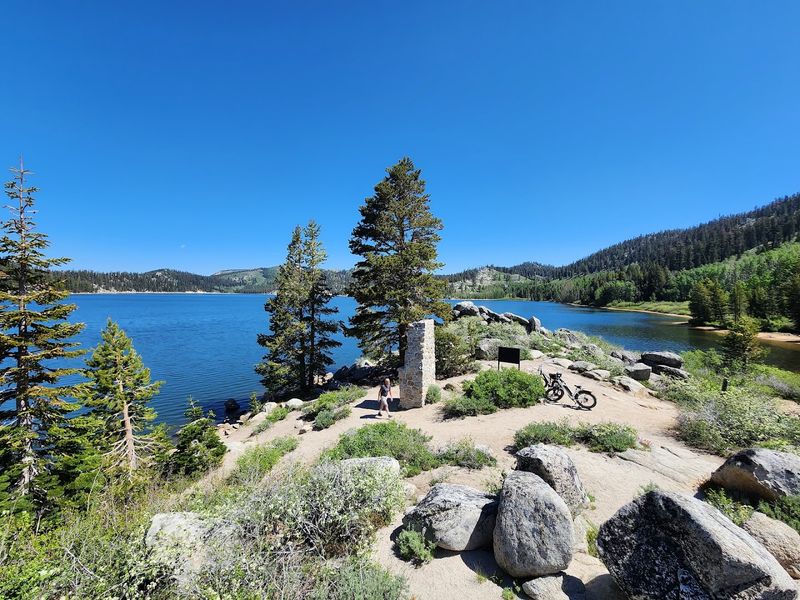
Marlette Lake sits hidden in the mountains above Lake Tahoe, offering a rewarding destination that feels worlds away from the busy lakeshore below. The 4.6-mile round trip hike from Spooner Summit provides steady climbing through forests of Jeffrey pine and white fir, gaining about 600 feet elevation.
The effort pays off with a pristine alpine lake that remains remarkably uncrowded compared to Tahoe’s more accessible areas.
You’ll follow an old water flume route for part of the journey, adding historical interest to natural beauty. The trail surface stays well-maintained and easy to follow, though the length and elevation gain make this better suited for families with older children who can handle longer distances.
Bring fishing poles if your family enjoys angling—Marlette Lake contains healthy populations of cutthroat trout.
The lake itself stretches across a mountain valley, surrounded by forested slopes that turn golden in autumn. Rocky shores provide spots for lunch breaks and lake gazing.
Mountain bikers share this trail, so stay alert and teach kids to step aside when bikes approach. Snow typically closes the trail from November through May, making summer and early fall the prime seasons for visiting.
The return hike goes downhill, which tired legs always appreciate. Pack extra snacks and water since this longer hike burns more energy than shorter family outings.
9. Hunter Creek Trail, Reno
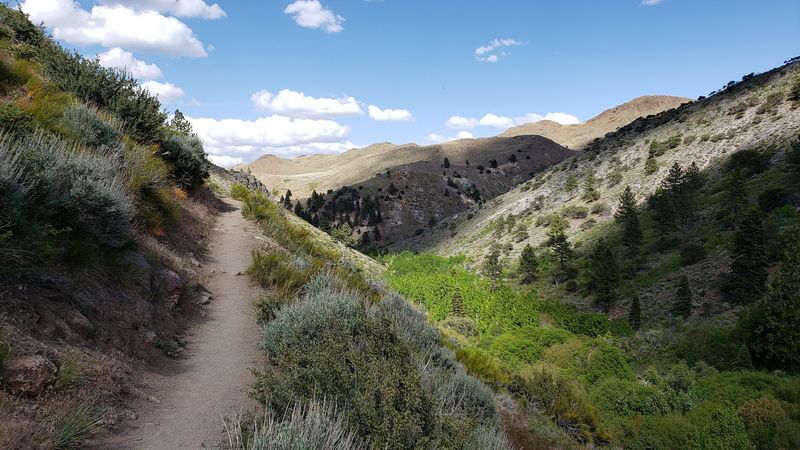
Finding genuine wilderness minutes from downtown Reno sounds too good to be true, but Hunter Creek Trail delivers exactly that experience. This 4.8-mile round trip follows a year-round creek through a beautiful canyon on Reno’s western edge.
The trailhead sits in a residential neighborhood, yet within minutes you’ll feel transported to a different world of flowing water, shade trees, and rocky canyon walls.
The trail parallels Hunter Creek for its entire length, providing soothing water sounds and occasional opportunities for kids to splash in shallow pools. Elevation gain stays gradual at around 1,000 feet, spread across the distance in a manageable climb.
Cottonwood and willow trees create shaded sections that offer relief during hot summer days, though spring and fall provide the most comfortable temperatures for this hike.
You’ll cross the creek multiple times via rocks and small bridges, adding adventure elements that children find exciting. The turnaround point at Hunter Creek Falls creates a worthy destination, though the waterfall flows most impressively during spring snowmelt.
Local Reno families use this trail year-round, making it a community favorite that sees steady traffic. The proximity to town means you can easily fit this hike into a morning or afternoon without dedicating an entire day to driving and exploring.
Wildlife sightings might include deer, various bird species, and occasionally even black bears, though the latter remain rare and generally avoid human contact.
10. Winnemucca Lake Trail, Humboldt-Toiyabe National Forest
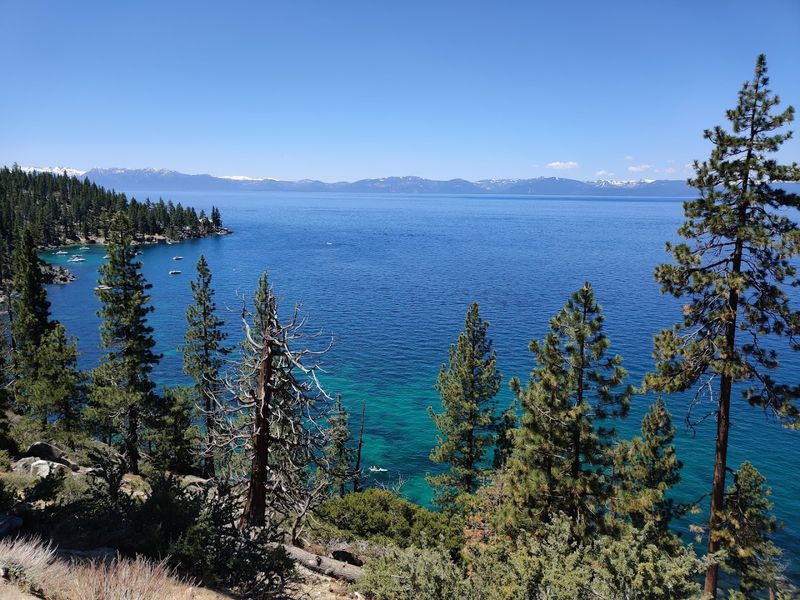
Winnemucca Lake sits high in the Sierra Nevada within Humboldt-Toiyabe National Forest, offering one of Nevada’s most spectacular alpine hiking experiences. The 3-mile round trip from the trailhead climbs through wildflower meadows that explode with color during July and August.
Starting at already-high elevation means the 500-foot climb feels manageable despite the thin mountain air.
You’ll begin near Woods Lake, following a well-marked trail that switchbacks up through forest before emerging into open meadows. The views expand with each upward step, revealing distant peaks and valleys.
Wildflowers create a living carpet during peak season—lupine, Indian paintbrush, mule ears, and countless other species painting the landscape in purples, reds, and yellows. Kids enjoy identifying different flower types and watching for marmots that whistle warnings from rocky outcrops.
Winnemucca Lake itself sits in a stunning cirque basin surrounded by granite peaks. The deep blue water invites wading, though temperatures stay bracingly cold even in summer.
Rocky shores provide perfect lunch spots with million-dollar views. This trail requires driving on dirt roads to reach the trailhead, so check conditions and vehicle requirements before attempting the journey.
The remoteness means fewer crowds and a more peaceful wilderness experience. Snow blocks access until July most years, with the season running through October before winter returns to these high elevations.