
11 Tennessee Day Trips Under Two Hours From Nashville Where You Can Park Once And Explore On Foot
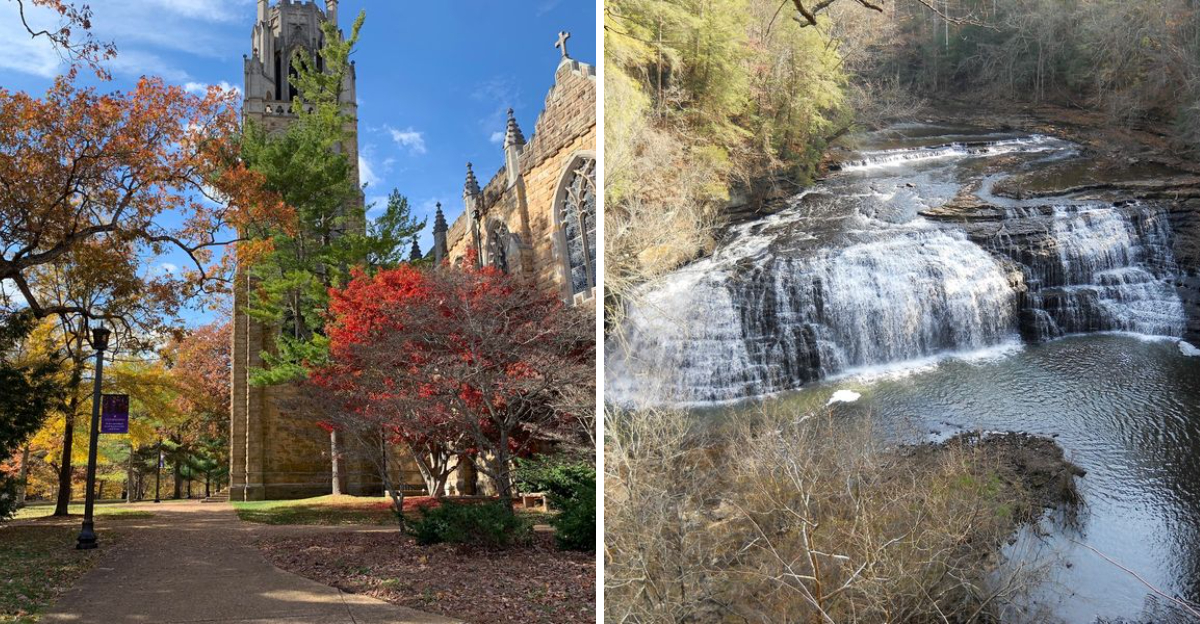
A great day trip gets even better when the car can stay parked for most of it. Near Nashville, several Tennessee destinations are built for wandering at an easy pace.
Historic streets, museums, trails, caves, old buildings, shops, and scenic spots sit close enough together to keep the day moving without constant driving. After parking, the focus shifts to walking, looking around, and enjoying everything at street level.
The variety keeps each outing fresh. You might spend the morning exploring a historic district, follow a wooded trail in the afternoon, or walk through a place shaped by centuries of history.
There is plenty to see without turning the day into a long drive.
Best of all, every destination stays under two hours from Nashville. That leaves more time for exploring and less time watching mile markers pass by.
1. Historic Downtown Franklin (Franklin)
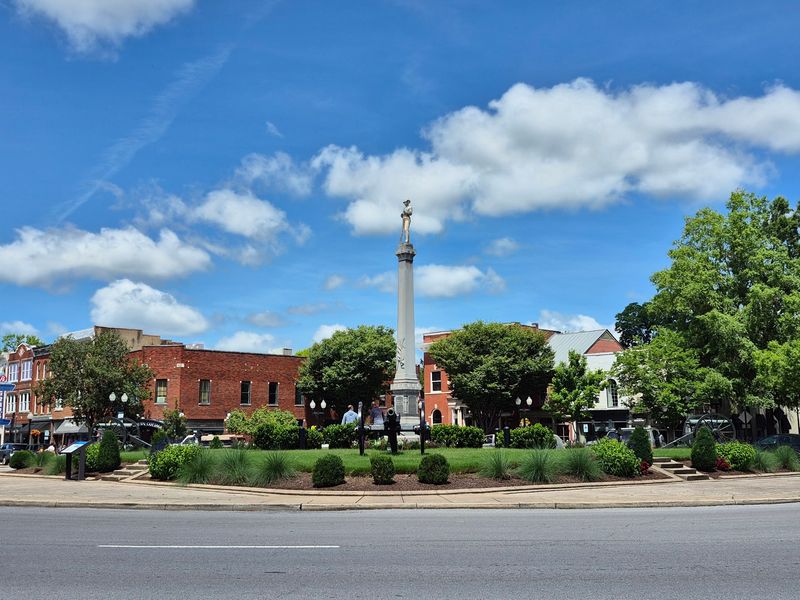
Twenty minutes south of Nashville sits a Main Street so well preserved it earned the title of Great American Main Street. The district appears on the National Register of Historic Places, with some buildings tracing back to 1799.
Parking is the easy part here. Two city garages, on 2nd Avenue South and 4th Avenue South, offer 300 spaces each and no time limit, and they cost nothing.
After that, everything unfolds within a few blocks.
Boutiques, art galleries, booksellers, antique shops, and gift stores line Main Street and the Public Square. Side streets hide more surprises, and greenway connections lead toward Pinkerton Park and The Park at Harlinsdale Farm.
Breakfast fans have real choices. Merridee’s Breadbasket bakes its own goods and pours a snickerdoodle latte.
Frothy Monkey serves all day inside a former church manse with original fireplaces.
Biscuit Love works scratch-made Southern classics inside the Historic Corn House. The Coffee House at Second and Bridge fills an old house with handcrafted coffee and breakfast plates.
Lunch and dinner keep the momentum going. 55 South plates brisket tacos and smoked wings, Puckett’s leans into barbecue comfort food, and Gray’s on Main occupies an 1876 pharmacy building.
Franklin proves that a single parking spot can anchor an entire day.
2. Bell Buckle Railroad Square (Bell Buckle)
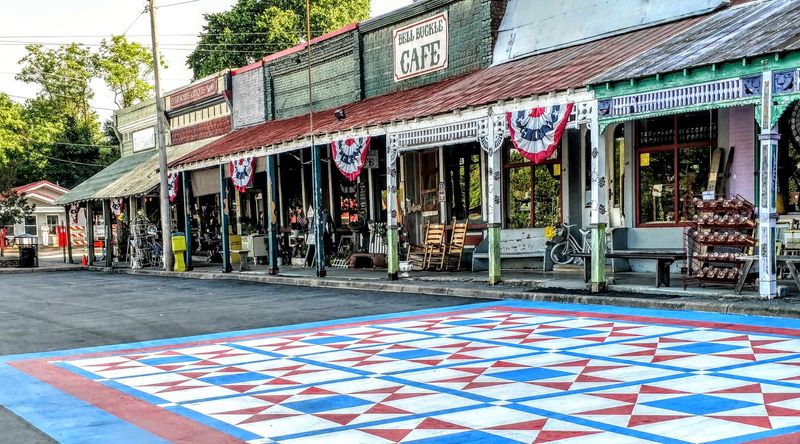
Tiny towns sometimes pack the biggest personality, and this railroad-era village in Bedford County makes the case. The historic district sits on the National Register of Historic Places, with Victorian storefronts lining Main Street like a living postcard.
Compact is the key word. Park on the square or in one of the free lots around its edge, and every shop, café, and storefront is a short stroll away.
Antique shops dominate the scene, joined by gift shops and small boutiques with genuinely unexpected finds. A nearby town park adds a half-mile walking trail for anyone who wants a longer amble.
The Bell Buckle Cafe anchors Railroad Square and stays busy for good reason. Family owned and cheerfully loud, it serves meat and three plates under red-checkered tablecloths.
Regular favorites include chicken pot pie, meatloaf, pulled pork, fried okra, grit cake, and mac and cheese.
Smothered pork chops, chicken-fried steak, fried catfish, and blackberry cobbler round out the lineup, and live country and bluegrass often fill the room.
Just down the sidewalk, the Bell Buckle Coffee Shop and Book Swap mixes lattes and homemade treats with vintage couches and trade-a-book shelves. Simply Sweet Bakery and Bluebird Antiques and Ice Cream Parlor handle dessert duty beautifully.
3. Cannonsburgh Village (Murfreesboro)
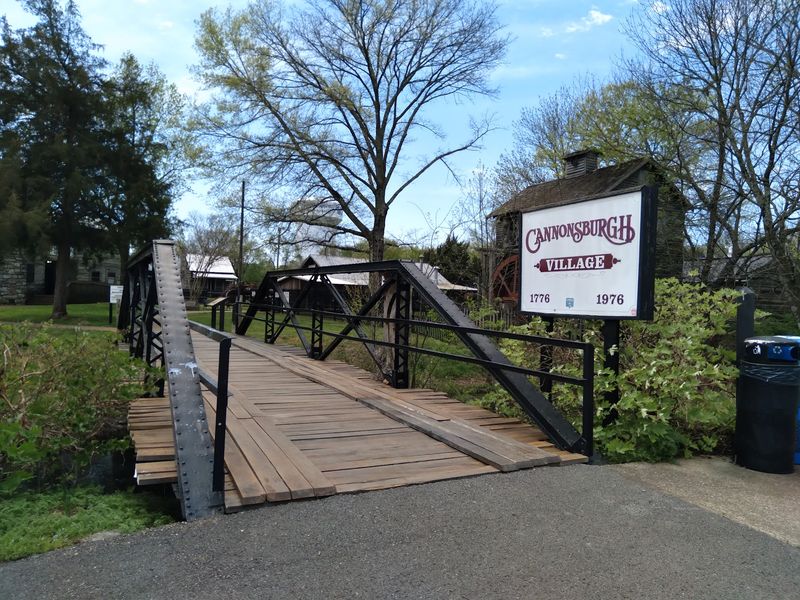
Picture a whole century of Tennessee life squeezed onto one quiet property in Murfreesboro.
Cannonsburgh Village recreates a Southern country community covering roughly the 1830s through the 1930s, and the mood is calm, shady, and genuinely educational.
Everything runs on a self-guided rhythm. Park at 312 South Front Street, then wander at whatever pace suits the day.
The buildings do the storytelling. A gristmill, a one-room schoolhouse, a telephone operator’s house, a doctor’s office, and a general store all sit within easy strolling distance.
Add a blacksmith shop, a museum, a caboose, a small wedding chapel, and historic homes including the University House and the Leeman House. Grounds stay open year-round while individual buildings keep seasonal hours.
Then there is the star oddity: the World’s Largest Cedar Bucket. It is exactly as delightfully strange as it sounds, and it makes for a memorable photo.
Lytle Creek runs nearby and adds a soft soundtrack to the walk. Picnic tables scattered across the grounds invite a slow lunch break under the trees.
Full restaurants are not part of the picture, though the Visitor Center stocks snacks and drinks. Packing a cooler is the smart play, since eating beside a historic gristmill beats a food court every time.
4. Stones River National Battlefield (Murfreesboro)
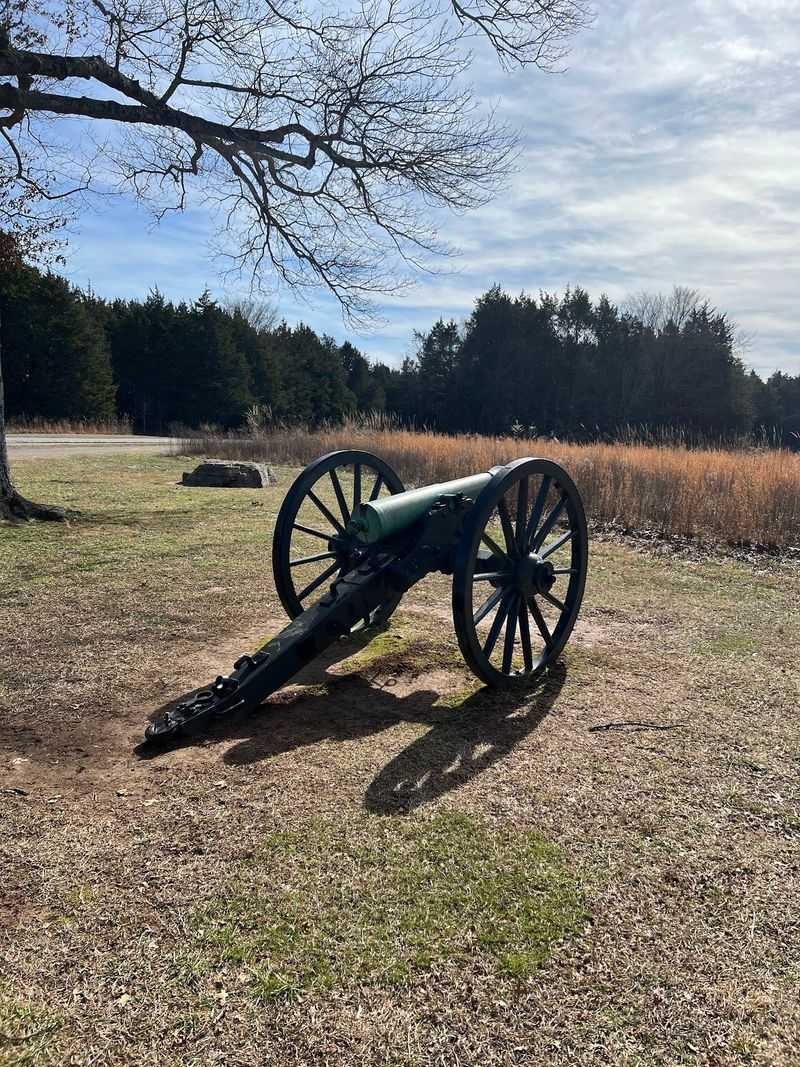
History feels different when you cover the ground on foot instead of reading about it.
That is the appeal of this preserved Civil War site in Murfreesboro, where nearly seven miles of walking and hiking trails thread through the landscape.
Start at the visitor center, where parking sits right out front. Inside, a museum traces the origins of the war and the events of the Battle of Stones River.
Exhibit cases hold telegraphs, shells, drums, tents, and surgical instruments. A short film fills in the bigger picture before anyone laces up.
Trail surfaces vary, which keeps the walking interesting. The paved half-mile Cotton Field Trail suits almost everyone, while the 3.2-mile Boundary Trail climbs through woods and rocky stretches.
Markers and interpretive plaques appear along the routes, explaining each stage of the battle in plain language. The Stones River National Cemetery and the remains of Fortress Rosecrans, a major Union supply base, also sit within the park.
Trails connect to Murfreesboro’s greenway system, adding paved paths along the Stones River and Lytle Creek. That link makes it easy to stretch a short visit into a long morning.
No cafés operate inside the park, so plan meals in town. The visitor center does keep a book and souvenir shop.
5. Port Royal State Historic Park (Adams)
Not every worthwhile day trip shows up on the usual lists, and this one near Adams proves the point. A town thrived on this spot from 1797 until 1940, and its story still lingers along the Red River.
Foundations of old structures remain visible, some dating to the 1700s. The restored 1859 General Store now serves as the historic centerpiece and visitor center.
A meaningful piece of national history runs through here too. The park preserves a section of the historic Trail of Tears route, including a 0.18-mile stretch of original roadbed recognized by the National Park Service.
Three short paths handle the walking. The Port Royal Trail runs 1.5 scenic miles past river views and bottomland forest, the Red River Overlook Trail covers a mile to river overlooks, and the Historic Town Site Loop stays easy and flat.
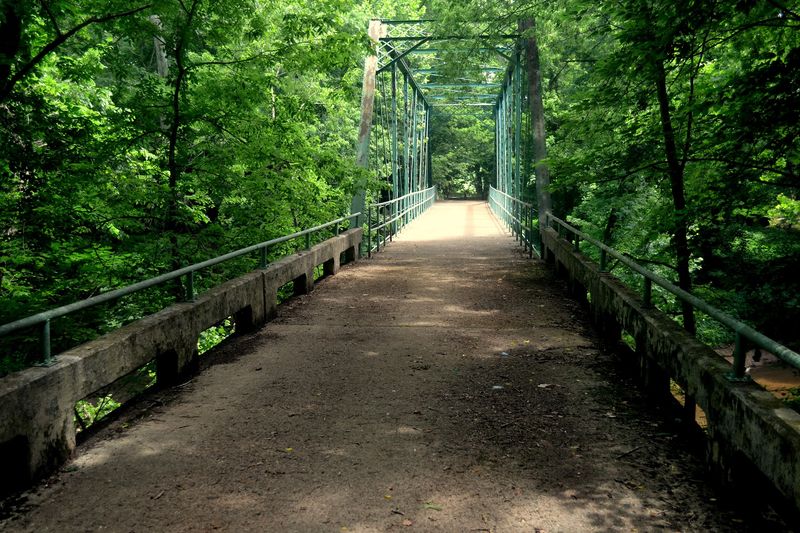
Water shapes the whole setting. The Red River meets Sulfur Fork Creek here, and an elegant steel Pratt truss bridge from 1887 crosses the creek for foot traffic only.
Traces of ancient roadbeds, some reaching back to prehistoric times, add another layer. Just across the Red River on Highway 238, the Port Royal General Store and Cafe handles food and drinks, and picnic tables wait inside the park.
6. Dunbar Cave State Park (Clarksville)
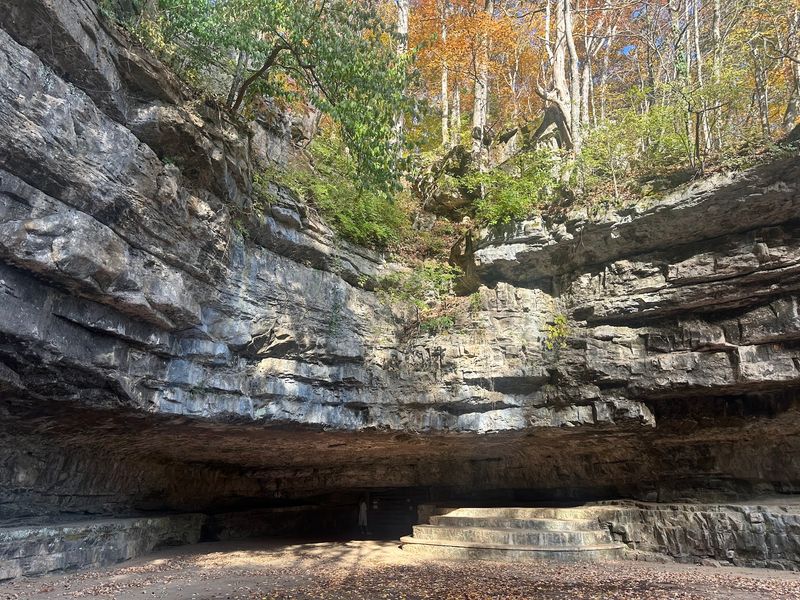
A cool breeze drifting out of a cave mouth on a hot Tennessee afternoon is one of nature’s better tricks. That breeze belongs to Dunbar Cave State Park in Clarksville, where 144 acres blend geology, water, and very old human history.
Park once at 401 Old Dunbar Cave Road and the whole property opens up. Nearly five miles of hiking trails branch out from there.
Choose your effort level. The Lake Trail stays easy, the 1.1-mile Short Loop Trail sits at moderate, and the 1.9-mile Recovery Trail throws in several steep climbs.
All routes pass the striking cave entrance and circle Swan Lake. Some push farther into forest and old fields.
Guided cave tours typically run May through September, and they are the reason many people make the drive. Inside, prehistoric Mississippian Native American cave art from the 14th century marks the walls with ancient symbols.
Swan Lake itself is spring fed from the cave and draws waterfowl, especially during migration and winter months. Eastern phoebes sometimes nest near the cave mouth.
Picnic areas sit close to the trailheads, and the visitor center includes a gift shop. Bringing lunch works well, since the shaded tables beside the water beat almost any indoor seat.
7. Historic Collinsville Pioneer Settlement (Southside)
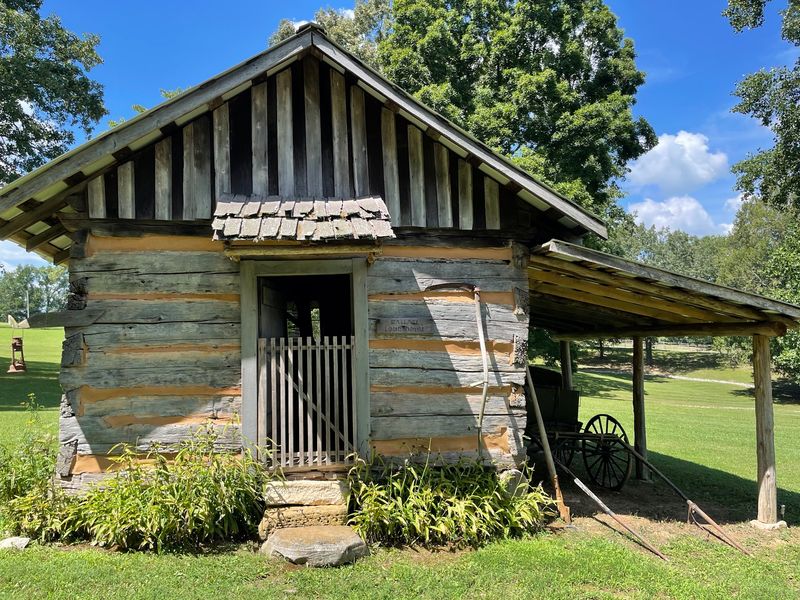
Forty acres of quiet countryside, sixteen restored log buildings, and an audio tour in your pocket: that is the setup at this pioneer settlement near Southside. Self-guided exploration means nobody rushes anyone along.
Illustrated maps and QR codes guide the route. The recorded commentary explains what life looked like here in the mid-1800s.
Interiors hold authentic period furnishings and artifacts, not empty shells. Together they show rural Tennessee life both before and after the Civil War.
Standouts include the roomy 1855 Batson Dogtrot House, built with two rooms joined by an open breezeway, and the smaller 1842 Lewis House with just two rooms. Both reward a slow look.
Working buildings fill out the village. A blacksmith shop, a combined schoolhouse and church, a smokehouse, a loom house, a cobbler’s shop, and a teacher’s home line the grounds.
A Wildlife Center displays finds from the property, including arrowheads discovered in the area. Guided tours of the Weakley House Museum run hourly and highlight founders’ collections such as quilts and weaving equipment.
Walking trails cross the grounds, and picnic areas plus a covered pavilion make packing lunch the obvious move. Free parking sits across Weakley Road from the settlement at 4711 Weakley Road, so the car stays put all visit.
8. Old Stone Fort State Archaeological Park (Manchester)
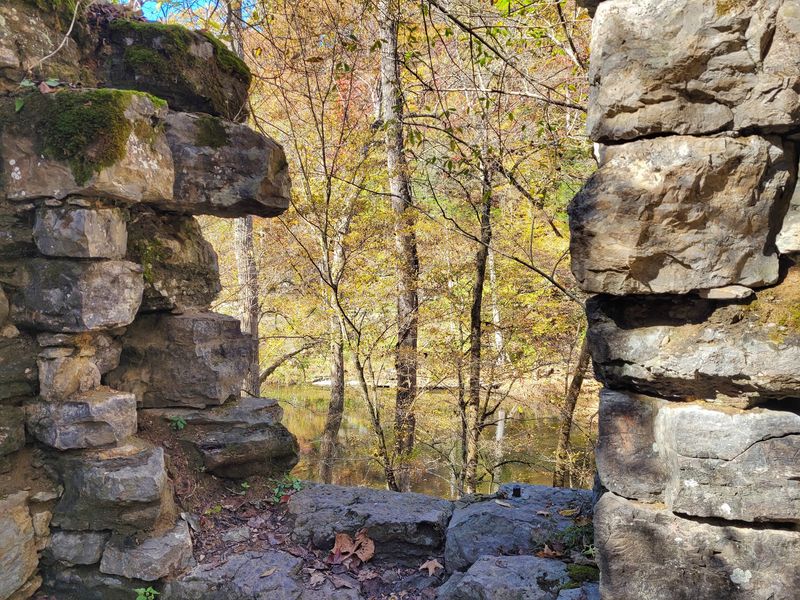
Roughly an hour from Nashville, an ancient earthwork enclosure sits above two rivers and quietly outdates almost everything else on this list. Built about 1,500 to 2,000 years ago, it served as a Native American ceremonial gathering place rather than a military fort.
The alignment is the fascinating part. Its entrance points directly at the summer solstice sunrise, which is remarkable engineering for any era.
Manchester’s park offers more than 10 miles of trails. The signature Old Stone Fort Loop Trail runs about 1.5 miles around the earthworks while tracing the Duck and Little Duck Rivers.
Waterfalls appear along the way. Big Falls drops about 30 feet, and the gentler Little Falls, sometimes called Step Falls, adds a quieter scene.
Other routes change the perspective entirely. The Backbone Trail climbs for elevated views, and the Moat Trail follows an old river channel.
Interpretive panels stand along the main loop and explain the site’s history in clear terms. Near the entrance, a museum covers the archaeology in greater depth.
A picnic pavilion handles lunch, since no cafés operate on site. Parking sits near the main entrance and visitor center at 732 Stone Fort Drive, and from there the earthworks, forest, and falls are all foot-powered.
9. Burgess Falls State Park (Sparta Area)
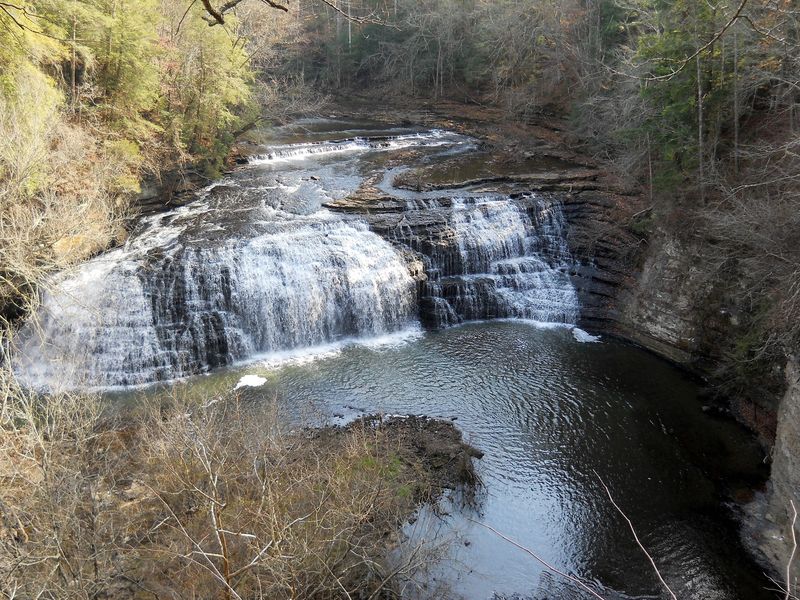
Four waterfalls on one short trail is a generous deal by any measure. About 90 minutes from Nashville, in the Sparta area, the Falling Water River puts on that exact show.
The main route is the 1.5-mile round-trip River Trail, often paired with the Service Road Loop. Moderately strenuous describes it fairly, so decent shoes matter.
Cascades arrive in sequence. First the 20-foot Falling Water Cascades, then 30-foot Little Falls, then the 80-foot Middle Falls.
The finale earns its reputation. Burgess Falls drops 136 feet into a limestone gorge, and the sound reaches you before the view does.
Overlooks along the trail deliver the best vantage points. Direct access to the base of the main falls is not available from park trails right now, but the elevated views remain genuinely impressive.
A paved ramp near the parking area lets visitors see the Falling Water Cascades without a long walk. For quieter scenery, the Ridge Top Trail winds through mountain laurel with downstream canyon views.
Facilities stay simple: a playground and a picnic pavilion near the lot, with no café on site. Parking off Tennessee State Route 135 between Cookeville and Sparta fills quickly at peak times, so arriving early, especially on a weekday, pays off.
10. Cumberland Caverns (McMinnville)
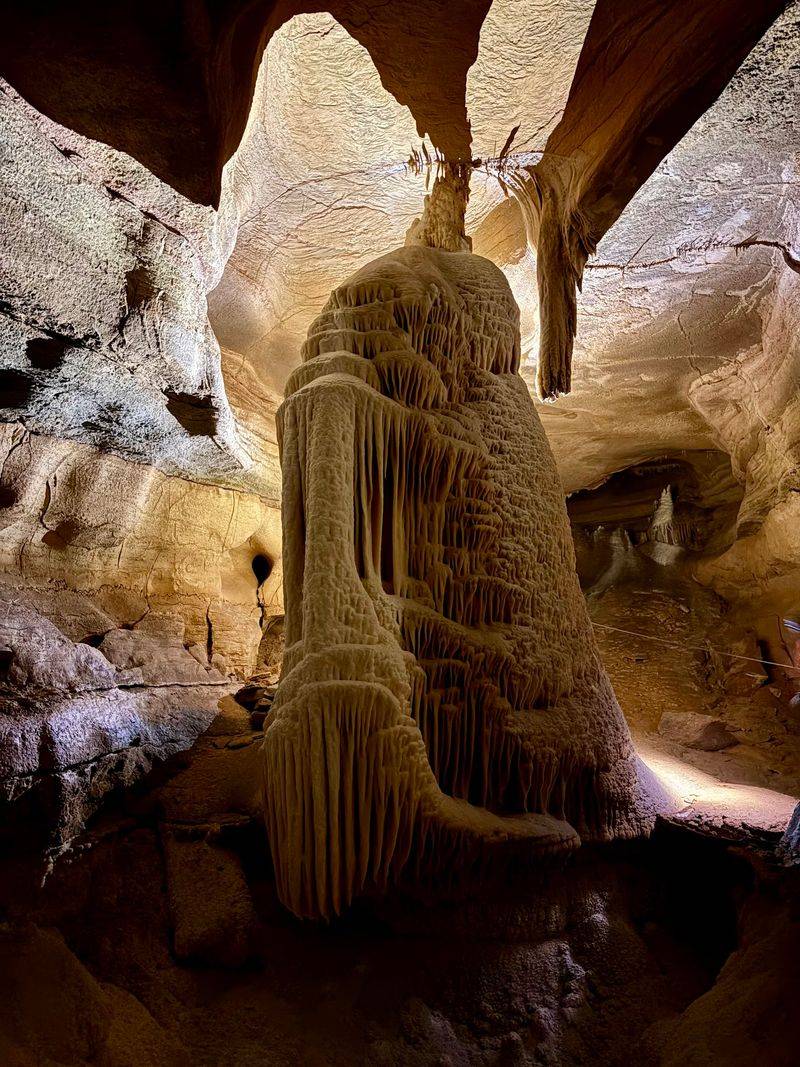
Here is a day trip where the weather never matters, because the whole thing happens underground. Beneath Cardwell Mountain near McMinnville, Cumberland Caverns holds more than 27 miles of caves and passageways.
Recognized as a National Natural Landmark, the system takes tours as deep as 333 feet below the surface. Cars stay parked up top the entire time.
Guided walking tours range from about 45 minutes to two hours. Routes pass through enormous rooms filled with stalactites, stalagmites, helictites, flowstone, and glittering gypsum crystals.
Water shows up in surprising places. Underground waterfalls and clear pools appear along the way, including the Neverending Waterfall, whose source and destination remain unexplained.
Two features tend to stick in memory. The Volcano Room ranks among the largest chambers, and the towering Monument Pillar looks almost architectural.
Choose a tour that matches your energy. The Discovery tour includes roughly 350 natural stone steps to reach the biggest room, while the Cardwell tour follows an easier historical path.
Adventurous visitors can book tours involving crawling and climbing through muddier passages. Bring shoes you do not mind scuffing.
No food service exists inside the caverns, which honestly fits. Parking sits on the surface at 1437 Cumberland Caverns Road, making the switch from driver to explorer refreshingly quick.
11. The University Of The South Campus (Sewanee)
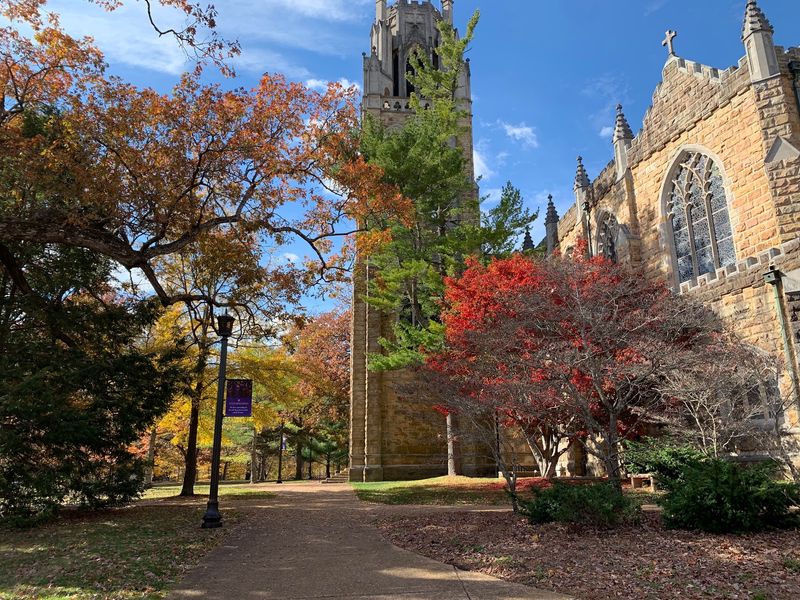
A mountaintop campus built of Gothic stone sounds like something from another continent, yet it sits about 90 minutes from Nashville. The University of the South welcomes self-guided visits, so exploring on foot is entirely encouraged.
Its grounds, known as The Domain, stretch across more than 13,000 acres. Forests, bluffs, meadows, lakes, and caves all fall inside that boundary.
Architecture leads the walking tour. All Saints Chapel dazzles with stained-glass windows, while Breslin Tower and Carnegie Hall anchor the quieter quads.
Quiet pathways connect the highlights. Abbo’s Alley adds a creek, small bridges, a wooden gazebo, and an inlaid labyrinth to the route.
Scenic overlooks reward anyone willing to walk a little farther. An Art Gallery and Studio Art Building fill in the cultural side.
The village at the campus gates handles hunger nicely. The Blue Chair Tavern serves breakfast, salads, sandwiches, homemade soups, and baked goods, and Mountain Goat Market is known for pizza, panini, and homemade desserts.
Shenanigans keeps things casual with grilled fare, scratch-made pizzas, and Southern comfort plates. LUNCH runs a farm-to-table market and food counter, while Judith offers creative seasonal small plates.
Coffee options include Stirling’s Coffee House and the student-run Cup and Gown Cafe inside duPont Library. Green’s View Grill adds farm-fresh lunches at the Course at Sewanee.