
8 Tennessee Hiking Trails Where Black Bear Sightings Are Surprisingly Common
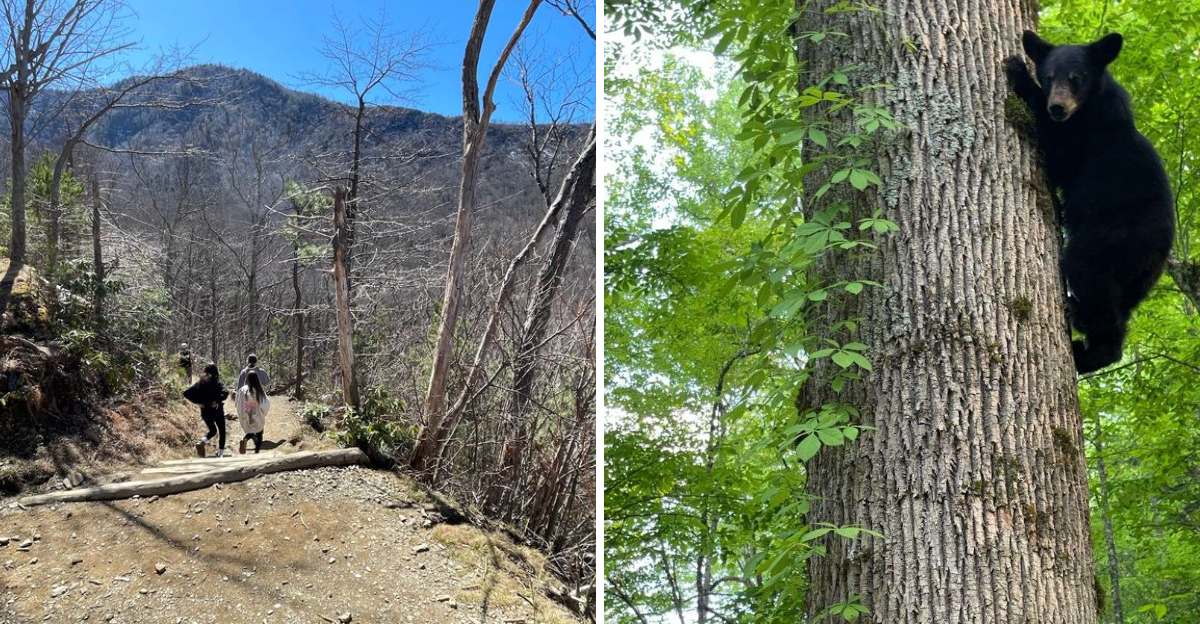
You are halfway up a Tennessee trail when the woods suddenly go quiet. Then you spot movement between the trees, and that ordinary hike becomes a story you will remember for years.
Black bears are part of the wild landscape here, especially in areas where forests stretch for miles and trails pass through quieter habitat. Seeing one is never guaranteed, but some routes have a much stronger reputation for bear activity than others.
That adds a little extra excitement to the hike. You may notice tracks in the mud, hear branches snap nearby, or catch a dark shape moving across the trail ahead.
These Tennessee hiking trails are known for giving hikers a better chance of spotting black bears in their natural surroundings. Some are easy enough for a casual outing, while others take you deeper into the woods.
Keep your distance, stay alert, and enjoy the thrill of hiking somewhere that still feels truly wild.
1. Abrams Falls Trail, Cades Cove
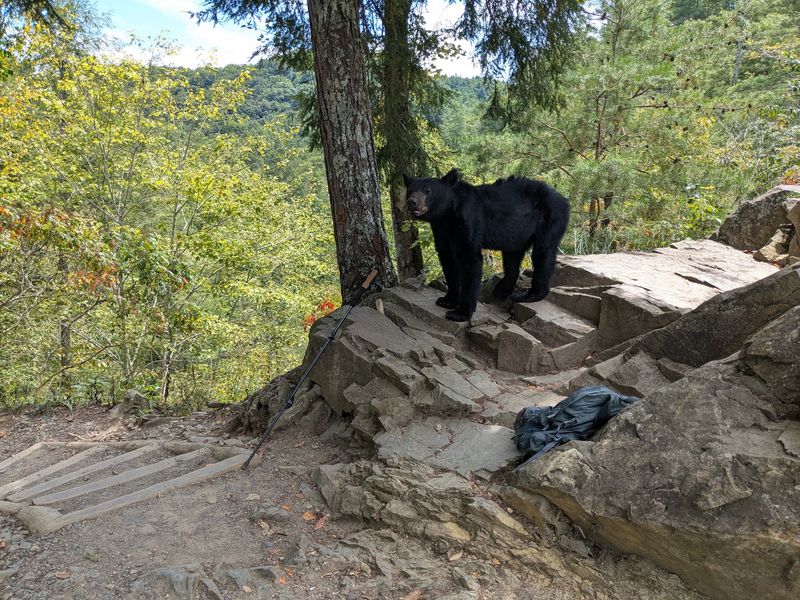
Few waterfalls in the park draw crowds like Abrams Falls, and few trails have made headlines quite like this one. In mid-April 2026, rangers responded to three aggressive black bear incidents right here.
One of those incidents involved a bear biting a visitor who had entered a closed area. Both the access road and the trail were shut down while the situation calmed.
The route reopened on April 20, 2026, after several days passed without observed bear activity. That timeline says a lot about how seriously the National Park Service treats warning signs.
The path itself is a beauty, tracing Abrams Creek through pine-oak forest, hemlocks, and thick rhododendron. Water sounds follow you almost the entire way, which is calming and also masks footsteps.
Bears in the area are especially busy during early morning and late evening. Midday hikes reduce your odds of a surprise meeting on a narrow bend.
Cades Cove is recognized as prime black bear habitat, so treat every rustle with respect. Keep food sealed, and never set a pack down unattended along the creek.
Groups tend to fare better than solo walkers, mostly because noise travels ahead of you. Chatting is not rude out here, it is practical.
Should a bear appear, stop, stay calm, and back away slowly without running. Give it room and let it move along.
Check current closure notices before driving out to the trailhead. A quick look online can save a long, disappointed detour.
2. Ramsey Cascades Trail, Greenbrier
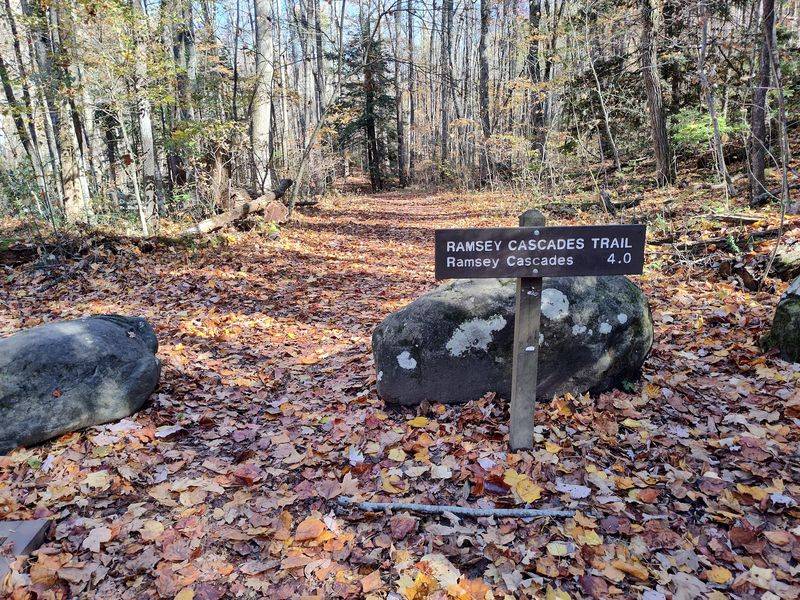
Backpack-snatching bears sound like a cartoon plot, yet rangers documented exactly that in Greenbrier. In mid-April 2026, three bear-related incidents unfolded on this trail alone.
Two of those encounters involved a bear walking up to visitors and taking their packs. A third featured a bear acting aggressively and briefly chasing a hiking group.
By April 20, 2026, both Ramsey Prong Road and the Ramsey Cascades Trail were closed so rangers could monitor the situation. Intermittent closures remain expected when activity spikes.
Park officials specifically warn that bear activity runs high from May through August. Plan your visit knowing that window overlaps with peak hiking season.
The reward at the end is the tallest waterfall many visitors will ever hike to in the park. Getting there means a long, rocky climb through old forest.
Greenbrier feels quieter and wilder than the busier corners of the range. Fewer people means fewer human cues warning wildlife you are coming.
Carry bear spray if you know how to use it, and keep it accessible. Buried at the bottom of a pack, it helps nobody.
Never leave a bag on the ground while you photograph the cascades. That single habit is what turned bears here into pack thieves.
Food smells linger on wrappers, so pack everything out in a sealed bag. Clean hands and clean gear make you far less interesting.
Start early, finish before dusk, and let rangers know about any encounter. Reports genuinely help protect the next group.
3. Trillium Gap Trail To Grotto Falls, Gatlinburg
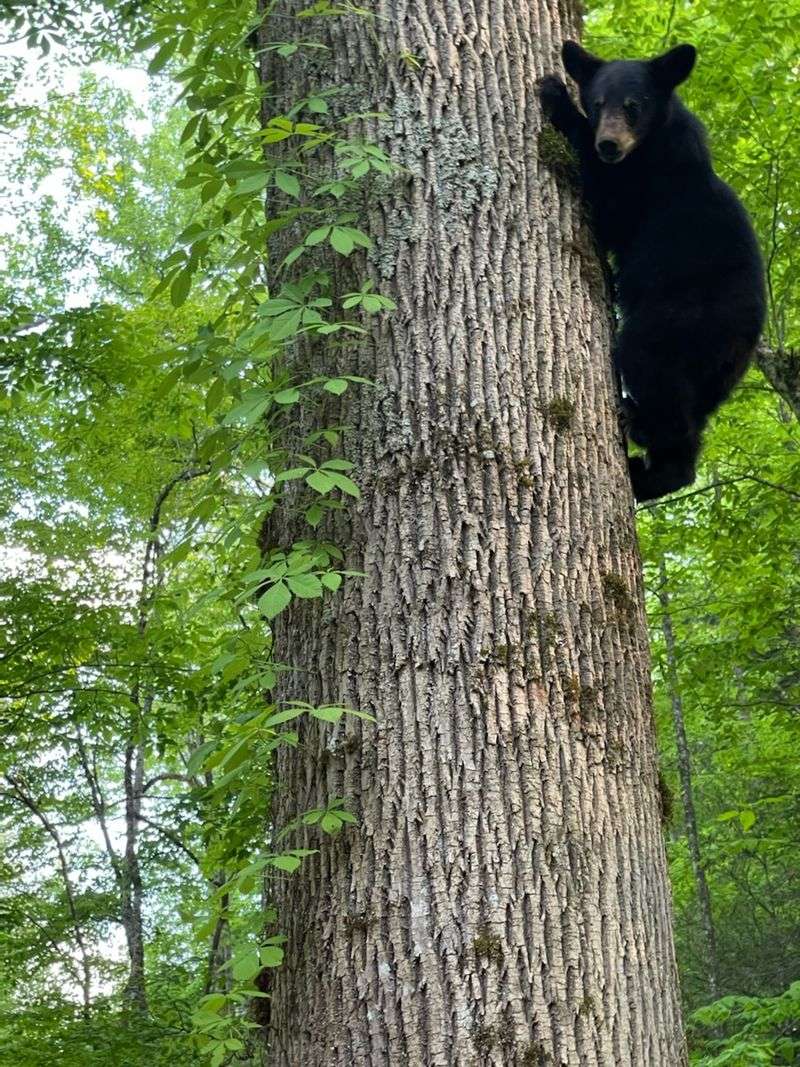
Walking behind a waterfall in Tennessee is a rare treat, and this trail delivers it. Grotto Falls lets hikers pass right under the flow, which explains the constant foot traffic.
That popularity has not discouraged the local wildlife one bit. The route has been posted under bear activity warnings, urging extreme caution.
In June 2026, hikers watched a large bear following them along the path. That same month, a mother with three cubs crossed in front of visitors near the falls.
Even winter brings surprises, with a very large black bear reported on the trail back in December 2020. Cold weather does not guarantee an empty forest.
Access comes from the Roaring Fork Motor Nature Trail near Gatlinburg, an area famous for regular sightings. Bears sometimes appear before you even park.
The hike is short enough for families, with gentle grades and pretty creek crossings. Kids love it, which makes supervision extra important.
Keep children close and between adults on the trail. Small, fast-moving hikers can trigger curiosity you do not want.
Mothers with cubs deserve the widest berth possible, so retreat the way you came. Never position yourself between a sow and her young.
Snacks are tempting on a family hike, but eat away from the trail edge. Crumbs teach bears that people mean food.
Bring a headlamp anyway, since afternoon storms can darken this hollow quickly. Good visibility keeps everyone alert and calm.
4. Alum Cave Trail, Mount Le Conte
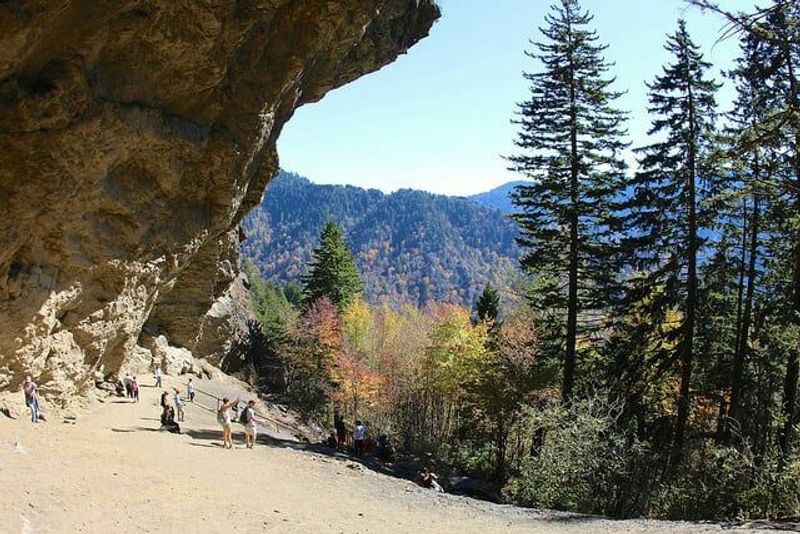
Seven bears in one trip. That figure comes from a single reported outing on Alum Cave Trail, and it tells you plenty.
Encounters cluster in the lower forested stretch, especially around Arch Rock. Hikers have passed along warnings about bears on the path in that section.
A juvenile bear was spotted very close to hikers in December 2025, then again in March 2026. Young bears are bold, curious, and often less cautious than adults.
The climb itself is a classic, threading a stone staircase through Arch Rock before rising toward Alum Cave Bluffs. Terrain shifts constantly, from creekside coolness to open ledges.
Because the trail is busy, some bears here have grown used to people. Familiarity is exactly what rangers try to prevent.
Keep at least the length of a school bus between you and any bear. If it changes behavior because of you, you are too close.
Photos are fine from a distance, but never approach for a better angle. Zoom instead of stepping forward.
Narrow spots like the Arch Rock stairs limit your options, so scan ahead as you walk. Seeing early gives you room to wait.
Talk in a normal voice while hiking through the thick lower woods. Sudden meetings cause most problems.
Store lunch in a sealed container and eat at open overlooks. Fewer smells at the trail edge means fewer visitors with claws.
5. Rich Mountain Loop, Cades Cove
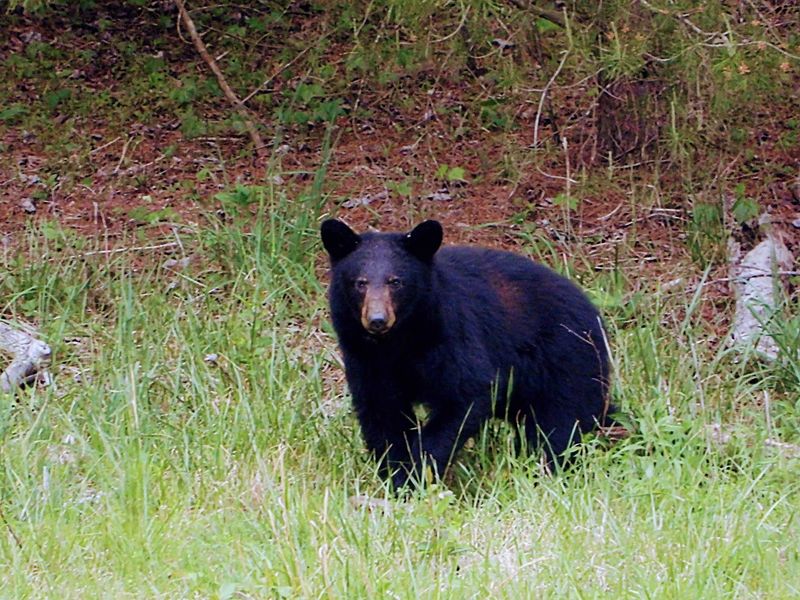
Starting a hike in one of the park’s best wildlife viewing areas has obvious perks. It also raises your chances of meeting the neighborhood’s largest resident.
Multiple hiking reports describe bear sightings directly along this loop. Cades Cove earns its reputation year after year.
Nearby Rich Mountain Road was closed in August 2023 after a bear grew habituated to people and vehicles. That closure was designed to protect bears as much as visitors.
During one encounter, a black bear made contact with a person inside a vehicle while searching for food. The visitor received minor scratches.
Late summer explains the behavior, since natural food can grow scarce in August. Hungry bears start testing cars and coolers.
Sightings continue in gentler forms too, like the mother bear and cub seen on Rich Mountain Road in May 2026. Spring brings families out to forage.
Rich Mountain Loop climbs from open meadows into quiet woods, passing historic cabins along the way. Views over the cove reward the effort.
Never eat inside a stopped vehicle with windows down in this area. That habit created the 2023 problem.
On foot, stay on the path and avoid pushing into berry thickets. Dense brush hides more than you think.
Hike with a partner, and keep dogs out of the backcountry entirely. Simple choices keep this stunning Tennessee loop welcoming for everyone.
6. Gregory Ridge Trail To Gregory Bald, Cades Cove
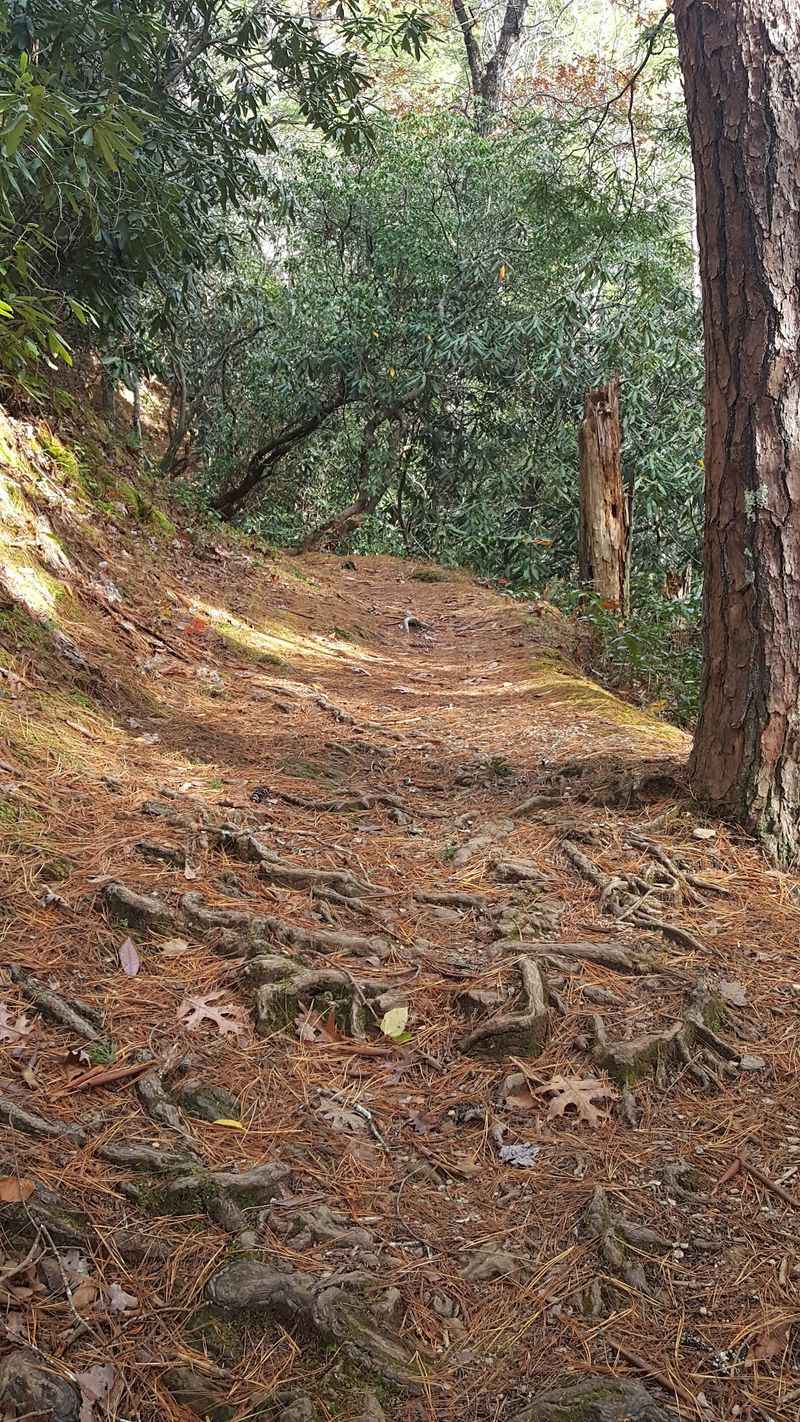
Blueberries are the real headline here. When they ripen around Gregory Bald in summer, bears arrive with excellent timing.
Hikers are specifically advised to stay alert for black bears during berry season. August is the month that gets the most attention.
Campsites near the bald have been closed in the past because of bear sightings. Rangers act quickly when animals settle in near tents.
One documented encounter happened right on the trail in August 2015. Another group spotted a mother and cub on the Cades Cove loop road after finishing this hike.
Getting to the summit means a steady climb through old-growth forest. Massive eastern hemlocks line parts of the route, making the walk feel ancient.
The bald itself is a wide grassy dome with long mountain views. In early summer, flame azalea puts on a famous color show.
Berry patches are the one place you should never linger quietly. Announce yourself as you approach open, brushy ground.
Scan the edges of the meadow before wandering across it. Bears feeding low in the bushes can be tough to notice.
Resist picking handfuls of fruit for the trail home. That food matters more to the animals than to your snack bag.
Plan for a long day and turn around early if weather rolls in. Fewer hours near dusk means fewer surprises.
7. Anthony Creek Trail, Cades Cove
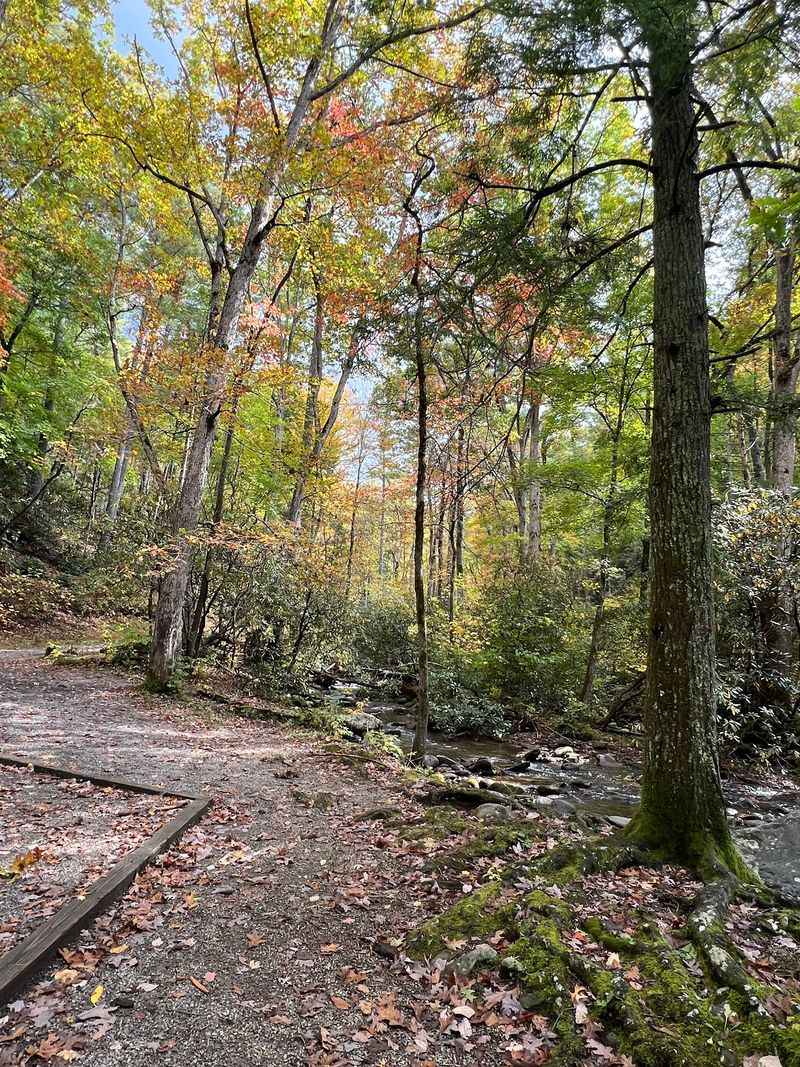
Some trails ease you into bear country. Anthony Creek practically escorts you there, starting beside the Cades Cove picnic area.
That picnic ground sits in officially recognized black bear habitat. Food smells and curious animals have a long history in such spots.
Within minutes, the path slips into a hemlock forest and leaves the busy loop road behind. Traffic noise fades fast.
Bears may be encountered along here anywhere from May through October. That is a wide window covering most of the hiking calendar.
The route follows Anthony Creek closely, offering cool shade even on warm afternoons. Several stream crossings keep things interesting.
Farther along, the trail connects toward Bote Mountain Trail for those wanting a longer day. Solitude increases with every mile.
Rushing water drowns out footsteps, so pause occasionally and look around. Quiet stretches deserve extra attention.
Never picnic on the trail itself, and clean up thoroughly at the trailhead area. Crumbs left behind train bears to return.
Use the provided food storage and trash containers near the picnic area. They exist for a reason.
Bright clothing helps other hikers spot you, which builds a helpful chain of awareness. More eyes mean earlier warnings.
Turn back if you see a bear that refuses to move off the path. Another day is always an option in the Smokies.
8. Rainbow Falls Trail, Gatlinburg
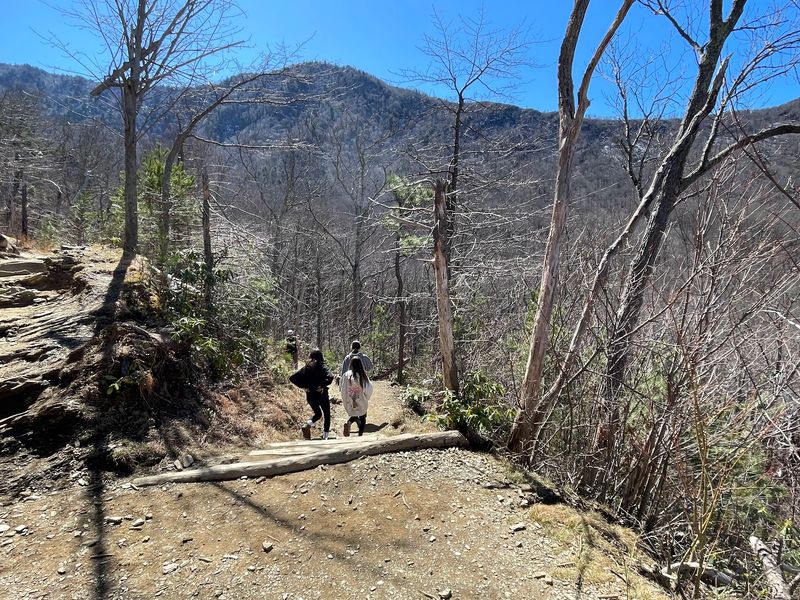
An eighty-foot curtain of water with rainbows in the mist sounds like reward enough. Add regular bear activity, and this climb becomes unforgettable.
Sitting on the Roaring Fork side of Mount Le Conte, the area has well documented bear presence. Hiking guides note that black bears frequent this stretch.
The Roaring Fork Motor Nature Trail nearby is one of the most reliable places in the park for sightings. Bears appear along that road throughout the season.
Dense forest and plentiful natural food keep animals close by all year. Berries, nuts, and insects make the slopes productive.
The trail climbs steadily and rockily, gaining elevation fast. Sturdy footwear saves ankles and tempers alike.
Spray from the falls makes rocks slick, so admire the view from stable ground. Wet stone has ended plenty of hikes early.
Because the grade demands focus, hikers often stare at their feet. Lift your eyes regularly and check the woods ahead.
Rest breaks are perfect moments to scan the slope above and below the trail. Bears travel sideways across hillsides.
Keep packs on your shoulders during those breaks, not on the ground. It is the simplest theft prevention there is.
Leaving the falls, retrace your steps with the same attention you brought in. Bears do not clock out just because you are tired.