
The 1814 Homeplace Restored Inside A Tennessee State Park Where Visiting Still Costs Nothing
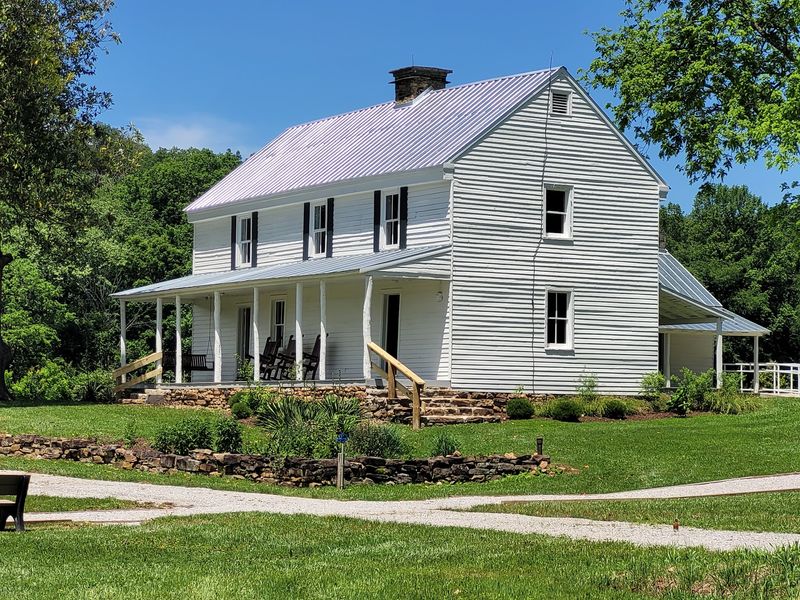
Some of the best stops in Tennessee are the ones nobody puts on a billboard. On a two-lane road in the eastern part of the state, tucked inside the boundaries of a mountain park, sits a log home that has been standing since the year after the War of 1812 ended.
It was taken apart, studied, and put back together by people who cared enough to get the details right. And after all that work, walking up to it still costs you nothing but the gas to get there.
A Log House Inside Frozen Head State Park
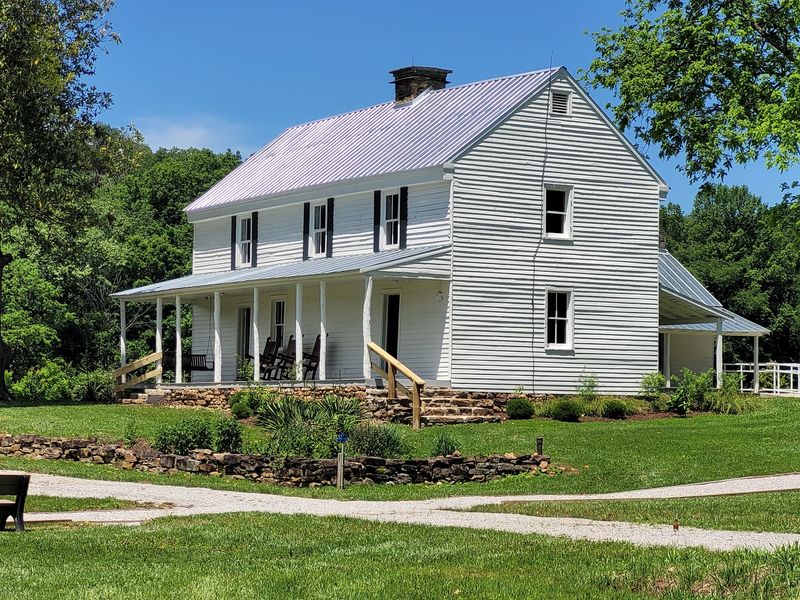
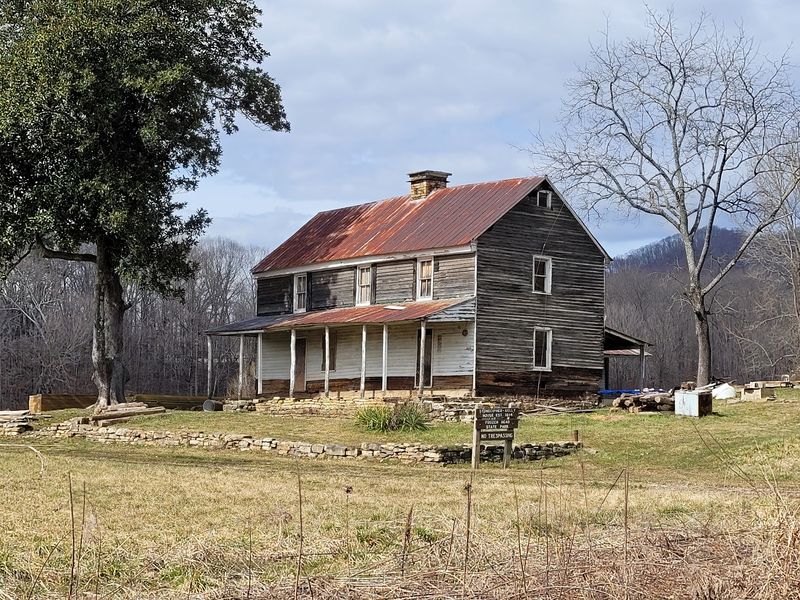
At 141 Beech Fork Rd in Wartburg, Tennessee, the Stonecipher Kelly Homeplace sits on land managed as part of Frozen Head State Park, one of the state’s most rugged mountain parks in Morgan County.
The property is classified as a historical landmark rather than a full visitor center, so expect a restored house, interpretive signage, and open ground instead of ticket booths and turnstiles. Admission is free, and no reservation or ticket is required to walk up and look around.
What makes the site unusual is its date. The house traces back to 1814, just after the War of 1812, which puts it among the earliest surviving structures in this stretch of the Cumberland Plateau’s eastern edge.
Frozen Head itself is better known for its trails and its tall ridgelines, so plenty of hikers pass within a few miles without realizing a two-century-old homeplace is sitting quietly nearby. The park’s main website, tnstateparks.com/parks/frozen-head, handles information for the site, and the listed phone number is 423-346-3318.
For a first-time visitor, the simplest description is this: a genuine frontier dwelling, restored, standing where it was built.
Ezra Stonecipher And The Land He Was Granted
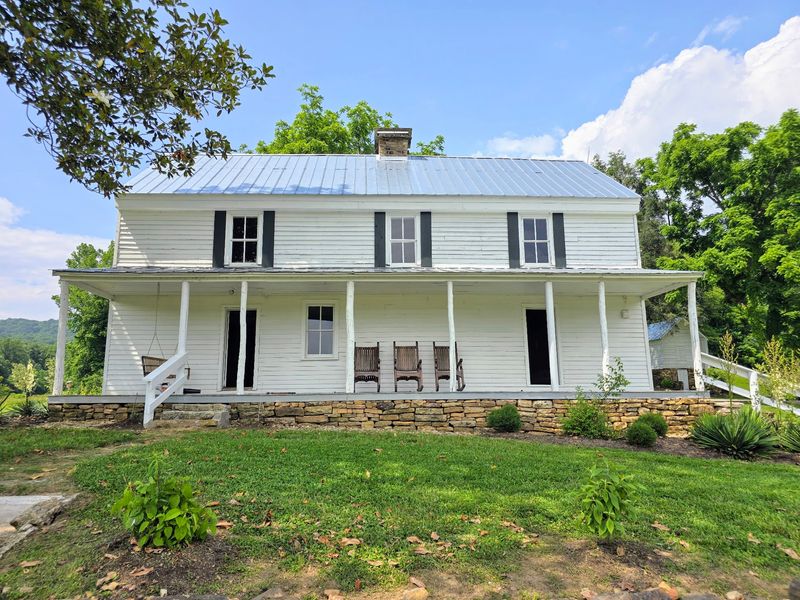
Ezra Stonecipher, a German immigrant, is the name attached to the original 1814 construction. Visitors familiar with the site’s history note that the land came to him as a grant recognizing his service during the American Revolution, which is how a great deal of frontier Tennessee acreage changed hands in those years.
Picture what that meant practically. A man arrives with almost nothing, receives raw mountain land for past service, and then has to turn standing timber into a house sturdy enough to survive Appalachian winters.
The result was substantial enough that people who saw it remarked on its size and workmanship. That reputation followed the house through generations, and the second family name on the site, Kelly, reflects later ownership of the same homeplace.
History like this rarely arrives with a tidy plaque and a single hero. What you get instead is a layered story: immigration, land grants, farming, family succession, and eventually preservation by the state.
Reading the interpretive material on site fills in details that a photograph cannot. Take a few minutes with the signage before you circle the building, and the logs start telling a much clearer story.
From No Trespassing Signs To A Finished Restoration
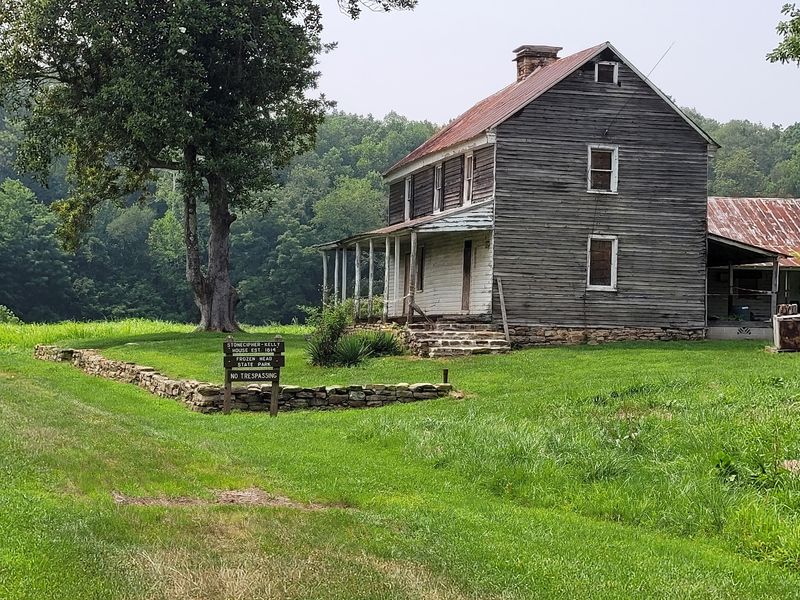
Anyone who tried to visit around 2021 hit a locked gate. During that stretch the property was fenced off and posted while a full reconstruction was underway, and visitors who drove out could only look from a distance.
That closure turned out to be the whole point. The house needed serious structural work, and the crews doing it were not interested in a quick cosmetic patch.
Fast forward to recent years and the tone of visitor comments changes completely. People now describe the home as nicely restored and thoughtfully interpreted, with details explained rather than left to guesswork.
The patience paid off in a way that is easy to see. Chinking, timber joints, roofing, and the general shape of the building read as period-appropriate instead of theme-park approximate.
One person who stopped by a few years back predicted it would be exciting to see once renovations wrapped, and that prediction has aged well.
Because a site like this can go back into maintenance mode without much notice, calling ahead at 423-346-3318 remains the smart move. Restoration projects and state park schedules both shift, and a two-minute phone call beats a wasted drive.
Craftsmanship You Can Read In The Timber
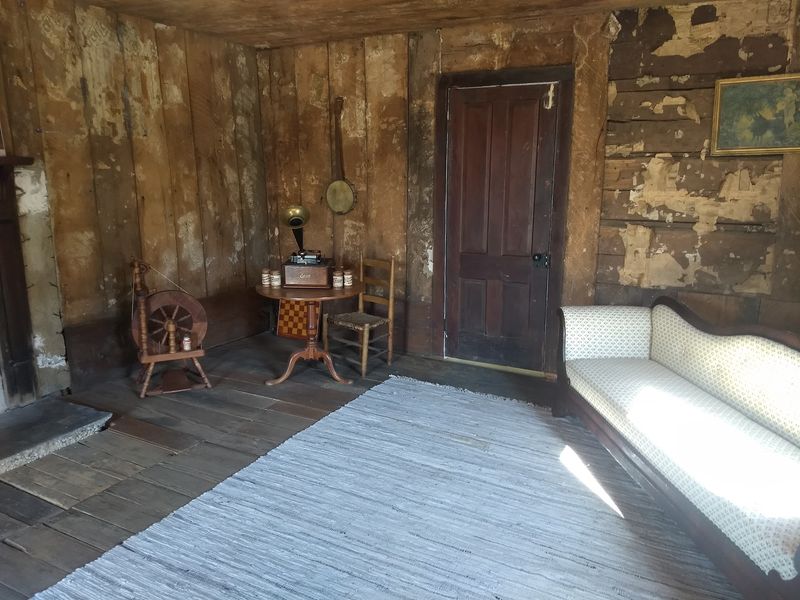
Run your eyes along a corner of the house and the story of its building shows up in the notches. Hand-hewn logs, squared with an axe rather than milled, carry tool marks that machines cannot fake.
Early accounts of the place emphasized how massive and impressive the construction was, and that impression survives the restoration. This was not a temporary shelter thrown up for one season.
Stonework matters here too. Chimneys and foundations on houses of this era were laid from whatever the surrounding ground offered, which ties the building visually to the ridges behind it.
Kids tend to notice different things than adults do. Grown-ups look at joinery; children look at how low the doorways sit and how thick the walls are, and both reactions lead to good conversations.
Photographers get a straightforward subject: dark timber, pale chinking lines, green mountain backdrop, and no crowds blocking the shot on a typical weekday.
Spend twenty minutes walking the perimeter slowly instead of five minutes snapping pictures. The longer you look, the more hand-work becomes visible, and that is really the whole reward of a place like this.
The Setting: Mountain Ground, Open Sky
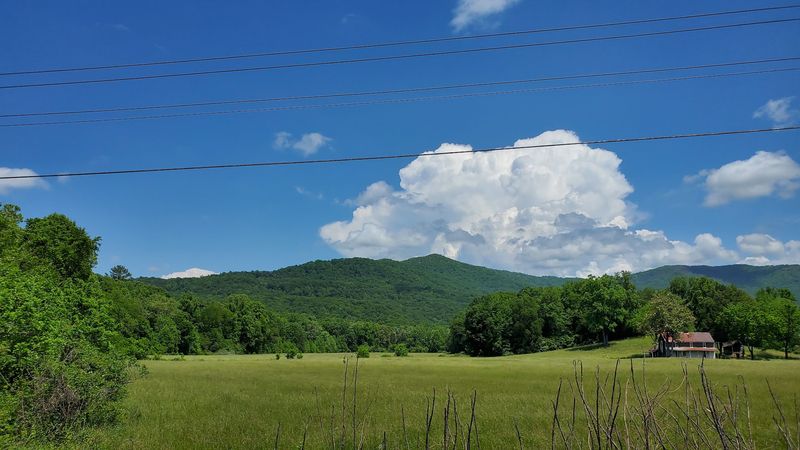
Beautiful place shows up again and again in what visitors mention about this stop, and the surroundings earn that. The homeplace sits in a valley setting framed by the wooded ridges that make Frozen Head State Park what it is.
Autumn is the standout season on this side of the state. The hardwood slopes above Morgan County turn gold and rust, and a dark log building against that color is about as good as Tennessee scenery gets without a hiking permit.
Spring works differently but just as well. Wildflowers are a signature of Frozen Head, and the drive in becomes half the outing when the roadsides fill in.
Sound is part of the appeal. There is no gift shop chatter or PA system, just wind, birds, and whatever creek water happens to be running nearby.
Because the site is open ground rather than a tight indoor museum, it handles a group of restless kids far better than a hushed exhibit hall would.
Bring a camera, comfortable shoes, and a little time. The setting rewards visitors who slow down rather than rush through.
Heritage Day, Vendors, And Live Music
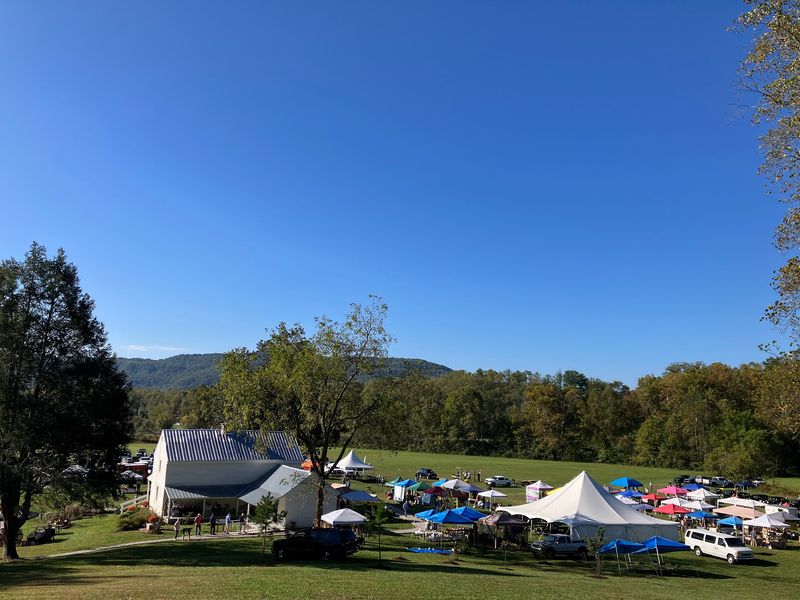
Show up on the right weekend and the quiet grounds fill with music. A Heritage Day Celebration has been held here with vendors, live playing, and guided tours of the house, and visitors who caught it described a genuinely good atmosphere on a fine day.
Events like that change the entire character of a visit. Instead of reading signs on your own, you get demonstrations, conversation, and craftspeople explaining what they make.
For families budgeting a Saturday, this is where the math gets appealing. Free admission plus a heritage festival means the only real spending is whatever you choose to buy from a vendor table or pack in a cooler.
Event dates are not fixed year to year, and Tennessee State Parks programming shifts with weather and staffing. Checking the Frozen Head State Park page at tnstateparks.com or phoning 423-346-3318 ahead of time is the practical approach.
Gardening groups have also gathered here, with one visitor coming out in connection with a new garden club interested in raised bed methods.
The takeaway: the homeplace functions as a community gathering spot, not only a preserved building, and timing your trip to an event doubles what you get.
Gardens, Raised Beds, And Old-Fashioned Growing
Gardeners have found their way here for a reason. One visitor arrived with a newly formed garden club, specifically hoping to learn several approaches to raised bed growing on the property.
Frontier homeplaces and food production were inseparable. A family living on this land in 1814 depended on what they could grow, dry, and store, so garden space near the house was never decorative.
Seeing that connection laid out in real dirt lands better than any textbook diagram. Children who have only met vegetables in plastic packaging get a quick lesson in where supper actually starts.
Retirees planning a low-effort outing may find this the most useful part of the stop. Ideas for beds, layout, and plant choices are right there to study, and you can take photos for your own yard.
Growing seasons vary, so what is planted and thriving depends heavily on when you visit. Late spring through early fall generally offers the most to look at.
Pair the garden walk with the interpretive signs and the house tour, and a stop that could take fifteen minutes comfortably stretches into an hour.
Pairing The Stop With Brushy Mountain And The Park
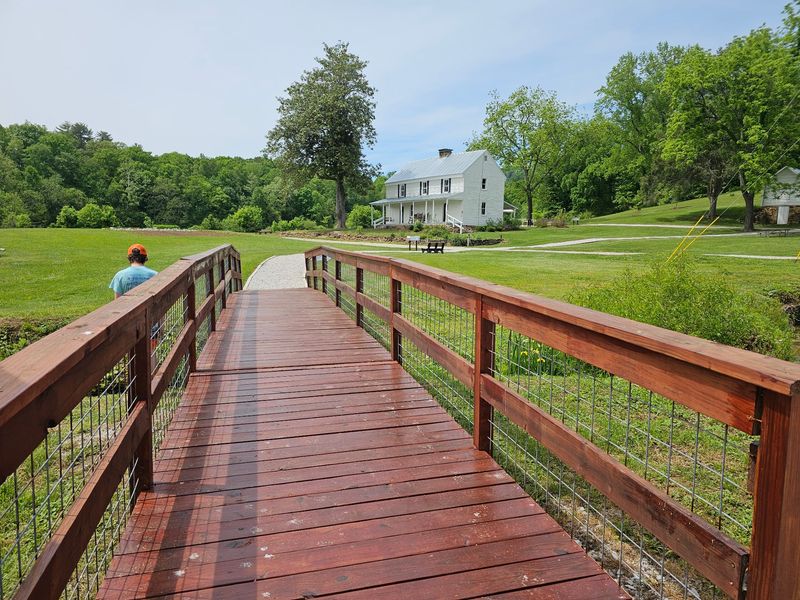
One visitor described stopping here spontaneously after seeing Brushy Mountain nearby, and called it well worth the detour. That combination is a smart way to build a day trip out of a short visit.
Frozen Head State Park itself is the obvious pairing. Trails, picnic areas, and mountain overlooks are all part of the same park system that oversees the homeplace, so you can stretch a history stop into a full outdoor afternoon.
Distances in this part of Morgan County are short but winding. Plan for slower two-lane roads rather than interstate speeds, and give yourself extra minutes between stops.
Because the homeplace requires no ticket and only takes an hour or less at a relaxed pace, it slides easily into an itinerary without wrecking the schedule.
Families driving in from Knoxville or Oak Ridge can realistically hit the homeplace, walk a park trail, and eat a packed lunch, all before mid-afternoon.
Anyone chasing fall color has an especially good case for this route. The drive, the ridges, and a 200-year-old log house make one loop feel like three separate attractions.
Hours, Cost, And What To Expect On Arrival
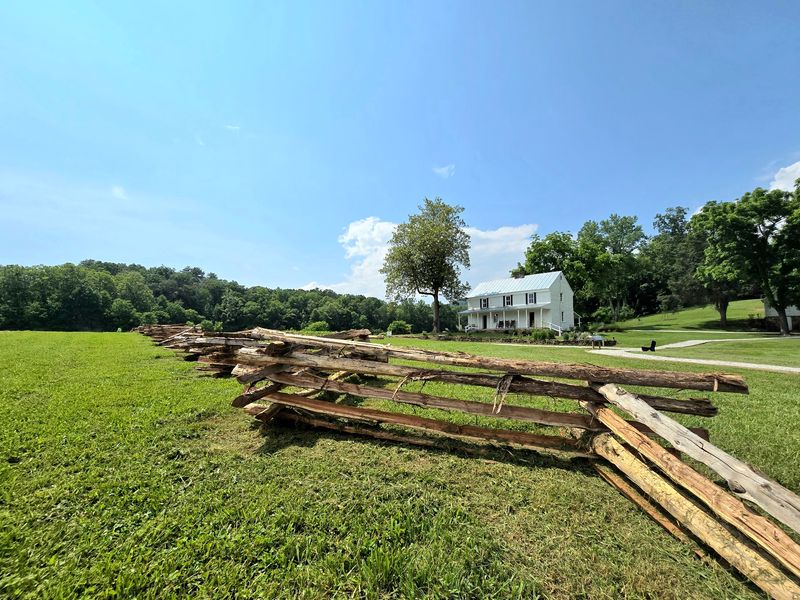
Free is the headline number, and it holds up. A recent visitor put it plainly: no tickets needed, all free, which is unusual for a restored structure of this age.
Listed hours run 8 AM to 5 PM, seven days a week, which is a wider window than most historic sites in Tennessee manage. Arriving early in the day gives you soft light and near-empty grounds.
Seasons and staffing can affect access, and the property has been temporarily closed for work in the past. Verifying before you drive is genuinely worth the phone call to 423-346-3318.
Facilities are limited, so treat this as an outdoor historic site rather than a full visitor complex. Restroom access, water, and shade should be planned around Frozen Head State Park’s developed areas.
Footwear matters more than you would guess. Grass, gravel, and uneven ground around an old homeplace are not stroller-friendly in wet weather.
Budget-wise, a family can do this entire stop for the cost of fuel and a packed cooler, which puts a whole Saturday well under the price of one restaurant meal for four.
Driving Times From Tennessee’s Bigger Cities
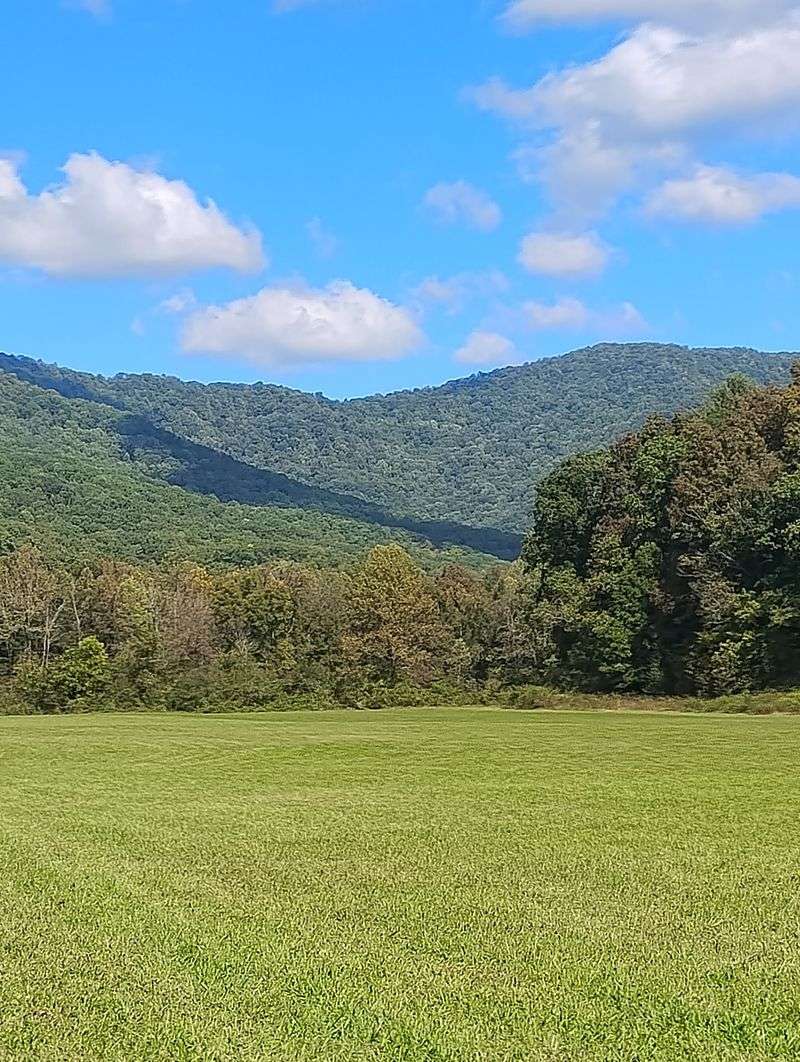
Knoxville residents have the easiest run. Wartburg sits roughly an hour northwest of the city on a mix of interstate and state routes, making this a comfortable half-day trip rather than a road-trip commitment.
Coming from Nashville, plan on somewhere around two and a half to three hours eastbound, with Crossville or Harriman as reasonable stretch-your-legs points along the way.
Chattanooga drivers are looking at a couple of hours heading north, and the last stretch trades highway for winding county roads.
Tri-Cities and Oak Ridge travelers get off lightest of all, with Oak Ridge close enough to make this an easy morning outing.
Memphis is a genuine haul at six hours or more, so folks in West Tennessee should treat this as one stop on a larger East Tennessee trip rather than a destination on its own.
GPS coordinates near 36.074, -84.495 help, since rural addresses can confuse navigation apps. Cell service in mountain valleys is unreliable, so downloading directions in advance saves frustration.
Fill the tank before you leave the highway. Options thin out considerably once you turn onto the smaller roads toward Beech Fork.
Why This Quiet Stop Earns Its Hour
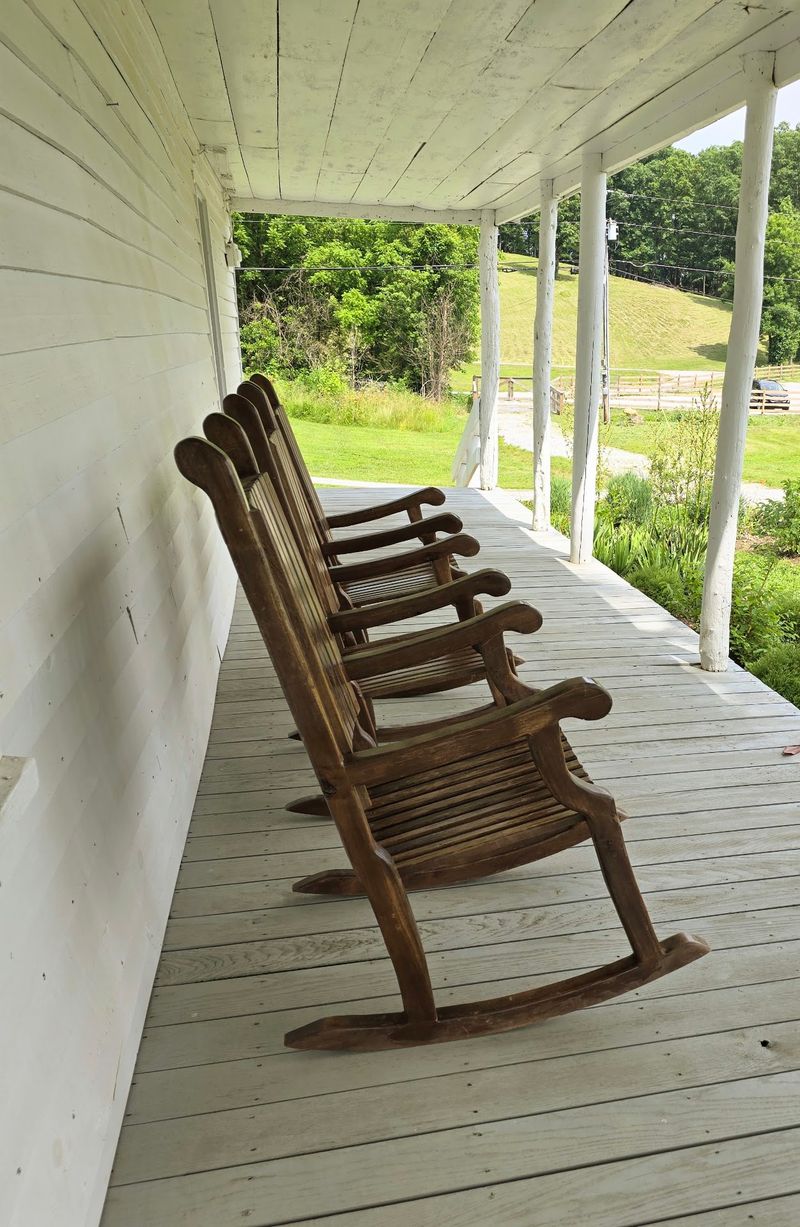
Two centuries is a long time for wood to stay standing in the Tennessee mountains. That alone makes the Stonecipher Kelly Homeplace something worth pulling off the road for.
Visitors have used words like beautiful and family fun to describe their time here, and the phrase ole homeplace keeps surfacing, which says something about how locally loved the property is.
What you will not find is a polished tourist operation. No cafe, no admission line, no gift shop crowds, just a restored house, garden ground, interpretive signs, and mountain quiet.
For retirees, it is a low-mileage, low-stress stop with real history attached. For families, it is a chance to show kids how people actually lived before electricity, and it costs nothing.
Skip it if you need a full day of programmed activity in one spot. Pair it with Frozen Head State Park trails or time it to a Heritage Day event, and the trip fills out nicely.
Call ahead, pack a lunch, and head out early. A free hour among 1814 timber is a fair trade for a tank of gas.