
9 Beautiful Mississippi Towns With Fascinating River History And Classic Old World Vibes
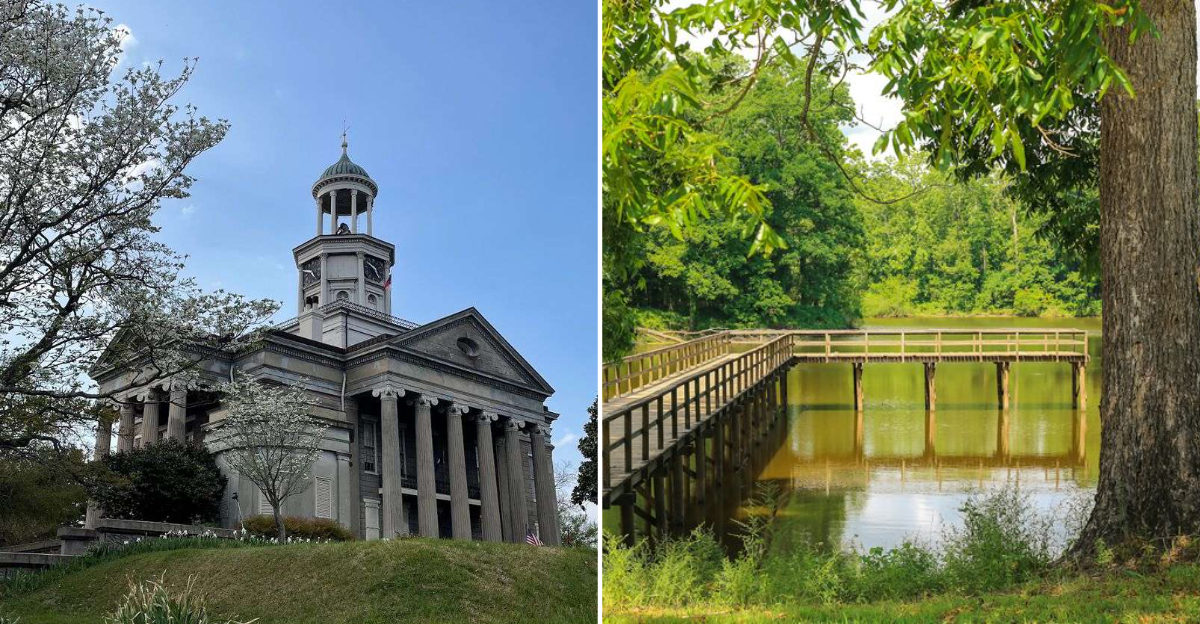
The days when rivers served only trade and commerce are long gone. But some Mississippi towns still live off the stories those rivers carry.
These towns blend that history with classic old world charm found in the architecture and streets. Buildings here date back further than most visitors expect, some still standing exactly as they were built.
Local guides and museums fill in details textbooks tend to skip over completely. Walking through these towns feels less like sightseeing and more like stepping through layers of time.
Historical markers sit on nearly every corner, easy to miss unless you’re actually looking for them. Preservation efforts kept much of the original character intact instead of modernizing it away.
These towns proved that history still has plenty left to teach anyone willing to slow down and listen.
1. Natchez
French colonists set up shop here in 1716, which makes this the elder statesman of Mississippi River towns. Older than New Orleans, and it never lets anyone forget it.
Cotton money poured in during the mid-1800s, back when steamboats crowded the landing day and night. Wealthy planters spent that money on houses, and they did not hold back.
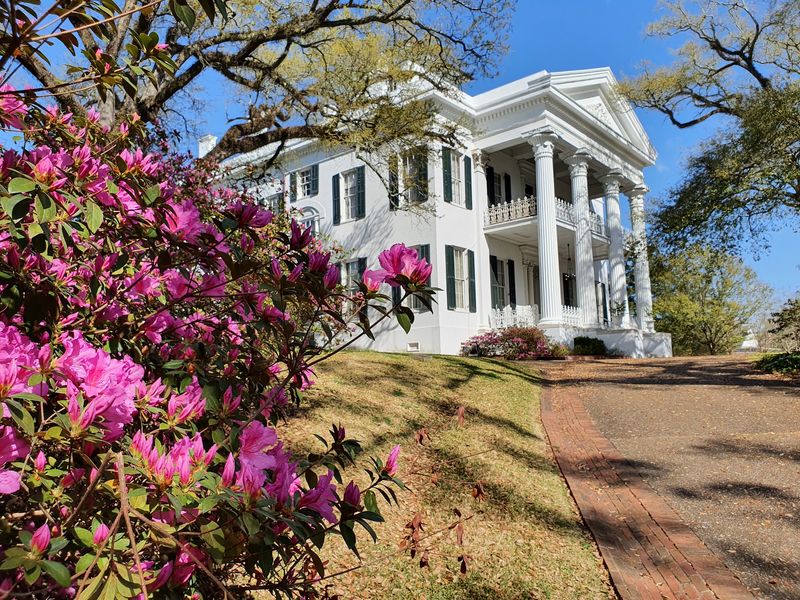
Longwood sits unfinished, an octagonal oddity abandoned when the Civil War interrupted construction. Stanton Hall takes up a full city block.
Rosalie Mansion looks out over the water like it owns the view, which it sort of does.
What makes the architecture here unusual is the mixing. Creole, French, British, Spanish, African, and Caribbean influences all show up in the details, sometimes on the same street.
Bluff Park is where locals go for the long river view, especially in the evening when the water turns copper. Below the bluff sits Natchez Under-the-Hill, once the roughest few blocks on the river.
St. Mary Basilica and Trinity Episcopal Church both hold stained glass worth craning your neck for. The Natchez City Cemetery, meanwhile, is a genuine outdoor museum of antebellum stonework and odd epitaphs.
Cottage Gardens offers a smaller-scale charm, with modest homes and tidy plantings that feel more neighborly than grand. Spring and fall bring home tours, when private mansions open their doors.
Plan on more walking than you expect. The historic district rewards wandering without a map.
2. Vicksburg
Forty-seven days. That is how long this city held out while Union forces under General Grant squeezed it from every direction, until the surrender came on July 4, 1863.
Settled in the early 1700s, the town sat on bluffs that made it a fortress. Whoever controlled Vicksburg controlled the river, and both sides knew it.
The Vicksburg National Military Park covers about 2.7 square miles and wraps partly around the city. Reconstructed trenches follow the actual siege lines, so the ground itself tells the story.
Inside the park sits the USS Cairo, a Union gunboat that sank in 1862 and spent a century in the mud before being raised. Seeing a real ironclad up close is rare.
Monuments from different states dot the hillsides, some enormous, some easy to miss. The Vicksburg National Cemetery holds thousands of graves in quiet rows.
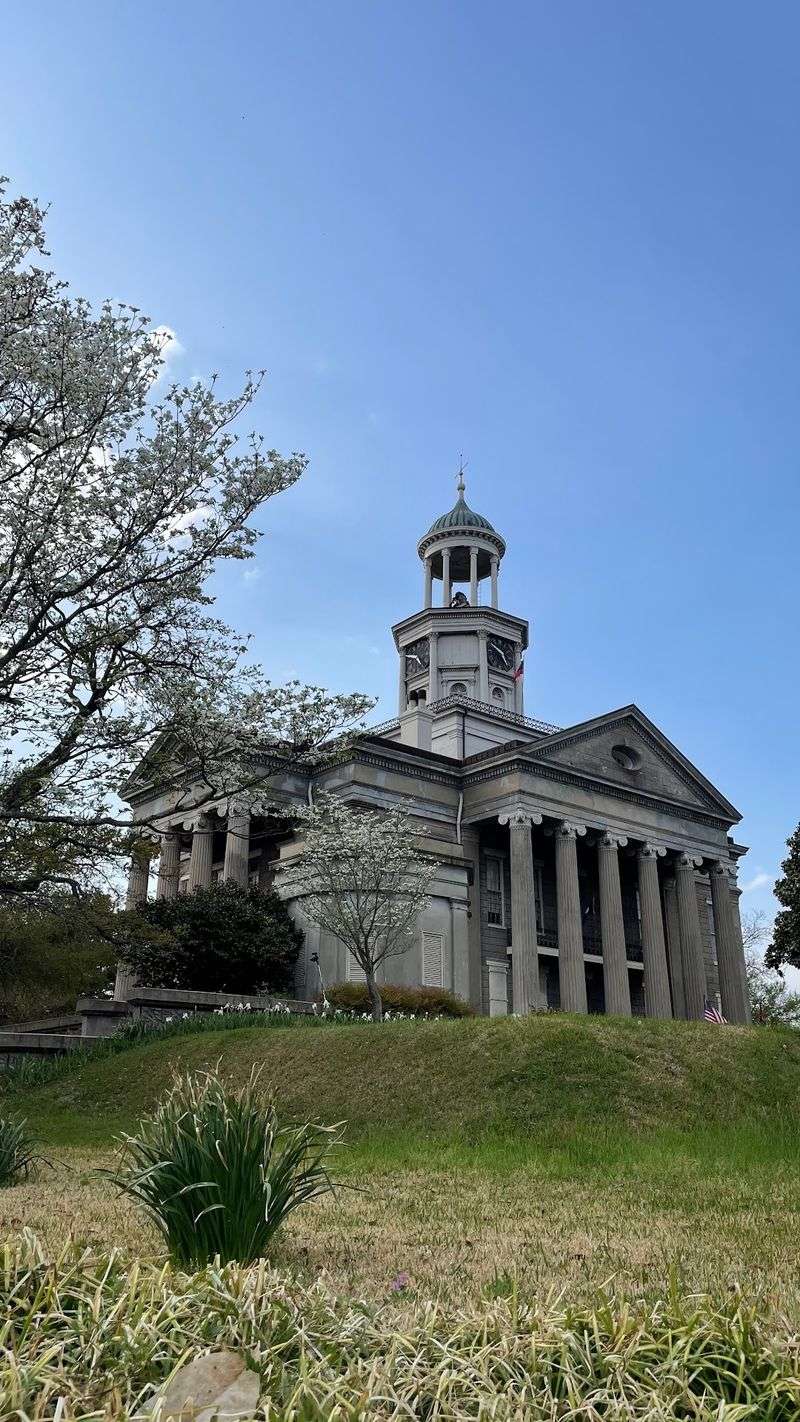
Downtown, the Old Court House from 1858 now works as a museum packed with Confederate and antebellum artifacts. Its clock tower is visible from a good distance.
Historic homes throughout the city survived the shelling, some with cannonballs still lodged in the walls. Locals point them out casually, like mentioning a dent in a car.
Murals along the floodwall paint out the city’s history in bright panels. It is a nice contrast to all the marble and iron.
3. Greenville
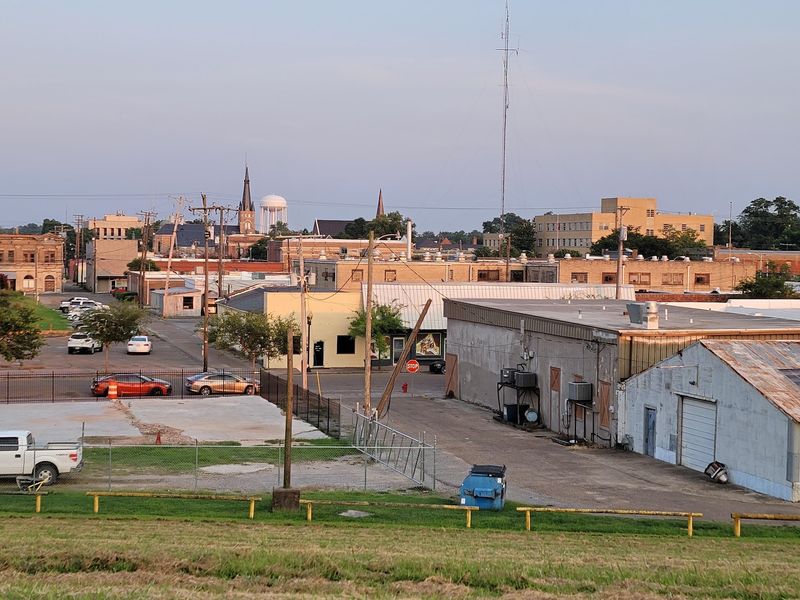
Locals call it the Queen of the Delta, and the title fits a place that grew into the state’s largest river port. Lake Ferguson curls along the edge of town, holding barges and pleasure boats side by side.
Here is a fact worth repeating at parties: the Mississippi River Levee running past downtown is longer and taller than the Great Wall of China. It is a giant earthen wall, and it defines the entire waterfront.
The town you see today is actually version two. Union troops burned the original settlement during the Civil War, so residents rebuilt somewhere safer.
Water has been both friend and enemy. The 1927 Flood Museum, housed in the oldest structure downtown, lays out how the river swallowed the Delta for three straight months.
Architecture ranges wildly, from Romanesque Revival to Mid-Century. Cotton Row still shows off classical late 19th-century buildings from the trading heyday.
The First National Bank Building, a Neoclassical Revival design from 1903, now houses the Municipal Court. Columns and courtrooms, an odd but fitting pairing.
Outside town, the Winterville Mounds Site preserves 12 earthen mounds and two plazas built by Native peoples long before any levee existed. It carries National Historic Landmark status.
Music runs deep too. The Greenville Blues Walk honors Delta legends, and historic Nelson Street was once the beating heart of Black business and nightlife.
4. Rosedale
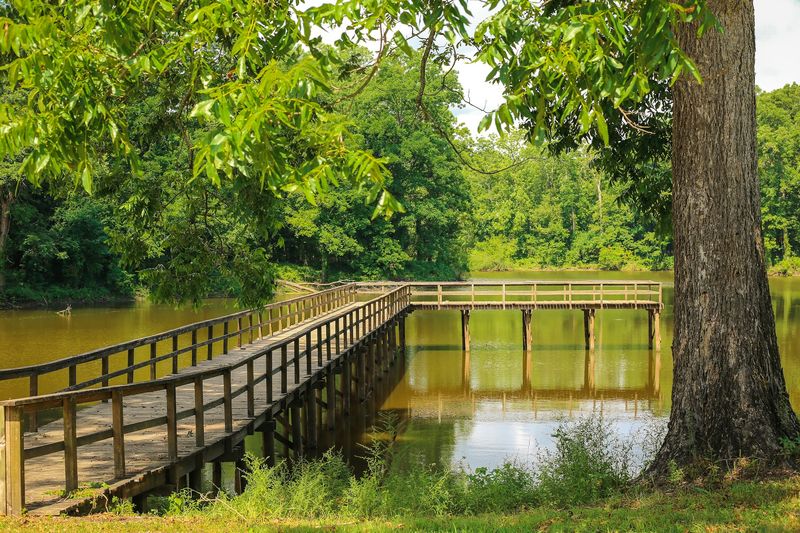
Small does not mean empty. This Bolivar County town sits on the eastern bank of the Mississippi, and its story is mostly written on historical markers scattered around downtown.
One marker points out where the county’s second brick courthouse stood from 1889 until 1923. Flood seep-water finished it off, which is a very Delta way to lose a building.
The first brick courthouse had it worse. Federal troops destroyed it at Prentiss in 1862, and the river later crept over the ruins entirely.
Two courthouses, two watery endings.
Long before courthouses, the Mississippian Culture built and farmed across this landscape. Later came the Antebellum South, with all the complicated history that phrase carries.
Music fans know the name for a different reason. Rosedale appears on the Mississippi Blues Trail, and it turns up in blues lyrics that helped shape the mythology of the whole region.
Grace Episcopal Church stands nearby, a modest historic building that has outlasted plenty of bigger structures. It fits the town’s understated character.
Farmland stretches flat in every direction, broken only by the levee line and stands of cottonwood. Sunsets out here go on forever because nothing blocks them.
Visitors should come expecting quiet rather than crowds. There are no ticket booths, no gift shops, just markers, old brick, and the sense that a lot happened on this ground.
5. Port Gibson
A church steeple here is topped with a golden hand, finger pointing straight up at the sky. Once you see it, you understand why people remember this town.
Chartered on March 12, 1803, it ranks as Mississippi’s third oldest settlement, sitting near the river on a bend of the Bayou Pierre. That water access made it wealthy.
The Battle of Port Gibson on May 1, 1863, handed Grant an important victory east of the Mississippi and opened the road toward Vicksburg. It mattered more than its size suggests.
Legend claims Grant spared the buildings because he found the place too beautiful to burn. Historians argue about it.
The buildings, however, are still standing.
By the Civil War years, the town had elegant homes, tall-steepled churches, and a busy commercial district. Much of that downtown now sits on the National Register of Historic Places.
Church Street is the main event, lined with 19th-century houses and shaded by old trees. Storefronts nearby still wear their original ironwork and brick.
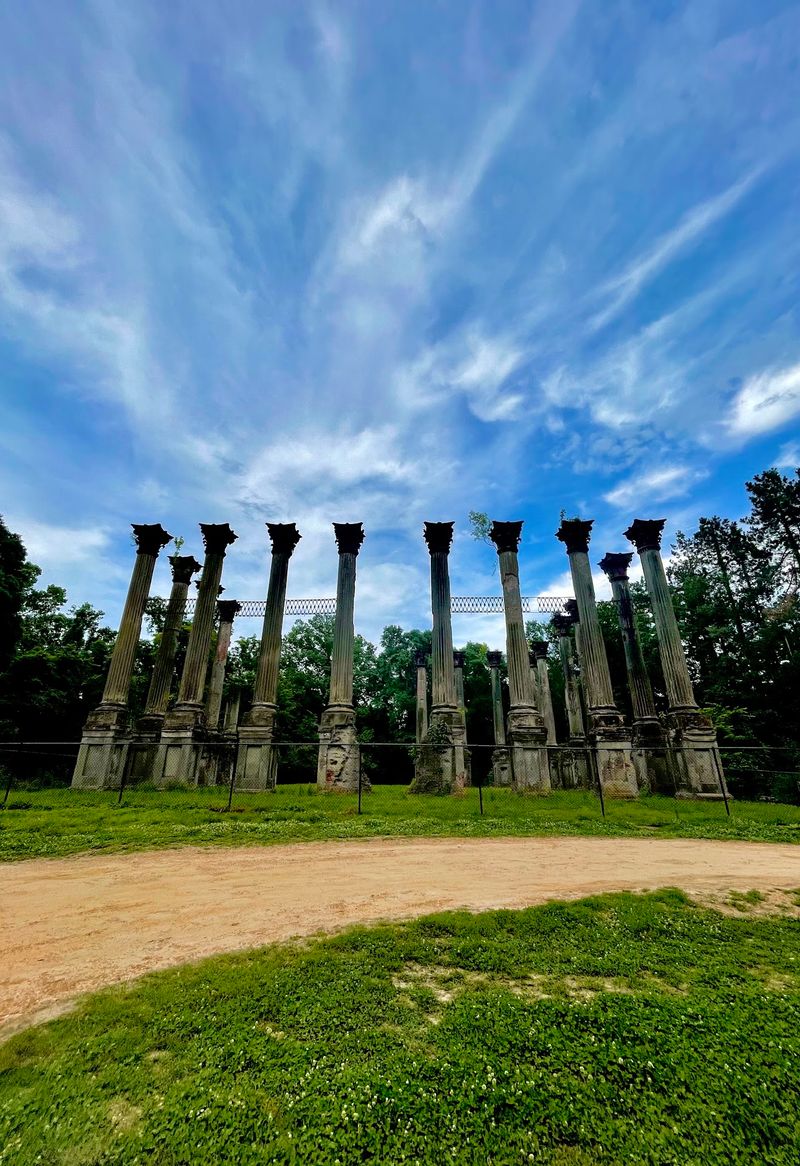
Drive about 12 miles out, and you reach the Windsor Ruins, where 23 Corinthian columns stand alone in a clearing. The mansion burned in 1890, and the columns simply refused to fall.
Photographers love it. Filmmakers have used it, and nothing else in the state looks quite so haunting.
6. Columbus
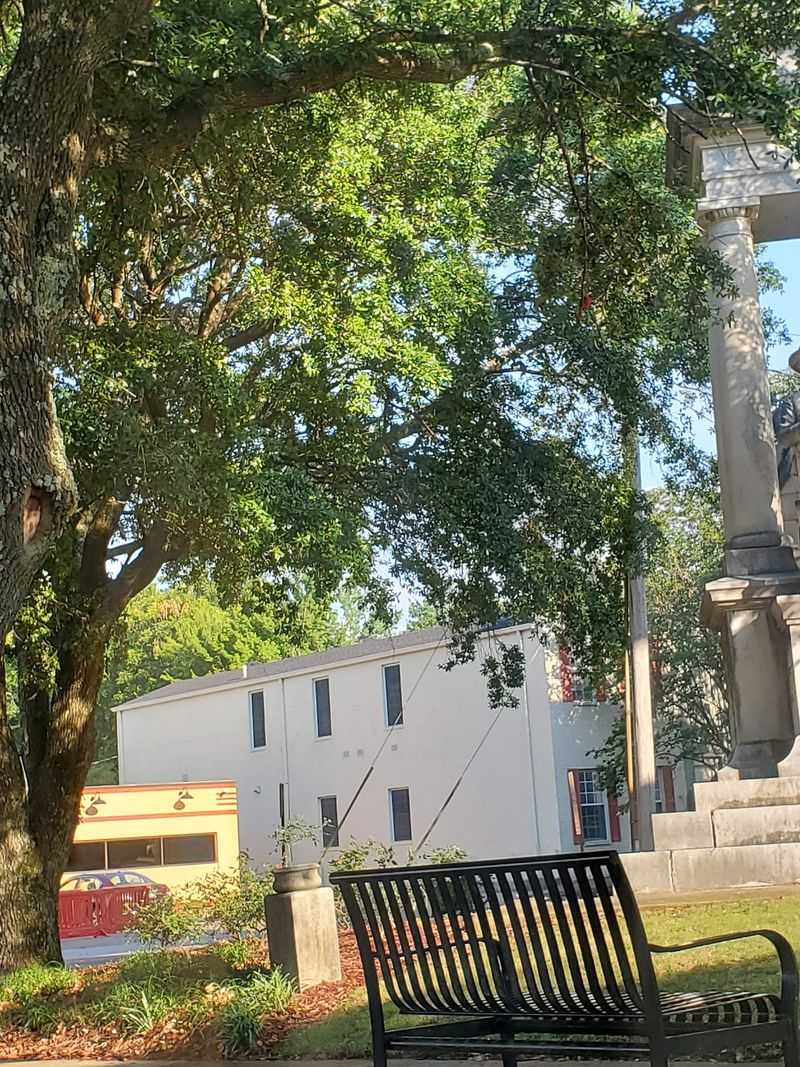
Tennessee Williams was born in this town, and his 1875 Victorian childhood home now serves as the welcome center. Walking the streets feels a little like flipping through one of his plays.
Settled in 1817 along the Tombigbee River, the town nicknamed itself the Friendly City. Over 650 historic properties back up the claim that people here take care of their houses.
Styles run from 1820s Greek Revival through ornate Italianate, with guided home tours opening doors that are usually locked. Porch columns outnumber traffic lights, roughly speaking.
Water shaped everything. A French explorer floated the idea of linking the Tennessee and Tombigbee rivers back in the 1760s or 1770s, and paddle steamboats worked the Tombigbee by the early 1800s.
That old dream finally became the Tennessee-Tombigbee Waterway, finished in 1984. A museum in town explains the enormous engineering effort, and the waterway itself draws boaters, anglers, and skiers.
Downtown was largely rebuilt after fires tore through in 1854. The result is a walkable district of brightly painted storefronts and small shops.
Friendship Cemetery holds a quieter distinction. In 1866, women here decorated the graves of both Union and Confederate soldiers, an event credited as America’s first Decoration Day and an inspiration for Memorial Day.
Catfish Alley, once the center of Black business and social life, now carries a Mississippi Blues Trail marker.
7. Greenwood
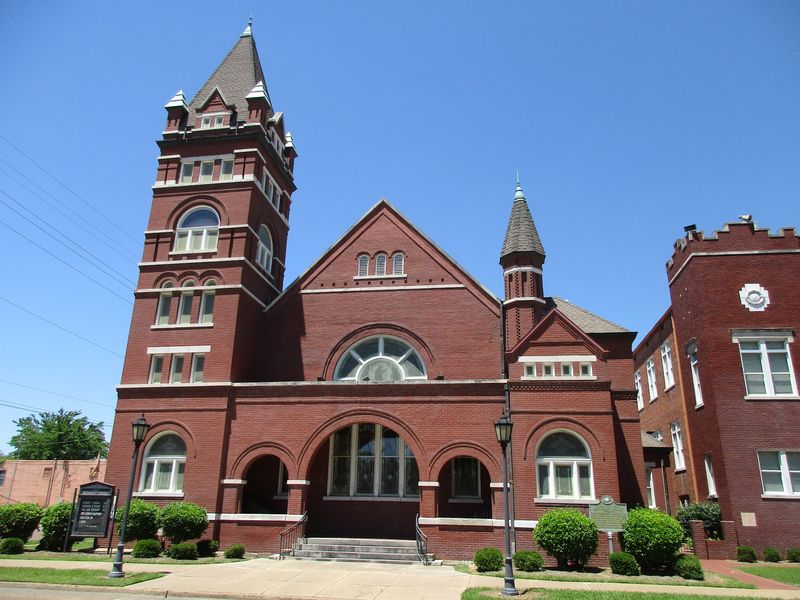
Cotton once made this place rich, and the old commercial buildings downtown still show it. Today the same blocks hold galleries, museums, upscale shops, and a boutique hotel.
The Tallahatchie River winds through the area, a name blues and country fans probably recognize from song lyrics. Its slow brown water shaped the farmland all around.
Greenwood works as a gateway to the Delta, the spot where hills flatten out, and the horizon stretches. Drive in from the east, and the change is obvious.
Railroads mattered as much as rivers. The brick depot, built between 1917 and 1918, is a solid reminder of when trains hauled cotton out and everything else in.
Something unexpected happened here in recent decades. Viking Range Corporation, maker of high-end kitchen appliances, built its headquarters in town and helped spark a small cultural revival.
The Viking Cooking School followed, drawing people who want to learn knife skills and Southern technique in a Delta town rather than a big city. Not what most folks expect from Mississippi farm country.
Southern hospitality gets mentioned a lot around here, and in practice it means shopkeepers who chat and directions given with landmarks instead of street names.
Nearby back roads lead toward important civil rights history and old plantation landscapes, so the area rewards drivers willing to wander.
8. Bay St. Louis
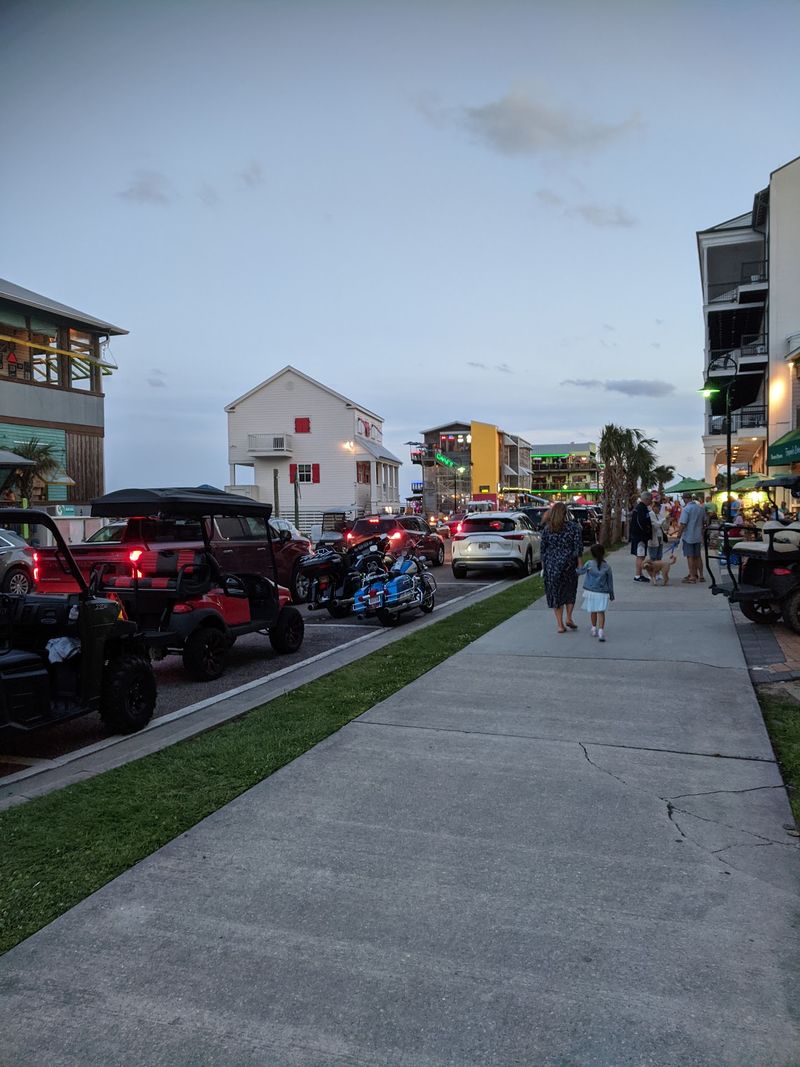
Hurricane Katrina hit this coastal town hard in 2005, and instead of fading away, it came back brighter. That comeback is a big part of the local identity now.
People sometimes call the Old Town district Mayberry by the Sea, which sounds corny until you see the low storefronts and porch-sitting pace. It works.
Art drives the place. Galleries, boutiques, and studios fill historic buildings, and quirky murals pop up on walls where you least expect them.
Cottages painted in sherbet colors line the older streets, many raised on piers as a nod to living beside the Gulf. Hardly a beige house in sight.
The L and N Train Depot, built around 1928 in mission style, is an official Mississippi Landmark. Inside, it holds Hancock County Tourism, the Mardi Gras Museum, and the Alice Moseley Folk Art Museum.
Three attractions in one building means even a rainy afternoon is covered. Moseley’s folk paintings alone are worth the stop.
Down at the Municipal Harbor, boats rock in their slips, and a pier stretches out for anglers. Dolphins surface near the water regularly enough that people barely look up anymore.
Bay St. Louis Beach offers soft sand and calm Gulf water, better for wading than surfing. Buccaneer State Park nearby adds camping, hiking, wetlands, and coastal forest trails.
9. Yazoo City
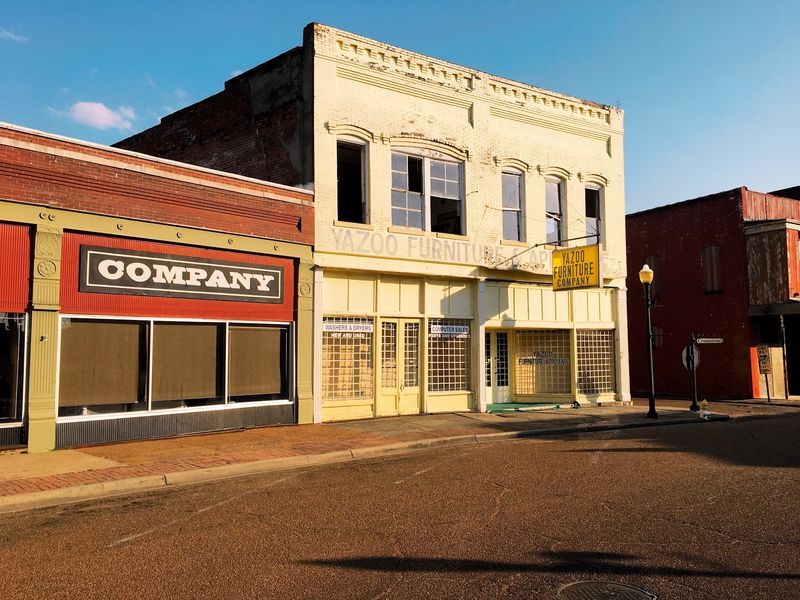
Every town wants a ghost story. This one has a witch, a curse, and a fire that actually happened.
The legend goes that an old woman lived by the Yazoo River and was accused of tormenting local fishermen. As she sank into quicksand, she swore she would return in 20 years and burn the city down.
On May 25, 1904, fire destroyed more than 200 homes and nearly every business in town. Do the math on the timeline, and you understand why people still whisper about it.
Her supposed resting place, the Witch’s Grave in Glenwood Cemetery, sits ringed by chain links. Those chains reportedly break and get repaired again and again.
Beyond the spooky stuff, the town has real history. Founded in 1824, it went by Hannan’s Bluff, then Manchester, before finally settling on Yazoo City in 1841.
The river’s name came from French explorer Robert La Salle in 1682, and some claim Yazoo meant death in a local language. Fitting, given everything else.
Known as the Gateway to the Delta, the town sits where bluffs drop into flatland. The Town Center Historic District earned recognition in 2012 as a Best Old House Neighborhood.
Restored homes here wear bold paint colors that make the streets photograph beautifully. Add the down-home atmosphere, and you have a stop worth more than a quick drive-through.