
The Beloved Cajun Restaurant Coming To Mississippi With Its Legendary Dishes
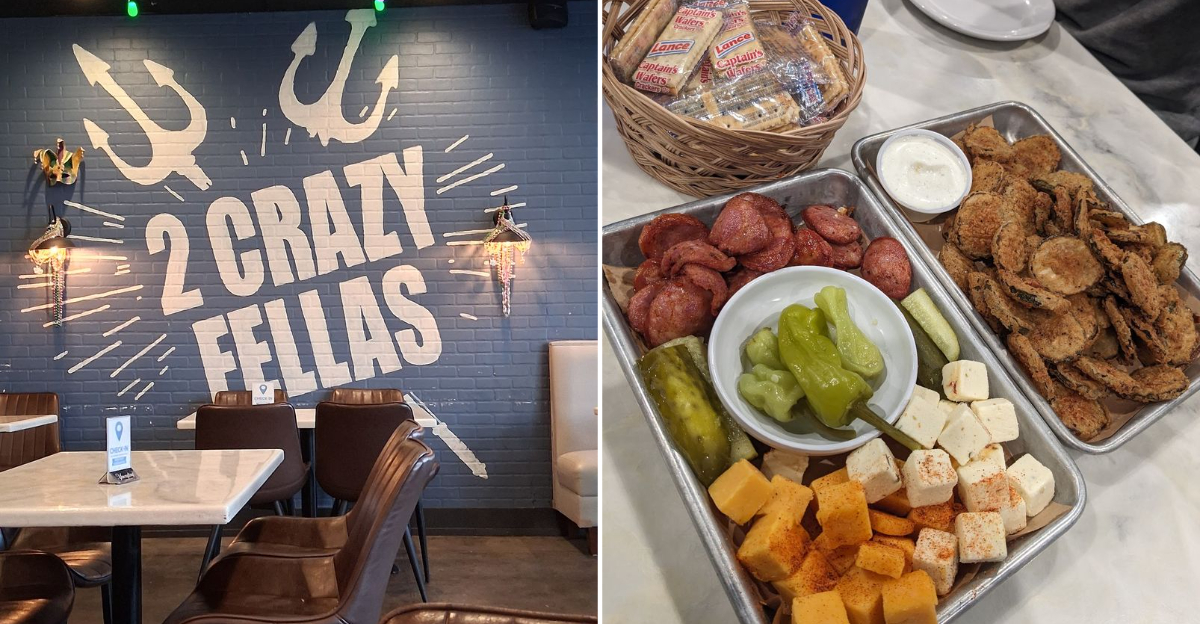
There’s an old Cajun saying that goes something like this: you can’t rush a roux. This Mississippi spot follows the same rule.
Every pot of gumbo simmering in a Louisiana kitchen carries that patience inside it, built slow and never hurried along by anyone standing at the stove. That same philosophy is now heading north.
A restaurant with a loyal following built one plate at a time is bringing its recipes to Mississippi. The étouffée, the jambalaya, and the boudin balls all travel with the recipe intact.
Nothing gets diluted for a new crowd. The flavor arrives just as devoted fans remember it, bold and unapologetic from the first forkful.
For anyone who has waited years to taste it closer to home, that wait is finally ending.
History Of Cajun Culinary Traditions
Cajun cuisine carries a story that goes back centuries. French-speaking Acadians were forced out of Canada in the 1700s.
They eventually settled deep in South Louisiana, bringing their cooking roots with them.
Once they arrived, everything changed fast. Local ingredients like crawfish, okra, and wild game became part of everyday cooking.
Native American and African food traditions mixed right in, creating something completely new.
The result was hearty, rustic cooking built from whatever was available. Dishes like gumbo and jambalaya became one-pot legends born out of necessity.
Nothing went to waste, and every meal told a story.
That spirit lives on today at 2 Crazy Fellas. The restaurant brings that same no-fuss, full-flavor Cajun energy to Olive Branch, Mississippi.
You can feel the history in every bite they serve.
Cajun food was never meant to be fancy. It was meant to be real, filling, and deeply satisfying.
That philosophy still drives every dish on the menu at this spot.
Find it at 6518 Goodman Rd #108, Olive Branch, MS 38654. They are open most days starting at 11 AM.
Stop by and taste a little piece of that living history yourself.
Signature Spices And Seasonings Used In Cajun Recipes
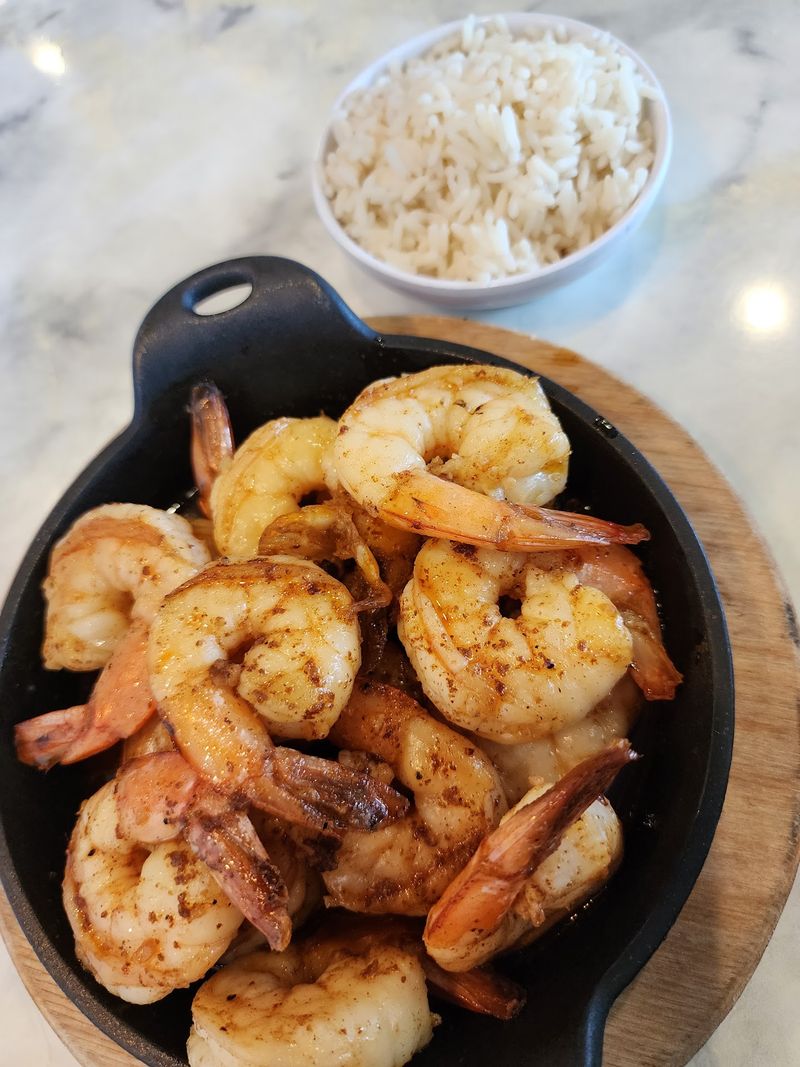
Cajun cooking hits differently because of what goes into the spice blend. Bold, layered, and unapologetically punchy, the seasoning is what makes every dish memorable.
No single spice does all the work alone.
The flavor foundation starts with what cooks call the holy trinity. Bell pepper, onion, and celery build the aromatic base of almost every Cajun dish.
From there, the spices take over in a big way.
Cayenne pepper brings the heat everyone expects from Cajun food. Black pepper, garlic powder, and onion powder add depth and savory complexity.
Oregano and thyme bring an earthy, herbal balance to the mix.
Smoked paprika is the quiet MVP of the spice cabinet. It adds a sweet, smoky undertone that rounds out the sharp edges of the hotter spices.
That combination creates warmth without overwhelming your taste buds.
At 2 Crazy Fellas, the seasoning game is taken seriously. Every dish reflects a careful balance of heat, smoke, and savory flavor.
Nothing feels random or thrown together on this menu.
Getting the spice blend right is what separates average Cajun food from the real deal. This restaurant clearly understands that difference.
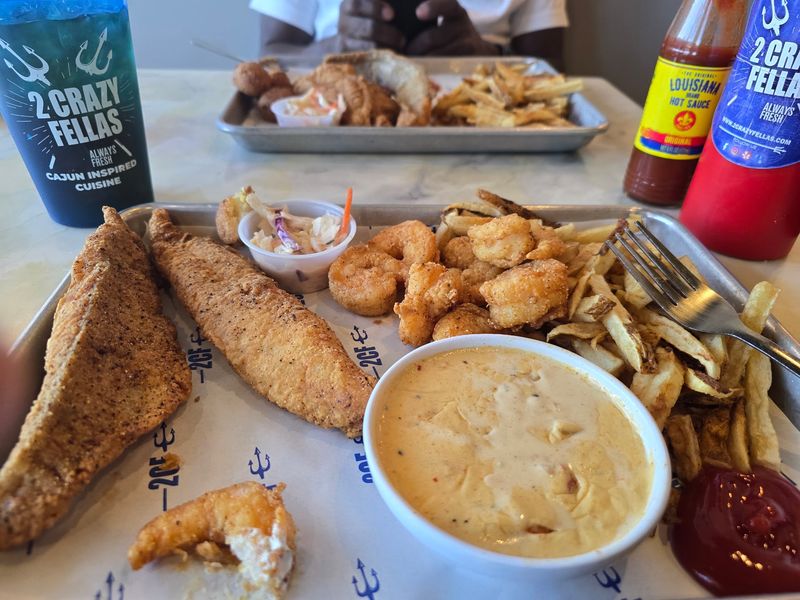
One bite of their seasoned catfish or shrimp will make that point loud and clear.
Popular Cajun Seafood Delicacies
Cajun seafood is a whole category of its own, and it demands respect. Crawfish etouffee is one of the most iconic dishes in the entire tradition.
It is rich, smothered, and served over a bed of fluffy white rice.
Seafood gumbo is another classic that earns its legendary status every single time. It is a deep, complex stew packed with layers of flavor that build with every spoonful.
No two pots taste exactly alike, and that is part of the magic.
Fried shrimp done right has a light, crisp coating that does not overpower the shrimp itself. Chargrilled oysters bring a smoky, briny punch that seafood lovers absolutely adore.
Both show up on the menu at 2 Crazy Fellas, and both deliver.
The Peacemaker po-boy combines fried oysters and fried shrimp in one legendary sandwich. People have been raving about it, calling it a direct connection to Louisiana home cooking.
That kind of feedback does not happen by accident.
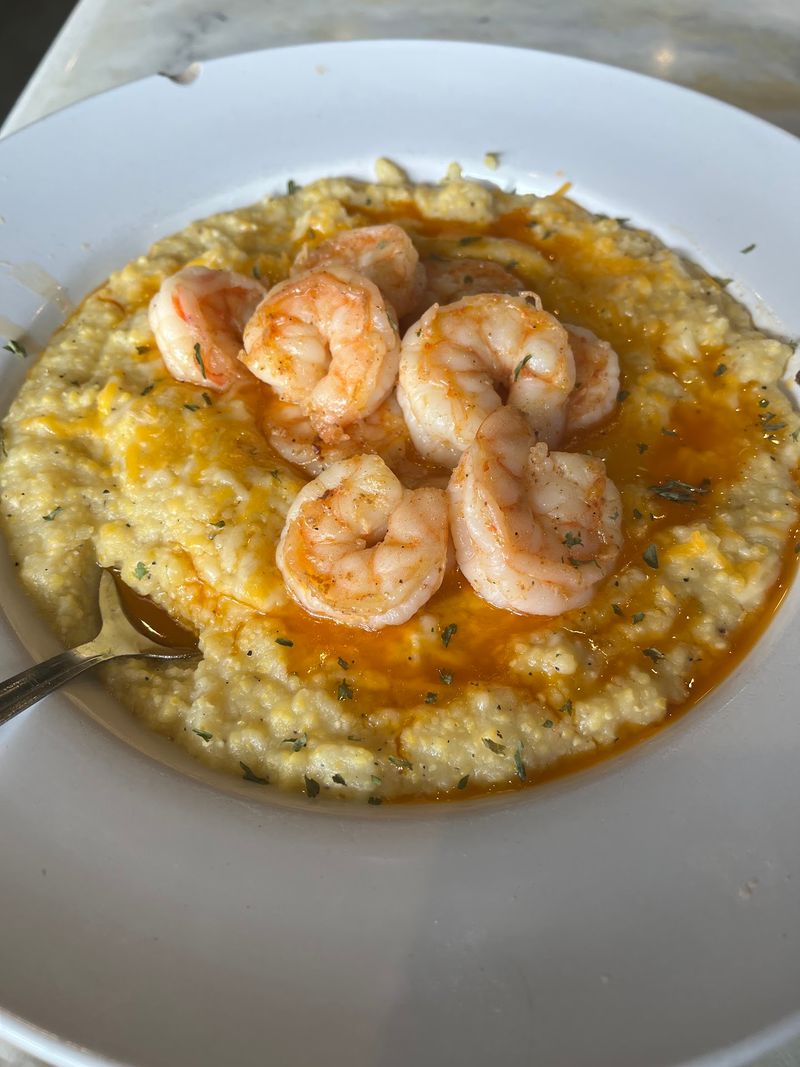
Shrimp and grits also make a strong appearance here. The flavors are bold, the portions are filling, and the grits are cooked to a creamy perfection.
It is comfort food at its absolute best.
Cajun seafood at this level is rare to find in Mississippi. 2 Crazy Fellas is making it happen, one plate at a time.
Vegetarian Options Within Cajun Cuisine
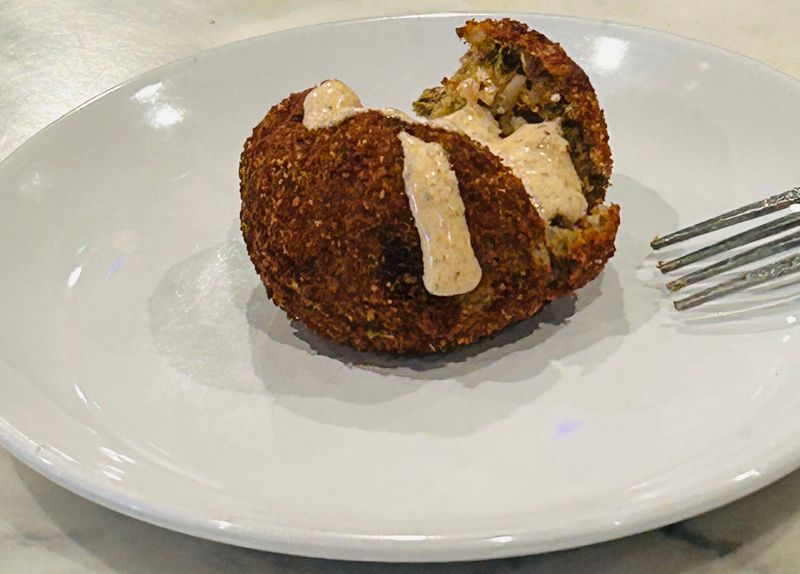
Cajun food has a reputation for being all about meat and seafood. That reputation is not entirely bad, but it leaves out a surprisingly flexible side of this cuisine.
Plenty of Cajun dishes adapt beautifully without any meat at all.
Gumbo Z’Herbes is one of the most interesting examples. Known in some circles as green gumbo, it is loaded with leafy greens and seasoned with all the classic Cajun spices.
It is hearty, satisfying, and completely plant-based.
Vegetarian jambalaya swaps out the meat for vegetables and still delivers that signature bold flavor. The holy trinity of bell pepper, onion, and celery carries the dish with ease.
Properly seasoned rice absorbs every bit of that deep, savory goodness.
Cajun-seasoned rice on its own is also a worthy dish. Cooked with the right spices and aromatics, it becomes far more than a simple side.
It can easily stand as a full meal with a few added vegetables.
Tofu might not be the first thing that comes to mind with Cajun food. But when it is coated in that signature spice blend and cooked properly, it holds its own surprisingly well.
The seasoning does the heavy lifting regardless of the protein.
Cajun cuisine proves that bold flavor does not require meat. The spices, techniques, and traditions make every dish exciting on its own terms.
Techniques For Preparing Authentic Cajun Sauces
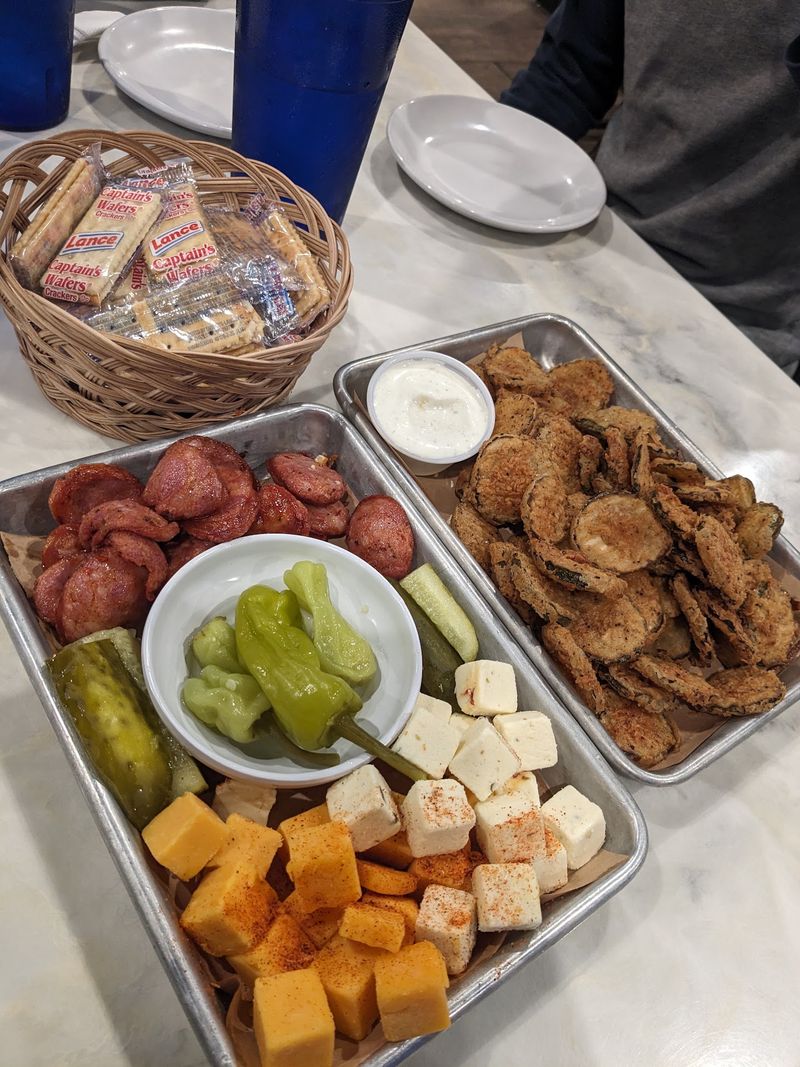
Making a proper Cajun sauce starts with one non-negotiable step: the roux. A roux is a cooked mixture of fat and flour that forms the backbone of most Cajun sauces and gravies.
Get it wrong and the whole dish suffers.
The process requires patience and constant attention. You stir the roux over medium heat, watching it slowly darken from pale blonde to a rich chocolate brown.
Walk away for even a minute, and you risk burning the whole thing.
Once the roux is ready, the holy trinity goes in. Bell pepper, onion, and celery hit the hot fat and immediately release their aromatics.
That moment is when the kitchen starts smelling like something truly special.
Reduction is the next key technique in building depth. Cooking the sauce down slowly concentrates the flavors and thickens the consistency naturally.
No shortcuts here, because time is what creates that complex, layered taste.
Seasonings go in gradually, not all at once. Cayenne, black pepper, thyme, and garlic powder are added in stages so each one blooms properly.
Rushing this step flattens the flavor profile significantly.
Authentic Cajun sauces are not quick projects. They reward the cook who commits to the process fully.
At 2 Crazy Fellas, the results of that commitment show up clearly in dishes like their etouffee and gumbo.
Influence Of French And Creole Flavors
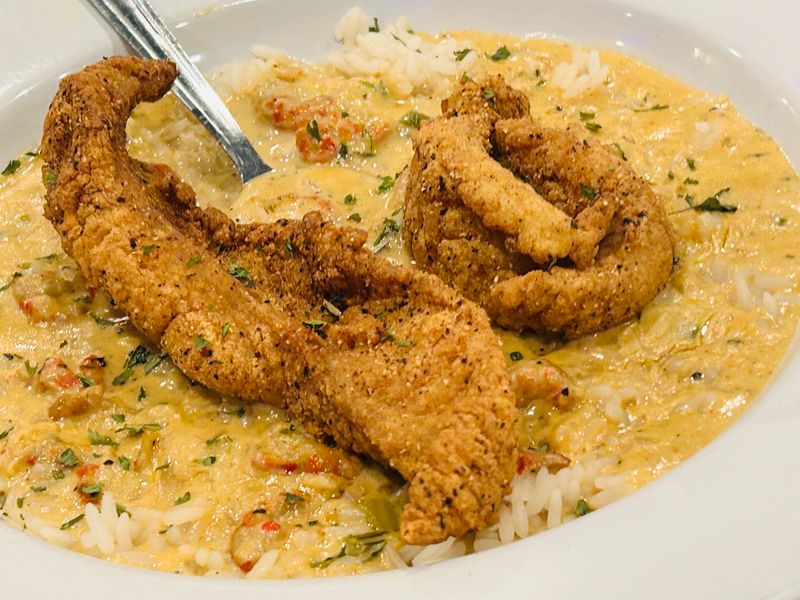
Cajun cuisine did not appear out of nowhere. Its roots run deep into French peasant cooking traditions brought over by Acadian settlers centuries ago.
That French foundation is still visible in the techniques and flavor profiles used today.
The holy trinity in Cajun cooking mirrors the French mirepoix almost exactly. Mirepoix uses onion, carrot, and celery as its base.
Cajun cooks swapped carrots for bell peppers to reflect local Louisiana ingredients, and a new classic was born.
Creole cuisine, which grew out of New Orleans, shares that same French ancestry. But Creole cooking went in a slightly different direction, blending Spanish, African, and Italian influences along the way.
The result is a more refined, urban style of cooking compared to rustic Cajun traditions.
One of the clearest differences between the two is the use of tomatoes. Creole dishes often feature tomatoes as a key ingredient in sauces and stews.
Traditional Cajun cooking tends to skip tomatoes entirely, keeping things darker and more intensely savory.
Both traditions celebrate bold seasoning, fresh seafood, and deeply satisfying meals. They are cousins in the culinary world, each with their own distinct personality.
Understanding both helps you appreciate why every dish at a place like 2 Crazy Fellas tastes so intentional.
French and Creole influences made Cajun food what it is today. That layered history is exactly what keeps people coming back for more.
Pairing Cajun Dishes With Non-alcoholic Beverages
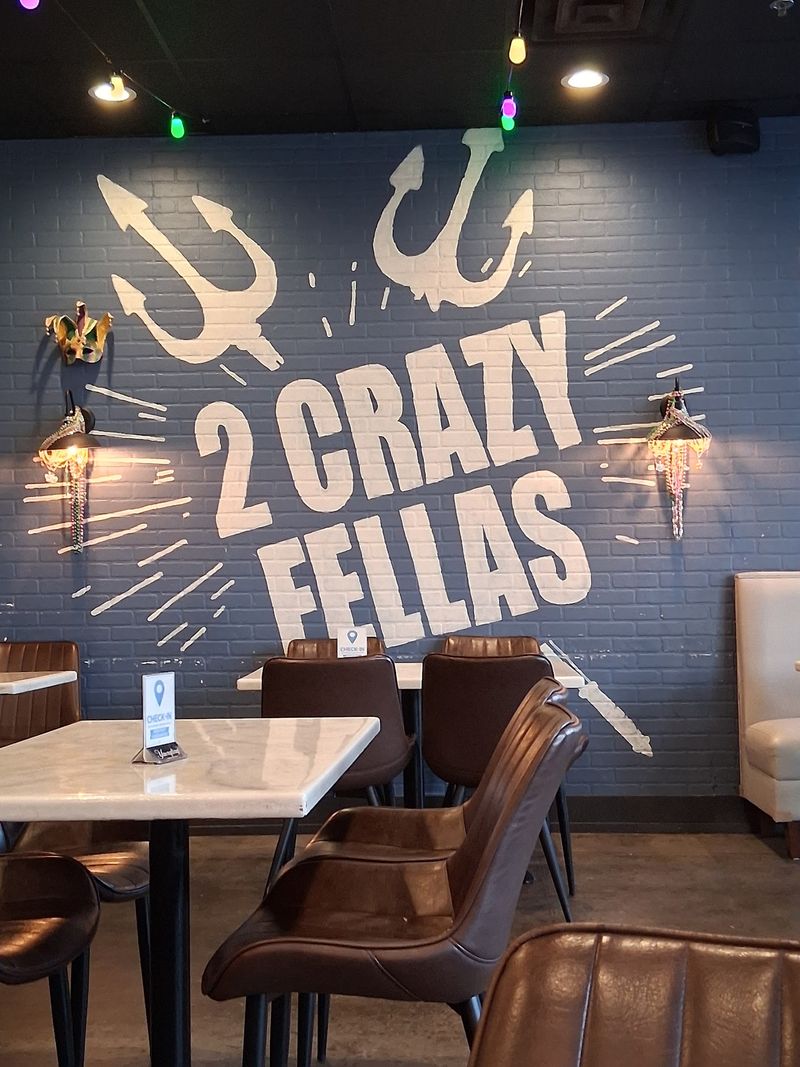
Spicy food and the right drink are a team that deserves serious thought. Cajun dishes bring heat, smoke, and bold seasoning to the table.
The beverage you choose can either enhance all of that or completely fight against it.
Sweet and tart drinks are the most natural partners for spicy Cajun food. Strawberry lemonade is a crowd favorite because the sweetness cools the heat while the tartness keeps your palate alive.
An Arnold Palmer, which mixes iced tea and lemonade, works on that same principle beautifully.
Root is an underrated pairing that more people should try. Its sweet, slightly herbal flavor creates an interesting contrast with bold Cajun spices.
Ginger ale is another solid choice, offering a gentle spice of its own that complements rather than competes.
Sparkling water might sound too simple, but it is actually incredibly effective. The carbonation clears the palate between bites and resets your taste buds for the next round of flavor.
It lets the food stay in the spotlight where it belongs.
Peach lemonade with a spicy rim is a creative option worth exploring. The fruity sweetness plays off the heat in a way that feels both refreshing and fun.
It also looks great on the table, which never hurts.
At 2 Crazy Fellas, the food is bold enough to deserve a thoughtful drink pairing. Choose wisely, and every bite gets even better.
Tips For Perfecting Cajun Rice And Grains
Rice is not just a side dish in Cajun cooking. It is the foundation that holds everything else together.
Getting it right matters more than most people realize.
Always start with long-grain white rice for authentic Cajun results. Short-grain or medium-grain rice gets too sticky and clumps together in a way that does not work with most Cajun dishes.
Long-grain rice stays separate and fluffy, which is exactly what you want.
Rinsing the rice before cooking is a step that makes a real difference. Running cold water through it removes excess surface starch that causes gumminess.
A minute or two of rinsing can completely change the texture of the finished dish.
Use a heavy-bottomed pot to ensure even heat distribution throughout cooking. Thin pots create hot spots that burn the bottom while leaving the top undercooked.
A good pot is one of the most important tools in a Cajun kitchen.
Bring your liquid to a full boil before reducing it to a low simmer. Keeping the lid on tightly throughout the cooking process traps steam that finishes the rice evenly.
Lifting the lid too early lets that steam escape and ruins the texture.
Let the rice rest off the heat for a few minutes before serving. That resting period allows the grains to firm up and separate properly.
At 2 Crazy Fellas, the rice under their etouffee and gumbo proves that these details truly matter.