
The Clam Chowder At This Wisconsin Restaurant Stands Out For All The Right Reasons
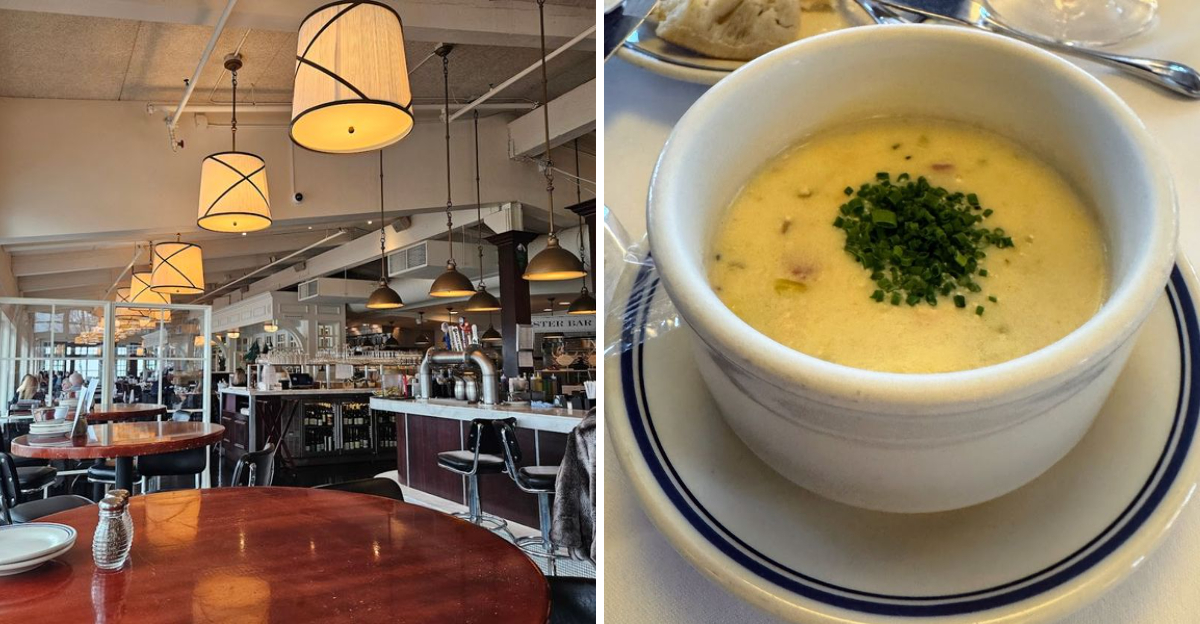
Some dishes don’t need much convincing, they speak for themselves after the first spoonful. That’s exactly the case at one standout Wisconsin restaurant where clam chowder has quietly become the reason people keep coming back.
It’s rich without feeling heavy, packed with flavour, and made with the kind of care you can actually taste. You might come in expecting a good meal, but this is the dish that steals the attention.
In a state better known for other classics, this bowl manages to hold its own and then some, turning a simple craving into something you won’t forget anytime soon.
A Waterfront Setting That Elevates The Entire Dining Experience
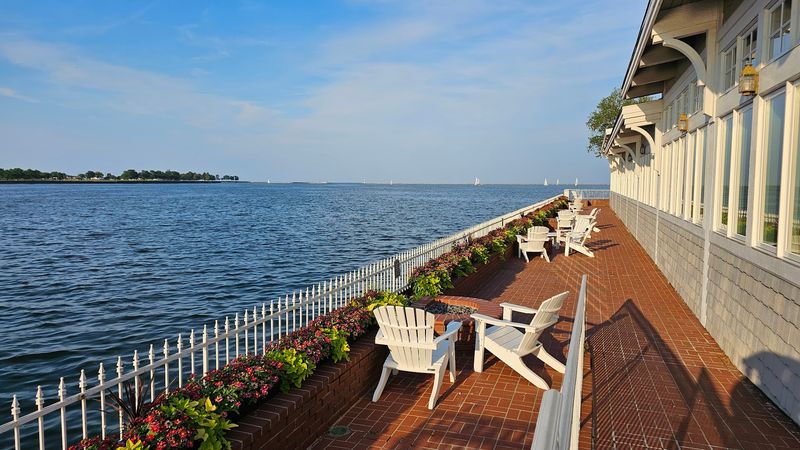
Arriving at 550 N Harbor Dr feels different from pulling up to most restaurants. You walk through a garden area that shields the building from the street, creating a sense of discovery before you even step inside.
Once through the doors, the space opens up to reveal floor-to-ceiling windows framing Lake Michigan and the Milwaukee skyline in a way that makes every table feel like it won something.
The dining room manages to feel both polished and approachable at the same time. Lighting stays bright enough to read the menu without squinting but soft enough to make the evening feel special.
Tables are spaced well, giving conversations room to breathe without feeling isolated from the energy around you.
That view does real work here. Watching the light shift across the water while working through a meal adds a layer of experience that no amount of interior design could replicate.
The setting becomes part of the meal itself, shaping how everything tastes and feels from the first sip to the last bite.
Fresh Seafood Sourced With Quality In Mind
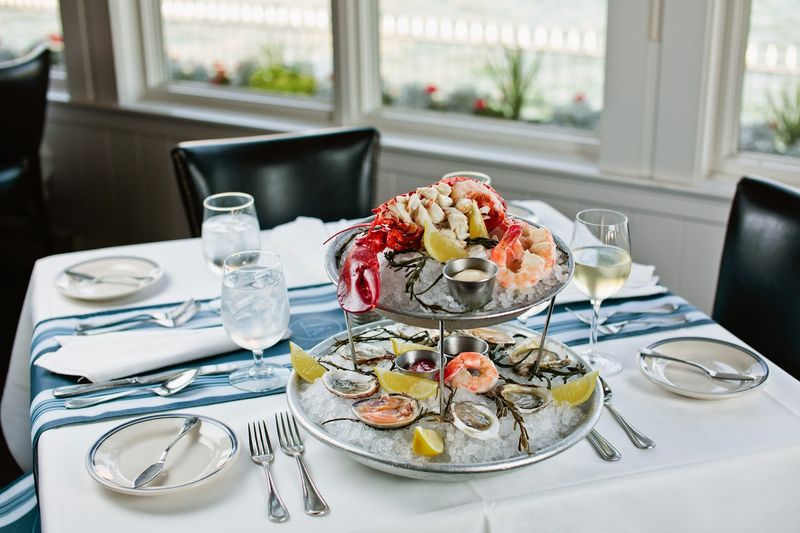
Walking into Harbor House means walking into a kitchen that takes sourcing seriously. The seafood arrives fresh, and the menu reflects what makes sense to serve based on season and availability rather than forcing year-round consistency at the expense of quality.
Stone crab claws show up when they should, and the oyster selection rotates to highlight different varieties at their peak.
Lobster gets flown in from Maine. Scallops arrive looking like they just left the ocean.
The fish options change based on what the suppliers bring in, which means the menu stays flexible rather than locked into mediocrity for the sake of predictability.
This approach shows up in how everything tastes. The grouper tastes like grouper, not like something that spent too long in transit or sat around waiting to be cooked.
Oysters taste clean and mineral-forward, carrying the distinct characteristics of their origin rather than a generic brininess that comes from poor handling or age.
A Clam Chowder That Balances Creaminess And Flavour
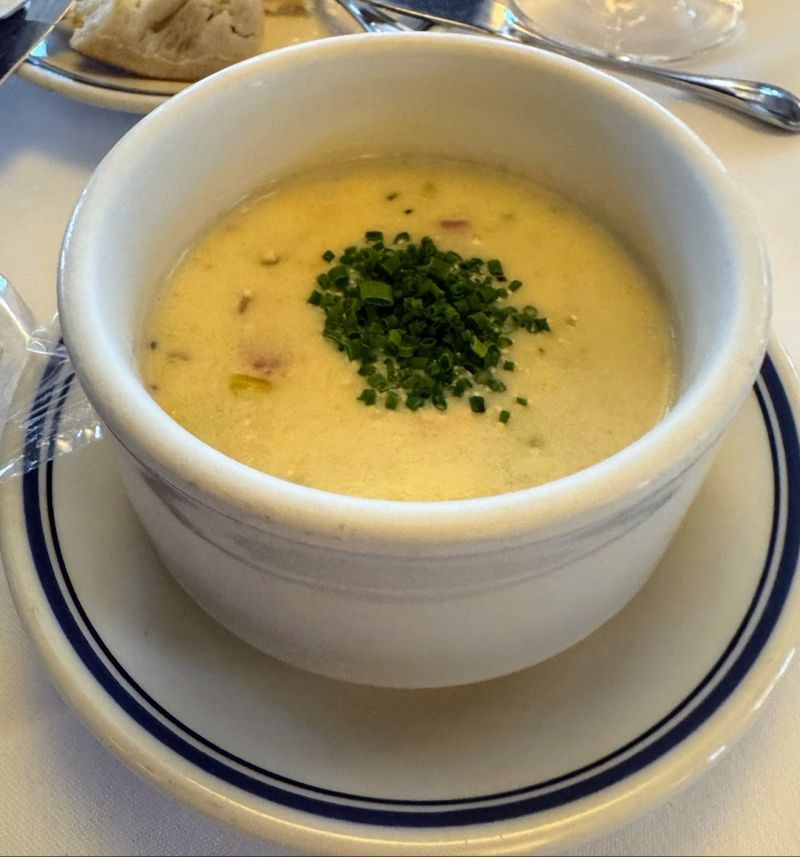
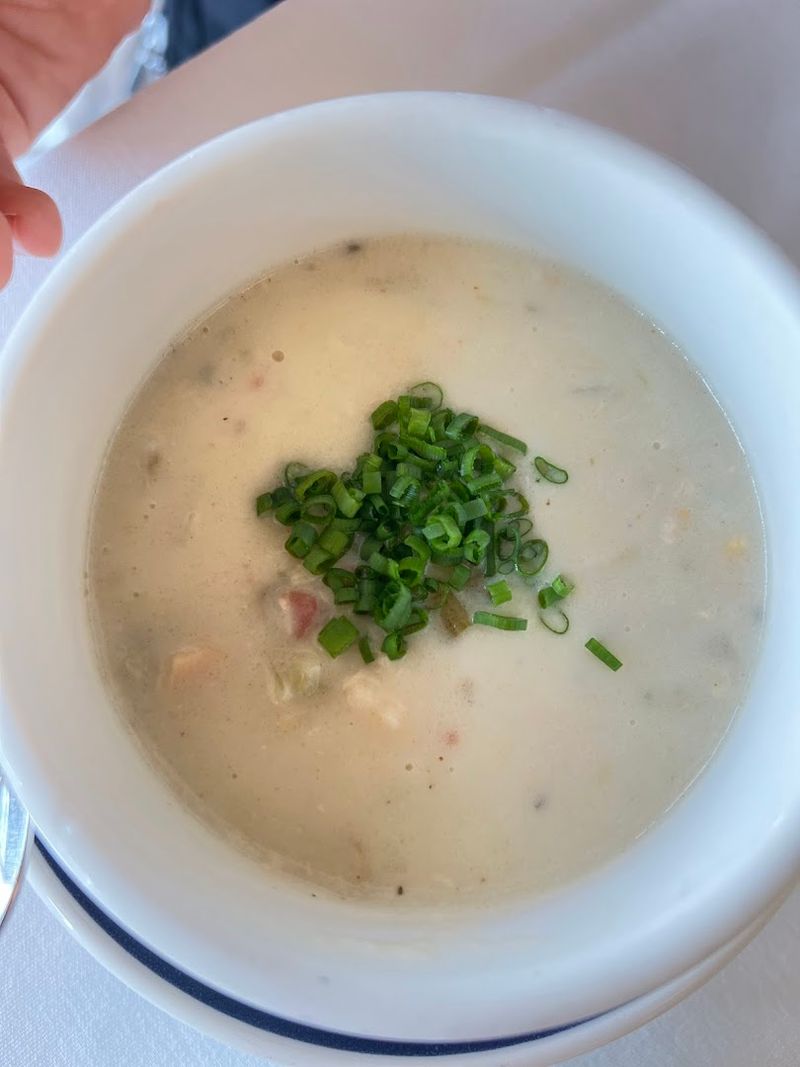
The clam chowder here refuses to follow the usual script. Many versions lean so heavily into cream and starch that the clams become an afterthought, buried under thickness that coats your mouth and dulls your palate.
Harbor House takes a different path, building a base that stays rich without crossing into heavy territory.
Clams show up in real numbers, not as token gestures. Vegetables maintain some texture instead of dissolving into mush.
The broth carries enough body to feel substantial but never turns stodgy or cloying. Fresh cracked pepper and chives finish each bowl, adding brightness that cuts through the richness and keeps your spoon moving.
What makes this version work comes down to restraint. The kitchen understands that more cream does not equal better flavor, and that clam chowder should taste primarily like clams rather than like a vehicle for dairy.
The result lands somewhere between comfort food and refined cooking, satisfying both cravings at once.
A Menu Built Around Classic Coastal Dishes
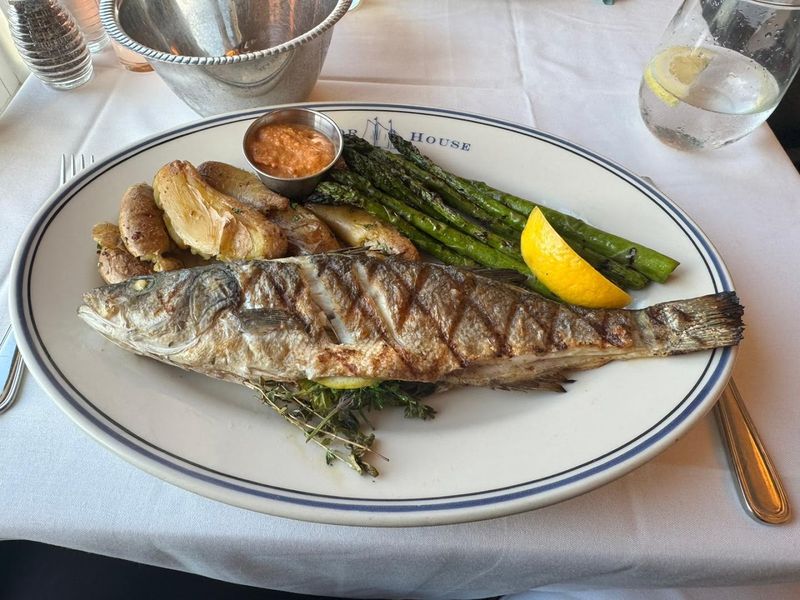
Harbor House does not chase trends or try to reinvent seafood with unnecessary complications. The menu reads like a greatest hits collection of coastal cooking, executed with enough skill to remind you why these dishes became classics in the first place.
Lobster bisque, oysters on the half shell, pan-seared fish with straightforward accompaniments all appear without apology or modernist reinterpretation.
Lobster ravioli arrives in a sauce built from tarragon, sherry, and olive oil that tastes like an elevated version of the bisque. Mussels come in a cream sauce that makes bread mandatory.
The lobster roll uses Connecticut-style preparation, focusing on the sweet meat rather than drowning it in mayo or competing flavors.
Steaks show up too, because sometimes people want beef even at a seafood restaurant. The kitchen handles them well, offering dry-aged options and proper accompaniments.
But the real strength here stays with what comes from the water, prepared in ways that highlight quality ingredients rather than obscuring them with technique for its own sake.
Views Of Lake Michigan That Add To Every Bite
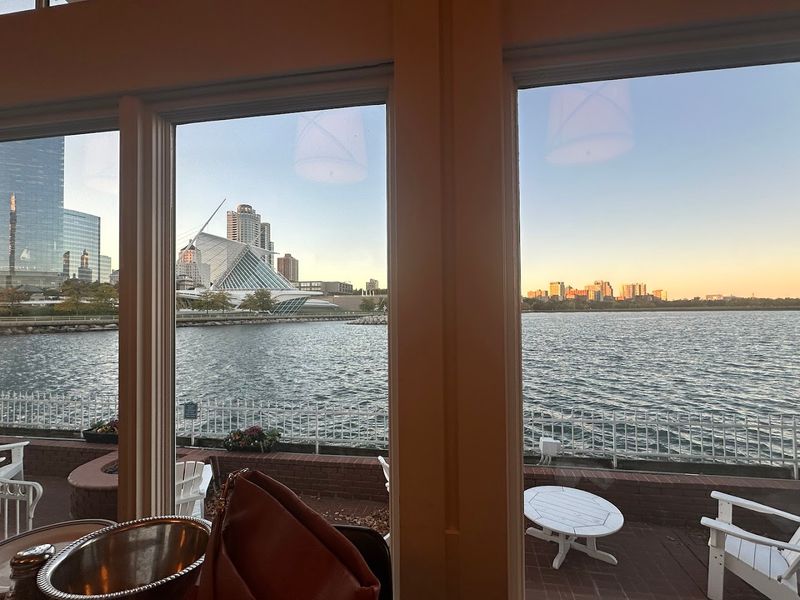
Eating next to Lake Michigan changes the entire experience in ways that go beyond simple aesthetics. The water provides a constantly shifting backdrop that makes each visit feel slightly different depending on weather, time of day, and season.
Lunch service catches the afternoon light bouncing off the waves, while evening meals watch the sky turn colors that no decorator could match.
Tables near the windows get requested often, and for good reason. But even seats further back maintain sightlines to the water, keeping that connection present throughout the meal.
The view never feels like a gimmick or distraction, but rather like a natural extension of what Harbor House offers as a complete package.
During warmer months, the outdoor space becomes available, putting diners even closer to the waterfront. The location at 550 N Harbor Dr positions the restaurant perfectly to take advantage of one of Milwaukee’s best natural assets, turning geography into a genuine dining advantage that landlocked competitors simply cannot replicate.
A Reputation As One Of Milwaukee’s Go-To Seafood Restaurants
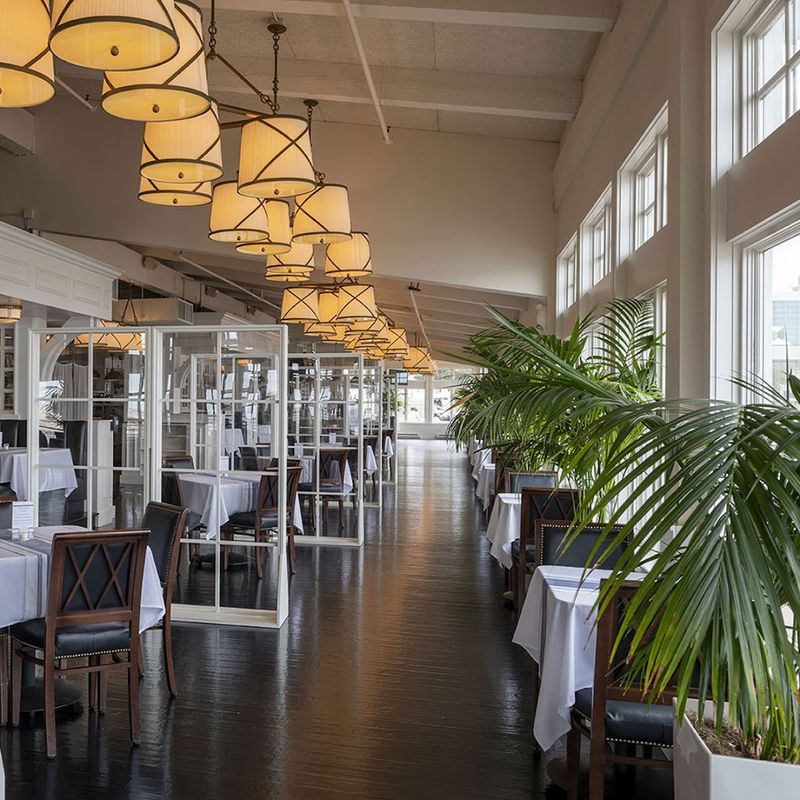
Harbor House has held its position as a Milwaukee seafood destination for twenty years, which says something in a city where restaurants come and go with alarming frequency. Locals return for anniversaries, birthdays, and celebrations that need something more substantial than casual dining but less stuffy than old-guard formality.
The restaurant has become the place people think of when they want seafood done right without leaving Wisconsin.
That reputation gets built meal by meal, visit by visit. Consistency matters here, as does the ability to deliver special experiences without making them feel forced or theatrical.
The kitchen knows how to handle a busy Friday night, and the staff understands how to make regulars feel recognized without ignoring first-timers.
Being part of the Bartolotta Restaurant Group adds credibility and resources that independent operations often struggle to match. The backing shows in details like wine selection, staff training, and the ability to source premium ingredients reliably.
Milwaukee has other seafood options, but Harbor House remains the benchmark against which newcomers get measured.
Attention To Detail That Shows In Every Dish
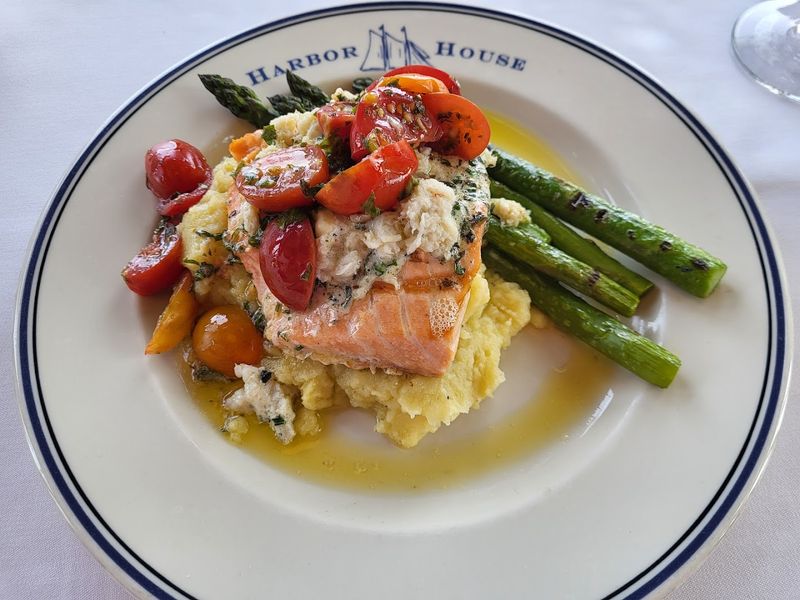
Small things separate good restaurants from great ones, and Harbor House pays attention to the small things. Oysters arrive on properly crushed ice with mignonette that tastes freshly made rather than pulled from a container.
Bread shows up warm. Water glasses stay filled without needing to flag down staff.
Plates come out at the right temperature, which sounds basic but gets missed more often than it should.
The kitchen executes technical elements that many diners might not consciously notice but would definitely miss if done poorly. Fish gets seared with a proper crust without overcooking the interior.
Lobster tails come out tender rather than rubbery, which requires precise timing and attention. Sauces taste balanced, with acidity cutting through richness and herbs adding brightness rather than just decoration.
Service matches the kitchen’s precision. Staff members know the menu well enough to answer questions without guessing, and they time courses properly so meals flow naturally rather than feeling rushed or dragging.
These details accumulate into an experience that feels polished without becoming precious or overly formal.
A Dining Room That Feels Polished Yet Comfortable
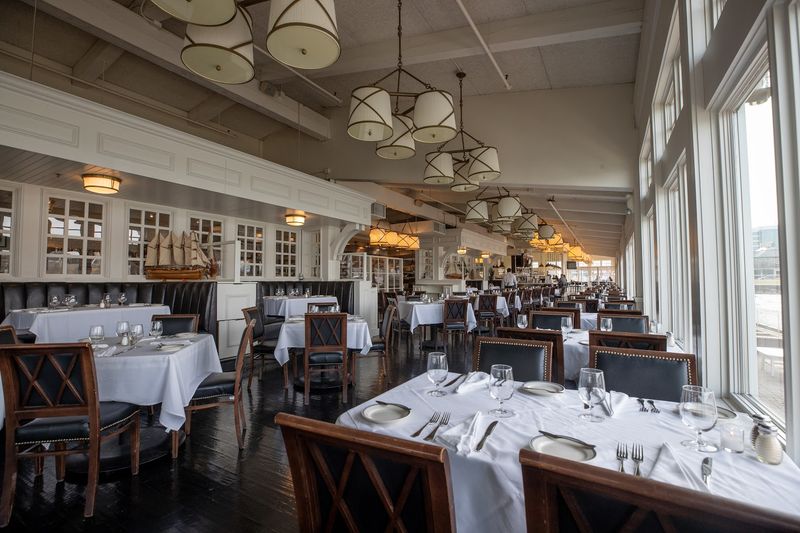
Harbor House walks a tricky line between upscale and approachable, managing to feel fancy without making guests worry about using the wrong fork. The dining room looks expensive but not intimidating, with decor that leans toward modern coastal rather than stuffy traditional.
Tables are set properly, but the atmosphere never gets so formal that you feel like you need to whisper or watch your posture.
Lighting plays a big role in setting the right tone. The space stays bright enough to feel energetic during lunch service, then adjusts for evening meals without plunging into darkness.
You can read the menu easily, see your food clearly, and still feel like you are somewhere special rather than sitting under fluorescent tubes.
The layout gives different areas distinct feels without fragmenting the space. Table 72, known as the chef’s table, offers a semi-private experience that regulars request specifically.
Window seats provide those coveted lake views. Even tables near the kitchen or service areas get handled professionally, with staff working to minimize disruption while moving through their duties efficiently.
A Spot That Works For Both Special Occasions And Casual Visits
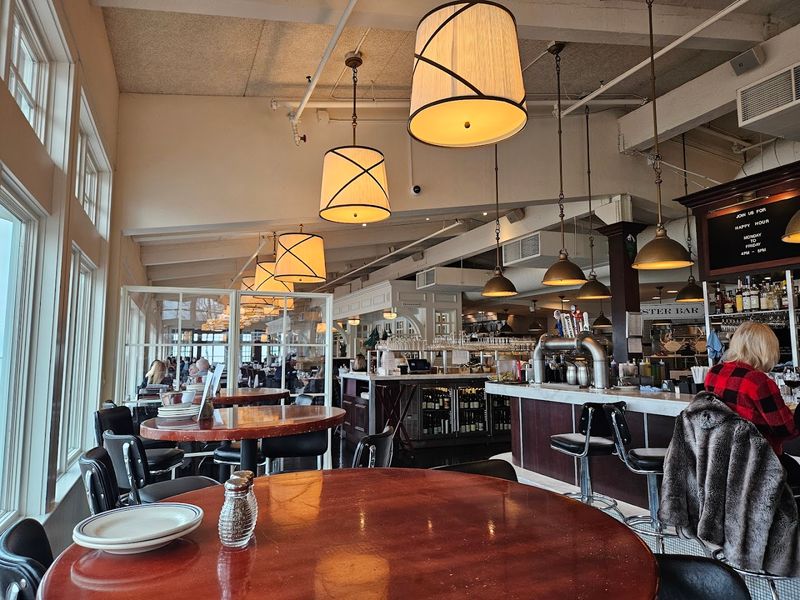
Some restaurants box themselves into one category, becoming either special occasion destinations that feel too formal for regular visits or casual spots that cannot rise to important moments. Harbor House avoids both traps, functioning equally well for anniversary dinners and weekday lunches.
The menu offers options at different price points, and the atmosphere adjusts naturally to accommodate different types of visits.
Brunch service brings a more relaxed energy while maintaining the quality standards that define dinner. Happy hour from four to six in the bar area provides a way to experience the restaurant without committing to a full tasting menu budget.
The space works for business meals, family gatherings, romantic dinners, and solo dining without any of them feeling out of place.
This flexibility comes from smart design choices and staff training that emphasizes reading the room rather than forcing a single service style on every table. Servers understand when to engage and when to step back, adjusting their approach based on what each party seems to need rather than following a rigid script.
Consistent Quality That Keeps Guests Coming Back
Twenty years in business requires more than a strong opening. Harbor House has built a following of regulars who return multiple times per year, sometimes monthly, because they know what to expect and trust the kitchen to deliver it.
That kind of loyalty does not come from occasional excellence but from the harder work of maintaining standards night after night, season after season.
The menu evolves gradually rather than chasing constant reinvention. Signatures like the lobster bisque remain available while specials rotate to keep things interesting for frequent visitors.
The kitchen maintains relationships with suppliers that ensure ingredient quality stays consistent, and the staff includes longtime employees who understand the restaurant’s culture and standards.
Chef Michael Genre’s presence makes a difference, not just in the cooking but in the way he connects with guests and maintains quality control. His willingness to visit tables, take feedback, and adjust based on what diners actually want rather than what he thinks they should want has helped Harbor House stay relevant while many contemporaries have faded or closed entirely.