
The Friendly Town In Massachusetts Where Neighbors Still Wave And Life Moves A Bit Slower
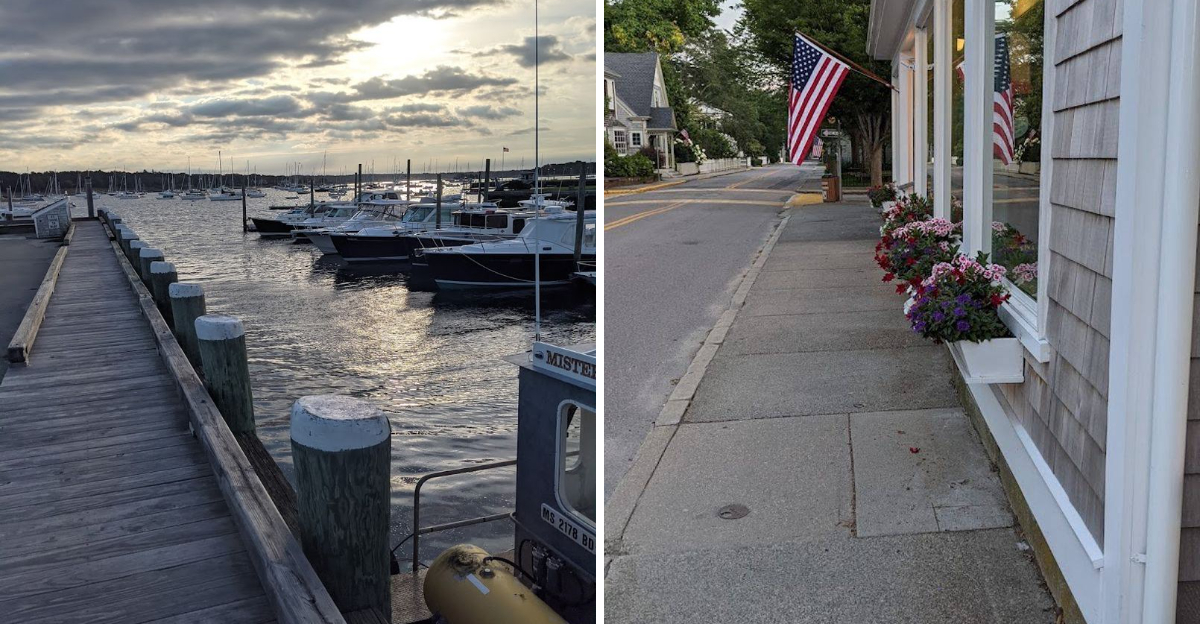
Massachusetts moves fast. Boston traffic, packed commuter rails, the relentless buzz of city life. But one small town never got that memo. Life here runs on its own clock, and honestly?
Nobody is complaining. Neighbors still wave at passing cars. Strangers hold doors open and mean it. The air carries salt and quiet in equal measure.
It is the kind of place that makes you wonder why you ever rushed anywhere at all. Slow mornings, familiar faces, and a community that actually shows up for each other.
Massachusetts has many sides, and this gentle, unhurried corner just might be its most beautiful one.
A Harbor That Sets The Tone For Everything
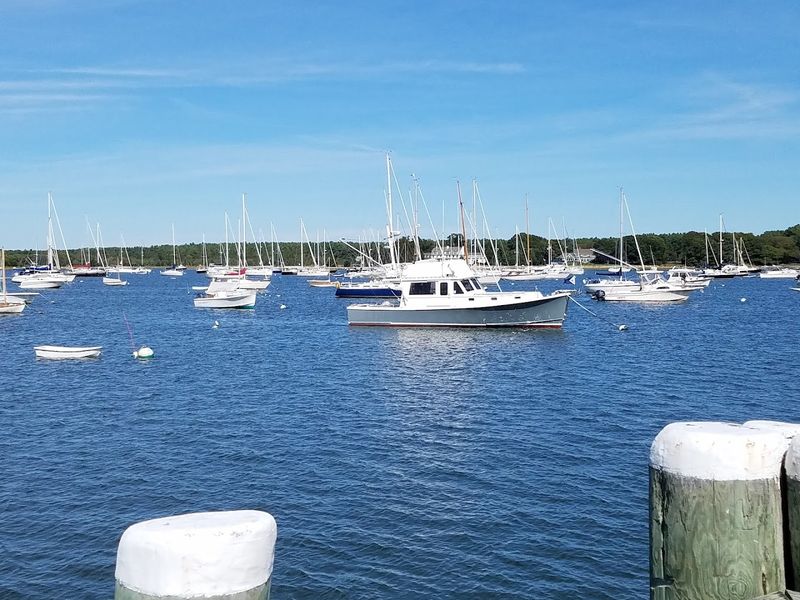
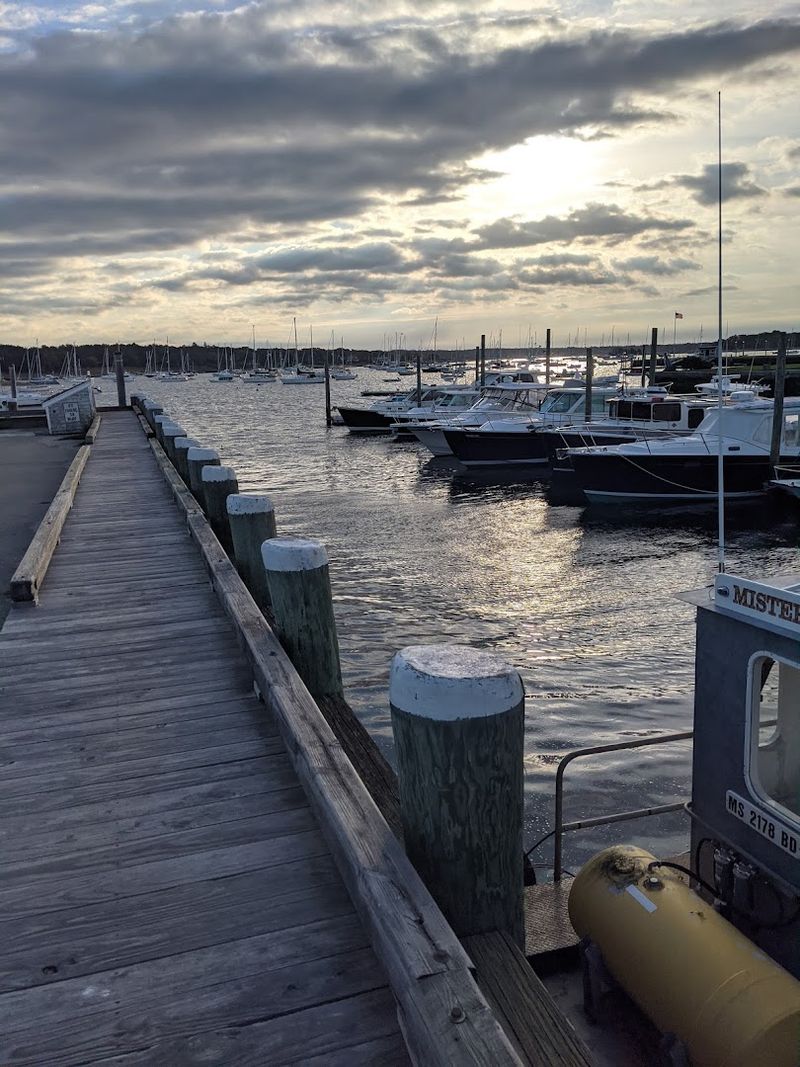
Sippican Harbor does not announce itself loudly. It simply sits there, calm and self-assured, with sailboats rocking gently in the morning light and the faint sound of rigging tapping against masts.
For residents of this town, the harbor is not just a scenic backdrop. It is the heartbeat of daily life.
People walk here before breakfast. Fishermen load their gear without rushing.
Kayakers drift past the shoreline without any particular destination in mind. The harbor shapes the rhythm of the town in ways that are hard to quantify but easy to feel the moment you arrive.
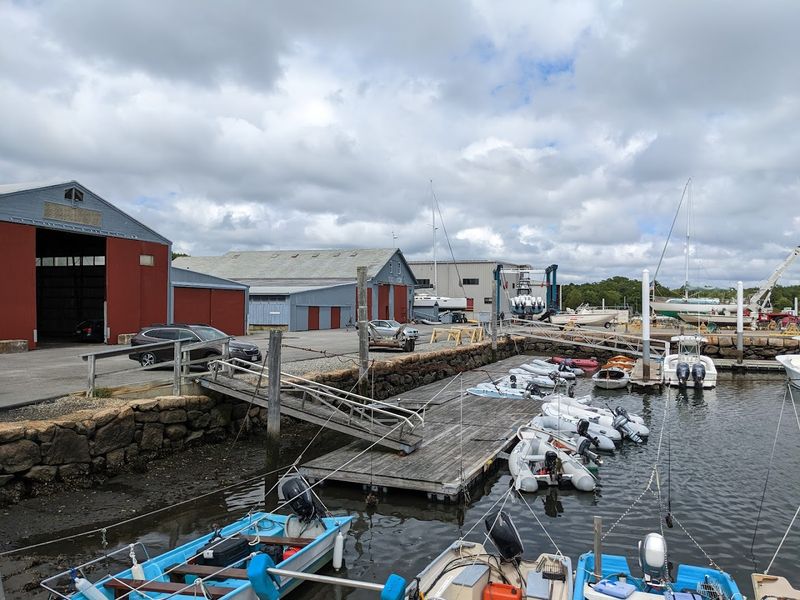
Sippican Harbor sits along Buzzards Bay, giving the place direct access to open water while maintaining the sheltered, intimate quality of a working coastal harbor.
The surrounding area includes public access points, docks, and quiet stretches of shoreline where locals gather to watch the light change over the water.
It is the kind of place that makes you put your phone away and just look. This town built its identity around this water, and that connection remains as strong today as it has ever been.
The General Store That Has Seen It All
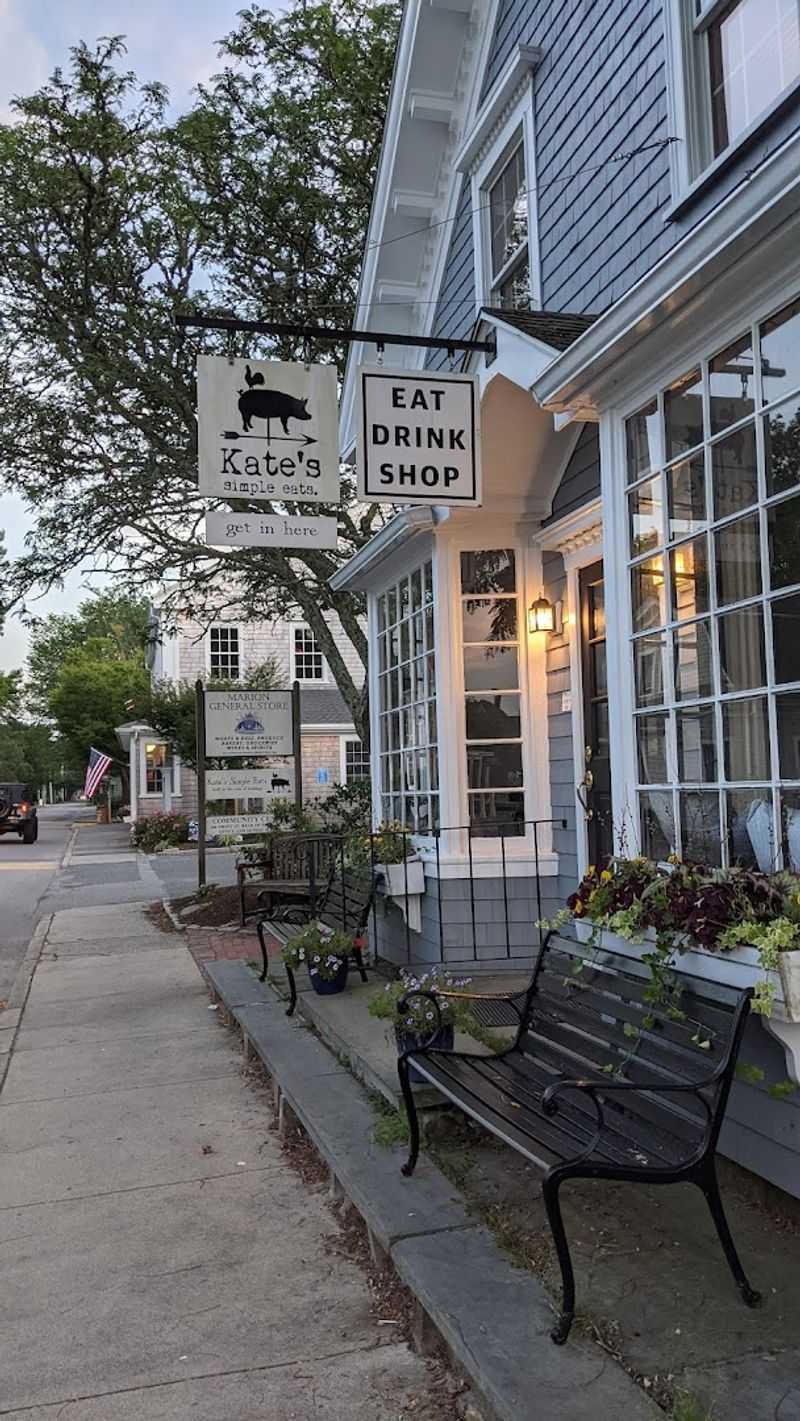
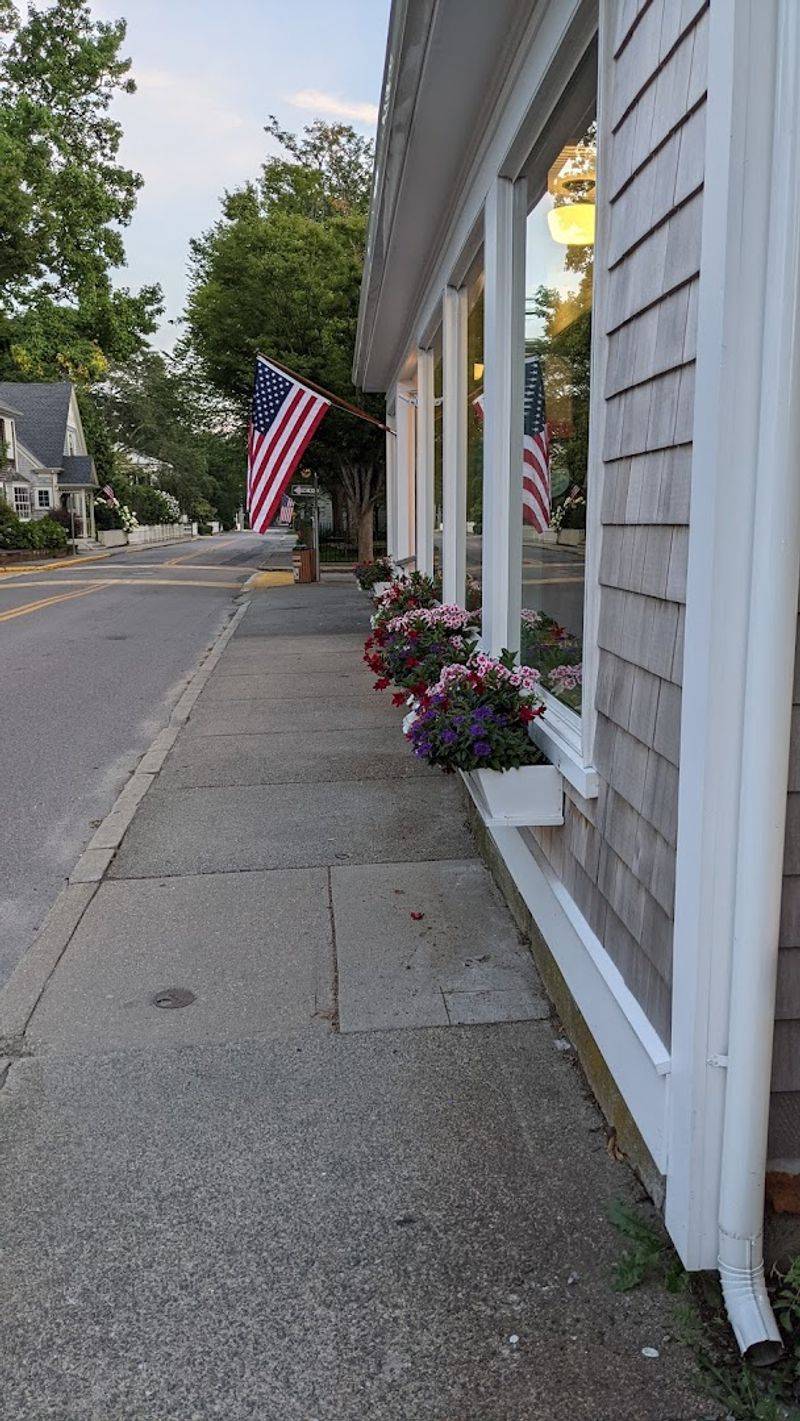
There is a certain kind of comfort that comes from walking into a store that has been standing since the 1800s. Downtown Marion has exactly that.
The historic general store along the main stretch of town is one of those rare places that feels like it belongs to a different century, in the best possible way.
The shelves carry a mix of practical staples and local favorites. The staff knows the regulars by name.
Conversations happen naturally, without the transactional coldness of a big-box retailer. For longtime residents, stopping in is less of an errand and more of a social ritual that anchors the day.
Marion’s downtown has managed to preserve its mom-and-pop character even as surrounding towns have shifted toward chain stores and tourist-facing shops. The general store is central to that preservation.
It draws people in not just for what it sells, but for what it represents: a community that values continuity and the familiar over novelty.
Visitors often remark on how the store feels like a living artifact, still useful, still warm, still very much a part of everyday life in this small Massachusetts town.
Neighbors Who Actually Know Your Name
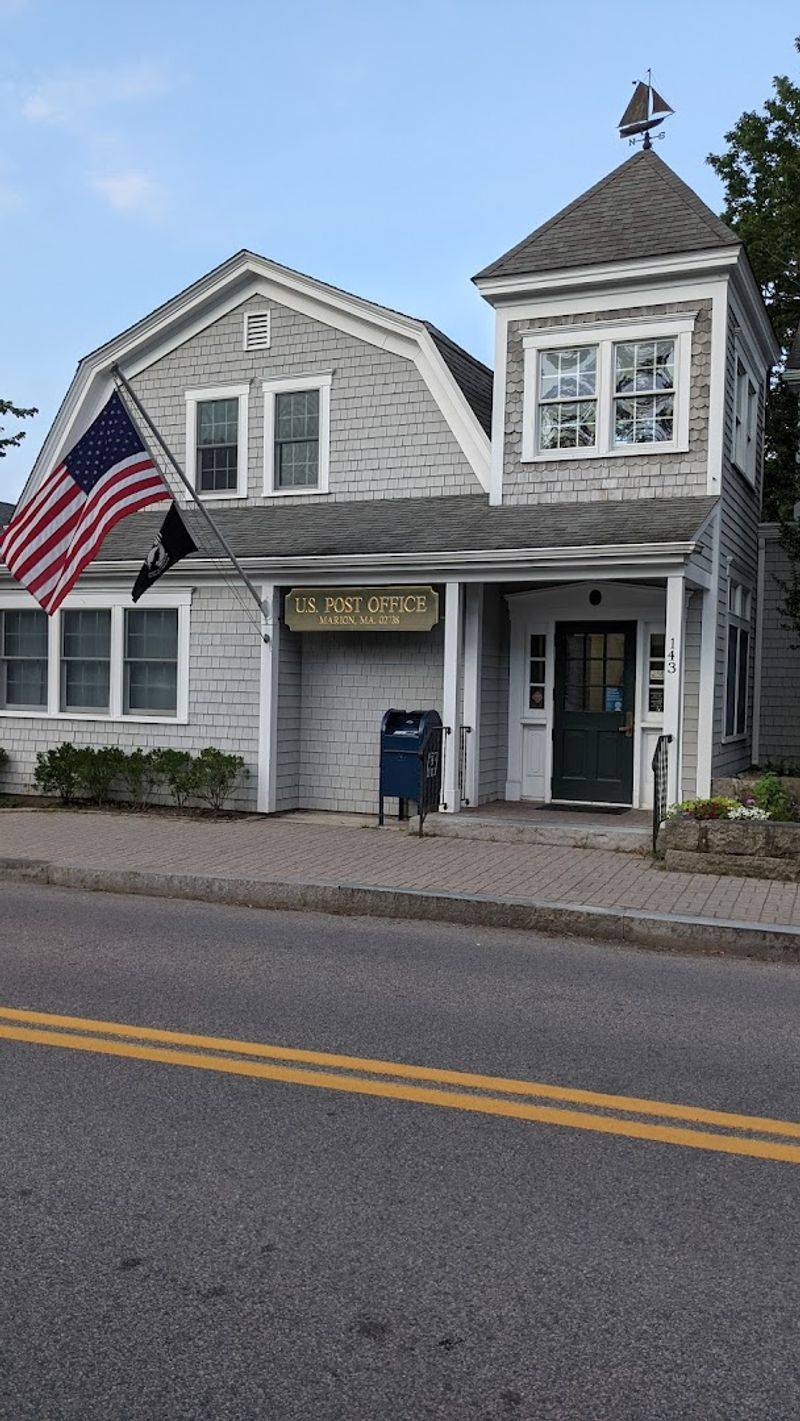
In most places, knowing your neighbor is a pleasant surprise. In Marion, Massachusetts, it is simply how things work.
Residents consistently describe the town as a place where people look out for one another, where a new face on the block is welcomed rather than ignored.
The population sits at roughly 5,000 year-round, which means the social fabric stays tight. People recognize each other at the post office, at the waterfront, at the farmers market.
There is a familiarity to life here that takes some adjustment if you are arriving from a larger city, but most people adapt quickly because it feels good to be known.
Long-term residents talk about Marion with a kind of quiet pride. They are not boastful about it.
They simply say that this is a place where people respect each other and show up when it matters. That kind of culture does not develop overnight.
It builds over generations, reinforced by shared spaces, shared history, and a collective decision to keep things human. Marion has made that decision, and it shows in every wave from across the street.
Quiet Nights That Remind You Rest Is Underrated
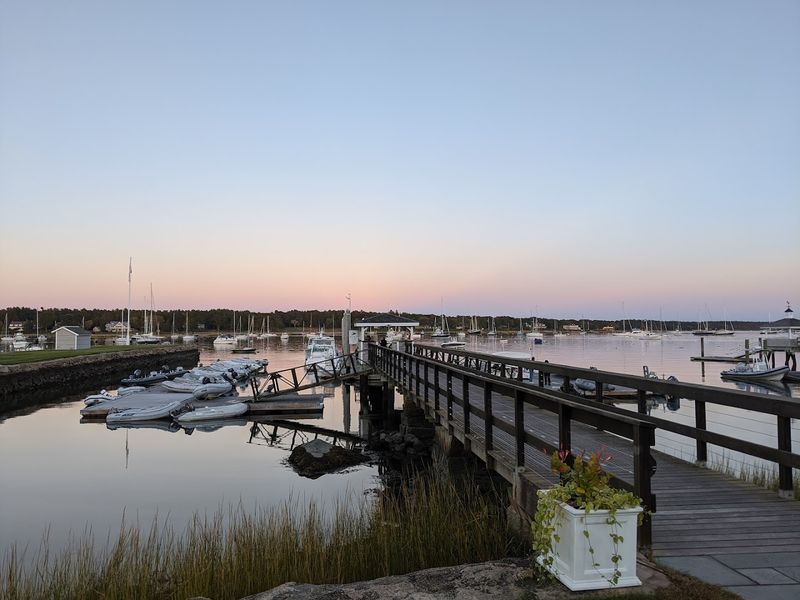
After dark, Marion becomes something close to serene. There are no crowded bars spilling noise onto the sidewalk.
No traffic jams at 11 p.m. No ambient roar of a city that never fully settles.
The nights here are genuinely quiet, and for people who have spent years surrounded by urban noise, that silence can feel almost startling at first.
Porch lights glow softly along the residential streets. The harbor reflects whatever light the sky offers.
Crickets and the distant sound of water fill the air where music and engine noise might otherwise be. It is the kind of quiet that invites reflection rather than boredom, the sort that makes a good book or a slow conversation feel like more than enough.
Marion’s nighttime atmosphere is a direct extension of its daytime personality. The town does not shift gears dramatically after sunset. Life simply continues at the same measured pace, just with less light.
For families with young children, for retirees, and for anyone who has grown tired of overstimulation, this quality is not a limitation.
It is one of the most compelling reasons to stay. Rest, it turns out, is something Marion has quietly mastered.
Cape Cod Comparisons That Marion Keeps Winning
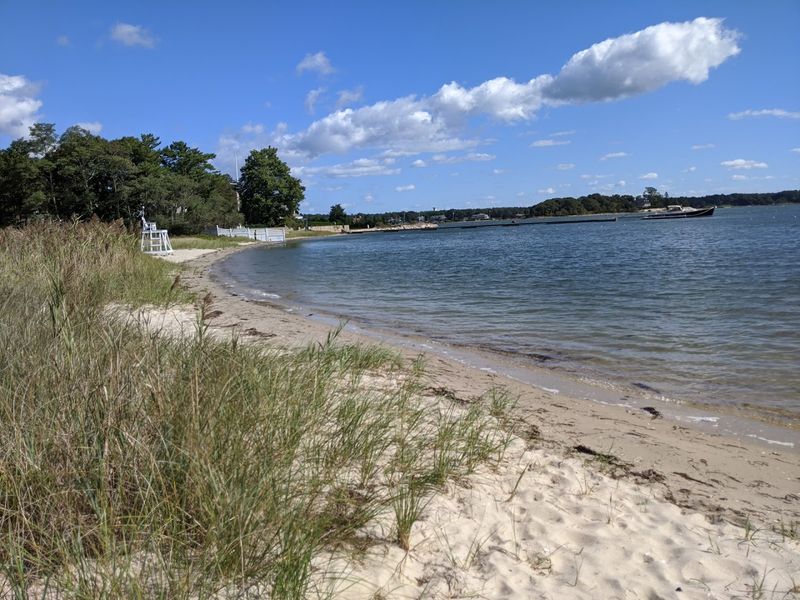
People who know the South Coast of Massachusetts have a saying that circulates among locals and returning visitors alike: Marion is Cape Cod without the traffic. It is a comparison that lands because it is accurate.
The scenery carries the same quality of light, the same salt air, the same weathered charm.
But the crowds, the congestion, and the commercial noise that define summer on the Cape simply do not exist here in the same way. Marion sits along Buzzards Bay, offering genuine coastal beauty without the infrastructure overload. You can find a parking spot.
You can walk along the water without navigating around tour groups. You can eat at a local restaurant and actually get a table.
These things sound modest, but in the context of a Massachusetts summer, they are remarkable.
The town’s population does rise during warmer months, sometimes approaching double its year-round count. But Marion absorbs those seasonal visitors without losing its personality.
The relaxed atmosphere holds. The pace stays measured. The locals remain approachable.
For anyone who loves the New England coast but has grown weary of its more famous destinations, Marion offers the same essential pleasures without the exhaustion that usually comes attached.
Historic Homes With Stories Worth Listening To
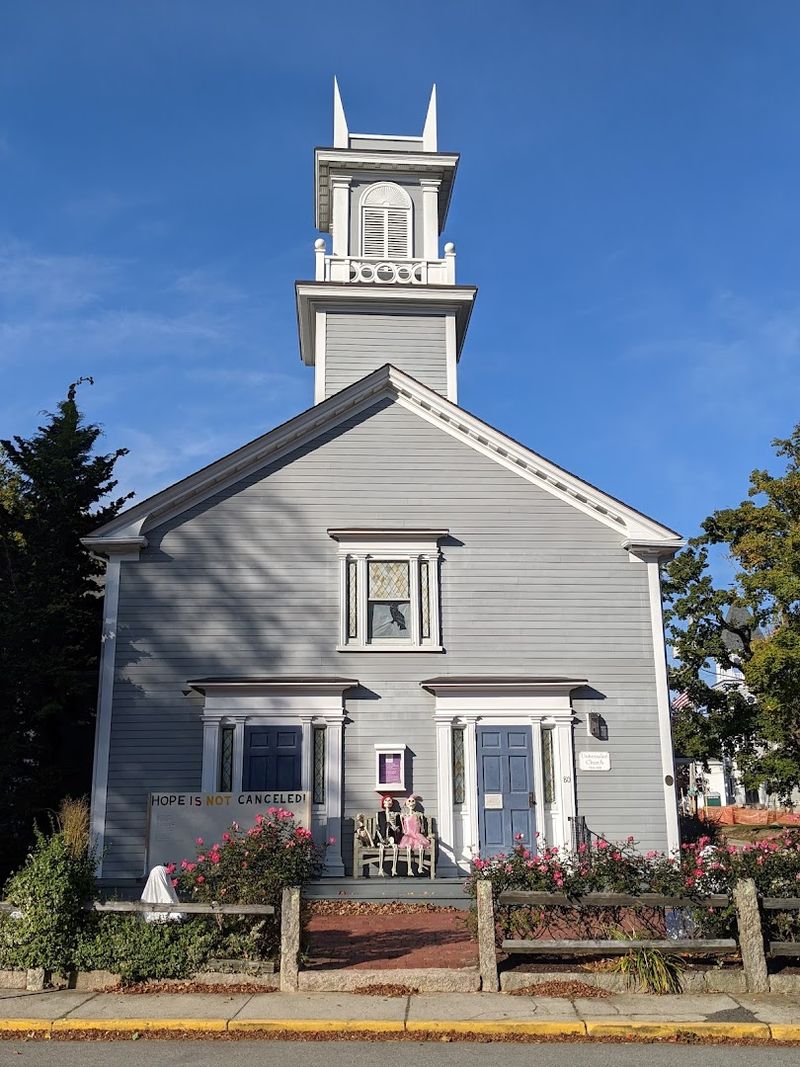
Walking through Marion’s residential streets feels like reading architecture as a form of history. The town has preserved a remarkable number of historic homes, many dating back to the 18th and 19th centuries, when Marion was a significant shipbuilding and whaling community.
The structures are not preserved as museum pieces. People live in them, maintain them, and take visible pride in their upkeep.
The variety is part of what makes the streetscapes so engaging. Federal-style homes stand alongside Victorian cottages. Cape-style houses line quiet lanes near the water.
Each building carries the proportions and detailing of its era, and the overall effect is of a town that has resisted the urge to erase its past in favor of modern convenience.
Marion’s architectural character contributes directly to its sense of identity. The buildings give the town a visual coherence that newer developments rarely achieve.
They also serve as a constant reminder of how long people have been choosing this particular stretch of coastline as a place to build a life.
For visitors with an interest in New England history, a slow walk through Marion’s neighborhoods offers more information and atmosphere than most guided tours could provide. The houses speak clearly to anyone willing to pay attention.
Parks And Open Spaces That Invite You To Linger
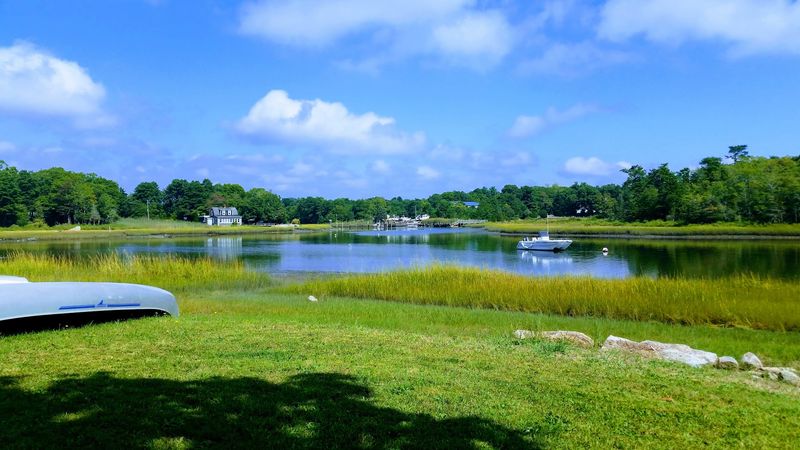
Marion is not the kind of town that rushes you from one attraction to the next. Its parks and open spaces are designed, intentionally or not, for lingering.
Residents use them not as destinations but as extensions of daily life, places to walk the dog, sit on a bench, watch the water, or simply exist without a particular agenda.
The town’s rural character supports a network of conservation land, trails, and green spaces that give the landscape breathing room.
Silvershell Beach, one of the town’s most visited spots, offers a calm stretch of shoreline along Buzzards Bay where families gather on warm afternoons. The water is approachable, the setting is unhurried, and the vibe is resolutely low-key.
Beyond the beach, Marion maintains several parks and recreational areas that reflect the town’s commitment to accessible outdoor space. For a community of 5,000 people, the variety of natural settings available is genuinely impressive.
Hiking, kayaking, birdwatching, and simple walking all have their place here. The outdoors in Marion is not a spectacle.
It is a daily companion, available to anyone who pays it the modest attention it deserves.
A Community Calendar That Keeps People Connected
One reliable indicator of a healthy small town is what its residents choose to do together.
In Marion, the answer involves a consistent calendar of community events that bring people out of their houses and into shared space throughout the year.
From summer concerts to local festivals, the town generates reasons to gather without much effort.
The Old Landing, the waterfront area near the harbor, serves as a natural gathering point for many of these events. Residents show up not because they feel obligated but because the events are genuinely enjoyable and because seeing familiar faces in a relaxed setting is its own reward.
There is a social ease to Marion’s community life that feels earned rather than manufactured.
The Marion Art Center, located on Pleasant Street, adds a cultural dimension to the town’s social calendar. It hosts exhibitions, performances, and classes that draw participation from across the community.
For a town of its size, Marion’s cultural offerings are disproportionately rich.
That richness reflects the values of the people who live there, people who believe that a good community is one that invests in shared experience. The calendar keeps filling up, and the residents keep showing up. That cycle, simple as it sounds, is what keeps a town alive.
The Slower Pace That Changes How You Think About Time
Spend a few days in Marion and something begins to shift. The urgency that travels with you from busier places starts to loosen.
You stop checking the time as frequently. Meals take longer because conversations stretch naturally.
A walk to the harbor turns into an hour without any clear explanation. The town has a way of recalibrating your internal clock without announcing its intentions.
This slower pace is not the result of nothing happening. Marion has an active community, a working waterfront, and a full calendar of local events.
The difference is in the texture of daily life. Things happen here without the pressurized feeling that everything must be optimized or scheduled to the minute.
There is room for spontaneity, for detours, for staying at the table a little longer than planned.
For people accustomed to high-speed environments, this adjustment can feel disorienting at first and then deeply appealing. Marion does not market itself as a wellness destination or a retreat.
It simply exists at its own tempo and lets visitors decide how they feel about it. Most people feel better.
The slower pace is not a flaw in the system. It is the system, and it works with a quiet, steady confidence that is hard to argue with.
Why People Who Visit Marion Tend To Come Back
There is a pattern that repeats itself with Marion visitors. They arrive expecting a pleasant enough weekend on the Massachusetts coast. They leave already thinking about a return trip.
The town has that effect, not through spectacle or novelty, but through the accumulation of small, genuine pleasures that add up to something surprisingly substantial.
Part of the appeal is consistency. Marion does not reinvent itself seasonally or chase the preferences of a shifting tourist demographic.
The harbor looks the way it has always looked. The downtown retains its character.
The people remain approachable. That reliability is rare and, for many visitors, deeply comforting in a way they did not anticipate needing.
Marion, Massachusetts, located in Plymouth County along Buzzards Bay at approximately 41.7024 degrees north latitude, has held its character through decades of regional change. The town website at townofmarion.org reflects a community that takes its civic identity seriously.
Returning visitors often say they come back because Marion feels like something real, not a performance of small-town life but the actual thing.
In an era when authenticity is frequently claimed and rarely delivered, finding a place that simply is what it appears to be carries a value that is genuinely difficult to put a price on.