
The Hidden Mississippi Bakery Where Fresh Cinnamon Rolls Sell Out Before Breakfast
Cinnamon rolls that cannot survive until noon are not a supply problem. They are a quality problem, and this bakery has never once tried to fix it.
The rolls leave the oven at an hour most people are still negotiating with their alarm clock. By the time a casual shopper considers stopping in, the decision has already been made by someone who arrived considerably earlier.
Regulars treat the timing like privileged information, arriving with the focused energy of people who understand that hesitation has a delicious consequence. Sharing the details comes with a brief pause and a pointed look.
Mississippi delivered a bakery here that earned its sellout reputation one extraordinary cinnamon roll at a time. The empty trays by midmorning tell the rest of the story without requiring any elaboration.
Origins Of Classic Cinnamon Roll Recipes
Cinnamon rolls have a history in Mississippi that stretches back further than most people realize. Arab spice traders first brought cinnamon into Europe centuries ago.
That single ingredient changed baking forever.
The oldest known recipes trace back to 16th-century Germany. From there, the roll traveled north into Scandinavia.
Sweden gave the world the modern version, called kanelbullar, around the 1920s.
Germany also developed its own spin, called schnecken, meaning snail. German immigrants carried these sweet bread traditions across the Atlantic.
American bakers took the concept and ran wild with it.
Brown sugar, rich glazes, and cream cheese frosting became the American signature. The rolls grew larger and more indulgent over time.
Nothing about that evolution was an accident.
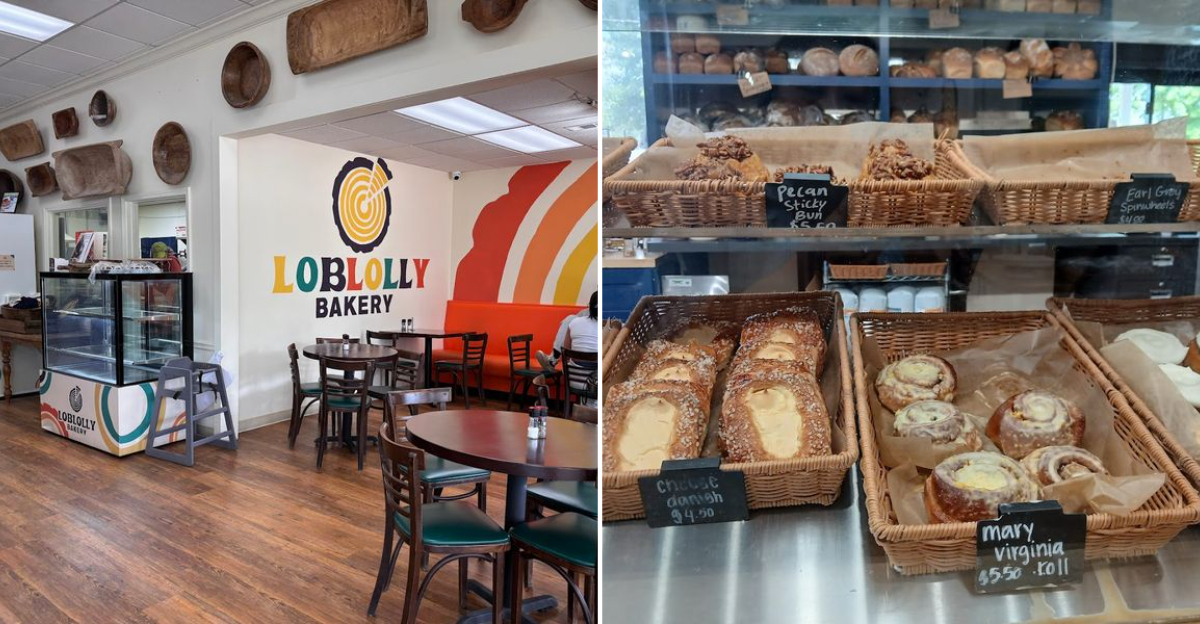
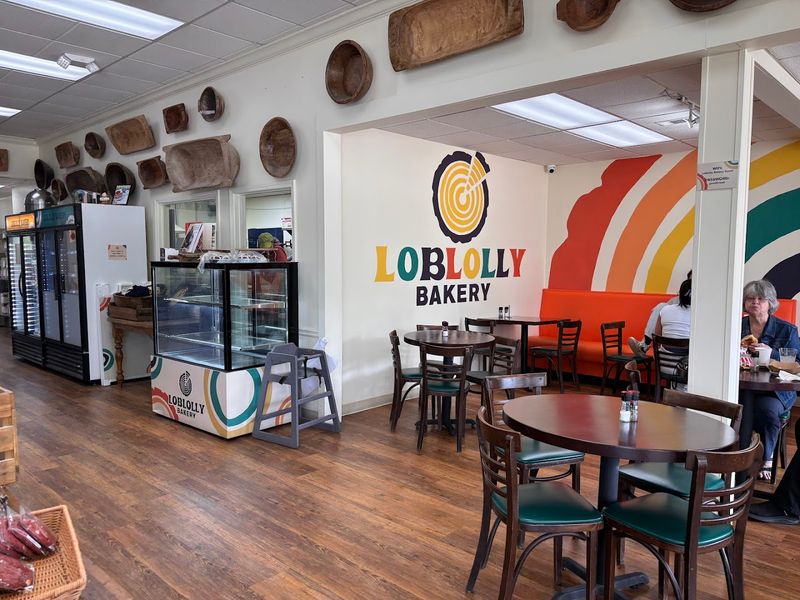
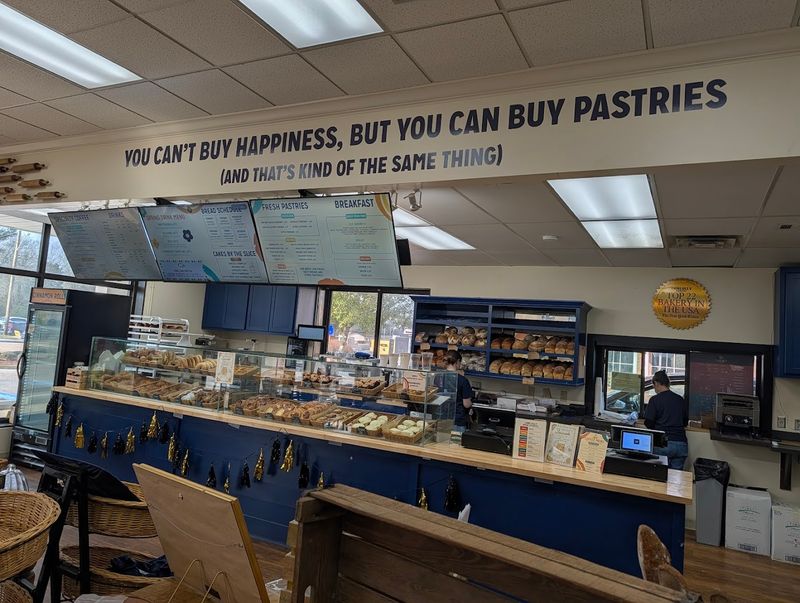
At Loblolly Bakery, that long history shows up in every frosted roll they pull from the oven. The bakery sits at 3207 Hardy St, Hattiesburg, MS 39401.
It is a place where old-world tradition meets Southern appetite.
Techniques For Achieving Fluffy Dough Texture
Fluffy dough does not happen by accident. It starts with the right flour.
Bread flour has higher gluten content, which helps dough stretch and rise properly.
Fresh yeast matters more than most home bakers admit. Letting the yeast soak correctly sets the whole process in motion.
Skipping that step leads to flat, dense rolls every time.
The first rise should last around 90 minutes. That time allows the dough to build structure from the inside out.
Rushing is the most common mistake people make.
Moisture is another underrated factor in achieving softness. Dry dough simply cannot rise the way a well-hydrated dough can.
Some bakers pour heavy cream over the rolls before baking to lock in that tenderness.
Kneading builds the gluten network that gives rolls their pull-apart texture. But over-kneading tightens the dough too much.
Slightly underbaking also helps rolls stay soft after they come out of the oven.
At Loblolly Bakery, these techniques show up in every bite. The rolls come out light and pillowy.
That consistency is not luck. It is the result of paying close attention to each step in the process.
Unique Spice Blends Used In Cinnamon Toppings
Most people assume cinnamon rolls only need cinnamon and sugar. That assumption sells the pastry short.
The best versions use spice combinations that build layers of flavor.
Swedish kanelbullar famously add cardamom to the mix. That single addition creates a warm, floral note that plain cinnamon cannot achieve alone.
It is a small change with a big payoff.
Chai spice blends bring cardamom, star anise, and cloves together. That combination creates something complex and deeply aromatic.
It works especially well when paired with a cream cheese frosting.
A mixed spice blend can include allspice, nutmeg, mace, ground ginger, and coriander. Each ingredient adds a different dimension to the overall flavor.
The result is a topping that keeps your taste buds guessing.
Pumpkin pie spice works beautifully in fall-inspired rolls. Ginger, cloves, and nutmeg create a rich, cozy warmth.
Vanilla extract also enhances spice blends without overpowering them.
Quality cinnamon makes a real difference too. Saigon cinnamon carries a stronger, richer flavor than standard grocery store varieties.
Freshly ground nutmeg adds brightness that pre-ground versions simply cannot match. The spice blend is where a good roll becomes an unforgettable one.
Healthy Alternatives For Morning Pastries
Not everyone wants to start the day with a sugar-loaded pastry. Healthier morning options do exist, and they do not have to taste like cardboard.
The trick is swapping ingredients without losing flavor.
Whole grain flours, oats, and alternative flour blends make muffins and quick breads more nutritious. Unsweetened applesauce or mashed bananas replace oils while keeping baked goods moist.
Those swaps reduce fat without sacrificing texture.
Fat-free Greek yogurt adds creaminess and a protein boost to baked items. Reducing sugar by about 25 percent is often unnoticeable to most people.
Natural sweeteners like maple syrup or honey offer flavor with a lower glycemic impact.
Coconut sugar, monk fruit, and stevia are solid alternatives for those watching their intake. Plant-based milks such as almond, oat, or cashew milk lighten up recipes without changing the taste dramatically.
These swaps work across most standard pastry recipes.
Breakfast cookies made with apples, honey, walnuts, and oats are a surprisingly satisfying option. Baked oatmeal muffin cups with cinnamon and raisins hit that sweet spot between healthy and indulgent.
Even a classic bakery like Loblolly can inspire you to experiment at home on the days you cannot make the trip to Hardy Street.
The Role Of Local Ingredients In Flavor Quality
Fresh local ingredients change what a baked good can taste like. This is not just a marketing claim.
It is a measurable difference that shows up in flavor, texture, and aroma.
Locally milled flours retain natural oils that commercial processing often removes. Those oils contribute to a richer, more complex taste in bread and pastry doughs.
Once you notice the difference, it is hard to go back.
High-quality butter and eggs from local farms create lighter, more tender pastries. The fat content in farm-fresh eggs produces richer doughs.
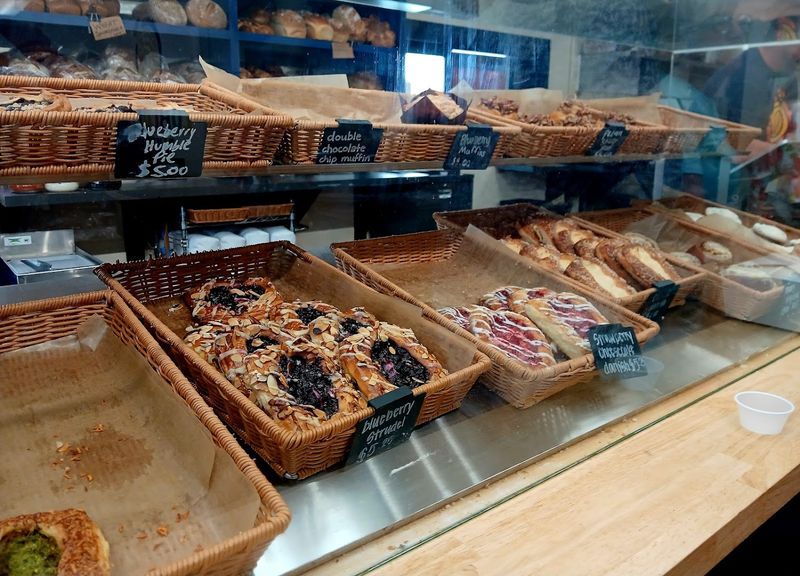
That richness is what makes a croissant at a serious bakery feel different from a packaged one.
Seasonal fruits and nuts sourced nearby arrive at peak ripeness. That timing matters because flavor develops fully on the tree or vine.
Imported produce picked early simply cannot compete with that natural sweetness.
Sourcing locally also reduces transportation time, which keeps ingredients fresher on arrival. Bakers who work with local suppliers can also highlight flavors unique to their region.
That regional identity is part of what makes a place like Loblolly Bakery feel distinctly Southern and distinctly Hattiesburg.
Supporting local farms also strengthens the surrounding community. It creates a loop where quality ingredients and local pride feed each other.
That loop shows up in every item on the menu.
Time Tested Baking Schedules For Freshness
Bakeries that consistently deliver fresh product operate on strict internal schedules. The work starts long before most people set their alarms.
That early commitment is exactly why the rolls at Loblolly Bakery sell out before many customers even arrive.
Many experienced bakers prepare their dough the night before. Filling and cutting the rolls, then refrigerating them overnight, allows the flavors to develop slowly.
Cold fermentation is a technique that builds depth without requiring extra ingredients.
After refrigeration, dough needs about an hour at room temperature before it goes into the oven. That rest period ensures even baking and a proper rise.
Skipping it results in dense, uneven rolls.
Sourdough bakers often start their process days in advance. Refreshing a starter, retarding dough overnight, and timing the final proof all require planning.
The payoff is bread with a flavor that a rushed loaf can never replicate.
Baking windows also matter for maintaining crust and crumb quality. Items pulled too early or held too long lose their ideal texture.
Freshness has a narrow window, and skilled bakers protect it fiercely.
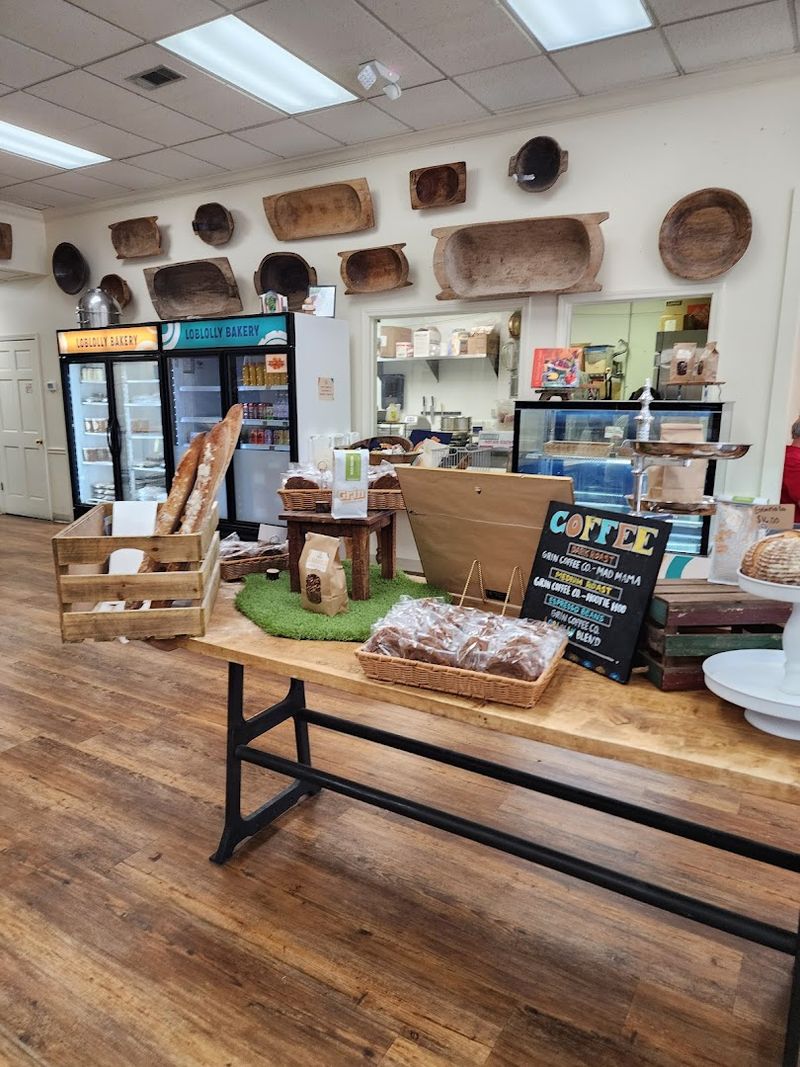
Loblolly Bakery opens at 7 AM Monday through Friday and on weekends too. Getting there early is the move.
The schedule exists for a reason, and that reason is flavor.
Customer Favorites Among Breakfast Pastry Options
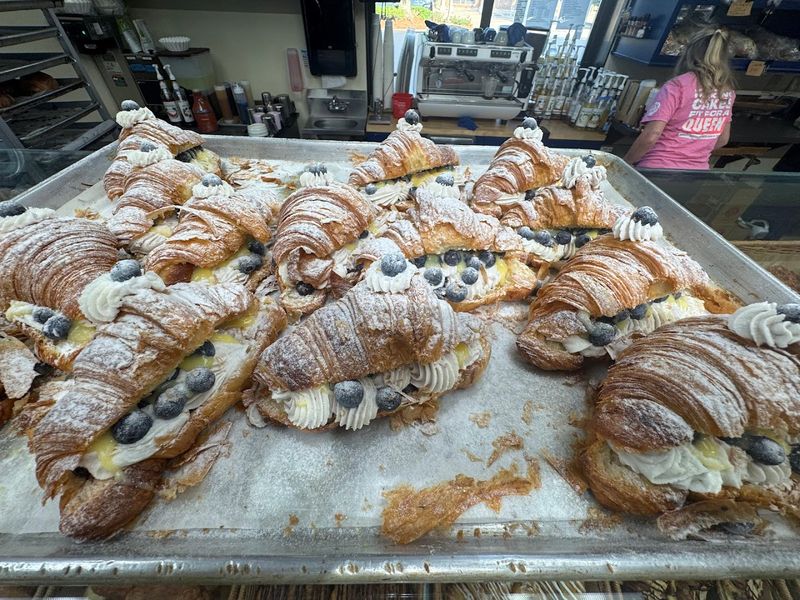
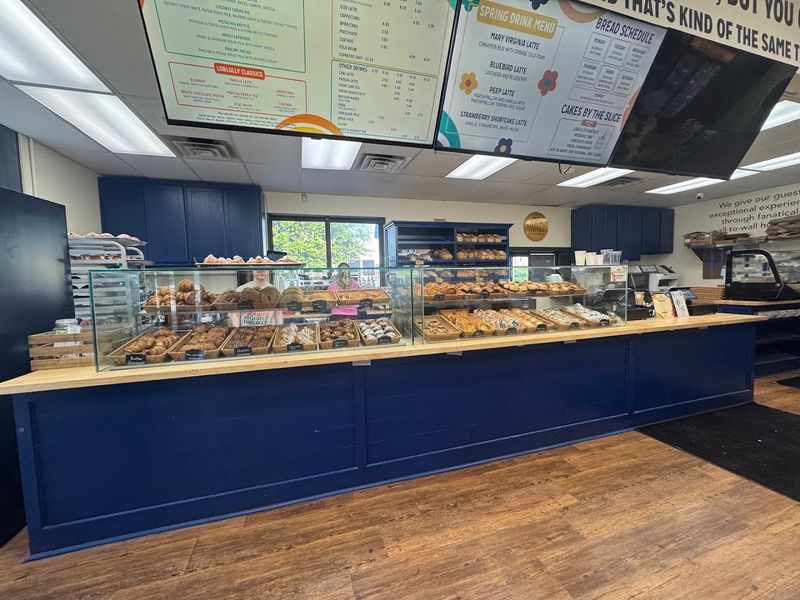
Loblolly Bakery runs a full menu of breakfast pastries that goes well beyond a basic cinnamon roll. The selection covers classic territory and some genuinely creative ground.
Picking just one item is harder than it sounds.
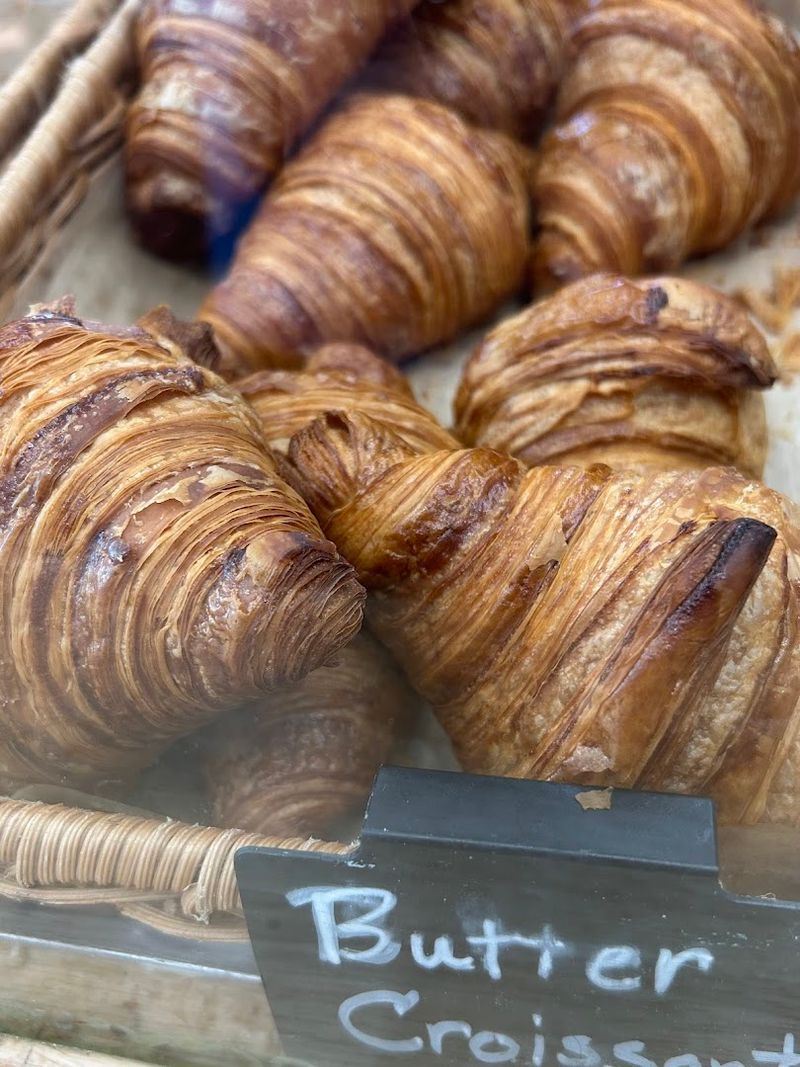
Warm biscuits are a morning staple that locals count on. Croissants show up in multiple forms, including almond, chocolate, strawberry, and Bavarian cream.
The filled croissant options alone could anchor a separate conversation.
King cakes are a serious draw, especially during Mardi Gras season. The Deep South Praline version features pecan praline filling and cream cheese frosting.
People drive from hours away specifically for those cakes.
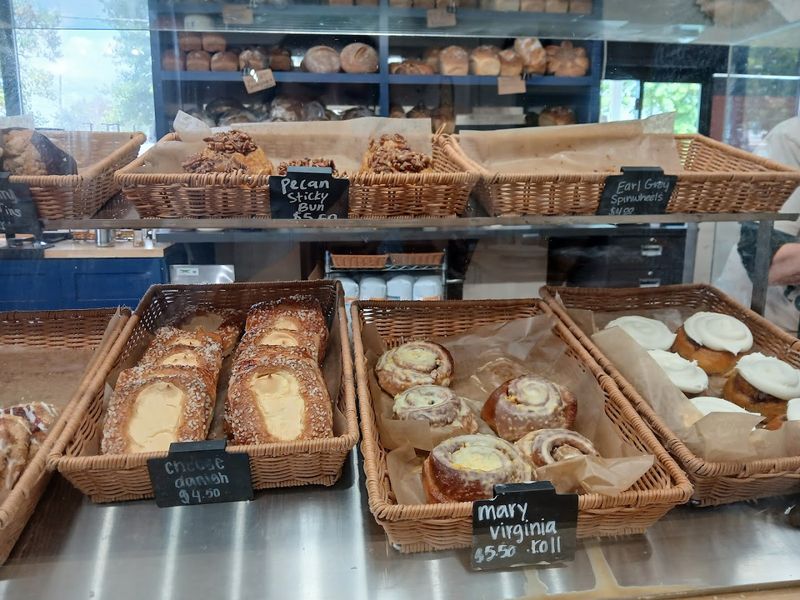
Pecan sticky buns are another menu item with a loyal following. The Mary Virginia Sweet Roll is a Loblolly original that regulars specifically seek out.
Blueberry muffins and seasonal muffin options round out the sweeter side of the menu.
Crustless mini quiches, cheese danishes, bagels, and fresh breads all make appearances too. The bakery also stocks freshly prepared soups, gumbo, and dishes like lasagna for later in the day.
The range is genuinely impressive for a single location.
Everything is made in-house, and you can watch the process through the open bakery view. That transparency is part of what makes the experience feel trustworthy.
What you see is exactly what you get.
Tips For Storing And Reheating Cinnamon Rolls
A great cinnamon roll deserves proper storage. Leaving it uncovered on the counter is a fast way to ruin it.
An airtight container or tight plastic wrap makes a real difference in keeping rolls soft.
Unfrosted rolls can sit at room temperature for up to two days without losing quality. Frosted rolls, especially those with cream cheese icing, need refrigeration.
They stay fresh in the fridge for up to four days.
Freezing is an option if you want to extend their life significantly. Wrap each roll in plastic wrap, then cover with foil before freezing.
Stored this way, they hold up well for about two months.
Thawing is simple. Pull them from the freezer and let them sit in the refrigerator overnight or at room temperature for a couple of hours.
Either method works without compromising the texture much.
Reheating a whole pan works best in an oven set between 300 and 350 degrees Fahrenheit. Cover the pan with foil and heat for 10 to 15 minutes.
Adding a small pat of butter or a splash of water before reheating keeps the rolls from drying out.
For a single roll, a microwave works fine. Cover it with a damp paper towel and heat for about 30 seconds.
Always add frosting after reheating, not before, so it stays fresh and creamy.