
The Hidden Wilderness Of This Large Minnesota State Park Few People Know About
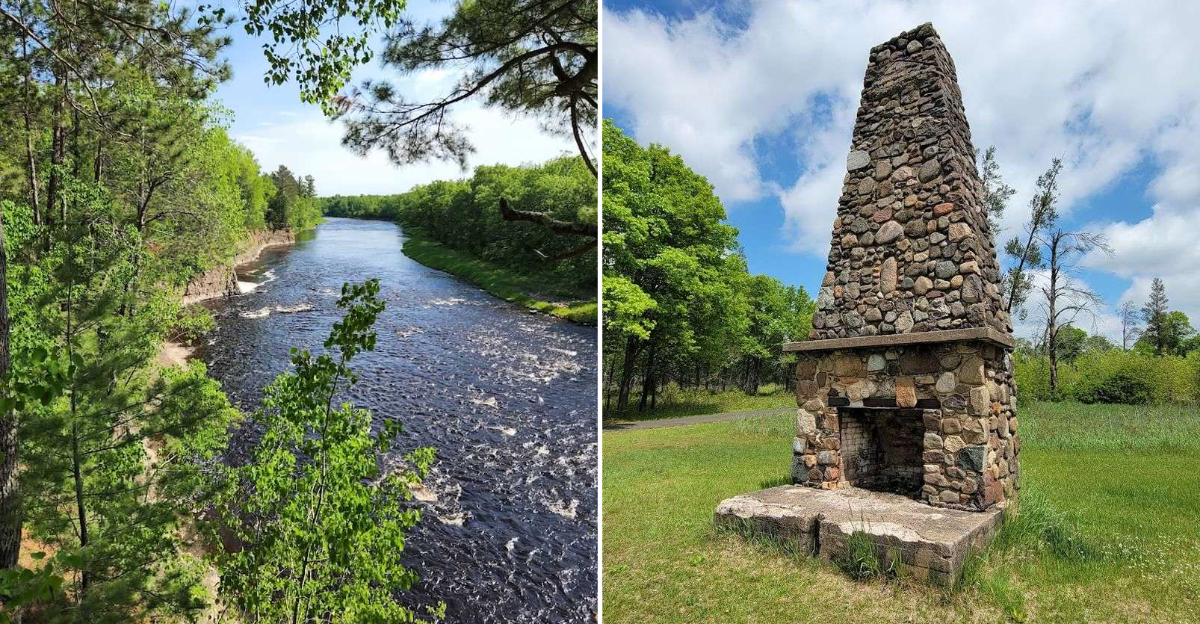
The trailhead parking lot stays empty most mornings here. For a state park this size, that says everything.
Most visitors drive past without a second thought, unaware that the wilderness on the other side of that entrance sign runs deeper than most parks twice its size.
Minnesota has no shortage of outdoor destinations, but this one operates in a different category entirely.
Dense forest, unmarked terrain, and a silence that settles in quickly once the road noise fades behind you. Wildlife moves through here without much human interference, which changes the entire character of a day spent inside it.
Rangers who work this park describe it as one of the most genuinely wild spaces left in the state system. The people who have found it tend to keep quiet about it, and after one visit, the reason becomes immediately clear.
Flora Diversity In The Wilderness
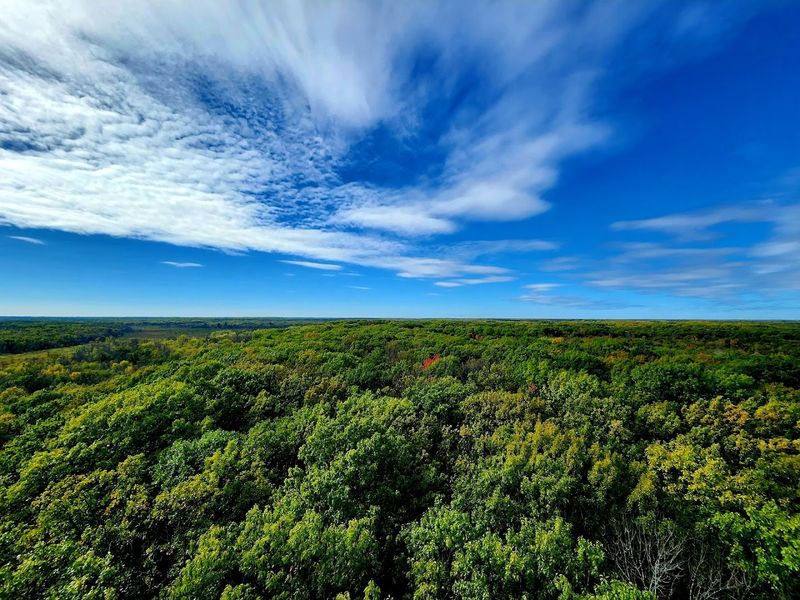
This park holds one of the most varied plant collections you will find in any Minnesota park. Over 1,800 acres of old-growth forest grow here, and walking through it feels like going back in time.
The trees alone tell a long, layered story.
Black spruce, jack pine, sugar maple, and basswood all share the landscape in ways that shift depending on where you wander. Open meadows give way to oak savanna, and then suddenly you are standing in a jack pine barren.
Each zone looks and feels completely different from the last.
Tamarack bogs sit in acidic wetland pockets throughout the park. These boggy areas support rare and unusual plant species that you would not find in most other places.
Marshes and streams add even more variety to the mix.
The park sits at 30065 St Croix Park Rd, Hinckley, MN 55037, and is open daily from 8 AM to 10 PM. Botanists and casual hikers both find plenty to admire here.
The sheer range of plant communities packed into one park is genuinely hard to believe until you see it for yourself.
Wildlife Sightings And Habitat Preservation
Black bears, timber wolves, and bobcats all call St. Croix State Park home. That list alone should get your attention.
This park is not just a pretty backdrop. It is a functioning, breathing wildlife habitat.
White-tailed deer are common throughout the park. Beavers work along the riverbanks, and gray and red foxes move quietly through the underbrush.
Coyotes and raccoons round out the mammal roster in a big way.
Bird watchers have a serious reason to visit, too. Ruffed grouse, bald eagles, osprey, owls, warblers, and flycatchers all live or pass through the park.
The variety of bird species reflects just how healthy and intact the habitat really is.
Habitat preservation here is not accidental. The park protects forests, savannas, prairies, wetlands, and river corridors all at once.
That combination creates a web of connected ecosystems where wildlife can move, feed, and breed without major interruption. Protecting all those habitat types together is what keeps the animal populations stable and visible.
If you stay patient and quiet on the trails, the park will almost always reward you with something worth seeing.
Hiking Trails That Reveal Remote Areas
127 miles of hiking trails are spread across St. Croix State Park. That number is not a typo.
You could hike here every weekend for a year and still find new ground to cover.
The trails range from flat and easy riverside walks to more rugged routes that push deep into the backcountry. Some trailheads require a short drive just to reach them, which naturally filters out the crowds.
The farther you go, the fewer people you encounter.
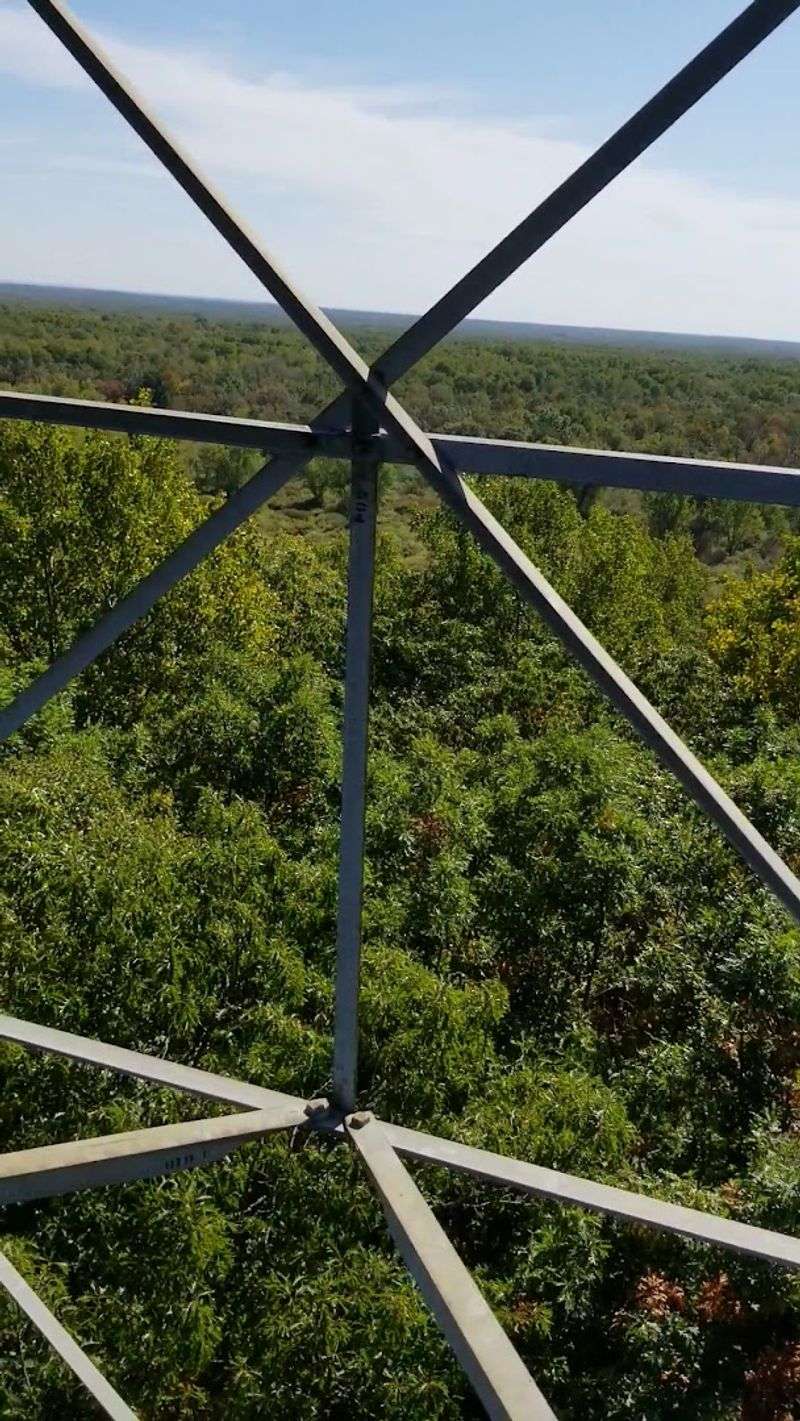
The historic fire tower, built in 1937 by the Civilian Conservation Corps, sits way off the main roads. Getting there involves crossing multiple single-lane wooden bridges.
Navigation signs are sparse, so bringing a map is genuinely smart advice rather than just a suggestion.
Once you climb the 100-foot tower, the panoramic view of the surrounding forest is worth every wrong turn it took to find it. The northern sections of the park, accessible by foot or canoe, are especially quiet.
Hikers who make the effort to reach those remote zones often describe the experience as unexpectedly peaceful. The trails here do not just connect points on a map.
They lead you into areas of the park that feel genuinely untouched and far removed from everyday noise.
Camping Experiences Away From Crowds
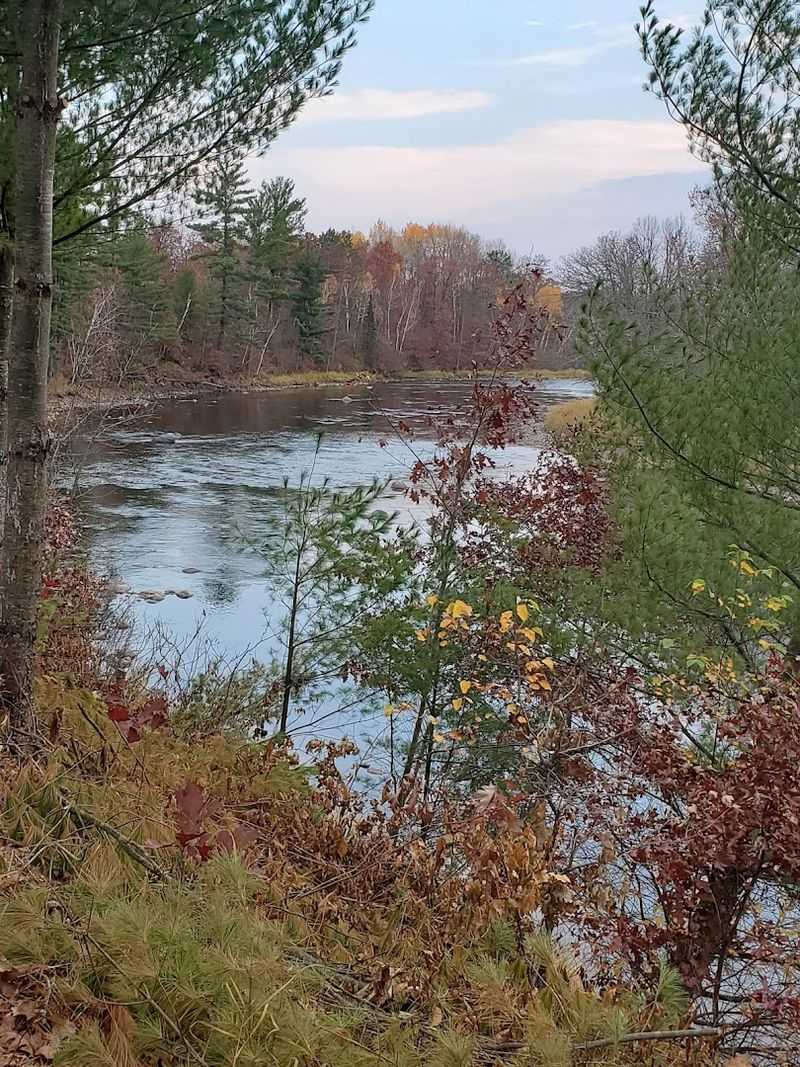
Camping at St. Croix State Park is not a one-size-fits-all experience. The park offers multiple campgrounds with very different personalities.
Choosing the right one matters more than most people expect.
The Old Logging Trail campground tends to attract campers who want actual privacy. Sites there have natural vegetation between them, which creates a buffer that feels worlds apart from the wide-open RV loops closer to the main entrance.
If you are a tent camper, that distinction is worth knowing before you book.
Remote campsites are available for backpackers and canoe campers who want to go even further from the crowds. These sites require a bit more effort to reach, but that effort is the whole point.
Fewer people, more nature, and actual quiet at night.
The park also has cabins near Bear Creek campground, which offer a middle ground between roughing it and staying comfortable. Firewood is available on-site at certain locations.
The campground store near Riverview is stocked with essentials, including ice cream, which honestly makes any camping trip better. With three separate campgrounds and remote options spread across nearly 34,000 acres, you have real choices here.
Finding your own corner of this park is entirely possible with a little planning ahead.
Water Features And Their Ecological Importance
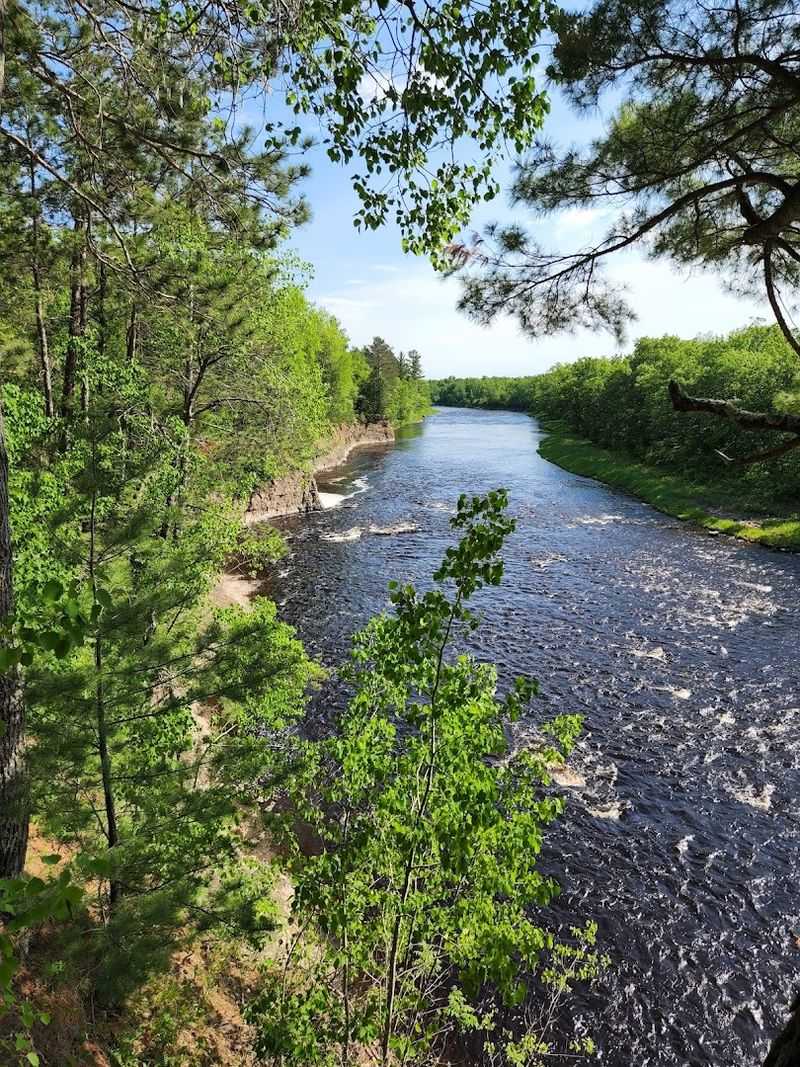
Two rivers define the edges and heart of this park. The St. Croix River runs for 21 miles along the park boundary, and the last 7 miles of the Kettle River flow through the park as well.
Both rivers carry protected status, which is not given out lightly.
The St. Croix River holds designation as a National Wild and Scenic Riverway. The Kettle River is a State Wild and Scenic River.
That dual protection reflects how genuinely valuable these waterways are to the broader regional ecosystem.
The Kettle River features rapids in certain stretches, while the St. Croix stays flat water throughout the park. Both rivers support northern pike, bass, sauger, muskellunge, and trout in select streams like Hay Creek.
Anglers know this park well for good reason.
Beyond the rivers, the park contains numerous lakes, marshes, streams, and tamarack bogs. These water features do not just look scenic.
They filter water, support amphibians, provide breeding habitat for birds, and anchor entire food webs.
The basalt and sandstone exposed at the Highbanks along the Kettle River give you a rare geological window into what lies beneath the glacial deposits that cover most of the park. Water here is both a resource and a living system worth understanding.
Seasonal Changes And Their Impact On The Park
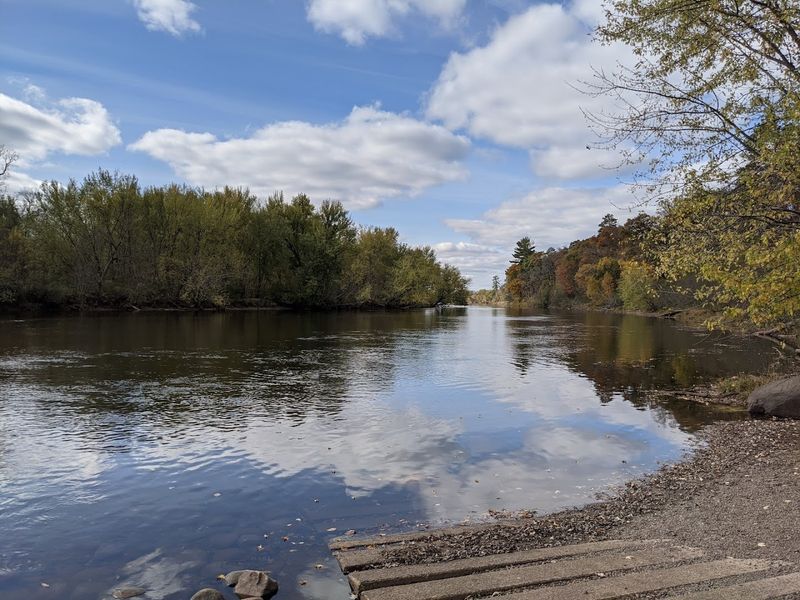
Every season at St. Croix State Park delivers a completely different version of the same landscape. That consistency of change is part of what keeps people coming back year after year.
The park never looks the same twice.
Fall is especially dramatic. Sugar maples and basswood trees light up in shades of orange, red, and gold that peak near late September and early October.
The fall colors near the rivers are particularly worth the drive up from the Twin Cities metro area.
Winter transforms the park into a quiet, snow-covered network of trails. Eighty miles of snowmobile routes and 11 miles of cross-country ski trails keep the park active even when temperatures drop hard.
The silence of a winter forest here is something genuinely different from a summer visit.
Spring brings flooding along the rivers, migrating birds returning north, and wildflowers pushing up through the leaf litter on the forest floor.
Summer is the busiest season, but the park is large enough that crowds rarely feel overwhelming outside of peak holiday weekends.
Each season also affects wildlife behavior, plant growth, and trail conditions in ways that reward repeat visits. Coming back in a different month often feels like discovering a brand new park entirely.
Photography Opportunities In Natural Settings
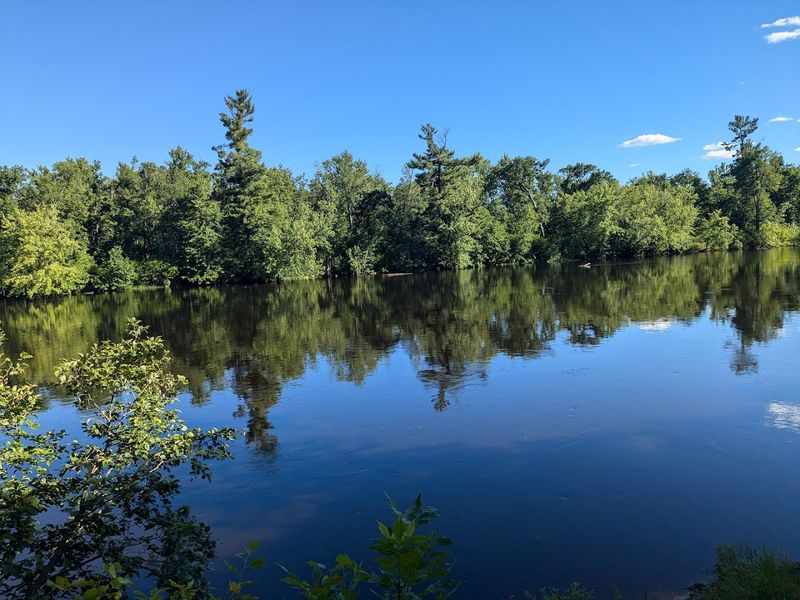
St. Croix State Park is a legitimate destination for nature photographers. The range of landscapes packed into one location gives you almost endless subject variety without needing to travel between parks.
You can shoot wetlands, old-growth forest, river overlooks, and open savanna all in one day.
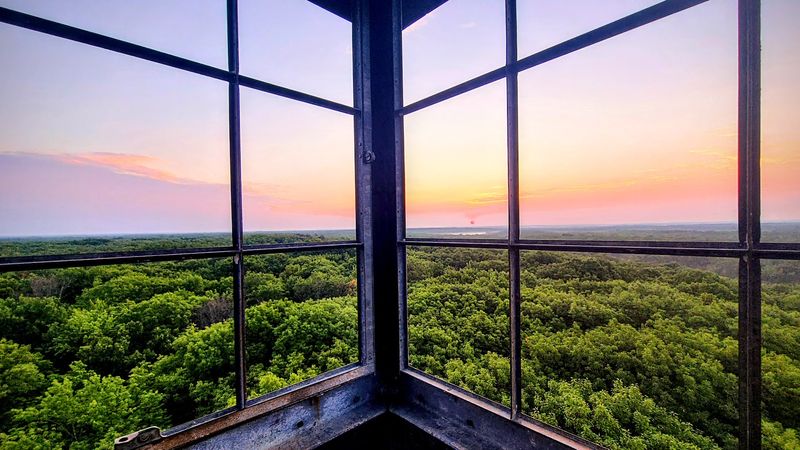
The 100-foot fire tower offers a panoramic view of the forest canopy that is hard to match anywhere else in Minnesota. Morning light from the top of that tower hits the treetops in a way that makes even a phone camera look impressive.
Getting there early is worth the effort.
Wildlife photography is equally rewarding here. Bears, foxes, eagles, and osprey all appear with enough regularity to make patience a viable strategy rather than wishful thinking.
The Highbanks overlook along the Kettle River is another strong location for landscape shots with geological character.
The park also hosts 28 unique Lepidoptera species recorded only here among 23 Minnesota state parks surveyed. That is a remarkable fact for macro photographers who focus on insects and butterflies.
The mix of prairie, savanna, and bog environments creates microhabitats that attract species you simply will not find elsewhere.
Bringing a variety of lenses and arriving at different times of day will consistently produce results that surprise even experienced outdoor photographers.
Conservation Efforts To Protect The Hidden Wilderness
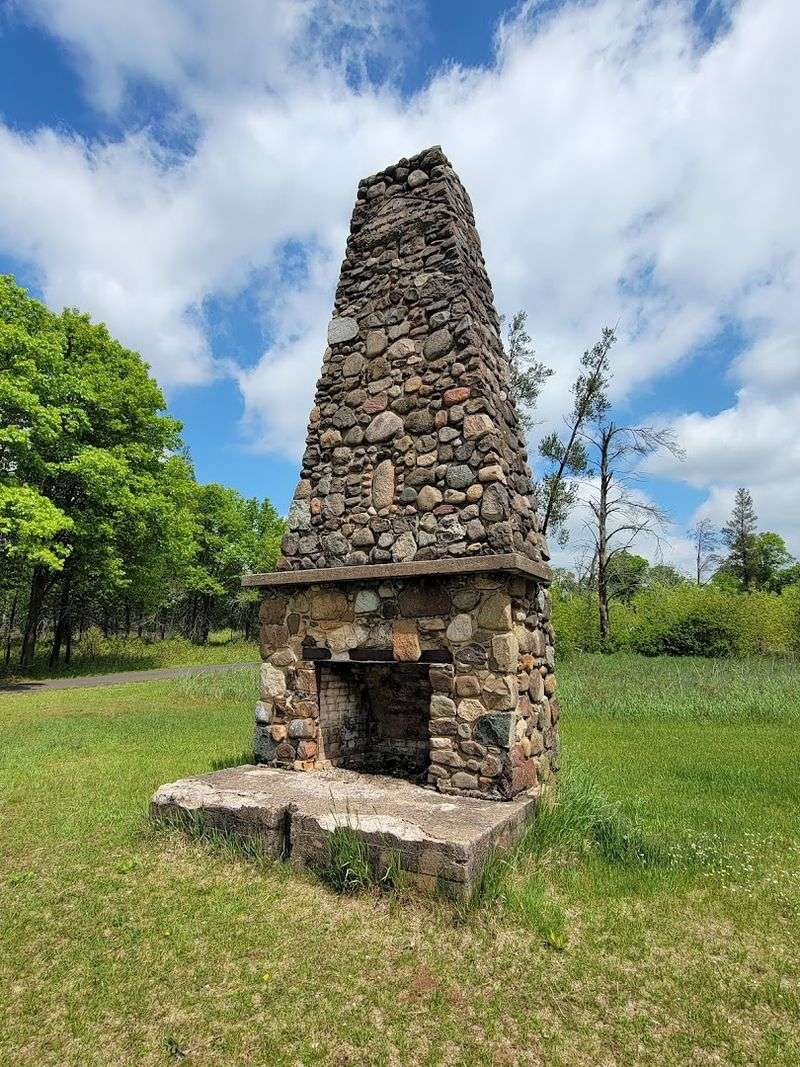
St. Croix State Park is a National Historic Landmark, and that designation covers more than just scenery. The park contains 164 surviving structures built by the Civilian Conservation Corps and the Works Progress Administration during the 1930s.
That is the largest collection of New Deal-era projects anywhere in Minnesota.
Those CCC and WPA structures include bridges, cabins, picnic shelters, and the iconic fire tower. They were built with materials sourced directly from the surrounding landscape.
Preserving them is an ongoing commitment that connects modern conservation to Depression-era labor history in a meaningful way.
The park also protects over 1,800 acres of old-growth forest, two designated Wild and Scenic Rivers, and habitat for timber wolves and black bears. Those protections did not happen automatically.
They reflect decades of active land management and advocacy by the Minnesota DNR and conservation partners.
Conservation here is not a background activity. It shapes every trail route, campsite placement, and habitat management decision made in the park.
Visiting St. Croix State Park is a direct way to support the continued funding and attention that keep this wilderness intact for future generations who will want exactly what we have access to right now.