
The Historic Small Town East Of Memphis, Tennessee Most Visitors Never Think To Visit
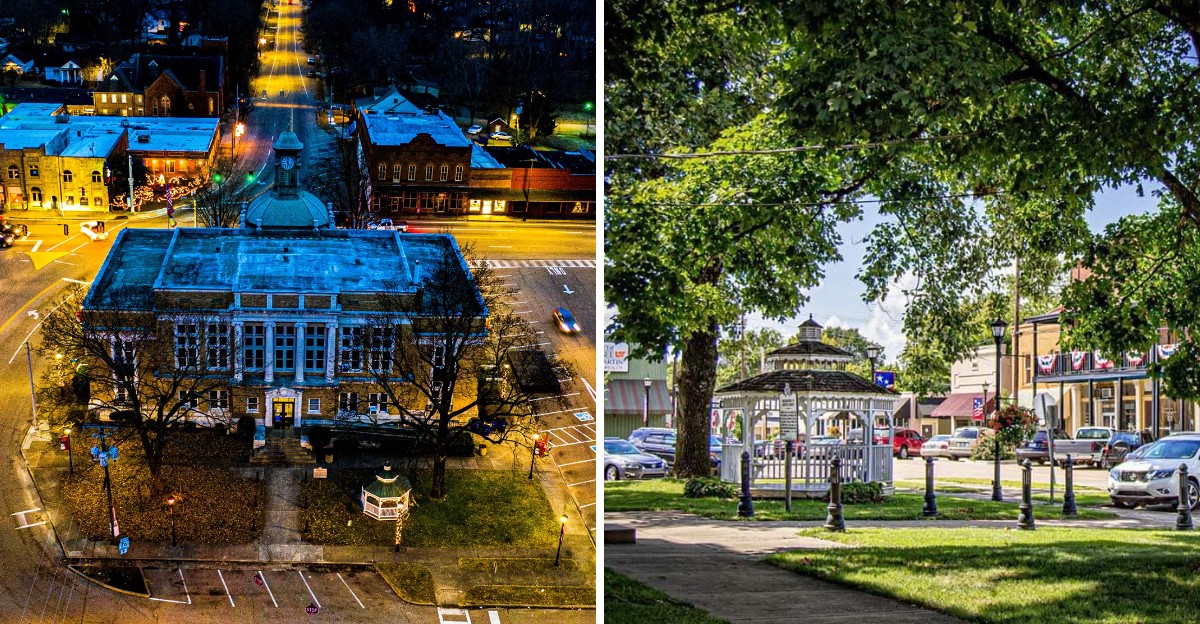
Most travelers leaving Memphis have somewhere else in mind. That is exactly why this small Tennessee town is so easy to overlook.
The pace changes quickly here. A historic courthouse anchors downtown, older buildings line the streets, and the town still feels connected to a slower chapter of West Tennessee life.
Instead of big attractions fighting for attention, the experience is more about wandering, noticing the architecture, and letting the quieter details do the work.
That makes the town a refreshing change of pace for anyone used to busier destinations.
You can spend time around the square, take in the historic setting, and get a better sense of the communities that shaped this part of Tennessee long before modern highways changed how people traveled.
It may not be the first place people think of after Memphis, but that is part of what makes it worth a closer look.
Get To Know This Town Before You Start Exploring
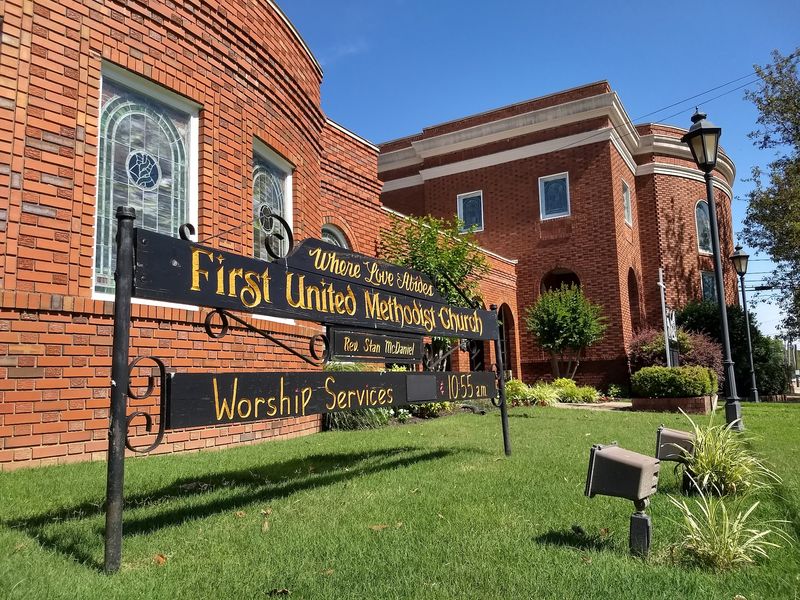
Somerville is the kind of West Tennessee town that makes more sense once you understand how much history sits behind its quiet streets.
About an hour east of Memphis, it serves as the county seat of Fayette County and has been part of the region’s story since the early nineteenth century.
The town was established in the 1820s and later named for Lieutenant Robert Somerville, who died during the Battle of Horseshoe Bend.
Over time, Somerville grew around its courthouse square, which became the center of local government, commerce, and community life.
That layout still shapes the town today. Historic buildings surround the square, older homes stretch beyond downtown, and several local attractions connect directly to the area’s past.
For visitors, Somerville works best at a slower pace. It is not a place built around one major attraction.
The experience comes from walking the square, noticing the architecture, stopping for food, and learning how this small Tennessee town developed over generations. Starting with that context makes the rest of the visit feel far more meaningful.
Start At The Courthouse Square
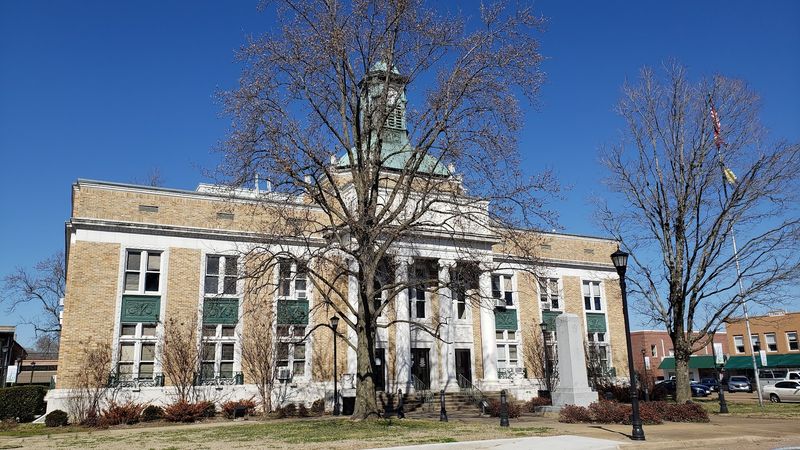
The best introduction to Somerville is its courthouse square, which still gives downtown the shape and character of an older West Tennessee county seat.
The commercial streets developed around this central block, and the square remains the easiest place to understand how the town grew.
Somerville became the seat of Fayette County during the 1820s and was incorporated in 1836. Its name honors Lieutenant Robert Somerville, who died during the Battle of Horseshoe Bend in 1814.
Nearly two centuries later, the center of town still revolves around the same basic layout.
Give yourself time to walk rather than simply drive around the block. Older storefronts, civic buildings, churches, and residences reveal different periods of local growth.
Coffee shops, restaurants, and boutiques also keep the square active rather than making it feel like a preserved display.
This is a good first stop because nearly every other part of a Somerville visit makes more sense afterward.
Stand near the courthouse, look outward toward the surrounding streets, and you can still read the basic plan of a Tennessee town that developed around government, commerce, and community life.
Look Up At The Fayette County Courthouse
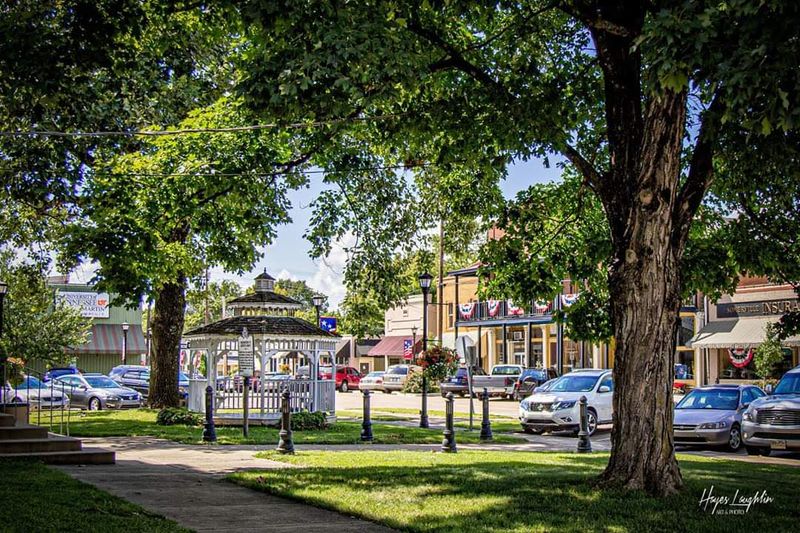
The courthouse deserves more than a quick photograph. The building standing on the square today dates to the 1920s and replaced an earlier Victorian courthouse destroyed by fire in 1925.
It is actually the fourth courthouse associated with this same site, beginning with a temporary log structure erected during the town’s earliest years.
Its architecture gives downtown much of its personality. The current building uses a grand civic style with prominent columns, a clock tower, and a green copper dome that is easy to spot as you approach the center of town.
The courthouse also remains a working government building rather than an empty historic monument.
That continuity matters. Somerville has changed considerably since its early county seat days, yet public life still revolves around a block chosen generations ago.
Visitors interested in architecture should walk around the square rather than viewing the courthouse only at the main entrance. Different angles reveal how strongly the building dominates the surrounding streets.
It also gives you a useful reference point while exploring downtown on foot.
The courthouse recently underwent a major renovation and returned to use in early 2026, adding another chapter to a site that has served Fayette County for roughly two centuries.
Let The Buildings Tell The Town’s Story
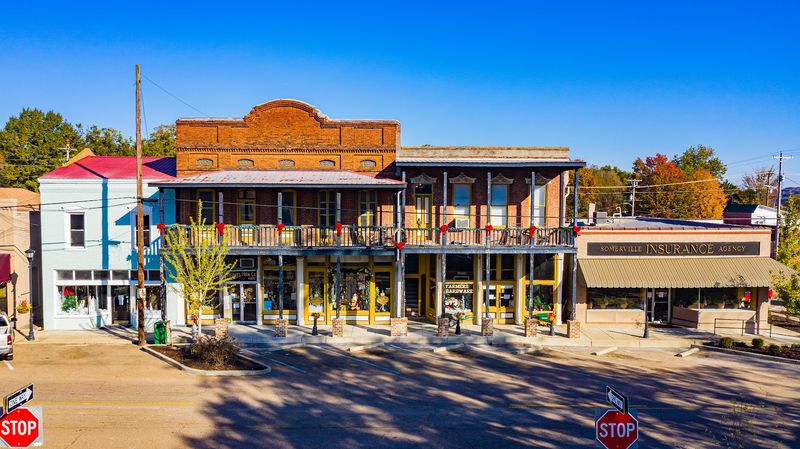
Somerville rewards visitors who pay attention to architecture.
Its historic district covers Court Square and portions of North Main Street, preserving a collection of commercial and residential buildings that reflect several different periods of West Tennessee history.
The district joined the National Register of Historic Places in 1982.
Its architecture includes Greek Revival, Late Victorian, and later revival styles, with significant buildings representing development stretching through much of the nineteenth century and into the early twentieth century.
That variety makes a walk more interesting. Instead of seeing one carefully recreated historic block, you can spot layers of change.
Older homes tell a different story than the commercial buildings around the square, and later structures show how Somerville continued evolving as Fayette County’s governmental and business center.
There is no need to rush through this section of town. Look at rooflines, porches, brickwork, windows, and the spaces between buildings.
The details help explain why Somerville feels different than a modern highway development.
The National Register documentation describes the district as an unusually intact collection of architecture in a rural Southwest Tennessee community, making the streets themselves one of the most important attractions here.
See What Local Artists Are Creating
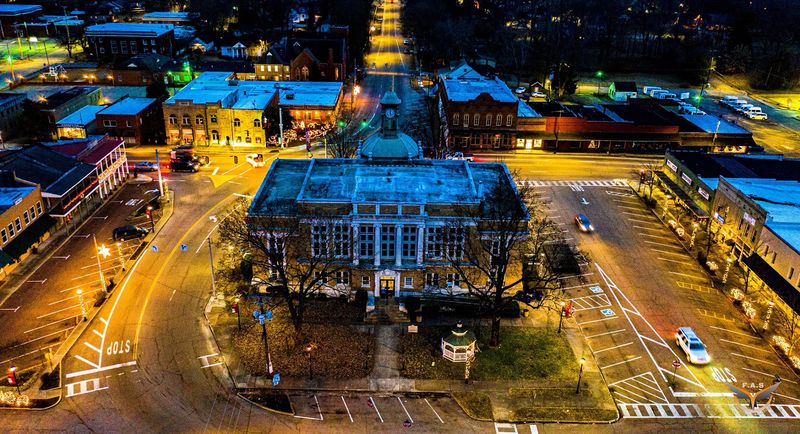
History is a major reason to visit Somerville, but downtown is not entirely focused on the past. The Somerville Art Gallery gives the square a contemporary creative side and provides an easy indoor stop during a walking tour.
The town acquired the Cornerstone Building in 2020 with the goal of creating a space that could promote both regional artists and Somerville and Fayette County history.
The gallery now presents changing exhibitions featuring artists connected to Fayette County and the wider Mid South.
Because exhibitions change, this is a place worth checking before your trip rather than assuming the same work will always be on display. Recent programming has included solo exhibitions, group shows, and collections centered on local stories, landscapes, and artists.
The gallery also adds something important to a day in town. After studying nineteenth century architecture and the courthouse, visitors can see how people living in the region today interpret their surroundings through art.
Pair the gallery with a walk around the square rather than treating it as a separate destination. That combination gives you a better sense of Somerville as a living community, not simply a collection of historic buildings.
Stop For A Meal Behind The Courthouse
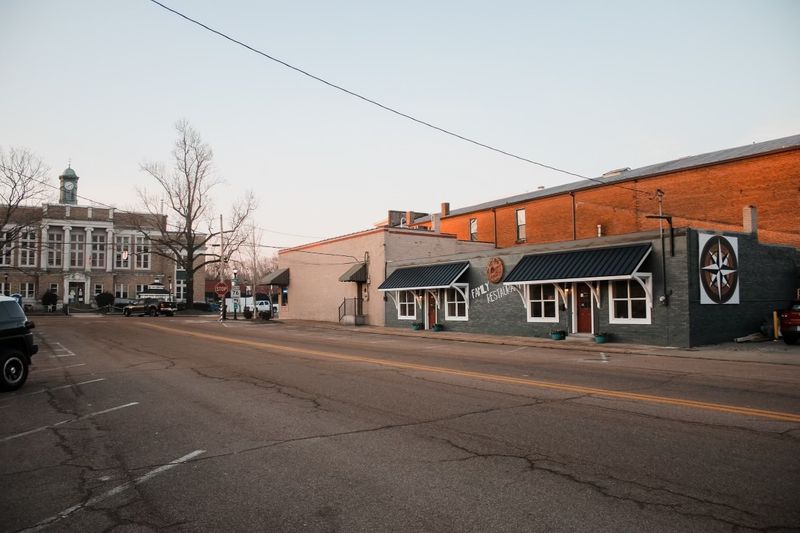
A historic square feels more complete when there is still somewhere nearby serving a straightforward local meal. Main Street Eatery fills that role in Somerville.
The restaurant sits at 13075 N. Main Street, directly behind the Fayette County Courthouse, and describes itself as the oldest restaurant on the square.
Breakfast is served throughout its operating day, alongside homestyle dishes and rotating specials. Current posted hours are daytime only, so this works better as a breakfast or lunch stop than an evening plan.
Its position also makes it convenient. You can walk the historic district, stop for food, then continue exploring without moving the car every few minutes.
For travelers, places like this can say as much about a small town as formal attractions do. County seats traditionally developed around a mix of government offices, stores, restaurants, churches, and daily errands.
Eating near the courthouse puts you back into that pattern instead of separating sightseeing and everyday life.
Check current hours before making the drive since small independent restaurants can adjust schedules. If the timing works, breakfast or lunch here provides an easy break in the middle of a slow afternoon around the square.
Time A Fall Visit For Music On The Square
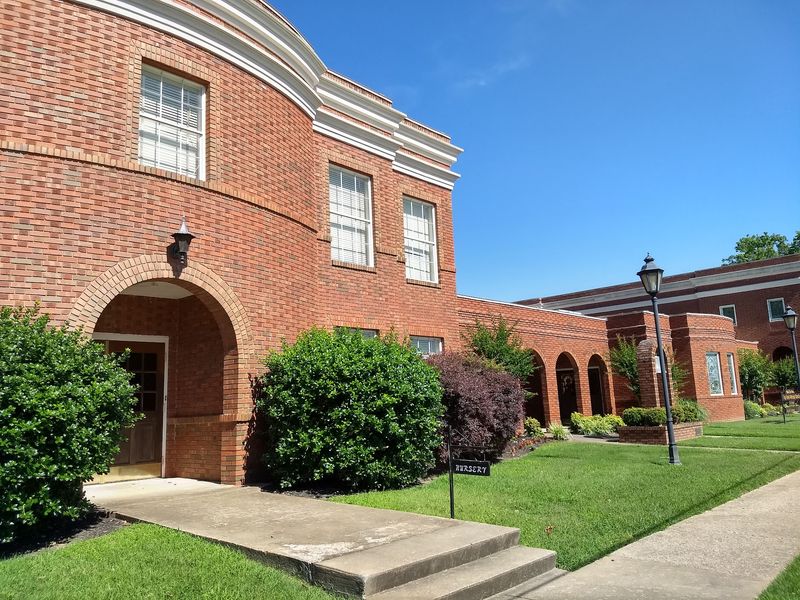
Somerville changes character when an event fills the courthouse square, and fall is one of the easiest seasons to see that happen.
For 2026, Music on the Square is scheduled across six evenings during September and early October.
The town describes the series as a mix of live music, food, community gatherings, and local flavor, with visitors bringing lawn chairs and blankets to settle around the historic square.
Performances can include country, blues, folk, rock, and other styles.
That makes an event night a particularly good choice for travelers who worry that a small historic town may feel too quiet.
You can spend the afternoon examining buildings and visiting downtown businesses, then watch the same square become a gathering place after daylight begins to fade.
The setting matters as much as the music. The illuminated courthouse and surrounding historic buildings give the event a backdrop that a generic concert venue cannot recreate.
Check the town calendar before leaving home since schedules can change. If your dates line up, arrive early enough to explore downtown first.
Seeing the square both during a quiet afternoon and during a community event gives you two very different versions of Somerville in a single visit.
Leave Time For A Historic Side Trip
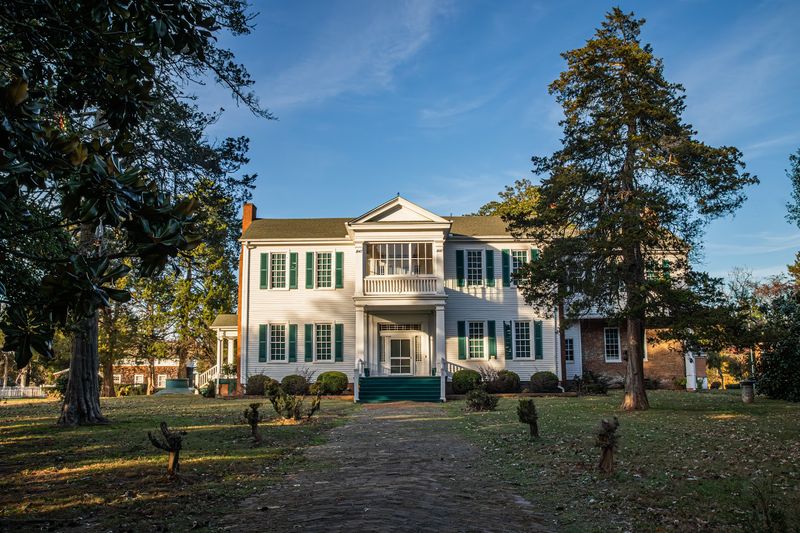
If you have more than a few hours, Somerville works well as the starting point for exploring rural Fayette County and nearby historic sites.
One particularly interesting option is the Heritage Village at Ames Plantation near Grand Junction. The village preserves restored structures representing regional life between roughly 1820 and the early twentieth century.
Visitors can see a nineteenth century farmstead, an 1830s Stencil House, an early twentieth century schoolhouse, a replica brick kiln, and a cotton interpretation center housed inside a restored log cabin.
The farmstead portion adds even more context with log buildings arranged to represent an 1840s and 1850s Southwest Tennessee farm.
Structures include a dogtrot cabin, corn crib, smokehouse, blacksmith shop, and cabins associated with enslaved people, allowing the site to address parts of regional history that a courthouse square alone cannot explain.
This should not be treated as a spontaneous stop. Heritage Village currently accepts visitors by appointment, so contact the property before building it into your day.
Combined with Somerville’s historic district, the site helps visitors understand the wider agricultural world that once surrounded and supported county seat towns across West Tennessee.