
This Free Mississippi Refuge Off I-10 Is Bringing Back A Crane Found Nowhere Else On Earth
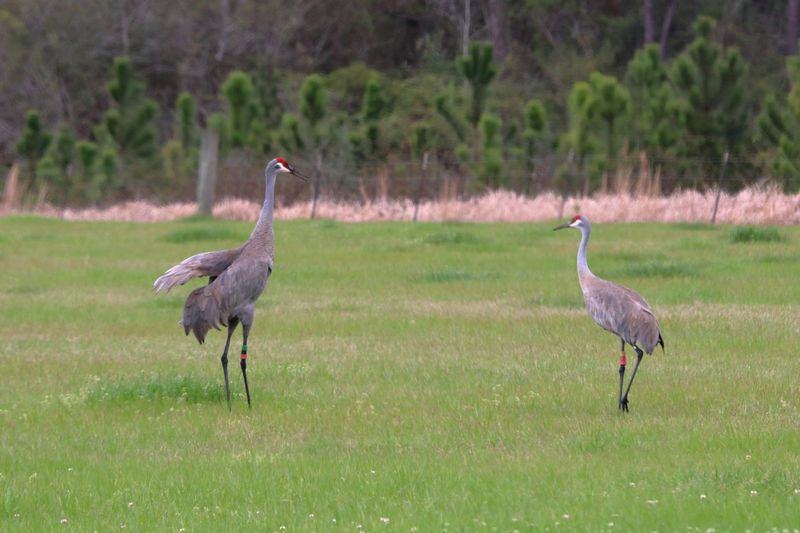
Pulling off the interstate for a quick leg stretch rarely leads to a lesson in survival, but one pine-scattered stretch of coastal Mississippi manages it. Tucked behind a plain gate and a modest parking lot, a patch of soggy savanna holds a bird you cannot find anywhere else on the planet.
Admission costs nothing, the walking trails are short enough for small legs, and the flowers alone can keep a curious kid busy. What looks like an ordinary pine woods turns out to be one of the rarest wild places in the country.
A Coastal Refuge Just Off Interstate 10
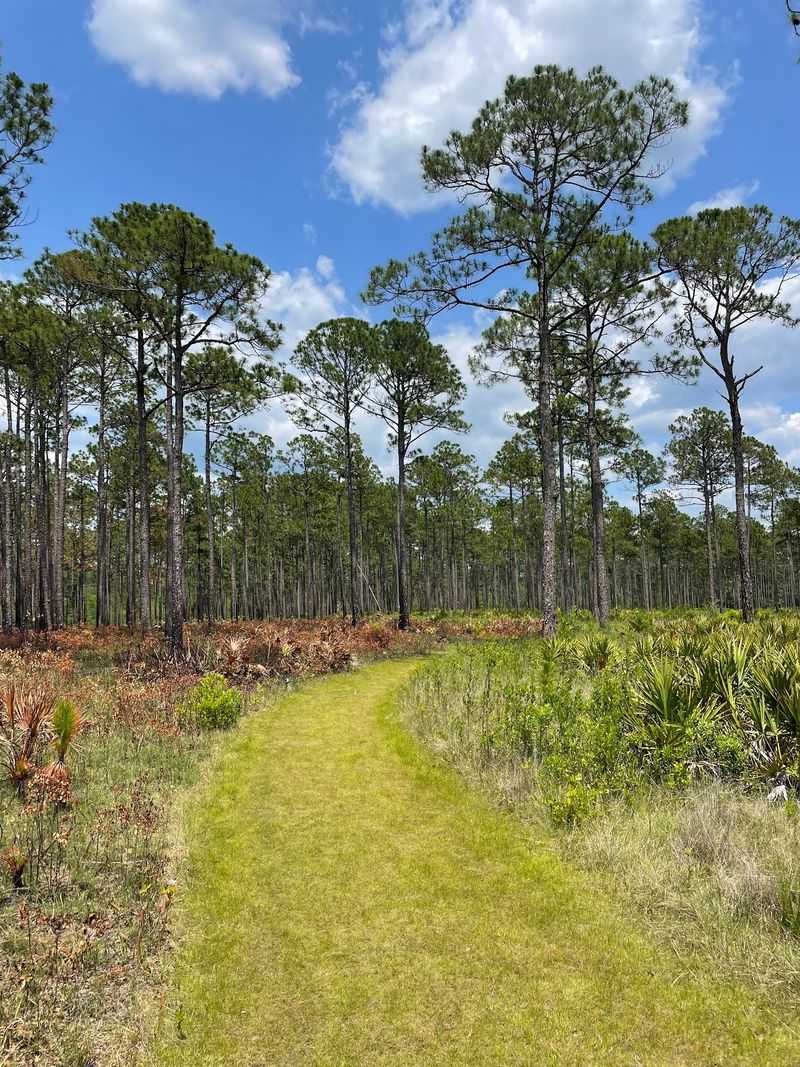
Traffic hums along I-10 in Jackson County, yet only a few minutes off the exit, the noise fades into rustling pine needles. The Mississippi Sandhill Crane National Wildlife Refuge sits at 7200 Crane Lane in Gautier, on the eastern side of the Mississippi Gulf Coast.
Its land stretches across nearly 20,000 acres of coastal plain, a surprising amount of wild ground so close to busy towns.
What makes the place different from a typical park? Every acre is managed for one bird, the Mississippi sandhill crane, a subspecies found nowhere else on Earth.
The refuge protects wet pine savanna, pitcher plant bogs, bayous, and cypress groves that the cranes need to feed, nest, and raise their young.
For families on the Coast, the location is a big plus. Folks driving through often treat it as a quick detour, since the entrance sits close to the highway and the main visitor area is easy to reach.
Families from Biloxi, Pascagoula, and Ocean Springs can make a morning of it without a long haul, while travelers from Hattiesburg or Jackson can fold it into a beach weekend.
Most of the land stays closed to protect nesting birds, but the public area gives plenty to explore.
The 1975 Law That Created a First-of-Its-Kind Refuge
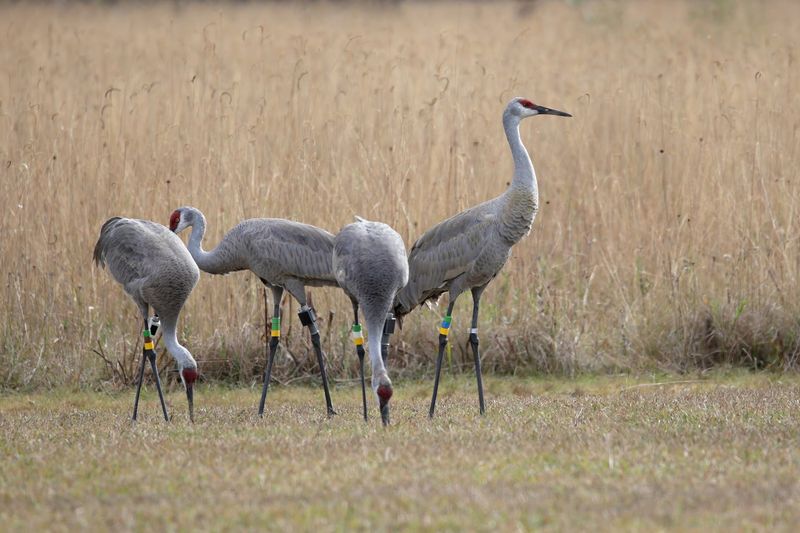
Back in the mid-1970s, the future of these tall gray birds looked grim. Fewer than 35 Mississippi sandhill cranes remained in the wild, and their savanna homes were being cleared for houses, roads, and pine timber farms.
Something had to change quickly.
In 1975, the refuge was established under the authority of the Endangered Species Act. It became the first national wildlife refuge ever created specifically to protect an endangered species and the habitat it depends on.
That makes this corner of Jackson County a landmark in American conservation history, not just a local nature spot.
Why does that matter to a family visiting today? Kids learn in school about laws being passed, but here they can stand on ground that exists because of one.
The story turns a walk in the woods into a real lesson about how people can step in and help wildlife when numbers get dangerously low.
Grandparents may even remember the era when the refuge began. Sharing those memories on the trail can connect generations in a way a textbook cannot.
The visitor center fills in the rest of the timeline with displays and a short film, so everyone leaves understanding how this refuge got its start.
A Slow, Steady Climb Back From the Brink
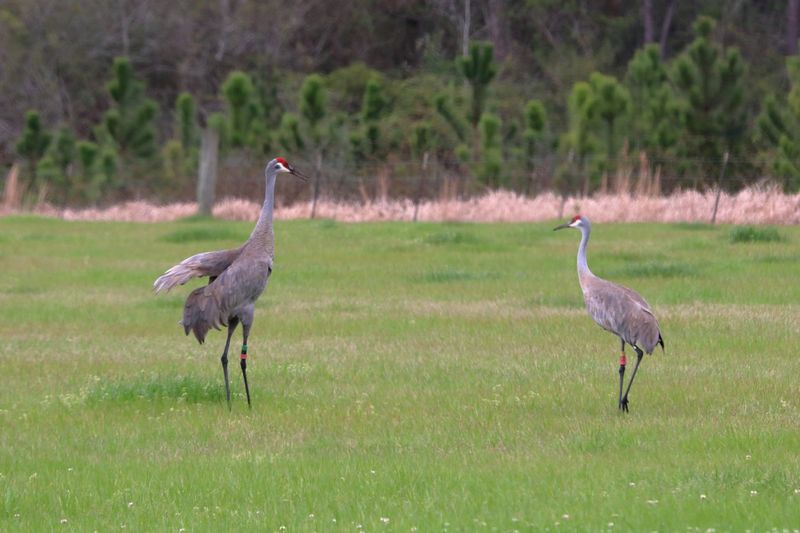
One hundred seventy-four. That was the official crane count by December 2023, a number that would have seemed like a dream back when fewer than 35 birds were left.
Current estimates suggest the population has grown to around 200 cranes living on the refuge.
Recovery like that does not happen by accident. Biologists use intensive management to keep the flock growing, including captive breeding programs and carefully planned reintroductions.
Partners such as White Oak Conservation raise young cranes that are later released into the wild here in Mississippi.
Picture a young crane taking its first steps on the savanna after being raised by caretakers. Released birds join the wild flock, learn to forage among the grasses, and eventually may raise chicks of their own.
Each new pair adds a little more security to a population that still counts in the hundreds, not the thousands.
Kids who love numbers can track the progress over time, and it makes a hopeful story to talk about on the drive home. Still, 200 birds is a small number for an entire subspecies.
That is exactly why the refuge keeps most of its land off-limits and why every visitor who stays on the trail helps the cranes keep climbing.
Wet Pine Savanna, One of the Rarest Landscapes on the Gulf
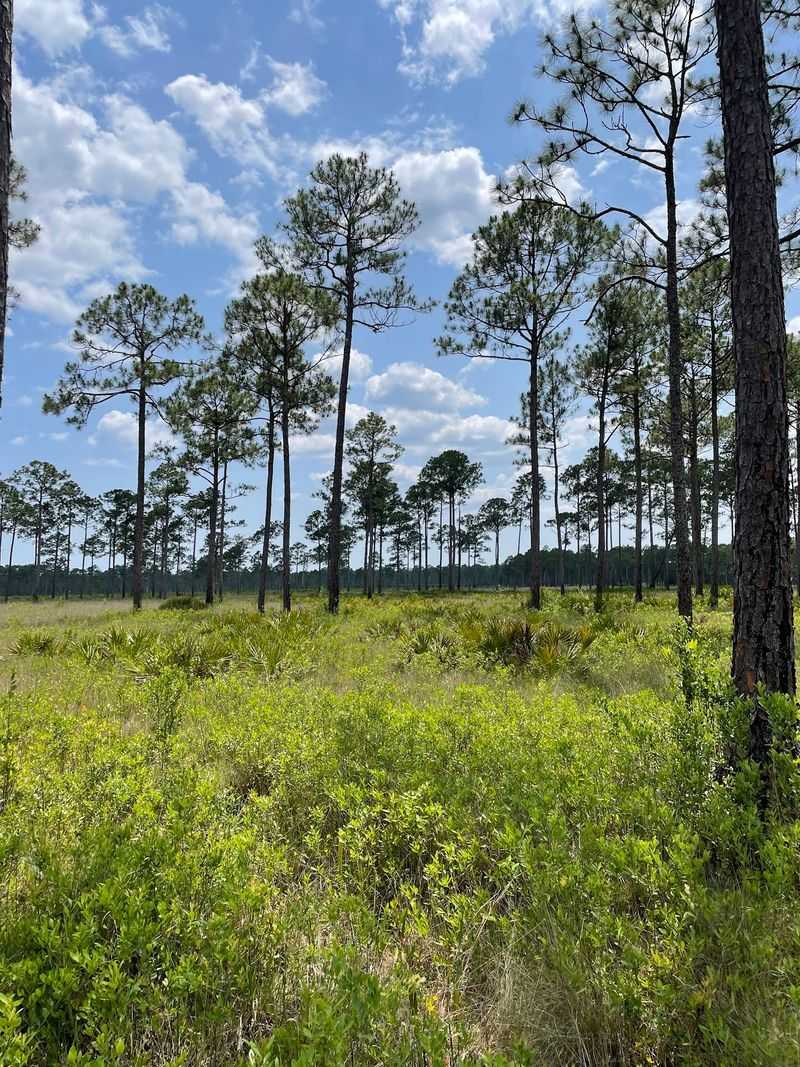
Squishy ground, tall grass, and pines spaced far apart like they are giving each other room to breathe. That is the wet pine savanna, and it looks nothing like the thick forests many Mississippians picture when they think of woods.
The soil here stays waterlogged and acidic for much of the year. Those tough conditions shape everything that grows, which is why the savanna supports such an unusual variety of plant life, including rare orchids and carnivorous plants.
Grasses and wildflowers fill the open spaces between the pines, creating the open feeding grounds cranes prefer.
Long ago, savannas like this stretched across the Gulf Coastal Plain. Urban development and pine timber plantations changed that, and less than five percent of the original habitat remains today.
Standing in it feels a bit like looking back in time at what the Coast once was.
Refuge staff restore and protect the savanna using careful land management, including prescribed burns that clear out brush and encourage fresh growth. Visitors on guided tours have spotted new plants sprouting in freshly burned areas, a neat way to see how fire can help a habitat.
Walking through it, kids can see firsthand how a place can be soggy, sunny, and full of life all at once.
Pitcher Plants and Other Bug-Eating Greenery
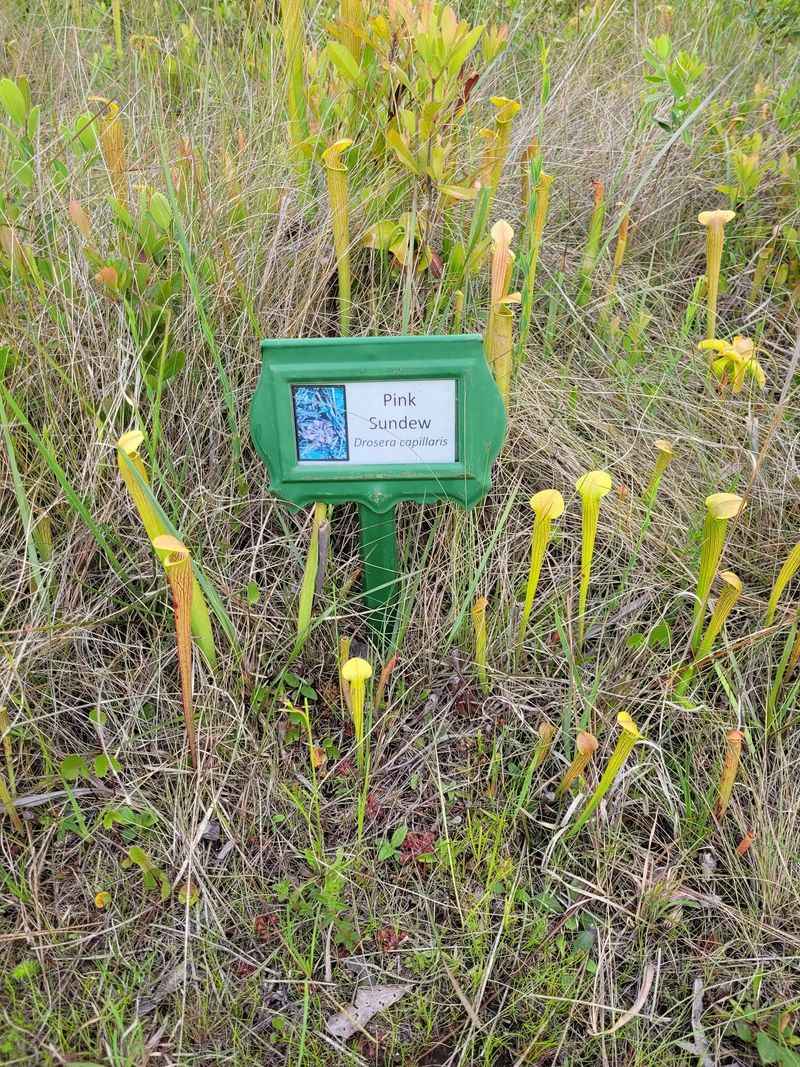
Did you know some plants eat insects? Along the trails here, that bit of trivia becomes something kids can see with their own eyes.
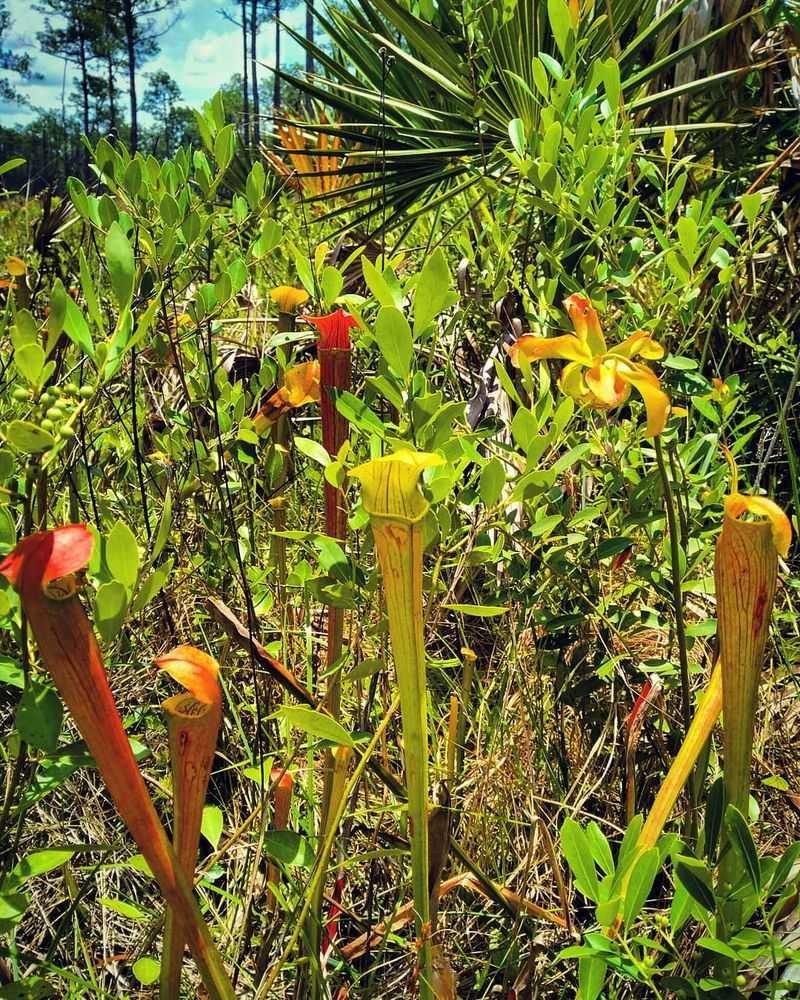
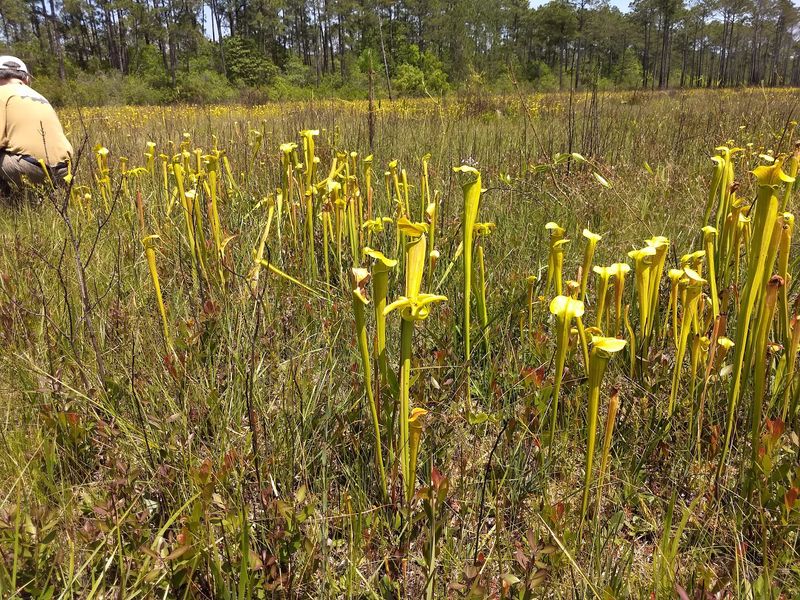
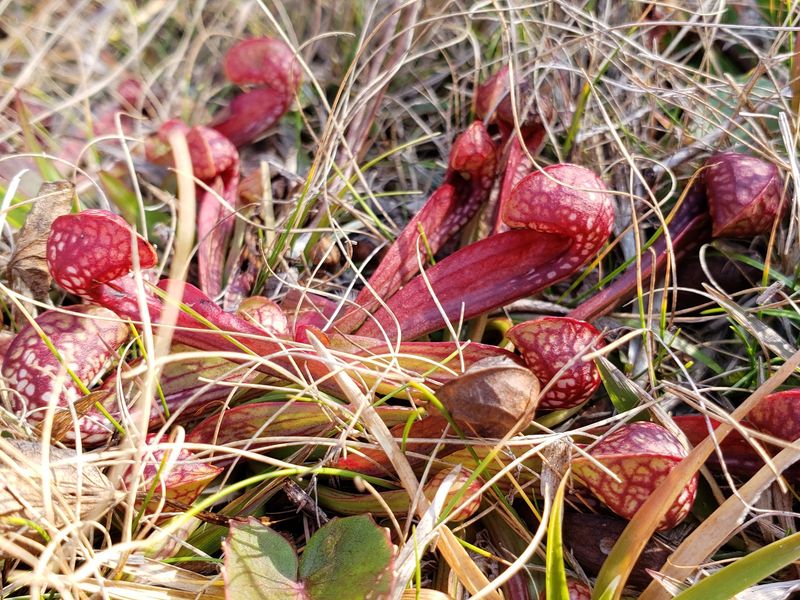
Pitcher plants rise from the bogs in clusters, their tube-shaped leaves waiting for curious bugs to wander inside.
The trick is simple but clever. Because the wet, acidic soil holds few nutrients, pitcher plants trap insects and absorb what they need from them.
Visitors often point to them as the highlight of the whole walk, and in the right season, the bogs can be packed with them.
Pitcher plants are not the only ones with an appetite. Several other kinds of carnivorous plants grow on the refuge, though what you spot depends on the time of year.
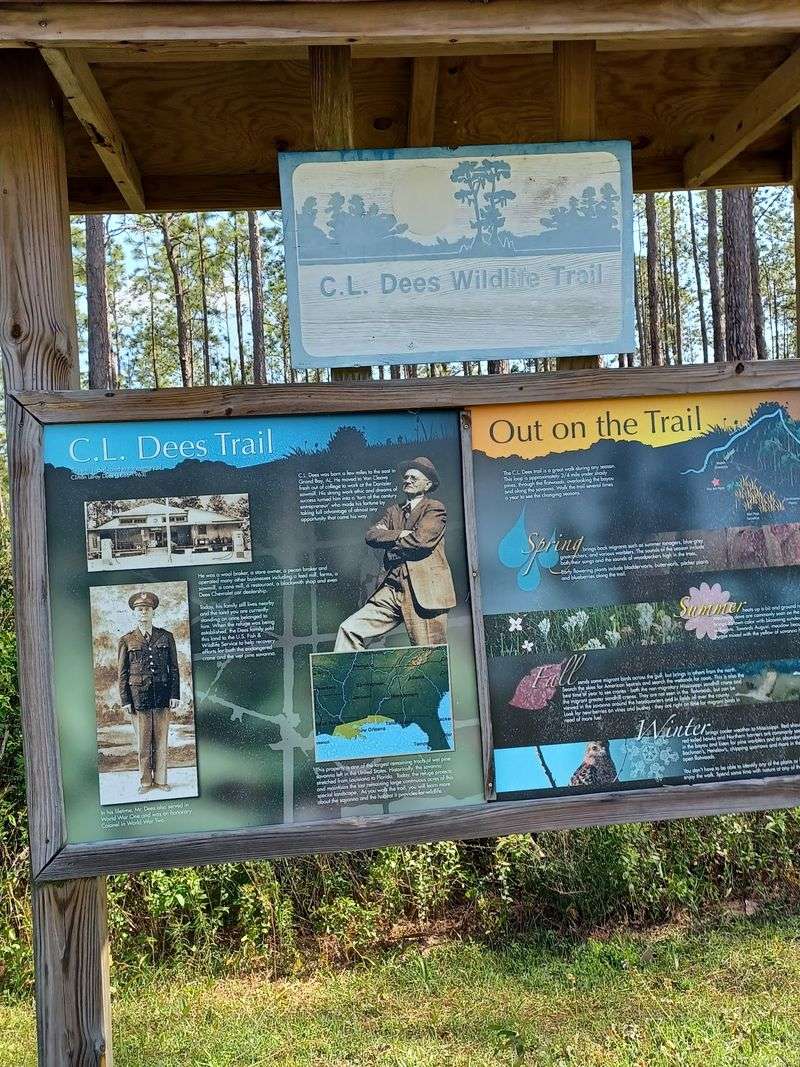
Helpful markers along the trail show plant names and pictures, so even first-time visitors can put a name to what they are looking at.
Wildflowers add another layer of color, and butterflies often drift between the blooms. In November, the savanna can glow with reds, oranges, yellows, browns, and greens, while spring and summer bring their own flowers.
Bring a small notebook or a phone camera and let the kids make a plant scavenger list, since spotting one carnivorous plant tends to spark a hunt for the next.
Exhibits, Displays, and a Twelve-Minute Film
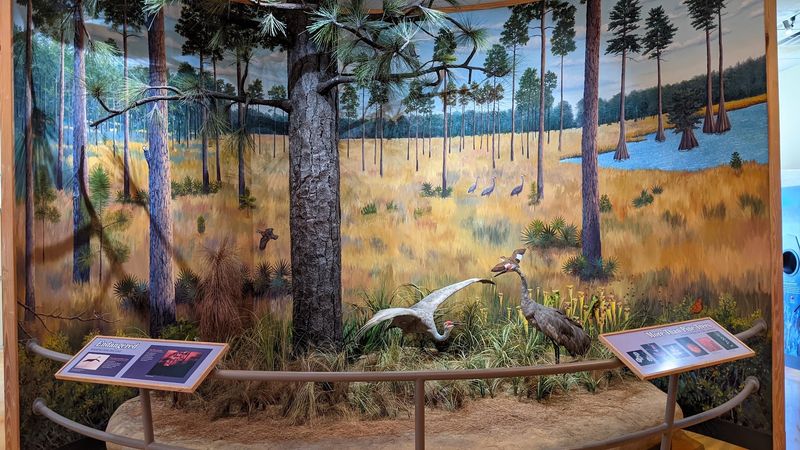
Step through the doors on a Thursday or Friday morning and the visitor center opens up the whole crane story. Interactive exhibits and plenty of infographics explain how the birds live, what they eat, and why the savanna matters so much.
The centerpiece is a twelve-minute film about the refuge’s purpose and history. It is short enough for younger kids to sit through and packed with enough detail to keep adults interested.
Plan to arrive with time to spare, because missing the screening is a common regret among first-timers.
Staff and volunteers add a personal touch. They are known for being kind, helpful, and ready to answer questions about the cranes, from how they are counted to where they might be feeding that day.
Timing is the one catch. According to the latest listing, the visitor center keeps short hours, open Thursday and Friday from 9 am to 12 pm and closed the rest of the week.
Hours can shift, so checking the refuge’s official channels before a long drive is a smart move.
The trails and grounds, however, stay open daily from sunrise to sunset, so a weekend visit still offers plenty.
Two Easy Trails Through Bog, Savanna, and Cypress
Short legs, long legs, and everything in between can handle these paths. The refuge offers two walking trails: the three-quarter-mile C.L.
Dees Nature Trail and the one-mile Fontainebleau Trail. Both are considered suitable for children, and leashed dogs are welcome too.
The C.L. Dees trail starts right near the visitor center and forms a loop, so there is no worry about getting turned around.
It winds through wet pine savanna, past a pitcher plant bog, and down toward a bayou and creek before circling back. The path is well maintained, not very hilly, and has only a few roots to step over.
Cypress groves add shade and a different mood from the open savanna. Keep an eye out for small surprises, like trees scarred by lightning strikes or deer slipping between the pines.
Early walkers have even spotted cranes near the road on the way in or out.
For a grandmother who prefers an easy pace or a six-year-old with limited patience, the short loop is a comfortable fit. Families wanting a bit more can add the Fontainebleau Trail for a longer outing.
Either way, allow extra time for stopping, since the plant markers and bog views tend to slow everyone down in the best way.
Watching for Cranes Behind the Visitor Center
Patience pays off here more than anywhere else on the refuge. Tucked behind the visitor center, a viewing area comes equipped with benches, spotting scopes, and a picnic table facing open ground where cranes sometimes gather to feed.
Park in the lot, walk around back, and settle in. The benches are easily accessible to wheelchairs, which makes this spot a good choice for grandparents or anyone who would rather sit than hike.
The scopes help bring distant birds into clear view, so bring a phone that can snap a photo through the lens.
Cranes are reclusive, and sightings can be hit or miss. Late fall through late winter often offers the best chances, and early to mid-morning visits have brought lucky moments, with small groups feeding or even wandering near the lawn.
On other days, the birds stay tucked deep in the savanna and never show.
Setting expectations helps, especially with kids. Frame the visit as a treasure hunt rather than a guarantee, and celebrate the pitcher plants, butterflies, and songbirds along the way.
The Mississippi sandhill crane lives here year-round, so a missed sighting simply becomes a reason to return in another season, maybe with binoculars packed this time.
Guided Tours and the Refuge’s Wider Cast of Wildlife
Imagine a slow ride through areas normally closed to the public, with guides pointing out plants poking up from freshly burned ground. Guided tours at the refuge can offer exactly that kind of experience, reaching deeper corners of the savanna where the cranes spend much of their time.
Tours are not always running, so availability should be checked at the visitor center or through the refuge’s social media pages. Past tour groups have spotted an impressive lineup: alligators, eagles, deer, snakes, ducks, songbirds, and more than a dozen sandhill cranes in a single outing.
Informed guides and helpful volunteers make the ride as educational as it is scenic.
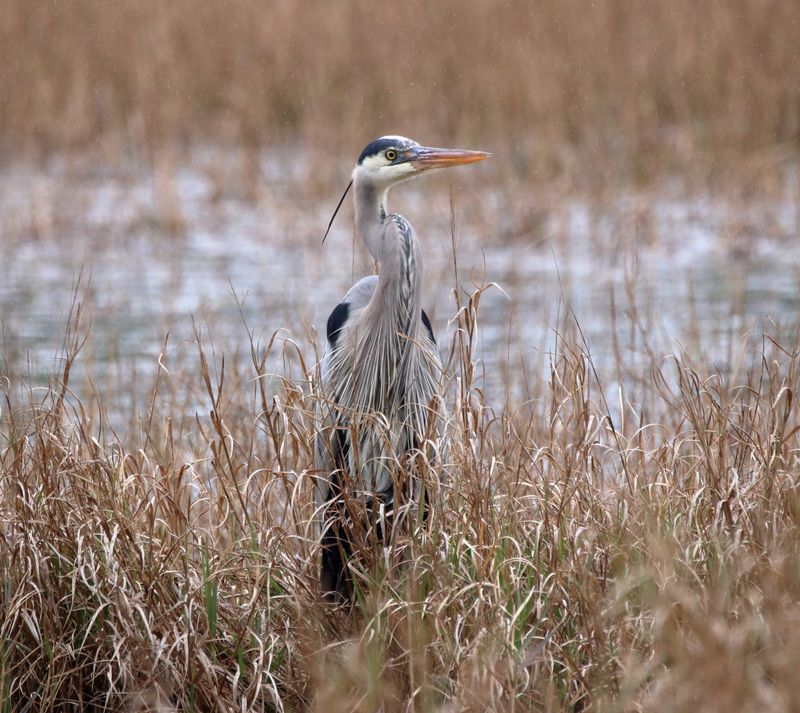
Cranes may be the headliners, yet the supporting cast is large. The refuge provides important habitat for migratory songbirds and waterfowl, and bird watchers often find plenty to track even when the cranes stay hidden.
Young animal lovers get a real sense of how one protected habitat supports many creatures at once. It is a gentle way to explain that saving a single bird’s home helps countless other species too.
If a tour date lines up with your calendar, grab a spot, since it may be the closest look at the cranes you can get.
Hours, Cost, Parking, and Summer Planning
Free. That single word may be the best news for families watching the budget, since the refuge charges no admission.
The grounds are open daily from sunrise to sunset, while the visitor center keeps shorter hours, listed as Thursday and Friday from 9 am to 12 pm.
Getting there is simple. The entrance at 7200 Crane Lane in Gautier sits close to Interstate 10, making it an easy add-on for anyone headed along the Coast.
Parking is available by the visitor center, and there is room for an RV to turn around, with extra spots along the entry road.
Picnic facilities make it possible to pack lunch and stretch the visit without spending a dime on food. Leashed dogs can come along on the trails, and the benches behind the center work well for wheelchair users.
Trails are well kept, though a few roots and damp spots mean sturdy shoes beat sandals.
Summer calls for a plan. Mississippi heat and humidity can be intense, so arriving early in the morning offers cooler air and better odds of wildlife activity.
Pack water, sunscreen, hats, and bug spray, since the wet savanna naturally attracts insects, and save the long exploring for fall and winter when the weather turns kinder.
A Quiet Pick for Curious Families
Not every family outing needs a ticket booth or a gift shop. What this refuge offers instead is quieter: open savanna, strange plants, a free lesson in conservation, and the chance, never promised, to see a bird that exists nowhere else on Earth.
Nature-minded families will likely feel right at home. Kids who enjoy bugs, plants, or animal facts can stay busy along the loop trail, while grandparents can relax on the benches behind the visitor center with a spotting scope.
Bird watchers, photographers, and anyone passing along I-10 looking for a calming break will find something to enjoy as well.
Thrill seekers may want to set expectations. The trails are short, the pace is slow, and the cranes keep their own schedule.
For those who appreciate peaceful places, though, that calm is exactly the point.
Timing a trip for a Thursday or Friday morning between late fall and late winter gives the best shot at both the film and a crane sighting. Pack a picnic, bring the binoculars, and let the savanna set the pace.
Whether the day ends with cranes in view or a phone full of pitcher plant photos, the family leaves knowing they walked through one of the rarest landscapes in Mississippi.