
The Jackson, Mississippi Museum Where You Can Walk Among Draft Horses And Barnyard Animals
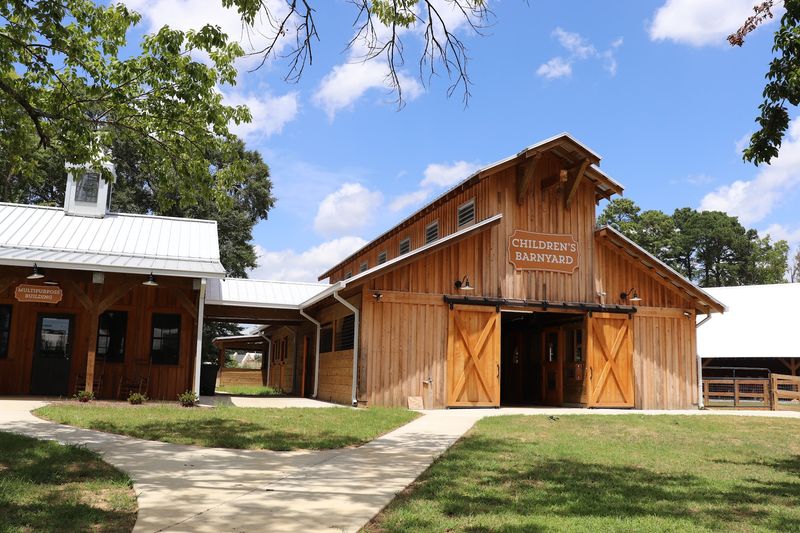
My kids wanted to see a goat, and I wanted a quiet hour, so we followed a few road signs in Mississippi without expecting much. Two hours later, we were sipping glass bottle sodas on a creaky general store porch after meeting mules, pigs, and a very nosy pygmy goat.
Along the way we wandered an old cotton town, watched model trains roll past, and learned where our food really comes from. If your family likes animals, history, and room to roam, this place delivers all three.
Forty Acres of Farm History on Lakeland Drive
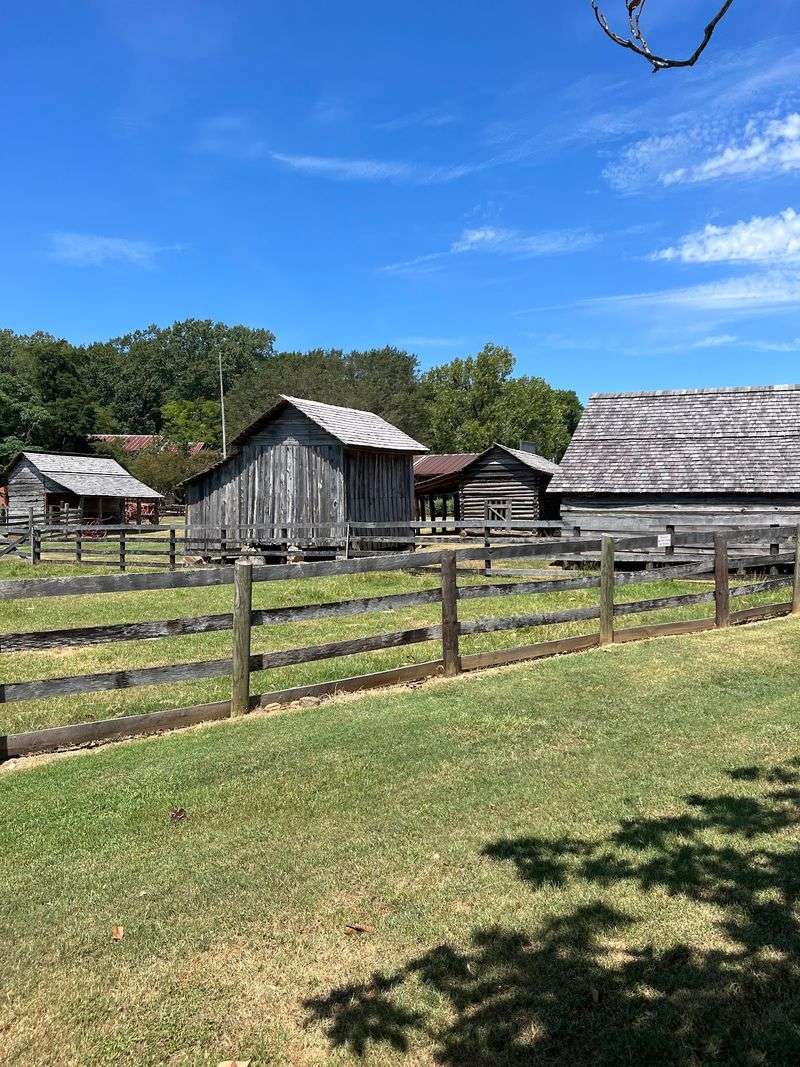
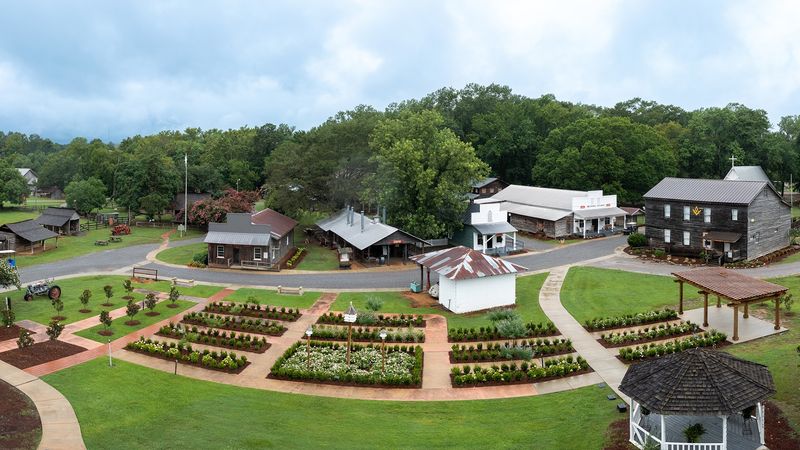
Right off Lakeland Drive in Jackson sits the Mississippi Agriculture and Forestry Museum, a 40-acre spread that feels more like a country village than a city attraction. The address is 1150 Lakeland Dr, and the entrance is easy to spot from the road.
Once inside, families find a mix of indoor galleries and outdoor exhibits that cover centuries of farming life.
Picture a living-history farm on one side and a recreated 1920s cotton-economy town on the other. Between them are barns, mills, gardens, and animal pens that kids can explore at their own speed.
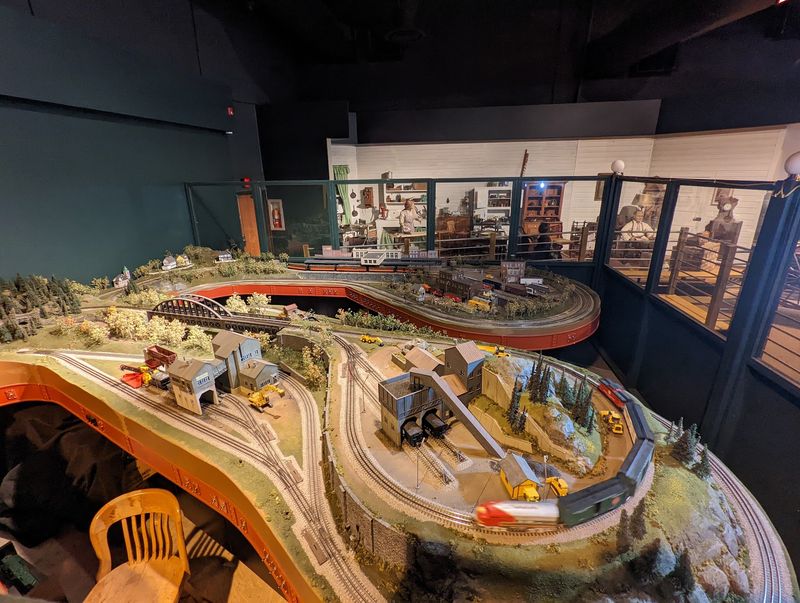
The indoor halls hold planes, vehicles, tools, and a huge model train display.
Families get two kinds of fun in one trip. Younger children tend to gravitate toward the animals and the general store, while older kids and adults often linger over the history placards.
Visitors frequently mention how surprised they were by the size and variety of the place.
The museum also sits close to a state park campground, so some families simply walk over during a camping stay. That kind of easy access makes it a handy stop whether you live nearby or are just passing through Mississippi on a road trip with the kids.
Rescued Buildings With Stories to Tell
Many of the old structures here were saved from demolition and moved from farms and towns across Mississippi. Rather than letting them fall apart, the museum restored each one and gave it a new home.
Walking the paths, you are seeing real buildings, not movie-set copies.
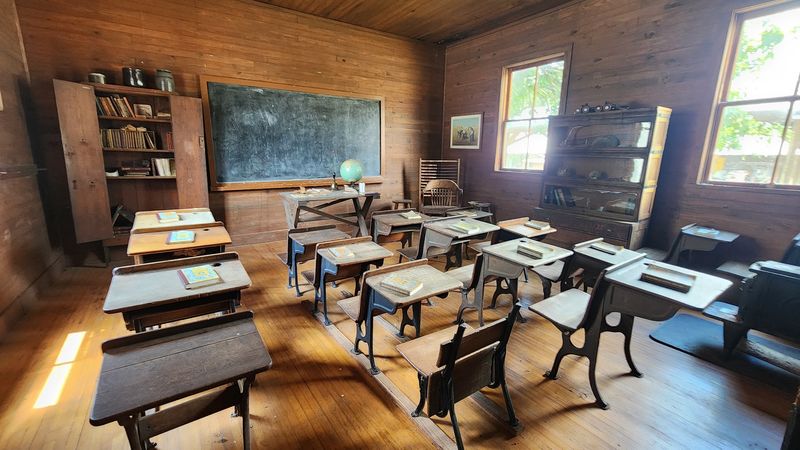
That detail matters to kids more than you might expect. Telling a child that a schoolhouse once held real students in another county tends to spark questions.
One parent noted that an eleven-year-old was genuinely shocked by how small and simple the old school felt, a bit like something from Little House on the Prairie.
Placards outside each building explain what it was and how it was used. The self-guided format lets families stop wherever curiosity strikes.
Visitors who grew up coming here say plenty has been added since the 1980s and 1990s, so returning guests will find fresh things to see.
Some guests wish the outdoor area had an audio tour, so plan on reading signs aloud to younger children. Treat it as a storytime stroll.
Bring patience, comfortable shoes, and a willingness to let kids peek inside doorways and imagine daily life a century ago.
Children’s Barnyard Encounters
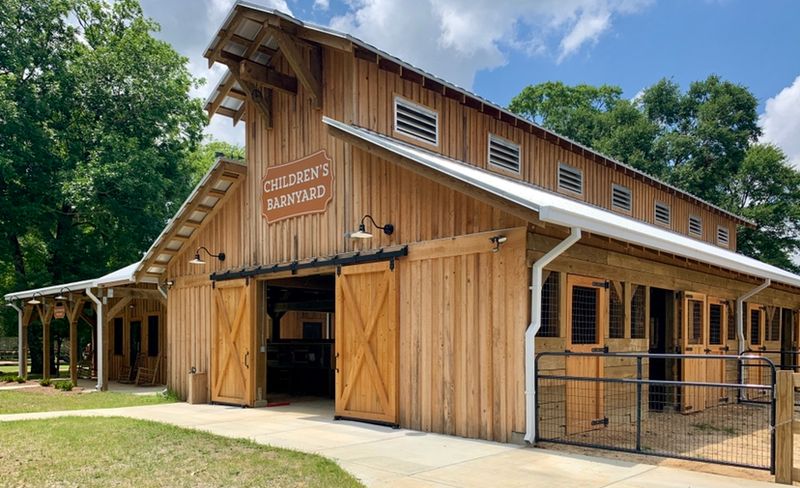
Goats with tiny legs and big opinions tend to steal the show at the Children’s Barnyard. American Pygmy Goats live here, known for their small size and curious streak, and they often wander over to check out visitors.
For many kids, this is the highlight of the entire day.
The barnyard houses a wide cast of farm residents. Families can meet rabbits, chickens, goats, sheep, cows, mules, pigs, and horses, all in one easygoing area.
It feels a lot like visiting a working farm, without needing a relative in the countryside.
The pace here is relaxed. Children can stand at the fence, watch animals eat or nap, and ask grown-ups endless questions about which animal makes which sound.
Toddlers and early elementary kids especially enjoy the up-close views.
Plan to spend more time here than you think. Kids often want to circle back after exploring other parts of the grounds, so leave room in your schedule for a second visit before heading home.
A quick tip for parents: bring hand wipes or sanitizer. Barnyards are wonderfully real places, and little hands tend to touch every fence rail along the way.
Horses, Mules, and the Stable
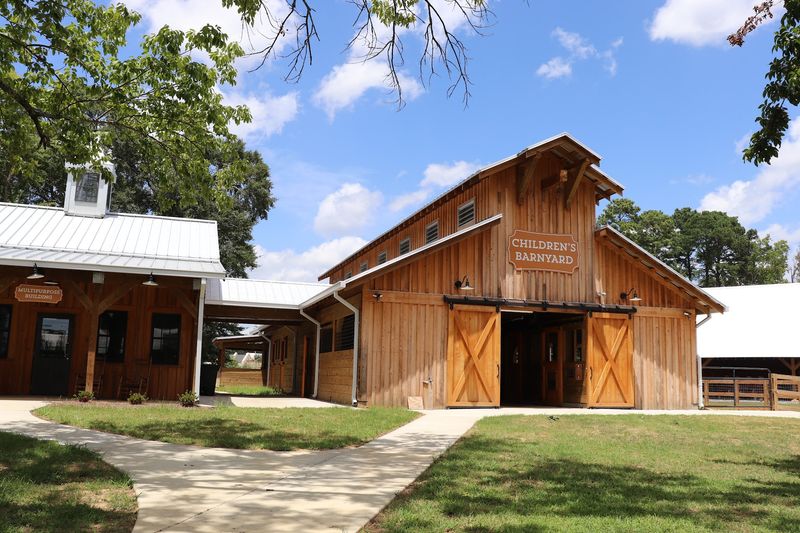
Before tractors, farms in Mississippi ran on muscle, and much of it belonged to horses and mules. The museum keeps that connection alive with a stable on the grounds where pigs and horses reside.
Seeing these big animals in person helps kids understand how heavy work once got done.
Standing next to a horse is a different experience than seeing one on a screen. Children often notice the sheer size first, then the sounds and smells that come with a real stable.
Mules, with their long ears, usually draw a few giggles too.
Elsewhere on the grounds, you will spot mule sheds and barns built for the animals that powered farm life. Indoor exhibits also show how trains and automobiles eventually replaced horse-drawn vehicles, which gives older kids a neat before-and-after lesson.
Families can turn the visit into a mini scavenger hunt. Ask kids to find a mule shed, a barn, and a piece of equipment once pulled by animals.
Little games like that keep younger visitors engaged while adults read the signs.
Remember to keep a respectful distance and follow posted guidance. Large animals are calm here, yet they still deserve space and quiet voices.
Small Town Mississippi in the 1920s
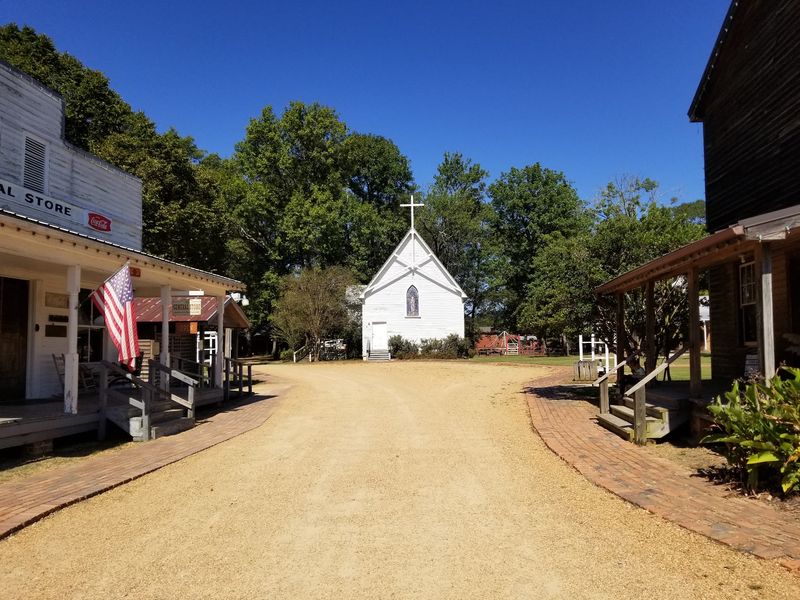
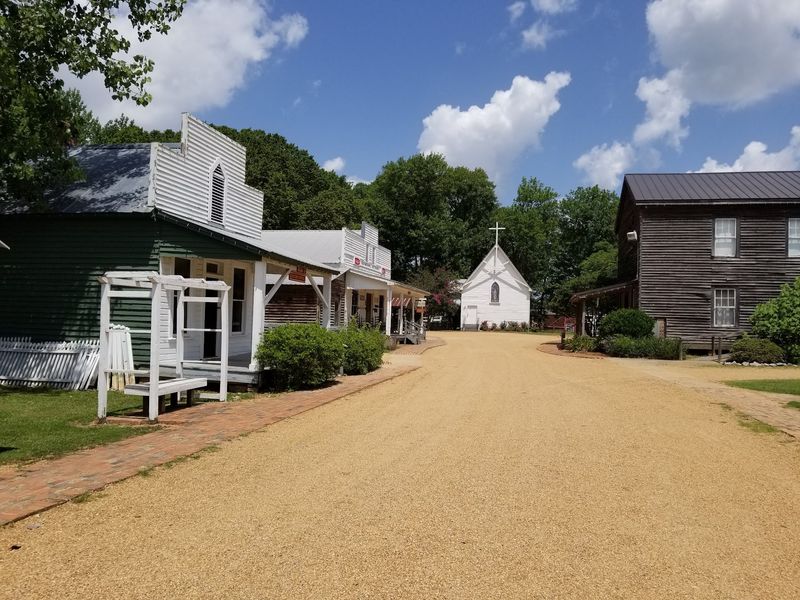
Step onto the main street and the modern world fades fast. Small Town Mississippi is a collection of historic buildings arranged to show life in the 1920s, when cotton shaped the local economy.
Storefronts, porches, and shops line the paths like a town paused in time.
Kids especially love this area, according to many families. There is something exciting about peeking into old businesses and imagining buying groceries or getting shoes repaired a hundred years ago.
One visitor described the setup as an accurate portrayal of how things used to be.
The town also helps explain bigger ideas. Exhibits show how better roads brought more business and how cotton gins and harvesting machines changed the landscape.
Those lessons click more easily when children stand among the buildings themselves.
Let kids lead the way through town. Some will race toward the general store, while others want to see every shop window.
Either approach works, since signs at each building fill in the details.
Pack water on warm days. The town is outdoors and spread out, and a refreshment break can make the difference between a cheerful stroll and tired legs by mid-afternoon.
The Fortenberry-Parkman Farmstead
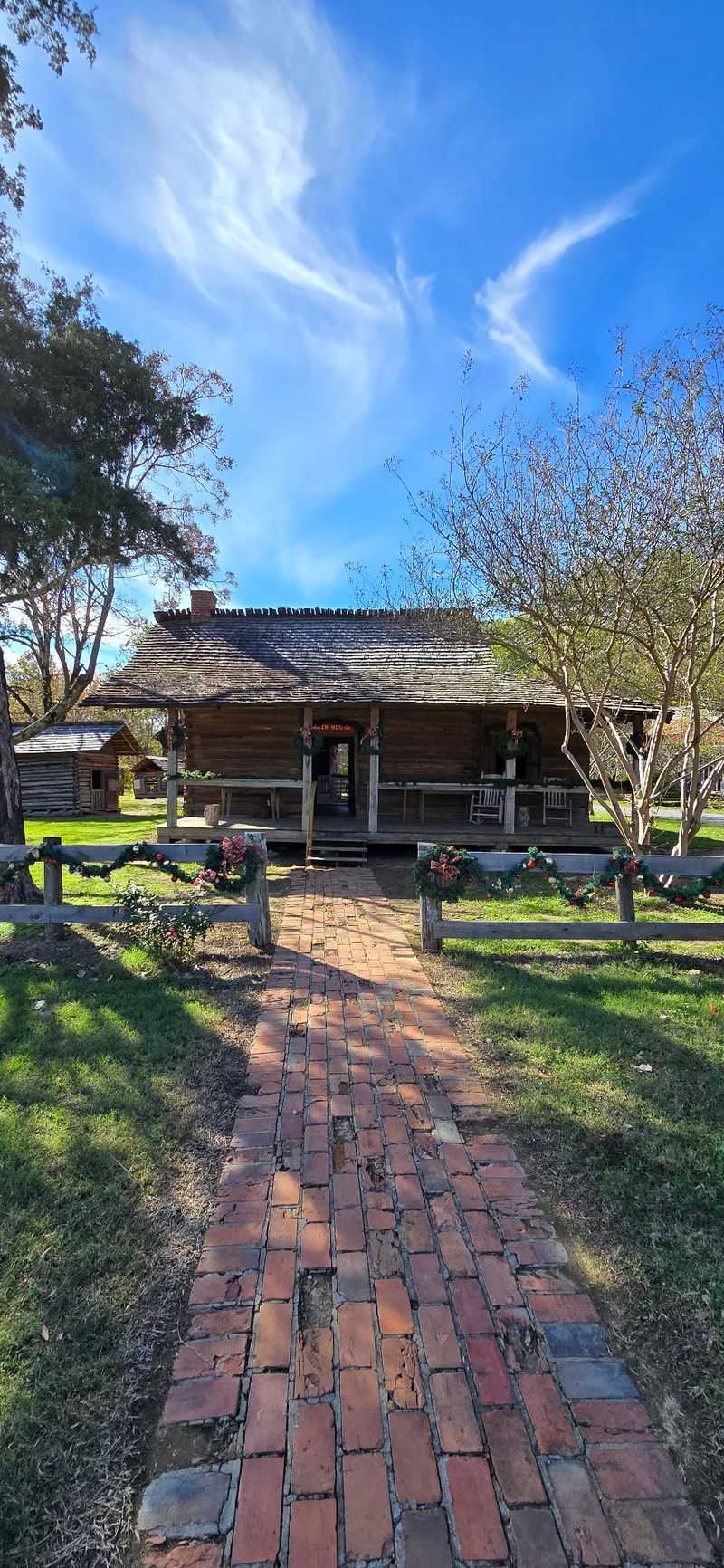
Recognized as a Mississippi Landmark, the Fortenberry-Parkman Farmstead tells the story of farm life from the 1860s through the 1960s. That hundred-year span lets families watch rural living change from one building to the next.
It is one of the most meaningful spots on the grounds.
Wandering the farmstead feels personal. You can picture a family rising before dawn, tending animals, and working fields long before electricity reached the countryside.
For kids used to tablets and microwaves, the contrast is eye-opening.
The farm setup is a frequent topic among visitors, who appreciate seeing how all the pieces fit together. Houses, barns, and work areas sit close enough to tour in one loop, which is helpful with younger children who tire quickly.
Try asking your kids what chores they would have done here. Feeding chickens, hauling water, and helping in the garden were normal tasks for children back then.
That conversation often sticks with them long after the trip.
Parents of older kids may find the farmstead the richest part of the visit. One parent felt the museum suited older children best, since the history makes more sense once kids can read and reflect on it.
The Nation’s Oldest Working Cotton Gin
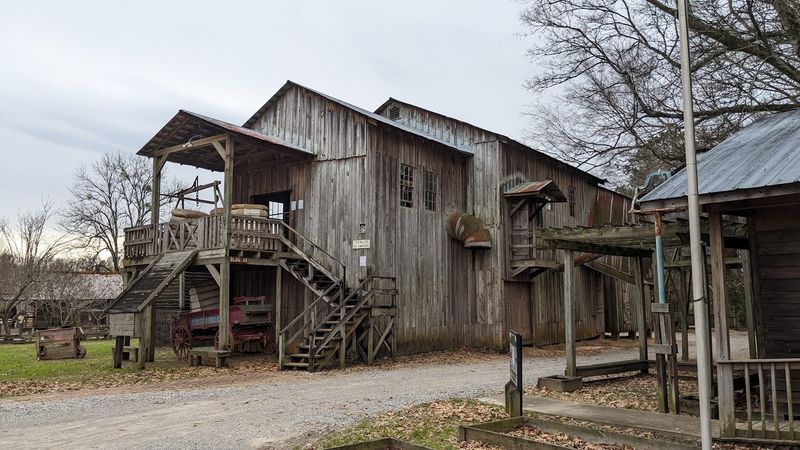
Here is a fun fact for the car ride: the museum is home to the nation’s oldest working cotton gin. It still runs during special events, which makes timing your visit around one a smart move.
Kids and adults alike tend to call it one of the coolest stops.
Cotton played a huge role in Mississippi history, and the gin shows why. The machine separated cotton fibers from seeds, a task that once took endless hand labor.
Exhibits explain how the gin and later harvesting machines changed farms forever.
Even when it is quiet, the gin building is worth exploring. Gears, belts, and wooden parts give kids a peek at early industrial engineering.
Curious young builders often want to trace how each piece connects.
On event days, the experience comes alive with sound and motion. Check the museum website or call ahead to learn when the gin will be operating.
Seeing old machinery move is far more memorable than reading about it.
Pair the gin with a chat about clothing. Asking kids where their T-shirts come from turns an old machine into a lesson they can connect to their own closets.
Blacksmith Shop, Grist Mill, and Sawmill
Clang, clang, clang. During fall events, the blacksmith shop rings with the sound of hammer on metal, one of the most talked-about features among visitors.
Watching iron glow and bend holds kids spellbound.
Nearby, the grist mill and sawmill show how communities turned raw materials into everyday goods. Corn became meal, logs became lumber, and both fed and sheltered families.
These buildings connect directly to the forestry side of the museum’s story.
Fall brings a full lineup of period reenactments. Visitors mention weavers and spinners at work, plus cane syrup being made from sugar cane.
Seeing craftspeople in action helps children understand that every tool and product once started with skilled hands.
When no demonstrations are scheduled, the shops still offer plenty to see. Tools, workbenches, and equipment remain on display with signs explaining their purpose.
Kids can guess what each object did before reading the answer.
For the full experience, plan an autumn visit and check the event calendar. Demonstration days add energy to the grounds and give families more to watch, hear, and talk about on the drive home.
Cold Sodas at the General Store
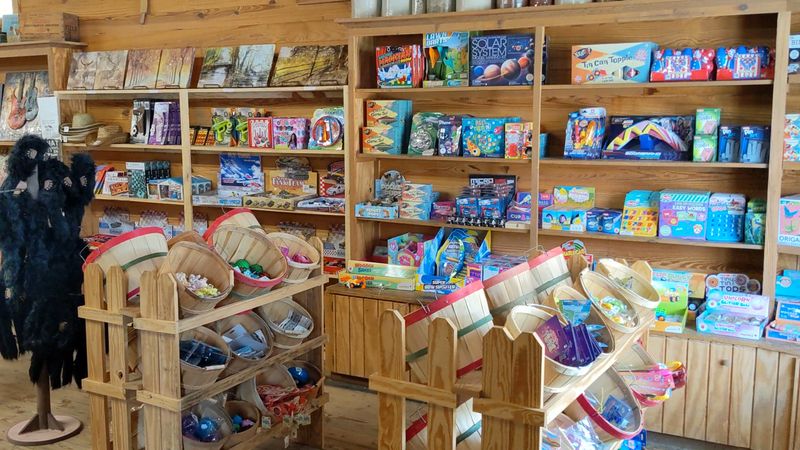
Ask families about their favorite moment and many point to the same spot: the front porch of the General Store. Grabbing a glass bottle soda and a snack, then settling in for a game of checkers, feels like a reward after exploring.
Kids often rank it right alongside the animals.
Inside, shelves hold old-fashioned treats, drinks, and cute items to browse. Visitors describe it as a nice little break in the middle of the day.
It also solves the classic parenting problem of hungry children halfway through an outing.
Timing matters here. One visitor noted the store closes at 4 PM, earlier than the museum itself, so plan your treat stop before late afternoon.
Arriving too late can mean disappointed faces.
The porch is the real magic. Sitting in the shade with a cold drink gives everyone a chance to rest, chat about favorite sights, and decide what to see next.
Regulars suggest making it the final stop of a tour.
Bring a little spending money for souvenirs. Small keepsakes from the store make nice reminders of the trip and give kids something to show friends back home.
Heritage Center, Model Trains, and Vintage Aircraft
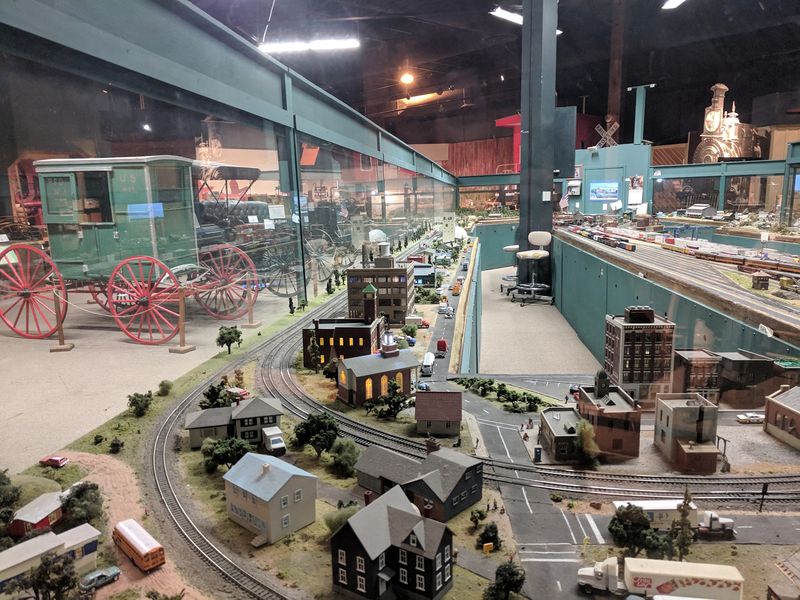
Rainy day? Head indoors, where the Heritage Center traces 500 years of Mississippi farming, from early Native American agriculture to modern innovation.
The galleries cover cotton farming, crop dusting, and forestry with displays visitors call well done.
Model trains are the single most mentioned feature among guests, and it is easy to see why. A huge layout chugs through miniature scenery that keeps young eyes glued.
Train-loving kids may need gentle coaxing to move along.
The building also houses the National Agricultural Aviation Museum, featuring historic aircraft used in farming. Seeing crop dusters up close surprises many families who never considered planes as farm tools.
Old vehicles, tools, and life-sized dioramas round out the collection.
Fans recommend seeking out the Fitzgerald collection too. Some visitors wish more artifacts included labels explaining their use, so expect a few guessing games along the way.
That can actually spark fun conversations with kids.
The indoor galleries offer a cool break on hot Mississippi afternoons. Consider splitting your visit between outside and inside, alternating to keep energy levels steady for the whole family.
Gardens and a Quiet Nature Trail
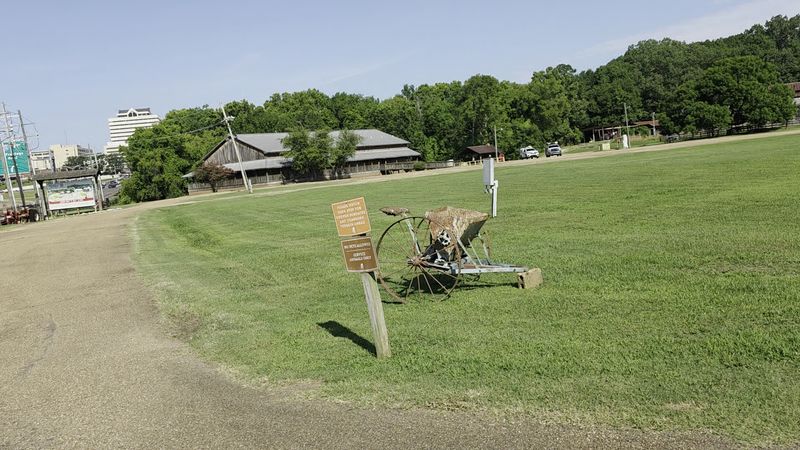
Between the barns and buildings, colorful gardens offer a slower, sweeter side of the museum. Display and agriculture gardens include a rose garden and a collection of medicinal plants.
An herb garden also draws mentions from visitors.
Gardens give curious kids a hands-on science lesson without feeling like school. Point out which plants once served as home remedies and which ones farm families grew for cooking.
Smelling herbs is a simple activity even toddlers enjoy.
For families who need to burn off energy, a nature trail winds through the grounds. It is a nice change of pace after reading lots of signs.
Walking among trees also ties back to the forestry story told indoors.
One visitor summed it up nicely, saying that anyone who enjoys gardens and farms will feel right at home here. That spirit of Southern heritage runs through every bed and path.
Bring sunscreen, hats, and bug spray during warmer months. The gardens and trail are fully outdoors, and a little preparation keeps everyone comfortable while they explore.
Gardens also make lovely backgrounds for family photos, so keep your camera handy as you stroll.
Who Will Love It and Seasonal Events
Calm is the word many visitors use. Guests mention coming on a Friday afternoon or a Saturday and having the place nearly to themselves.
For parents with little ones who dislike crowds, that quiet is a real bonus.
School groups visit for field trips, and parents along for the ride often leave impressed by the depth of history. Families with animal-loving preschoolers, train fans, and history buffs in middle school can all find something to enjoy.
Older kids tend to get the most from the reading-heavy exhibits.
Special events change the mood entirely. During these, the museum usually runs the train, hayride, and carousel, which delights younger children.
One visitor noted the last train ride runs at 3 PM, so arrive early.
Easter and fall gatherings are popular, though event admission can cost more than a regular visit. One family paid $40 for an Easter event, and the museum said it would improve the face-painting process for future years.
Families who live nearby often return every couple of months. With new additions and rotating events, repeat trips feel fresh rather than routine.
Planning Your Visit and Final Thoughts
Hours run 9 AM to 5 PM, Monday through Saturday, and the museum is closed on Sundays. Call 601-432-4500 or visit msagmuseum.org to confirm admission and event schedules.
Visitors consistently describe regular admission as reasonable and affordable for families.
How long should you stay? Plan at least one hour, though families who read every sign often spend two hours or more.
Several guests admit they could not see all the outdoor buildings in one trip and wanted to come back.
Morning arrivals work best. You will have time to read, visit the animals, and enjoy the general store before it closes at 4 PM.
Parking is on site, but large events may fill lots and require a longer walk across the bridge.
Wear comfortable shoes, bring water, and pack sunscreen for the outdoor portions. A stroller helps with toddlers on longer loops.
For families visiting Mississippi, this museum blends animals, hands-on history, trains, and fresh air in one affordable outing. Kids leave with stories about goats and cotton gins, and parents leave having learned something too.
It earns a spot on your next Jackson itinerary.