
The Largest Bonsai Nursery In America Is Hidden Inside This Massive Mississippi Greenhouse
Miniature forests thriving inside a sprawling glass structure produce a visual paradox that standard botanical gardens spend decades trying to engineer. That delicate botanical art requires an immense scale to sustain its commercial viability.
Massive translucent panels filter the harsh southern sunlight, creating a humid sanctuary where ancient traditions grow completely uninterrupted. Hundreds of tiny, twisted trunks anchor miniature root systems inside shallow clay pots.
Mississippi hosts this massive cultivation hub far away from the traditional urban art centers. Horticulturists move down the endless gravel aisles with sharp pruning shears and copper wire.
They guide the growth of century-old junipers with the quiet patience of a sculptor working in slow motion. Visitors who discover the nursery tend to walk with a sudden, tiptoe caution.
That protective silence is the most honest reaction to a living masterpiece.
History Of Bonsai Cultivation Techniques
Bonsai has one of the oldest and most fascinating stories in plant history. The art form started in China around 700 AD, when people practiced “pun-sai,” growing dwarf trees in containers.
Early depictions of these tiny potted trees date back 1,300 years to a Chinese tomb painting.
Japan picked up this art during the Kamakura period and made it their own. Zen Buddhism played a huge role in shaping the Japanese approach, pushing growers toward minimalism and quiet beauty.
The word “bonsai” itself literally means “tree in a shallow pot.”
Homestead Farms Greenhouse and Nursery in Coldwater, MS carries on this ancient tradition beautifully. Walking through their massive facility, you can see how centuries of cultivation knowledge show up in every carefully shaped tree.
The nursery has grown from two small greenhouses in 1977 to nearly 30 acres of plant paradise. They grow 90% of what they sell, which tells you a lot about their commitment.
You can find it at 255 Hardin Ln, Coldwater, MS 38618, United States. The history behind each bonsai adds meaning to every visit.
Knowing a technique is over 1,300 years old makes you look at these tiny trees very differently.
Essential Tools For Bonsai Tree Care
Good bonsai tools are not optional. They are the difference between a healthy tree and a damaged one.
Bonsai scissors handle precise cuts on smaller branches and delicate leaves without tearing the plant tissue.
Concave cutters are the real workhorses of the toolbox. They remove thicker branches cleanly, leaving a hollow cut that heals flat against the trunk.
Wire cutters safely remove shaping wire without scratching or gouging the bark.
Pruning shears handle general trimming and keep your overall shaping work moving quickly. Every single tool should be cleaned with disinfectant before and after each session.
Skipping this step is how disease spreads from one tree to another, and nobody wants that headache.
At Homestead Farms, the variety of plant material they carry means you might find yourself needing tools for multiple species in one afternoon. Their staff grows 90% of the plants on site, so they understand what proper care actually looks like.
Investing in quality tools pays off over time because well-maintained bonsai can live for hundreds of years. A cheap pair of scissors will cost you more in the long run.
Start with the basics and build your collection as your skills grow.
Common Bonsai Species Found In Mississippi
Mississippi’s climate is a bonsai grower’s playground. The warm, humid summers and mild winters make it possible to grow both tropical and temperate species successfully.
Ficus varieties, especially the Ginseng Ficus, are popular indoor choices because they handle lower light levels without complaining.
The Fukien Tea bonsai is another tropical favorite that thrives indoors in Mississippi homes. Its tiny white flowers and small dark leaves make it a showstopper on any windowsill.
Dwarf Jade, a succulent bonsai, also does well indoors but needs consistent bright light to stay happy.
For outdoor growers, Juniper bonsai is the classic go-to option. It is hardy, forgiving for beginners, and looks stunning with its dense, feathery foliage.
Chinese Elm is another excellent outdoor choice because it handles Mississippi’s temperature swings without much fuss.
Homestead Farms Greenhouse and Nursery carries a wide range of plant species that bonsai enthusiasts can work with. Their nearly 30-acre facility gives them room to stock species you simply will not find at a regular garden center.
Shopping there feels less like a chore and more like a treasure hunt. Every greenhouse holds something unexpected, and that unpredictability is honestly half the fun of visiting.
Watering Practices For Optimal Tree Health
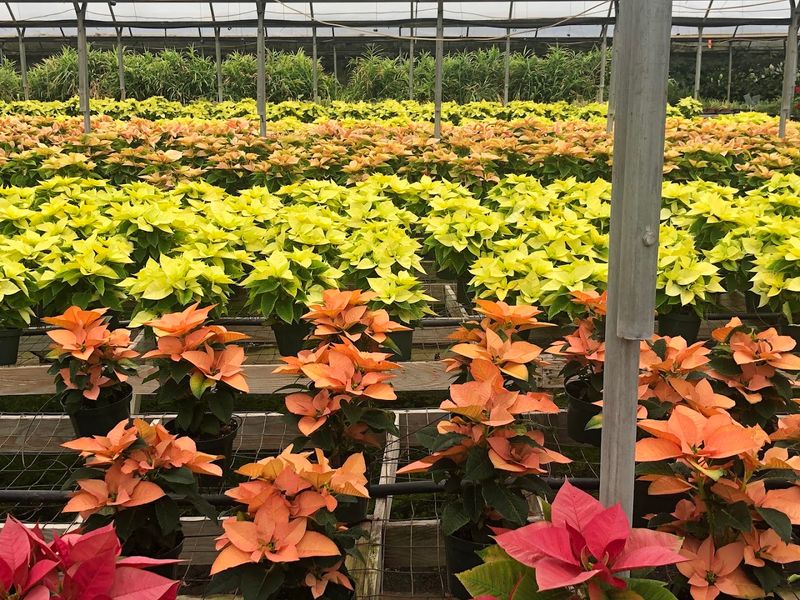
Watering a bonsai sounds simple until you kill your first one from overwatering. The golden rule is to water only when the topsoil feels slightly dry to the touch.
Never water if the soil is still wet, because soggy roots rot fast and there is no coming back from that.
When you do water, go all in. Water thoroughly until you see excess draining from the bottom of the pot.
If the soil was very dry, water it twice with a few minutes between rounds to make sure moisture reaches the roots evenly.
A watering can with a fine nozzle is the right tool here. It keeps the water gentle and avoids blasting the soil surface into a muddy mess.
Rainwater is the ideal choice, but regular tap water works fine for most species.
Seasonal adjustments matter a lot. During the active growing season, your bonsai will drink more water than in winter.
Pay attention to how quickly the soil dries out and adjust your routine accordingly. At Homestead Farms, where they grow 90% of their plants on site, proper watering is a daily discipline across more than 40 greenhouses.
Watching professionals manage hundreds of plants at once teaches you just how much attention consistent watering really demands. Small habits make a massive difference over time.
Soil Mix Composition For Bonsai Growth
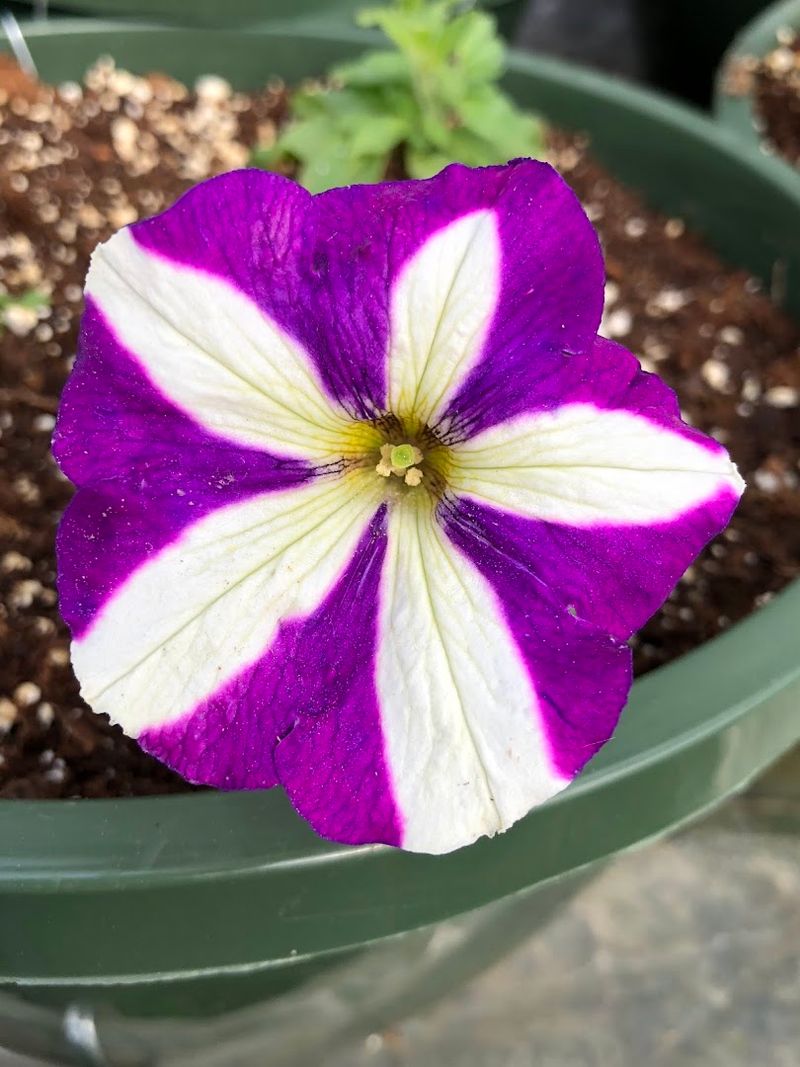
Bonsai soil is nothing like the potting mix you grab off a shelf at a hardware store. It needs to do three things well: retain water, hold nutrients, and allow air to move freely through the root zone.
Get any one of those wrong and your tree will struggle.
Akadama is a hard-baked Japanese clay that handles water retention beautifully. Pumice adds structure to the substrate and keeps roots from compacting over time.
Lava rock rounds out the mix by improving aeration and drainage simultaneously.
Organic potting compost brings nutrients to the party but needs the other components to balance out its density. A practical starting mix is one-third cactus soil, one-third Akadama or pumice, and one-third lava granules with grit.
Healthy bonsai soil should maintain over 20% air space to keep roots breathing properly.
At Homestead Farms Greenhouse and Nursery, the scale of their operation is a reminder of how seriously soil composition is taken by real growers.
They manage nearly 30 acres of plant material and grow 90% of it themselves, which means soil science is not an afterthought for them. Visiting their facility gives you a front-row seat to how professional growers think about root health.
It changes how you approach every repotting session at home. Good soil is the foundation everything else builds on.
Pruning Methods To Shape Miniature Trees
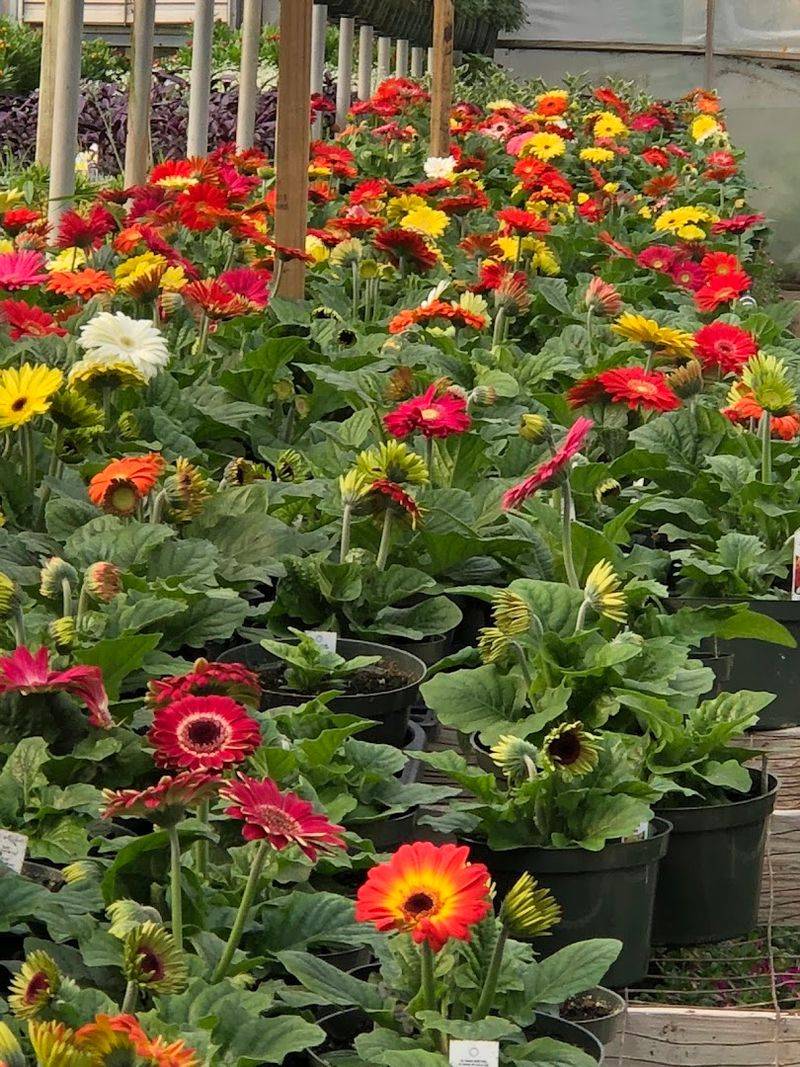
Pruning is where bonsai goes from being a hobby to being an art form. There are two main approaches: maintenance pruning and structural pruning.
Maintenance pruning keeps the existing shape clean and encourages growth toward the interior of the canopy.
Structural pruning is the bigger move. It establishes the tree’s fundamental form and usually happens during the dormant season when the tree is resting.
Always start any pruning session by removing damaged, yellowed, or diseased branches first.
Dense areas of foliage need thinning to let airflow and sunlight reach the inner branches. For Juniper species specifically, pinching off new soft shoots with your fingers works better than cutting.
Defoliation, which means removing leaves entirely, can reduce leaf size on certain species over time. The strict rule is to never remove more than one-third of the plant’s foliage in a single session.
Homestead Farms Greenhouse and Nursery is a great place to observe well-shaped plants up close. With 40+ greenhouses across nearly 30 acres, it offers countless examples of thoughtful plant shaping.
Their team grows most of what they sell, meaning every plant you see has been tended with real care. Watching how professionals handle their plants teaches pruning lessons no book can fully replace.
Seasonal Maintenance Tasks For Bonsai
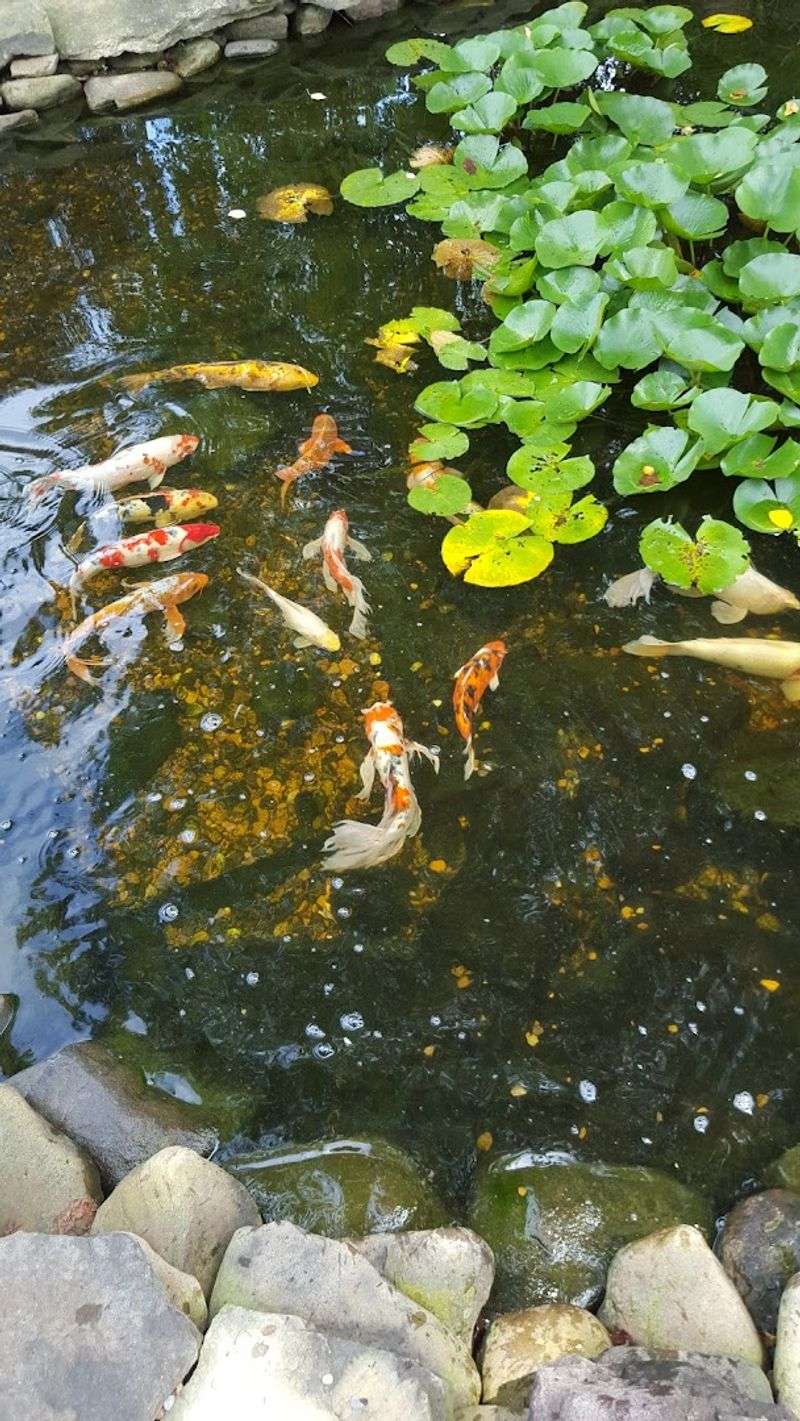
Bonsai care is not a set-it-and-forget-it situation. Every season brings a different set of tasks, and keeping up with the calendar is what separates thriving trees from struggling ones.
Spring is the busiest and most exciting time because trees wake up fast.
Repotting is best done in spring as growth kicks back in. Start fertilizing to support the surge of new shoots and prune or wire fresh growth while it is still pliable.
Summer means more watering, more monitoring for pests like aphids and spider mites, and trimming excess growth to hold your desired shape.
Fall is a wind-down season. Gradually reduce fertilizing as growth slows and clear fallen leaves from the pot to prevent mold.
Light pruning is fine in fall, but save the major structural cuts for another time.
Winter calls for protection. Move outdoor bonsai to a sheltered spot away from hard frost.
Reduce watering but never let the soil dry out completely. Skip fertilizing and pruning entirely during dormancy.
At Homestead Farms, their team manages seasonal plant care across more than 40 greenhouses every single year.
Watching their seasonal plant transitions shows the care and effort needed to keep plants healthy year-round. Their dedication to growing 90% of their own stock says everything about their commitment to quality.
Indoor Lighting Requirements For Healthy Bonsai
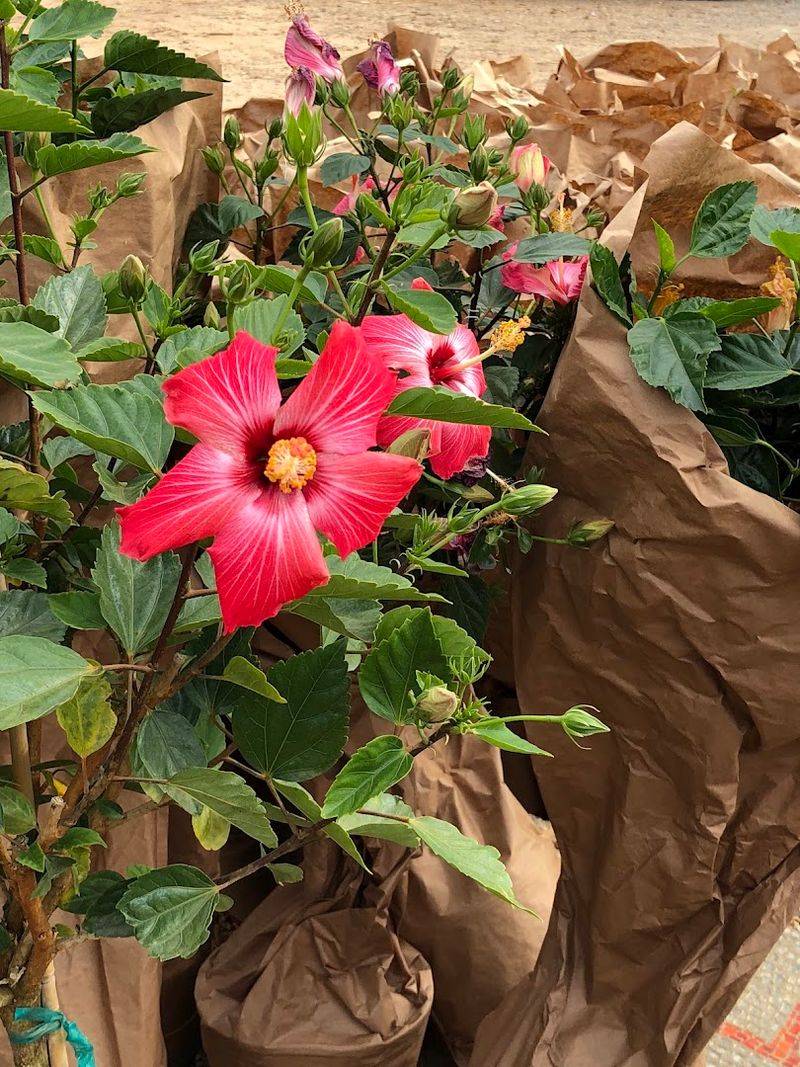
Light is the one thing indoor bonsai cannot negotiate on. Without enough of it, the tree slowly weakens, drops leaves, and becomes vulnerable to pests and disease.
South-facing windows are the best spots in the Northern Hemisphere because they catch the most consistent light throughout the day.
Fukien Tea bonsai need six to eight hours of bright, indirect light daily to stay healthy. Dwarf Jade manages well with four to six hours, making it slightly more forgiving for less sunny spaces.
Rotating your bonsai weekly ensures every side of the canopy gets equal light exposure and prevents lopsided growth.
When natural light falls short, LED grow lights are the practical solution. They deliver the full spectrum of light needed for photosynthesis without generating too much heat.
Position them six to twelve inches above the tree and run them for twelve to fourteen hours each day.
Homestead Farms operates 40+ climate-controlled greenhouses across nearly 30 acres, requiring constant attention to light management.
The way they position plants inside their massive facility to maximize natural light is something worth paying attention to on your next visit.
Their greenhouse environment shows exactly how much light tropical species actually crave. Bringing that awareness home with you will make a noticeable difference in how your indoor bonsai performs throughout the year.