
The Long Island Beach Where New York Locals Dig Their Own Clams At Low Tide And Take Home Dinner For Free
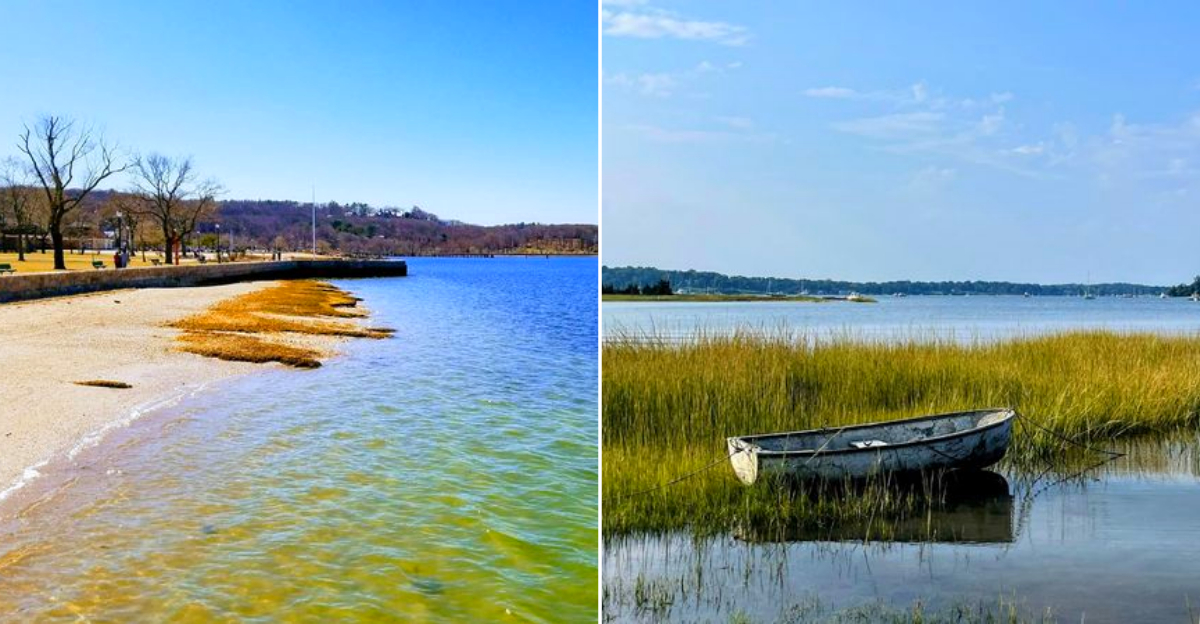
Long Island, New York has a beach where dinner is buried in the sand and the people who know about it show up with buckets. Low tide is the alarm clock.
First-timers stand at the edge of it slightly amazed that this is a thing a person can simply do. Free dinner from the ocean requires a permit, the right tide, and the kind of local knowledge that does not show up in a search result.
The clams here are the real kind. Briny and firm and tasting genuinely of the water they came from in a way that anything sitting on ice at a fish counter for three days simply cannot match.
New York locals drive past seafood restaurants on the way to this beach and feel completely correct doing so. The bucket goes in the water. The clams go in the bucket. Dinner handles itself from there.
A Bay That Earns Its Name Every Single Tide
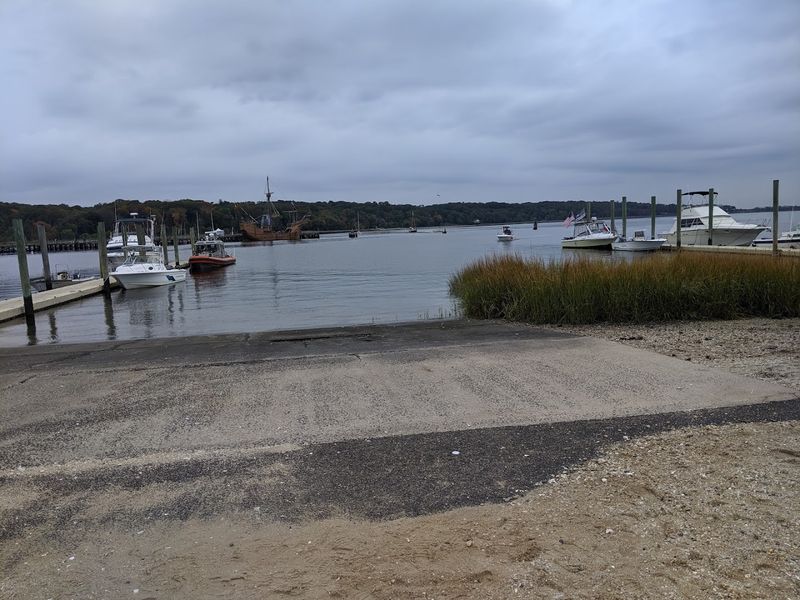
Not every place lives up to its name, but Oyster Bay Harbor has been delivering on its promise for centuries. Long before clam chowder became a diner staple, the Matinecock people were harvesting shellfish from these very same waters.
The bay earned its reputation the honest way, through consistent abundance and clean, protected tidal flats that shellfish absolutely love.
The harbor sits on the North Shore of Nassau County, New York, shielded from the open Atlantic by the natural curve of Long Island Sound. That protection keeps the water calm and the bottom conditions ideal for hard clams to thrive.
The mix of sand and soft mud creates the kind of habitat that littlenecks and cherrystones have called home for a very long time.
What makes this bay genuinely special is the sense that nature and community have worked together here for generations. Families return season after season, passing down their favorite spots and techniques like heirloom recipes.
The harbor is not a tourist attraction dressed up in nostalgia. It is a living, breathing, clamming tradition that New York has somehow managed to keep alive and well.
Oyster Bay Harbor: Where Dinner Hides Beneath The Sand
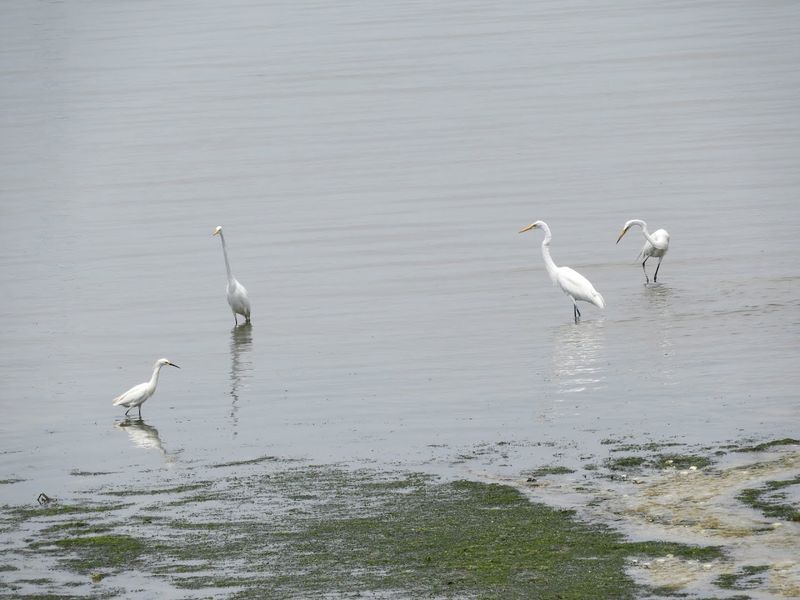
Oyster Bay Harbor sits along the coastline of Oyster Bay, NY, and it has a reputation that stretches well beyond Nassau County.
The harbor opens onto Cold Spring Harbor to the west and Long Island Sound to the north, giving it a geography that keeps water quality high and clam populations healthy.
At low tide, the exposed flats become one of the most productive recreational clamming grounds in the entire state.
The best window for clamming is roughly one hour before low tide and one hour after. During that stretch, the water retreats far enough to wade comfortably while still keeping the mud workable.
Locals know exactly when to show up, and on a good day, you will see a steady line of people working the flats with tongs and rakes, all moving with quiet purpose.
Hard clams are the main prize here. Littlenecks are the smaller, more tender variety, while cherrystones run a bit larger and hold up beautifully to heat.
Both species grow naturally in the bay bottom, which means every clam you pull out has been living exactly where nature intended. Fresh does not begin to cover it.
The Permit That Unlocks The Flats
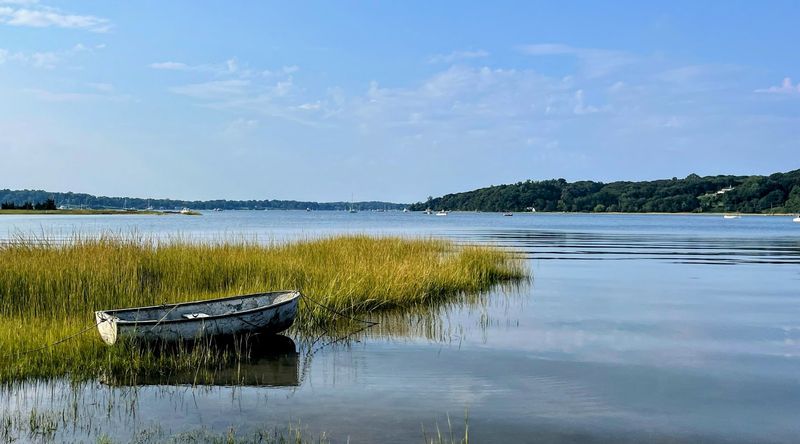
Clamming at Oyster Bay Harbor is not entirely free, and knowing the rules before you wade in will save you a lot of trouble. Residents of the Town of Oyster Bay who are 14 years of age or older can apply for a recreational clamming permit through the Town of Oyster Bay Clerk’s office.
Proof of residency is required, so bring a valid document that confirms your address before heading over.
Senior residents over the age of 60 can obtain a permanent recreational clamming ID card for a one-time fee of just seven dollars and fifty cents. That is a remarkable deal for a lifetime of access to one of the best clamming spots in New York.
For everyone else, the permit process is straightforward and worth every step.
The New York State Department of Environmental Conservation does not require a separate state permit for recreational shellfish harvesting from state lands, but local town regulations apply here and take priority.
Always check for current shellfish closures before heading out, since harvesting is only allowed in areas certified as open by the NYSDEC. Conditions change, and the rules exist to protect both the clams and the people eating them.
Gear Up Right Or Go Home Empty

You do not need a lot of equipment to clam at Oyster Bay Harbor, but what you bring absolutely matters. The Town of Oyster Bay permits only hand-operated tongs and rakes for recreational harvesting.
Rake teeth must be spaced no less than one inch apart, which is a regulation designed to help undersized clams slip back through rather than get pulled up accidentally.
A mesh bag or wire basket works well for collecting your haul because it lets water drain without trapping debris. Waterproof boots or old sneakers are a smart call since the mudflats can get slippery and the bottom is uneven in places.
Gloves are optional but appreciated once you have spent an hour digging through shell fragments and gritty sand.
Sizing matters just as much as gear selection. Hard clams must measure at least one inch in thickness, taken at right angles to the shell hinge.
Any clam that does not meet that standard goes straight back into the water immediately, no exceptions. The daily harvest limit is capped at 100 hard clams per person, and the combined total of clams, oysters, and mussels cannot exceed one bushel per day.
Respect the limits and the bay will keep giving back.
Reading The Tides Like A Local
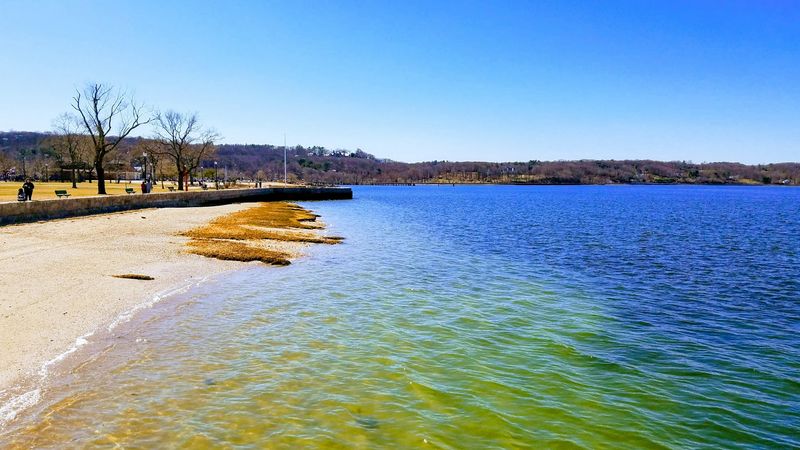
Timing your visit to Oyster Bay Harbor is half the skill. The tidal cycle controls everything, and showing up at the wrong hour means standing in knee-deep water with nowhere productive to dig.
Experienced clammers aim for the window that starts about sixty minutes before low tide and runs through about sixty minutes after. During that two-hour stretch, the flats are exposed just enough to work efficiently.
Tide charts are easy to find online and through the NOAA website, which provides accurate predictions for Oyster Bay specifically. Bookmarking that page before your trip is a genuinely good idea.
A few extra minutes of planning will put you on the flats at exactly the right moment instead of watching the water rise around your boots.
Weather also plays a role that experienced locals take seriously. Wind-driven tides can push water back earlier or hold it longer than the chart predicts, so checking conditions the morning of your outing gives you a clearer picture.
Overcast days with little wind tend to be the most comfortable for extended clamming sessions. The sun reflects hard off the water on bright days, and working the flats for two hours under full glare is a fast way to end your trip early.
What The Bay Gives You For Dinner
Pulling a bucket of clams out of Oyster Bay Harbor and bringing them home for dinner is one of those experiences that makes you feel genuinely connected to where you live. Littlenecks are the crowd favorite for raw preparation, served simply with a squeeze of lemon or a light mignonette.
Their flavor is clean, briny, and unmistakably fresh in a way that store-bought clams rarely match.
Cherrystones are a bit meatier and hold up well to heat, making them excellent for clam sauce over pasta or a straightforward baked preparation with breadcrumbs and herbs.
Both varieties can be steamed open in a wide pan with a splash of water and finished with garlic and fresh parsley in under fifteen minutes. It is weeknight cooking at its most satisfying.
Clams, oysters, and mussels can all be harvested year-round from areas certified as open by the NYSDEC, which means the season never really closes for prepared and permitted clammers. Keeping your harvest cold and covered on the trip home is essential for quality and safety.
A cooler with ice is the simplest solution and one that every regular clammer in Oyster Bay already keeps in their car without thinking twice about it.
Protecting The Bay So The Clams Keep Coming
Effective October 1, 2024, the Town of Oyster Bay Department of Environmental Resources put a temporary six-month shellfish harvesting moratorium in place on 1,850 acres of underwater land in Oyster Bay and Cold Spring Harbor.
The purpose was to study bay bottom conditions and give clam and oyster populations time to rebuild in those specific areas.
Harvesting in other public certified waters continued without interruption during that period.
Moratoriums like that one are not a punishment for clammers. They are the reason places like Oyster Bay Harbor can sustain recreational harvesting at all.
Managed rest periods allow populations to rebound, and the science behind them is well established within the shellfish management community across New York and beyond.
Checking the NYSDEC website for current open and closed area designations before every outing is not optional, it is the responsible move.
Closed areas exist because of sanitary conditions or conservation needs, and harvesting from a closed zone puts both public health and the future of the fishery at risk.
The bay has been feeding people for generations because enough of those people chose to follow the rules. Joining that tradition is what keeps the whole thing going for everyone who comes after you.